Best Beaches in Cádiz: The Complete Guide to Every Stretch of Sand
Cádiz sits on a narrow peninsula almost entirely surrounded by the Atlantic, giving it one of the most varied coastlines in southern Spain. This guide covers the best beaches in Cádiz city and across the Costa de la Luz province, with honest assessments of crowd levels, water conditions, access logistics, and what each beach is actually good for.
Plan and book this trip
Tools from our partner Travelpayouts help you compare flights and hotels. If you book through them, we may earn a commission at no extra cost to you.
Flights
Hotels map
TL;DR
- Cádiz city has five main beaches: La Caleta (iconic but small), La Victoria (3 km, Blue Flag), Santa María del Mar, La Cortadura, and El Chato. All are reachable by urban bus from the old town.
- The best province beaches include Bolonia, Zahara de los Atunes, El Palmar, and Los Caños de Meca, stretching along the Costa de la Luz coastline.
- Atlantic-facing beaches near Tarifa (Valdevaqueros, Bolonia) get strong Levante winds. Great for kitesurfing and windsurfing, less ideal if you want flat, calm water.
- High season is mid-June to early September. Shoulder months (April-June, September-October) offer warmer days, fewer crowds, and lower accommodation rates.
- La Caleta is the most photographed beach in Cádiz city, but it fills up fast and lacks the space and facilities of La Victoria. Know which one fits your expectations before you arrive.
Understanding the Cádiz Coastline Before You Go
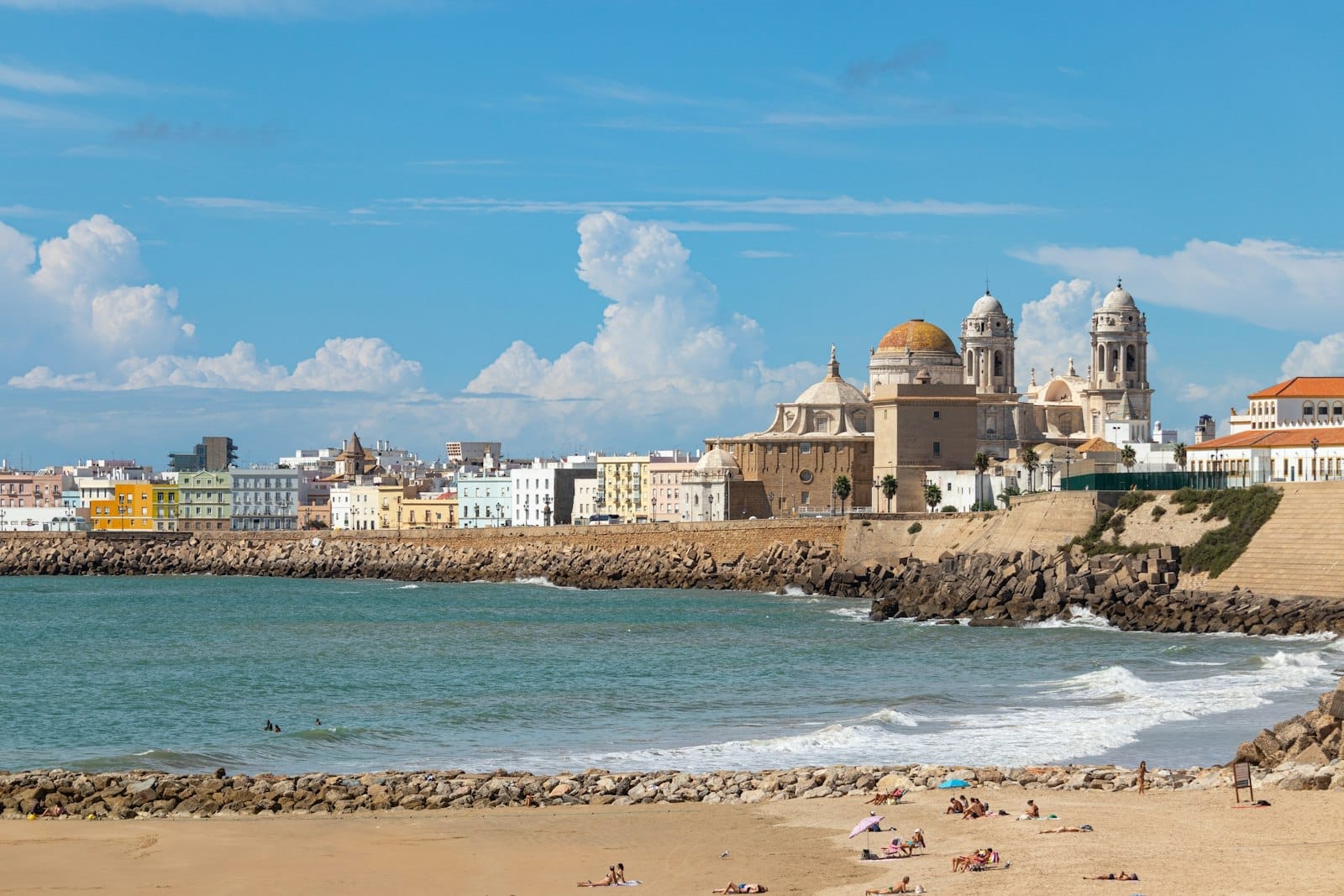
Most visitors arrive expecting a typical Mediterranean beach holiday and are surprised to find the Atlantic. Cádiz faces west and south into open ocean, which means bigger waves, stronger winds, and water that stays cooler than the Costa del Sol even in August. That Atlantic exposure is exactly what makes the coast special, but it shapes what each beach is actually good for.
The province's coastline is marketed as the Costa de la Luz, named for its famously clear light. It stretches from Sanlúcar de Barrameda in the north down through Cádiz city, Conil, Zahara de los Atunes, and all the way to Tarifa at the southern tip, where the Atlantic meets the Mediterranean and the Strait of Gibraltar narrows toward Morocco. Each section of this coastline has a distinct character.
ℹ️ Good to know
The Levante wind, a dry easterly that funnels through the Strait, is a defining factor for beaches south of Conil. Tarifa and Valdevaqueros see some of the strongest winds in Europe. Check forecasts before making the drive if you're planning to sunbathe rather than kitesurf.
The Best Beaches in Cádiz City
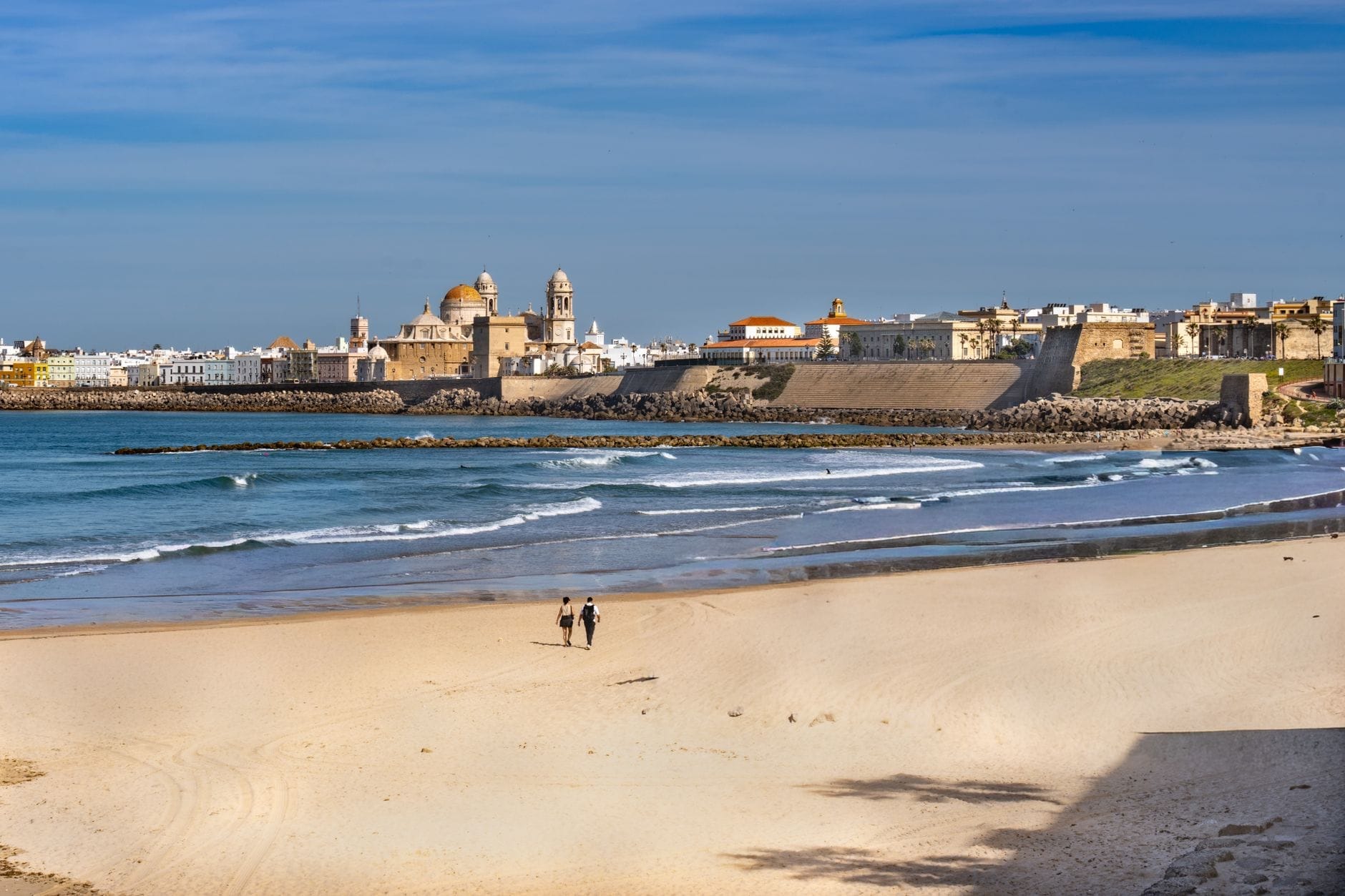
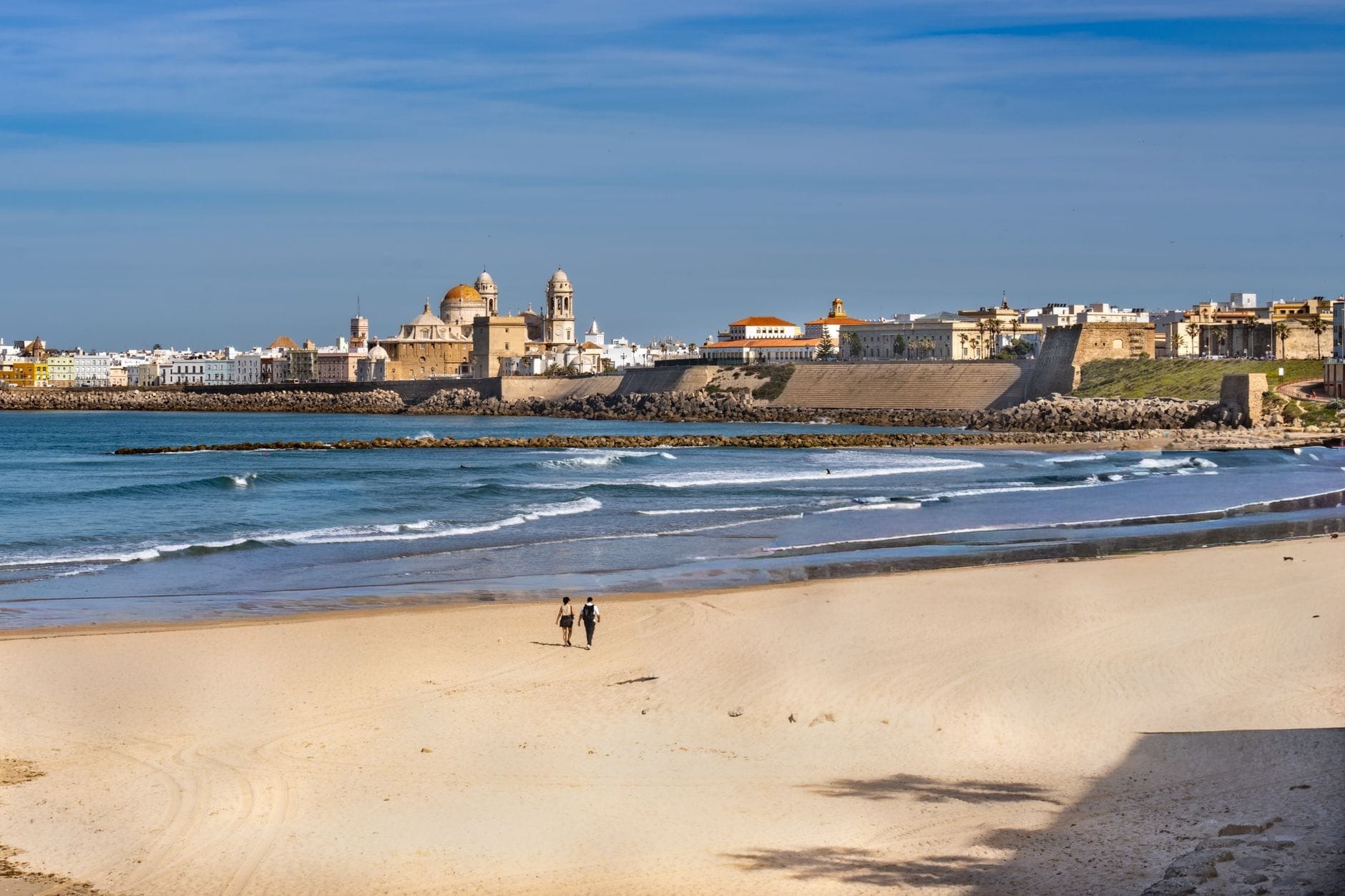
Cádiz city is unusual in that a 114,000-person urban centre has multiple beaches within walking distance of its historic core. The five main city beaches run along the peninsula's Atlantic edge, each with a different atmosphere. For context on what surrounds them, see the Cádiz old town walking tour which passes several of these waterfronts.
- Playa de la Caleta The city's most iconic beach, a small horseshoe cove wedged between Castillo de San Sebastián and Castillo de Santa Catalina. It looks spectacular in photographs and at sunset it genuinely earns that reputation. The downside: it holds relatively few people before it feels overcrowded, the sand disappears at high tide, and facilities are limited compared to La Victoria. Come early morning or off-season to appreciate it properly.
- Playa de la Victoria Around 3 km of wide, flat sand stretching along the Atlantic side of the peninsula. Consistently awarded Blue Flag status for water quality and beach services. In summer you'll find lifeguards, paid sunbed and umbrella rentals, showers, public toilets, and beach bars. This is the right choice if you want a full day at the beach with proper infrastructure. It can get crowded from late June through August.
- Playa de Santa María del Mar Immediately north of La Victoria, connecting to it at low tide. Slightly less visited, with a mix of local families and younger visitors. Reasonable facilities in summer.
- Playa de la Cortadura The quietest of the city beaches, at the southern end of the peninsula where the city transitions into dunes and pinewoods. Fewer services, more space, and a wilder feel than Victoria. Popular with local runners and dog walkers outside peak summer hours.
- Playa El Chato A small strip at the far southern tip of the city peninsula, closer to the bridge. Less visited by tourists and used mainly by local residents. No tourist infrastructure to speak of.
💡 Local tip
Urban buses run frequently along the seafront from the old town and the main train/bus station. For La Victoria, check the EMT Cádiz municipal bus routes posted at stops near Plaza de España or the Puertas de Tierra. The ride takes around 10-15 minutes and costs under €2.
La Caleta is framed by two fortresses that appear in films including the James Bond movie 'Die Another Day', which was partly filmed here posing as Cuba. The Castillo de San Sebastián sits on a rocky islet connected to the beach by a causeway, and the Castillo de Santa Catalina closes the other end of the cove. The visual drama is real, even if the beach itself is modest in size.
Best Province Beaches: Costa de la Luz Beyond the City
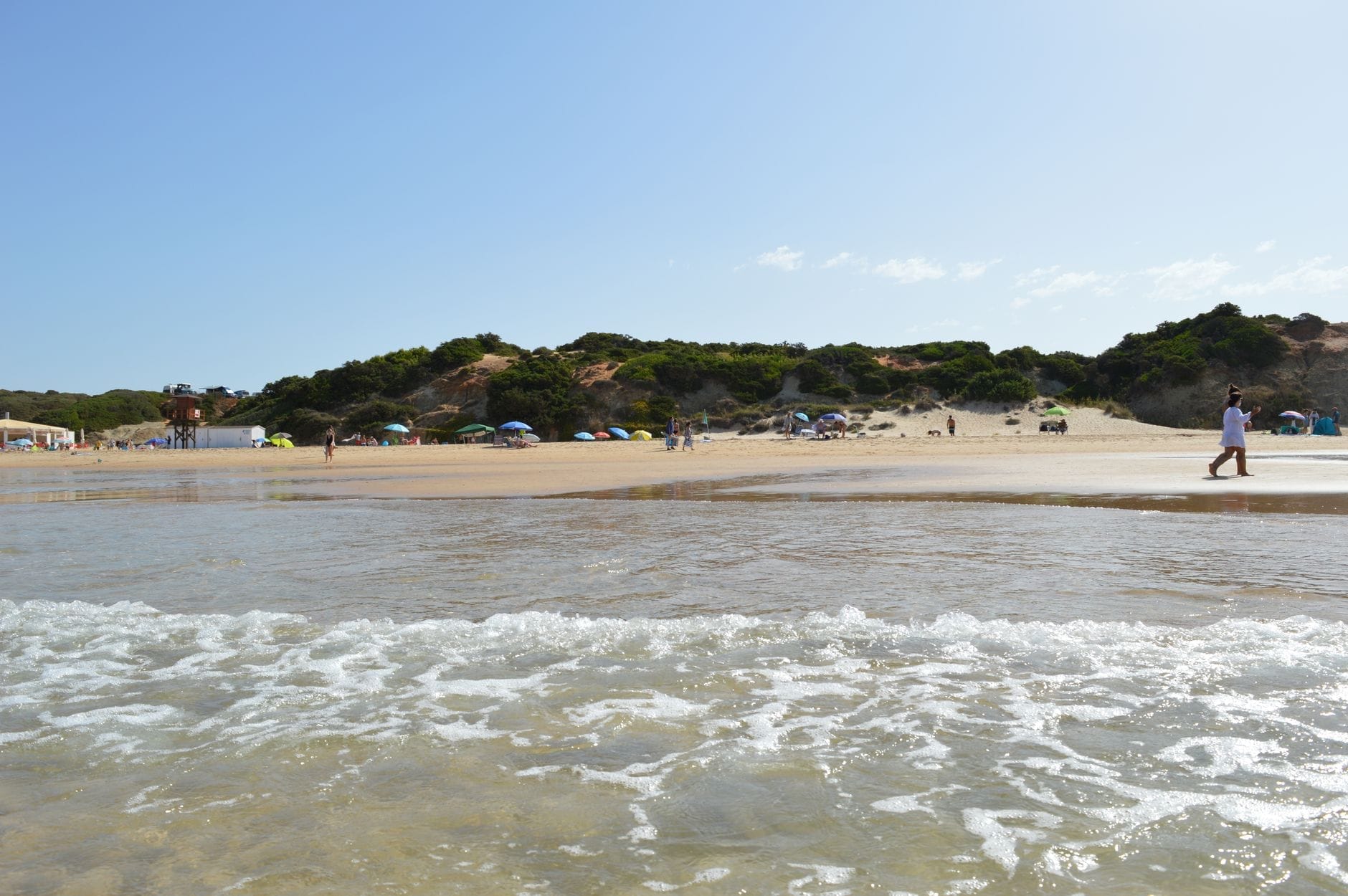
The most spectacular beaches in the province of Cádiz lie outside the city, and most require a car or a bus journey to reach. The stretch from Conil southward through Tarifa is where the coast becomes genuinely wild, with long dunes, backed-by-pine-forest sands, and views toward Africa on clear days.
- Bolonia Beach (near Tarifa) Around 3 km of unspoilt sand inside the Strait Natural Park, with a large dune at one end that you can climb for panoramic views. What makes Bolonia exceptional is its combination: serious natural beauty, relatively low commercial development, and the Baelo Claudia Roman ruins just metres from the sand. It fills up in August, but the scale of the beach absorbs crowds better than smaller coves. Roughly 25 km from Tarifa town via a narrow road.
- Zahara de los Atunes Long, fine white sand with a relaxed village atmosphere. Less windy than Tarifa-area beaches and calmer water on most days, making it more suitable for families. The small town behind it has enough restaurants and bars to fill an evening. One of the better options if you want genuine beach quality combined with an easy base.
- Valdevaqueros (near Tarifa) Strong Atlantic winds make this one of Europe's premier kitesurfing and windsurfing spots. On a high-wind day, watching the kites from the shore is impressive. On the same day, sunbathing is unpleasant. Know the forecast before you go. Views across the Strait to Morocco are genuinely striking.
- El Palmar Broad, straight Atlantic beach backed by low dunes between Vejer de la Frontera and Conil. Consistent surf, a handful of beach bars and surf schools, and a laid-back atmosphere that attracts a younger crowd. Not overbuilt. Good for beginner surfers.
- Los Caños de Meca and Zahora Two neighbouring beach areas near the Cape Trafalgar lighthouse. Pine-forested cliffs drop to sand, the sunset light here is some of the best on the entire coast, and the vibe is noticeably alternative and low-key compared to the more polished resort beaches. Popular with Spanish visitors who come back year after year.
- La Fontanilla, Conil de la Frontera Conil's main beach is a broad, protected bay that catches less wind than beaches further south. The town itself is one of the more pleasant coastal villages in the province, with good seafood restaurants. Well serviced in summer with lifeguards and beach bars.
⚠️ What to skip
A car is almost essential for reaching Bolonia, Zahora, Los Caños de Meca, and Valdevaqueros. Long-distance buses connect Cádiz city with Tarifa, Conil, and Zahara de los Atunes, but frequency drops sharply outside summer and timetables require planning. Check the Consorcio de Transporte Bahía de Cádiz website and Renfe for current schedules before assuming bus access is straightforward.
When to Go: Seasons, Crowds, and Conditions
High season runs from mid-June to early September. During this window, the major beaches operate at full capacity: lifeguards are posted, beach bars are open, and sunbed rentals are available on the larger city and resort beaches. Water temperatures in summer are comfortable for swimming. The trade-off is crowds and higher accommodation prices, particularly on weekends when visitors arrive from Seville and Madrid.
April through June and September through October offer the best balance for most visitors. Daytime temperatures typically reach 19-26°C, the Atlantic moderates the heat, and the beaches are genuinely uncrowded by comparison. Some beach bars and sunbed rental services won't be operating, but the sand and sea are there regardless. If this timing works for you, it's worth combining with other things to do in Cádiz including the old town, museums, and markets.
Winter is underrated for visitors who don't need to swim. The city is mild, rarely cold, and Playa de la Victoria on a clear February morning, almost entirely deserted, is a different and entirely legitimate experience. La Cortadura is popular with locals year-round for walking and running precisely because it's never unpleasant.
Practical Information: Access, Facilities, and What to Expect
Cádiz city itself has no major airport. The two nearest are Jerez de la Frontera (the closer option) and Seville. From either airport, the standard route involves a transfer to the train station and then an intercity train into Cádiz. For beaches within the province, most travellers base themselves either in Cádiz city and take day trips, or rent accommodation directly in coastal towns like Conil, Zahara, or Tarifa.
On the major urban beaches, specifically La Victoria and Santa María del Mar, the city council publishes seasonal tariffs for sunbed and umbrella rentals each year; check the Ayuntamiento de Cádiz website for current prices before you go. Public showers and toilets are available at no cost on these beaches during summer. The smaller city beaches (Cortadura, El Chato) have fewer facilities and no paid rental services.
- Arrive at La Caleta before 10:00 in July and August if you want to claim a spot. By midday it is genuinely packed.
- La Victoria's northern end, closer to the old town, tends to be busier. Walk south along the beach for more space.
- For Bolonia, arrive on weekdays and before noon if visiting in August. It holds more people than La Caleta but still has limits.
- Sun protection is non-negotiable. The Cádiz coast gets intense UV, especially when the Levante wind creates a false sensation of cool air.
- Topless sunbathing is common and unremarked upon at all beaches. Standards are consistent with mainstream Spain.
- Most beach bars (chiringuitos) accept card payment in summer, but carry cash as a backup, particularly at smaller spots.
✨ Pro tip
The Playa de la Victoria promenade connects directly to the Playa Victoria district, where you'll find good seafood restaurants a short walk from the sand. If you're spending a full day at the beach, this is the most practical base for lunch and evening options compared to trying to get back into the old town during peak afternoon heat.
Beach days pair naturally with exploring the city's historic core. The Playa de la Caleta is close enough to the old town that you can walk from there to the Catedral de Cádiz or the Mercado Central de Abastos in under 15 minutes on foot. That combination, morning beach, market lunch, afternoon old town, is one of the most efficient ways to use a single day in Cádiz.
Honest Assessments: What's Overrated and What Deserves More Attention
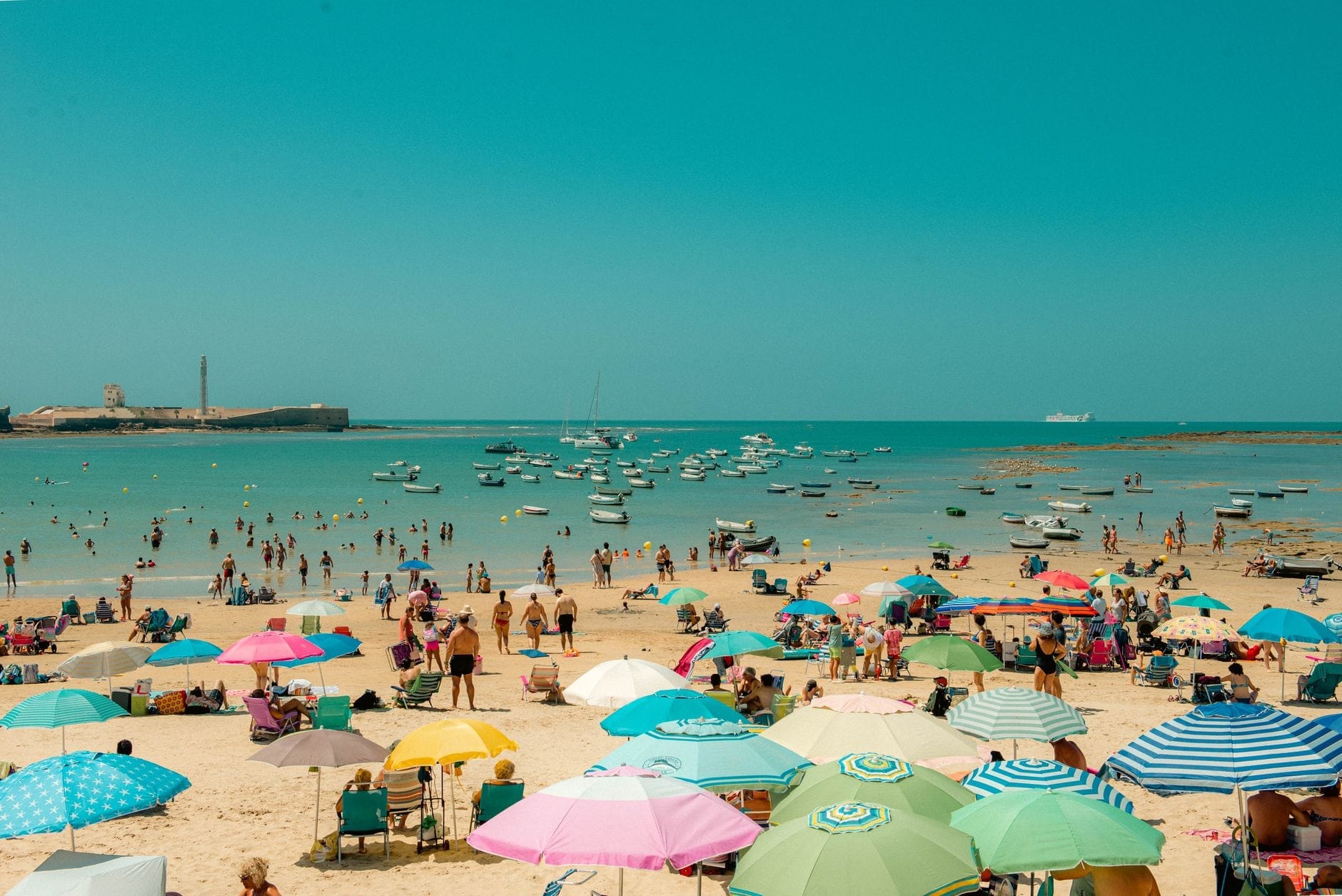
La Caleta appears on nearly every 'best beaches in Cádiz' list, and the photography is warranted. But as a beach for actually spending time at, it has real limitations: it's small, it fills quickly, the sand narrows at high tide, and the facilities are modest. It's worth seeing, preferably in the early morning or at sunset, but plan to swim and sunbathe elsewhere if you have flexibility.
Bolonia is consistently underrated in comparison to how famous it should be. It combines genuine natural quality with the Baelo Claudia Roman ruins and the dramatic dune at its northern end. If you only make one day trip out of Cádiz city to a beach, Bolonia is the strongest argument. Combine it with a wider day trip from Cádiz if you're planning a longer excursion south.
Zahara de los Atunes is often overlooked because it lacks the name recognition of Tarifa or the city appeal of Cádiz. That oversight works in your favour: it's one of the most beautiful stretches of sand in the province with a genuine village behind it, calmer conditions than Tarifa, and a relaxed pace that makes it easy to spend two or three days there without feeling like you're missing something.
FAQ
What is the best beach in Cádiz city?
Playa de la Victoria is the best city beach for a full day out. It's around 3 km long, holds Blue Flag status for water quality, and has full summer facilities including lifeguards, showers, toilets, and beach bars. Playa de la Caleta is more atmospheric and iconic, but it's small and gets overcrowded quickly in summer.
Are Cádiz beaches calm enough for families with young children?
City beaches like La Victoria and Zahara de los Atunes are generally suitable for families. Atlantic-facing beaches near Tarifa (Valdevaqueros, Bolonia on windy days) can have strong surf and wind. Check conditions on the day and look for beaches with lifeguard coverage if swimming with children.
How do I get from Cádiz city to the best beach towns like Conil or Zahara?
Long-distance buses run from Cádiz bus station to Conil and Zahara de los Atunes in summer, with reduced frequency outside peak season. Tarifa is also accessible by bus. For beaches off the main roads, such as Bolonia, Los Caños de Meca, or Zahora, a rental car is the most practical option.
When is the best time to visit Cádiz beaches?
June and September offer the best conditions for most visitors: warm enough to swim, less crowded than July-August, and full beach services still operating. April and May are excellent for those who don't need the water to be warm. July and August are peak season with full facilities but busy beaches and higher prices.
Is La Caleta beach worth visiting or is it overhyped?
La Caleta is genuinely beautiful, especially at sunset with the two fortresses flanking the cove. It's worth seeing. As a beach to spend a full day at, it's limiting: it's small, fills up fast, and the sand shrinks at high tide. Visit early morning or late afternoon, then head to La Victoria if you want more space and comfort.