Flamenco in Cádiz: Where to See Authentic Shows (and What to Skip)
Cádiz is one of flamenco's true birthplaces, not a footnote to Seville or Granada. This guide covers the best tablaos, local peñas, seasonal festivals, honest price breakdowns, and practical booking advice for seeing genuine flamenco in Cádiz, Spain.
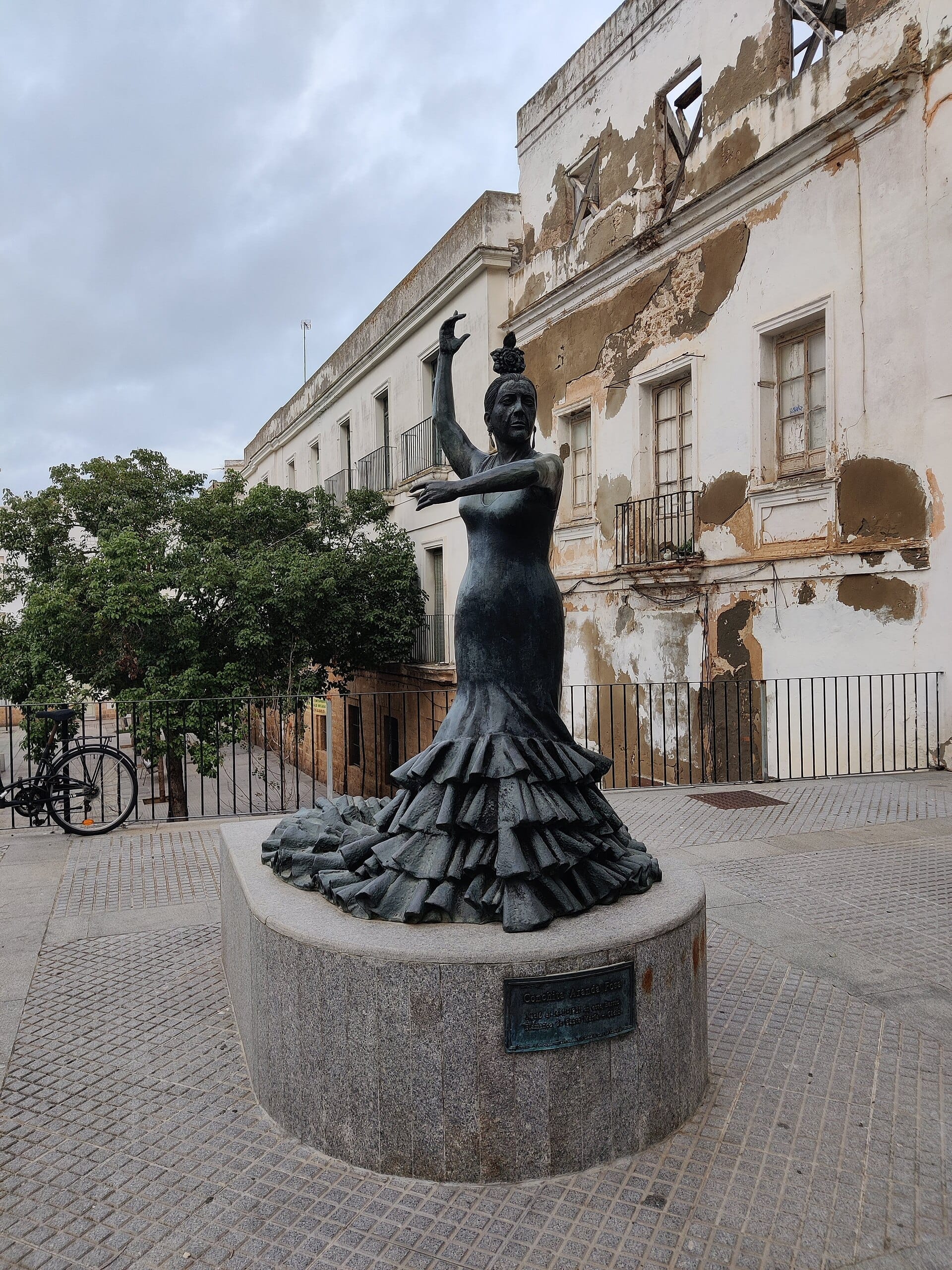
Plan and book this trip
Tools from our partner Travelpayouts help you compare flights and hotels. If you book through them, we may earn a commission at no extra cost to you.
Flights
Hotels map
TL;DR
- Cádiz is a historic heart of flamenco — alongside Jerez, it shaped the art form long before Seville became the tourist default.
- Tablao Flamenco La Cava is the city's most established venue; shows run around 21:30 with tickets typically between 12–25 €. For a full dinner-show package, the Costa de la Luz show costs around 45 € per adult.
- Peñas (member-run flamenco clubs) and small bars offer more authentic, less polished experiences — often free or very low cost, but harder to access without local knowledge.
- The Jerez International Flamenco Festival (February–March) and Fiesta de la Bulería (September) are the province's biggest flamenco events, worth timing your trip around.
- Book tablao tickets in advance, especially in summer. Check the best time to visit Cádiz if you want to combine flamenco with a festival.
Why Cádiz Matters for Flamenco
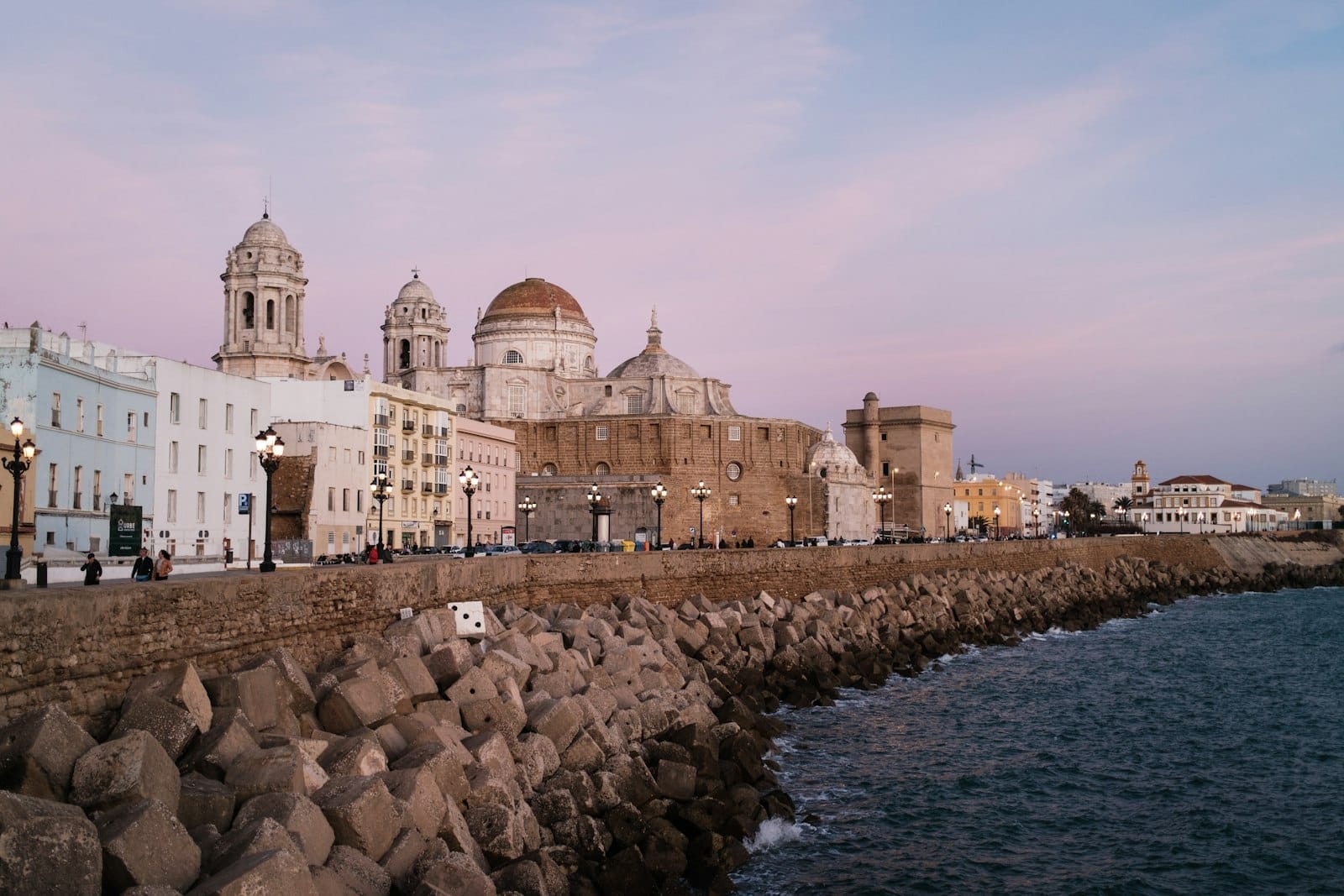
Most visitors arrive in Andalusia with Seville or Granada in mind for flamenco. That's understandable — both cities are well-organized for tourists. But Cádiz and the surrounding province, particularly Jerez de la Frontera, are where several of flamenco's most fundamental styles actually developed. The alegrías, one of the most joyful and technically demanding palos (styles) in flamenco, is named after and rooted in Cádiz. UNESCO recognized flamenco as an Intangible Cultural Heritage of Humanity in 2010, and the province of Cádiz sits at its core.
The Santa María neighborhood, tucked inside the historic centre of Cádiz, has long been a cradle of flamenco talent. Many legendary cantaores (singers) came from its narrow streets. This is not marketing copy — it's the reason serious flamenco aficionados make the trip here rather than defaulting to a Seville tablao. If you want to understand flamenco as a living tradition rather than a stage spectacle, Cádiz is the right city.
ℹ️ Good to know
Flamenco is three things at once: cante (song), baile (dance), and toque (guitar). The cante is actually the most revered element among purists — not the dance, which tends to dominate tourist-facing shows. Keep that in mind when choosing a venue: a good tablao should give equal weight to all three.
The Main Tablao in Cádiz: Tablao Flamenco La Cava
Tablao Flamenco La Cava is the city's most prominent dedicated flamenco venue, set inside a space that carries the character of an old theatre. It draws professional performers and has built a consistent reputation over years of operation — which makes it the default recommendation for first-time visitors who want a structured, reliable experience. Shows typically run at 21:30, and the atmosphere is genuine enough to satisfy visitors who have done their research.
Tickets generally fall in the 12–25 € range depending on the show format, whether drinks or tapas are included, and which performers are on that night. The venue has an official online booking system, which you should use: walk-up availability is unreliable in high season (July–August), and the better seats go early. If your visit is during a cruise stop or a summer weekend, book at least a week ahead.
- Show times Typically 21:30 — check the official site for current schedules as they can vary by season.
- Ticket prices Around 12–25 € for the show alone; dinner-show packages cost more.
- Booking Reserve directly via flamencolacava.com/en for best availability and pricing.
- Duration Most shows run approximately 60–75 minutes.
- Crowd mix Mostly tourists, but the performers are professional — the quality of the art is not compromised.
💡 Local tip
Arrive 15–20 minutes before the show starts. Seating at La Cava is often by order of arrival within ticket tiers, and the closest seats to the stage make a significant difference to the experience — especially for reading the expressions of the cantaor.
The Costa de la Luz Dinner Show: Best Value for a Full Evening
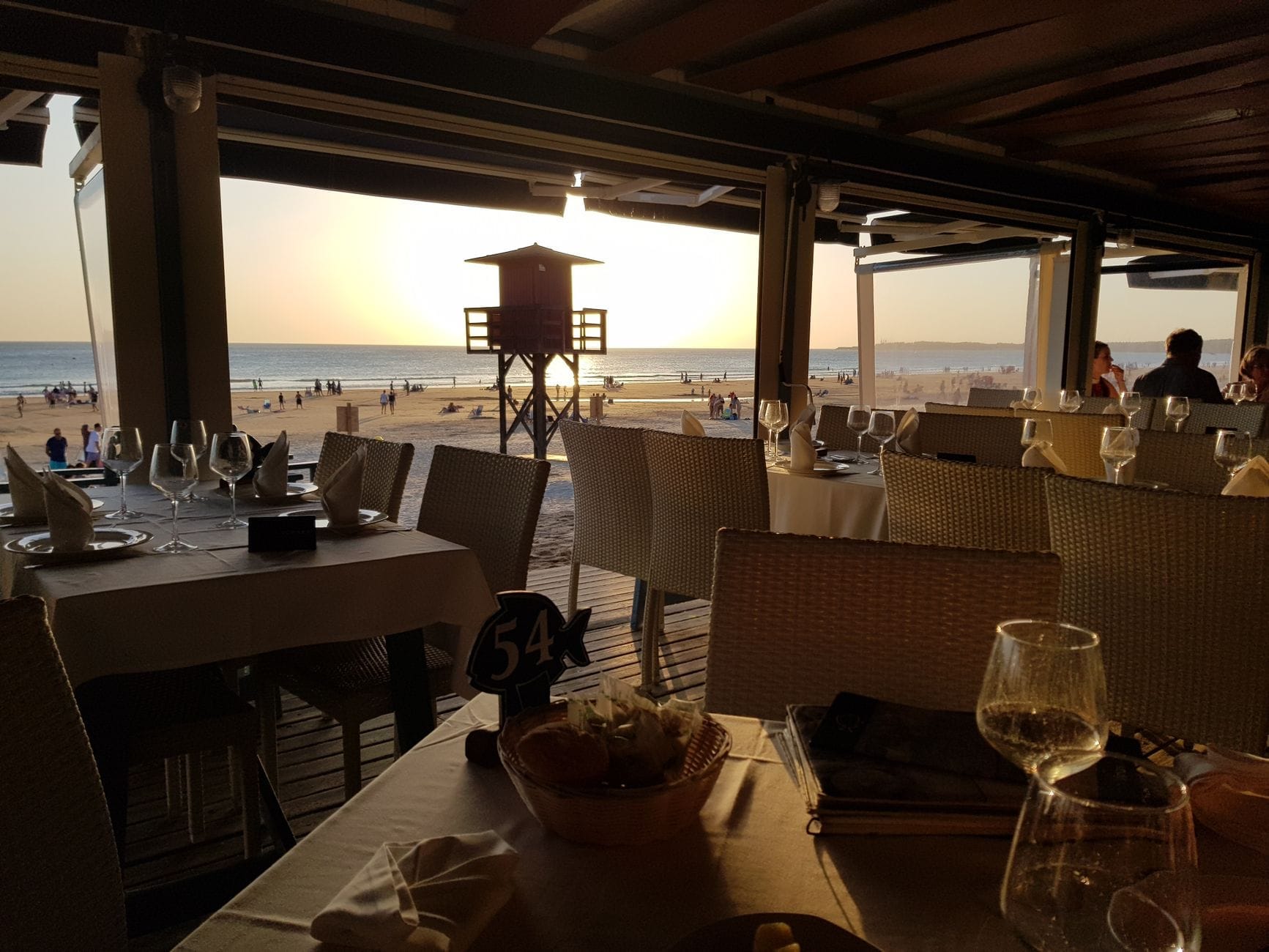
If you want to combine a flamenco show with dinner and a drink in one booking, the Costa de la Luz flamenco package is the clearest option in the city. The show runs approximately 1.5 hours (21:30–23:00) and includes tapas and a drink alongside the performance. Pricing is around 30–35 € per adult and roughly half that for children aged 6–12 — making it one of the more transparent packages available in the city.
The schedule is seasonal: the show runs on selected evenings each week for much of the year, with days varying by season. It may not operate or may run a reduced schedule in December and January, so winter visitors should verify current dates and consider other venues as a backup. For travellers on a cruise or with a single evening in the city, this format simplifies logistics considerably.
⚠️ What to skip
The dinner-show format is convenient, but the food quality at flamenco packages is rarely exceptional. If genuine Cádiz cuisine matters to you, eat at a proper restaurant first and book the show-only option at La Cava instead.
Beyond the Tablaos: Peñas, Bars, and the Real Cádiz Flamenco Scene
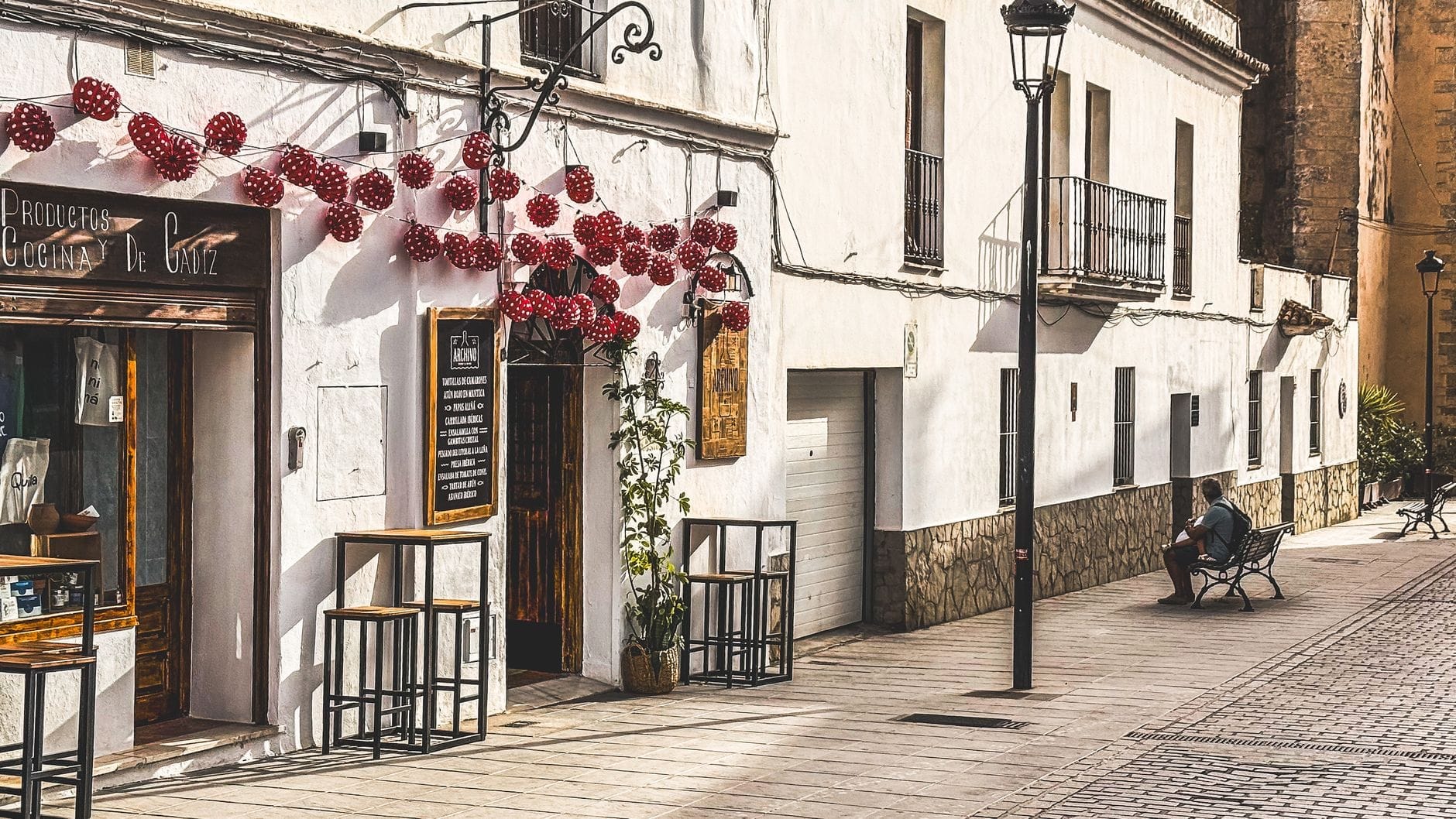
The most authentic flamenco in Cádiz does not happen on a ticketed stage. It happens in peñas flamencas — private clubs dedicated to flamenco culture, run by members who gather to perform and listen. The Peña Flamenca Juanito Villar is one of the city's well-known examples, operating as a restaurant and social venue where live flamenco appears regularly. These spaces are less polished and less predictable than tablaos, but that unpredictability is precisely the point. You might witness a cantaor lose themselves in a siguiriya and bring the room to silence. You will not see that in a show choreographed for tourists. The La Viña neighbourhood and the Santa María area are the places to look for this kind of venue.
Café Teatro Pay-Pay and Cambalache are smaller Cádiz venues where flamenco shares space with jazz and other live music. These are not pure flamenco destinations, but they offer evenings that feel like local culture rather than a staged experience. The trade-off is that schedules are irregular — you need to check what's on during your specific dates. These venues are worth the effort if you have more than two nights in the city.
- Peñas are member organizations — you may need a local contact or to check if they have public-facing events during your visit.
- Spontaneous flamenco at bars and in plazas is more common during Carnival season (February) and in summer evenings.
- Ask staff at your accommodation specifically about peña events — this is information that rarely surfaces on booking platforms.
- The barrio of Santa María, near the Teatro Romano, is the neighbourhood with the deepest flamenco history in the city.
- Do not expect flamenco at mainstream tourist bars near the cathedral — that is not where the tradition lives.
Festivals and the Best Time to See Flamenco in Cádiz Province
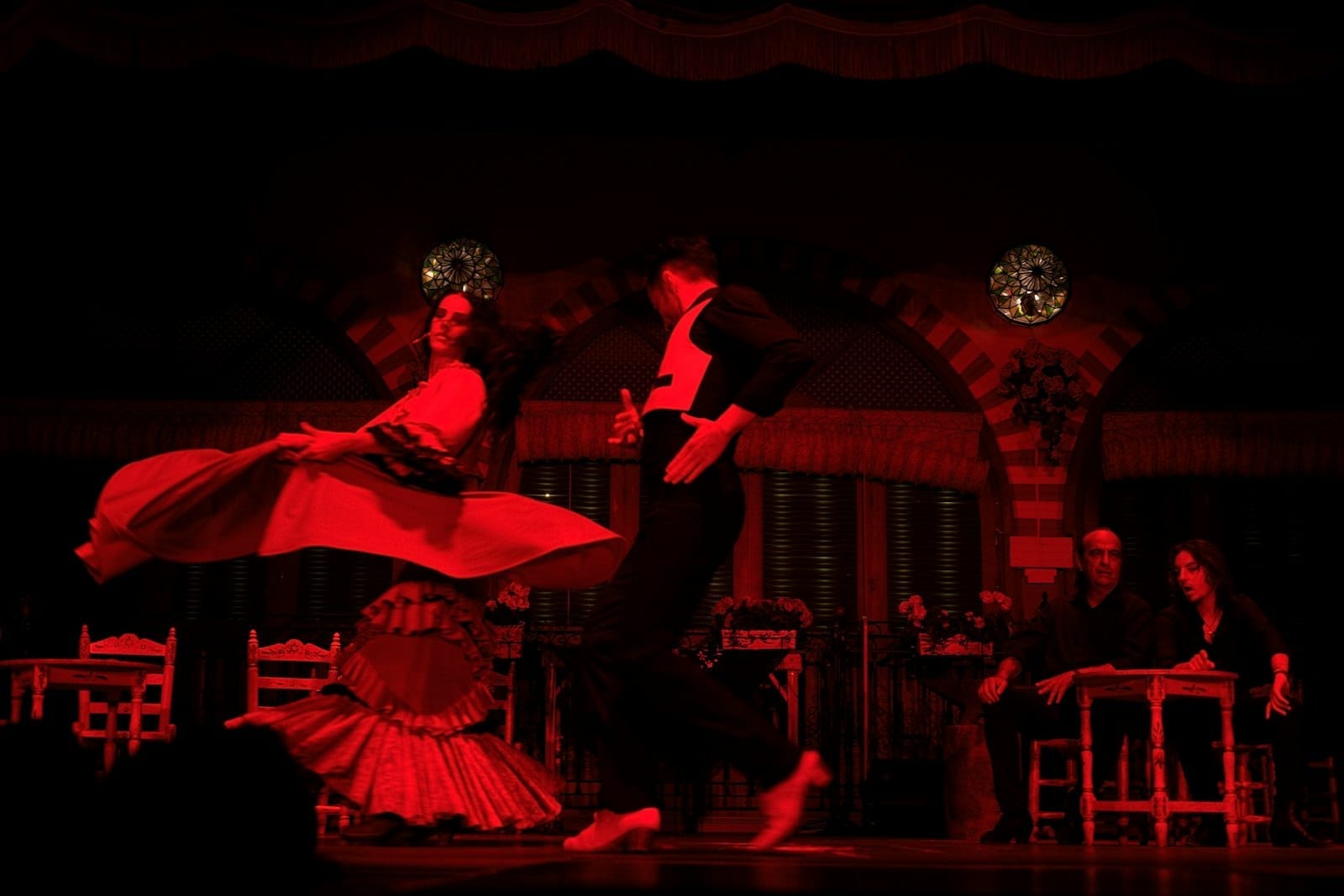
The province of Cádiz has two anchor events for serious flamenco. The Jerez International Flamenco Festival runs in February and March, bringing world-class performers to the Teatro Villamarta and other venues in Jerez de la Frontera, about 35 kilometres from Cádiz city. This is one of the most important flamenco festivals in Spain, not a regional curiosity. Combining it with time in Cádiz makes for a genuinely deep cultural trip. The Cádiz to Jerez day trip is straightforward by train or bus, and Jerez itself warrants an overnight stay during festival week.
The Fiesta de la Bulería in September is Jerez's other major flamenco event, focused specifically on the bulería — one of the fastest, most rhythmically complex palos in the tradition. If you can only attend one event in the province, the February–March festival offers more variety and more internationally recognized artists. The September fiesta is more specialist but electrifying if the bulería style interests you.
In Cádiz city itself, flamenco intensity picks up noticeably in summer. Street performances appear more frequently near La Caleta and around the old town plazas on warm evenings. The tablaos run year-round, but summer brings larger audiences and occasionally more ambitious programming. Winter is quieter — the dinner-show package closes in December and January — but spring (April–June) and autumn (September–October) offer the best balance of comfortable temperatures, smaller crowds, and active flamenco calendars.
Practical Booking Advice and What to Avoid
Book tablao tickets directly through official venue websites or through reputable platforms. The markup through third-party tour operators is often significant — you can pay 60–80 € for a package that costs 25 € when booked directly. If you are visiting as part of a cruise excursion, the bundled flamenco-and-old-town packages offered by cruise lines (like Norwegian's Cádiz excursion at La Cava) are convenient but priced for convenience. Independent booking saves money and gives you more control over timing. For context on planning your day around this, the Cádiz old town walking tour pairs naturally with an evening show — cover the historic centre during the day and end at a tablao after dinner.
A few things to be sceptical of: any venue advertising 'authentic Gypsy flamenco' in signage aimed at tourists is almost certainly prioritizing spectacle over substance. Authentic flamenco does have deep Romani roots, but venues that lead with this framing as a sales pitch tend to lean on stereotype rather than artistry. Similarly, hotels that offer 'flamenco evenings' in their own spaces rarely deliver serious performances — they are usually background entertainment during dinner.
- Book tablao tickets at least 3–5 days ahead in July and August.
- For the Jerez International Flamenco Festival, popular performances sell out weeks in advance — check the festival's official programme in December or January.
- Verify current opening nights for peñas before your trip: many operate Thursday through Sunday only.
- Dress code is smart casual for tablaos — not formal, but not beachwear either.
- Children are welcome at most shows but may find a 90-minute late-night performance difficult — the 21:30 start is standard, not early.
If you want to deepen your understanding before attending a live show, Cádiz's cultural institutions provide context. The Museo de Cádiz covers the city's broader artistic heritage, while the Gran Teatro Falla — the city's grand theatre and the spiritual home of Carnival — occasionally hosts flamenco performances worth checking. Knowing something about the history of the city before you sit down to watch a show changes what you hear in it.
FAQ
Is Cádiz a good place to see flamenco compared to Seville or Granada?
Yes, and for serious enthusiasts, arguably better in some respects. Cádiz and Jerez are where several core flamenco styles originated, and the local scene has less commercial pressure than Seville's tablao circuit. The venues are smaller, the audiences more engaged, and the peña culture still active. Seville and Granada have more options and more consistent tourist infrastructure, but Cádiz offers more authenticity if you're willing to look beyond the main tablao.
How much does a flamenco show in Cádiz cost?
Show-only tickets at Tablao Flamenco La Cava typically run around 30 € per person. Dinner-show packages (like the Costa de la Luz show) cost around 30–35 € per adult. Peña events are often free or involve a nominal bar minimum. Prices can shift seasonally, so check current rates when booking.
What is the difference between a tablao and a peña flamenca?
A tablao is a commercial venue that stages professional flamenco shows for paying audiences — think of it as a theatre specifically for flamenco. A peña flamenca is a private membership club where flamenco lovers gather to perform and listen informally. Peñas are less polished and less predictable, but they offer a more genuine connection to flamenco as a living tradition rather than a performed art.
When is the best time of year for flamenco in Cádiz?
Tablaos operate year-round, so any time works for a basic tablao visit. For festival experiences, February–March is prime: the Jerez International Flamenco Festival runs then, and it's one of Spain's most important flamenco events. September brings the Fiesta de la Bulería in Jerez. Summer evenings in Cádiz city have more spontaneous street performances and a livelier atmosphere overall.
Do I need to book flamenco shows in Cádiz in advance?
For summer visits (June–September) and weekends year-round, booking at least 3–5 days ahead is strongly recommended. During the Jerez International Flamenco Festival, popular shows sell out weeks in advance. For peña events and smaller bar venues, advance booking is not usually possible — you simply show up and check availability.