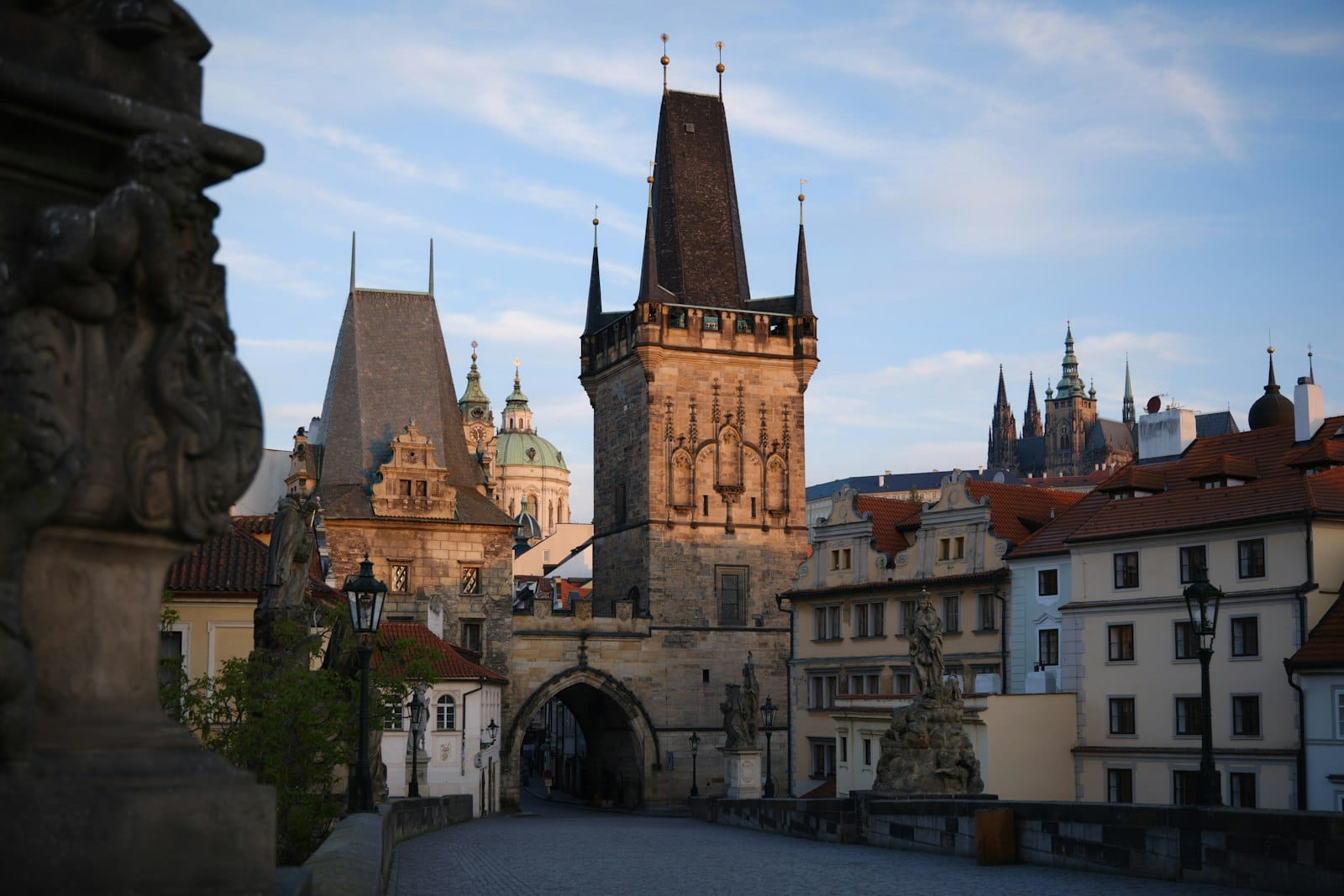
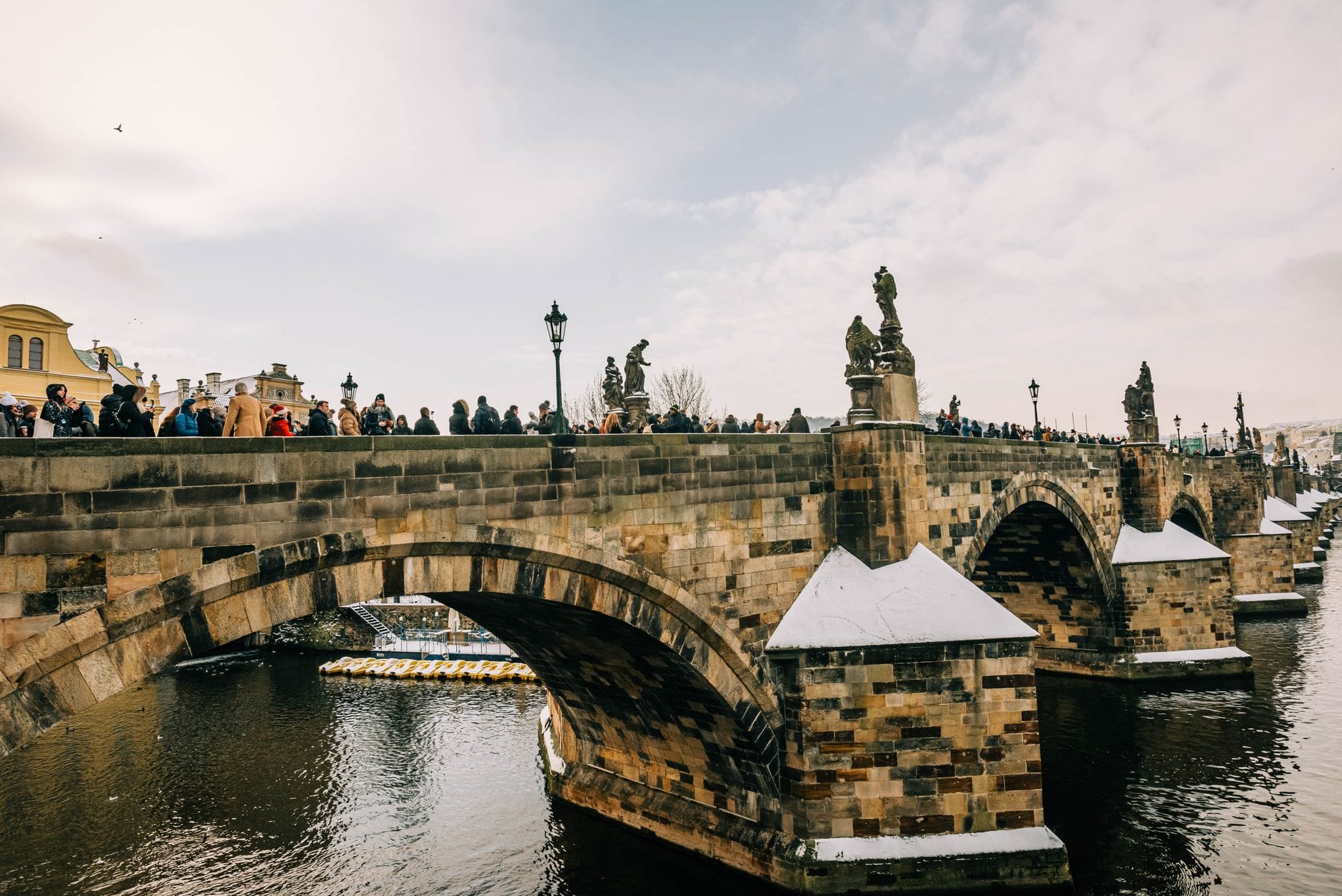
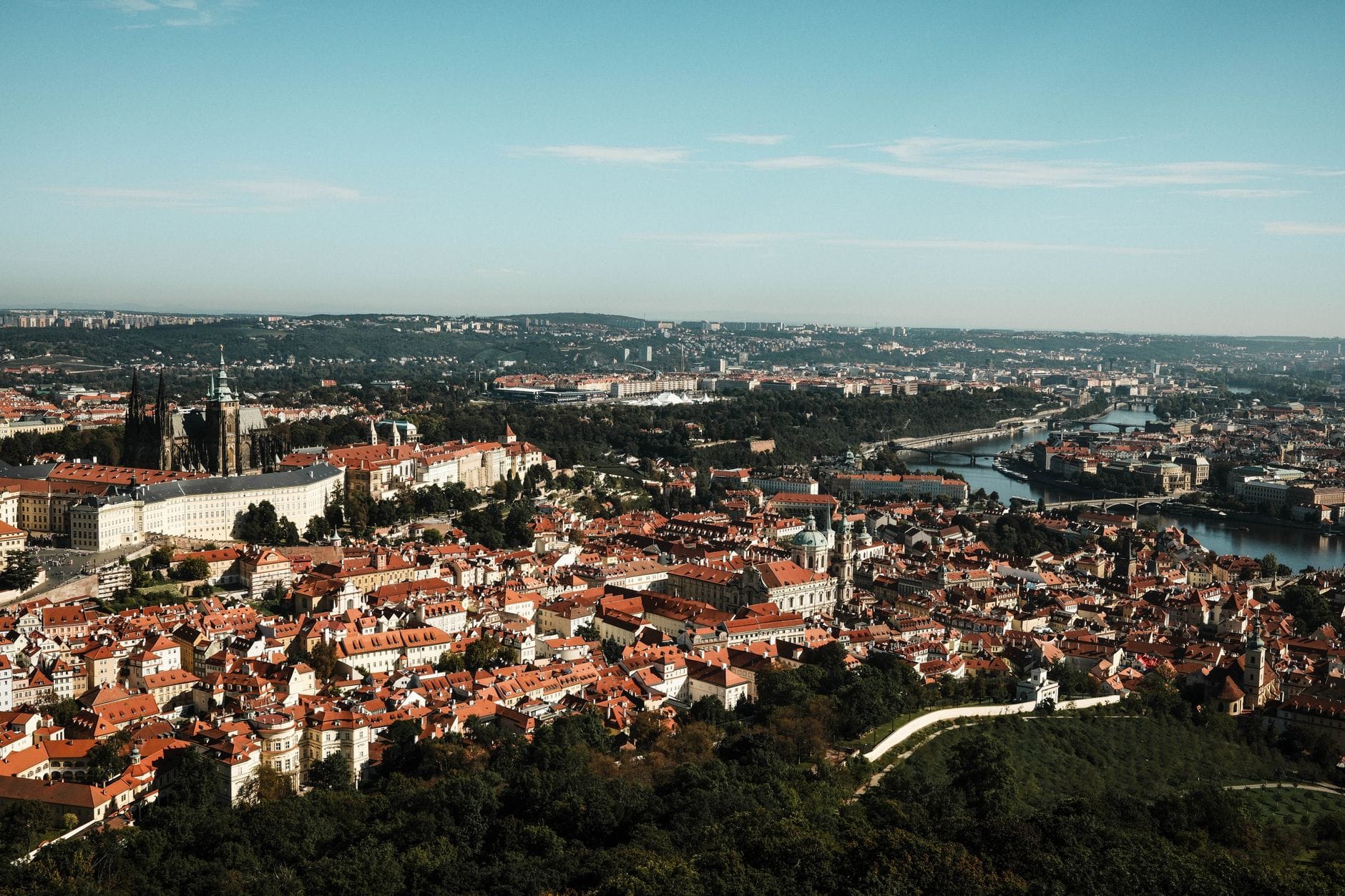
Malá Strana (Lesser Town) sits on the left bank of the Vltava directly below Prague Castle, a compact quarter of Baroque palaces, walled gardens, cobbled lanes and embassy walls that has changed remarkably little since the 17th century. It connects Old Town via Charles Bridge to the east and climbs toward Petřín Hill to the south, making it both a crossroads and a destination in its own right.
Malá Strana is Prague's most architecturally coherent quarter, a Baroque district that presses against the foot of Prague Castle on one side and the Vltava on the other. Its streets are narrow enough that you can touch the walls of opposing buildings, its gardens are hidden behind heavy wooden gates, and its central square is anchored by one of the finest Baroque churches in Central Europe.
Orientation: Where Malá Strana Sits
Malá Strana occupies the left (west) bank of the Vltava in the very heart of Prague. It is bounded to the northwest by the ramparts and gardens of Prague Castle and Hradčany, to the south and west by the wooded slopes of Petřín Hill, and to the east by the river itself. Charles Bridge connects it to Staré Město (Old Town) on the opposite bank, which is why anyone walking the classic tourist route through Prague's historic core will pass through Malá Strana whether they plan to or not.
The district is small, just 1.37 square kilometres, and almost entirely within Prague 1. A thin southern strip below Vítězná Street falls under Prague 5, though most visitors never register the boundary. The whole area sits in a natural bowl: the land rises steeply toward the castle to the north and toward Petřín to the south, which means a lot of the pleasure of walking here involves climbing and descending. Streets that look parallel on a map often meet at unexpected stairways or open suddenly onto terraces with views over the red-tiled rooftops toward Old Town.
The district's relationship with its neighbours is close and immediate. Hradčany and the Prague Castle District sit directly above, reachable on foot in ten minutes via the castle steps off Thunovská Street. Josefov and Old Town are a short walk across Charles Bridge. To the south, the quieter residential streets of Smíchov and Újezd begin where the tourist density drops off. This geography means Malá Strana functions as a gateway as much as a destination.
Character & Atmosphere
The defining architectural language of Malá Strana is Baroque, and it is relentless in the best possible sense. After a fire in 1541 destroyed much of the earlier medieval fabric, the district was rebuilt across the following two centuries by the Catholic nobility and religious orders who had consolidated power in Bohemia after 1620. The result is a district of palaces, convents, embassy walls and Baroque churches that has survived wars, industrialisation and communist-era planning largely intact.
Walking here in the early morning is a particular experience. By eight o'clock, before the tour groups cross Charles Bridge, the streets around Malostranské náměstí (Lesser Town Square) are quiet enough that you can hear pigeons on the church dome and the creak of a tram rounding the corner. The cobblestones are slightly damp from overnight cleaning, the bakeries on the side streets are pulling bread from ovens, and the only other people out are office workers headed toward the parliament buildings on Sněmovní Street. This quiet does not last long.
By mid-morning the tourist flow coming off Charles Bridge thickens considerably, particularly along Mostecká Street, which runs directly from the bridge toward the central square. This stretch becomes genuinely crowded between May and October. If you arrive from Charles Bridge and want to escape the main channel quickly, turn south off Mostecká almost immediately onto one of the narrower lanes and the crowds thin within a hundred metres.
In the afternoon, light falls across the upper facades at an angle that turns the ochre and terracotta plasterwork golden. The cafés along Malostranské náměstí fill with a mix of tourists and Czech civil servants from the nearby ministries. The lanes around Kampa Island and Velkopřevorské náměstí (Grand Priory Square) attract smaller groups who have peeled away from the main route. After dark, Malá Strana quiets down more quickly than Old Town: the restaurant trade winds down by ten, and by eleven the streets are largely empty, lit by period-style lamps that cast long shadows across the cobblestones.
💡 Local tip
The streets south of Malostranské náměstí, including Nosticova, Prokopská and the lanes around Maltézské náměstí (Knights of Malta Square), carry a fraction of the foot traffic of Mostecká Street despite being just two or three minutes' walk away. This is where the character of the district is easiest to read without the crowds.
What to See & Do
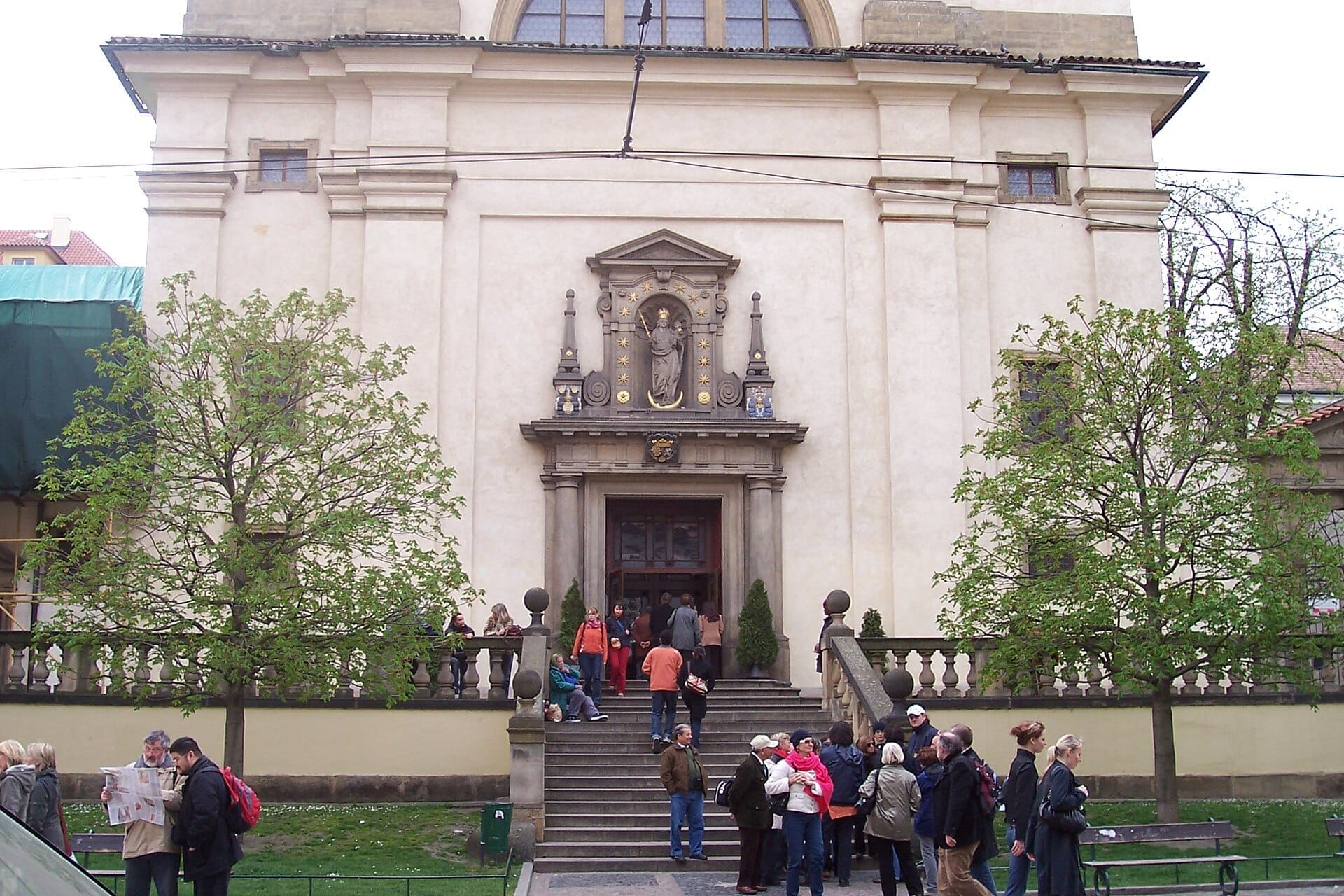
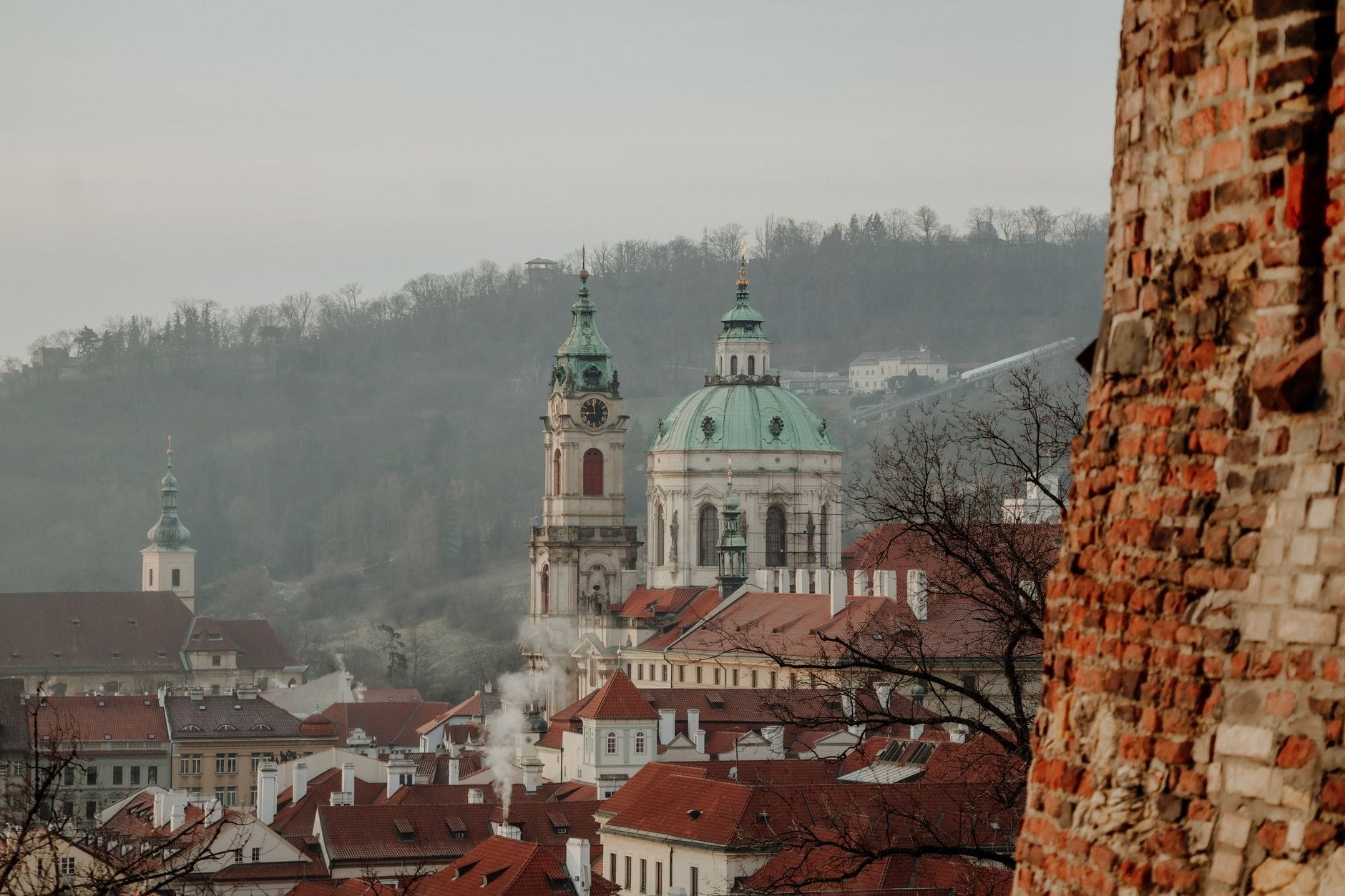
The Church of St Nicholas in Malá Strana dominates Malostranské náměstí and is one of the great Baroque monuments of Central Europe, with a green copper dome visible from multiple points across the city. The interior, with its frescoed ceilings and elaborate stucco work, is worth the entry fee. It is also an active concert venue, particularly in the evenings.
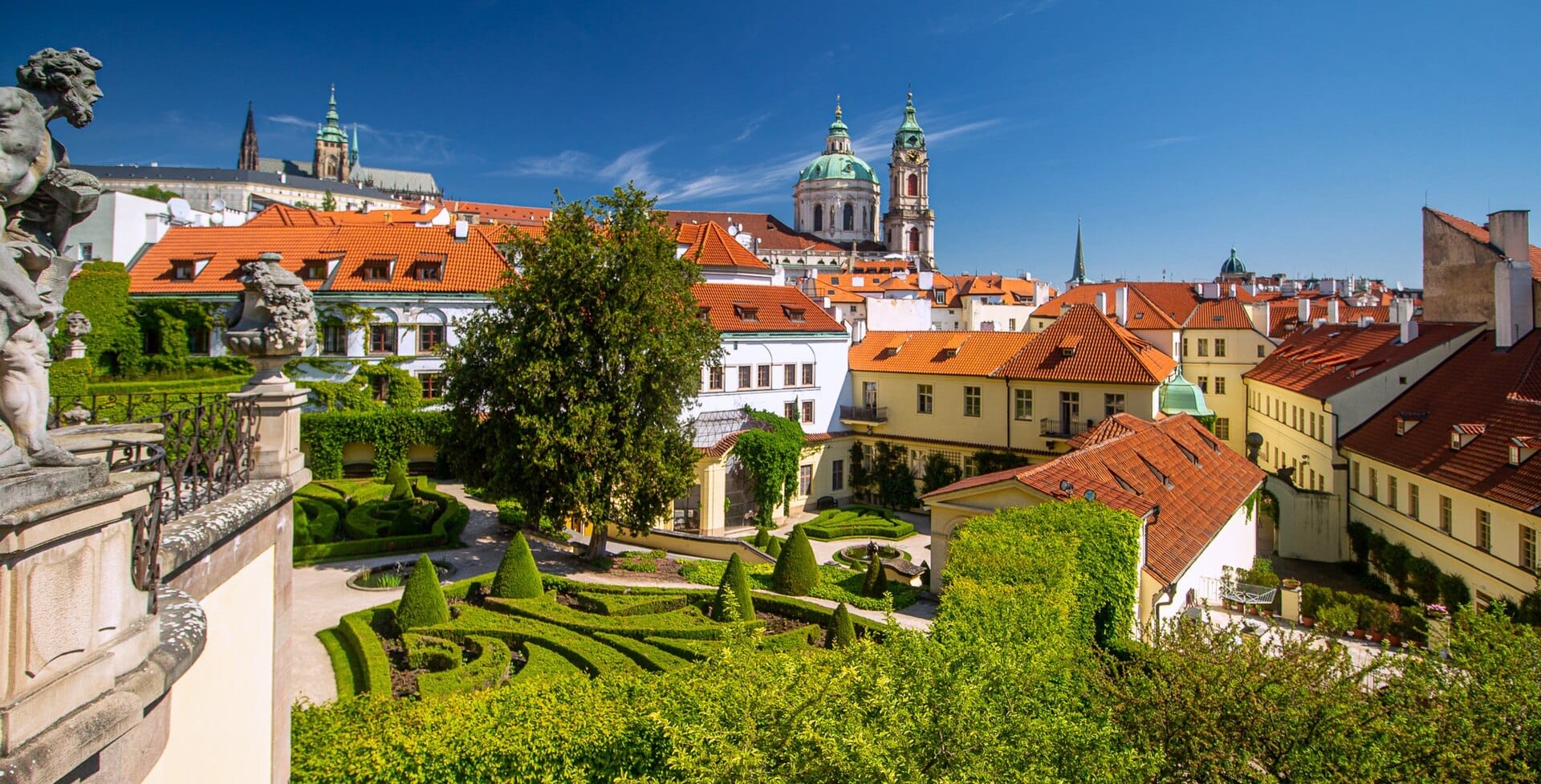
Just south of the square, the Vrtba Garden is one of the finest Baroque terraced gardens in Bohemia, climbing the lower slopes of Petřín in a series of sculpted terraces with allegorical statues and views back across the district's rooftops. It is genuinely less visited than it deserves to be, partly because the entrance is easy to miss on Karmelitská Street.
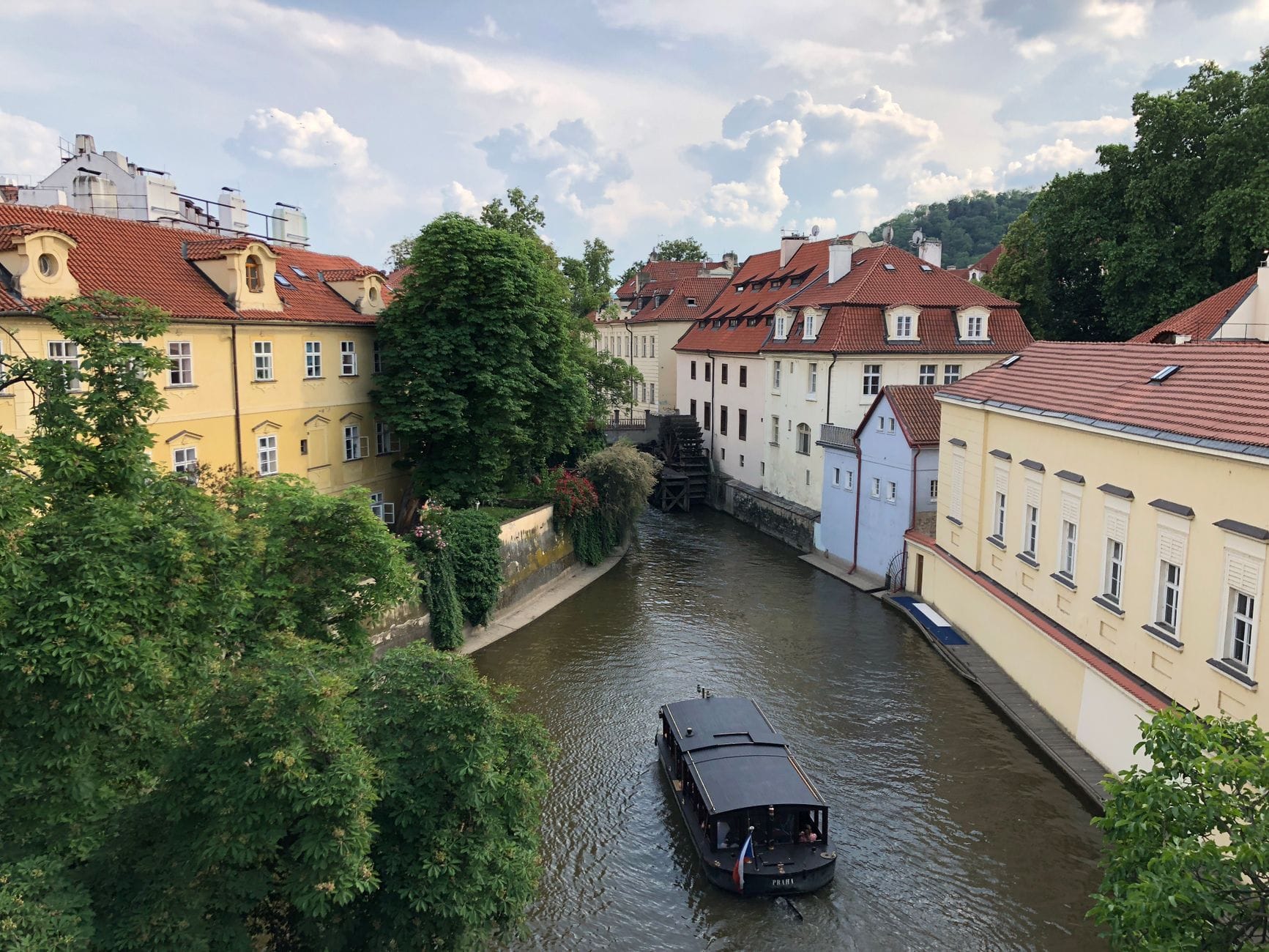
At the river end of the district, Kampa Island is separated from the main body of Malá Strana by the Čertovka, a narrow millrace channel sometimes called the Prague Venice. The island's northern tip sits directly below Charles Bridge and offers some of the most-photographed views in the city. The southern part of the island opens into a quiet park that is popular with local families and students from the nearby art school.
Charles Bridge (Karlův most): the medieval stone bridge connecting Malá Strana to Old Town, lined with 30 Baroque statues
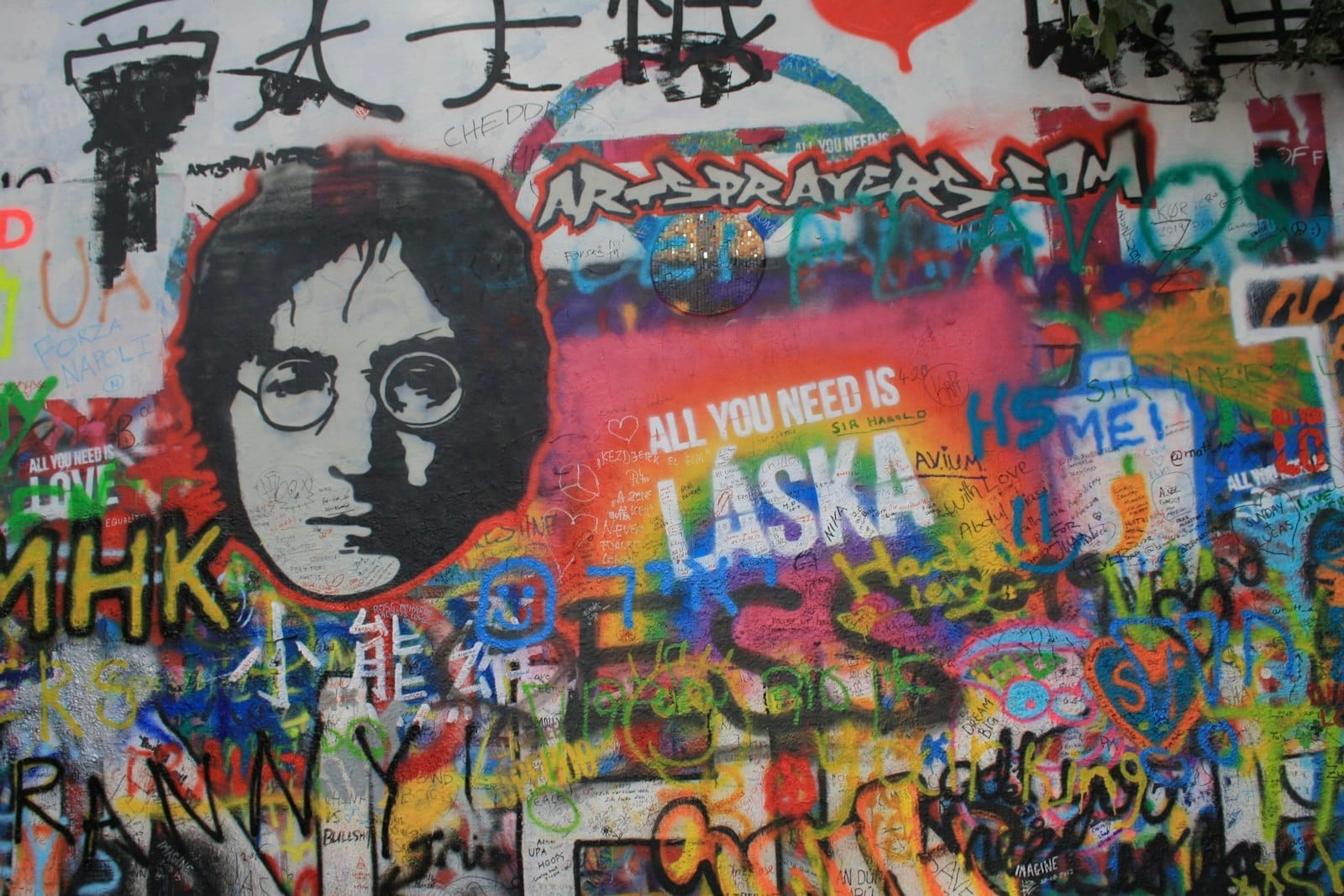
John Lennon Wall on Velkopřevorské náměstí: a permanently evolving graffiti wall that has been repainted continuously since the 1980s
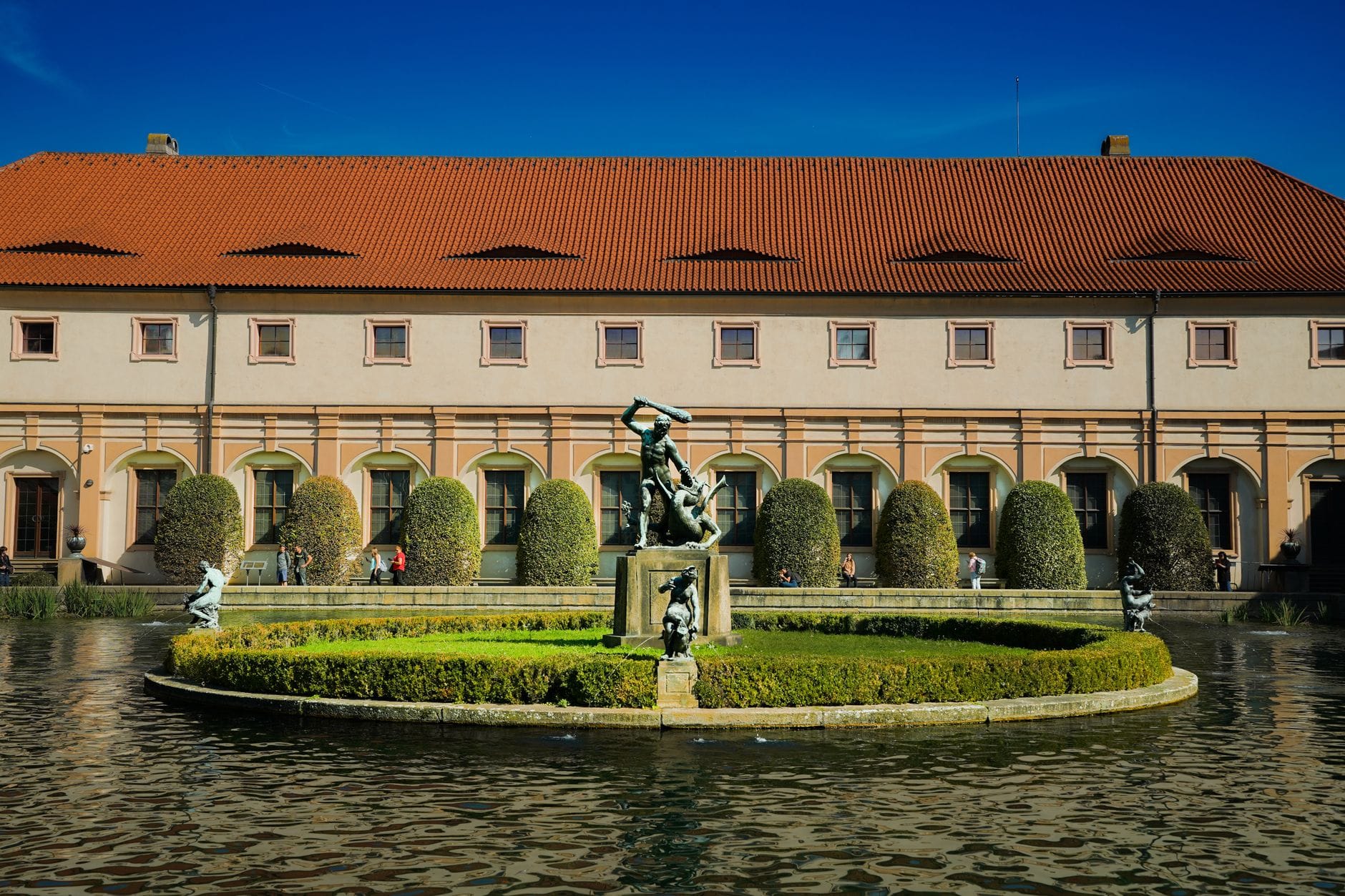
Wallenstein Garden (Valdštejnská zahrada): a large formal Baroque garden belonging to the Senate, free to enter in summer
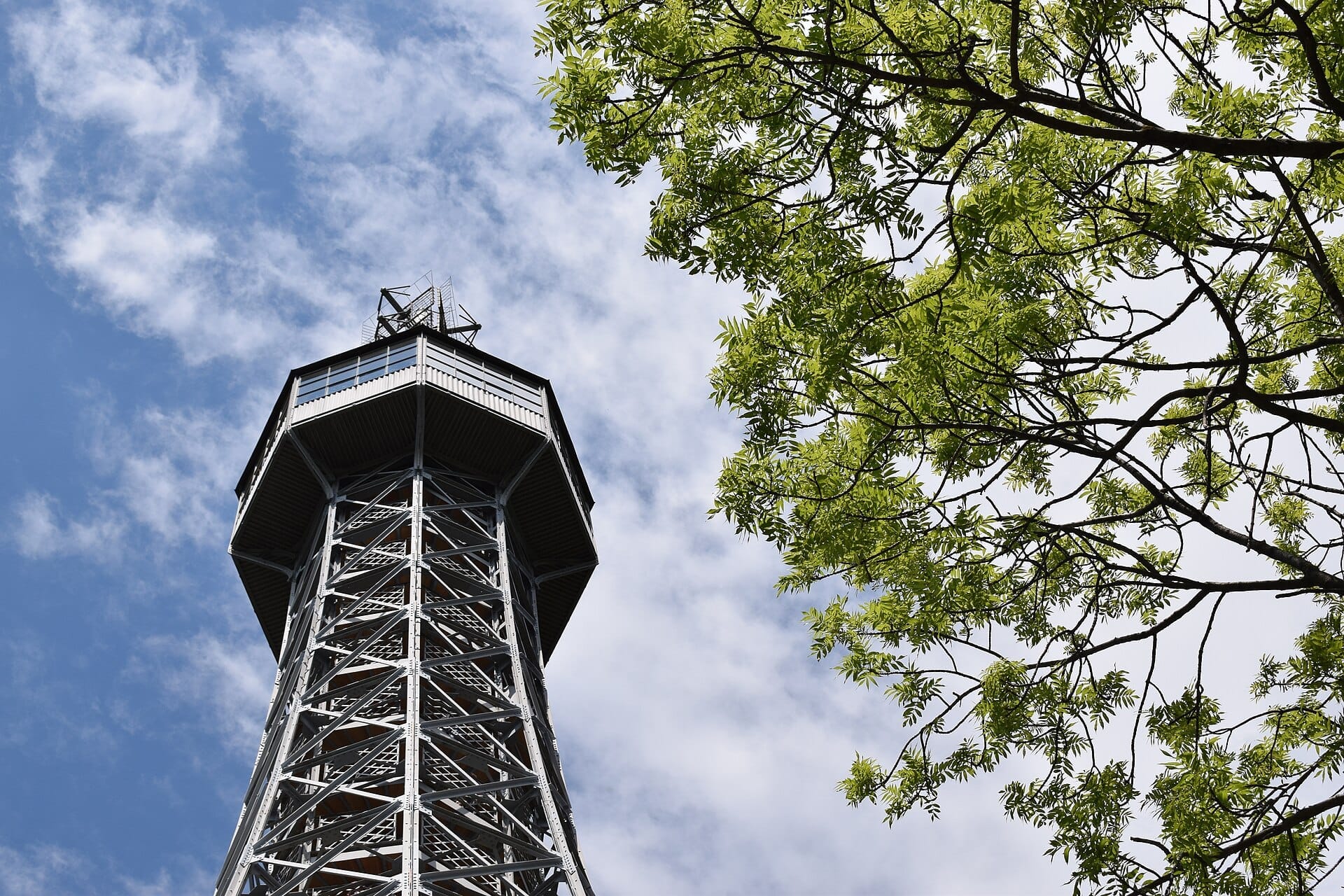
Petřín Hill and the Petřín Lookout Tower: reached by funicular from Újezd, the hill provides the best elevated view of the city
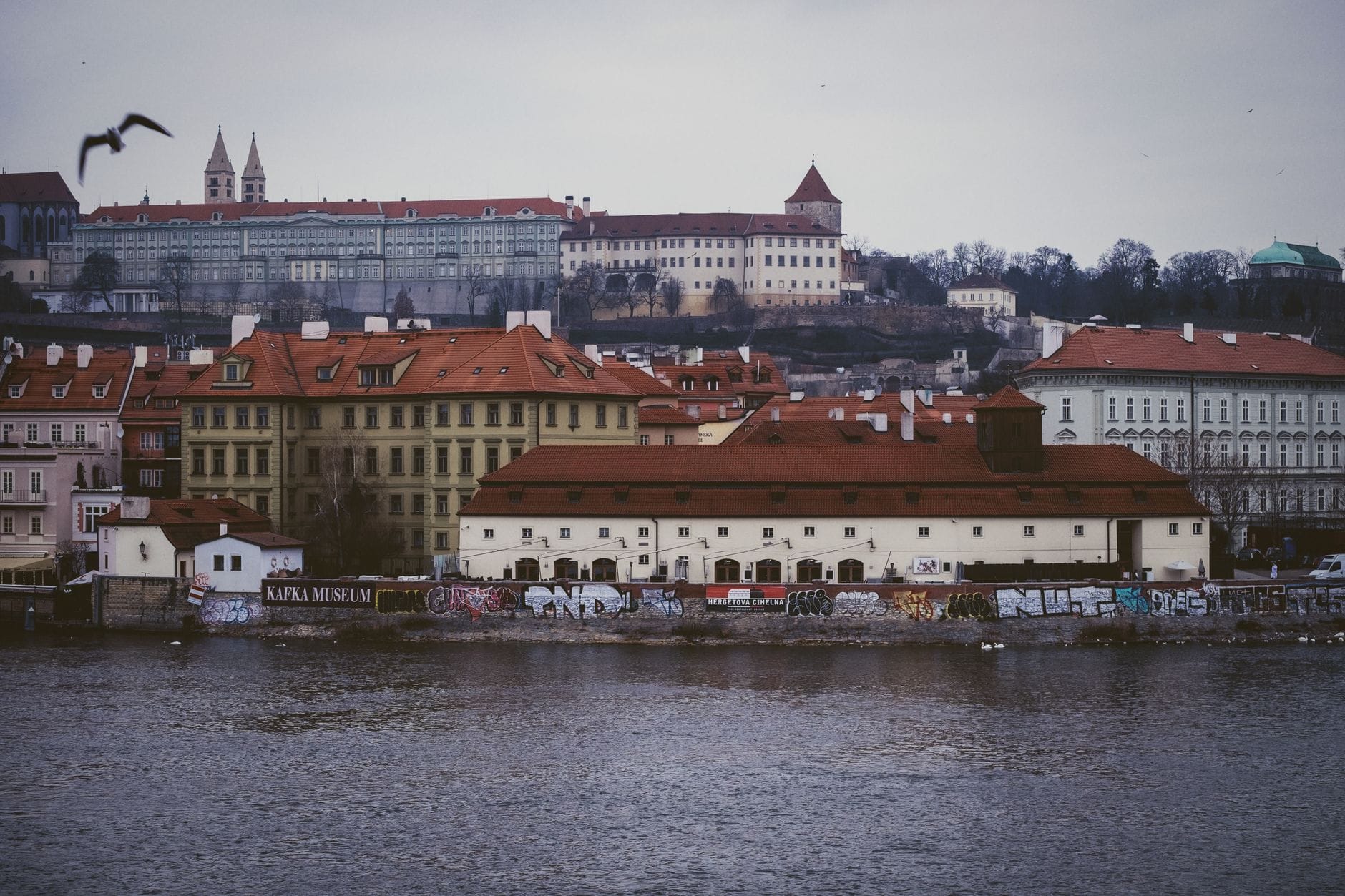
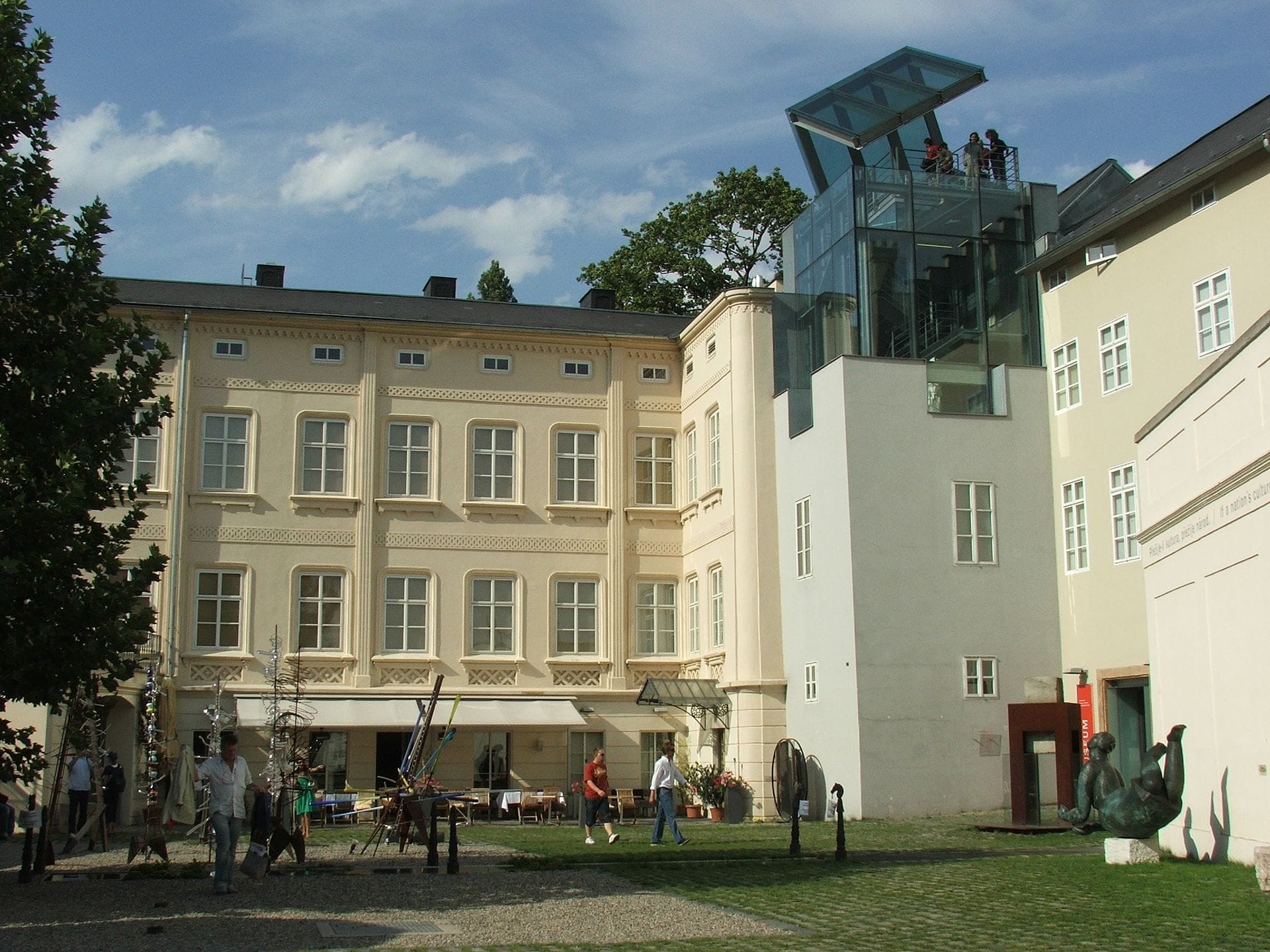
Franz Kafka Museum: on the Malá Strana riverfront at Cihelná, with a courtyard sculpture that consistently surprises visitors
Kampa Museum: contemporary Central European art in a converted watermill on the island's north end
The John Lennon Wall at Grand Priory Square is worth visiting early in the morning when it is not surrounded by people taking photographs. Its existence as a site of quiet resistance during the communist period gives it historical weight that the crowds can sometimes obscure. The wall belongs to the Knights of Malta and is repainted regularly, so what you see is never exactly what someone saw six months ago.
Above the district and technically in Hradčany, the Prague Castle complex is accessible on foot from Malá Strana via several steep routes. The castle steps off Thunovská Street are the most direct and least crowded alternative to the main tourist approach from Hradčany Square. Plan at least half a day for the castle and its grounds.
ℹ️ Good to know
The Wallenstein Garden (Valdštejnská zahrada) on the northern edge of Malá Strana near the Malostranská metro station is open free of charge from April through October. It is one of the largest Baroque gardens in Prague and far less visited than Petřín. The garden backs onto the Czech Senate building and contains a large ornamental pond, a sala terrena (open-air hall), and a wall of artificial stalactites.
Eating & Drinking
The food scene in Malá Strana is a study in contrasts. The streets closest to Charles Bridge, particularly Mostecká, are lined with restaurants that price heavily toward tourists and offer little that reflects the city's actual food culture. Move two or three streets south or uphill from the central square and the picture changes significantly.
The neighbourhood has a handful of genuinely good restaurants that have built reputations on quality rather than footfall. Czech cuisine, which relies on slow-braised meats, game dishes and dense sauces, appears on menus throughout the district, alongside Italian and modern European cooking that caters to the diplomatic community and the neighbourhood's upscale residential population. Prices are generally higher here than in Žižkov or Vinohrady, reflecting the real estate costs and the tourist premium, but there is enough variety to eat well at most price points.
Cafés are dotted through the side streets and the squares. The square at Maltézské náměstí has a quieter, more neighbourhood feel than the main square. Karmelitská Street, which runs south from the main square toward Újezd, has a sequence of cafés and smaller restaurants that see a more local crowd during the day. For a proper Czech pub experience without the tourist overlay, you need to walk south toward Smíchov or cross the river entirely.
Bar options in Malá Strana are limited after about eleven at night. The neighbourhood goes quiet early by Prague standards, which suits some travellers perfectly but will disappoint anyone expecting a late-night scene. For bars that stay open past midnight, the areas around Újezd or across the bridge in Old Town are better bets.
⚠️ What to skip
Restaurants directly on Mostecká Street and the immediate surroundings of Charles Bridge tend to charge significantly above average for average-quality food. Check menus and prices posted outside before sitting down, and confirm whether a service charge has already been added to your bill before tipping.
Getting There & Around
The most convenient metro station is Malostranská on Line A (the green line), which deposits you at the northern edge of the district near the Wallenstein Garden and a short walk from Malostranské náměstí. Line A connects Malostranská directly to Staroměstská (Old Town, one stop east) and Hradčanská (for Prague Castle, one stop west), making it the practical spine of the tourist circuit on both banks.
Trams are arguably more useful for navigating within Malá Strana itself. Tram lines 12, 20, 22 and the night line 97 stop at both Malostranská (near the metro) and Malostranské náměstí (the central square). Tram 22 is particularly useful as it connects the district to Vinohrady in one direction and continues up to the castle district via a steep scenic route. For a full overview of tram and metro options across the city, see the guide to getting around Prague.
The Petřín funicular (lanová dráha) operates from Újezd at the southern edge of the district, running up through the park to the Petřín Lookout Tower. It accepts standard PID transit tickets, so a valid transit pass covers the ride. Queues can build significantly at weekends and in high summer.
On foot, Malá Strana is entirely walkable from Old Town via Charles Bridge, a ten-to-fifteen minute walk from Old Town Square depending on pace and how much time you spend on the bridge itself. From Wenceslas Square the walk takes around twenty-five minutes via the bridge. From Prague Castle the descent to Malostranské náměstí takes about ten minutes via the castle steps. Much of this walking involves cobblestones and some gradient, so comfortable footwear is a practical necessity rather than a suggestion.
Where to Stay
Malá Strana is one of the most atmospheric places to stay in Prague, and the trade-off is immediately apparent: you pay a premium for location, some hotels occupy historical palaces with thick stone walls and irregular layouts, and the cobblestone streets mean that rolling luggage becomes an endurance sport. For guidance on comparing this neighbourhood against others, the Prague accommodation guide covers the full city picture.
The neighbourhood suits couples, architecture enthusiasts, and travellers who want immediate access to the main historic circuit without being in the thick of the Old Town's nightly noise. It is quieter after dark than Staré Město, which is either a selling point or a problem depending on your priorities.
The northern part of the district, close to Malostranská metro and the Wallenstein Garden, tends to offer more variety in accommodation type and slightly better metro access. The southern end near Újezd and the funicular is quieter still, closer to local services and a short tram ride from both the centre and Smíchov. Accommodation directly on Mostecká Street and around the central square carries the highest foot traffic noise, which can be noticeable in street-facing rooms.
💡 Local tip
If you are travelling with heavy luggage and staying in Malá Strana, confirm with your accommodation whether there is a lift and whether the nearest tram or metro stop involves significant steps or cobbled gradients. Many buildings here are listed historical structures with no lift and thick-walled staircases.
Honest Assessment: Who Malá Strana Is For
Malá Strana is one of the best-preserved Baroque urban landscapes in Europe, and that fact alone justifies several hours of any visit to Prague. The combination of the St Nicholas Church, the walled gardens, the riverfront at Kampa, and the approach to Charles Bridge adds up to a concentrated experience of the city's historic identity that no other neighbourhood quite matches.
Where it falls short is in everyday urban life. It has fewer good restaurants per square metre than Vinohrady, fewer original bars than Žižkov, and less cutting-edge cultural programming than Holešovice. The tourist pressure on its central streets is real, and in July and August the main arteries can feel like managed queues rather than living streets.
The neighbourhood rewards visitors who walk deliberately rather than following the main routes. The streets around Maltézské náměstí, the lanes above Karmelitská, the quieter northern streets toward the Senate, and the riverside path below Kampa all show a version of the district that is unhurried and genuinely beautiful. The key is willingness to leave the channel from bridge to square, which most visitors never do.
TL;DR
Malá Strana is the most intact Baroque district in Prague, founded in 1257 and rebuilt extensively after 1541, now covering about 1.37 km² on the left bank between Prague Castle and the Vltava.
Best for: travellers who prioritise historic architecture, walled gardens, and proximity to Charles Bridge and Prague Castle in a quieter residential setting.
Key attractions include the Church of St Nicholas, Vrtba Garden, Kampa Island, the John Lennon Wall, the Wallenstein Garden, and the western approach to Charles Bridge.
Transit is excellent: Malostranská metro (Line A) plus trams 12, 20, 22 and 97 connect the district to the rest of the city, and the Petřín funicular runs from Újezd.
Be honest about the limits: the main streets near Charles Bridge are crowded and overpriced for food; the neighbourhood goes quiet early; and cobblestones plus gradients make it harder for mobility-impaired travellers. Explore the side streets and the experience improves immediately.
Three days is the ideal amount of time to experience Prague's historic core without rushing. This itinerary takes you from the medieval lanes of Old Town to the hilltop grandeur of Prague Castle, the haunting beauty of Josefov, and the quieter pleasures of Malá Strana and Vyšehrad.
Prague's museum scene stretches far beyond the obvious. This guide covers the city's finest art, history, and specialist museums, from the National Gallery's scattered palaces to underground alchemical laboratories and intimate synagogues that carry centuries of history.
Prague rewards visitors differently depending on when you arrive. This guide breaks down every season with clear seasonal notes of weather, crowd levels, hotel prices, and key events, so you can choose the right time for your trip rather than the most popular one.
Prague rewards those who climb. From medieval towers rising above Old Town to forested hills and riverside terraces, the city's skyline is best understood from above. This guide covers every worthwhile viewpoint, whether you're after a paid 360-degree panorama or a free hilltop perch with a cold beer.
Prague sits at the center of Bohemia, making it one of the best-positioned cities in Europe for day trips. Within two hours by train or bus, you can reach a Gothic castle above a forested valley, a UNESCO town wrapped in a river bend, a Nazi memorial site, and one of Europe's notable spa resorts.
Prague has one of Central Europe's most efficient public transport networks, covering the city by metro, tram, and bus under a single integrated ticket system. This guide covers fares updated for 2026, airport transfer options, ride-hailing realities, and the mistakes most visitors make on their first day.
Seven days is the right amount of time to see Prague properly. This guide breaks down exactly how to spend each day, which neighborhoods to prioritize, what the castle complex actually demands in terms of time, and how to fit in a day trip without losing a full day to logistics.
Prague's historic center packs over 1,100 years of architectural history into roughly 870–900 hectares, from Romanesque crypts and Gothic cathedrals to one of the world's most substantial collections of Cubist buildings. This guide breaks down every major style, tells you exactly what to see, and gives you the practical details to plan your visit.
Prague's Christmas markets run from late November through early January, turning Old Town Square and Wenceslas Square into some of Europe's most atmospheric winter destinations. This guide covers every major market, what to eat and drink, how to avoid the worst crowds, and exactly what to budget.
David Černý is the Czech Republic's most provocative public artist, and Prague is his gallery. This guide covers his major installations across the city, how to build a self-guided walking route, and what you need to know before you go.
Prague sets a high bar for romance: Gothic spires, cobblestone lanes, river views, and a classical music scene that rivals much larger capitals. This guide covers the best things to do in Prague for couples across every season, from iconic spots timed to avoid the crowds to quieter corners most visitors miss entirely.
Prague rewards those who look beyond Charles Bridge and Old Town Square. This guide reveals the city's quieter side: Baroque gardens tucked behind unmarked doors, medieval cellars beneath busy streets, panoramic hilltops where locals outnumber tourists, and neighborhoods reshaping Prague's creative identity.
Prague's history spans more than a thousand years of empire, revolution, occupation, and reinvention. This guide breaks down the key eras, explains what shaped the city's architecture and culture, and tells you exactly where to see that history in person.
Summer is Prague's most popular season, but it comes with trade-offs: intense heat, peak-season crowds, and higher prices. This guide covers everything you need to plan a smart trip to Prague in June, July, or August, from booking timelines to beat-the-crowd strategies.
Winter strips Prague back to its essentials: gothic spires against grey skies, Christmas markets on cobblestone squares, and a fraction of the summer crowds. This guide covers the real conditions — temperatures, daylight, costs, and which attractions stay open — so you can plan with confidence.
Josefov is one of Europe's most significant Jewish heritage sites, packed into just a few city blocks between Old Town Square and the Vltava River. This guide covers every major site, how ticketing works, the best time to visit, and what most visitors get wrong before they arrive.
Prague delivers five-star experiences at prices that would seem impossible in Paris or London. This guide covers the best luxury hotels with practical pricing data, the fine-dining restaurants worth booking weeks ahead, and the high-end experiences that go well beyond the standard tourist circuit.
Prague nightlife runs deeper than the tourist bars around Old Town Square. This guide breaks down the city's after-dark scene by district, covering the best clubs, bars, jazz venues, and rooftop spots, with practical advice on prices, timing, and where locals actually go.
Prague is one of Europe's better-value capitals, but it is not the ultra-cheap destination the myth suggests. This guide breaks down exactly what things cost in 2026, where to save money without sacrificing the experience, and which tourist traps quietly drain your wallet.
Prague rewards shoppers across every budget, from Bohemian crystal and hand-carved puppets to international luxury labels on Pařížská Street. This guide breaks down the best shopping districts, markets, malls, and genuinely worthwhile souvenirs, with practical details on hours, transport, and what to skip.
The journey from Prague to Munich covers just under 400 km and can be done by direct train, bus, or flight. This guide breaks down every realistic option with prices, journey times, and practical booking advice so you can choose the right one for your trip.
The Prague to Vienna corridor is one of Central Europe's best-connected routes, with trains, buses, and flights running daily. This guide breaks down every option by cost, comfort, and real travel time so you can pick the right one for your trip.
This step-by-step guide walks you through Prague's most rewarding route, from the medieval core of Old Town across Charles Bridge and up to the castle complex on Hradčany hill. Covers distances, timing, ticket costs, seasonal advice, and the shortcuts most visitors miss.
Prague is one of Europe's most rewarding cities for families, offering everything from a world-class zoo and a funicular railway to interactive museums and vast green parks. This guide covers the best activities for children of all ages, how to get around cheaply, which neighborhoods work best for families, and what to skip.
Prague rewards visitors with one of Europe's most intact medieval city centres, a world-class Jewish quarter, and neighbourhoods far beyond the tourist trail. This guide covers the best things to do in Prague across every budget and interest, with crowd warnings, seasonal advice, and precise logistics.
Prague's dining scene is far more nuanced than the tourist-trap stereotype suggests. This guide breaks down the best neighborhoods for food, what to order, which restaurants are worth booking in advance, and how much to expect to pay — from a 90 CZK bowl of goulash to a Michelin tasting menu.
Choosing where to stay in Prague shapes your entire trip. This guide breaks down every major neighborhood by location, price, atmosphere, and drawbacks so you can book with confidence, whether you have three days or three weeks.