Prague on a Budget: How to Visit Without Overspending
Prague is one of Europe's better-value capitals, but it is not the ultra-cheap destination the myth suggests. This guide breaks down exactly what things cost in 2026, where to save money without sacrificing the experience, and which tourist traps quietly drain your wallet.
Plan and book this trip
Tools from our partner Travelpayouts help you compare flights and hotels. If you book through them, we may earn a commission at no extra cost to you.
Flights
Hotels map
TL;DR
- Realistic budget: plan for around 1,500–1,800 CZK (€40–60) per day covering a hostel bed, simple meals, public transport, and one paid attraction.
- Prague is cheaper than Paris or Amsterdam, but it is no longer a backpacker bargain — budget travelers need at least €35–50 per day to be comfortable.
- Stay in Vinohrady or Žižkov rather than Old Town — accommodation runs 30–40% cheaper with only a short tram ride to the centre.
- Weekday lunch specials (denní menu) are the single best food hack: soup plus a main course for under 250 CZK at neighbourhood restaurants.
- For the cheapest time to visit, aim for January–March; shoulder seasons (October–November) also offer solid savings without the winter chill.
Is Prague Actually Expensive? Setting Realistic Expectations
Prague consistently ranks among Europe's more affordable capital cities, and that reputation is largely earned. Compared to London, Amsterdam, or Paris, prices for food, beer, and public transport are noticeably lower. But the idea that Prague is dirt-cheap requires updating. Tourism has driven prices in the Old Town upward significantly over the past decade, and a traveler who sticks to restaurants around Old Town Square or Charles Bridge will pay near-Western European prices without realising it.
The city uses the Czech koruna (CZK), not the euro, which gives many visitors the psychological impression of paying less than they are. Always do the mental conversion: at roughly 25 CZK to the euro, a 400 CZK pizza is still around €15–16. The real savings appear when you eat where locals eat, stay a tram stop or two from the centre, and use the excellent public transport network instead of taxis.
ℹ️ Good to know
Prague uses the Czech koruna (CZK). The euro is not accepted in most shops, though some tourist-facing businesses near the centre do accept it — usually at an unfavorable rate. Withdraw CZK from a bank ATM or exchange at a reputable bureau. Avoid exchange booths that advertise '0% commission' with no rate displayed — they profit on the spread.
Daily Budget Breakdown: What to Actually Expect
Budget travel in Prague is achievable, but it requires intentional choices. Here is a realistic daily cost breakdown across three spending levels. All figures are per person and should be treated as approximate ranges, as prices shift with season and exchange rates.
- Shoestring budget: 1,000–1,300 CZK / €40–52 per day Hostel dorm bed (400–600 CZK), street food or supermarket meals (200–350 CZK), public transport day pass (120 CZK), free sightseeing only. Achievable but limiting — you will skip most paid attractions.
- Comfortable budget: 1,500–2,200 CZK / €60–88 per day Budget private room or mid-range hostel (700–1,000 CZK), one sit-down lunch special plus a casual dinner (600–800 CZK), transport and one or two paid attractions (400–600 CZK). This is the practical sweet spot for most solo travelers.
- Mid-range: 2,500–4,000 CZK / €100–160 per day 3-star hotel in Vinohrady or Žižkov (1,200–2,000 CZK), restaurant meals with drinks (1,000–1,500 CZK), paid museums and experiences (400–800 CZK). Comfortable without being extravagant.
⚠️ What to skip
Old Town Square restaurants charge tourist-tier prices. A beer at a terrace cafe facing the Astronomical Clock can cost 120–180 CZK — two to three times the price of the same beer in a neighbourhood pub 10 minutes away on foot. The architecture is free to look at; you do not need to pay to sit in front of it.
Where to Stay: The Neighbourhood Decision Matters Most
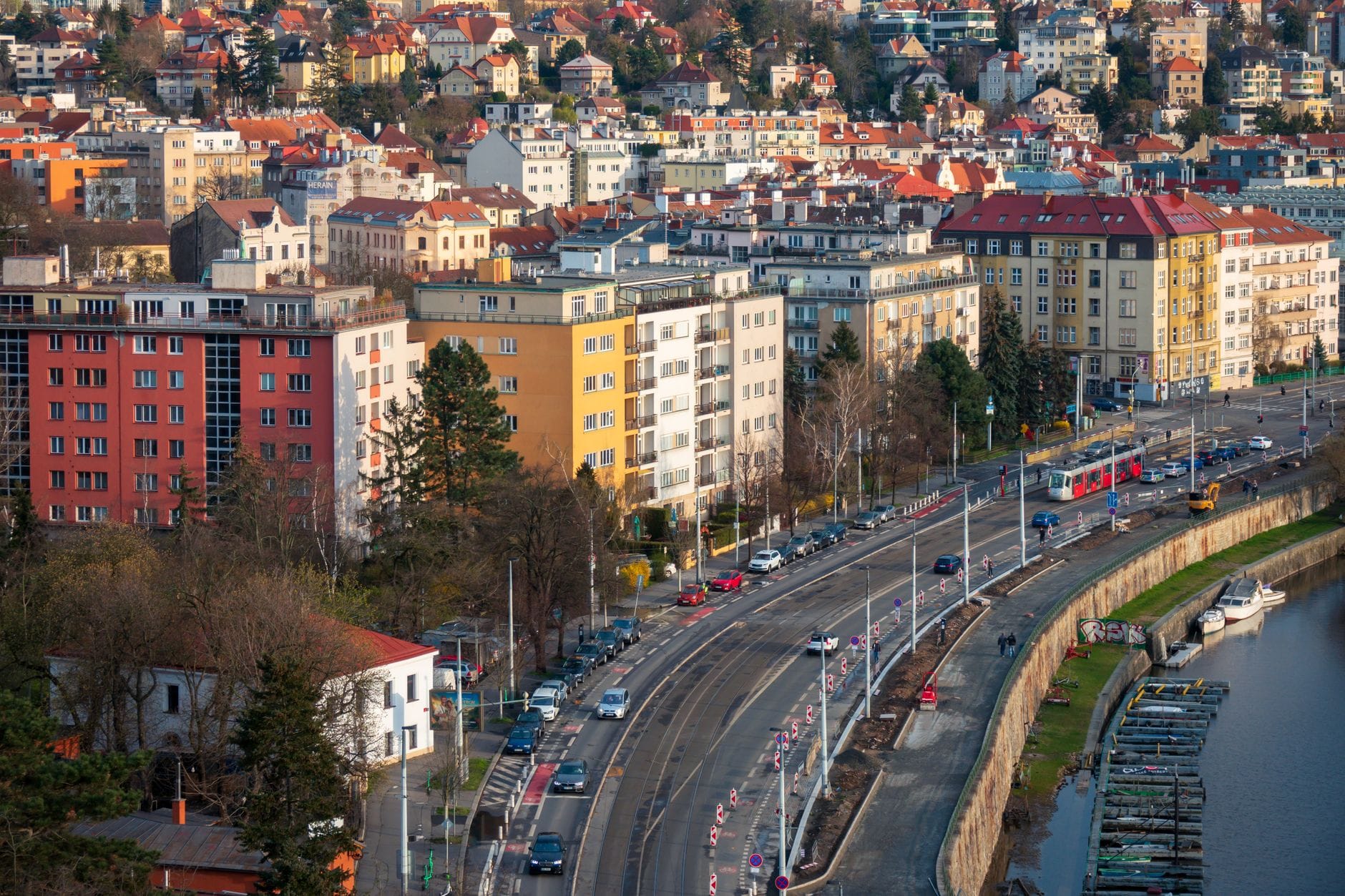
Accommodation in Prague 1, which covers Old Town and parts of Malá Strana, commands a significant price premium. Budget travelers who insist on being steps from Charles Bridge typically pay 30–40% more for equivalent quality than they would in adjacent districts.
The practical alternative is to base yourself in Vinohrady (Prague 2) or Žižkov (Prague 3). Both sit directly east of the historic centre, are well-served by metro and tram lines, and have a genuine neighbourhood feel with local cafes, grocery shops, and restaurants that are not calibrated for tourist footfall. The walk to Wenceslas Square from either takes roughly 15–20 minutes, or it is a short hop on the tram.
Holešovice (Prague 7) is another strong budget option, particularly for travelers who want access to art venues and a creative local scene. It sits slightly further north but is connected by metro Line C and multiple tram routes. Hostel dorm beds across these outer districts typically run 400–600 CZK per night, versus 700–900 CZK or more for comparable spots in Prague 1.
✨ Pro tip
Book accommodation for the first night or two, then walk around your chosen neighbourhood before committing to a longer stay. Prague's compact geography means a 10-minute walk can shift you from tourist-price territory into genuinely local streets. The Námestí Míru area in Vinohrady, for example, has excellent metro access (Line A) and a dense cluster of affordable restaurants.
Food and Drink: Where the Real Savings Hide
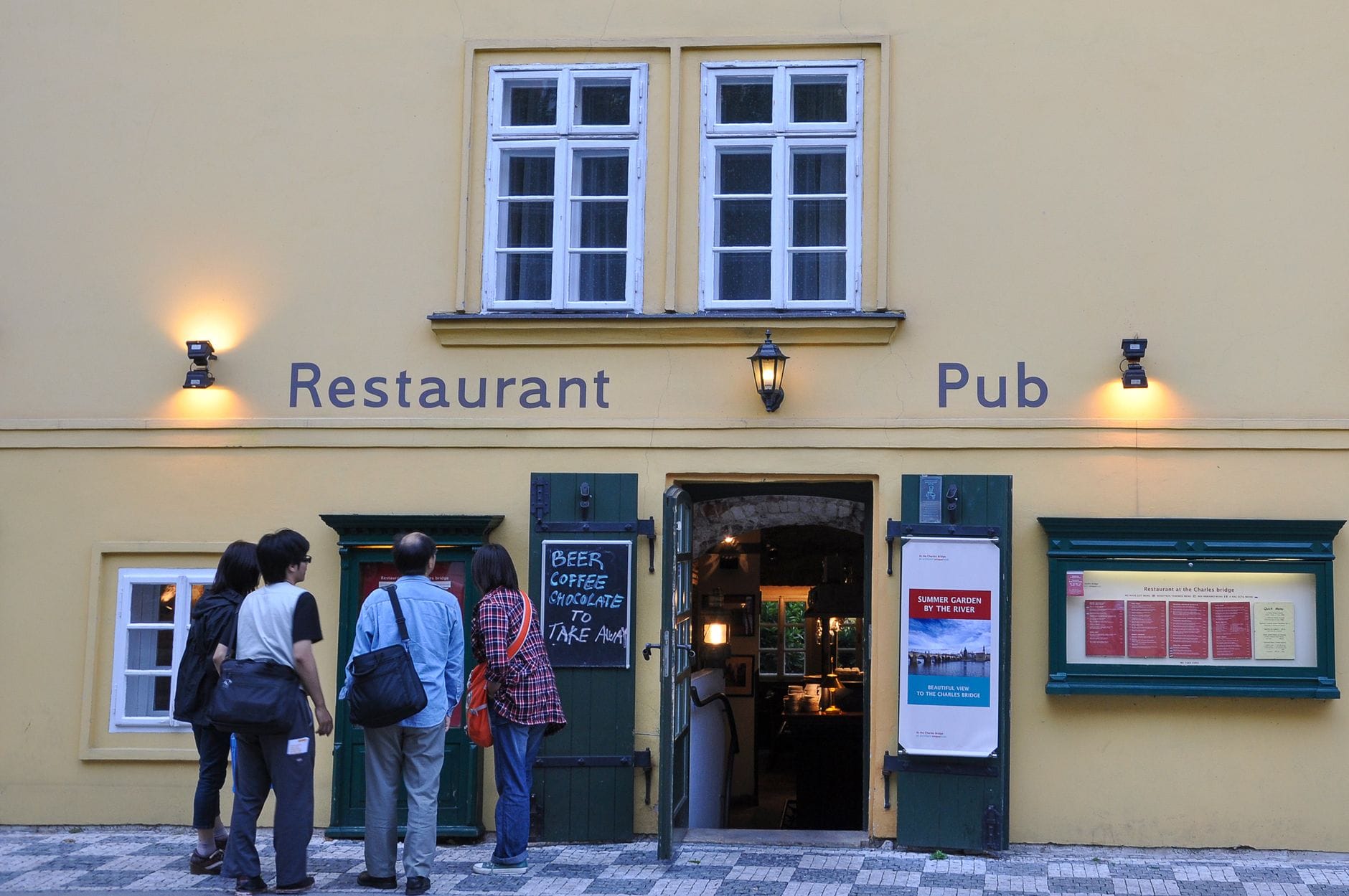
Czech cuisine is hearty and affordable when you eat in the right places. The single most effective food strategy in Prague is the denní menu, or weekday lunch special. Neighbourhood restaurants across the city offer a two-course lunch (polévka, meaning soup, plus a main) for somewhere between 150–250 CZK, often with a drink included or available for an extra 30–50 CZK. These are served roughly 11:00–14:00 on weekdays and represent the best value in the city by a significant margin.
Evenings are where food budgets stretch more. A sit-down dinner with soup, main course, and a couple of beers at a mid-range local restaurant typically runs 500–750 CZK per person. That is not expensive by European standards, but it is meaningfully higher than lunch. One practical approach: eat your main meal at lunch and keep dinner light, either from a supermarket (Albert and Billa are the main chains) or from a burek or kebab shop, which can fill you up for under 100 CZK.
- Czech draft lager (pivo) at a neighbourhood pub: 40–60 CZK for 500ml. At an Old Town tourist terrace: 120–180 CZK.
- Rohlík (bread roll) from a bakery: 5–10 CZK. Good for a quick breakfast with a piece of cheese from the supermarket.
- Svíčková (beef sirloin in cream sauce with bread dumplings): around 200–350 CZK at a non-tourist restaurant — a filling and iconic Czech dish worth trying.
- Coffee (flat white or cappuccino) at a specialty cafe: 80–120 CZK. Prague has a solid third-wave coffee scene that charges fairly for quality.
- Street food and market stalls at Naplavka riverfront: affordable and seasonal, open on weekends.
Transport: Prague's Public System Is Genuinely Good
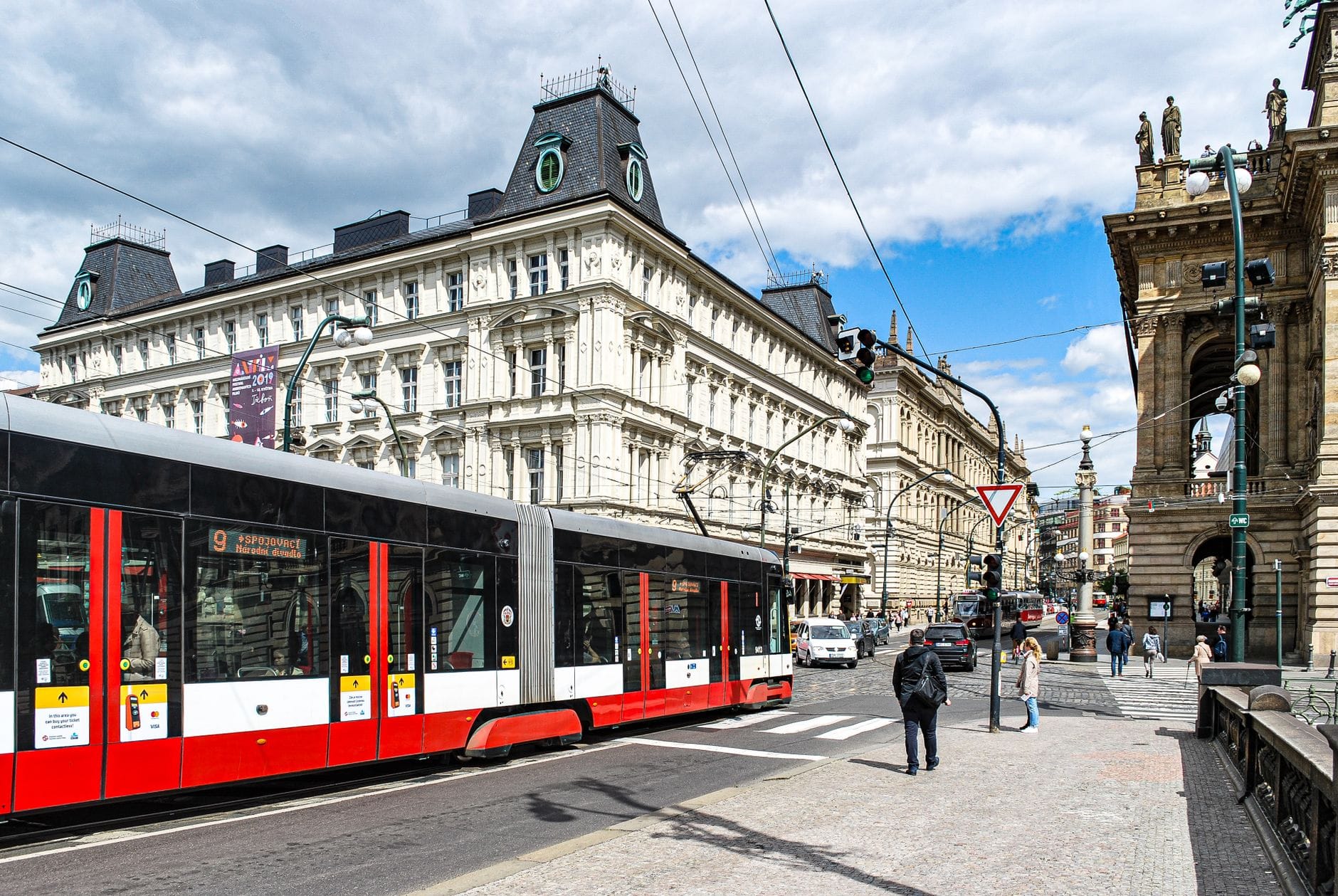
Prague Integrated Transport (PID) operates the metro, trams, and buses as a unified network under one ticketing system. For budget travelers, it is almost always the right choice. The historic centre is compact enough that many sights are walkable from each other, but for longer distances or bad weather, the tram network is comprehensive and reliable.
A 24-hour unlimited pass costs around 160 CZK and covers metro, trams, and buses across the city. For a three-day visit with moderate movement, this pass more than pays for itself versus buying individual tickets. Validate your ticket on boarding and keep it for inspection — fare inspectors are plain-clothed and active, and fines for riding without a valid ticket are issued on the spot.
Getting from Václav Havel Airport (PRG) to the city centre on a budget means taking trolleybus 59 to Nádraží Veleslavín metro station (Line A), then riding to your destination. The total journey takes around 30–40 minutes and costs a standard PID ticket. The Airport Express (AE) bus runs directly to the main railway station (Praha hlavní nádraží) and is priced separately but remains a reasonable option. Taxi and ride-hailing apps like Bolt and Uber also serve the airport; expect fares of around 700–900 CZK to the centre, which is fine if splitting with travel companions. See our guide on getting around Prague for full transport details.
Free and Low-Cost Sightseeing: What Actually Works
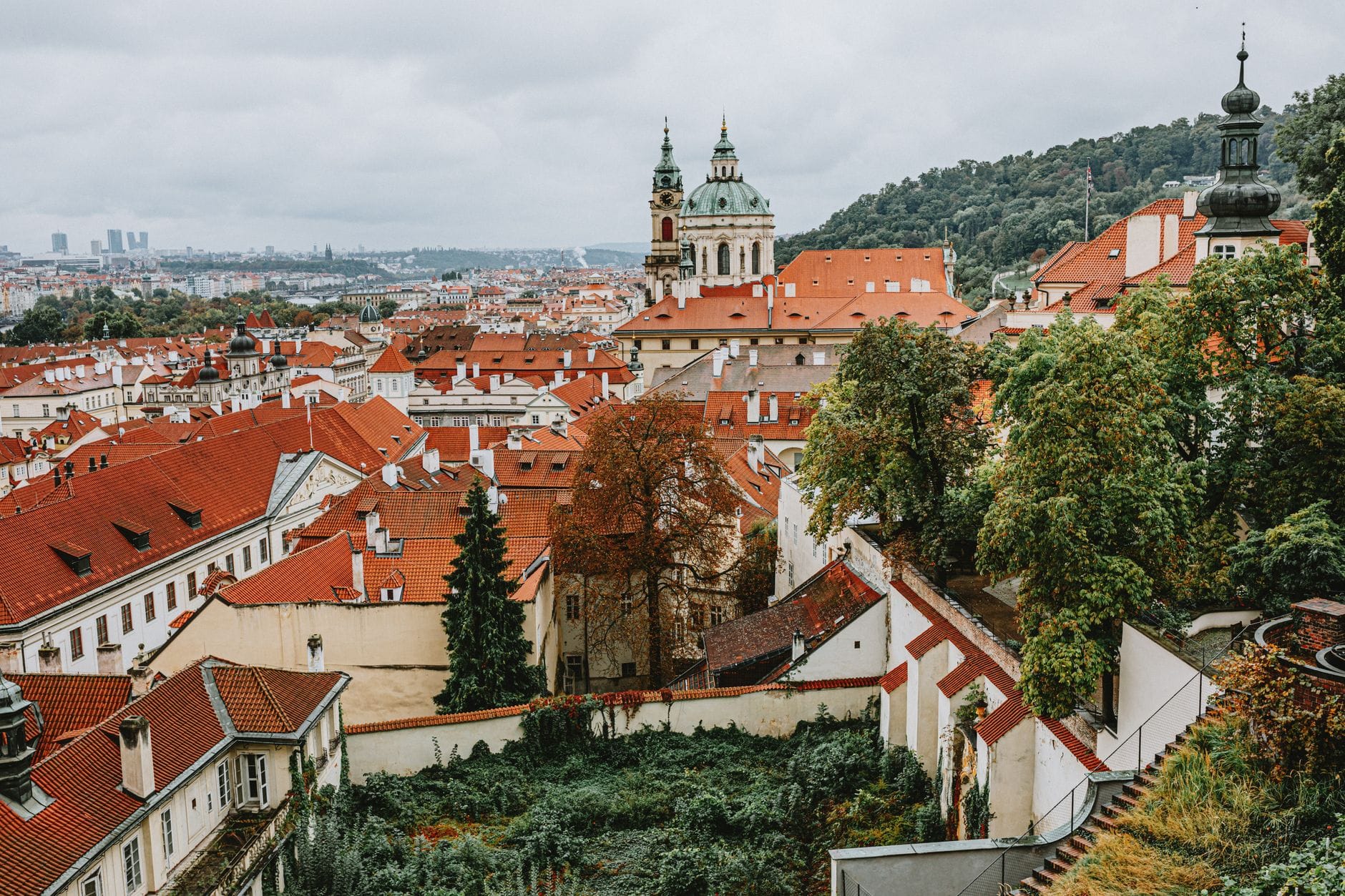
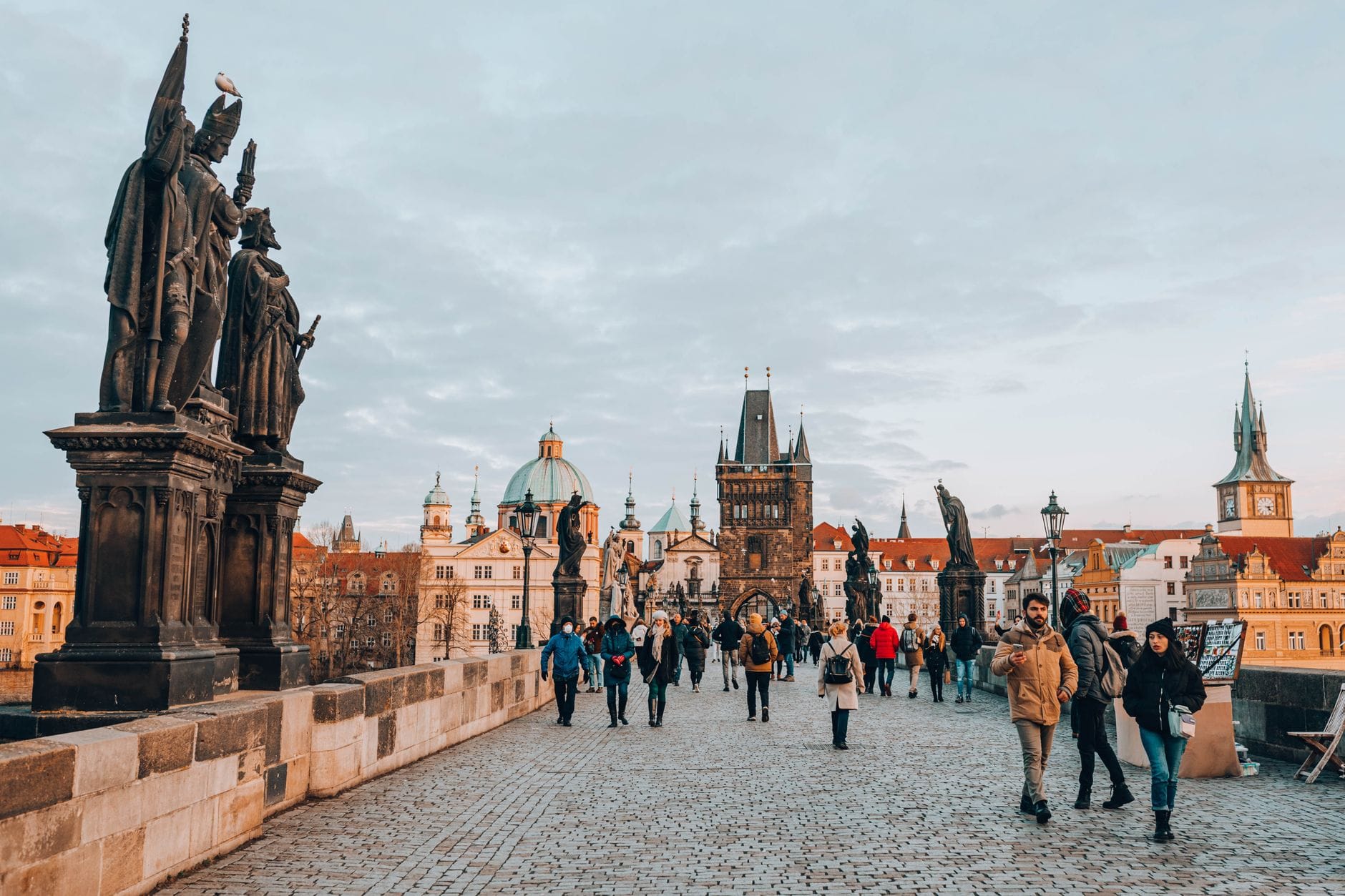
Prague's most impressive architecture costs nothing to look at. Walking across Charles Bridge is free at any hour — though arriving before 7:00 or after 21:00 keeps you clear of the midday crowd. The Old Town Square and its Gothic churches, the Baroque facades of Malá Strana, and the panoramic viewpoints from Letná Park all require zero admission. A deliberately slow walk through the historic centre with a good map is a full morning's programme by itself.
When it comes to museums, timing matters. The National Museum offers free admission on the first Monday of each month, and the Prague City Gallery does the same on the first Wednesday. Students, seniors, and children receive reduced entry at most major attractions including Prague Castle — bring valid ID. The castle grounds themselves are free to walk through; it is the individual buildings (St. Vitus Cathedral interior, Old Royal Palace, etc.) that require a circuit ticket, priced around 250–350 CZK for the shorter tour.
For a free afternoon itinerary, consider combining Vyšehrad fortress — the grounds are open and the views over the Vltava are outstanding — with a walk back along the river. The John Lennon Wall in Malá Strana, the Wallenstein Garden (free entry, baroque and slightly surreal), and the Franciscan Garden tucked behind Wenceslas Square are all free and genuinely worth an hour.
When to Go: How Season Affects Your Budget
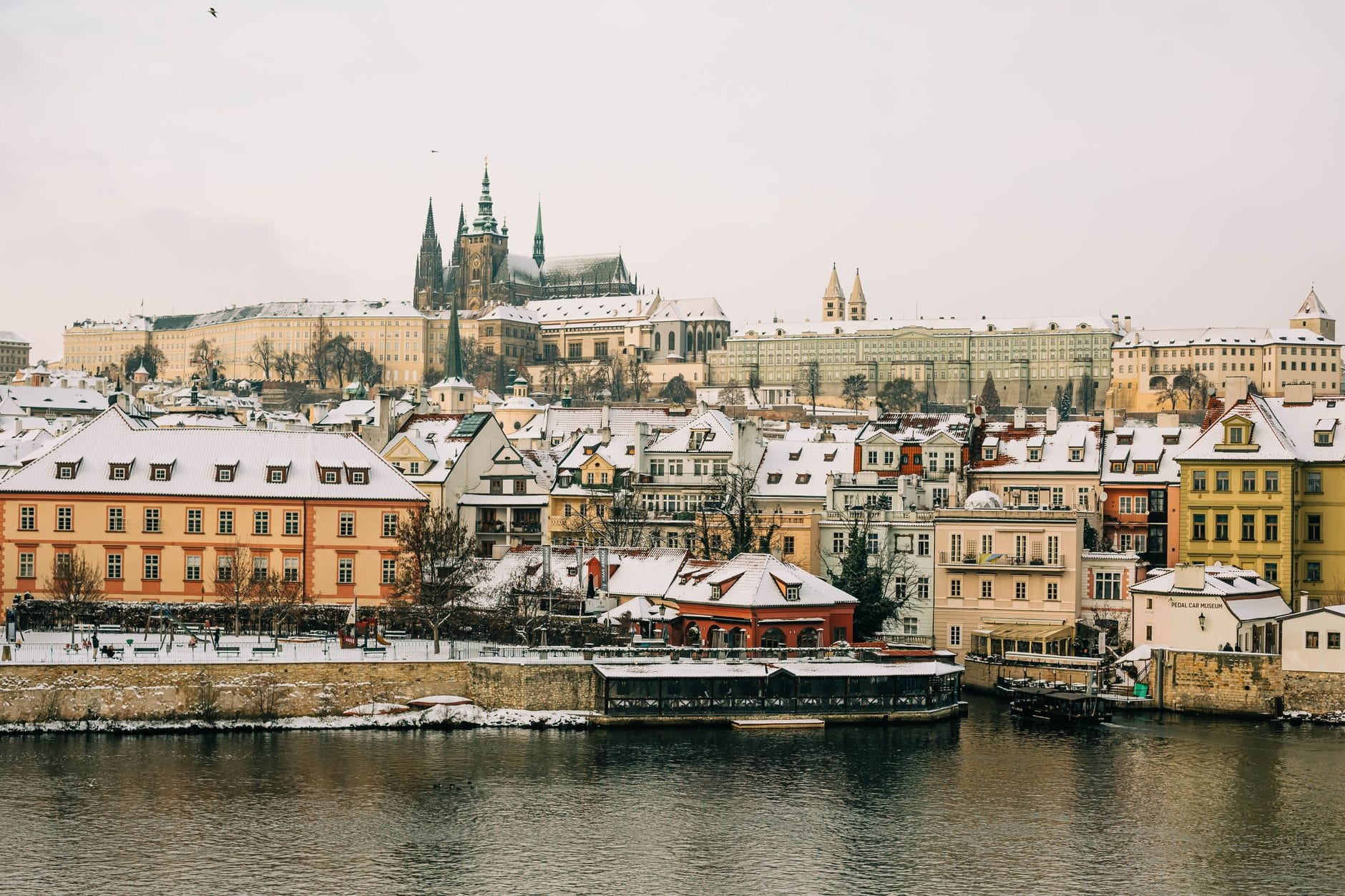
January through March is unambiguously the cheapest time to visit Prague. Hotel rates drop 25–40% below summer peak, hostels have availability, and the city centre thins out to a level that actually lets you appreciate the architecture. It is cold — average temperatures hover around 0–3°C in January — so this works best if you are comfortable with winter conditions and are not planning outdoor-heavy days.
The shoulder seasons of April and October–November offer a compromise: hotel rates are 10–15% below peak, crowds are manageable, and the weather is workable. May, June, and September bring the most consistent combination of mild weather and moderate prices, though June is trending toward peak season in recent years. August is the most expensive month overall, with limited budget accommodation availability and the highest demand. For a full seasonal breakdown, see our guide on the best time to visit Prague.
💡 Local tip
Christmas market season (late November through December) brings its own pricing dynamic. Hotels near Old Town Square charge peak rates, but the markets themselves are free to walk through and the atmosphere is genuinely good. If you want the Christmas Prague experience without the peak accommodation cost, stay in Vinohrady and take the tram in. Our Prague Christmas market guide covers this in detail.
FAQ
Is Prague expensive compared to other European cities?
Prague is cheaper than most Western European capitals — notably less expensive than London, Paris, Amsterdam, or Vienna — but it is not in the ultra-budget tier of some Balkan or Eastern European cities. Expect to pay roughly 60–70% of what you would in Paris for equivalent food and accommodation quality, provided you eat and stay outside the Old Town tourist zone.
How much money do I need per day in Prague?
A genuine shoestring budget starts around 1,000–1,300 CZK (€40–52) per day, covering a hostel dorm, simple food, and public transport with minimal paid attractions. A more comfortable budget of 1,500–2,200 CZK (€60–88) per day allows a private room, sit-down meals, and entry to a couple of sights. Always add a buffer of 200–300 CZK for incidentals.
What is the cheapest way to get from Prague Airport to the city centre?
Trolleybus 59 to Nádraží Veleslavín metro station (Line A) is the cheapest option, costing a standard PID ticket (30–40 CZK depending on duration at current tariffs — verify at pid.cz before travel). The Airport Express (AE) bus to the main train station is priced separately and slightly higher, but still far cheaper than a taxi. Ride-hailing apps (Bolt, Uber) run around 700–900 CZK to the centre, which is reasonable if you are sharing with others.
Are there free things to do in Prague?
Yes, and many of the best experiences in Prague cost nothing. Charles Bridge, Old Town Square, Letná Park, Vyšehrad fortress grounds, the John Lennon Wall, Wallenstein Garden, and the Franciscan Garden are all free. Walking the medieval streetscape of Malá Strana and the Castle District requires no admission. Some museums also offer free entry on specific days each month — the National Museum on the first Monday, and the Prague City Gallery on the first Wednesday.
Is it cheaper to stay outside Prague's Old Town?
Significantly cheaper, yes. Accommodation in Vinohrady, Žižkov, Smíchov, or Holešovice typically runs 30–40% less than equivalent quality in Prague 1 (Old Town and Malá Strana). All of these areas have direct metro or tram connections to the historic centre, so the trade-off in convenience is minimal. For a budget trip, this is one of the most impactful decisions you can make.