Best Time to Visit Prague: A Month-by-Month Guide to Weather, Crowds & Prices
Prague rewards visitors differently depending on when you arrive. This guide breaks down every season with clear seasonal notes of weather, crowd levels, hotel prices, and key events, so you can choose the right time for your trip rather than the most popular one.
Plan and book this trip
Tools from our partner Travelpayouts help you compare flights and hotels. If you book through them, we may earn a commission at no extra cost to you.
Flights
Hotels map
TL;DR
- The best overall months for most visitors are May and September: mild temperatures around 15-21°C, fully open attractions, and manageable crowds compared to July and August.
- Peak season runs July through August and again over the Christmas market period (late November to early January), with the highest prices and largest crowds.
- January and February are the cheapest months, with hotel rates often 30-45% lower than summer, though the city is cold and some outdoor attractions are limited.
- Prague's Christmas markets are a genuine draw, not just a tourist afterthought; late November through December is one of the most atmospheric times to visit.
- The answer depends on your priorities: spring and early autumn for balance, winter for budget, summer for long days and a full events calendar.
Prague's Climate at a Glance
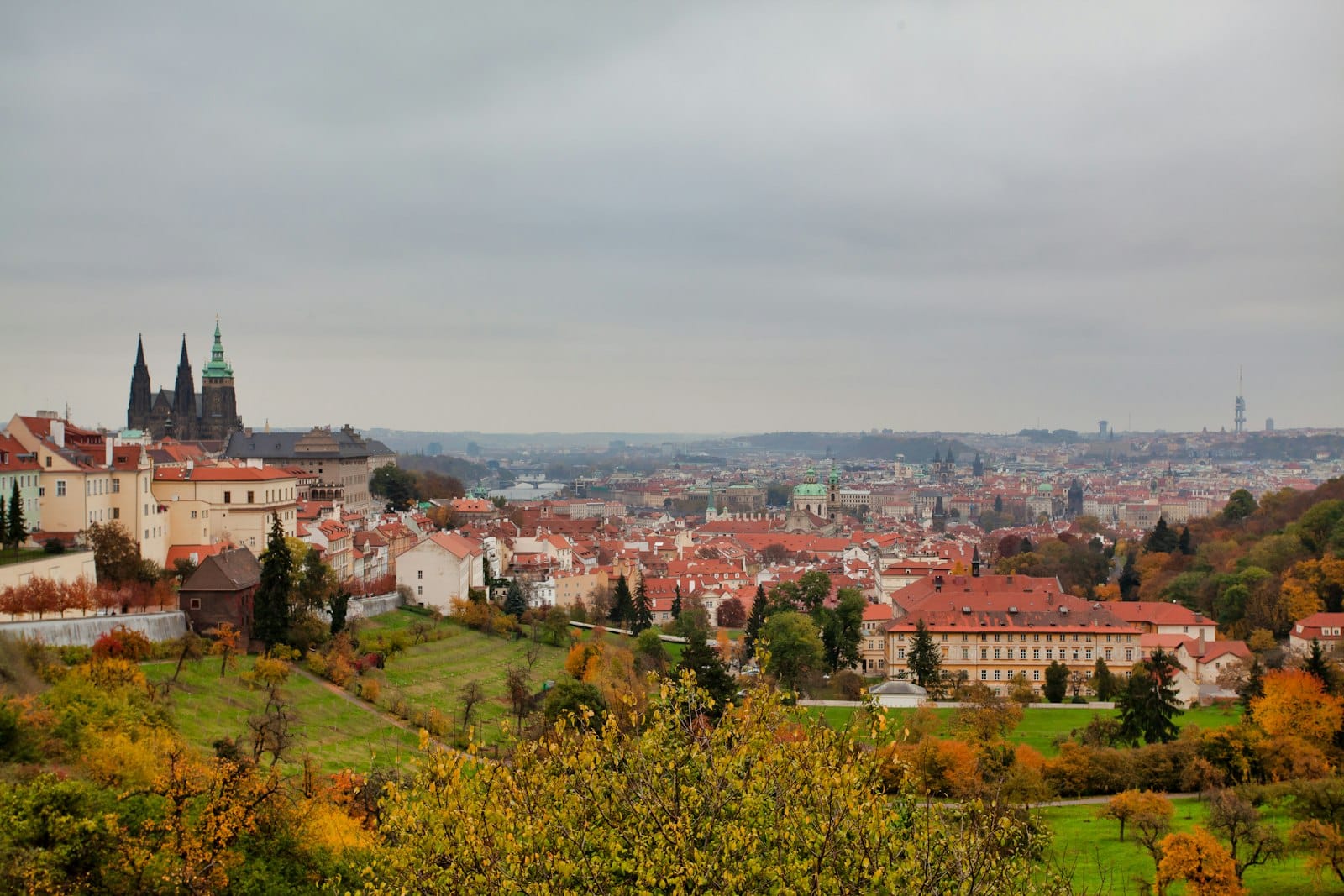
Prague sits at around 190–200 metres above sea level in central Bohemia and has a humid continental climate. That means proper four-season weather: cold, occasionally snowy winters, warm summers with long daylight hours, and two distinct shoulder seasons in spring and autumn. Average temperatures range from roughly -1 to 3°C in January to 17-25°C in July and August, with spring and autumn sitting comfortably in the 5-15°C bracket. Rainfall is moderate year-round, but the wettest months are May through August, mostly from afternoon convective showers rather than prolonged grey drizzle.
One thing that trips up first-time visitors: summer warmth in Prague can tip into genuine heat during occasional heatwaves, with temperatures exceeding 30°C for stretches in July. The city's medieval stone streets and lack of green canopy in the historic core can make it feel hotter than the thermometer suggests. Autumn, by contrast, tends to be cool and clear well into October before conditions deteriorate in November.
ℹ️ Good to know
Prague operates on Central European Time (CET, UTC+1) in winter and Central European Summer Time (CEST, UTC+2) from late March to late October. Sunset in June is after 9pm, while in December it falls around 4pm — a major factor when planning how much you can see in a day.
Season-by-Season Breakdown
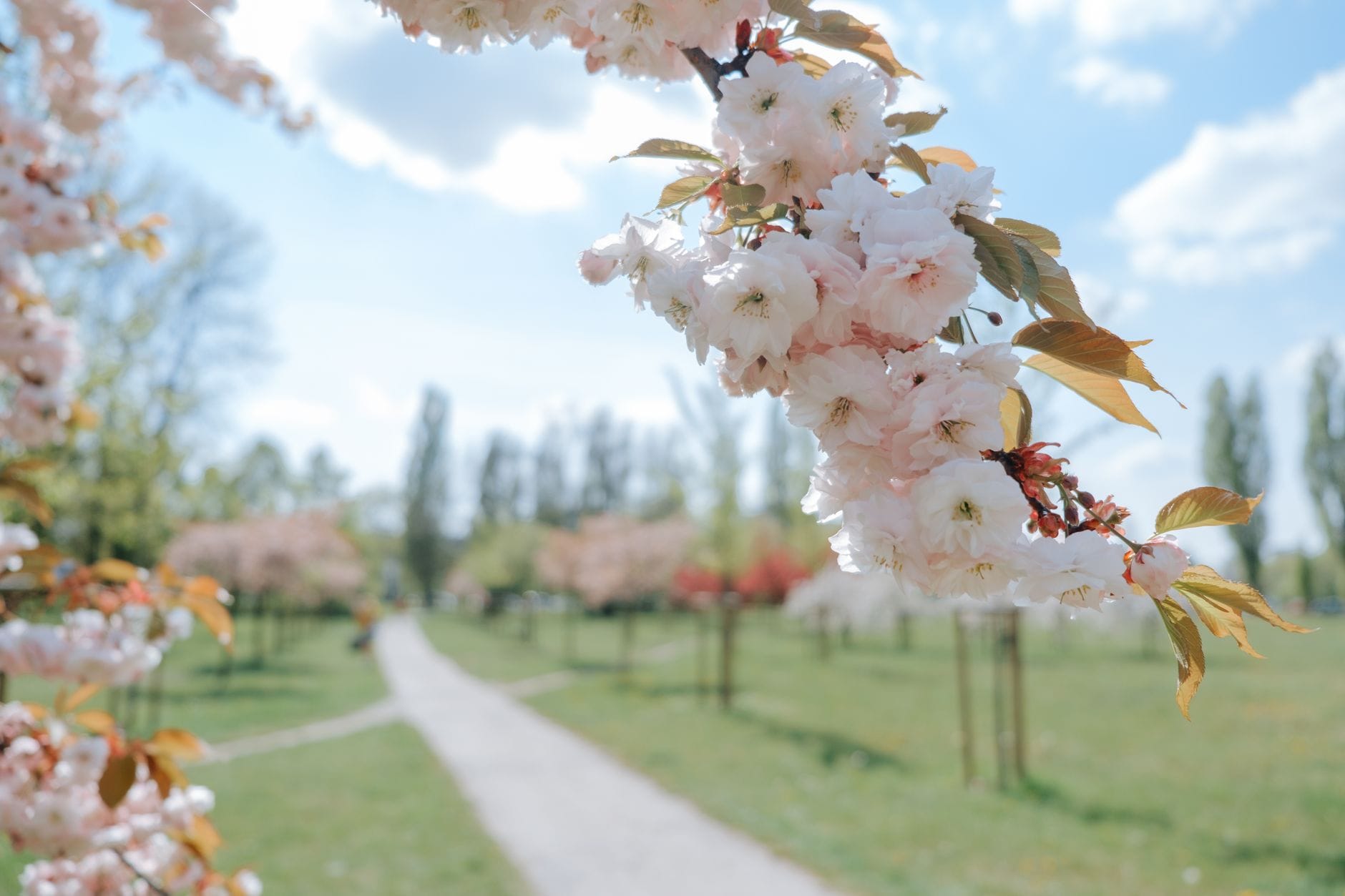
Spring (March to May) is when Prague comes back to life after winter. March is still cold and unpredictable, but April brings cherry blossoms, open-air seating at cafes, and the first large tour groups of the year arriving for Easter. Easter weekend itself is extremely popular and prices spike accordingly for three to four days. May is widely considered the strongest single month to visit: temperatures reach 17-20°C, daylight lasts until nearly 9pm, all attractions are running full schedules, and the Prague Spring International Music Festival brings classical concerts to some of the city's most impressive venues from mid-May into early June.
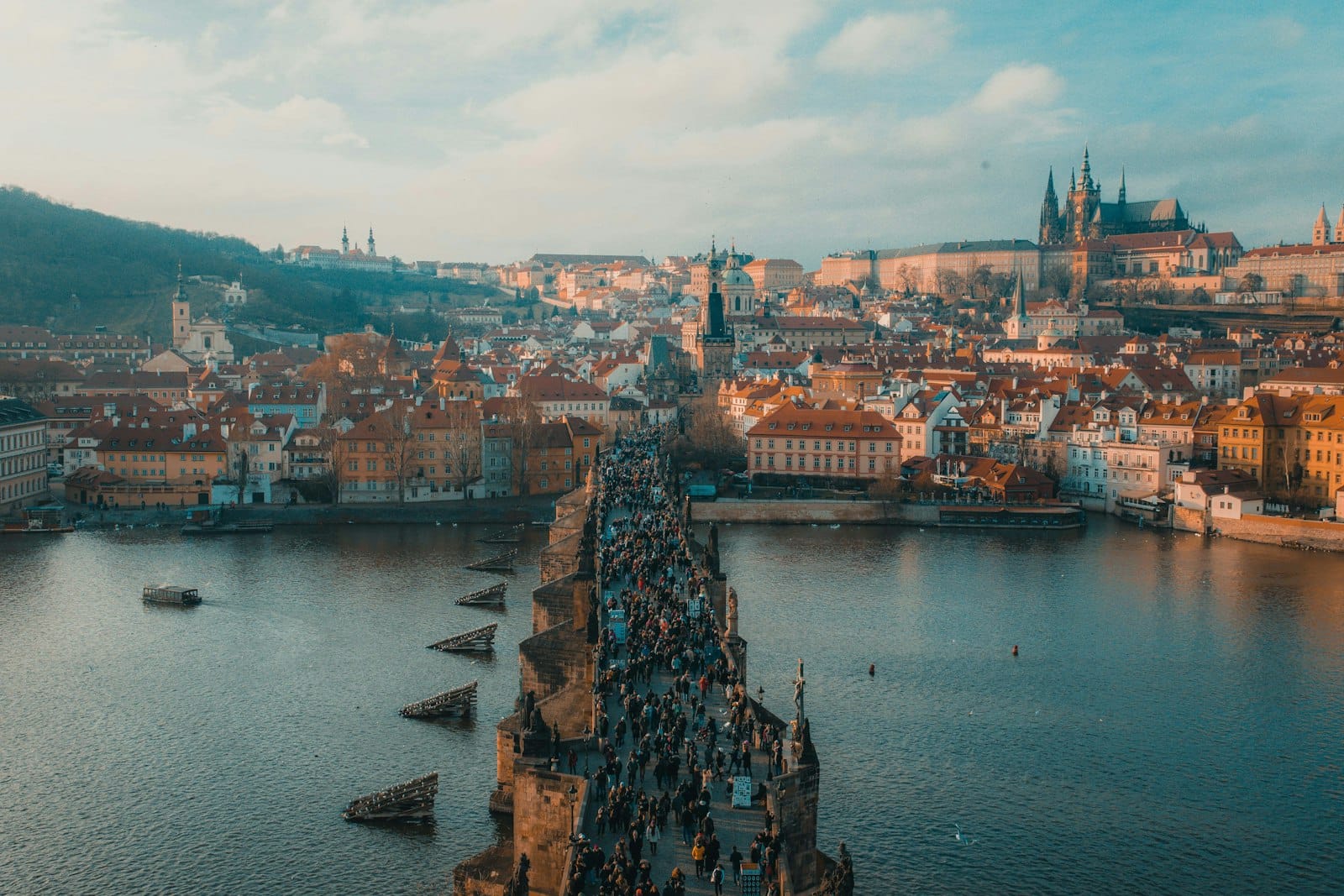
Summer (June to August) is the city's high season in every sense. June offers much of what May does with slightly warmer temperatures and a fraction more crowds, making it arguably the best summer month. July and August see the largest tourist volumes of the year, with Charles Bridge and Old Town Square genuinely packed by mid-morning. Hotel prices are at their peak, restaurant queues are longer, and some locals leave the city entirely. That said, long evenings, outdoor events, and a fully animated city make it easy to understand why summer remains the most popular period.
Autumn (September to November) is the other sweet spot. September in particular offers warm days (18-22°C), the Dvořák Prague Festival, wine harvest events across Bohemia, and noticeably thinner crowds than August. October brings the Signal Festival, a free light installation event spread across the city, and reliable cool-but-pleasant walking weather. By November, temperatures are typically in the 1–6°C range, rain becomes more frequent, and the crowds thin to near-winter levels. The compensation: prices drop sharply from mid-November, making it one of the cheapest times to book accommodation.
Winter (December to February) splits into two very different experiences. December is actually one of the busiest months of the year, driven almost entirely by the Christmas markets on Old Town Square and Wenceslas Square, which typically run from the last Saturday in November through to early January. The city looks genuinely beautiful under festive lighting, mulled wine is everywhere, and temperatures sitting around 0-3°C are cold but manageable. January and February, once the decorations come down, are the quietest and cheapest months. Expect temperatures regularly below zero, occasional snow, and very few queues at any attraction.
Month-by-Month Quick Reference
- January Coldest month, -1 to 3°C. Lowest hotel prices (30-45% below summer rates). Almost no queues. Good for museums and indoor culture. Not for those sensitive to cold or grey skies.
- February Similar to January. Slightly longer days. Still the budget window. Occasional snow can make the city photogenic.
- March Warming slowly (3-10°C). Some attractions resume extended hours. Crowds light. Weather unpredictable.
- April Spring arrives properly. Easter weekend brings price spikes and short-lived crowds. 8-14°C average. Good shoulder season option outside of Easter.
- May Widely the top recommendation: 14-20°C, long evenings, Prague Spring Music Festival, moderate crowds. Book accommodation early.
- June Warm (17-22°C), crowds building but not yet peak. Best summer month for balancing warmth and space.
- July Hottest month (up to 25°C+), most crowded, highest prices, occasional thunderstorms. Best for evening outdoor events and long daylight.
- August Similar to July. Some locals away. Tourists fill the centre. Book everything well in advance.
- September Strong shoulder season. 15-21°C, thinning crowds post-summer, Dvořák Festival, harvest events. One of the two best months overall.
- October Cooling (8-15°C), Signal Festival, autumn colour. Crowds drop further. Good value.
- November Grey and damp, 3-9°C. Cheapest month after January. Christmas markets open late in the month, lifting the atmosphere.
- December Christmas market season (late Nov to 6 Jan). Festive, atmospheric, cold (0-4°C). Popular and priced accordingly around the Christmas-New Year window.
Best Time to Visit for Specific Priorities
There is no single best time to visit Prague that works for everyone. The honest answer depends on what you are optimising for. Here is how to think through it.
- Best for weather and crowds combined May and September. Comfortable temperatures, all attractions fully operational, significantly fewer visitors than July or August.
- Best for budget travellers January and February. Hotel rates drop 30-45% from summer peaks, airfare is frequently cheaper, and popular sites like Prague Castle are walkable without queuing. A good coat is essential.
- Best for atmosphere and events Late May to early June (Prague Spring Music Festival) or late November to December (Christmas markets). Both periods have a distinct character that justifies the extra crowds.
- Best for families with children June or early September. School holiday constraints aside, these months offer reliable warmth without the extreme peak of July-August. See the guide on visiting Prague with kids for activity ideas.
- Best for avoiding tourists entirely January or February, midweek. You will have the Old Jewish Cemetery and interiors of the major churches largely to yourself.
⚠️ What to skip
Easter weekend (dates change annually, typically late March or April) causes a sharp but brief spike in hotel prices and crowds across the Old Town. If your trip coincides with Easter, book accommodation several months in advance or consider arriving the week after when conditions normalise quickly.
Key Annual Events Worth Planning Around
Prague has a genuine events calendar rather than manufactured tourist spectacles. The Prague Spring International Music Festival, held from mid-May to early June each year, is one of the most respected classical music festivals in Central Europe, with concerts held in venues like the Municipal House and the Rudolfinum. If classical music is relevant to your trip, this is worth timing around, but book tickets well in advance as flagship concerts sell out.
The Dvořák Prague International Music Festival follows in September, typically running until around 23 September. October brings the Signal Festival, a free event where light artists take over monuments and public spaces across the city for several evenings. It draws large crowds but remains free to attend. For an overview of what else is on across different seasons, the full Prague activities guide covers year-round options in depth.
The Christmas markets on Old Town Square and Wenceslas Square deserve special mention because they genuinely deliver on atmosphere. Running from the last Saturday in November through early January, they attract enormous visitor numbers but the setting, with the Gothic towers of the Týn Church as backdrop and the smell of trdelník and mulled wine in the air, is hard to replicate. Come on a weekday if possible, and visit in the evening when the lighting is at its best. Full detail on what to expect is in the Prague Christmas market guide.
Practical Considerations: Booking, Prices, and Getting Around
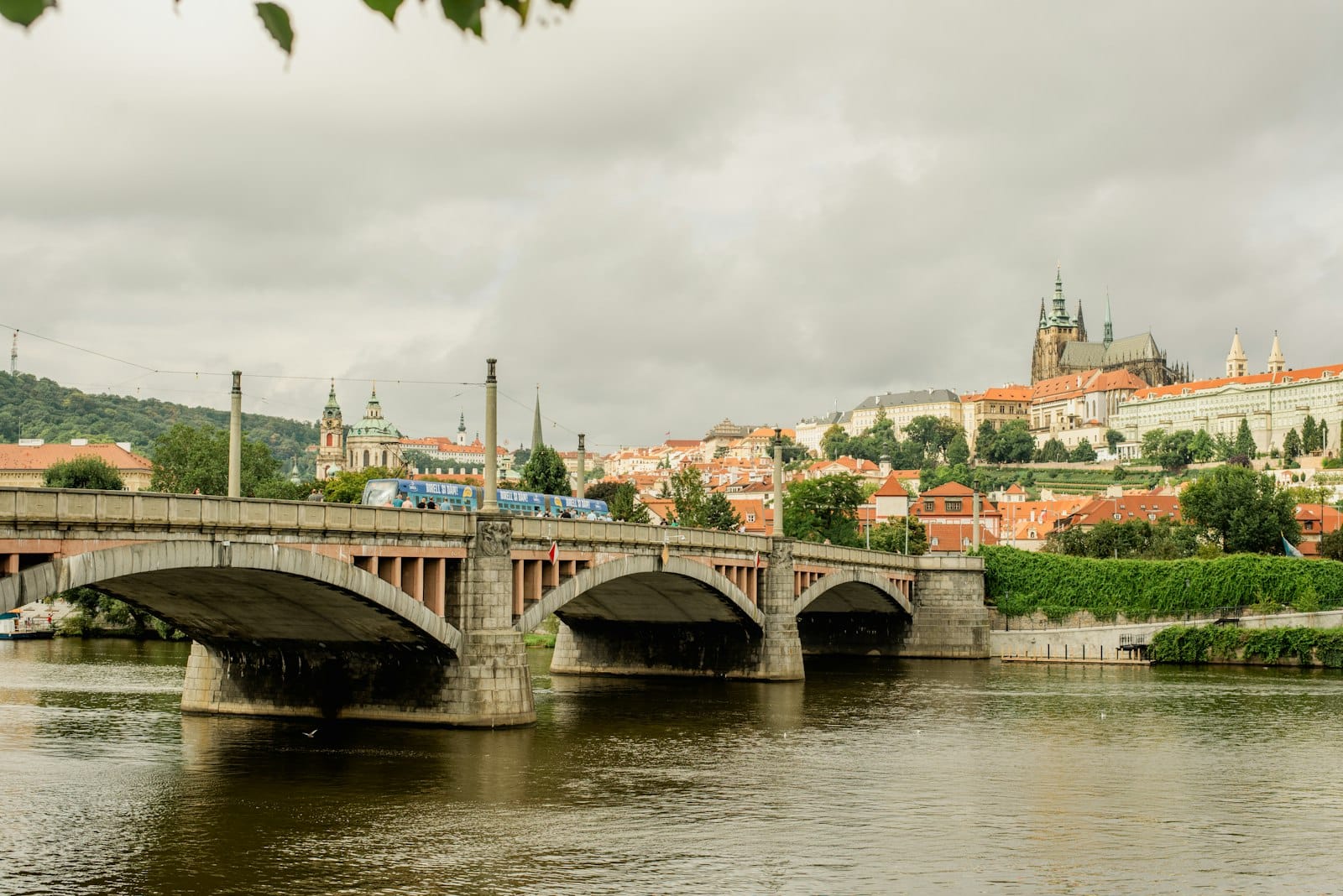
Prague's accommodation market responds sharply to seasonal demand. The gap between a budget hotel room in January and the same room in July can be significant, with many sources citing 30-45% lower rates in the winter low season. If your dates are flexible and you are not dependent on summer weather, this is one of the strongest arguments for visiting in January, February, or even November. The city's public transport network, run by Prague Integrated Transport (PID), operates efficiently year-round with metro, tram, and bus connections covering all major tourist areas. Fares and ticket types change periodically, so verify current prices at pid.cz before travel.
Getting around the city on foot is practical for the historic core, but the terrain includes significant hills, particularly around the Castle District and Petřín Hill. In summer, cobblestone streets in the heat can be tiring for extended walking days. In winter, the same streets can become icy, so footwear with grip matters. The Prague transport guide covers all options in detail, including airport connections.
✨ Pro tip
Prague Castle (Pražský hrad) is one of the largest castle complexes in the world and free to enter the courtyards. The interior circuits require tickets. In peak summer, queues for entry begin forming by 9am. In January or February, you can walk straight in at any point during opening hours. If you visit in summer, arrive at opening time or plan for a late-afternoon visit when morning groups have cleared.
If you are building a multi-day itinerary, the 3-day Prague itinerary is structured to work across seasons with appropriate adjustments for opening hours and energy levels. For a longer trip that includes day excursions to places like Kutná Hora or Český Krumlov, the day trips from Prague guide notes which routes are best in which season.
FAQ
What is the best time to visit Prague?
May and September are the most consistently recommended months: temperatures of 15-21°C, all attractions fully open, and noticeably fewer crowds than July or August. If budget is the priority, January and February offer the lowest prices. If atmosphere over weather is what you want, late November through December for the Christmas markets is a strong choice.
Is Prague worth visiting in winter?
Yes, with caveats. December is genuinely excellent due to the Christmas markets and festive atmosphere, though it is not cheap or quiet. January and February are cold (often below 0°C), but hotel prices drop significantly and major museums and galleries are uncrowded. Prague's indoor cultural offer, from the Jewish Museum to the National Gallery's multiple venues, is strong enough to fill several winter days comfortably.
How crowded is Prague in summer?
Very crowded in July and August. Charles Bridge is shoulder-to-shoulder by mid-morning, Old Town Square fills up by 10am, and restaurant queues extend onto the street at popular spots. The crowds are manageable with early starts (be at key sights before 9am) and by spending afternoons in quieter neighbourhoods like Vinohrady or Holešovice. June is warmer than May but less packed than July, making it a better summer compromise.
When is the cheapest time to visit Prague?
January and February are consistently the cheapest months for both flights and accommodation, with hotel rates typically 30-45% below summer peaks. November (before the Christmas markets open) is also very affordable. Midweek stays are cheaper than weekend stays in any season, particularly in the historic centre.
Does it snow in Prague?
Snow is possible from December through February, but it is not guaranteed. Prague averages some snowfall most winters, but heavy or prolonged snow is uncommon. When it does snow, the city looks striking, particularly around the Castle and the older residential neighbourhoods. Ice on cobblestone streets is a more consistent winter hazard than snow itself.