Best Things to Do in Prague: The Definitive Guide
Prague rewards visitors with one of Europe's most intact medieval city centres, a world-class Jewish quarter, and neighbourhoods far beyond the tourist trail. This guide covers the best things to do in Prague across every budget and interest, with crowd warnings, seasonal advice, and precise logistics.
Plan and book this trip
Tools from our partner Travelpayouts help you compare flights and hotels. If you book through them, we may earn a commission at no extra cost to you.
Flights
Hotels map
TL;DR
- Prague Castle is a vast complex of palaces, churches, and lanes, not a single building. Budget 3-4 hours and buy tickets in advance via the Prague Castle official site.
- The Astronomical Clock runs hourly from 09:00-21:00 and is free to watch from the square. Climbing the Old Town Hall tower costs around 250 CZK.
- Jewish Museum adult admission is about 600 CZK for the standard circuit (verify current inclusions and whether the Old-New Synagogue is separate) — usually the most efficient way to see Josefov.
- Old Town is only one piece of the picture. Districts like Holešovice, Letná, and Vyšehrad offer compelling attractions with far smaller crowds.
- Three days covers the essential highlights. Five days allows deeper exploration plus day trips to Kutná Hora or Český Krumlov.
Understanding Prague Before You Arrive
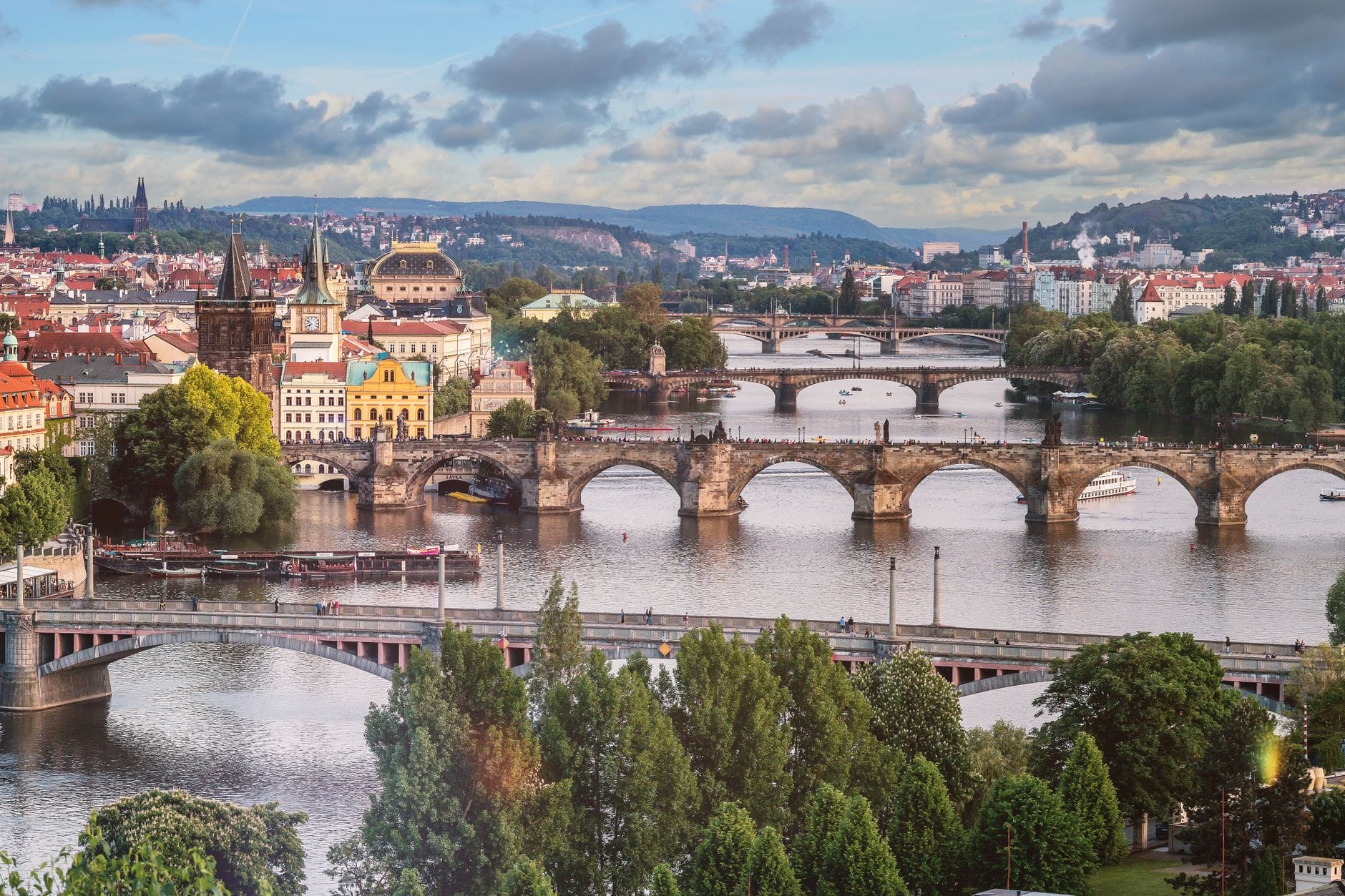
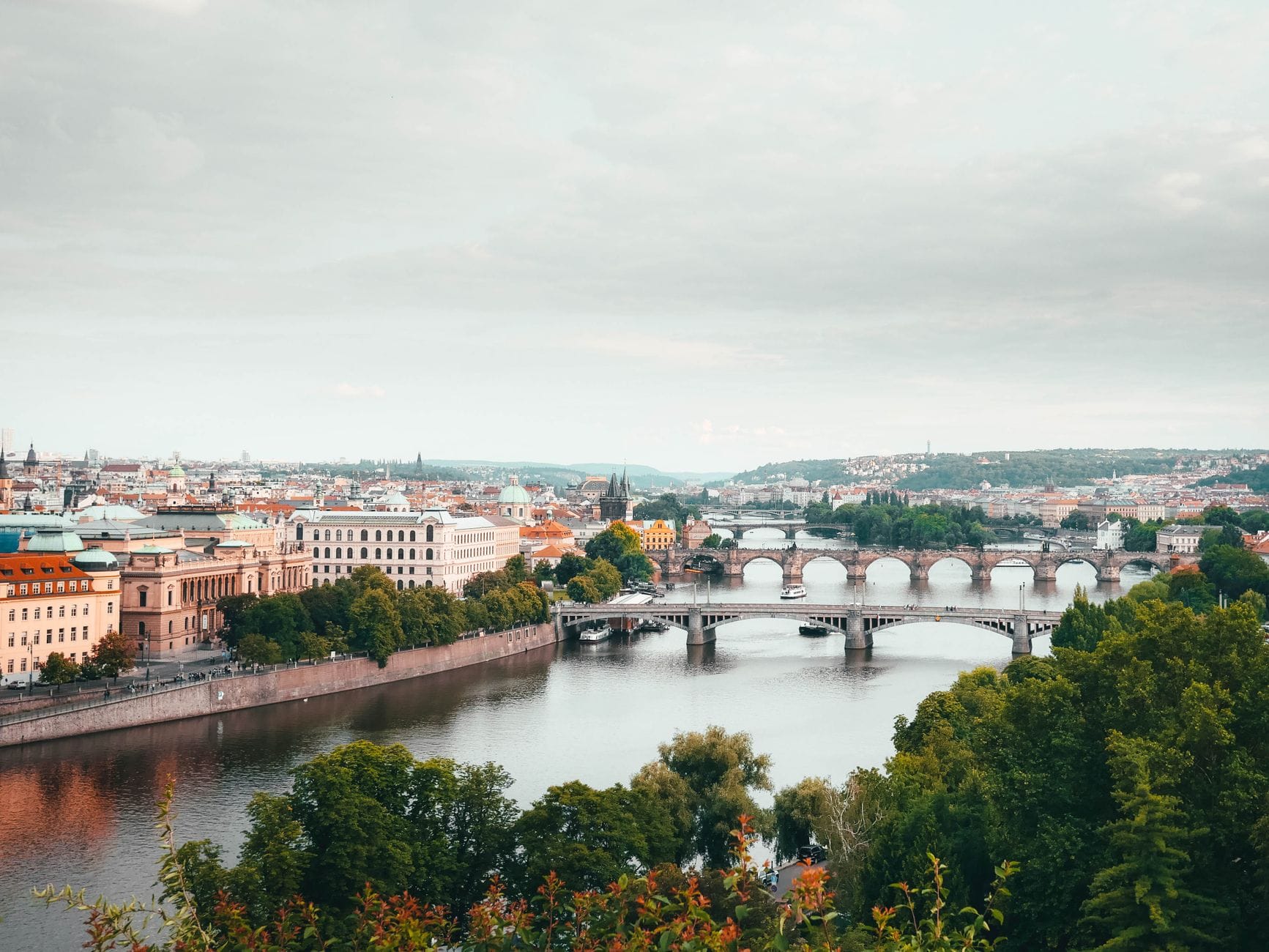
Prague is the capital of the Czech Republic, officially named Hlavní město Praha, and sits on the Vltava River in the historical region of Bohemia. With around 1.38 million residents in the city proper, it is the country's largest city by a significant margin. The historic core is remarkably compact: you can walk from the Old Town Square to Charles Bridge in under five minutes, and from the bridge to the foot of Prague Castle in another fifteen.
The city uses the Czech koruna (CZK) rather than the euro, which catches some visitors off guard. Exchange rates fluctuate, so check the Czech National Bank's current rates before you travel. English is widely spoken in hotels, restaurants, and tourist areas. Tipping is customary but not mandatory: rounding up the bill or adding around 10% in sit-down restaurants is the standard practice. For practical logistics on getting between neighbourhoods, see our guide to getting around Prague.
ℹ️ Good to know
Prague uses Type C and Type E plugs at 230V/50Hz. Tap water is safe to drink and monitored under EU standards, so you can skip buying bottled water throughout your stay.
The Historic Core: Old Town, Charles Bridge, and the Astronomical Clock
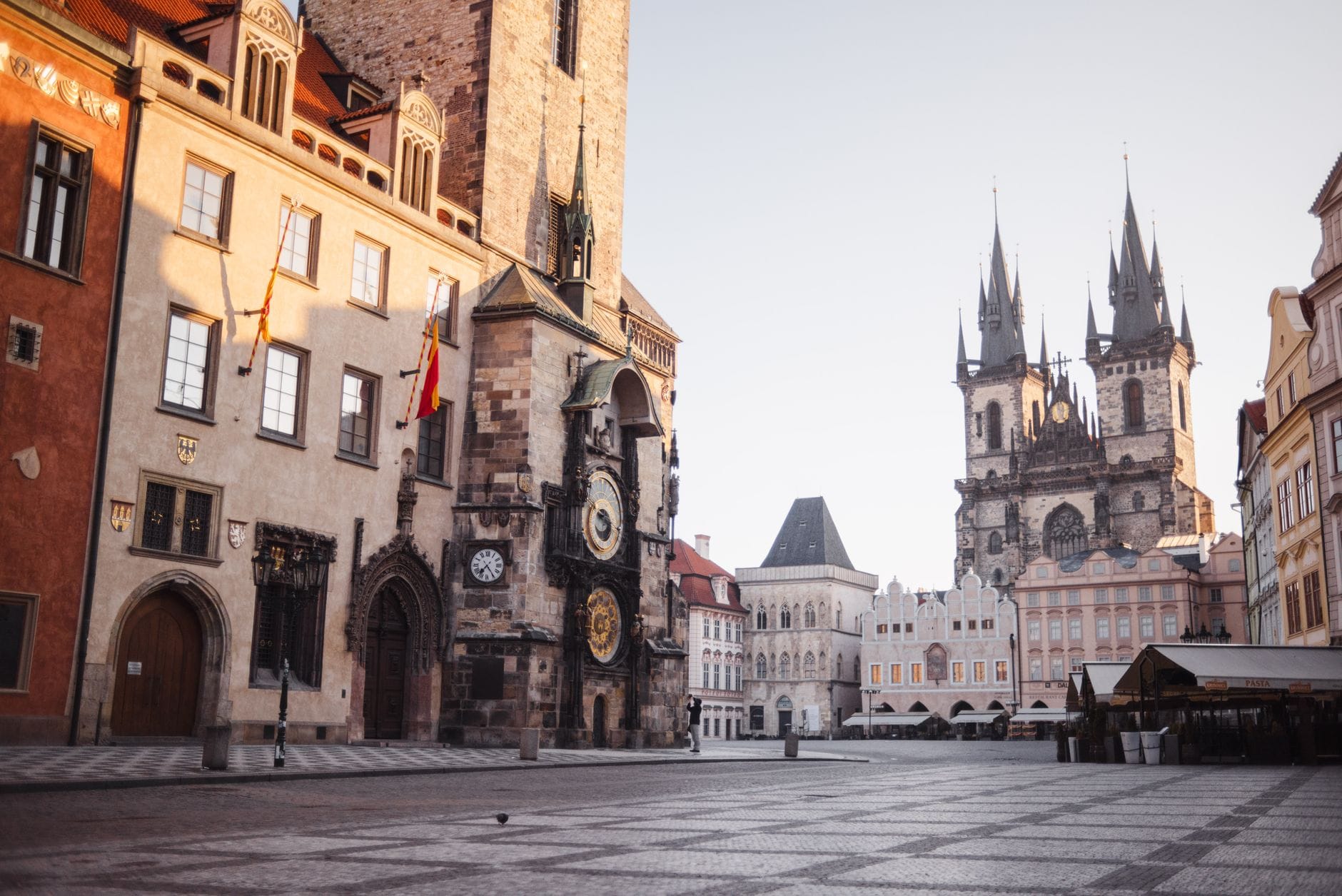
The Old Town is where most first-time visitors spend the bulk of their time, and the density of medieval architecture here genuinely earns the attention. The centrepiece is Old Town Square, ringed by Gothic and Baroque facades, with the twin-towered Church of Our Lady before Týn looming over the eastern side.
The Prague Astronomical Clock on the Old Town Hall runs its mechanical procession every hour between 09:00 and 21:00, and watching it is free. It is a functioning medieval astronomical device displaying solar time, lunar phases, and the position of the sun in the zodiac, not a decorative piece. That said, the hourly show itself lasts barely 45 seconds, so managing expectations matters. Climbing the Old Town Hall Tower costs around 250 CZK and gives one of the best elevated views of the rooftops without a long queue.
Charles Bridge is best experienced before 08:00 or after 20:00. Mid-morning to late afternoon, it functions more as a pedestrian bottleneck lined with souvenir sellers than a meditative walk across 30 Baroque saint statues. Cross it at dusk heading toward Malá Strana, when the castle is lit and the reflections on the Vltava are at their best. The bridge is always free to cross.
⚠️ What to skip
The Astronomical Clock square is one of the highest-risk areas in Prague for pickpockets. Keep bags in front of you during the hourly show when crowds compress. The surrounding streets also have a concentration of currency exchange booths with poor rates — use a bank or ATM instead.
Prague Castle and the Hradčany District
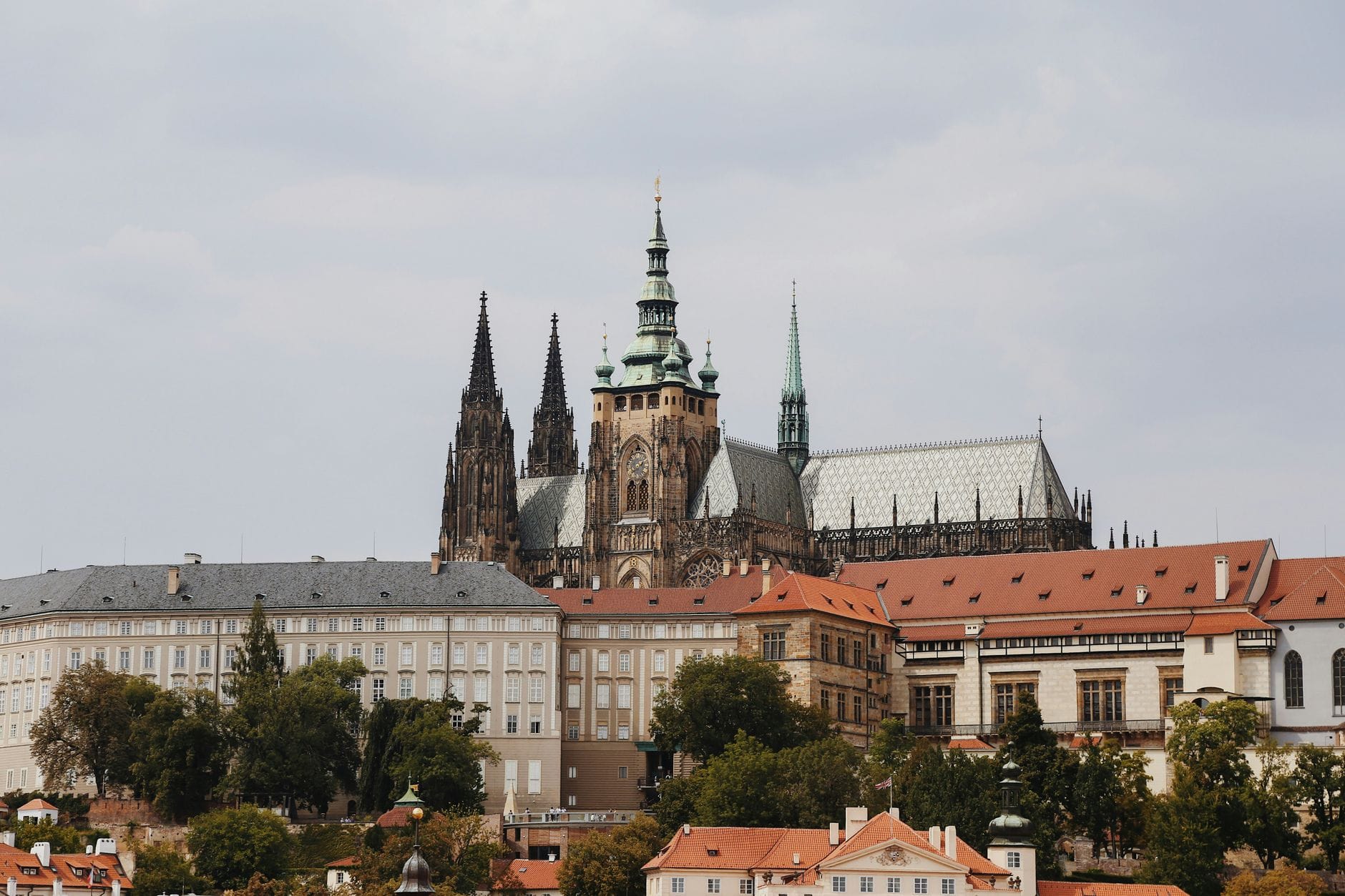
Prague Castle is a vast castle complex, covering roughly 70,000 square metres. This is not a single building but a dense cluster of palaces, gardens, lanes, and churches spread across a hilltop above the Vltava. Budget at minimum 3 hours; 4 to 5 hours is more realistic if you want to do it properly.
- St. Vitus Cathedral The dominant Gothic cathedral inside the castle grounds, free to enter the nave. Tower access and certain areas require a ticket.
- Old Royal Palace Home to the Vladislav Hall, used for state ceremonies since the 15th century. Included in the standard circuit ticket.
- St. George's Basilica The best-preserved Romanesque building in Bohemia, with an austere interior that feels genuinely ancient compared to the city's many Baroque overlays.
- Golden Lane A row of tiny coloured houses built into the castle walls, once home to castle guards and artisans. It is charming but short; around 20 minutes suffices.
- Castle Gardens The terraced South Gardens and Royal Garden offer quieter escapes with city views. Open seasonally, typically April to October.
The surrounding Hradčany district is worth exploring beyond the castle gates. The Nový Svět quarter is a quiet lane of pastel cottages that most visitors walk past without realising it exists, and the Loreto Sanctuary nearby houses one of the most elaborate treasury collections of Baroque religious art in Central Europe.
✨ Pro tip
Approach the castle from the Strahov Monastery side in the morning, walking down through Nový Svět to Malá Strana afterward. This route is far less crowded than the main gate ascent from the Lesser Town side, and the Strahov library is one of the most photogenic Baroque interiors in Europe.
Josefov, Malá Strana, and the Areas That Reward Slow Walking
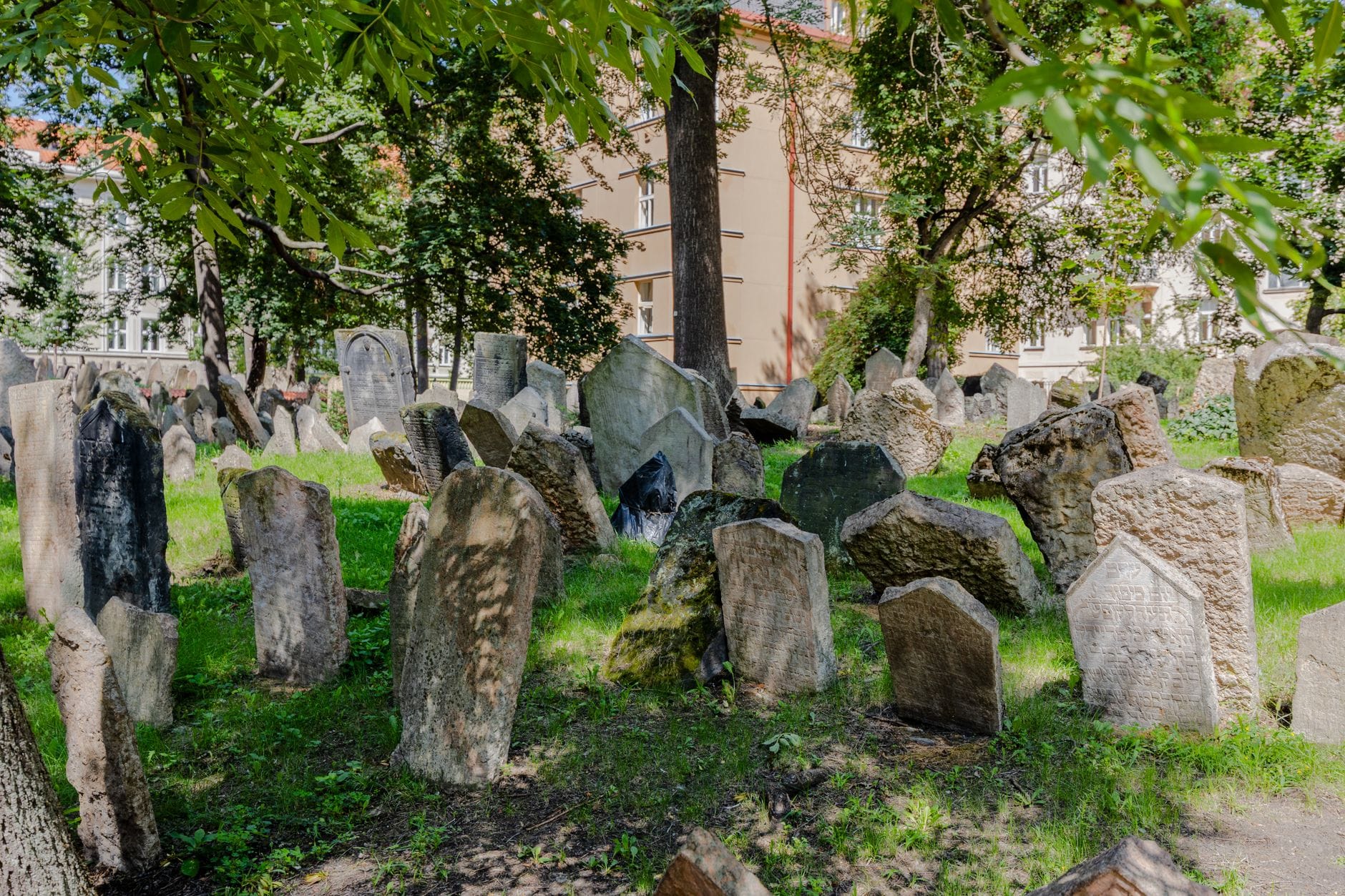
The Jewish Quarter sits within the Old Town and contains six historic synagogues alongside the Old Jewish Cemetery, where graves are stacked up to 12 layers deep due to centuries of space constraints. Adult admission for the standard Jewish Museum circuit is about 600 CZK — verify current inclusions and whether the Old-New Synagogue is ticketed separately. Buy tickets online to avoid queues, especially in summer.
Across the river, Malá Strana is the Baroque quarter below the castle, home to embassies, aristocratic palaces, and some of the city's most rewarding quiet streets. The Wallenstein Garden is free to enter and genuinely peaceful during weekday mornings. The Vrtba Garden, a terraced Baroque garden with views toward the castle, is one of the finest small gardens in Prague and is consistently undervisited compared to the main sights.
Slightly south of the main tourist area, Kampa Island is a small sliver of land separated from Malá Strana by the Čertovka millstream. It has a grassy park, open-air sculpture installations from the Kampa Museum, and the city's best preserved sense of what Prague looked and felt like before mass tourism.
Beyond the Tourist Trail: Letná, Holešovice, Vyšehrad, and the Riverfront
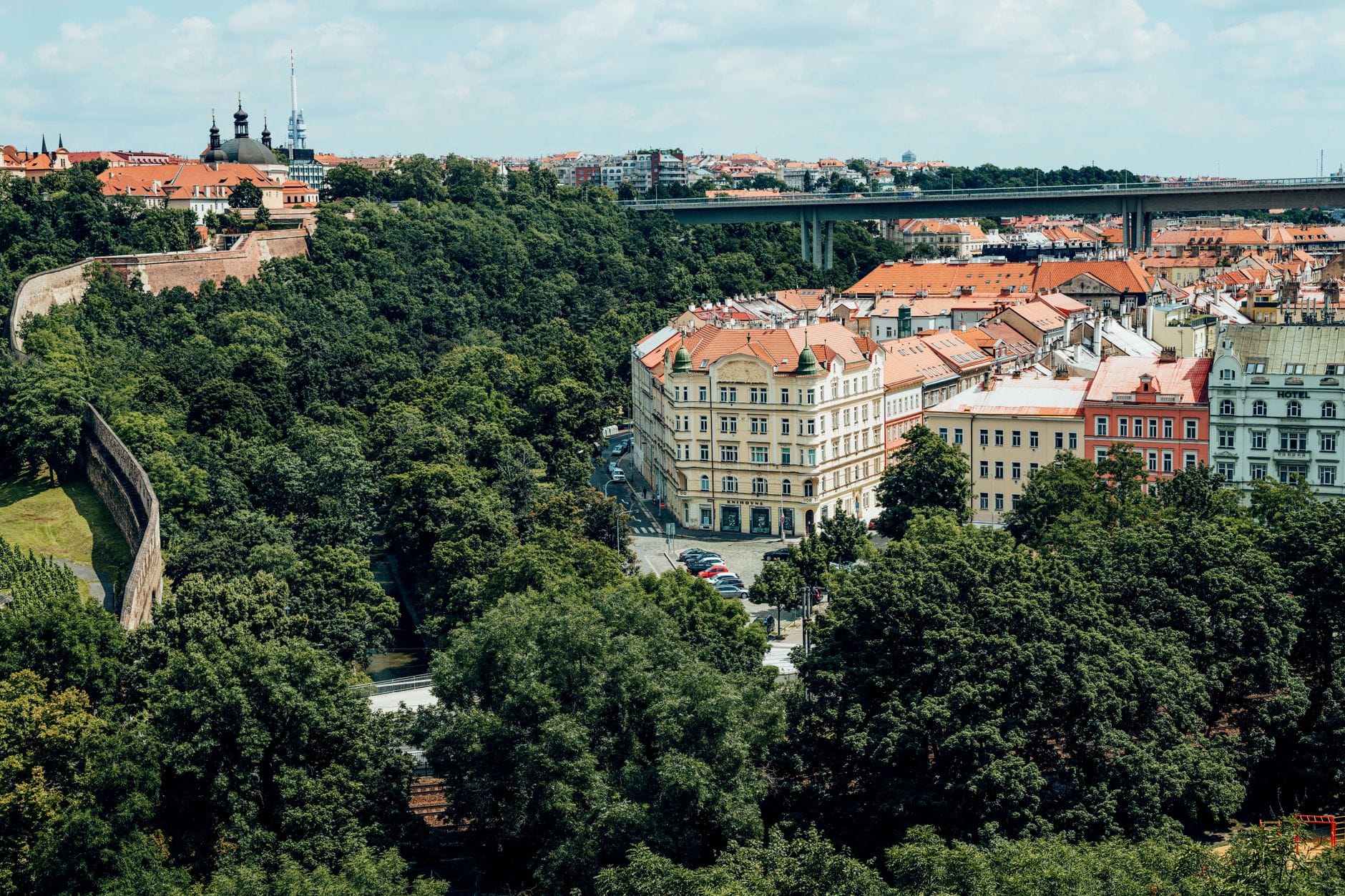
The common assumption that Prague's value lies entirely in its medieval core is one of the city's most persistent misconceptions. Several districts north and south of the centre offer a completely different side of the city, with real residential character and far more local patronage.
The Letná beer garden at the top of Letná Park is the single best place in Prague to drink a Czech lager with a panoramic view of the city. The view west over the river and Old Town from the park's edge is arguably better than anything you get from Petřín or the castle towers. Pilsner Urquell at the beer garden typically costs around 60-70 CZK per half-litre, though prices change seasonally.
In Holešovice, the Veletržní Palace houses the National Gallery's modern and contemporary art collection across an enormous functionalist building from the 1920s. It is consistently underattended given the quality of its Picasso, Klimt, and Czech avant-garde holdings. The DOX Centre for Contemporary Art nearby is the city's best venue for challenging contemporary exhibitions.
South of the centre, Vyšehrad is a hilltop fortified area with a neo-Gothic basilica, a cemetery containing the graves of Dvořák and Smetana, and sweeping views of the southern Vltava. It takes around 90 minutes to explore properly and sees a fraction of the foot traffic that the castle receives. The Náplavka riverfront below Vyšehrad has a weekend farmers market, riverside bars, and moored houseboats used as cafes. This is where Praguers actually spend their weekends.
- Letná Park: best city panorama, especially at golden hour. The giant metronome marks the former site of a Stalin statue demolished in 1962.
- Holešovice Market Halls: a 19th-century iron market building converted into a food and cultural space, best visited on weekends.
- Zižkov TV Tower: the city's most polarising structure, covered in David Černý's crawling baby sculptures. The observation deck has genuinely unusual views.
- Náplavka riverfront: Saturday farmers market runs from approximately 08:00-14:00, with local produce, street food, and some of the best coffee stalls in the city.
- Vyšehrad Cemetery: a carefully maintained pantheon of Czech cultural figures. Free to enter, atmospheric year-round.
Seasonal Considerations: When to Go and What Changes
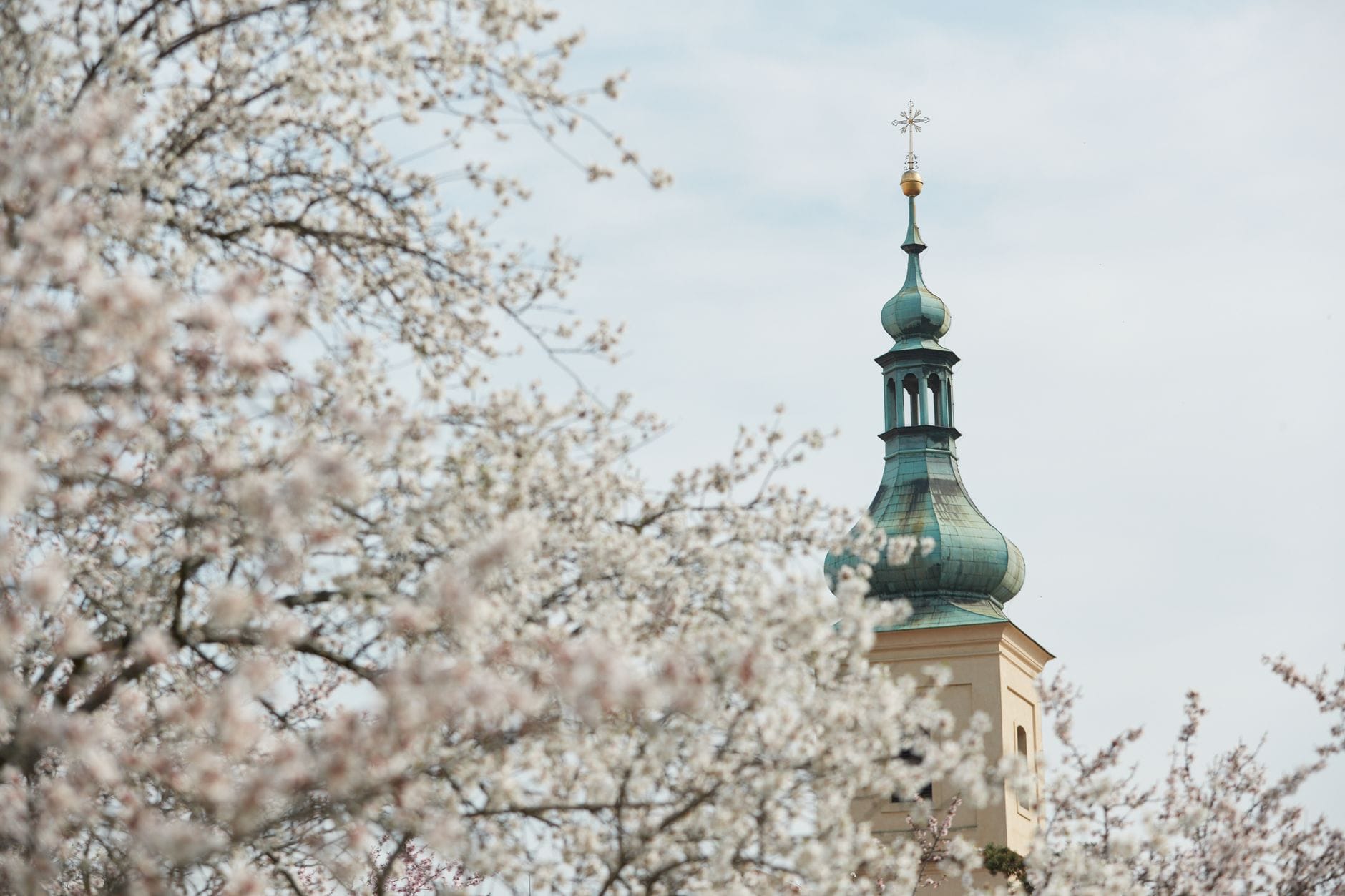
Prague has a humid continental climate with cold winters averaging -1 to 3°C in December through February, and warm summers reaching 25°C or above in July and August. Each season fundamentally changes what the city offers and how comfortable it is to navigate.
May, June, and September are the most consistently comfortable months for outdoor sightseeing: temperatures sit between 15 and 22°C, daylight runs long, and the summer peak crowds have not yet arrived or have just subsided. July and August bring the highest visitor numbers, particularly around Charles Bridge and Old Town Square, plus an increased chance of afternoon thunderstorms. For a detailed seasonal breakdown, see our guide on the best time to visit Prague.
December is a different kind of experience. The Christmas markets on Old Town Square and Wenceslas Square run from late November through early January, and the city takes on a genuinely festive atmosphere that partly justifies the cold and the crowds. Our Prague Christmas market guide covers which markets are worth your time and which are primarily for souvenir shopping. Prices at hotels drop significantly in January and February, and the city's museums and indoor attractions are at their least crowded.
- Spring (March-May) Castle gardens begin opening in April. Cherry blossoms in Stromovka Park and Franciscan Garden in late April. Crowds build from Easter onward.
- Summer (June-August) Peak visitor season. Outdoor events, Naplavka bars, and beer gardens at their best. Book accommodation and major attraction tickets well ahead.
- Autumn (September-November) Comfortable temperatures, autumn colours in Divoká Šárka and Letná Park. Crowds thin noticeably from mid-September. Some castle gardens close from October.
- Winter (December-February) Christmas markets in December are genuinely atmospheric. January and February offer the lowest prices and shortest queues. Pack layers and waterproof footwear.
💡 Local tip
If you plan to visit over a long weekend in May or during the Christmas market period, book accommodation at least 6-8 weeks in advance. Prague has a significant shortage of mid-range hotel inventory during peak dates, and prices spike sharply.
FAQ
How many days do you need in Prague to see the main sights?
Three full days is enough to cover Prague Castle, the Old Town, Charles Bridge, Josefov, Malá Strana, and one or two neighbourhoods beyond the centre like Letná or Vyšehrad. Five days allows for a more relaxed pace plus a day trip to Kutná Hora or Český Krumlov. One week suits travellers who want to explore museums, smaller districts, and multiple day trips.
Is Prague walkable, or do you need public transport?
The historic core is very walkable — Old Town, Josefov, Malá Strana, and even the castle are all reachable on foot from central accommodation. For Holešovice, Vinohrady, or Vyšehrad, Prague's metro and tram network (operated under the PID system) is fast, cheap, and reliable. A 90-minute transfer ticket covers metro, tram, and bus, with a single ride costing around 30-40 CZK depending on current tariffs.
What are the best things to do in Prague in December?
December in Prague centres on the Christmas markets at Old Town Square and Wenceslas Square, both running from late November to early January. Beyond the markets, December is an excellent time for indoor attractions: the Mucha Museum, the Clementinum Baroque Library, the National Museum, and the Kampa Museum are all far less crowded than in summer. Concerts at the Municipal House and Estates Theatre are also easier to book in December.
What are the best things to do in Prague for couples?
Prague suits couples well at several levels. The obvious romantic settings include Charles Bridge at dawn, the terrace at Vrtba Garden, and dinner in Malá Strana. Beyond the standard circuit, a boat trip on the Vltava, an evening at the National Theatre or Estates Theatre, and a walk through Vyšehrad at dusk are all experiences that feel genuinely special rather than tourist-packaged. Our dedicated guide to Prague for couples covers venue and neighbourhood recommendations in detail.
Is the Astronomical Clock worth seeing?
Yes, but with calibrated expectations. The clock itself is a 15th-century astronomical masterpiece and genuinely impressive as an engineering object. The hourly mechanical show is brief, around 45 seconds, so do not arrange your entire morning around it. Watch one show, study the clock face itself (which is the more interesting part), then move on. The Old Town Hall Tower next to it gives better value for time invested.