Holešovice occupies a broad meander of the Vltava River in northern Prague, where former factories and warehouses have given way to contemporary galleries, independent cafés, and one of the city's best food market halls. It rewards travelers who want to see Prague beyond the tourist core without venturing far from the center.
Holešovice is Prague's industrial past in creative transition: a district of wide streets, repurposed warehouses, and serious art institutions that sits less than two kilometers from the Old Town but feels like a different city. It is where Praguers actually spend their weekends, and where the city's cultural conversation is increasingly taking place.
Orientation: Where Holešovice Sits
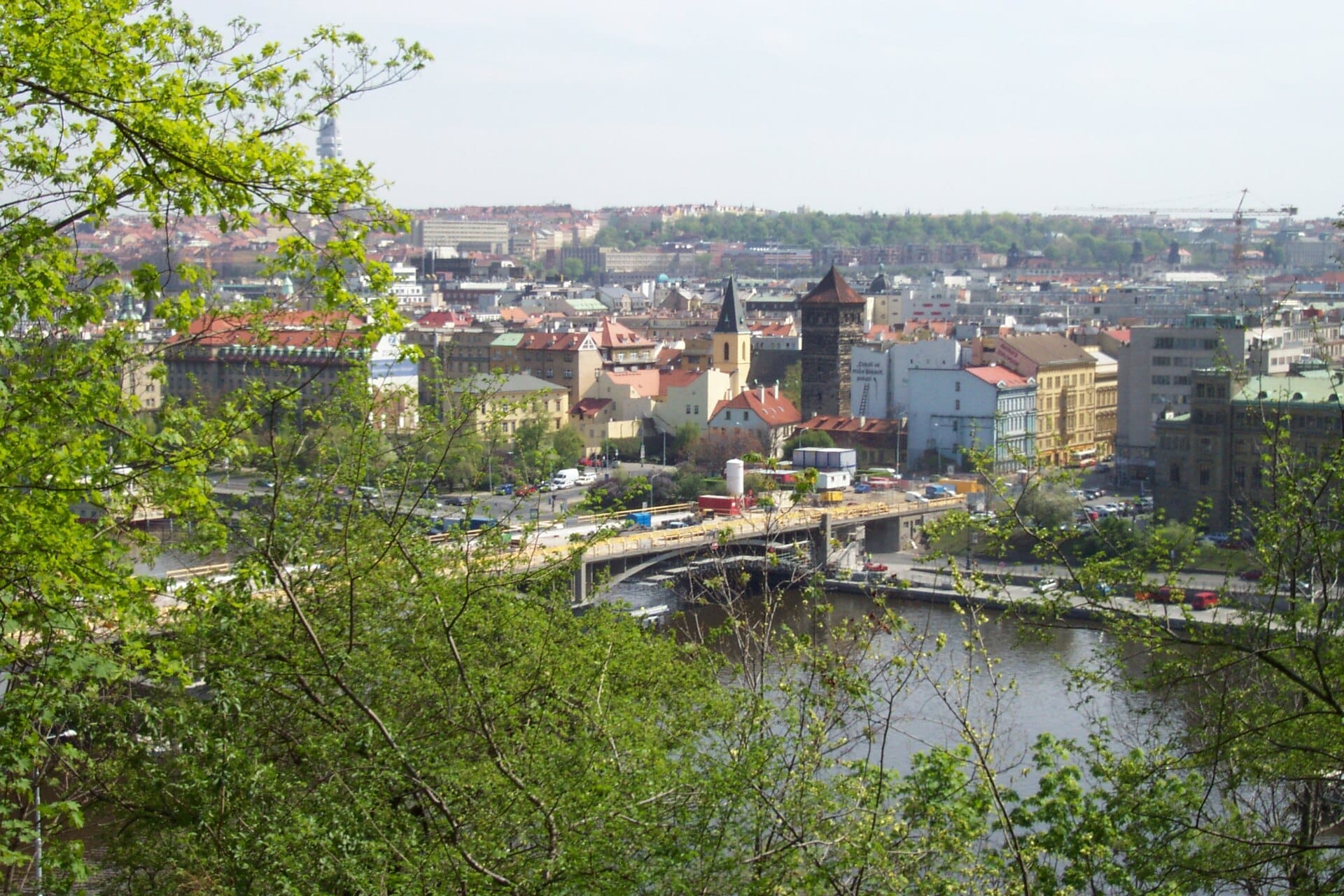
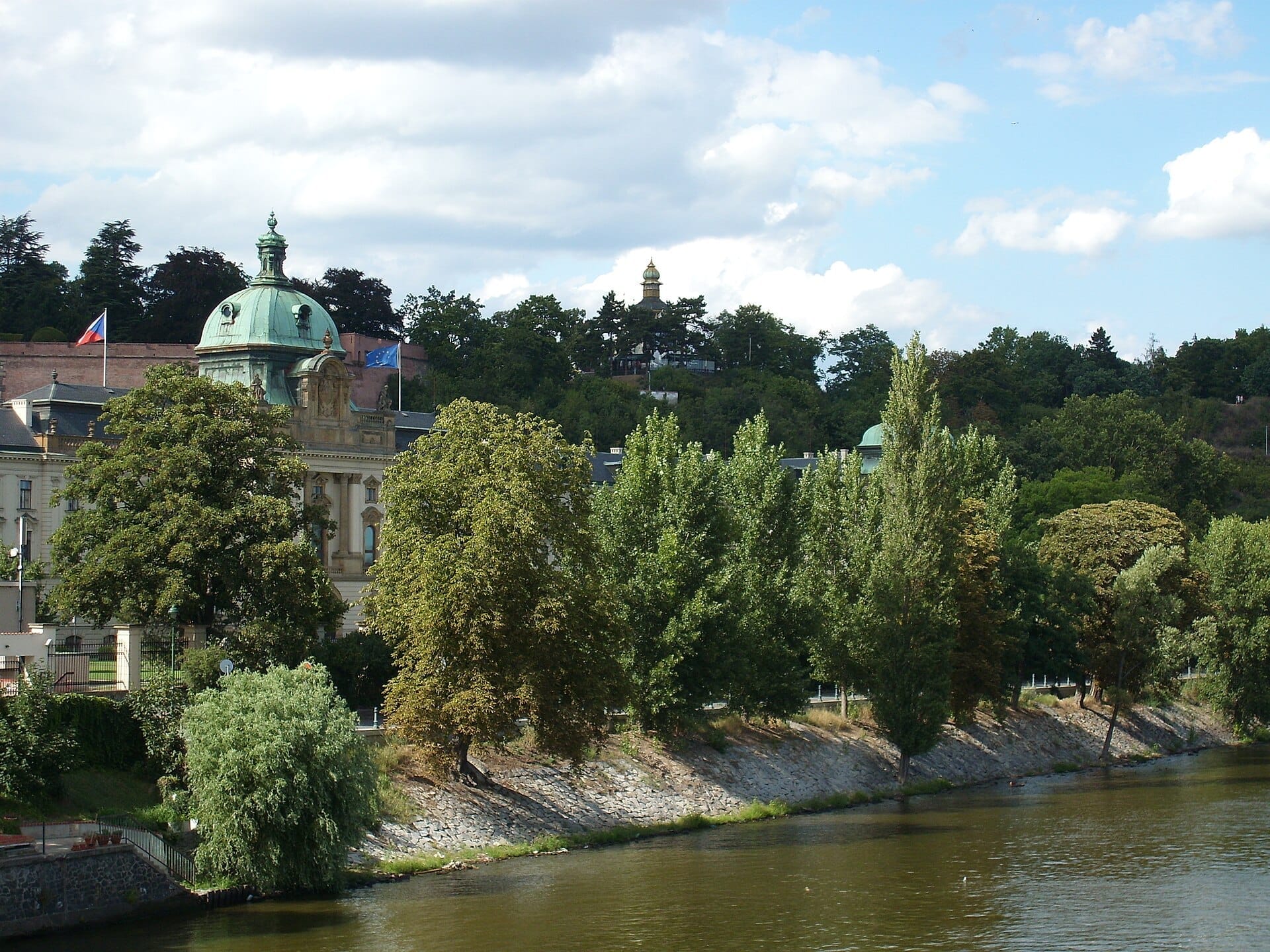
Holešovice occupies most of Prague 7, sitting on the left bank of the Vltava inside a pronounced river meander that curves around the district like a horseshoe. This geography gives Holešovice three sides bordered by water, creating a natural boundary that separates it from the historic center without making it feel remote.
To the south and west, the district abuts Malá Strana and the Hradčany ridge. The long, tree-lined boulevard of Dukelských hrdinů marks the approximate western edge, running between the river and the open slopes of Letná. To the east, Holešovice faces Karlín and Libeň across the river, while to the north the Exhibition Grounds at Výstaviště Praha anchor the lower part of the district before the terrain opens toward Stromovka park and the Troja riverbank.
The internal geography of Holešovice divides fairly naturally into two zones. The eastern half, around Nádraží Holešovice and its railway station, is denser and more transit-oriented. The western half, around Strossmayerovo náměstí and the streets running toward Letná, is quieter and more residential, with a concentration of independent restaurants and cafés. Both halves are walkable and the transition between them takes about ten minutes on foot.
ℹ️ Good to know
Holešovice borders Bubeneč to the north and Letná to the west, so it is easy to combine in a single afternoon walk with Letná Park and its famous beer garden overlooking the river.
Character and Atmosphere
Holešovice grew from the late nineteenth century as an industrial suburb: slaughterhouses, docks, iron foundries, and textile workshops gave the district its physical skeleton of wide streets designed for freight traffic and low brick warehouses built for function rather than ornament. That skeleton is still visible everywhere, but what fills it has changed substantially over the past two decades.
On a weekday morning, Holešovice moves at a practical pace. Trams clang along Milady Horákové, delivery cyclists weave around double-parked vans, and the indoor market halls at Holešovická tržnice fill with shoppers buying produce, cheese, and fresh bread. The air near the market smells of roasting coffee and, depending on the stall, smoked meats. There is little performance here, no cobblestone theatrics for tourist cameras. It is a neighborhood going about its business.
By afternoon the character softens. The low afternoon light catches the brick facades of former factory buildings along Osadní and Plynární streets, giving them a warm amber tone that makes the industrial architecture look almost deliberately beautiful. Design studios and architecture firms occupy the upper floors of many of these buildings; their ground floors have been claimed by specialty coffee shops, concept stores, and small galleries. Foot traffic thickens around the DOX Centre and the National Gallery's Trade Fair Palace.
After dark, Holešovice splits again. The streets around Strossmayerovo náměstí hold a cluster of wine bars and informal restaurants that draw a local crowd in their thirties. The area around Nádraží Holešovice sees more through-traffic from the metro and train station. Neither zone is particularly rowdy, and the district does not have Prague's most concentrated nightlife, which suits visitors who prefer somewhere quieter than Žižkov but more alive than the tourist-facing parts of Old Town at midnight.
What to See and Do
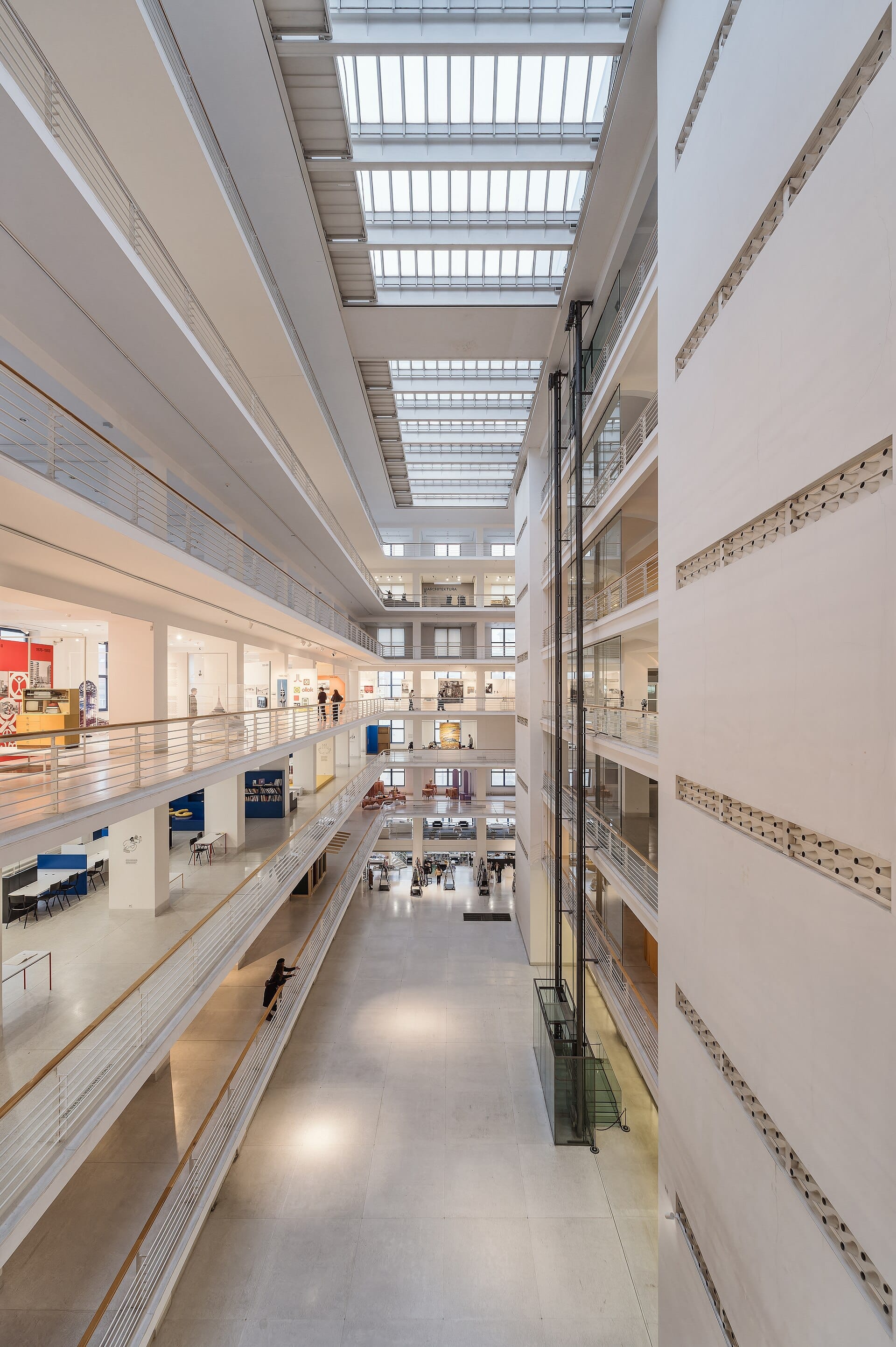
The anchor cultural institution is the National Gallery at Veletržní palác, a vast Functionalist building from 1928 that was originally designed as a trade fair palace and now holds the National Gallery's collection of modern and contemporary art. The building itself is the first thing to understand: the soaring atrium and the grid of concrete and glass floors are as significant as anything hanging on the walls. The collection inside covers Czech art from the nineteenth century through to the present, with substantial holdings of French Impressionism and international twentieth-century work. Plan two to three hours minimum.
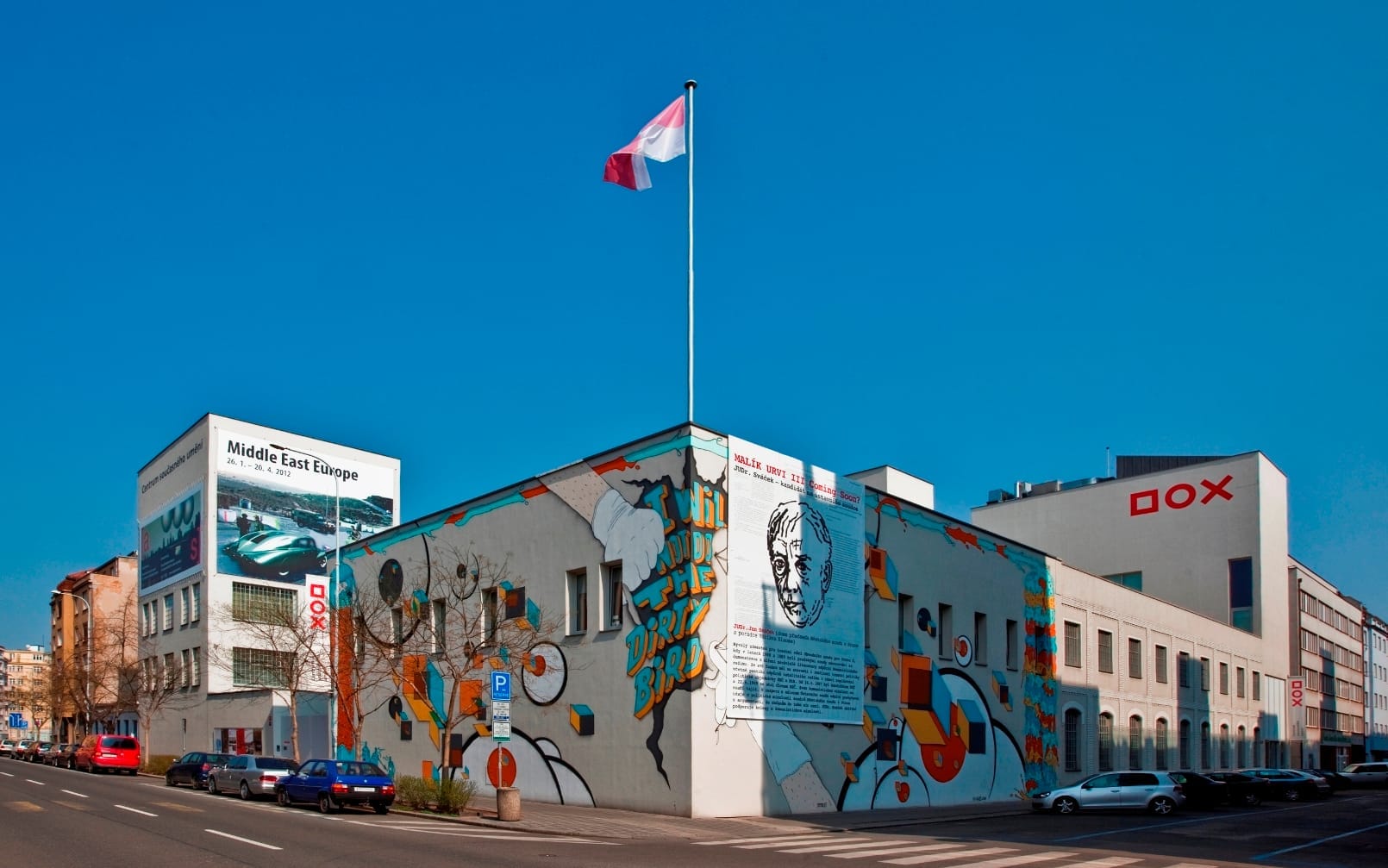
A shorter walk north, the DOX Centre for Contemporary Art occupies a former factory complex on Poupětova street and operates as an independent platform for contemporary art, architecture, and design. DOX tends to be more provocative in its programming than the National Gallery and regularly hosts large-scale international exhibitions and public debates. The rooftop zeppelin airship, a permanent installation, has become one of the district's landmarks.
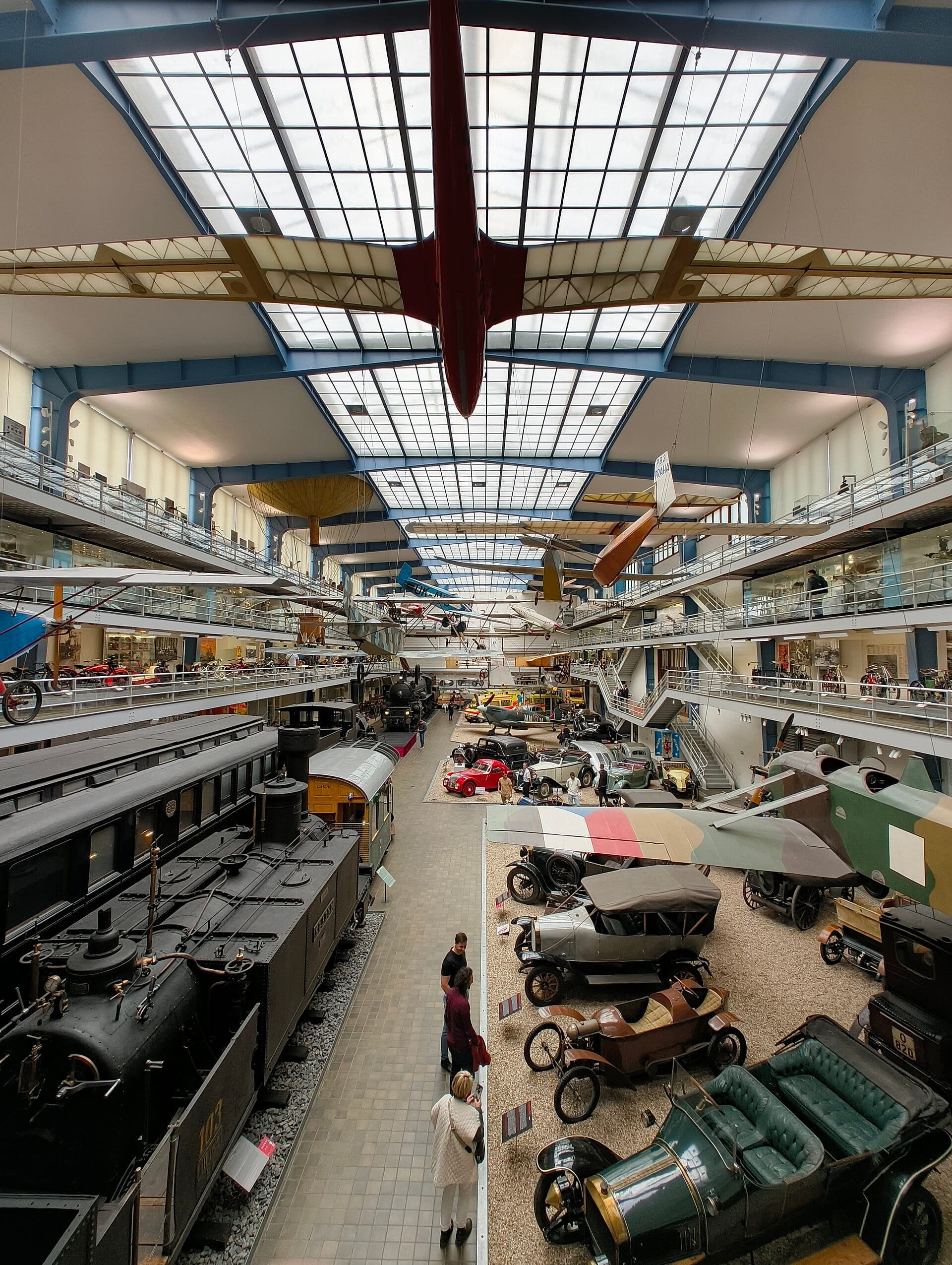
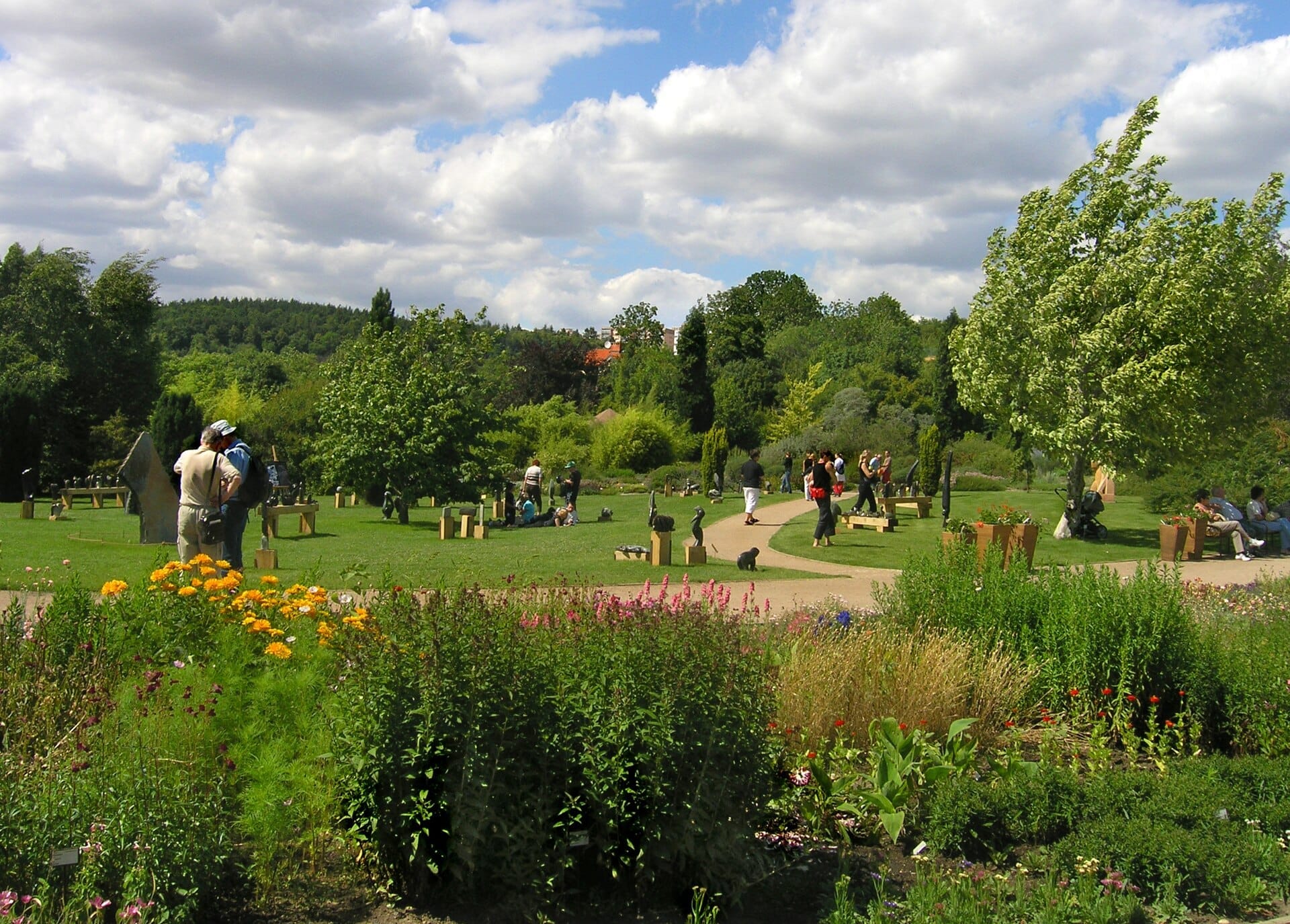
Just south of Holešovice, in the strip between the district and Letná, sits the National Technical Museum, which houses an impressive collection of historic vehicles, aircraft, locomotives, and industrial machinery under a single great roof. It is genuinely interesting for adults and very good for children. From there, it is a short walk into Letná Park, a long plateau of parkland above the river with exceptional views south across the Old Town rooflines.
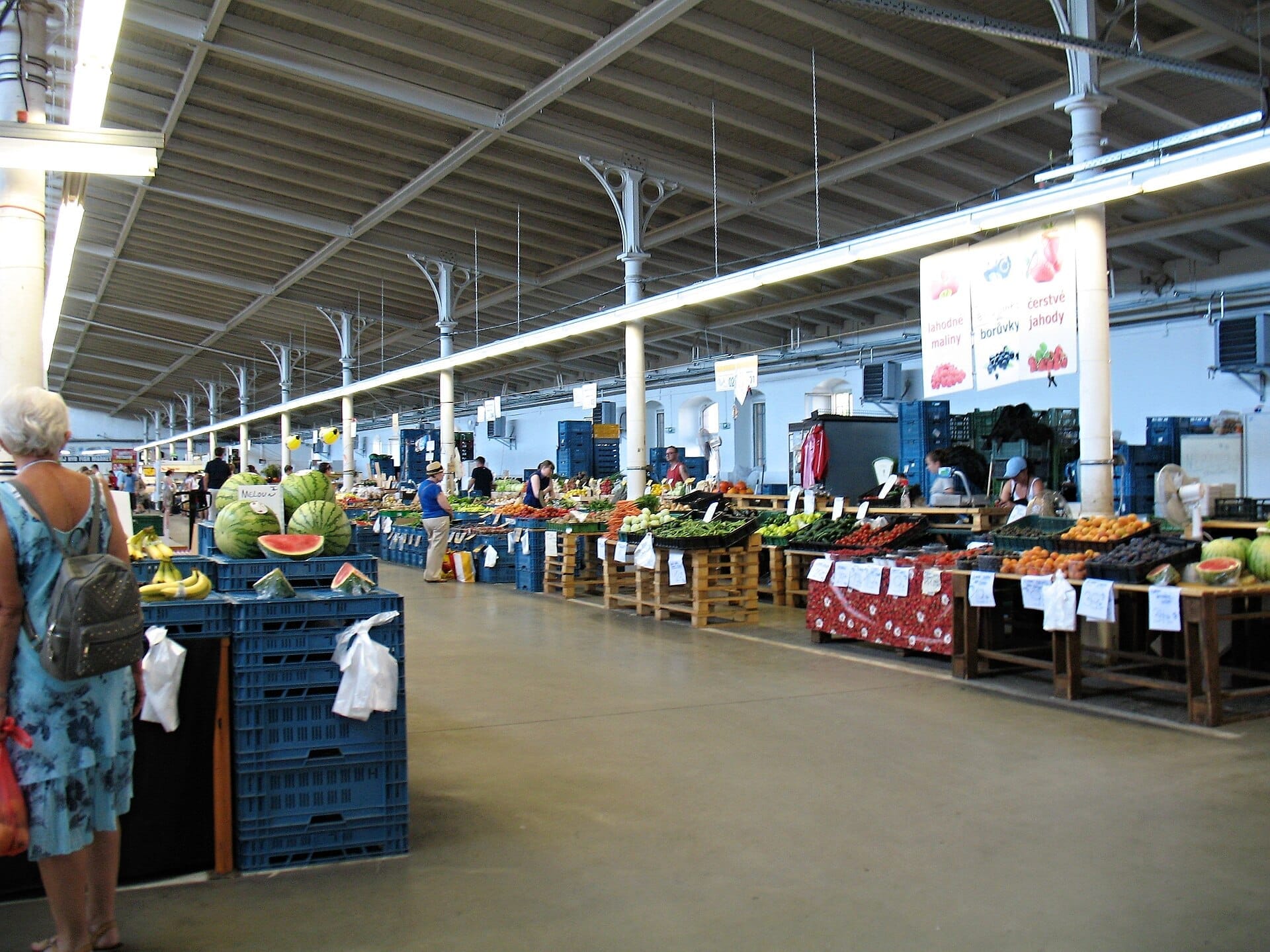
The Holešovice Market Halls at Bubenské nábřeží deserve time beyond a quick walk-through. The main market hall dates from 1895 and has been restored as a food and retail market where local vendors sell produce, artisan food products, and street food from around the world. Weekend mornings are the peak time, with a farmers' market component that draws a serious food crowd from across Prague.
Veletržní palác (National Gallery) – the city's primary modern art museum
DOX Centre for Contemporary Art – independent contemporary programming
National Technical Museum – industrial and technological history
Holešovice Market Halls – working market with food, craft, and weekend events
Letná Park and Letná Beer Garden – elevated park with panoramic river views
Stromovka Park – large riverside park on the northern edge of the district
Prague Exhibition Grounds (Výstaviště Praha) – large exhibition and events venue
💡 Local tip
Combine the National Gallery at Veletržní palác with DOX on the same afternoon: they are about ten minutes apart on foot and share a creative orbit. If you start at DOX around 3pm, you can walk to Veletržní palác and still catch it before closing.
Eating and Drinking
Holešovice has developed one of Prague's more interesting food scenes, grounded in the neighborhood's demographics: a mix of long-term Czech residents, young creative-industry workers, and a growing expat community. The result is a district where you can eat Czech pub food, very good Vietnamese food, serious pizza, and Japanese-influenced café menus within a few blocks of each other.
The streets around Strossmayerovo náměstí and northward along Letohradská concentrate many of the better independent restaurants and wine bars. Prices here are meaningfully lower than in Old Town for comparable quality: a full dinner with wine in a good Holešovice restaurant typically costs significantly less than the equivalent experience near the Astronomical Clock.
The Holešovice Market Halls anchor the more casual end of the food scene. Inside and around the market, vendors serve everything from fresh pasta to Thai street food, and the indoor seating at long communal tables makes it a practical lunch option at almost any time of day. Weekend mornings also see pop-up coffee roasters and specialty food stalls occupying the exterior courtyard.
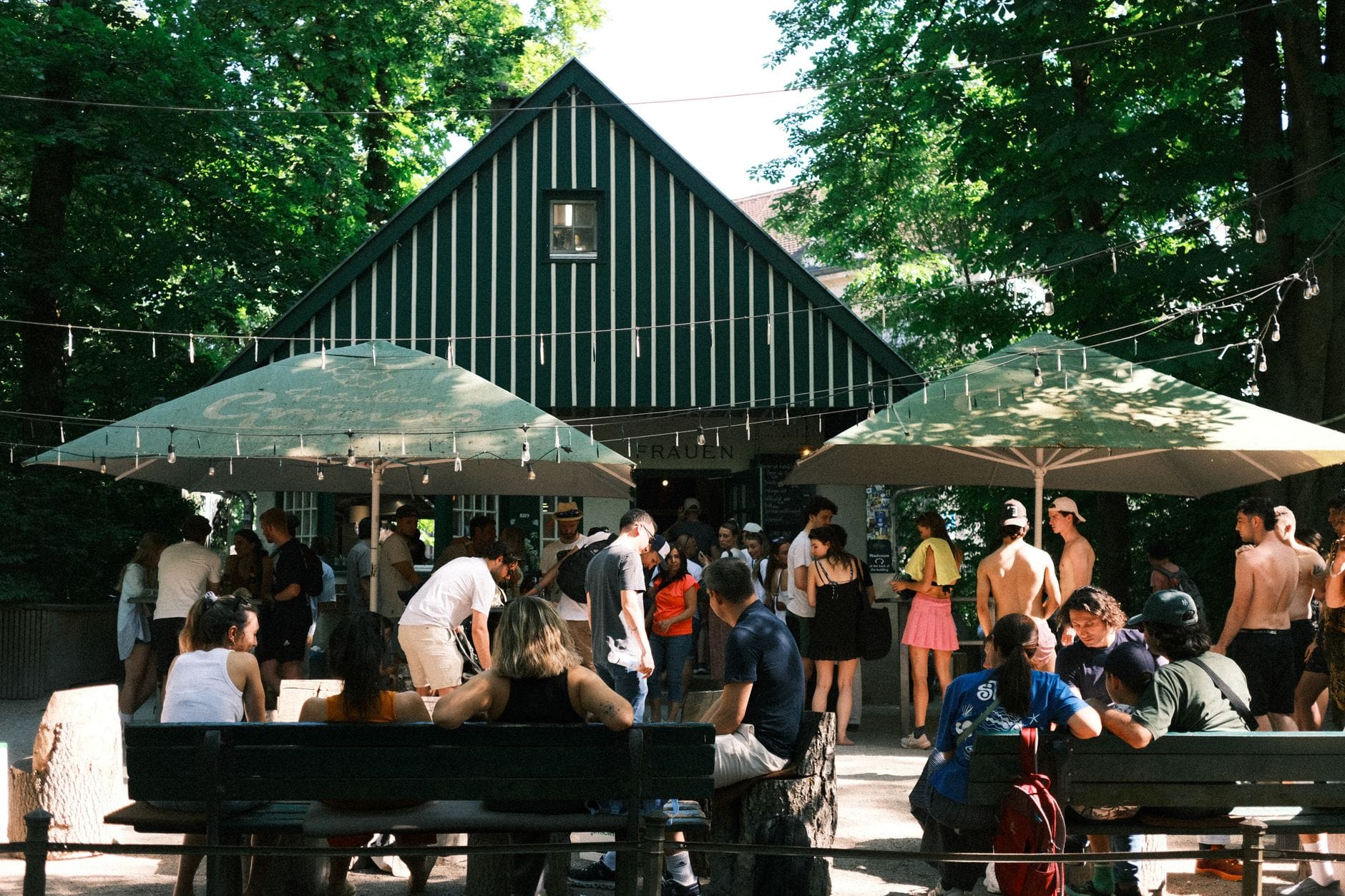
For bars and evening drinking, the neighborhood leans toward wine bars and craft beer pubs rather than cocktail-focused venues. The atmosphere tends toward low-key: mismatched furniture, Czech-language menus as the default, and outdoor terrace seating that fills up in warm weather. The Letná Beer Garden above the river, while technically on the Letná plateau rather than in Holešovice proper, is the most atmospheric outdoor drinking spot in the area and worth the short walk uphill.
💡 Local tip
If you are visiting on a weekend morning, time your arrival at the Holešovice Market Halls for 9 to 11am when the farmers' market component is at its fullest and the coffee stalls are operating at peak quality.
Getting There and Around
Holešovice is well connected and easy to reach from anywhere in central Prague. The primary metro access is via Metro Line C (red line), which has two stations in or adjacent to the district: Vltavská on the southwestern edge and Nádraží Holešovice in the north. Vltavská is the more central entry point for the gallery district and the market halls. Nádraží Holešovice doubles as a mainline railway station serving domestic and some international trains, making it the practical entry point if arriving by rail.
From Vltavská station, the walk to Veletržní palác takes about twelve minutes on foot through the flat grid of the lower district. From Nádraží Holešovice, DOX is roughly eight minutes on foot, and the market halls are about fifteen minutes. Trams serve the district extensively: tram 17 connects Holešovice southward toward the Old Town along the river, while tram 12 and tram 24 connect through the district's main streets.
From the Old Town, the most direct approach on foot crosses the river at Štefánikův Bridge (Štefánikův most), which deposits you at the southern edge of Holešovice near the market halls. The walk from Old Town Square takes around twenty-five minutes. Alternatively, tram 17 from the Old Town to Výstaviště Holešovice takes around fifteen minutes. For full context on navigating Prague's public transport network, see the guide to getting around Prague.
Metro Line C: Vltavská (southern access) and Nádraží Holešovice (northern access)
Tram 17: connects Holešovice to Old Town along the river
Tram 12 and 24: serve main streets through the district
On foot from Old Town: approximately 25 minutes via Štefánikův Bridge
Nádraží Holešovice: mainline rail connections for domestic and international trains
Where to Stay
Holešovice is an increasingly practical base for travelers who want to avoid the premium prices of Prague 1 without sacrificing central access. Accommodation here ranges from budget hostels and aparthotels to a growing number of mid-range design hotels, many of them occupying converted industrial buildings. For a broader overview of accommodation options across Prague, the guide to where to stay in Prague covers the full range of neighborhoods and price tiers.
The best location within Holešovice for staying is the western half of the district, roughly between Strossmayerovo náměstí and the Letná boundary. This puts you within walking distance of both metro stations, the market halls, and the gallery district, while also being close to the quieter restaurant streets. The eastern edge near Nádraží Holešovice is convenient for transit but less interesting as a neighborhood-level experience.
Holešovice suits independent travelers, couples, and longer-stay visitors who want to experience Prague as a functioning city rather than a museum piece. It is not the right base for travelers who want to roll out of bed and immediately into Old Town Square, but for anyone with two or more nights and a curiosity about where Prague actually lives, it is a strong choice.
⚠️ What to skip
Nádraží Holešovice station and its immediate surroundings can feel sparse and transitional late at night, which is typical of major rail hubs in any European city. If you are returning late, stick to well-lit routes and use the metro rather than walking long distances. There are no specific safety advisories for Holešovice, but standard city-center awareness applies.
Holešovice in Context: History and Identity
Understanding why Holešovice looks and feels the way it does requires a short look backward. The district was incorporated into Prague in 1884 as an explicitly industrial zone: slaughterhouses, ironworks, the port, and later the Exhibition Grounds were all deliberately placed here to keep industrial functions separate from the historic core. The wide streets and low-rise brick buildings that characterize Holešovice today are the physical legacy of that planning logic.
The communist period reinforced the district's working-class identity and kept speculative development at bay, which paradoxically preserved the building stock that now attracts creative tenants. After 1989, the empty factories and warehouses became affordable spaces for artists, architects, and small businesses before rents in the center became prohibitive. That sequence, common across post-industrial European neighborhoods, is why Holešovice now reads as it does: authentic infrastructure repurposed by genuine users rather than a manufactured district dressed to look creative.
The Trade Fair Palace, now Veletržní palác, is the most architecturally significant building in the district and one of the finest examples of Functionalist architecture in Central Europe. Built in the second half of the 1920s, it was partly destroyed by fire in 1974 and restored over subsequent decades. It now serves as the National Gallery's primary venue for modern and contemporary art. For travelers interested in Prague's architectural history beyond the Baroque, it is essential. The broader context of Prague's architectural heritage, from Gothic through Cubist to Functionalist, is covered in the Prague architecture guide.
TL;DR
Holešovice is a post-industrial district in Prague 7, about 25 minutes on foot or 15 minutes by tram from Old Town, offering major art institutions, a working food market, and a genuine local neighborhood atmosphere.
Key reasons to visit: the National Gallery at Veletržní palác, DOX Centre for Contemporary Art, Holešovice Market Halls, and easy access to Letná Park.
Best suited to independent travelers, design and art enthusiasts, and visitors who want a lower-priced, less tourist-heavy base with good transit connections.
Not ideal for travelers who want to walk everywhere within the historic center or who prioritize Baroque sightseeing above other experiences.
Reach it easily via Metro Line C (Vltavská or Nádraží Holešovice) or tram 17 from the Old Town riverbank.
Three days is the ideal amount of time to experience Prague's historic core without rushing. This itinerary takes you from the medieval lanes of Old Town to the hilltop grandeur of Prague Castle, the haunting beauty of Josefov, and the quieter pleasures of Malá Strana and Vyšehrad.
Prague's museum scene stretches far beyond the obvious. This guide covers the city's finest art, history, and specialist museums, from the National Gallery's scattered palaces to underground alchemical laboratories and intimate synagogues that carry centuries of history.
Prague rewards visitors differently depending on when you arrive. This guide breaks down every season with clear seasonal notes of weather, crowd levels, hotel prices, and key events, so you can choose the right time for your trip rather than the most popular one.
Prague rewards those who climb. From medieval towers rising above Old Town to forested hills and riverside terraces, the city's skyline is best understood from above. This guide covers every worthwhile viewpoint, whether you're after a paid 360-degree panorama or a free hilltop perch with a cold beer.
Prague sits at the center of Bohemia, making it one of the best-positioned cities in Europe for day trips. Within two hours by train or bus, you can reach a Gothic castle above a forested valley, a UNESCO town wrapped in a river bend, a Nazi memorial site, and one of Europe's notable spa resorts.
Prague has one of Central Europe's most efficient public transport networks, covering the city by metro, tram, and bus under a single integrated ticket system. This guide covers fares updated for 2026, airport transfer options, ride-hailing realities, and the mistakes most visitors make on their first day.
Seven days is the right amount of time to see Prague properly. This guide breaks down exactly how to spend each day, which neighborhoods to prioritize, what the castle complex actually demands in terms of time, and how to fit in a day trip without losing a full day to logistics.
Prague's historic center packs over 1,100 years of architectural history into roughly 870–900 hectares, from Romanesque crypts and Gothic cathedrals to one of the world's most substantial collections of Cubist buildings. This guide breaks down every major style, tells you exactly what to see, and gives you the practical details to plan your visit.
Prague's Christmas markets run from late November through early January, turning Old Town Square and Wenceslas Square into some of Europe's most atmospheric winter destinations. This guide covers every major market, what to eat and drink, how to avoid the worst crowds, and exactly what to budget.
David Černý is the Czech Republic's most provocative public artist, and Prague is his gallery. This guide covers his major installations across the city, how to build a self-guided walking route, and what you need to know before you go.
Prague sets a high bar for romance: Gothic spires, cobblestone lanes, river views, and a classical music scene that rivals much larger capitals. This guide covers the best things to do in Prague for couples across every season, from iconic spots timed to avoid the crowds to quieter corners most visitors miss entirely.
Prague rewards those who look beyond Charles Bridge and Old Town Square. This guide reveals the city's quieter side: Baroque gardens tucked behind unmarked doors, medieval cellars beneath busy streets, panoramic hilltops where locals outnumber tourists, and neighborhoods reshaping Prague's creative identity.
Prague's history spans more than a thousand years of empire, revolution, occupation, and reinvention. This guide breaks down the key eras, explains what shaped the city's architecture and culture, and tells you exactly where to see that history in person.
Summer is Prague's most popular season, but it comes with trade-offs: intense heat, peak-season crowds, and higher prices. This guide covers everything you need to plan a smart trip to Prague in June, July, or August, from booking timelines to beat-the-crowd strategies.
Winter strips Prague back to its essentials: gothic spires against grey skies, Christmas markets on cobblestone squares, and a fraction of the summer crowds. This guide covers the real conditions — temperatures, daylight, costs, and which attractions stay open — so you can plan with confidence.
Josefov is one of Europe's most significant Jewish heritage sites, packed into just a few city blocks between Old Town Square and the Vltava River. This guide covers every major site, how ticketing works, the best time to visit, and what most visitors get wrong before they arrive.
Prague delivers five-star experiences at prices that would seem impossible in Paris or London. This guide covers the best luxury hotels with practical pricing data, the fine-dining restaurants worth booking weeks ahead, and the high-end experiences that go well beyond the standard tourist circuit.
Prague nightlife runs deeper than the tourist bars around Old Town Square. This guide breaks down the city's after-dark scene by district, covering the best clubs, bars, jazz venues, and rooftop spots, with practical advice on prices, timing, and where locals actually go.
Prague is one of Europe's better-value capitals, but it is not the ultra-cheap destination the myth suggests. This guide breaks down exactly what things cost in 2026, where to save money without sacrificing the experience, and which tourist traps quietly drain your wallet.
Prague rewards shoppers across every budget, from Bohemian crystal and hand-carved puppets to international luxury labels on Pařížská Street. This guide breaks down the best shopping districts, markets, malls, and genuinely worthwhile souvenirs, with practical details on hours, transport, and what to skip.
The journey from Prague to Munich covers just under 400 km and can be done by direct train, bus, or flight. This guide breaks down every realistic option with prices, journey times, and practical booking advice so you can choose the right one for your trip.
The Prague to Vienna corridor is one of Central Europe's best-connected routes, with trains, buses, and flights running daily. This guide breaks down every option by cost, comfort, and real travel time so you can pick the right one for your trip.
This step-by-step guide walks you through Prague's most rewarding route, from the medieval core of Old Town across Charles Bridge and up to the castle complex on Hradčany hill. Covers distances, timing, ticket costs, seasonal advice, and the shortcuts most visitors miss.
Prague is one of Europe's most rewarding cities for families, offering everything from a world-class zoo and a funicular railway to interactive museums and vast green parks. This guide covers the best activities for children of all ages, how to get around cheaply, which neighborhoods work best for families, and what to skip.
Prague rewards visitors with one of Europe's most intact medieval city centres, a world-class Jewish quarter, and neighbourhoods far beyond the tourist trail. This guide covers the best things to do in Prague across every budget and interest, with crowd warnings, seasonal advice, and precise logistics.
Prague's dining scene is far more nuanced than the tourist-trap stereotype suggests. This guide breaks down the best neighborhoods for food, what to order, which restaurants are worth booking in advance, and how much to expect to pay — from a 90 CZK bowl of goulash to a Michelin tasting menu.
Choosing where to stay in Prague shapes your entire trip. This guide breaks down every major neighborhood by location, price, atmosphere, and drawbacks so you can book with confidence, whether you have three days or three weeks.