Prague Jewish Quarter (Josefov): Complete Visitor Guide
Josefov is one of Europe's most significant Jewish heritage sites, packed into just a few city blocks between Old Town Square and the Vltava River. This guide covers every major site, how ticketing works, the best time to visit, and what most visitors get wrong before they arrive.
Plan and book this trip
Tools from our partner Travelpayouts help you compare flights and hotels. If you book through them, we may earn a commission at no extra cost to you.
Flights
Hotels map
TL;DR
- Josefov, the Prague Jewish Quarter, sits inside Old Town and is walkable from Staroměstská metro station in under 5 minutes.
- Most sites are bundled under the Jewish Museum in Prague's combined ticket; check the Josefov neighborhood guide for current pricing before you visit.
- The Old-New Synagogue is sometimes ticketed separately depending on which ticket type you buy — confirm before you queue.
- Sites are closed on Saturdays and Jewish holidays; plan accordingly.
- Allow at least 3 hours for a thorough visit; pair it with Old Town Square to make a full half-day.
What Is Josefov and Why Does It Matter?
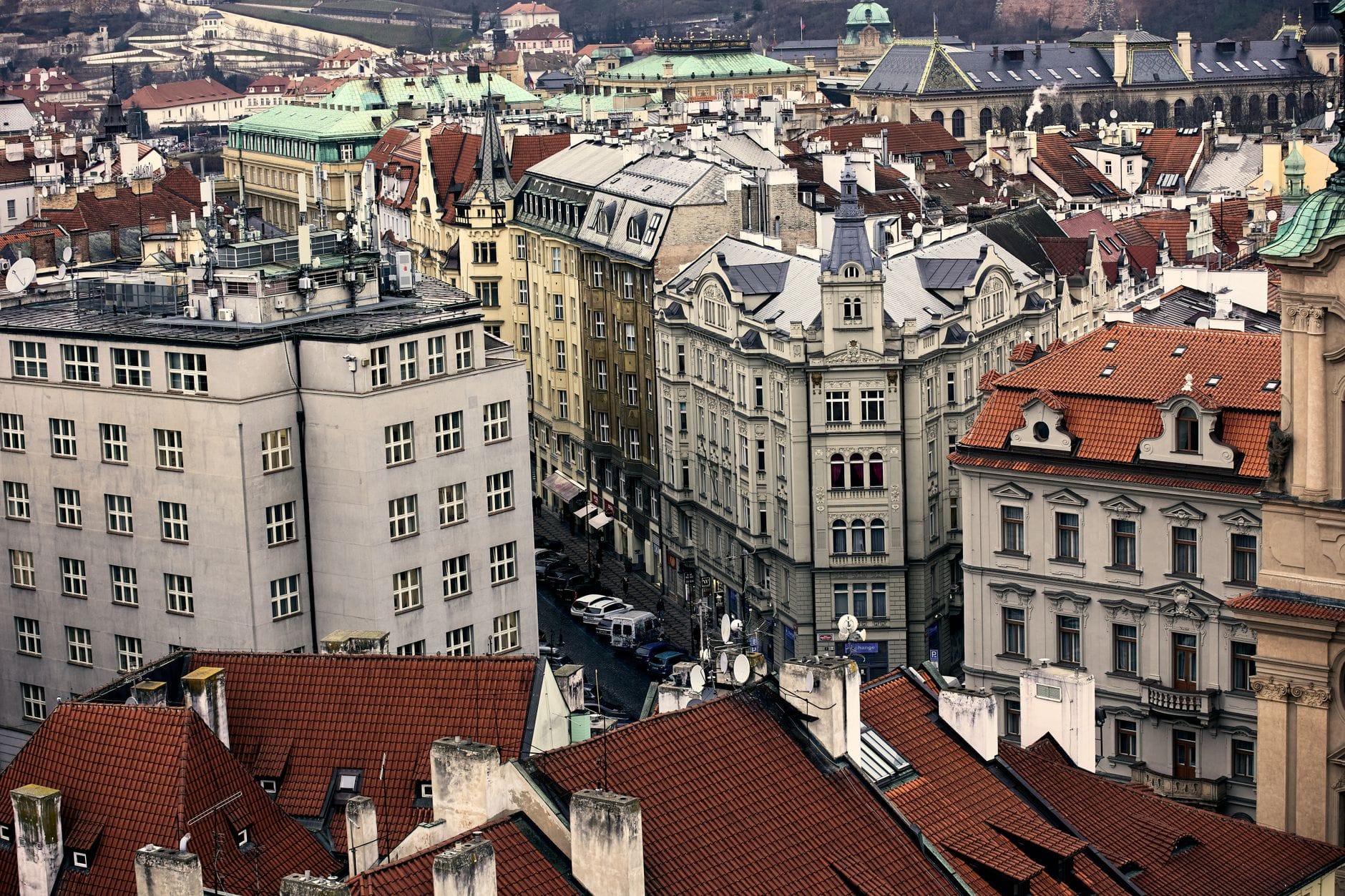
The Prague Jewish Quarter, known as Josefov, is the former Jewish ghetto of Prague, squeezed into a compact area between Old Town Square and the Vltava River. For centuries it was one of the most densely populated parts of the city, and for much of that time, Jewish residents were legally confined within its boundaries. Today it is part of Prague’s UNESCO-listed historic core and a functioning neighborhood you can walk through freely.
What makes Josefov exceptional is the concentration and state of preservation of its monuments. You will find five historic synagogues, the Old Jewish Cemetery, and a ceremonial hall within a few hundred meters of each other. Most major European ghettos were destroyed or heavily altered over the centuries; Josefov's core survived, making it one of the most complete Jewish heritage complexes on the continent. The Jewish Museum in Prague, which administers the sites, is consistently ranked among the most-visited museums in the country.
A note on misconceptions: Josefov is not a sealed museum district. The streets are public, the cafes and shops are open to anyone, and the area flows naturally into the surrounding Old Town. Only the interiors of the historic monuments require a ticket. You can walk the lanes, look at the exteriors, and get a feel for the quarter without spending a koruna — though you would be missing the heart of what makes it significant.
The Major Sites: What You'll Actually See
There are six core monuments in Josefov, and understanding what each one is before you arrive will help you prioritize if your time is limited.
- Old-New Synagogue (Staronová synagoga) The oldest surviving synagogue in Central Europe, built around 1270 in Gothic style. It is still an active house of worship, which affects access and atmosphere. This is the single site most visitors are unprepared for: it is smaller than expected, but the interior is genuinely medieval and unlike anything else in the city.
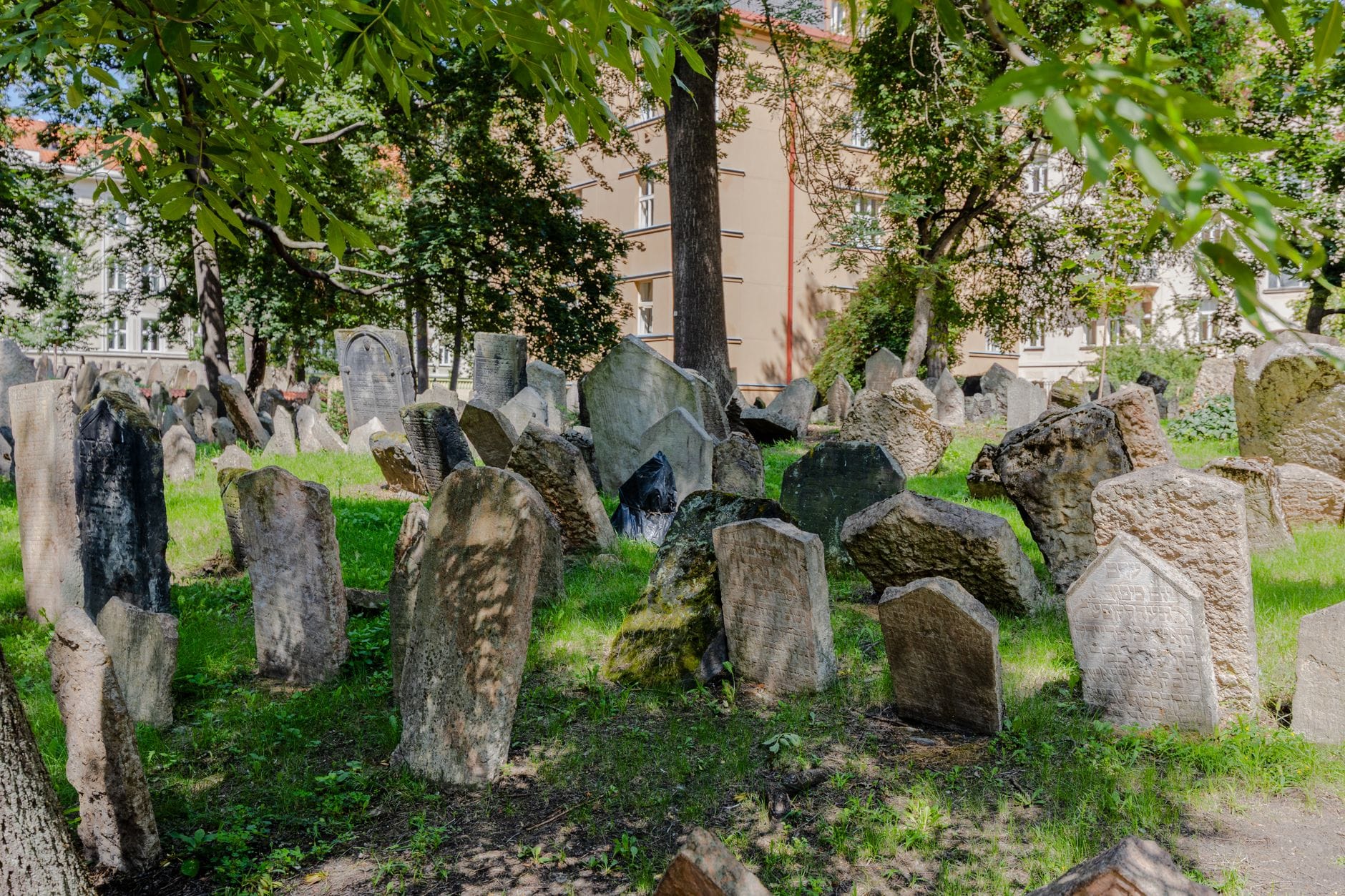
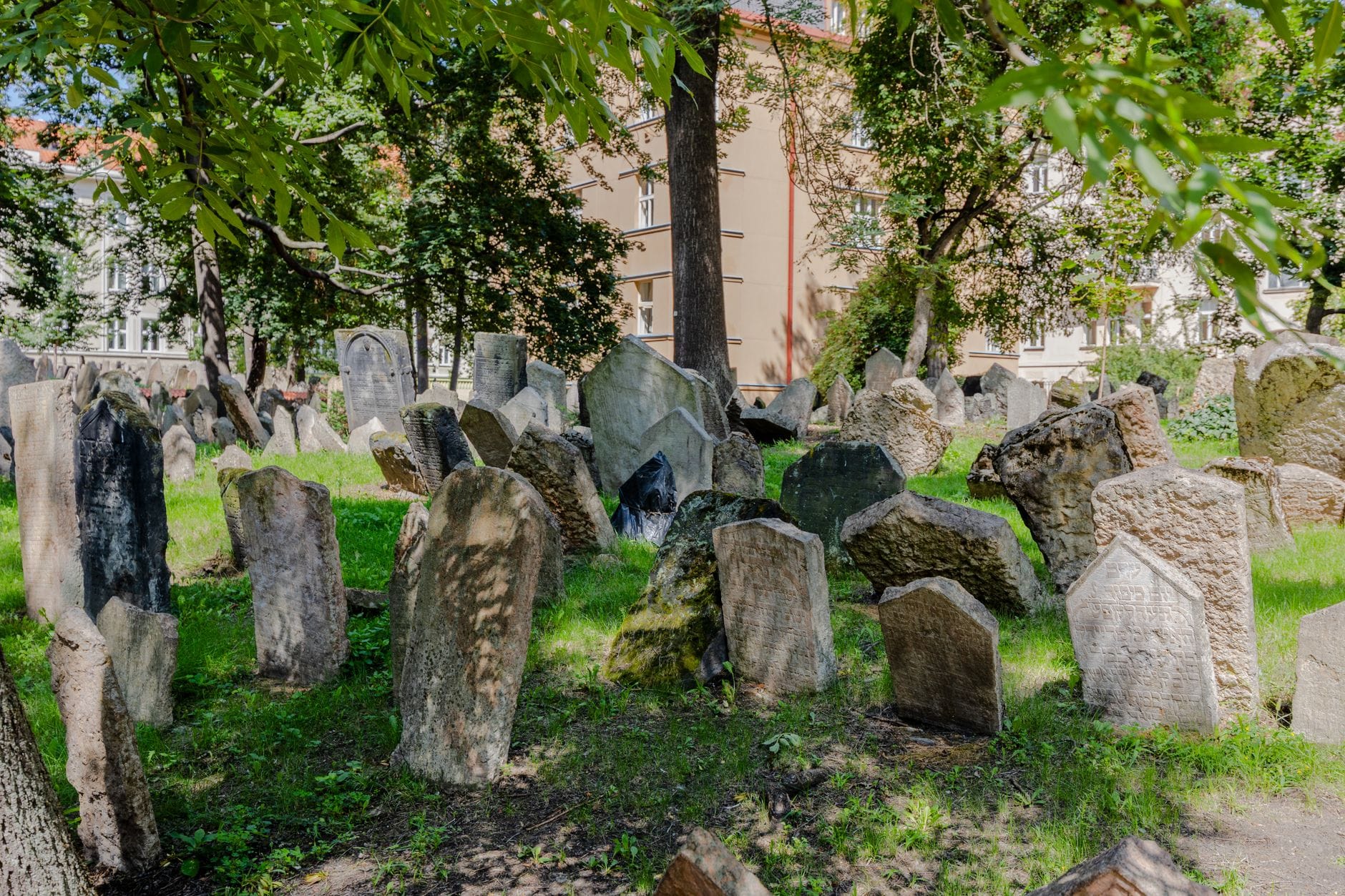
- Old Jewish Cemetery (Starý židovský hřbitov) One of the most visually striking sites in Prague. Burials were layered on top of each other over centuries due to limited space, resulting in up to 12 layers of graves. Around 12,000 tombstones are visible above ground. It is a sobering and quietly extraordinary place.
- Pinkas Synagogue (Pinkasova synagoga) Converted into a Holocaust memorial after World War II. The interior walls are inscribed with the names of approximately 80,000 Bohemian and Moravian Jewish victims. It also houses an exhibition of children's drawings from the Terezín concentration camp. This is the most emotionally affecting site in the quarter.
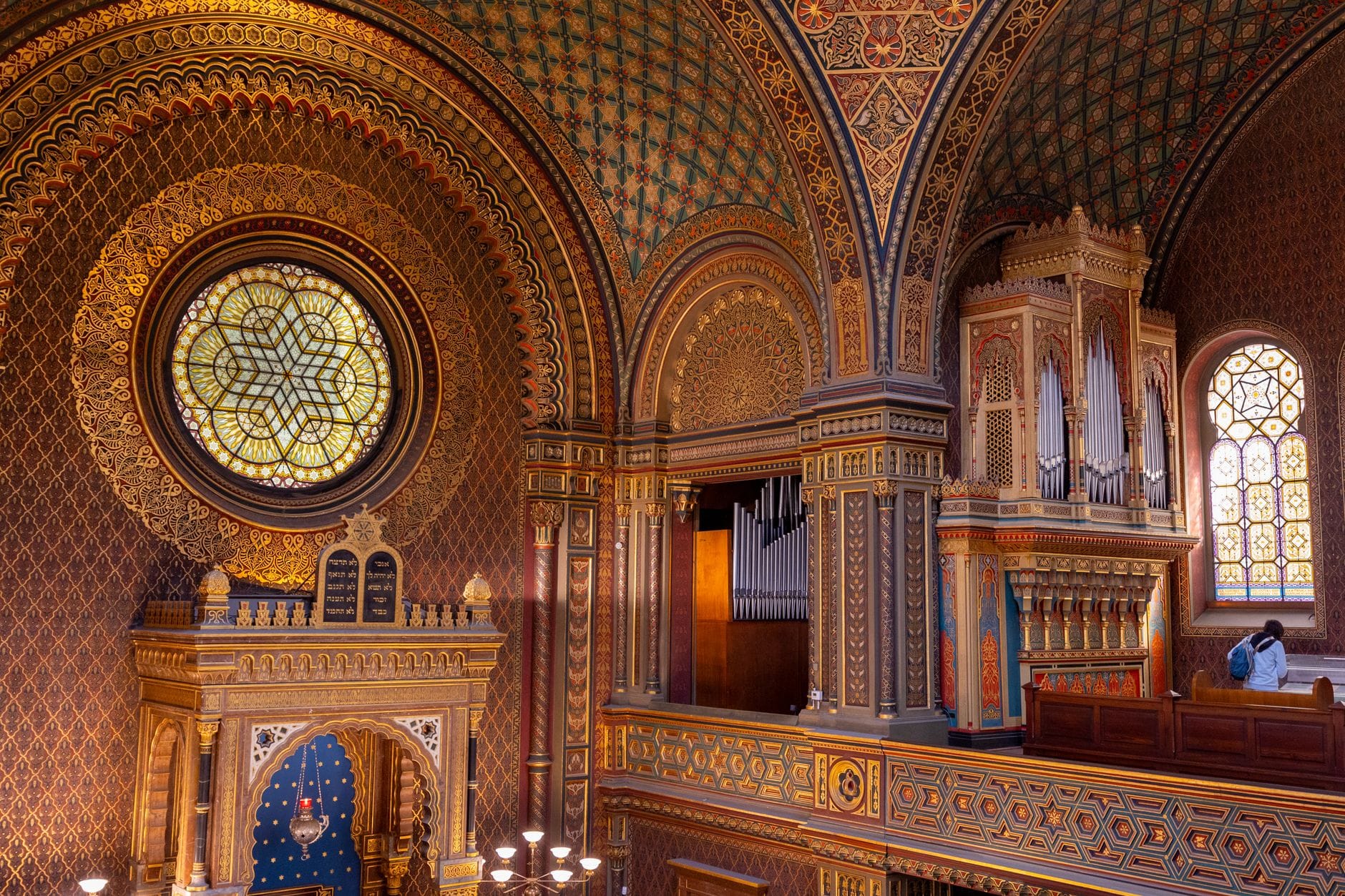
- Spanish Synagogue (Španělská synagoga) Built in 1868 in Moorish Revival style, it is the most visually elaborate of the synagogues. The gilded interior is genuinely spectacular and photographs well, though it has less historical depth than the older buildings.
- Maisel Synagogue (Maiselova synagoga) Now used as an exhibition space covering the history of Jews in Bohemia from the 10th to 18th centuries. Strong contextual exhibits that help frame everything else you see in the quarter.
- Klausen Synagogue and Jewish Ceremonial Hall Adjacent to the Old Jewish Cemetery, these buildings house permanent collections on Jewish customs, holidays, and manuscript traditions. Less visited than the others, which means shorter queues and more space to look.
ℹ️ Good to know
The Old-New Synagogue operates as an active place of worship and, while it is currently included in the standard Jewish Town ticket, its ticketing has been handled separately in the past. Verify the current ticket structure directly with the Jewish Museum in Prague (jewishmuseum.cz) before your visit, as this detail has caused confusion for many visitors.
Tickets, Pricing, and the Combined Entry System
The Jewish Museum in Prague manages most of Josefov's major monuments under a single combined ticket system. As of the latest official information, a standard Jewish Town ticket that includes the Old-New Synagogue costs 600 CZK for adults, with reduced prices for students and children. However, these prices are subject to change, and the museum adjusts its ticket structure periodically. Always check the official website for current pricing before you travel.
The combined Jewish Town ticket covers the Pinkas Synagogue, Old Jewish Cemetery, Maisel Synagogue, Spanish Synagogue, Old-New Synagogue, and Klausen Synagogue and Ceremonial Hall. Buying at the ticket offices inside the quarter is straightforward, but lines can be significant during peak season (roughly April through October). Pre-booking online is worth the marginal effort, particularly if you are visiting in the morning when the tour groups arrive.
⚠️ What to skip
All sites in Josefov are closed on Saturdays (Shabbat) and on Jewish holidays. This catches a significant number of visitors off guard, particularly those visiting on a Saturday as part of a weekend trip. Check the Jewish calendar for your travel dates before planning your itinerary.
If your budget is tight, the Prague on a budget guide has strategies for prioritizing paid attractions. Within Josefov specifically, the Pinkas Synagogue and Old Jewish Cemetery are the two sites most visitors rate as essential; if you had to choose, start there.
Opening Hours and the Best Time to Visit
The monuments generally operate Sunday through Friday. Seasonal hours reported by visitor guides run from 9:00 to 18:00 between April and October, and 9:00 to 16:30 from November through March. These are worth verifying directly before your visit, as holiday schedules and special closures apply throughout the year.
In terms of crowds, Josefov follows the same pattern as the rest of Prague's Old Town. Mornings from around 9:00 to 10:30 are manageable; by 11:00, tour groups have arrived in force and the smaller interiors, particularly the Old-New Synagogue and the Old Jewish Cemetery, become noticeably congested. Arriving right at opening and working through the sites before noon gives you the best experience. In July and August, there is effectively no quiet time during operating hours, so managing expectations matters.
Spring (April to May) and early autumn (September) offer the best combination of weather, reasonable crowd levels, and full operating hours. For a broader view of how seasons affect Prague tourism, the best time to visit Prague guide covers the full picture.
💡 Local tip
Wednesday and Thursday mornings tend to be the least crowded weekday slots. Mondays and Fridays (especially in summer) attract more visitors. Avoid Sunday mornings if you want space in the cemetery and Pinkas Synagogue.
Getting There and Navigating the Quarter
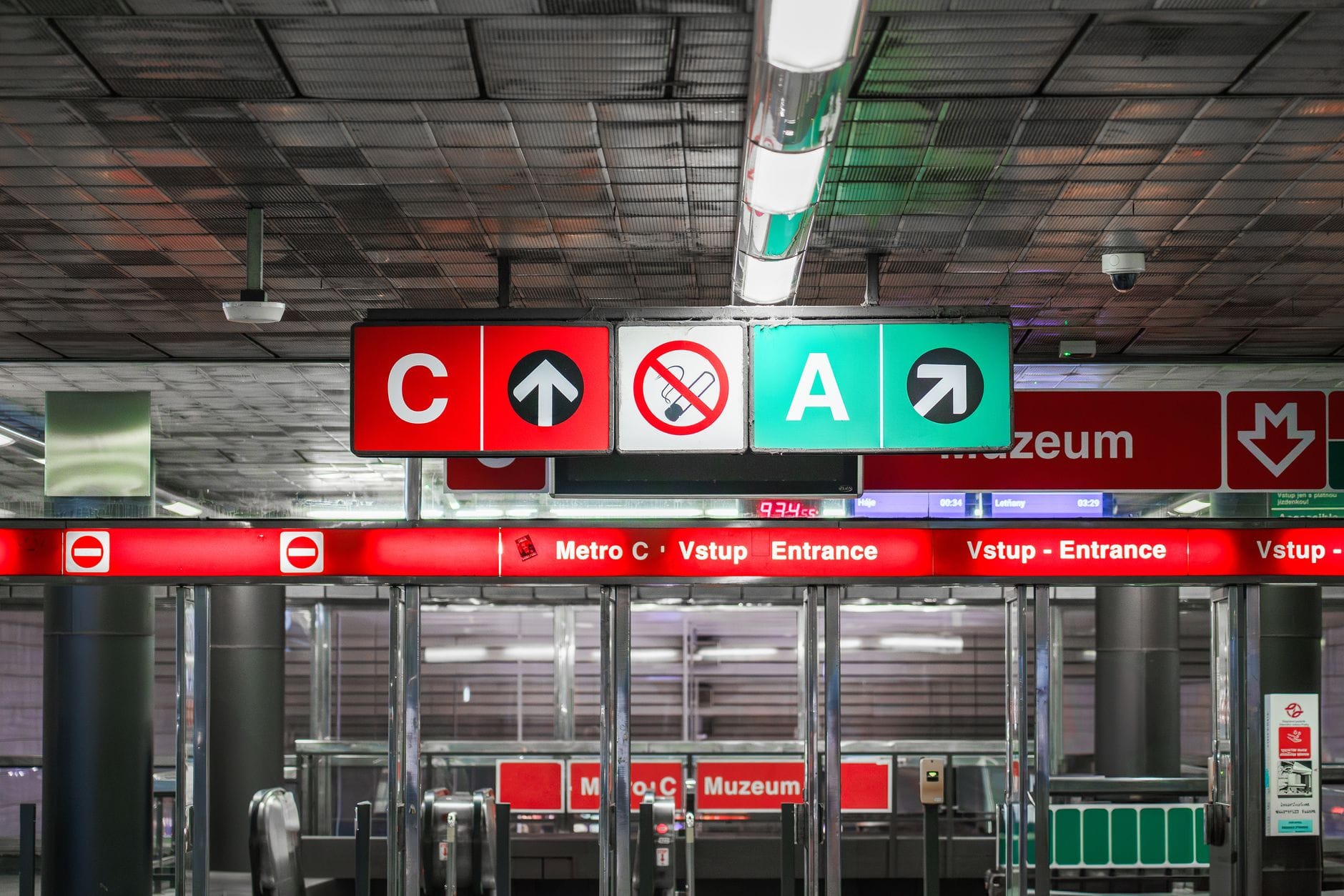
Josefov sits entirely within Old Town, making it one of the easiest parts of Prague to reach. The most direct public transport option is the metro: take Line A (green) to Staroměstská station, exit, and you are at the edge of the quarter within a 3-5 minute walk. Trams also stop at Staroměstská, connecting to Malá Strana, the National Theatre, and other central points.
The quarter itself is compact enough to cover on foot in a single visit with no navigation tools required. The main street running through is Maiselova, with Pařížská (Prague's upscale shopping boulevard) forming the western edge. The Old Jewish Cemetery and Pinkas Synagogue sit on the northern side near the river; the Spanish Synagogue is slightly to the east near Vězeňská street. A logical walking order is: Maisel Synagogue, Old-New Synagogue, Old Jewish Cemetery (via Pinkas), then Spanish Synagogue and Klausen.
If you are planning a full day in the area, combining Josefov with the rest of Old Town is natural and efficient. The Prague walking tour guide maps out a logical sequence that includes both. Alternatively, the 3 days in Prague itinerary positions Josefov within a broader city schedule.
Context Worth Having Before You Go
Josefov's history has several layers that make it more affecting once you understand them. The ghetto was officially abolished in 1848, when its residents gained full civil rights and the area was administratively merged into Old Town. Over the following decades, much of the original ghetto was demolished and replaced with the grand Art Nouveau buildings you see on Pařížská today. The synagogues and cemetery survived largely because of their religious significance. The redevelopment displaced thousands of people and erased much of the neighborhood's urban fabric, a controversial episode in Prague's history that is easy to miss if you take the current streetscape at face value.
During World War II, the Nazi occupation planned to preserve Josefov's collections as a record of what they intended to be an extinct culture. This macabre purpose is part of why so many Jewish artifacts and documents from across Bohemia and Moravia ended up concentrated here. The Pinkas Synagogue's wall inscriptions were a post-war response to this history, transforming the space into a form of individual memorial that names rather than numbers those who were killed.
For deeper historical context on Prague as a whole, the Prague history guide provides a useful chronological framework that covers the Jewish Quarter's role in the city's broader story.
- The name 'Josefov' comes from Emperor Joseph II, who issued the Edict of Toleration in 1782 and significantly eased restrictions on Jewish residents.
- The Franz Kafka Museum, located nearby in Malá Strana, is frequently visited alongside Josefov — Kafka was born near Old Town Square and grew up in a Prague where Jewish life was transitioning out of the ghetto era.
- Pařížská, the boulevard bordering the quarter, is Prague's most expensive retail street. Its current grandeur is a direct result of the late 19th-century demolition of the original ghetto buildings.
- The Old Jewish Cemetery contains the grave of Rabbi Judah Loew ben Bezalel (the Maharal), the 16th-century scholar associated with the legend of the Golem of Prague.
- Photography is permitted in most outdoor areas and some interiors; the Old-New Synagogue restricts photography inside during active worship.
If the Kafka connection interests you, the Franz Kafka Museum in Malá Strana is a short walk across Charles Bridge and pairs well with a morning in Josefov.
FAQ
How long does it take to visit the Prague Jewish Quarter?
A thorough visit to all six main sites takes around 3 hours at a measured pace. If you are focusing only on the Pinkas Synagogue, Old Jewish Cemetery, and one or two additional synagogues, 90 minutes to 2 hours is realistic. The Pinkas Synagogue alone warrants at least 30-40 minutes if you take time to read the names on the walls.
Is the Jewish Quarter worth visiting in Prague?
Yes, with a clear-eyed sense of what it is. It is not a lighthearted sightseeing stop; the Pinkas Synagogue in particular is heavy material. But as a place to understand Jewish history in Central Europe — and the specific history of what happened to Bohemian Jews during the Holocaust — it has no equal in the city. The Old Jewish Cemetery is also one of the most visually distinctive places in Prague.
Can you walk around Josefov for free?
Yes. The streets of Josefov are public and freely accessible. You can walk through the quarter, look at the synagogue exteriors, and explore Pařížská and Maiselova without paying anything. Access to the historic interiors (synagogues, cemetery) requires a ticket from the Jewish Museum in Prague.
Is the Jewish Quarter closed on Saturdays?
Yes. All Jewish Museum sites in Josefov are closed on Saturdays (Shabbat) and on Jewish holidays. This is a firm policy and not weather-dependent. Check the Jewish calendar for your travel dates before planning, particularly if you are in Prague for a short trip.
How do I get to the Prague Jewish Quarter by public transport?
Take Metro Line A (green) to Staroměstská station. Exit and walk north for about 3-5 minutes along Kaprova street to reach the heart of Josefov. Trams also stop at Staroměstská, connecting the area to Malá Strana, Wenceslas Square, and other central districts. The quarter is also an easy 10-minute walk from Old Town Square.