Self-Guided Walking Tour of Prague: Old Town to the Castle
This step-by-step guide walks you through Prague's most rewarding route, from the medieval core of Old Town across Charles Bridge and up to the castle complex on Hradčany hill. Covers distances, timing, ticket costs, seasonal advice, and the shortcuts most visitors miss.
Plan and book this trip
Tools from our partner Travelpayouts help you compare flights and hotels. If you book through them, we may earn a commission at no extra cost to you.
Flights
Hotels map
TL;DR
- The full route runs approximately 4.5 km from the Powder Tower to Prague Castle, taking 4 to 5 hours with stops.
- Start before 9:00 AM to beat crowds on Charles Bridge and Old Town Square.
- Castle grounds and courtyards are free to enter; interior tickets (St Vitus Cathedral, Golden Lane, Old Royal Palace) cost around 450 CZK for the base circuit. Check Prague Castle for current pricing at hrad.cz before you go.
- Tram 22 from Malostranské náměstí to the Pražský hrad stop is a legitimate shortcut if the uphill climb via Nerudova Street is not for you.
- This is a fully self-guided route along public streets. No tour booking required. For a broader overview of the city, see the things to do in Prague guide.
Why This Route Works
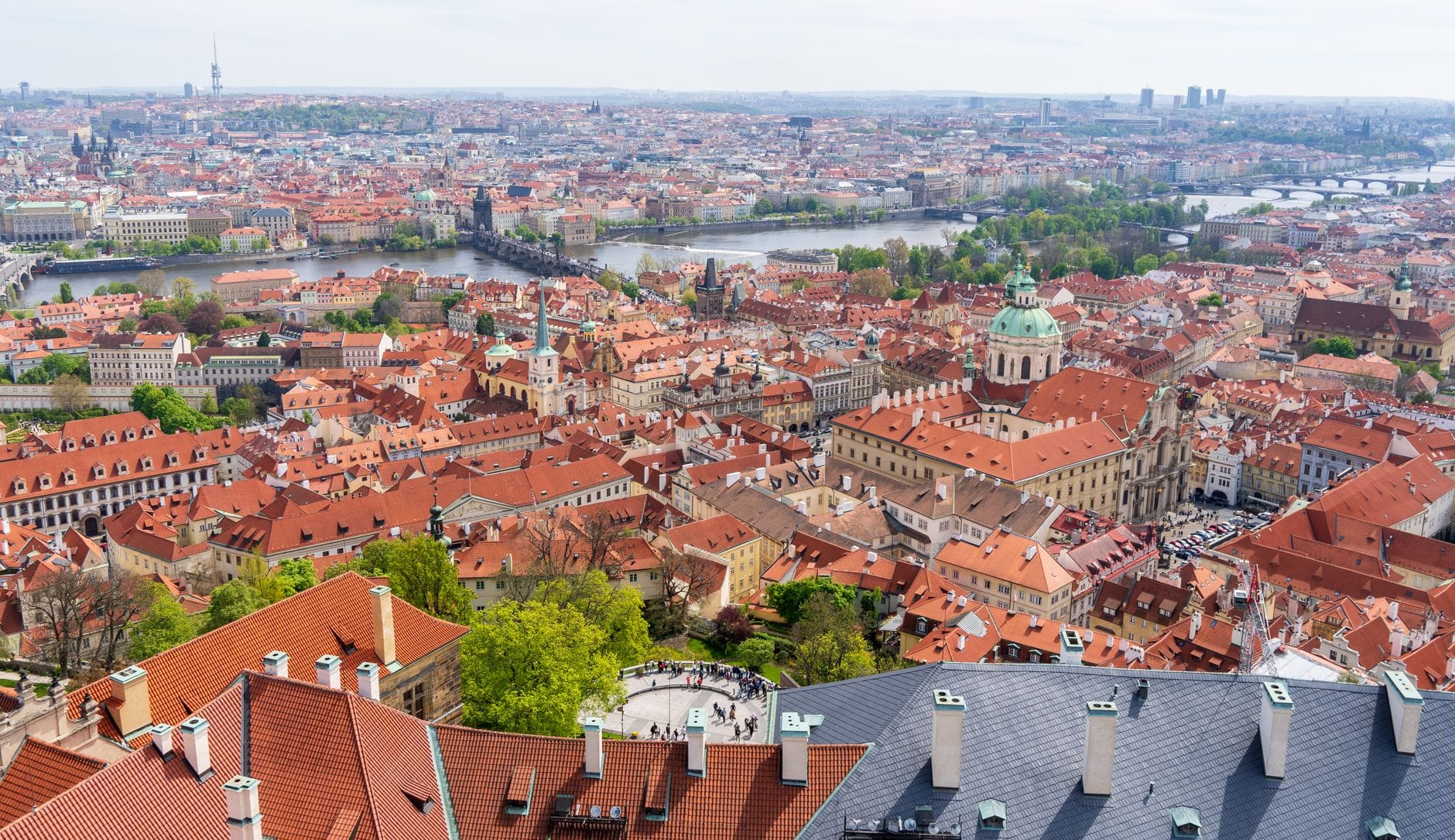
Prague's historic urban core is one of the most intact medieval streetscapes in central Europe, and the axis from Old Town to Hradčany is essentially the city's spine. Nearly every major landmark sits within a few minutes of this central corridor, which means a single linear walk covers the Astronomical Clock, Charles Bridge, Malá Strana's Baroque streetscape, and the castle complex without any backtracking.
The route also makes geographic sense. Prague Castle sits on a hill above the left bank of the Vltava River. Walking west from Old Town Square, crossing the river via Charles Bridge, and then ascending through Malá Strana follows the natural topography. You end at the highest point with the best panoramic views, which makes for a satisfying conclusion to the walk rather than an anticlimactic one.
One practical note: this route is uphill in the second half. The climb from the riverbank to the castle gate via Nerudova Street is a sustained incline over a relatively short distance. It is not a strenuous hike, but it is a sustained incline. Anyone with mobility concerns should consider the tram shortcut described later in this guide. It is not a strenuous hike, but it is a sustained incline. Anyone with mobility concerns should consider the Charles Bridge tram shortcut described later in this guide.
The Route, Step by Step
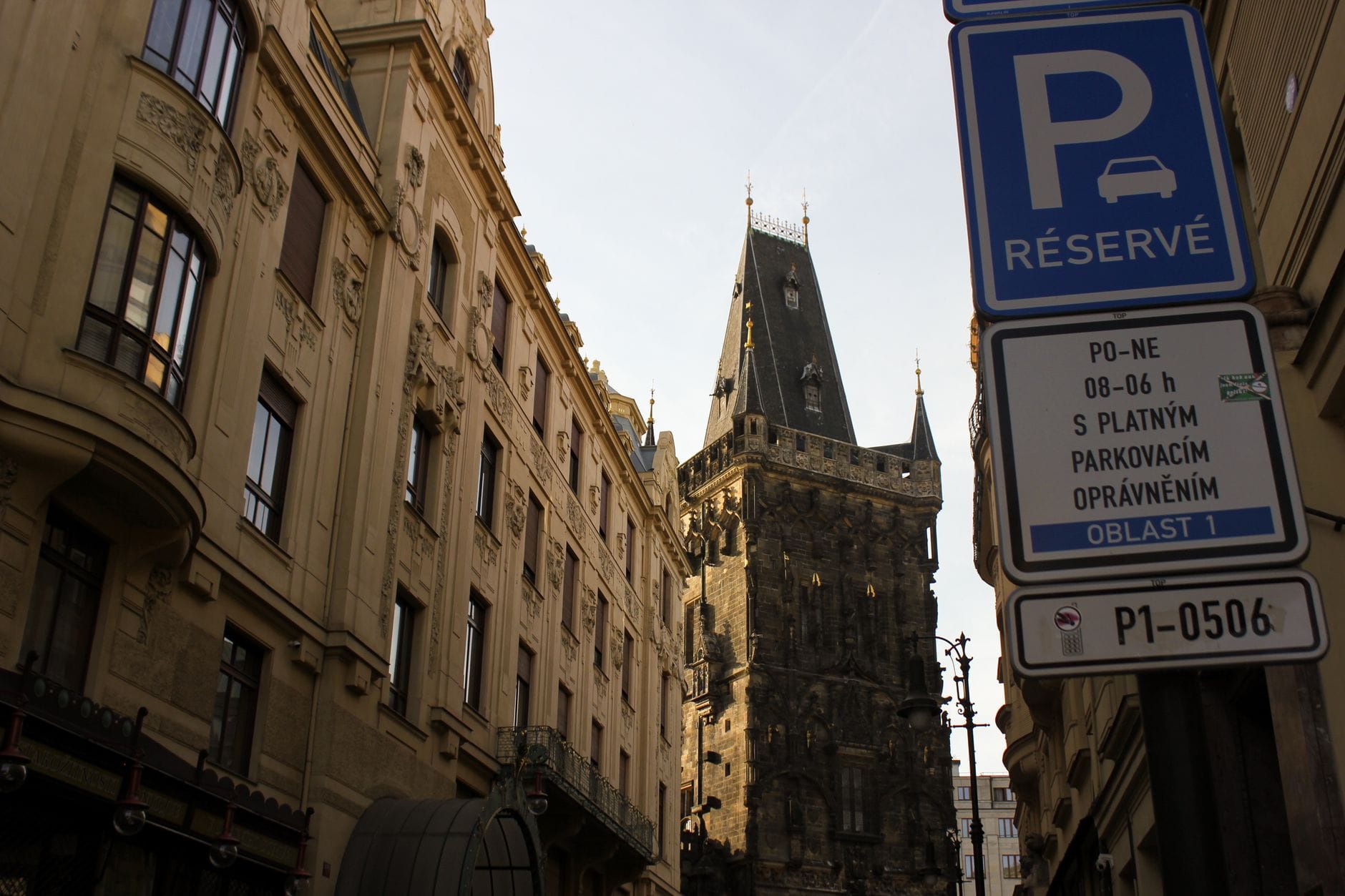
Start at the Powder Tower (Prašná brána) on Náměstí Republiky. This historic Gothic gate marks a prominent start to the Royal Route, the ceremonial path Czech kings once followed to their coronation at St Vitus Cathedral. You do not need to go inside the tower unless you want rooftop views. The exterior alone is worth a few minutes.
Walk west along Celetná Street, one of Prague's oldest thoroughfares. It leads directly into Old Town Square (Staroměstské náměstí). Budget at least 30 to 40 minutes here. The Prague Astronomical Clock performs its hourly show on the south face of the Old Town Hall every hour, with the most atmospheric versions being the early morning ones before tour groups pack the square. The Church of Our Lady Before Týn dominates the eastern side of the square with its twin Gothic spires.
💡 Local tip
Arrive at Old Town Square by 8:30 AM if possible. The 9:00 AM clock show draws a crowd, but it is far smaller than the midday version. After 10:00 AM, the square becomes genuinely difficult to navigate on summer weekends.
From Old Town Square, head southwest through the narrow lanes toward the river. The most direct path takes you through Malé náměstí and down Karlova Street to the Old Town Bridge Tower, the Gothic gateway at the eastern end of Charles Bridge. The tower is worth a quick look from below; climbing it costs a small fee and gives elevated views of the bridge and castle.
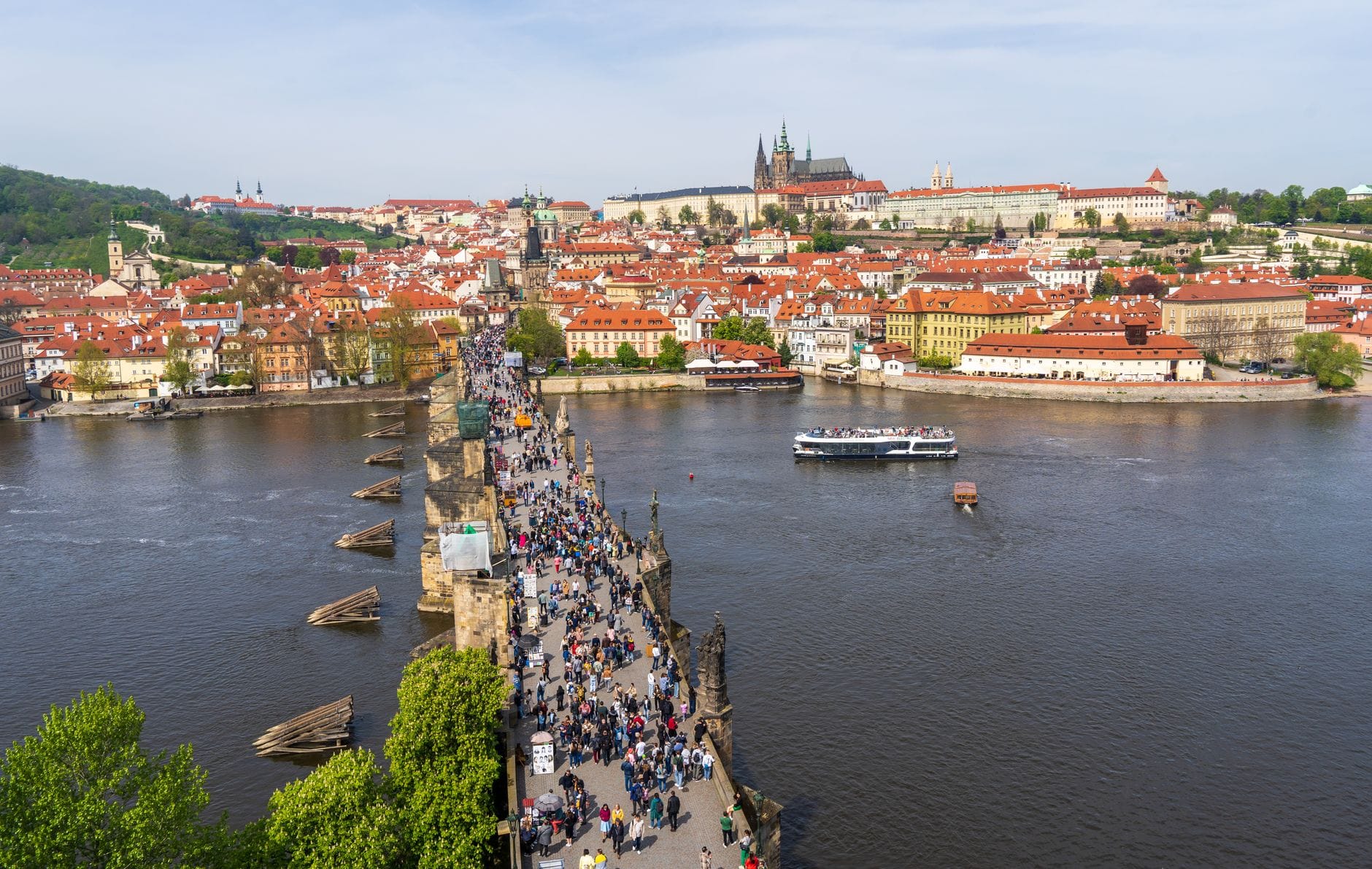
Cross Charles Bridge (Karlův most). Begun in 1357 under Charles IV, the bridge stretches 516 meters across the Vltava and is lined with 30 Baroque statues, most of them 17th and 18th-century replacements of the originals (now in museums). The bridge is pedestrian-only. Walking it early means you can actually stop and look at the statues rather than being carried along by foot traffic. By 10:00 AM in summer, it functions more like a slow-moving queue.
Once across, you enter Malá Strana (Lesser Town). Continue up Mostecká Street to Malostranské náměstí, the main square of this Baroque quarter. The dominant building is St Nicholas Church in Malá Strana, one of the finest Baroque churches in central Europe. The interior is genuinely impressive. Entry costs a small fee; it is worth it for those who appreciate Baroque architecture.
From Malostranské náměstí, Nerudova Street climbs steeply northwest toward the castle. This was historically the street where nobles and craftsmen serving the castle lived, and many of the house signs (the Golden Key, the Three Fiddles, the Two Suns) date from the era before street numbering. The street is steep but fully walkable, and it delivers you directly to the castle's western entrance. Allow 20 to 25 minutes from the square to the castle gates at a relaxed pace with photo stops.
✨ Pro tip
Nerudova Street is the scenic but crowded option. For a quieter ascent, take the Old Castle Stairs (Staré zámecké schody) from Malostranská metro station. They are steeper but far less trafficked and offer open views over the rooftops of Malá Strana as you climb.
Prague Castle: What to See and What to Skip
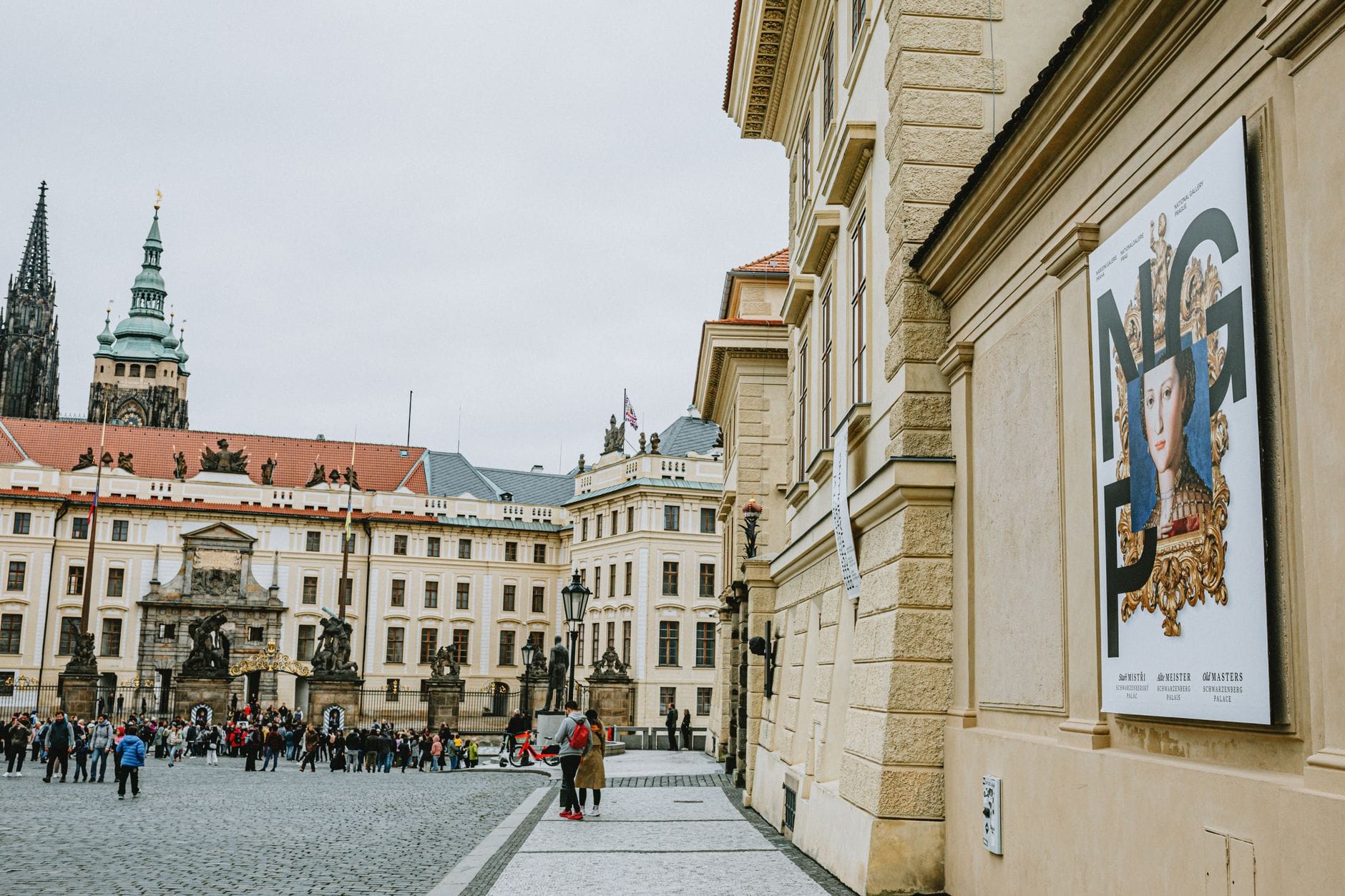
Prague Castle (Pražský hrad) is not a single building. It is a complex of palaces, churches, gardens, and lanes, making it one of the largest castle complexes in the world by area. You can walk through the courtyards and along the lanes for free. However, entering the main attractions requires a ticket. Check hrad.cz for current pricing before you visit. As a reference point, the Base Circuit ticket was priced at around 450 CZK for adults in recent seasons, covering St Vitus Cathedral, the Old Royal Palace, St George's Basilica, and Golden Lane. Prices change, so verify.
- St Vitus Cathedral The Gothic cathedral dominates the castle complex and took nearly 600 years to complete (1344 to 1929). The interior is enormous and detailed. Even if you skip the paid sections, the nave is accessible for free. The South Tower has a separate, cheaper ticket and offers excellent views.
- Golden Lane (Zlatá ulička) A row of tiny colorful houses built into the castle walls, originally for castle guards and artisans. Franz Kafka reportedly worked at No. 22 for a period. Charming but very crowded midday. Go early or near closing time.
- Old Royal Palace The Vladislav Hall inside is one of the largest secular Gothic interiors in Bohemia. Worth the time if you have any interest in medieval architecture or Czech history.
- Castle Gardens The South Gardens offer some of the best elevated views over Malá Strana and the river. Free to enter during opening hours. A much calmer alternative to the crowded interior courtyards.
⚠️ What to skip
Do not buy castle tickets from vendors outside the gates. Purchase directly at the ticket offices inside the first or second courtyard, or online at hrad.cz. Unofficial ticket sellers near the entrance are a known issue.
Timing, Crowds, and Seasonal Advice
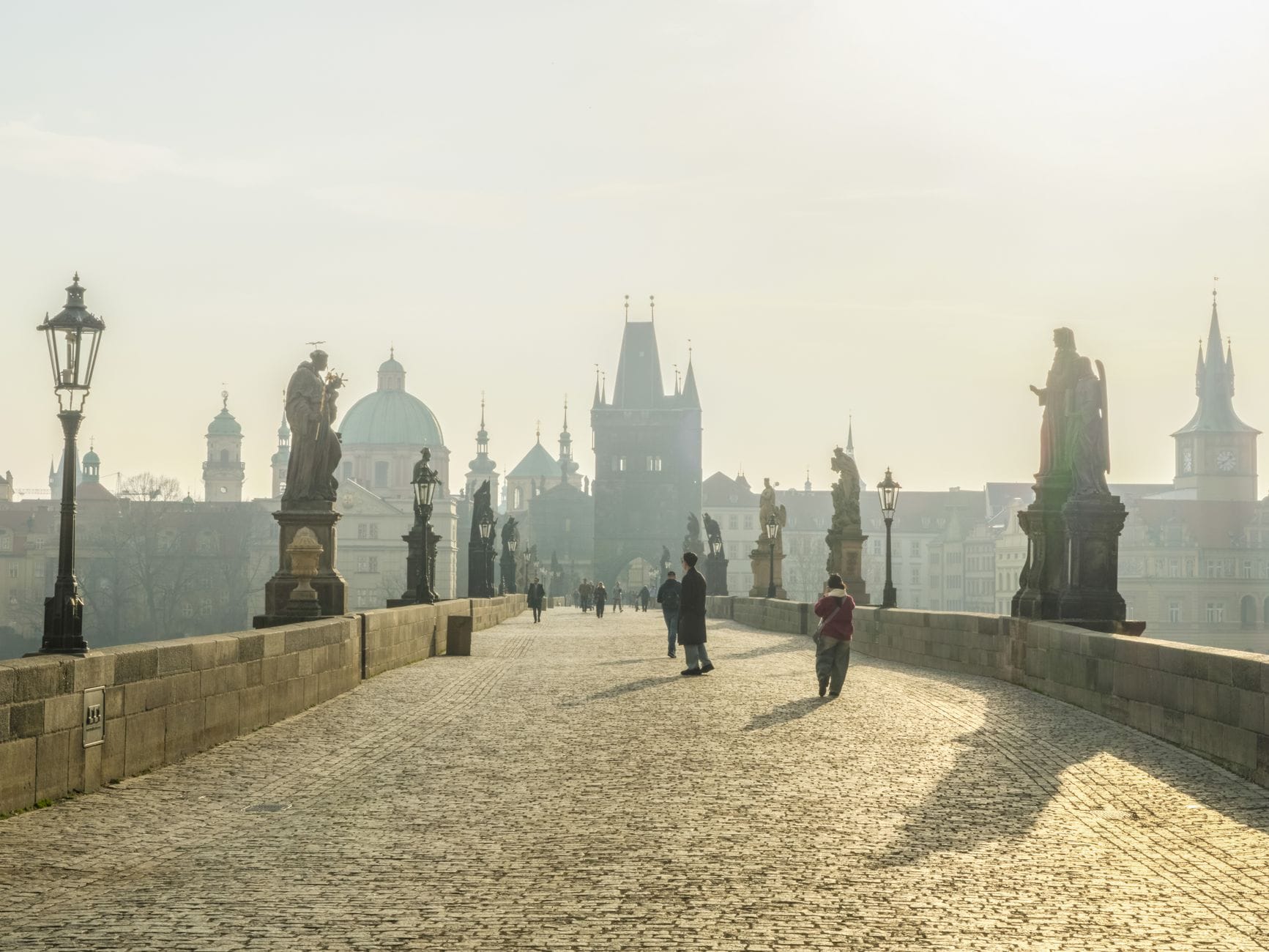
The single biggest variable in how enjoyable this walk is is timing. In July and August, Charles Bridge and Old Town Square are at their most crowded between 10:00 AM and 5:00 PM. Arriving at the Powder Tower by 8:00 to 8:30 AM gives you a genuinely different experience: light foot traffic, better photography conditions, cooler temperatures, and a sense of the city's actual scale rather than a bottleneck of tour groups.
If an early start is not possible, the late afternoon also works reasonably well. After 5:00 PM in summer, tour groups thin out. If an early start is not possible, the late afternoon also works reasonably well. After 5:00 PM in summer, tour groups thin out. The castle closes its interior attractions by 6:00 PM in some seasons (verify at hrad.cz), but the courtyards stay open later. For seasonal planning, the guide covers crowd patterns and weather across all months in detail. May, June, and September offer a solid balance of mild weather and lower visitor numbers compared to peak summer. For seasonal planning, the best time to visit Prague guide covers crowd patterns and weather across all months in detail. May, June, and September offer a solid balance of mild weather and lower visitor numbers compared to peak summer.
- Spring (April to May): Comfortable walking temperatures, lower crowds than summer, some rain. Cherry blossoms may be visible in the castle gardens in April.
- Summer (June to August): Warmest weather, longest daylight, but peak crowds. Start by 8:00 AM. Summer thunderstorms are common in the afternoon.
- Autumn (September to October): Often the best conditions overall. Mild temperatures, reduced crowds after September, excellent light for photography.
- Winter (November to March): Cold, quiet, and atmospheric. The castle and bridges look striking in low winter light or snow. Some attractions have reduced hours.
Practical Logistics and Shortcuts
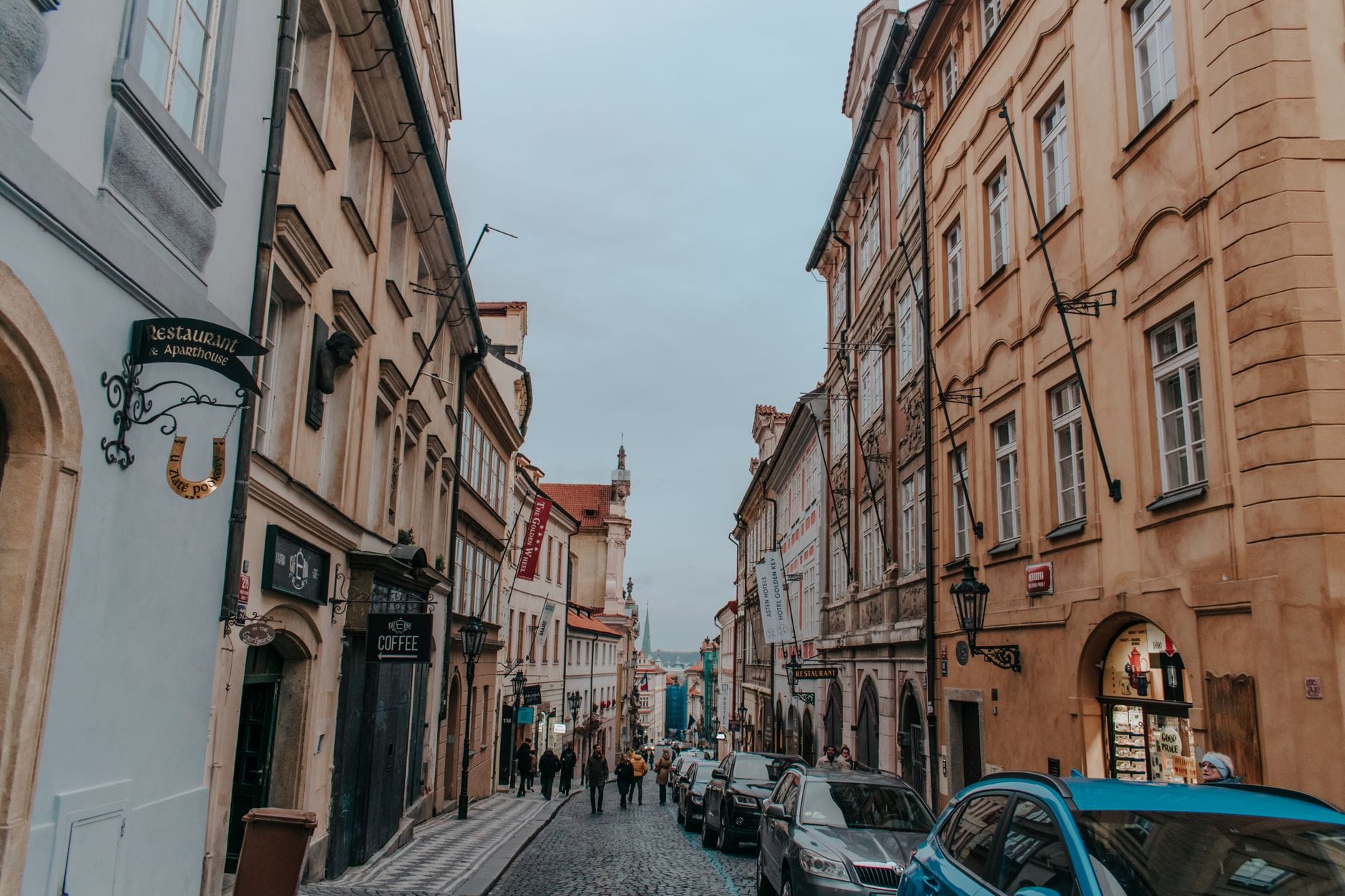
The walk is entirely on public streets and pedestrian zones. No special access is needed. Cobblestones cover much of the route, particularly on Nerudova Street and within the castle complex itself. Comfortable, flat-soled shoes with grip are important. Heels and smooth-soled footwear make the descent from the castle genuinely hazardous on wet days.
For the return journey, most people prefer not to walk back the same way. Tram 22 stops near the castle’s western side and runs down through Malá Strana to the city center. It is one of the more scenic tram routes in Prague and a practical way to get back to Old Town or onward to Vinohrady and beyond. A standard PID single-ride ticket covers the journey; check pid.cz for current fares before travel.
If you want to extend the day, two worthwhile detours are close to the route. Kampa Island sits just south of Charles Bridge on the Malá Strana side and offers a quieter riverside atmosphere along the Čertovka millstream. The John Lennon Wall is a five-minute walk from Malostranské náměstí. It is a colorful, regularly repainted stretch of wall that became a Cold War-era symbol of resistance. It draws visitors, but is worth a short stop.
The Jewish Quarter, Josefov, is a short detour from Old Town Square. It is not on the main route to the castle, but the cluster of historic synagogues and the Old Jewish Cemetery make it one of the most significant sites in Prague. If you want to include it, budget an additional two to three hours and consider it a morning extension before heading to Charles Bridge. See the Prague Jewish Quarter guide for what to prioritize there.
What This Route Does Not Cover Well
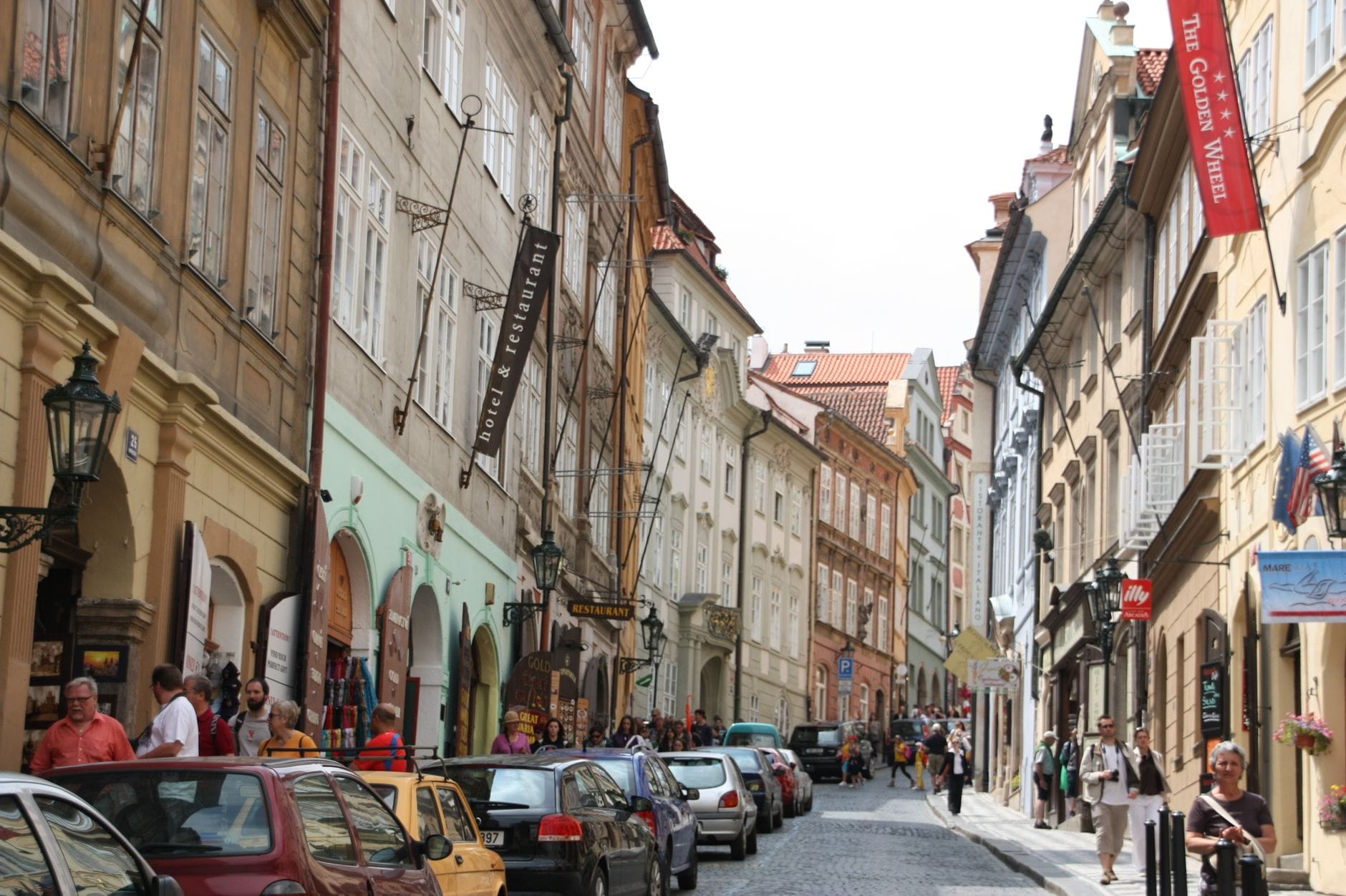
This is an honest point worth making: the Old Town to Castle route is the most-walked path in Prague, and that has consequences. Restaurants and cafes directly on this corridor, particularly on Karlova Street and Nerudova Street, tend to be overpriced relative to quality. A bowl of goulash that costs 250 CZK two streets off the route may cost 450 CZK on it. The same applies to souvenir shops. Walking one block in any direction from the main tourist corridor immediately improves value.
The route also does not touch several parts of Prague that reward exploration. Vinohrady east of the center is a residential district with good restaurants and almost no tourist infrastructure. Holešovice to the north has the city's best contemporary art institutions. If your time in Prague extends beyond a single day, these neighborhoods give a more complete picture of the city than anything on the main tourist axis. The 3 days in Prague itinerary integrates these areas into a realistic multi-day plan.
FAQ
How long does the self-guided walk from Old Town to Prague Castle take?
The walking distance is approximately 4.5 km. Without stops, the walk takes around 90 minutes. With proper time at Old Town Square, Charles Bridge, Malá Strana, and the castle complex, expect 4 to 5 hours for a full visit. If you are doing the castle interiors thoroughly, some travelers spend a full day on this route.
Do you need to book tickets in advance for Prague Castle?
Advance booking is not strictly required, but it is advisable in peak season (July and August) to avoid queuing at the ticket office. Tickets are available online at hrad.cz or at the ticket offices inside the castle's first and second courtyards. The castle grounds and courtyards are free to enter without any ticket.
Is the walk from Charles Bridge to Prague Castle difficult?
The route via Nerudova Street is a sustained uphill walk gaining around 80 meters in elevation. It takes about 20 to 25 minutes at a relaxed pace. It is not strenuous for most people, but cobblestone surfaces can be tiring. The alternative is Tram 22 from Malostranské náměstí to the Pražský hrad stop, which covers the elevation change in about 5 minutes.
What is the best time of day to walk across Charles Bridge?
Before 9:00 AM is significantly better than any other time. The bridge is at its most photogenic at sunrise, when mist sometimes sits over the Vltava and foot traffic is minimal. By 10:00 AM in summer, it is densely crowded. Early evening, after 6:00 PM, is a reasonable secondary option but lacks the morning light quality.
Can I do this walking tour in winter?
Yes. Winter is in some ways a better time for this walk. Crowds are dramatically smaller, the castle looks striking under grey skies or snow, and you can actually move freely on Charles Bridge. Temperatures typically range from −1 to 3°C, so dress in layers. Some castle interior attractions have reduced winter opening hours, so check hrad.cz for current schedules before visiting between November and March.