Franz Kafka Museum: What to Expect Before You Go
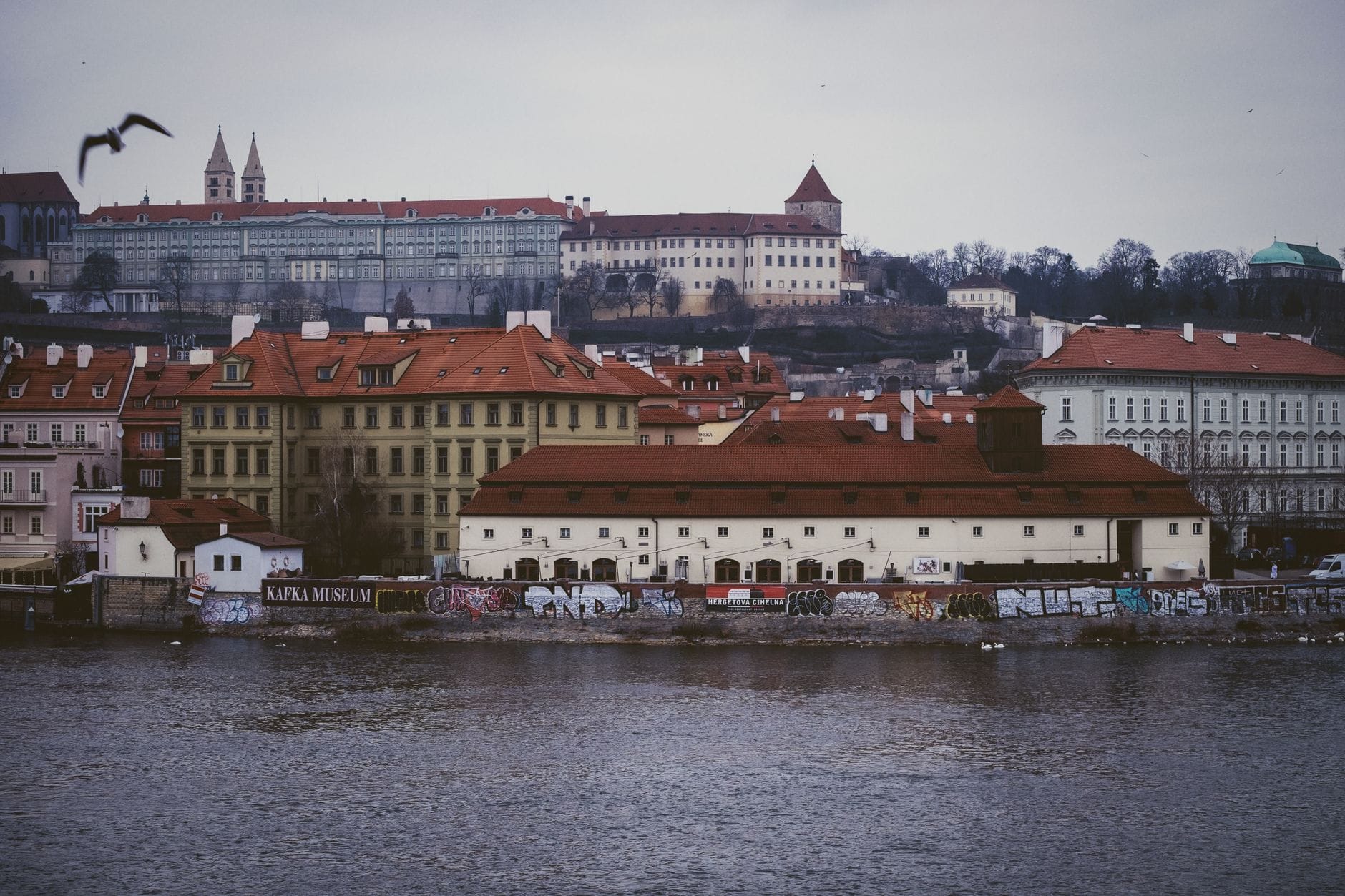
The Franz Kafka Museum occupies a converted 19th-century brickworks on the Malá Strana riverbank, a short walk from Charles Bridge. It holds original manuscripts, correspondence, photographs, and first editions that illuminate the life and literary world of one of the 20th century's most influential writers. The experience is deliberately unsettling, and that is precisely the point.
Quick Facts
- Location
- Cihelná 2b, Malá Strana, Prague 1 — Hergetova cihelna (Herget Brickworks) on the left bank of the Vltava
- Getting There
- Tram 2 or 18 to Malostranská stop; on foot from Charles Bridge, cross to the Malá Strana side and turn right along the river
- Time Needed
- 60–90 minutes for a careful visit; allow extra time if reading wall text in detail
- Cost
- Adults 300 CZK, Reduced (students, children, seniors 65+) 220 CZK, Family (2 adults + 2 children) 800 CZK. Prices subject to change — verify before visiting.
- Best for
- Literature enthusiasts, architecture and design fans, travelers wanting an indoor cultural stop near Charles Bridge
- Official website
- kafkamuseum.cz/en
What the Franz Kafka Museum Actually Is
The Franz Kafka Museum is a permanent literary and biographical exhibition dedicated to Franz Kafka, the German-speaking Prague-born writer whose novels — The Trial, The Castle, Amerika — shaped 20th-century literature more than almost any other writer's work. Opened in its current permanent form in 2005, the museum occupies Hergetova cihelna, a historic 19th-century brickworks complex on the Malá Strana bank of the Vltava River.
The building itself communicates something about Kafka before you even buy a ticket. The industrial brick architecture, the low ceilings in parts, the river pressing close outside — it creates an atmosphere that suits the material. The curators have leaned into this deliberately. This is not a conventional biography-on-the-wall museum. It is closer to an immersive installation that uses original documents as evidence.
For context, the museum sits at the foot of Malá Strana, one of Prague's oldest and most architecturally preserved quarters. Kafka spent much of his life in nearby streets — born in Old Town, educated across the river, employed in Josefov. The museum's riverside location puts you firmly in the city he wrote about without naming it directly.
💡 Local tip
The museum is open daily from 10:00 to 18:00, year-round. Arriving at opening time on weekdays is the most reliable way to avoid crowds, particularly in summer when tour groups arrive mid-morning.
The Exhibition: Two Zones, One Disorienting Logic
The permanent exhibition is divided into two parts. The first, 'The City of K: Franz Kafka and Prague,' places Kafka geographically and biographically. The second, 'Existential Space,' moves into his inner world — the anxieties, the bureaucratic nightmares, the religious and philosophical tensions — using his manuscripts, letters, and diaries as the primary material.
Original documents on display include first editions of Kafka's works, personal correspondence, diary entries, photographs, and drawings. Many of these items had not been exhibited publicly before the museum opened. The handwriting in the manuscripts is dense and precise. Under glass, lit from below, those pages carry a weight that a printed facsimile cannot replicate.
Sound design and projection are used throughout, not as gimmicks but as deliberate atmospheric tools. In certain rooms, overlapping voices and distorted audio create the sensation of disorientation that runs through Kafka's fiction. Some visitors find this powerful. Others find it exhausting. It is worth knowing in advance that the second zone is designed to be uncomfortable.
ℹ️ Good to know
Wall text is available in Czech and English throughout. Audio guides are offered at the entrance — worth considering if you want narrative context alongside the documents rather than reading in dim light.
Tickets & tours
Hand-picked options from our booking partner. Prices are indicative; availability and final rates are confirmed when you complete your booking.
Prague 2.5-hour tour through the eyes of Franz Kafka
From 28 €Instant confirmationFree cancellationFranz Kafka exploration game and tour in Prague
From 7 €Instant confirmationFree cancellationKafka Museum entrance ticket
From 12 €Instant confirmationFree cancellationSelf guided tour with interactive city game of Prague
From 5 €Instant confirmationFree cancellation
The Building and the Courtyard
Hergetova cihelna dates to the 19th century when it operated as a brickworks along the river. The building was converted incrementally into a cultural venue, and the museum occupies part of the complex. The industrial bones — exposed brick, vaulted ceilings, uneven floors in places — are preserved rather than concealed.
The museum's courtyard is where most visitors slow down and reach for their cameras. The central feature is a sculpture by David Černý: two figures urinating into a pool shaped like the Czech Republic, their mechanized hips moving to spell out literary quotations in the water. It is provocative, deliberately so, and very Černý. Whether you find it clever or gratuitous will probably depend on your prior exposure to his work.
If the Černý courtyard sculpture interests you, the David Černý guide for Prague covers the full range of his public work across the city, including the Babies on the Zizkov Television Tower and the Kafka rotating head near Palladium shopping centre.
In good weather, the courtyard catches afternoon light from the west. The contrast between the worn brick and the river just beyond makes it one of the more photogenic spots in Malá Strana for architecture-focused visitors. In rain, the courtyard is open but unpleasant — the museum interior remains fully accessible regardless of weather.
Getting There and the Walk from Charles Bridge
The most logical approach for most visitors is on foot from Charles Bridge. Cross from the Old Town side, descend the bridge stairs on the Malá Strana end, and turn right. Cihelná Street runs along the riverbank north toward the museum — the walk takes roughly four to five minutes at a normal pace. The route passes directly under the Old Town Bridge Tower's shadow before opening onto the river path.
By tram, lines 2 and 18 stop at Malostranská. From there, follow Klárov and then U Lužického semináře south along the river toward Cihelná 2b — approximately ten minutes on foot. This route gives you a longer approach through the quieter northern edge of Malá Strana before reaching the museum.
💡 Local tip
If you are combining the museum with Charles Bridge, visit the museum first. Charles Bridge is least crowded before 9am, but the museum doesn't open until 10:00 — so cross the bridge early, walk to the museum for opening, then return across the bridge as crowds build. You get both experiences at their best.
When to Go and Who It Suits
The museum is small enough that a single tour group can significantly affect the atmosphere inside. Weekday mornings in spring and autumn offer the most space. July and August bring the highest visitor numbers; if you visit in peak summer, arriving at 10:00 sharp on a Tuesday or Wednesday is more useful than any booking strategy, since tickets are primarily sold on-site at the museum.
Lighting inside the exhibition is deliberately low in several sections, which is appropriate for document preservation but means photographs of original manuscripts are difficult without boosting ISO. The courtyard sculpture photographs well in soft afternoon light from the west. A phone camera handles this comfortably — no special equipment is needed.
Travelers building a broader literary or cultural day in Prague might pair this museum with the Mucha Museum in New Town or the Municipal House to cover several strands of Prague's early 20th-century cultural output in a single afternoon. Both are within 20 minutes by tram.
Children under about 12 are unlikely to engage with the exhibition content, which is dense, text-heavy, and pitched at adults with some prior knowledge of Kafka. The courtyard sculpture will interest older children but may require explanation. This is not an interactive family attraction.
Honest Assessment: Is It Worth Your Time?
If you have read Kafka — or are curious about him — this museum delivers something that a Wikipedia article cannot: proximity to original materials and a curated atmosphere that makes the writing feel less abstract. The combination of genuine archival content and thoughtful exhibition design is stronger than many literary museums in Europe.
If you have no familiarity with Kafka and are visiting purely because the museum appears on maps near Charles Bridge, it is honest to say you may find the experience thin. The exhibition assumes some prior context. Without it, the immersive sections can feel opaque rather than illuminating.
The 300 CZK adult ticket is reasonable by Prague museum standards and directly comparable to the Kampa Museum a few minutes further along the riverbank. If your time is limited and you need to choose between them, the Kafka Museum rewards visitors who arrive with literary context; the Kampa Museum is more immediately accessible to a general audience.
⚠️ What to skip
Wheelchair and mobility access: the museum does not publish detailed accessibility information on its main website. Contact the museum directly before visiting if mobility is a concern — email office@kafkamuseum.cz or phone +420 257 535 507.
Insider Tips
- The museum gift shop carries a solid selection of Kafka editions in multiple languages, including Czech, German, and English. If you want a copy of The Trial or The Castle as a Prague souvenir rather than a generic item, this is a better source than the tourist shops on Charles Bridge.
- The courtyard sculpture photographs best in the hour before the museum closes (late afternoon), when western light hits the brick facade directly. Morning light is flat and comes from the wrong direction for this particular space.
- The river terrace of the Hergetova cihelna restaurant — attached to but separate from the museum — offers one of the better views of Charles Bridge from the Malá Strana side. You do not need a museum ticket to sit there. It is a useful stop before or after your visit.
- If you are visiting in winter, the museum's low-lit interior and heating make it a comfortable retreat. January and February bring minimal crowds and the same exhibition without the summer congestion.
- Wall labels in the first zone reference specific Prague streets and addresses connected to Kafka's life. Cross-referencing these on a walk afterward through the Old Town and Josefov turns the museum into a starting point for a self-guided literary walk across the river.
Who Is Franz Kafka Museum For?
- Readers of Kafka or European literary modernism looking for direct contact with primary materials
- Architecture and design visitors interested in adaptive reuse of industrial heritage buildings
- Travelers who want a culturally substantive indoor stop within walking distance of Charles Bridge
- Photographers interested in industrial brick architecture and riverbank compositions
- Visitors building a full cultural day in Malá Strana alongside nearby galleries and gardens
Nearby Attractions
Other things to see while in Malá Strana (Lesser Town):
- Charles Bridge
Charles Bridge is Prague's most recognizable landmark, a 516-metre medieval stone arch bridge lined with 30 Baroque statues linking the Old Town to Malá Strana. Free to cross at any hour, its experience shifts dramatically depending on when you arrive.
- Church of Our Lady Victorious (Infant Jesus of Prague)
Tucked along Karmelitská street in Malá Strana, the Church of Our Lady Victorious is one of Prague's most visited pilgrimage sites. It houses a 16th-century wax-coated wooden statue of the Infant Jesus that draws Catholic pilgrims from across the world, alongside curious visitors exploring Prague's Baroque heritage. Entry is free, and the attached museum adds unexpected depth to the visit.
- Church of St. Nicholas (Malá Strana)
The Church of St. Nicholas in Malá Strana is the most ambitious Baroque building in Prague, rising above the Lesser Town with a copper-green dome that defines the city's skyline. Built between 1704 and 1755, it rewards visitors with extraordinary ceiling frescoes, a soaring interior nearly 60 metres high, and a separate bell tower offering rooftop views across the red-tiled district below.
- John Lennon Wall
The John Lennon Wall in Malá Strana is a free, ever-changing outdoor graffiti wall with roots in Cold War resistance. Official visiting hours are generally listed as 10:00–19:00, it costs nothing to see, and it sits just a short walk from Charles Bridge, rewarding those who understand its history as much as its color.