Shopping in Prague: Best Markets, Streets & What to Buy
Prague rewards shoppers across every budget, from Bohemian crystal and hand-carved puppets to international luxury labels on Pařížská Street. This guide breaks down the best shopping districts, markets, malls, and genuinely worthwhile souvenirs, with practical details on hours, transport, and what to skip.
Plan and book this trip
Tools from our partner Travelpayouts help you compare flights and hotels. If you book through them, we may earn a commission at no extra cost to you.
Flights
Hotels map
TL;DR
- Prague's main shopping zone is the 'Golden Cross' formed by Wenceslas Square, Na Příkopě, and Náměstí Republiky, covering everything from high street chains to department stores.
- Pařížská Street is Prague's luxury mile, lined with Cartier, Hermès, and Louis Vuitton; for everyday markets, the Holešovice market halls beat the tourist-heavy Havel's Market on both price and variety.
- Most shops open 09:00–20:00, seven days a week; there is no Sunday trading ban in the Czech Republic.
- The Czech koruna (CZK) is the only currency; card payments are widely accepted, but always confirm before buying at market stalls.
- Bohemian crystal, locally made ceramics, wooden toys, and Czech spirits are the most reliable souvenirs; see our Prague on a budget guide for tips on avoiding overpriced tourist shops.
The Golden Cross: Prague's Core Shopping Zone
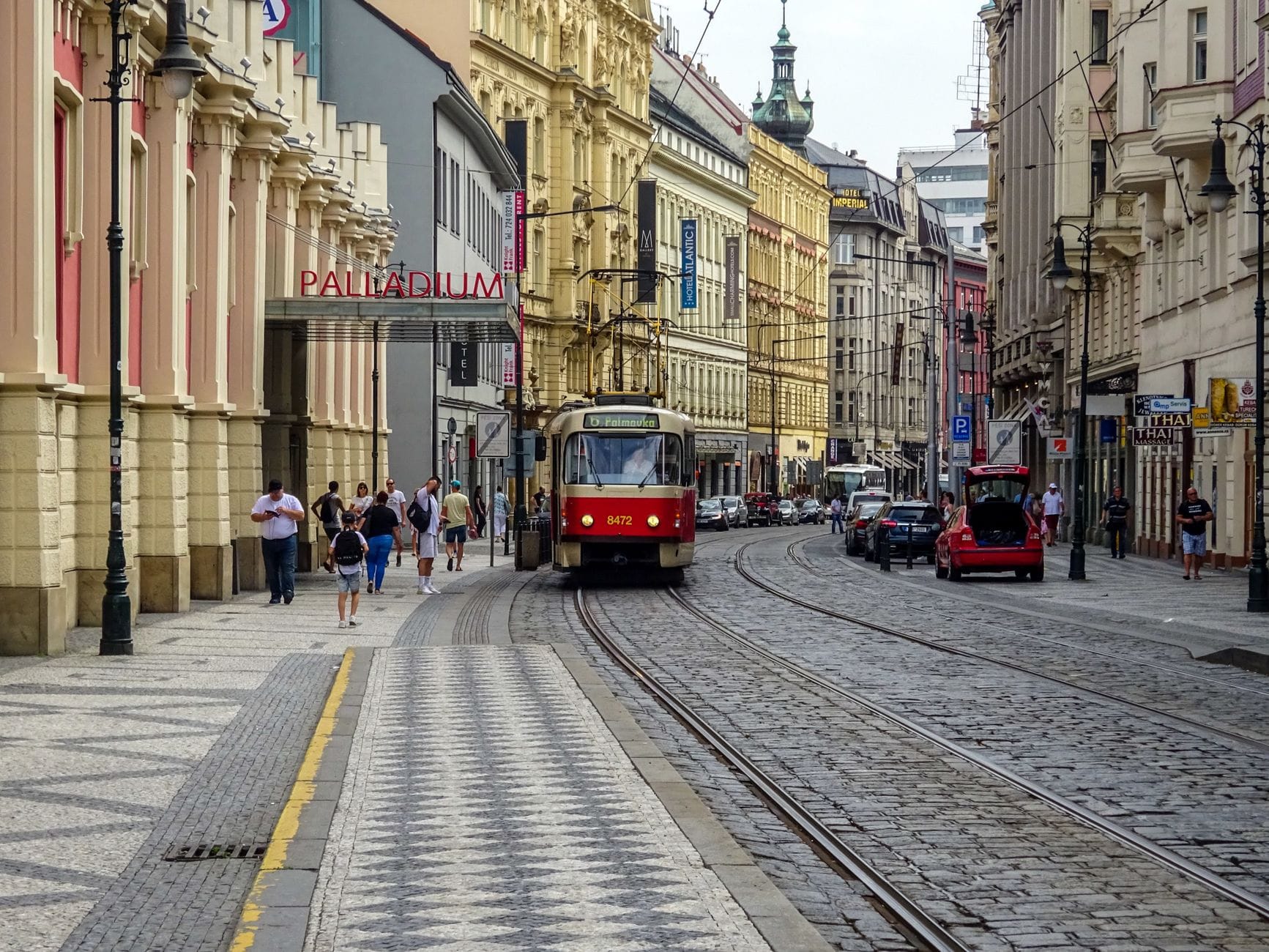
The area locals call the 'Golden Cross' is where three main arteries intersect: Wenceslas Square, Na Příkopě, and the stretch down to Náměstí Republiky. This triangle is the commercial backbone of central Prague, accounting for most of the city's high-street retail, department stores, and flagship mall entrances. If you only have a few hours to shop, this is where to focus.
Na Příkopě is particularly practical: a largely pedestrianised boulevard lined with international brands including Zara, H&M, Mango, and several electronics retailers. It connects Wenceslas Square to the west with Náměstí Republiky to the east, and you can walk its full length in about ten minutes. The Palladium mall sits directly on Náměstí Republiky, making this the natural end point of any Na Příkopě shopping run. Národní třída, running parallel to the south, has a smaller but more curated mix of independent shops, bookstores, and cafes.
💡 Local tip
Wenceslas Square looks like a shopping destination but is more of a transport artery with shops on its ground floors. The best retail is concentrated on the side streets and inside the connected malls, not on the square itself. Walk the length once for orientation, then head to Na Příkopě for actual browsing.
Pařížská and Old Town: From Luxury Labels to Local Craft
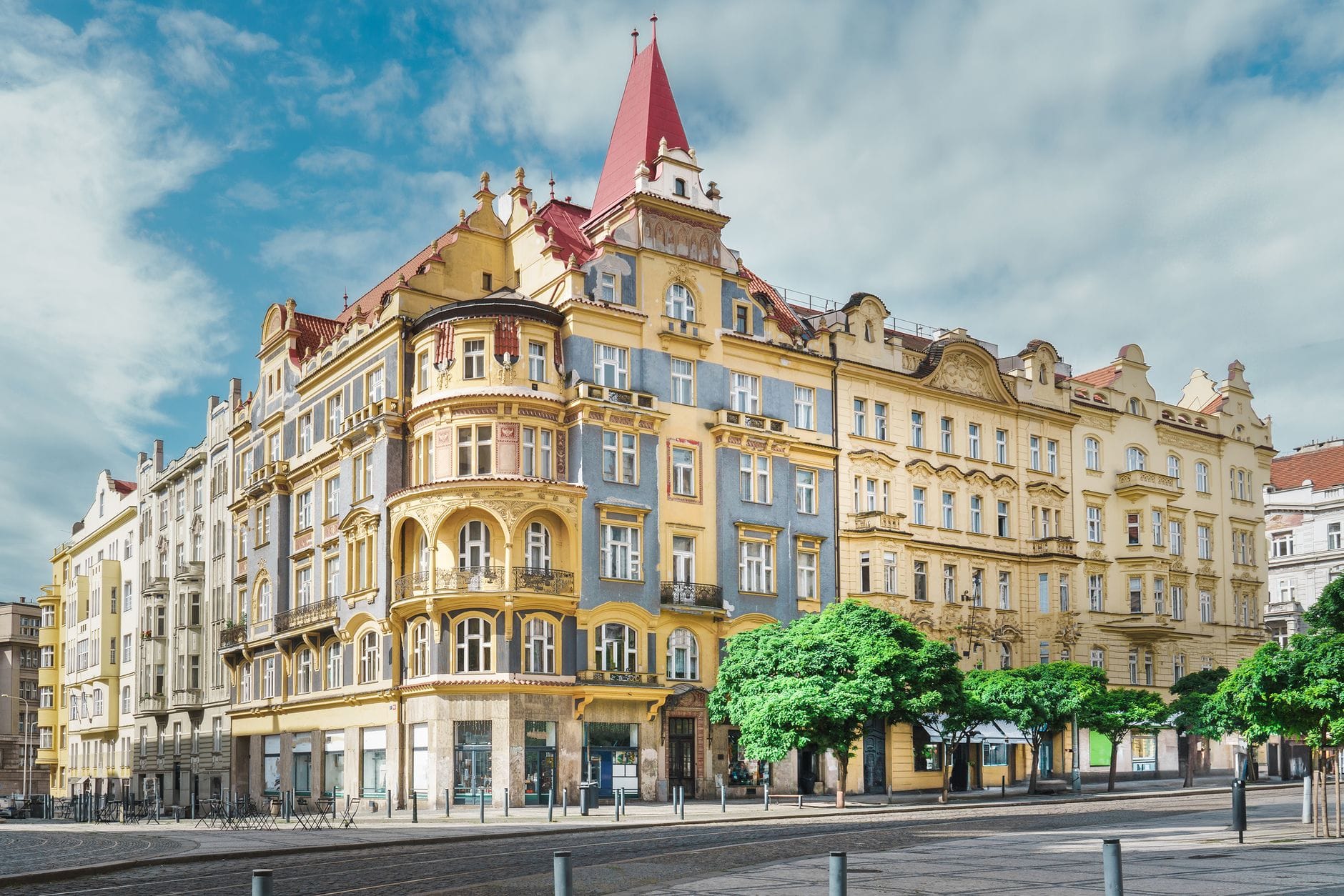
Pařížská Street, running north from Old Town Square toward the river, is Prague's answer to Avenue Montaigne. The street is lined with Cartier, Hermès, Rolex, Bulgari, Prada, and similar houses, all in beautifully maintained Art Nouveau and early 20th-century buildings. It is genuinely impressive architecture even if the price tags are not for you. The street is about 500 metres long and leads directly to the Josefov Jewish Quarter, making it an easy addition to any Old Town walk.
The smaller streets of Old Town and Malá Strana are where you'll find independent shops selling Bohemian crystal, hand-painted ceramics, marionettes, and antiques. Quality varies considerably. The shops directly on Old Town Square and Charles Bridge approach tend toward mass-produced tourist goods. Go one or two streets back, particularly around Týnská, Štupartská, or Celetná, and the quality improves noticeably. Prices in these areas are higher than at the Holešovice market, but the curation is better and the settings are hard to beat.
⚠️ What to skip
Crystal and glass sold in souvenir shops near major tourist sites may be imported rather than Czech-made. Look for products labelled 'Bohemian crystal' with a manufacturer's mark, or shop at specialist retailers like Moser or Rückl, which guarantee Czech provenance. Buying unmarked 'crystal' from a Charles Bridge-adjacent stall is a reliable way to overpay for ordinary glass.
Prague's Best Markets: What's Worth Your Time
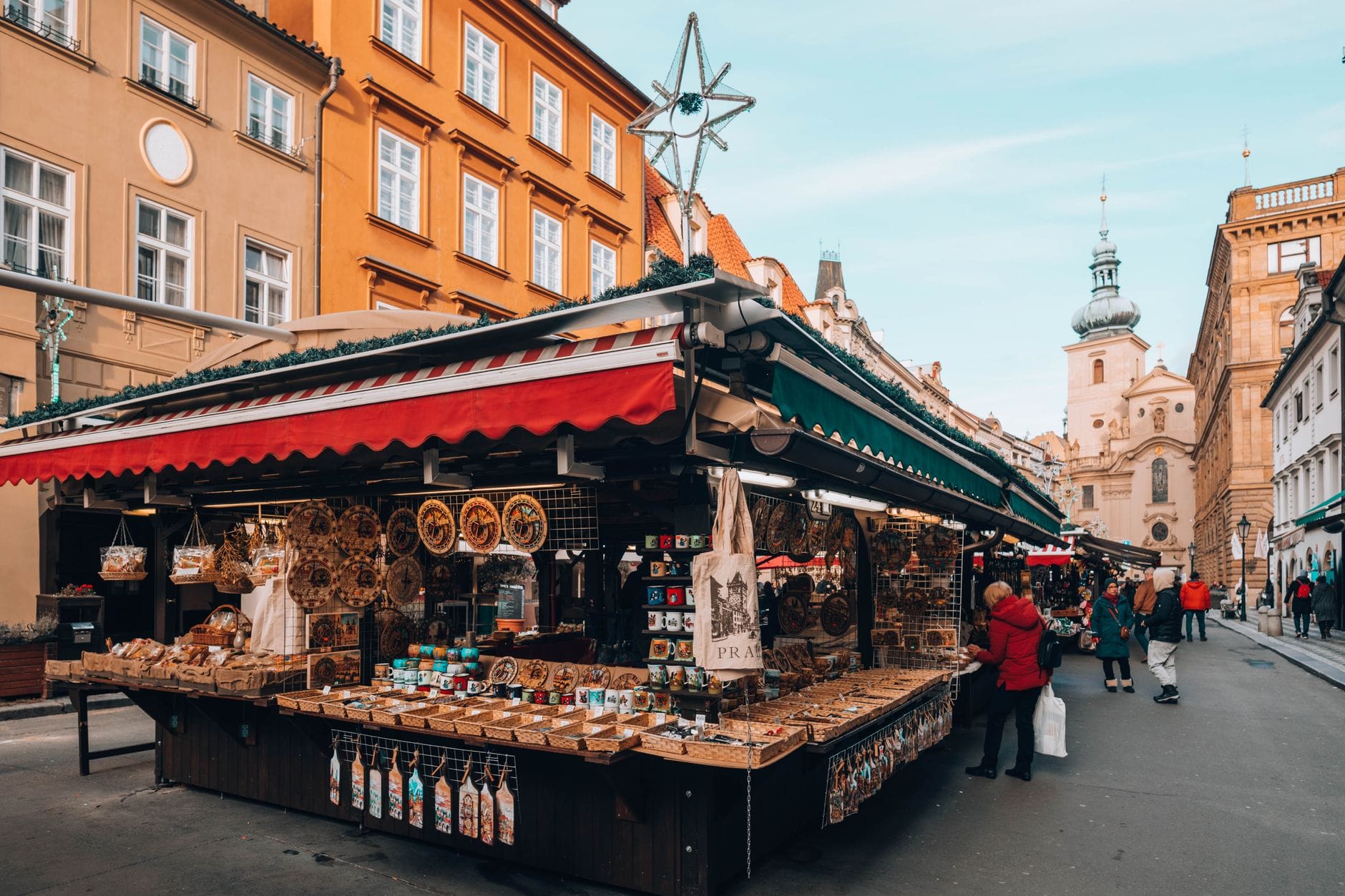
Prague has three main recurring markets that matter to visitors, each with a different character, location, and practical use.
- Havel's Market (Havelské tržiště) The only permanent outdoor market in the city centre, operating since the 13th century on Havelská Street between Old Town Square and Wenceslas Square. Open daily, roughly 06:00–18:30, year-round. It sells fruit, vegetables, flowers, wooden toys, and souvenirs. Convenient, atmospheric, and reliably open, but prices on non-food items run higher than elsewhere because of the location. Go here for fresh produce or a quick snack, not for the best souvenir deals.
- Prague Market at Holešovice (Pražská tržnice) The city's largest market, set in a sprawling complex of historic market halls in the Holešovice district. Open daily 08:00–20:00. You'll find food stalls, fresh produce, clothing, second-hand goods, household items, and imported goods. The atmosphere is much less curated than Havel's Market, which is precisely the point: this is where Praguers actually shop. Reach it by tram to Holešovická tržnice (lines 1, 14, 25) or metro Vltavská (Line C), then a short walk north.
- Lesser Town Market (Malostranské náměstí) A farmers' and specialty food market running from mid-March through December, Tuesday and Thursday 08:30–19:00, on the main square of Malá Strana. Local producers sell cheese, charcuterie, bread, preserves, and seasonal vegetables. Smaller and more relaxed than the other two markets, and genuinely used by the neighbourhood. Take tram 12, 15, 20, 22, or 23 to Malostranské náměstí.
For seasonal market experiences, Prague's Christmas and Easter markets are among the most visually striking in Central Europe. They occupy Old Town Square, Wenceslas Square, and Náměstí Míru, selling mulled wine (svařák), trdelník pastries, gingerbread, handmade ornaments, and wooden crafts. The Christmas market runs from late November through early January. For detail on what to expect and when to go, the Prague Christmas market guide covers timing, stall quality, and the lesser-known satellite markets that locals prefer.
✨ Pro tip
The Holešovice market halls area has been partially redeveloped and now also hosts weekend vintage and design fairs, food truck events, and a craft beer market depending on the season. Check the Pražská tržnice schedule online before visiting if you want to catch one of these events rather than the standard daily market.
Shopping Malls: When You Need Reliability and Range
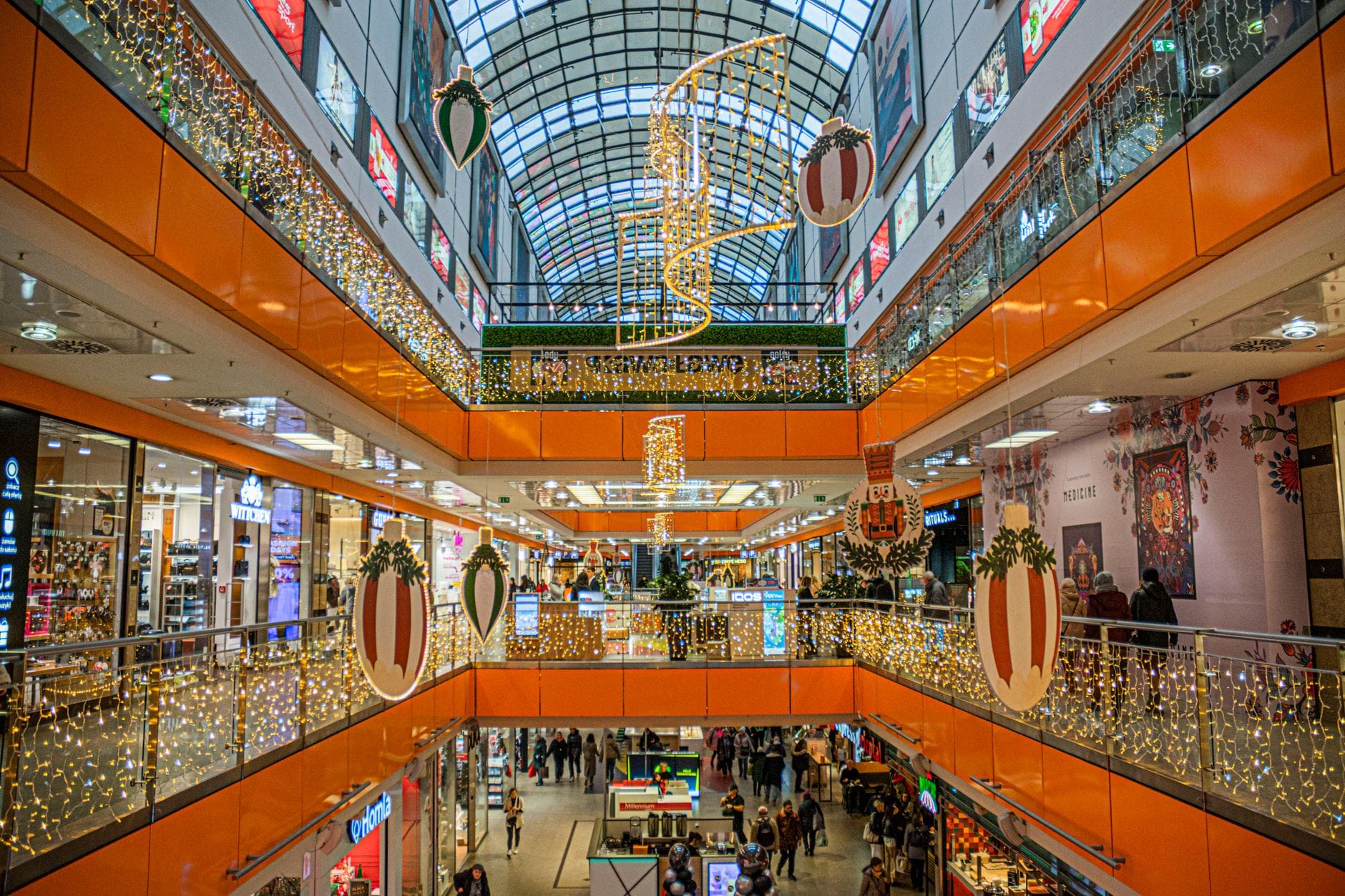
Prague has a well-developed mall infrastructure, and several of the major centres are genuinely useful for visitors, especially for electronics, pharmacy chains, Czech supermarkets, or brand-name clothing at consistent pricing.
- Palladium (Náměstí Republiky) The most central major mall, built inside a converted 19th-century barracks. Over 180 shops across five floors, anchored by a large Albert supermarket in the basement. Walk here directly from the metro stop Náměstí Republiky (Line B). Useful if you need a pharmacy, electronics, or international fashion brands without leaving the city centre.
- Nový Smíchov (Smíchov district) More than 150 shops plus a large Tesco hypermarket. Practical for everyday shopping and serviced by metro Anděl (Line B). Less touristy than Palladium, with a more local customer mix.
- Westfield Chodov (Prague 4) One of the largest malls in the Czech Republic, with the widest brand selection in the city. Located further out, near metro Chodov (Line C). Worth the trip if you need a specific brand not found closer to the centre.
- Fashion Arena Prague Outlet An outlet centre on the city's southeastern outskirts offering discounted stock from brands including Tommy Hilfiger, Calvin Klein, and Nike. Best reached by shuttle bus from Opatov metro station (Line C). Worthwhile for specific brand purchases, but not convenient enough for a short visit.
- Slovanský dům (Na Příkopě) A mid-size centre on Na Příkopě with fashion, beauty, a multi-screen cinema, and restaurants. Convenient location, more relaxed pace than Palladium, and a pleasant courtyard.
What to Buy in Prague: Honest Recommendations
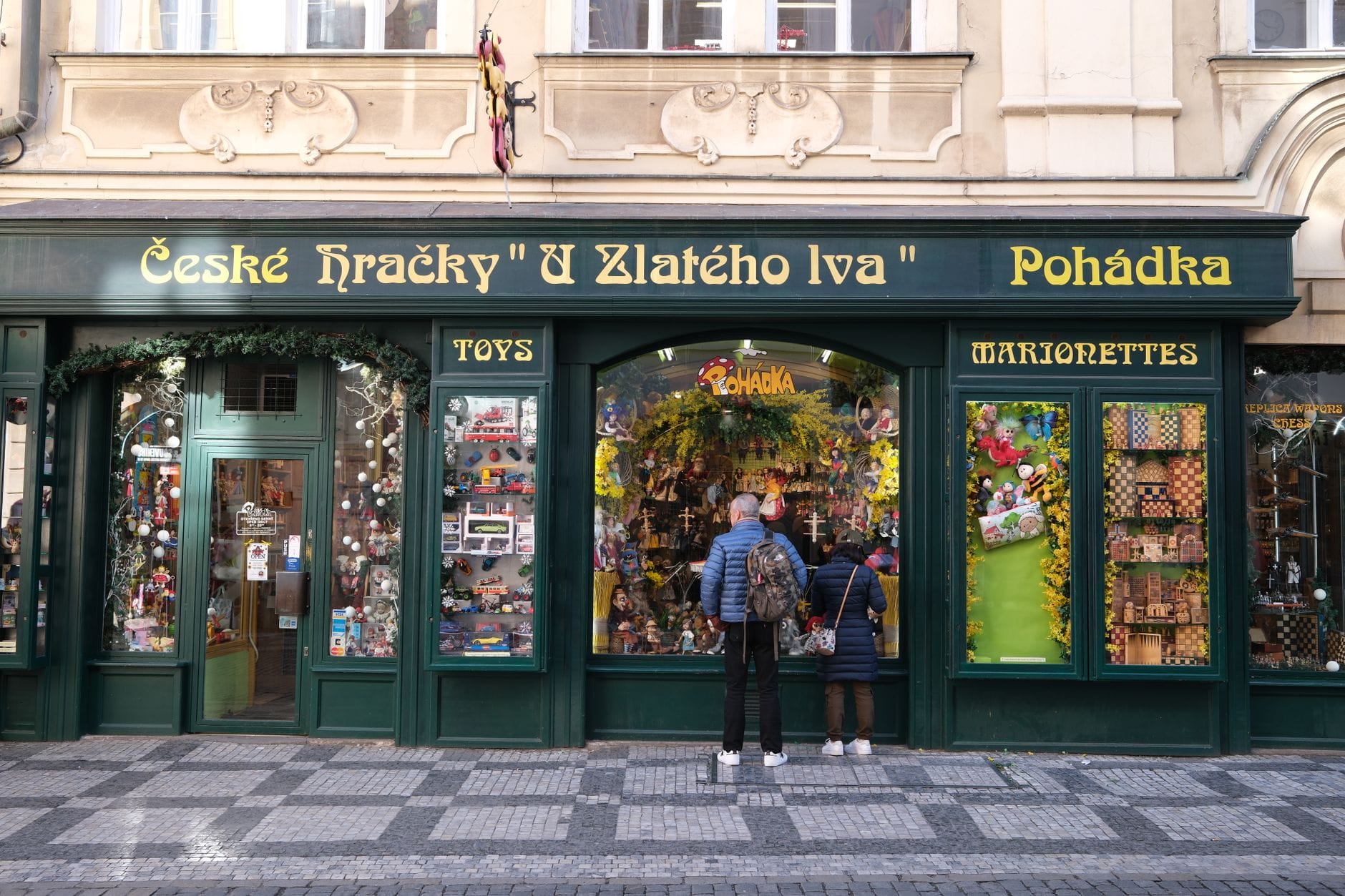
Not everything marketed as a Prague souvenir is worth buying, and some of it has nothing to do with Czech craft at all. These categories have genuine local roots and consistent quality when you buy from the right sources.
- Bohemian crystal and glass: Prague and western Bohemia have centuries of glassmaking tradition. Buy from named manufacturers (Moser, Rückl, Crystalex) or shops that clearly state Czech origin. Expect to pay meaningfully more than for tourist-grade pieces, but the quality difference is significant.
- Czech spirits: Becherovka (the herbal bitter from Karlovy Vary) and Slivovitz (plum brandy) are widely available and travel well. Becherovka is sold in gift packaging at most supermarkets and airport duty-free. Avoid novelty bottle shapes marketed purely at tourists.
- Wooden toys and marionettes: The Czech tradition of wooden puppet-making is real and still active. Hand-carved marionettes from craft workshops can cost 500–3,000 CZK depending on complexity. If the price seems remarkably low, it was almost certainly not hand-made locally.
- Ceramics: Blue-and-white and multi-coloured Czech folk ceramics are a legitimate craft tradition. Look for pieces from Moravia (Slovácká keramika style) in specialist shops rather than the standardised patterns sold near tourist sites.
- Czech chocolate and food products: Studentská pečeť (a chocolate-and-fruit bar) and wafer products from Spa Wafers (Lázeňské oplatky, also sold in Prague shops) make practical and affordable gifts. Pick these up at Albert, Billa, or Tesco rather than paying the souvenir-shop markup.
If you are interested in design objects, art prints, or contemporary Czech work, the museum shops attached to cultural institutions are often the best source. The shop at the Municipal House carries quality Art Nouveau reproductions and locally designed items. The DOX Centre for Contemporary Art in Holešovice has a well-curated bookshop and design section that reflects what is actually happening in Czech creative culture.
Practical Shopping Tips: Hours, Payment, and Logistics
Most shops in Prague open between 09:00 and 10:00 and close between 19:00 and 20:00. Supermarkets typically open earlier, around 07:00. Unlike many European countries, the Czech Republic has no mandatory Sunday closing law, so malls and most retail chains operate seven days a week. Market stalls may close earlier on Sundays or have reduced hours; confirm specific timings before making a special trip.
The Czech koruna (CZK) is the national currency. Prague does not use the euro, and vendors who accept euros in tourist areas will almost always apply an unfavourable exchange rate. Use CZK for all purchases. Card payments are widely accepted in shops, malls, and many market stalls, but carry some cash for smaller markets and independent vendors. Dynamic currency conversion (DCC) at card terminals will also give you a worse rate: always choose to pay in CZK when prompted.
Getting around the shopping districts is straightforward using Prague's public transport network. The Golden Cross area is walkable from metro stops Můstek (Lines A and B), Náměstí Republiky (Line B), and Muzeum (Lines A and C). The guide to getting around Prague covers the full transport options including tram routes that connect Malá Strana and Holešovice to the centre.
ℹ️ Good to know
VAT refunds (DPH in Czech) are available to non-EU visitors for purchases over 2,000 CZK at participating retailers. Look for 'Tax Free Shopping' signs, ask for the refund form at the till, and process the refund at the airport before departure. Prague Airport has a Global Blue and Planet refund desk in the departure hall.
FAQ
What is the best shopping street in Prague?
Na Příkopě is the most practical main shopping street, covering international high-street brands in a compact pedestrianised stretch. For luxury, Pařížská Street is the clear leader. For local independent shops, the streets around Old Town (Týnská, Štupartská) and Malá Strana offer better quality than the main tourist drags.
Is shopping expensive in Prague compared to Western Europe?
International brands cost roughly the same as in other European cities. Local products, Czech food, and craft items are generally more affordable. Markets like Holešovice offer the best prices on fresh produce and everyday goods. The biggest price discrepancy is in souvenir shops near major attractions, where mark-ups on Czech crystal and gifts can be 50–100% higher than in specialist shops a few streets away.
Can I use euros for shopping in Prague?
Some tourist-facing shops and markets accept euros, but the exchange rate applied is always less favourable than the official rate. Always pay in Czech koruna (CZK) to avoid losing money on the conversion. ATMs are widely available throughout the city centre.
Are Prague's Christmas markets worth visiting for shopping?
Yes, particularly for handmade ornaments, wooden toys, and seasonal food. The Old Town Square market is the most atmospheric but also the most crowded and slightly more expensive. The Náměstí Míru market in Vinohrady is a genuine local favourite with better prices and a more relaxed atmosphere. Both run from late November into early January.
What are the most authentic Czech souvenirs to buy in Prague?
Named-brand Bohemian crystal (look for Moser or Rückl labels), hand-carved wooden marionettes from craft workshops, Becherovka herbal liqueur, Spa Wafers (lázeňské oplatky), and locally made ceramics in traditional folk patterns. Avoid unmarked crystal near major tourist sites and novelty items that have no connection to Czech craft tradition.