Visiting Prague in Winter: What to Expect
Winter strips Prague back to its essentials: gothic spires against grey skies, Christmas markets on cobblestone squares, and a fraction of the summer crowds. This guide covers the real conditions — temperatures, daylight, costs, and which attractions stay open — so you can plan with confidence.
Plan and book this trip
Tools from our partner Travelpayouts help you compare flights and hotels. If you book through them, we may earn a commission at no extra cost to you.
Flights
Hotels map
TL;DR
- Winter runs roughly late November to early March, with average highs of about 2–4°C and lows around -2 to -3°C. Snow is possible but far from guaranteed.
- Daylight is short in December: sunset by 4–4:30 PM. Plan your outdoor sightseeing for mornings.
- The main Prague Christmas markets run from late November through early January in Old Town Square and Wenceslas Square.
- All major attractions — Prague Castle, Charles Bridge, the Jewish Quarter — stay open in winter, often with shorter hours. Check official sites before you go.
- January and February are the cheapest and quietest months. If your goal is fewer crowds and lower prices, those two months are hard to beat.
Winter Weather: The Real Conditions
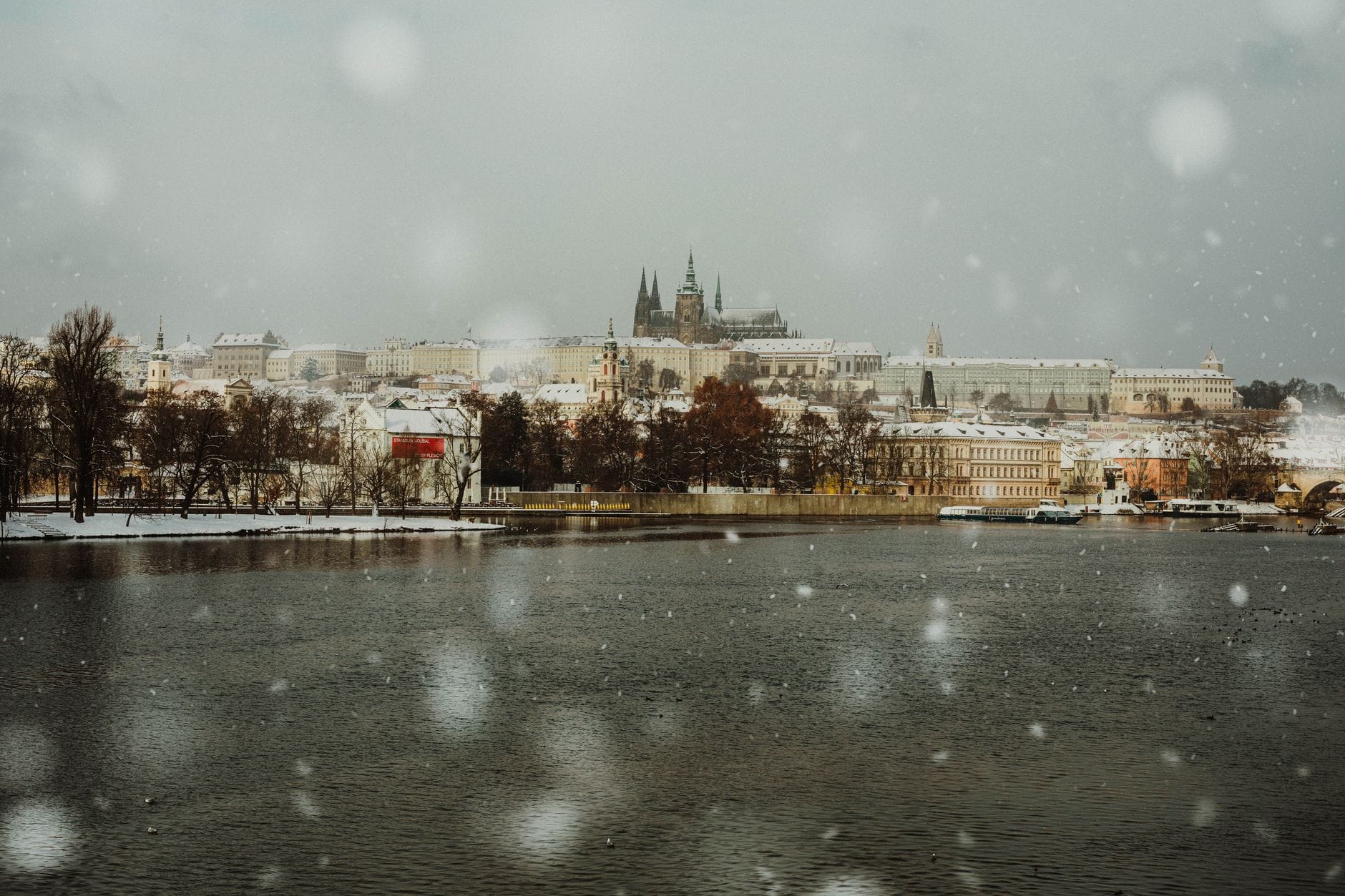
Prague's winter is cold but manageable. Temperatures from December through February average highs of around 3–5°C (37–41°F) and overnight lows of -1 to -2°C (28–30°F), with occasional dips further below freezing during cold snaps. The city sits at roughly 202 metres above sea level in central Bohemia, and wind chill near Prague Castle or along the Vltava riverbank can make it feel meaningfully colder than the thermometer suggests.
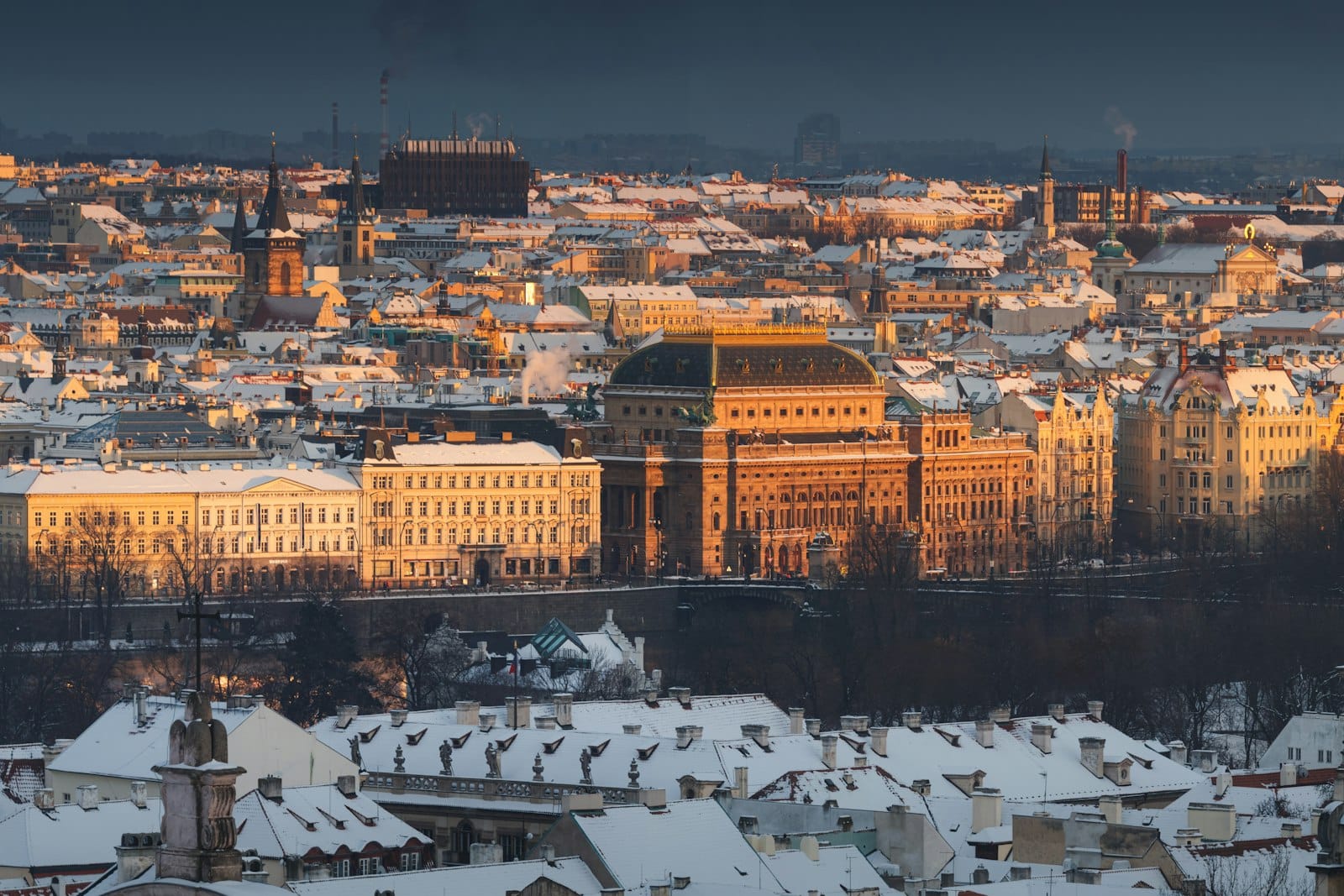
January is statistically the coldest month. December can be surprisingly mild — some years see temperatures hover around 5–8°C through most of the month, which makes wandering the Christmas markets quite comfortable. February tends to be drier than December and often the snowiest month, though even then, snowfall is sporadic. Recent winters have trended toward more slush and overcast skies than picture-postcard snow cover.
ℹ️ Good to know
Snow is not guaranteed in Prague any given winter. Climate patterns have shifted toward shorter, less consistent snowfall. If a snowy Prague is the main draw, you may be disappointed. That said, even a dusting on the Charles Bridge or the Old Town rooftops makes for striking scenery.
Daylight is the bigger practical constraint. In December, the sun sets around 4:00–4:15 PM, giving you perhaps six hours of usable daylight. By mid-February, sunset has pushed back to around 5:30 PM, and the improvement is noticeable. If you're visiting specifically for outdoor photography or rooftop views, this means planning your castle visit or riverside walk for the morning, not after lunch.
Crowds and Costs: The Honest Picture
Prague in summer is genuinely overwhelmed. The narrow streets of Old Town and the Charles Bridge become difficult to navigate at peak hours. Winter fixes this almost completely. Visitor numbers in January and February are significantly lower than the summer peak — some estimates suggest roughly 60% fewer tourists during the quietest weeks. The difference is tangible: you can walk across the Charles Bridge at 9 AM without a crowd, and popular restaurants don't require booking a week ahead.
The exception is the Christmas and New Year period. From late November through the first week of January, Prague attracts a distinct wave of winter tourism, largely driven by the Christmas markets. Hotel prices spike considerably over Christmas Eve, Christmas Day, and New Year's Eve. If your dates are flexible, arriving after January 6th (when the markets close) gives you the city at its quietest and cheapest.
- Late November to early January Christmas market season. Prices higher, especially over Christmas and New Year. Still far fewer crowds than summer.
- January 7 to mid-February The quietest and most affordable window. Cold, short days, minimal tourists. Best for budget travelers and those who want an uncrowded city.
- Mid-February to early March Days lengthen noticeably. Prices remain low. Weather can still be cold but the worst of winter typically passes. A good compromise.
⚠️ What to skip
New Year's Eve in Prague is busy and expensive. Hotels and flights book out months in advance, and prices are significantly higher than surrounding weeks. If you're not specifically there for the celebrations, it's worth avoiding December 30 to January 2 entirely.
What to Wear: Dressing for Prague's Winter Streets
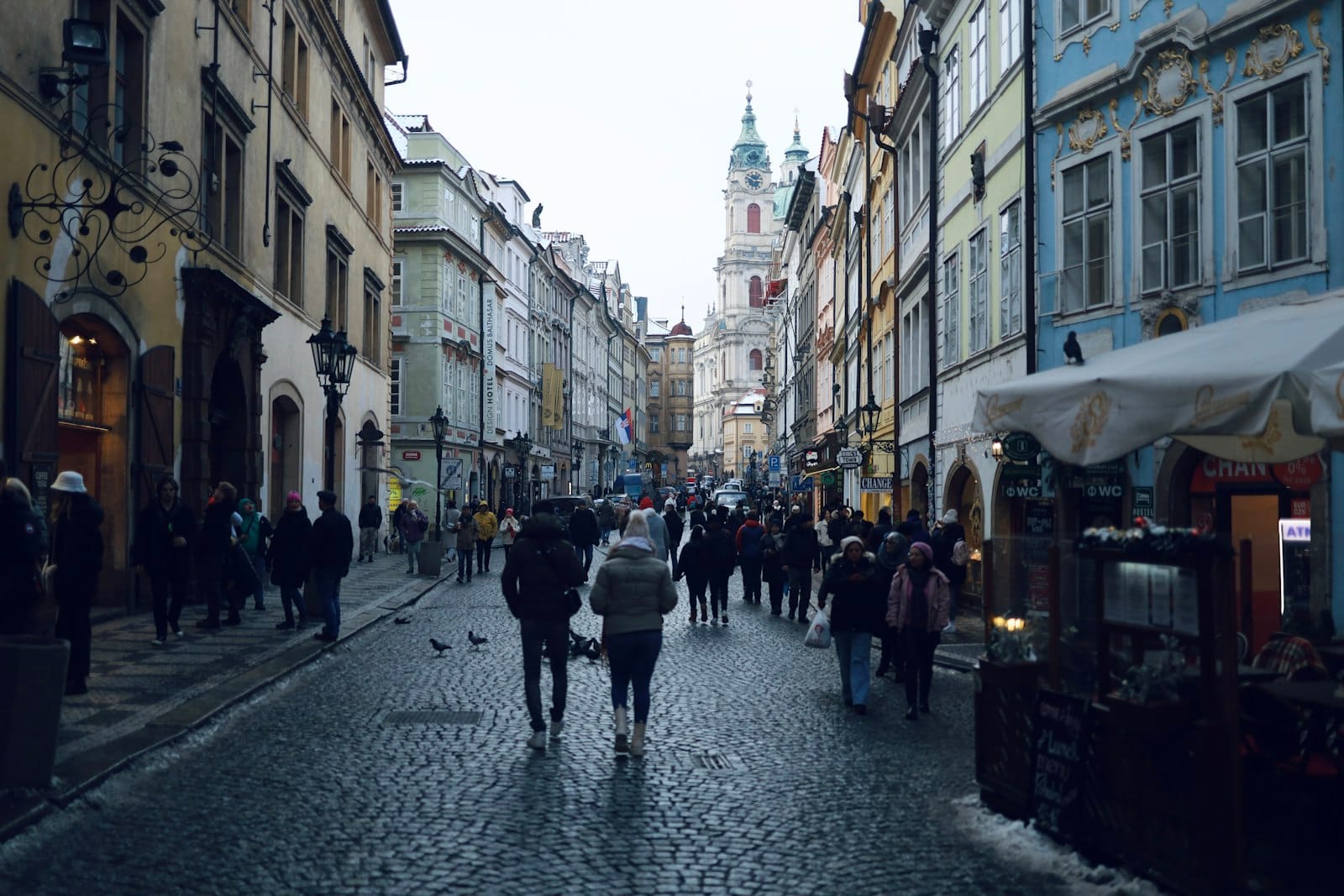
The cobblestone streets of the historic centre are beautiful and genuinely hazardous in winter. When temperatures drop below freezing, the uneven stones ice over quickly and can stay slippery for hours after the temperature rises. This is not a minor inconvenience — it's the most common reason visitors cut days short or end up nursing an ankle.
- Thermal base layer (top and bottom) for any day below 0°C
- Wool or fleece mid-layer — something you can peel off in heated museums
- Insulated, waterproof outer coat rated to at least -5°C
- Hat and gloves are non-negotiable from December through February
- Waterproof boots with proper grip on slippery surfaces — not fashion boots, not sneakers
- Scarf for wind chill near the castle, river, and Letná plateau
✨ Pro tip
Layer up before heading to the Christmas markets, but pack a bag: the mulled wine stalls and heated indoor spaces make you warmer than you expect. Being able to remove your mid-layer without carrying a coat saves a lot of frustration.
What's Open in Winter: Attractions and Schedules
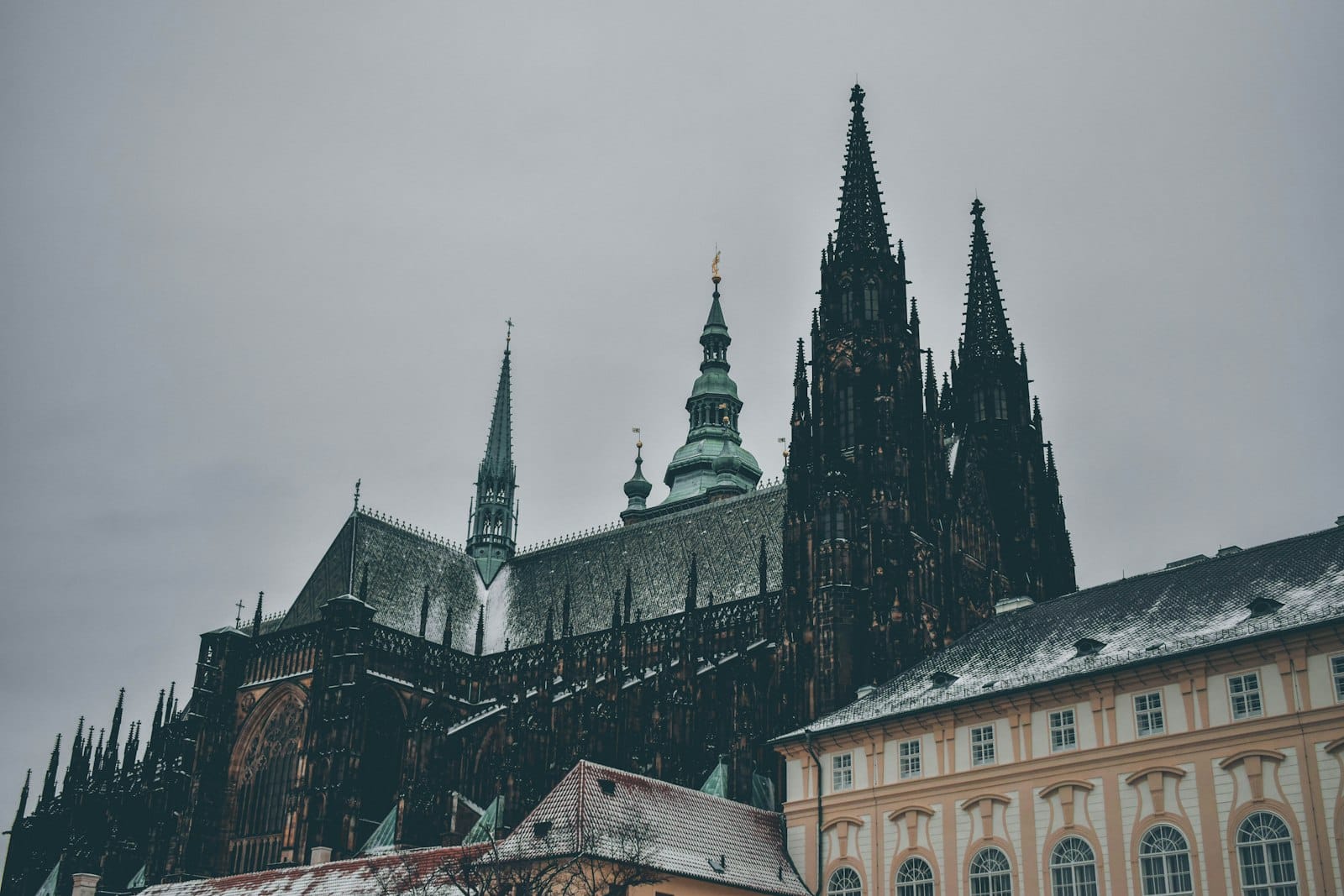
The core misconception about winter in Prague is that major sights close. They don't. Prague Castle and its grounds are open year-round, though the complex operates on slightly shorter winter hours. St. Vitus Cathedral and Golden Lane both remain accessible through the winter months. Always verify current opening hours on the Prague Castle Administration website before your visit, as hours shift by season.
Charles Bridge is open and free to walk at any hour — in winter, the early morning offers both low crowds and the chance of atmospheric mist over the Vltava. The Josefov Jewish Quarter synagogues and the Old Jewish Cemetery maintain winter hours, typically with a slightly earlier closing time. The Jewish Museum in Prague's official site publishes current schedules.
Indoor attractions are genuinely well-suited to winter visits. The Mucha Museum, National Museum, and Museum of Communism are all open and far less crowded than in peak season. These are worth prioritizing during the coldest or darkest afternoons when outdoor sightseeing is less appealing.
- Prague Castle complex Open year-round on winter hours. Grounds accessible for free; individual buildings require tickets. Confirm hours at hrad.cz.
- Old Town Hall Tower and Astronomical Clock Open in winter with reduced hours. The clock performs its hourly show regardless of season.
- Jewish Quarter museums Open with winter schedules; closed on Jewish holidays. Check jewishmuseum.cz for current dates.
- National Museum Open year-round on Wenceslas Square. A good option for a cold afternoon — large collection, well-heated.
- Christmas markets Old Town Square and Wenceslas Square markets typically run late November to January 6. Stalls generally open all day until around 10 PM.
Day Trips in Winter: What Works and What Doesn't
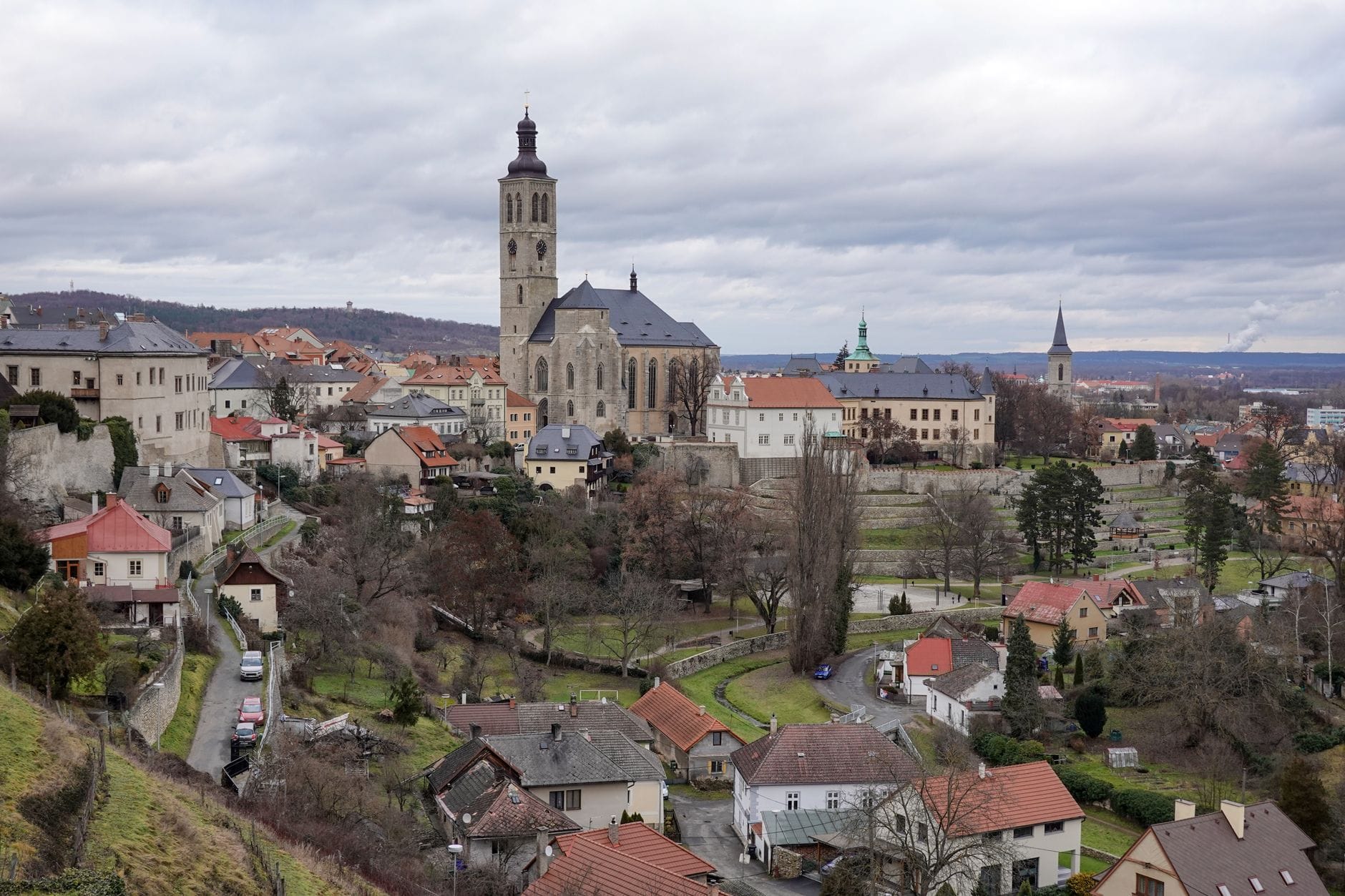
Kutná Hora and its famous Sedlec Ossuary are both accessible year-round by train from Prague's main station (Praha hlavní nádraží), taking around an hour each way. The ossuary itself stays open in winter, though with shorter hours. The town is far less visited than in summer, and the Gothic Cathedral of St. Barbara is worth the trip on its own.
Český Krumlov is a longer journey — roughly three hours by bus or around three to three and a half hours by train — and the castle there operates on significantly reduced winter hours from November through March. The town itself remains charming and very quiet in winter, but if castle access is the main goal, check the official schedule carefully before making the trip. See our full day trips from Prague guide for full logistics on both destinations.
💡 Local tip
Czech Railways (ČD) is the main option for day trips. Book tickets at cd.cz and check timetables in advance — some regional services run less frequently on weekends and public holidays in winter.
Practical Details: Getting Around and Staying Comfortable
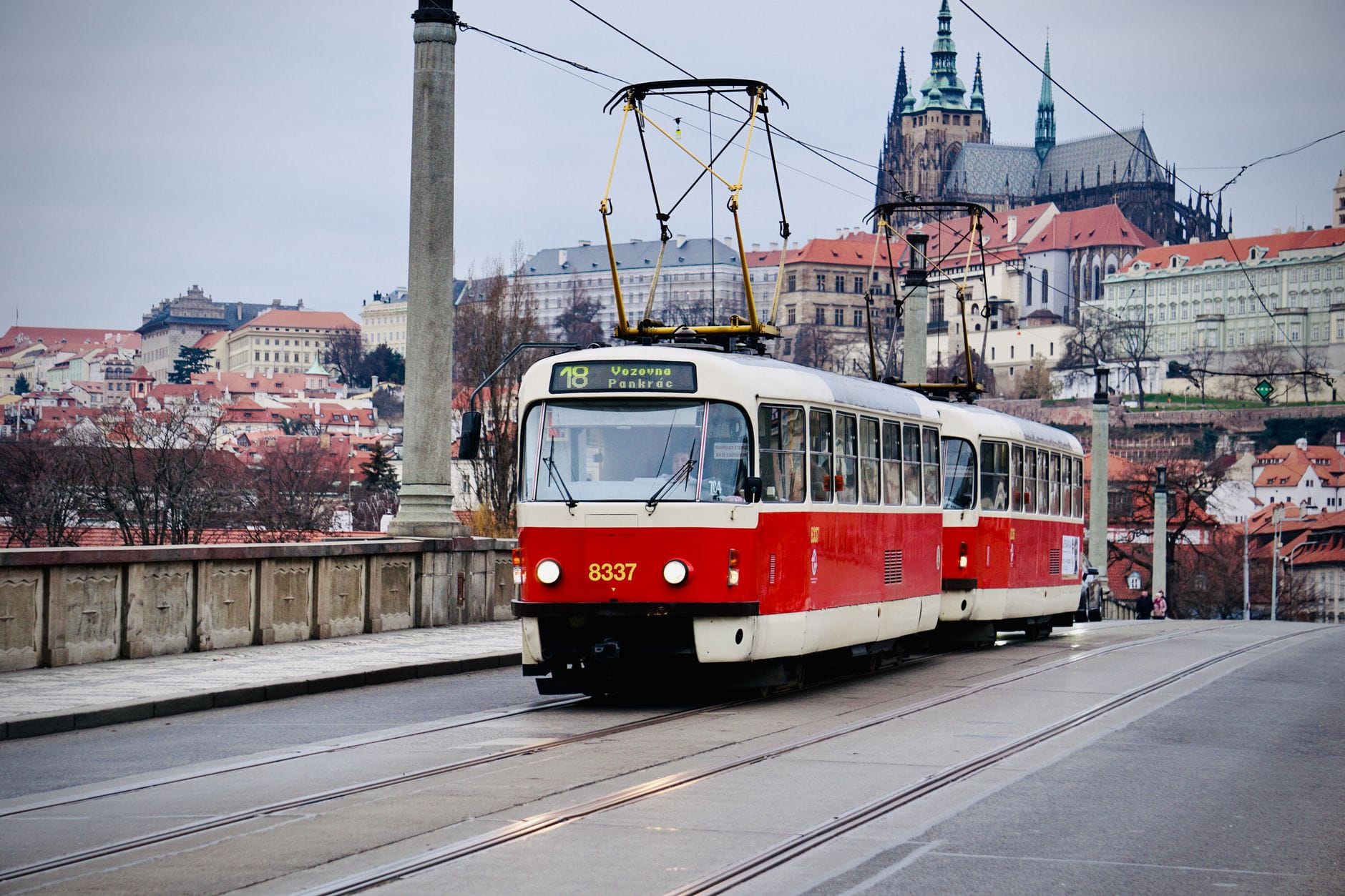
Prague's public transport system (PID: Pražská integrovaná doprava) runs metro, trams, buses, and suburban trains throughout winter without meaningful interruption. Trams are the most useful for central sightseeing — they cover routes the metro doesn't, including Malá Strana and the riverfront. Night trams run on all major lines after the metro closes. Buy tickets from yellow machines at stops or via the PID Lítačka app. Validate before boarding.
If you're staying in the historic centre and visiting all the main sights, you can cover much of Old Town and Malá Strana entirely on foot — the distances between major sights are short. The main transport need in winter is getting to and from the castle district, where a tram up to Pohořelec or Malostranské náměstí saves a steep uphill walk in icy conditions.
The currency is the Czech koruna (CZK). Euros are not legal tender and are generally not accepted, though some tourist-facing shops in the centre may take them at unfavorable rates. ATMs are widely available; pay in CZK and decline dynamic currency conversion. Tap water is safe to drink throughout Prague. Tipping around 10% is standard in restaurants — round up the bill or say the amount when paying rather than leaving cash on the table.
FAQ
Is Prague worth visiting in winter?
Yes, for the right traveler. The crowds are dramatically lower than summer, costs are reduced outside the Christmas period, and the city's Gothic and Baroque architecture looks striking in winter light. The trade-offs are short daylight hours and cold temperatures. If you're comfortable dressing appropriately and adjusting your schedule around an early sunset, Prague in January or February is one of the better times to visit.
Does it snow in Prague in winter?
Snow is possible but not guaranteed. Prague winters are cold and often overcast, but snowfall is sporadic and doesn't always last. Recent winters have seen more slush than sustained snow cover. If you're hoping for a snowy postcard, late January to mid-February offers the best odds — but don't count on it.
When are the Prague Christmas markets open?
The main markets in Old Town Square and Wenceslas Square typically run from late November through January 6 (Epiphany). Stalls are generally open all day until about 10 PM. The markets attract significant tourist numbers, particularly over weekends in December, so expect busier conditions than the rest of the winter season.
What should I wear for winter in Prague?
Layer properly: thermal base layers, a fleece or wool mid-layer, and a waterproof insulated coat. The most critical item is footwear — waterproof boots with solid grip are essential on icy cobblestones. Add a hat, gloves, and scarf for wind chill near the castle and river. Fashion boots and sneakers will be both cold and dangerous.
Are Prague's main attractions open in winter?
Yes. Prague Castle, Charles Bridge, the Jewish Quarter museums, Old Town Hall Tower, and most major museums remain open in winter, typically on slightly shorter hours than summer. Some attractions may close earlier, around 4–5 PM. Always verify current hours on official websites before visiting, particularly over Czech public holidays.