Best Museums in Prague: A Complete Guide
Prague's museum scene stretches far beyond the obvious. This guide covers the city's finest art, history, and specialist museums, from the National Gallery's scattered palaces to underground alchemical laboratories and intimate synagogues that carry centuries of history.
Plan and book this trip
Tools from our partner Travelpayouts help you compare flights and hotels. If you book through them, we may earn a commission at no extra cost to you.
Flights
Hotels map
Prague rewards curious visitors with one of the densest concentrations of museum-worthy sites in Central Europe. The challenge isn't finding good museums — it's knowing which ones deserve your limited time. One practical note before you start planning: the Jewish Quarter synagogues and the National Gallery's collections are spread across multiple buildings in different neighborhoods, so you'll want to cluster visits by area rather than institution. Many museums close on Mondays, and several offer free or discounted admission on Czech national holidays. For a broader sense of how to organize your days, the 3 days in Prague guide maps out a logical sequence. For architecture lovers who want context on what they're seeing inside these buildings, the Prague architecture guide is an essential companion.
Art Museums & Galleries
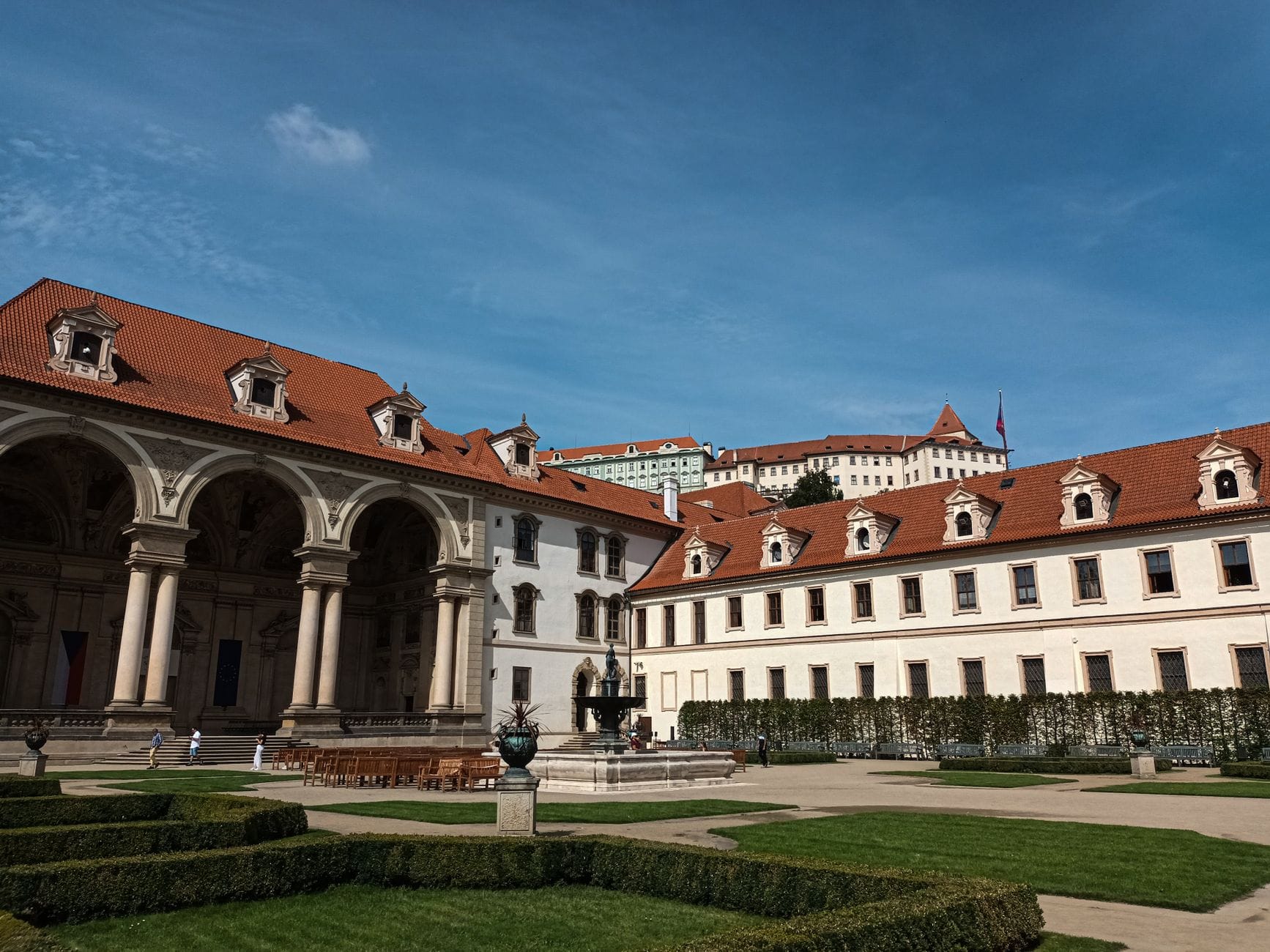
Prague's art museum landscape is anchored by the National Gallery, which operates across several historic palaces — most notably in Hradčany and Holešovice. Each building holds a distinct collection, so treat them as separate destinations rather than one institution.
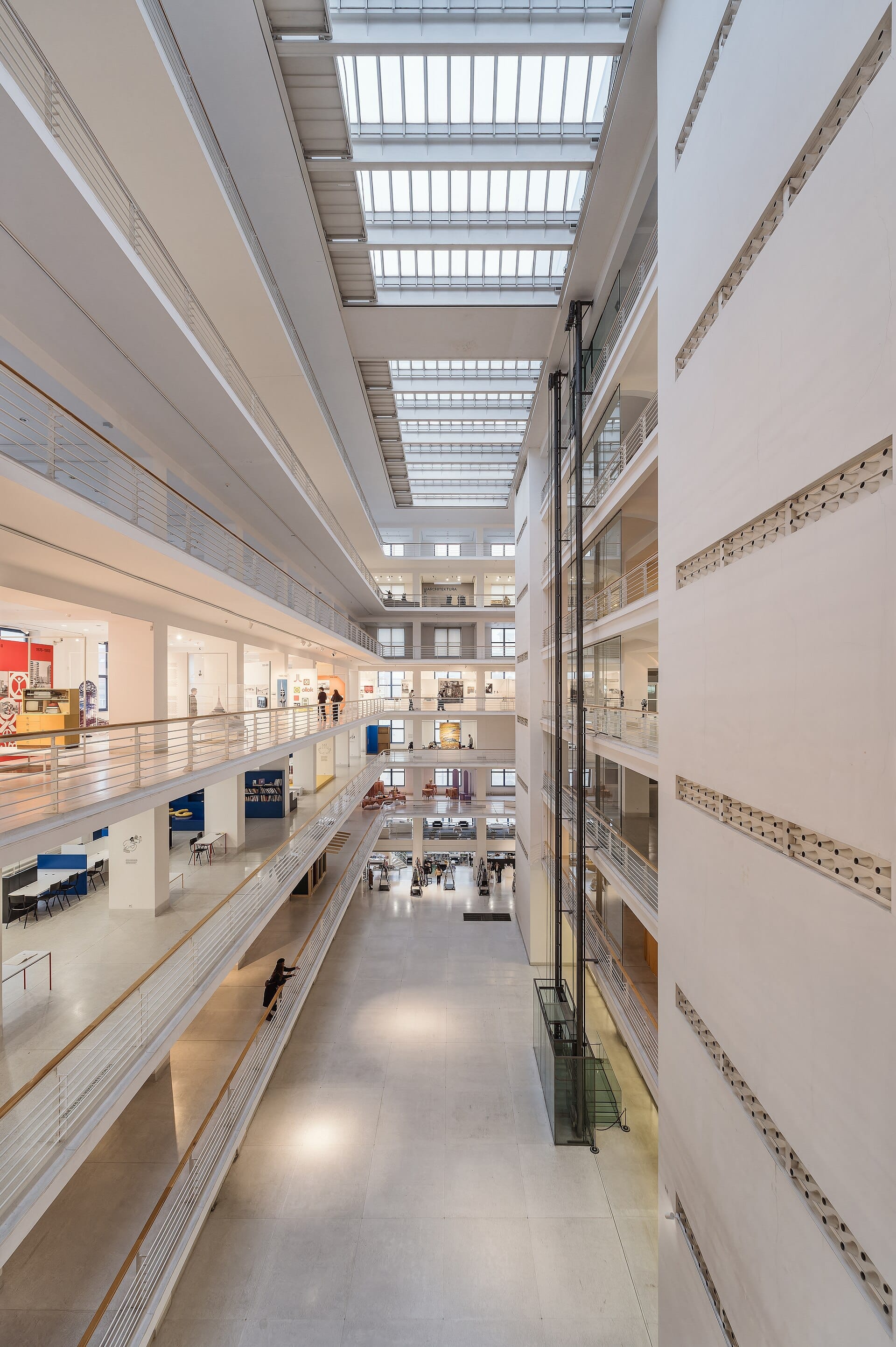
1. See Klimt, Picasso, and Czech Modernism at Veletržní Palace
The largest art museum in the Czech Republic houses the National Gallery's modern and contemporary collections across six floors. Czech masters share space with Klimt, Monet, Schiele, and Picasso. Budget at least two to three hours, and don't miss the Czech interwar work on the upper floors.
Explore1. See Klimt, Picasso, and Czech Modernism at Veletržní Palace
The largest art museum in the Czech Republic houses the National Gallery's modern and contemporary collections across six floors. Czech masters share space with Klimt, Monet, Schiele, and Picasso. Budget at least two to three hours, and don't miss the Czech interwar work on the upper floors.
Explore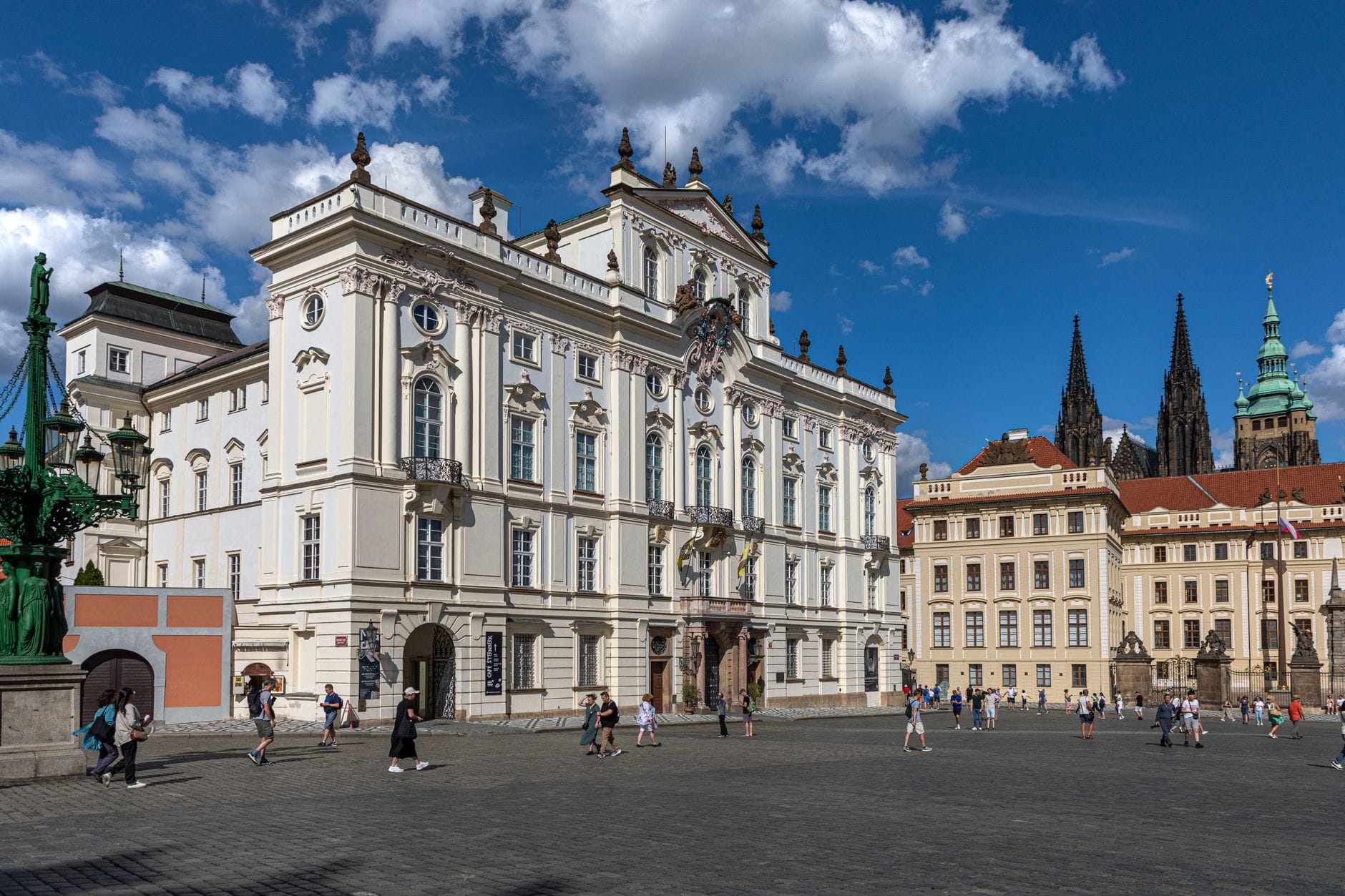
2. Study Old Masters at Sternberg Palace on Hradčany Square
The National Gallery's Old Masters collection at Sternberg Palace includes works by Dürer, Rubens, Rembrandt, El Greco, and Goya — the most significant European painting collection in the Czech Republic. The Baroque palace itself is worth studying before you even step inside.
Explore2. Study Old Masters at Sternberg Palace on Hradčany Square
The National Gallery's Old Masters collection at Sternberg Palace includes works by Dürer, Rubens, Rembrandt, El Greco, and Goya — the most significant European painting collection in the Czech Republic. The Baroque palace itself is worth studying before you even step inside.
Explore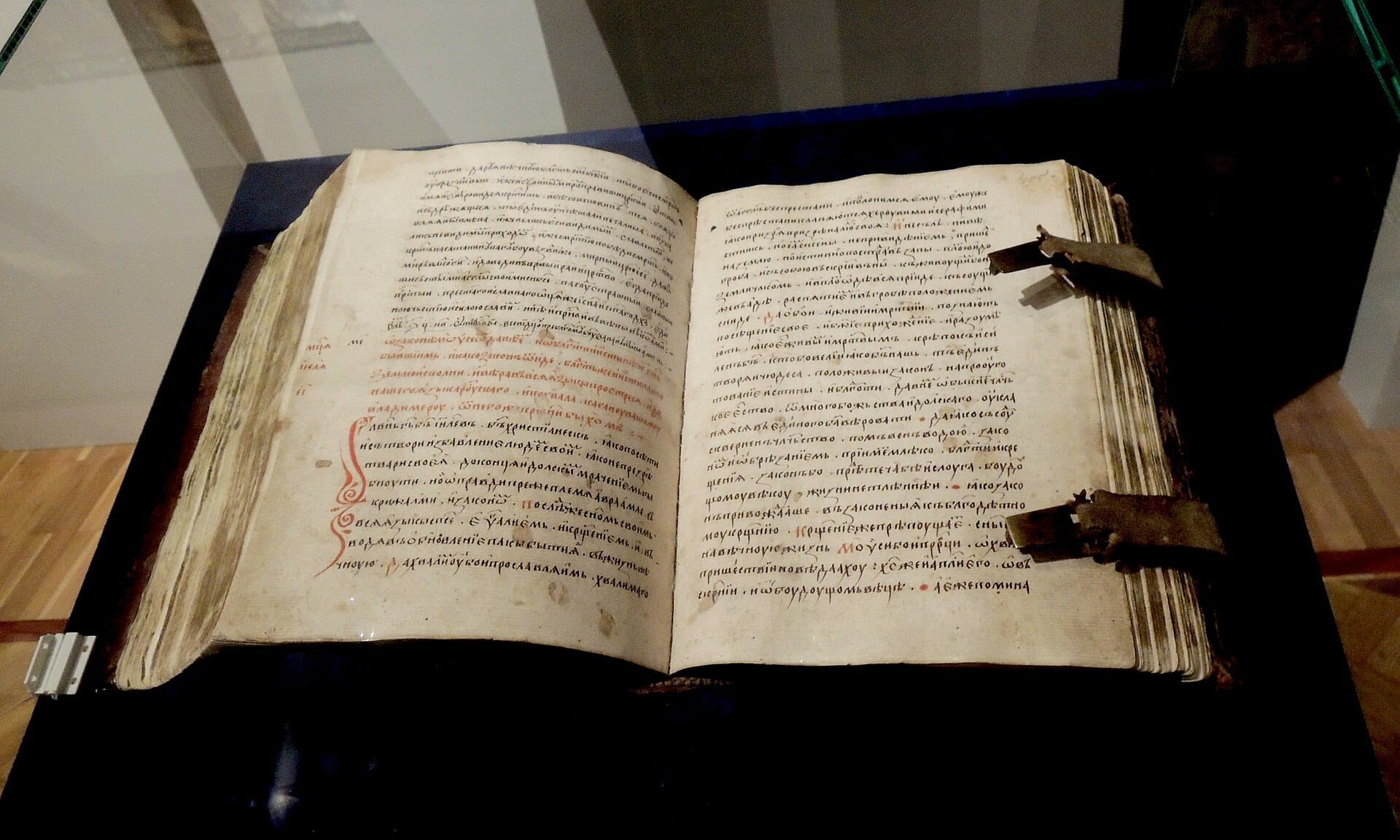
3. Explore Baroque Art in a Renaissance Sgraffito Palace
The Schwarzenberg Palace's sgraffito-decorated façade is one of the most striking Renaissance surfaces in Prague. Inside, the National Gallery's Baroque collection covers Bohemian and Central European masters alongside Rubens and Cranach. It sits directly opposite the Sternberg Palace, making a combined visit easy.
Explore3. Explore Baroque Art in a Renaissance Sgraffito Palace
The Schwarzenberg Palace's sgraffito-decorated façade is one of the most striking Renaissance surfaces in Prague. Inside, the National Gallery's Baroque collection covers Bohemian and Central European masters alongside Rubens and Cranach. It sits directly opposite the Sternberg Palace, making a combined visit easy.
Explore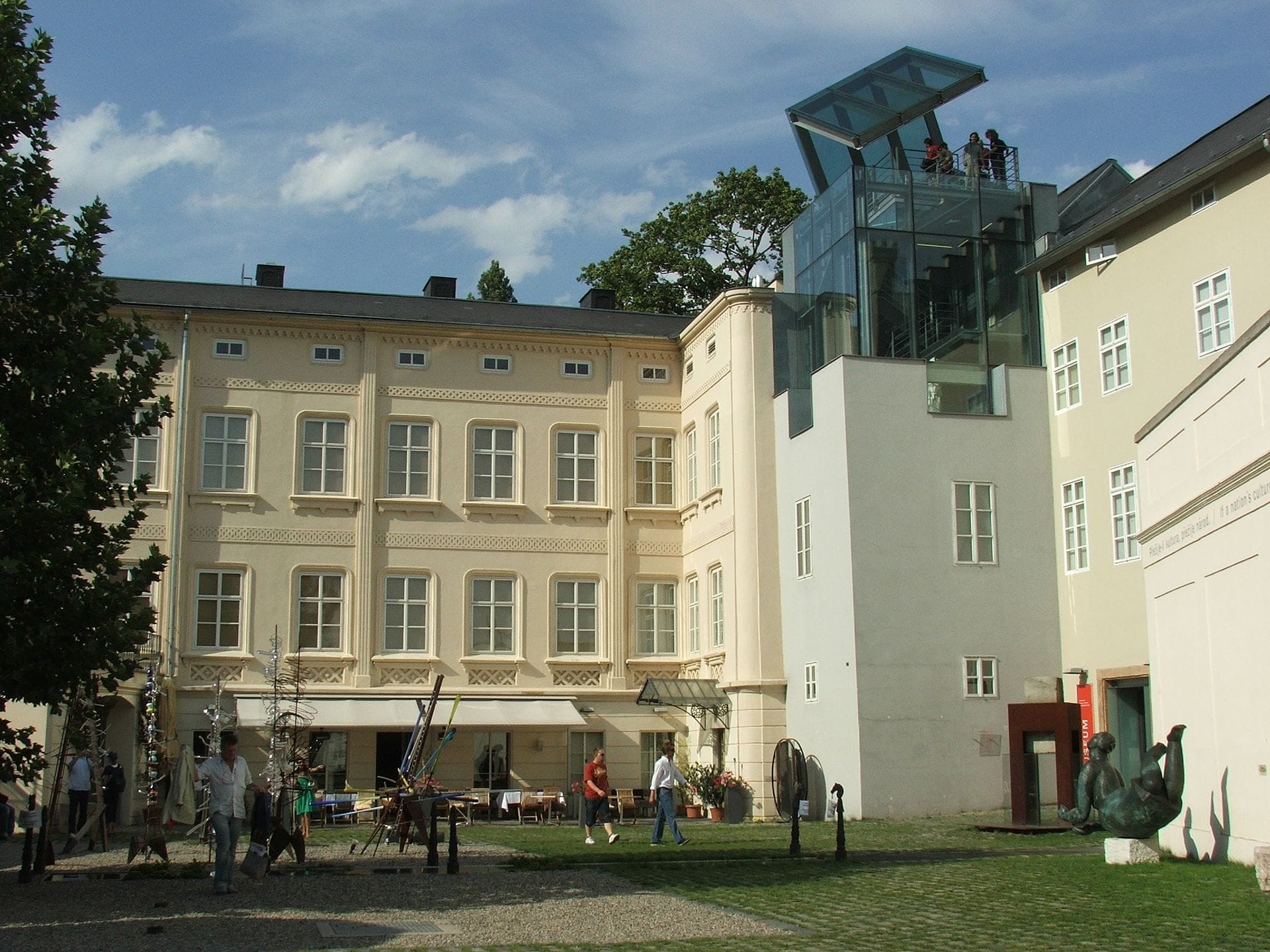
4. Discover Central European Modernism at the Kampa Museum
This converted mill on Kampa Island holds one of the strongest collections of Czech and Central European modern art, centered on František Kupka's abstract work and Otto Gutfreund's sculpture. The riverside sculpture garden with David Černý's Crawling Babies is freely accessible even without a ticket.
Explore4. Discover Central European Modernism at the Kampa Museum
This converted mill on Kampa Island holds one of the strongest collections of Czech and Central European modern art, centered on František Kupka's abstract work and Otto Gutfreund's sculpture. The riverside sculpture garden with David Černý's Crawling Babies is freely accessible even without a ticket.
Explore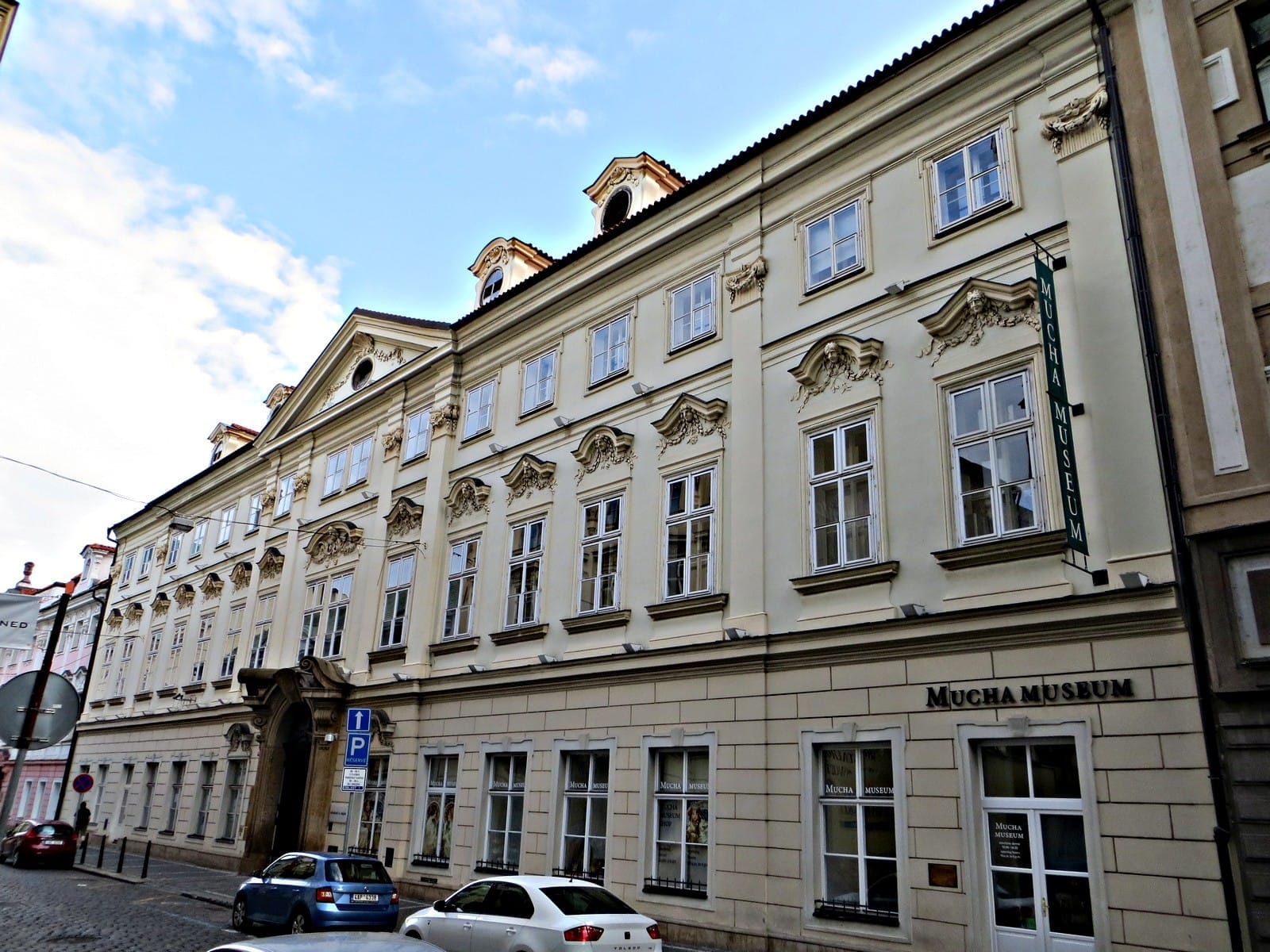
5. Trace Alfons Mucha's Career from Paris Posters to the Slav Epic
This focused New Town museum presents original Mucha posters, paintings, drawings, and personal objects in a coherent narrative arc. It covers his Paris Art Nouveau fame through to his monumental Slav Epic cycle. Plan around 45 minutes and buy tickets in advance to avoid the queue.
Explore5. Trace Alfons Mucha's Career from Paris Posters to the Slav Epic
This focused New Town museum presents original Mucha posters, paintings, drawings, and personal objects in a coherent narrative arc. It covers his Paris Art Nouveau fame through to his monumental Slav Epic cycle. Plan around 45 minutes and buy tickets in advance to avoid the queue.
Explore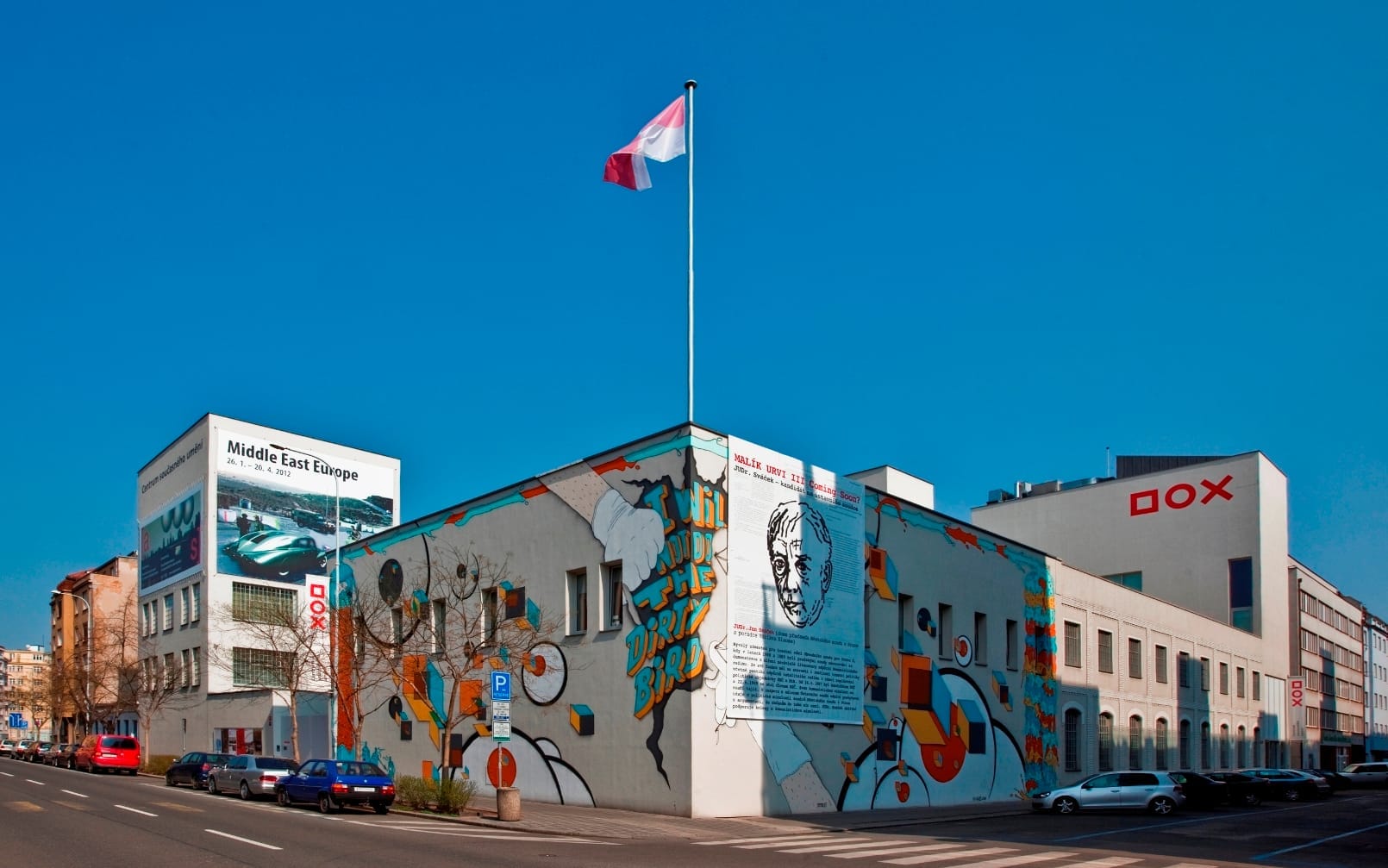
6. Engage with International Contemporary Art at DOX in Holešovice
Prague's most ambitious contemporary art institution occupies a converted Holešovice factory and stages serious international exhibitions alongside Czech and Central European work. The Gulliver airship reading room suspended above the main hall is a visual experience in itself. The bookshop stocks excellent design titles.
Explore6. Engage with International Contemporary Art at DOX in Holešovice
Prague's most ambitious contemporary art institution occupies a converted Holešovice factory and stages serious international exhibitions alongside Czech and Central European work. The Gulliver airship reading room suspended above the main hall is a visual experience in itself. The bookshop stocks excellent design titles.
Explore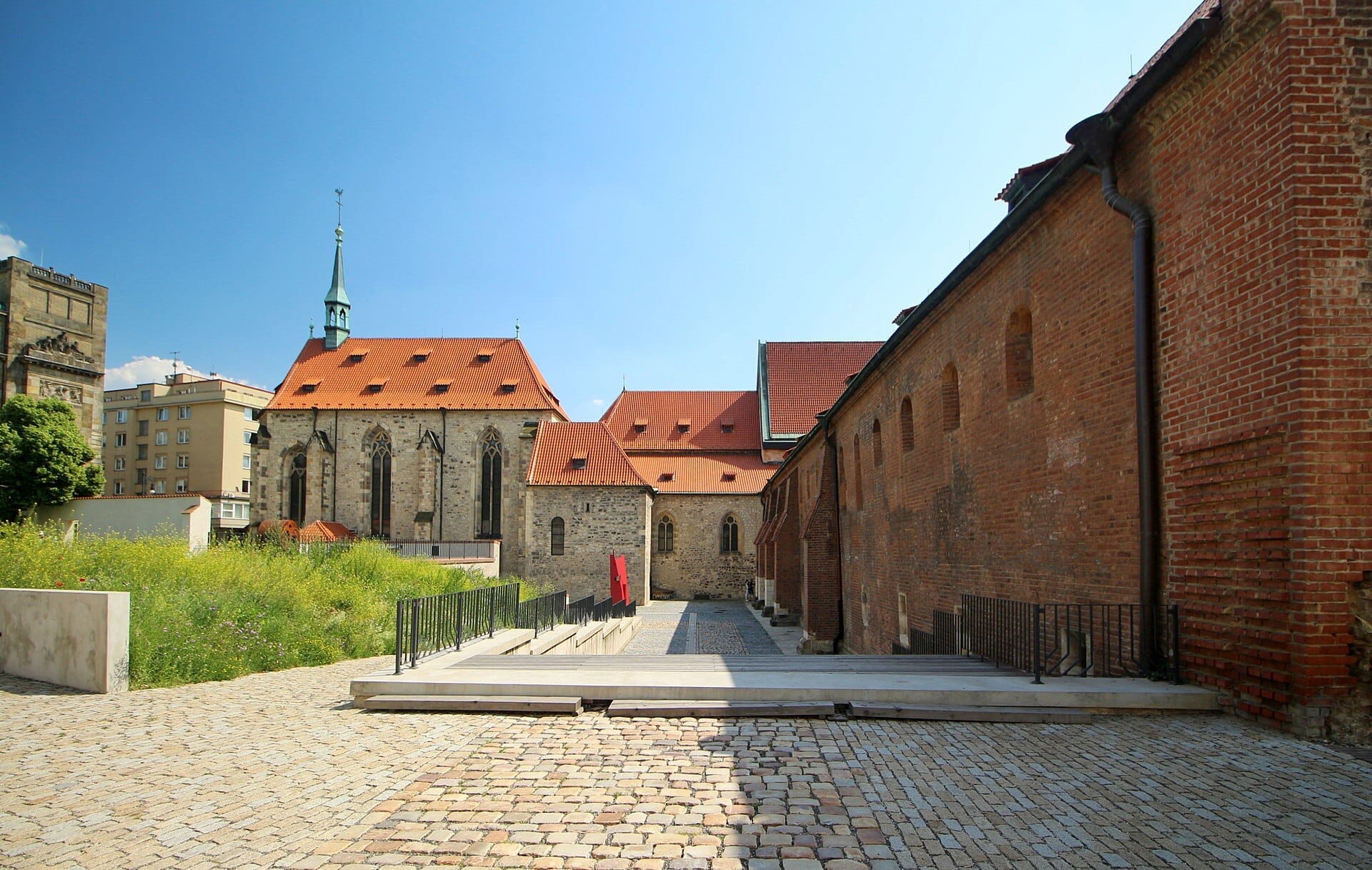
7. See Medieval Bohemian Panel Paintings at St. Agnes Convent
One of the oldest Gothic buildings in Bohemia houses the National Gallery's medieval art collection, including extraordinary Bohemian panel paintings and Gothic sculpture from the 13th to 16th centuries. The cloister garden offers a rare moment of quiet in the heart of Old Town. Allow 60 to 90 minutes.
Explore7. See Medieval Bohemian Panel Paintings at St. Agnes Convent
One of the oldest Gothic buildings in Bohemia houses the National Gallery's medieval art collection, including extraordinary Bohemian panel paintings and Gothic sculpture from the 13th to 16th centuries. The cloister garden offers a rare moment of quiet in the heart of Old Town. Allow 60 to 90 minutes.
ExploreHistory & Specialist Museums
Prague's history museums range from sweeping national narratives to intensely specific collections. The Prague history guide provides useful context before visiting the museums below, particularly for the Communist-era and WWII sites.
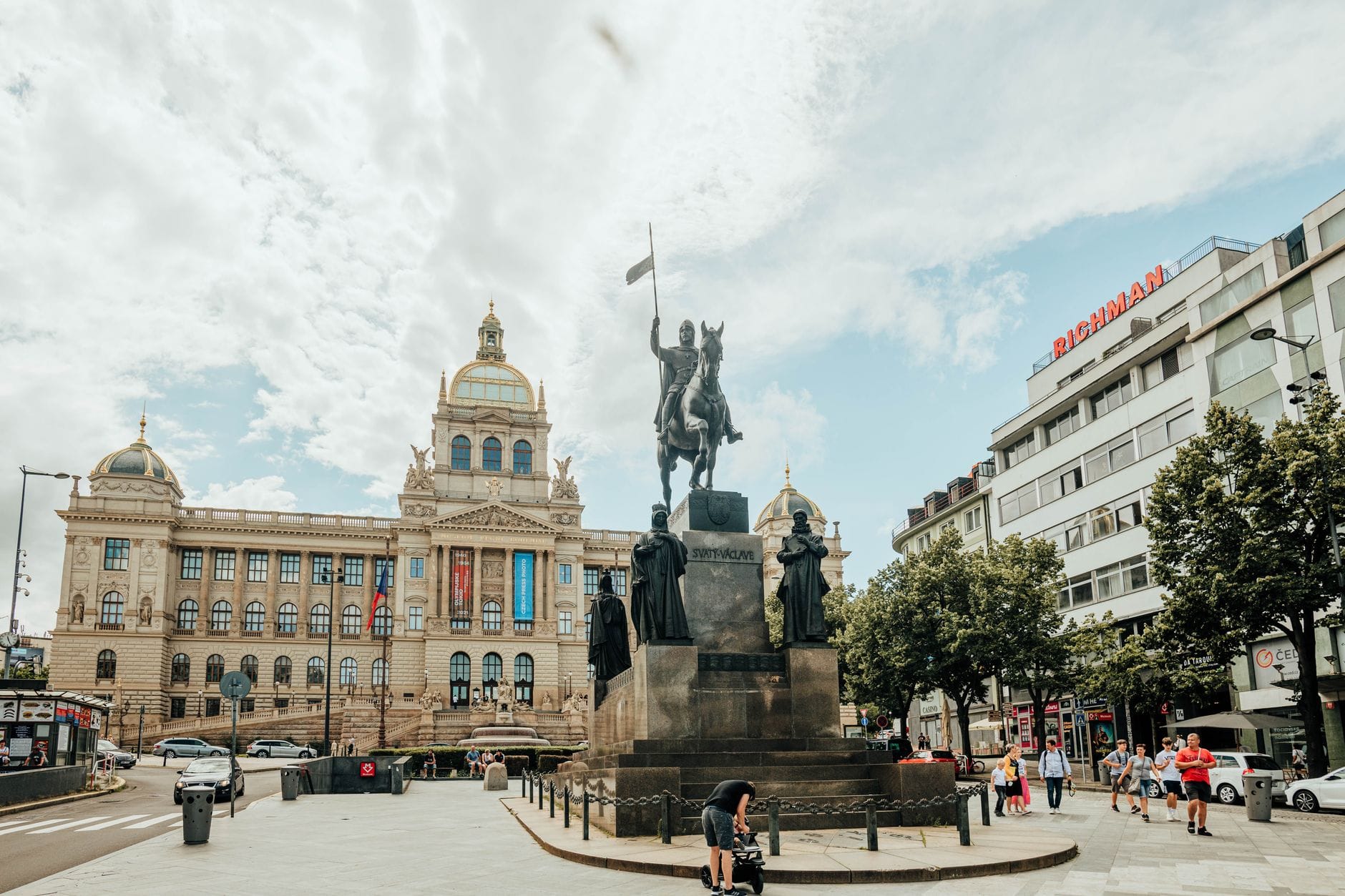
8. Start with Czech History and Natural Science at the National Museum
The restored Neo-Renaissance building at the top of Wenceslas Square houses mineralogy, paleontology, zoology, and Czech cultural history. The Pantheon of Czech luminaries on the main landing is genuinely impressive. A single ticket covers all long-term exhibitions; children under 15 enter free with an adult.
Explore8. Start with Czech History and Natural Science at the National Museum
The restored Neo-Renaissance building at the top of Wenceslas Square houses mineralogy, paleontology, zoology, and Czech cultural history. The Pantheon of Czech luminaries on the main landing is genuinely impressive. A single ticket covers all long-term exhibitions; children under 15 enter free with an adult.
Explore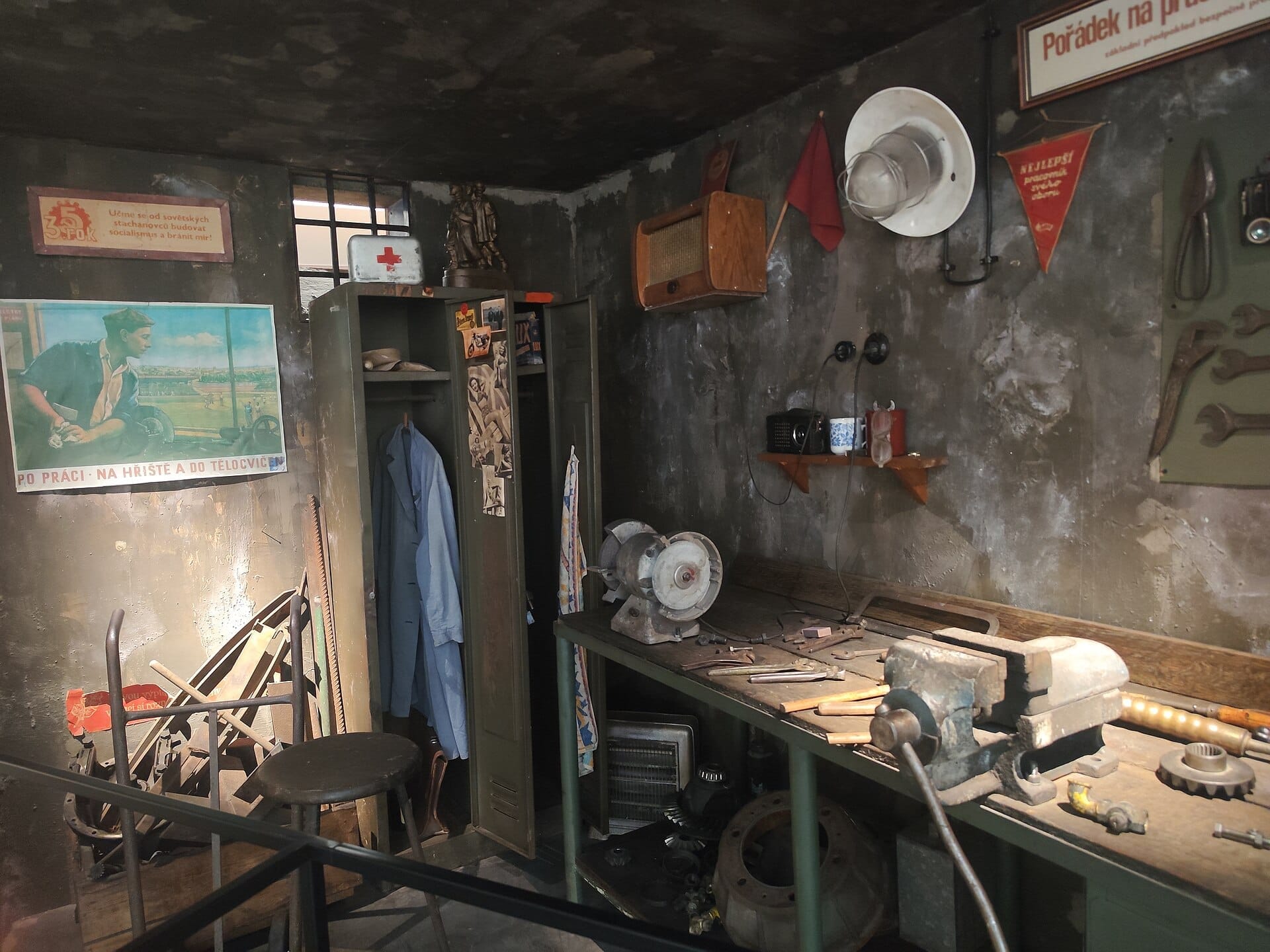
9. Understand Life Behind the Iron Curtain at the Museum of Communism
Authentic artifacts, propaganda posters, reconstructed interiors, and personal testimonies document Czechoslovak life from 1948 to 1989. The museum is small but densely informative, and its location near Wenceslas Square — itself a site of Communist-era protests — adds weight to the experience.
Explore9. Understand Life Behind the Iron Curtain at the Museum of Communism
Authentic artifacts, propaganda posters, reconstructed interiors, and personal testimonies document Czechoslovak life from 1948 to 1989. The museum is small but densely informative, and its location near Wenceslas Square — itself a site of Communist-era protests — adds weight to the experience.
Explore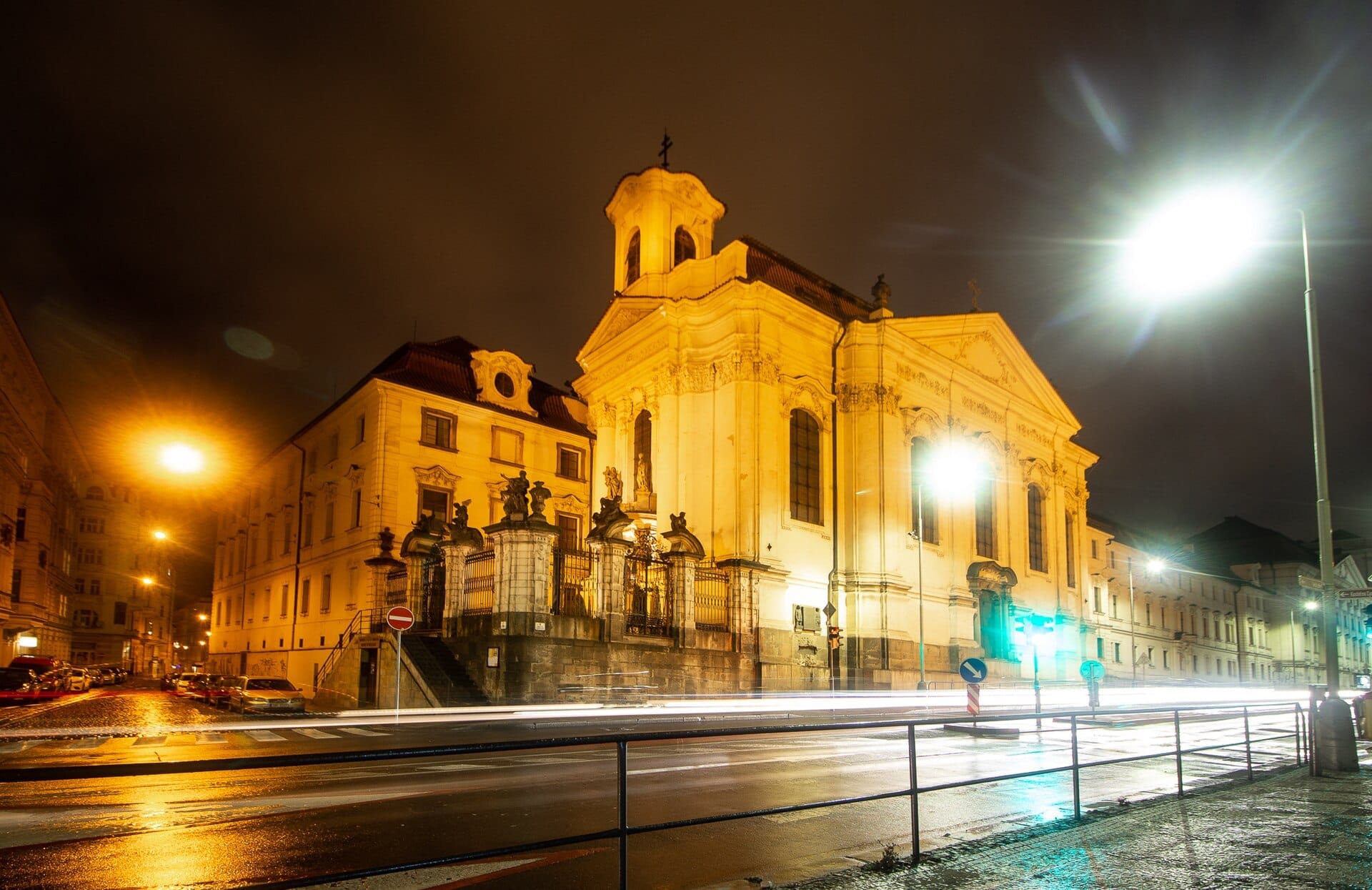
10. Visit the WWII Crypt Where Czech Paratroopers Made Their Last Stand
The crypt beneath this Orthodox cathedral in New Town is preserved exactly as it was in June 1942, when Czech paratroopers who assassinated Reinhard Heydrich made their final stand against the SS. Bullet holes remain in the walls. The small museum above tells the full story of Operation Anthropoid.
Explore10. Visit the WWII Crypt Where Czech Paratroopers Made Their Last Stand
The crypt beneath this Orthodox cathedral in New Town is preserved exactly as it was in June 1942, when Czech paratroopers who assassinated Reinhard Heydrich made their final stand against the SS. Bullet holes remain in the walls. The small museum above tells the full story of Operation Anthropoid.
Explore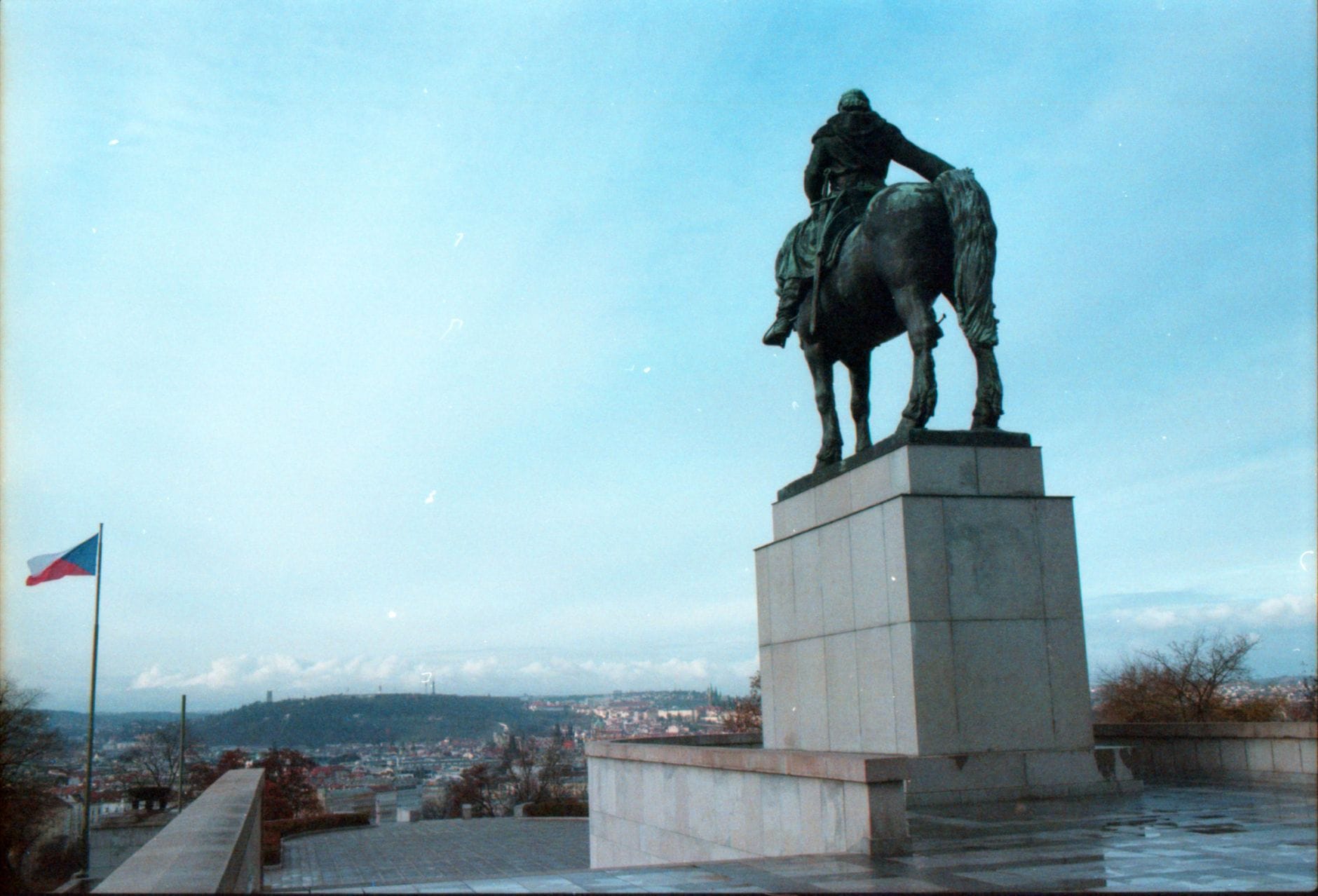
11. Explore 20th-Century Czech History at the Vítkov Memorial
This monumental Art Deco mausoleum in Žižkov covers Czechoslovak Legion history, the interwar republic, Nazi occupation, and Communist rule in a single coherent exhibition. The equestrian statue of Jan Žižka outside is among the largest bronze equestrian statues in the world. Views from the terrace are excellent.
Explore11. Explore 20th-Century Czech History at the Vítkov Memorial
This monumental Art Deco mausoleum in Žižkov covers Czechoslovak Legion history, the interwar republic, Nazi occupation, and Communist rule in a single coherent exhibition. The equestrian statue of Jan Žižka outside is among the largest bronze equestrian statues in the world. Views from the terrace are excellent.
Explore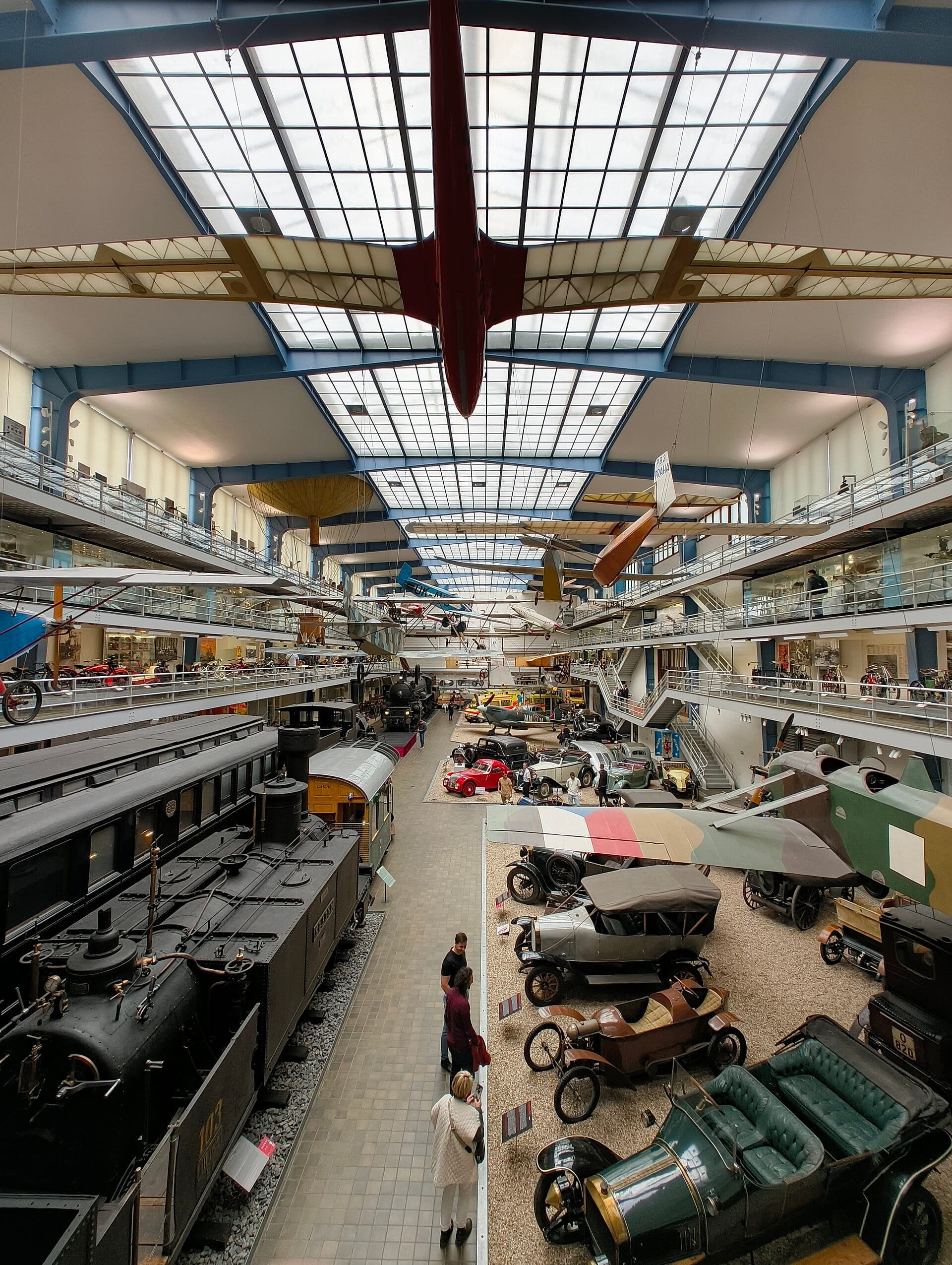
12. Explore Historic Vehicles, Aircraft, and Czech Industrial Ingenuity
The National Technical Museum's main hall, filled with historic locomotives, aircraft, motorcycles, and cars, feels like a cathedral to Czech engineering. The mining gallery, photography collection, and architecture exhibits add real depth. Families with children over six will find it one of the most engaging museums in the city.
Explore12. Explore Historic Vehicles, Aircraft, and Czech Industrial Ingenuity
The National Technical Museum's main hall, filled with historic locomotives, aircraft, motorcycles, and cars, feels like a cathedral to Czech engineering. The mining gallery, photography collection, and architecture exhibits add real depth. Families with children over six will find it one of the most engaging museums in the city.
Explore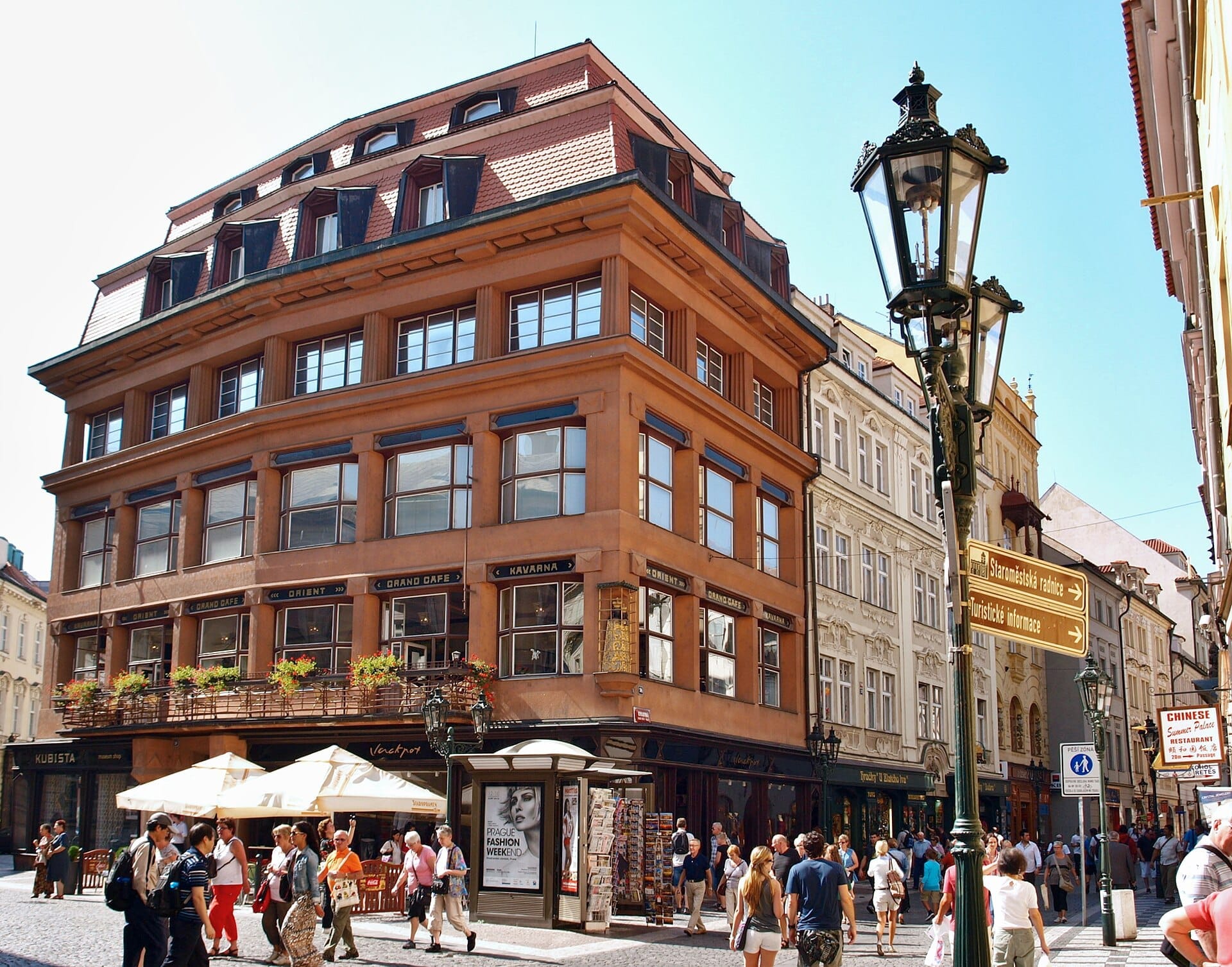
13. See the World's Only Museum Dedicated to Czech Cubism
Josef Gočár's 1912 Cubist building houses the only collection in the world dedicated to Czech Cubism as applied to everyday objects: furniture, ceramics, textiles, and paintings. The building itself is the primary exhibit. The ground-floor Grand Café Orient, a faithful Cubist reconstruction, is worth a coffee stop.
Explore13. See the World's Only Museum Dedicated to Czech Cubism
Josef Gočár's 1912 Cubist building houses the only collection in the world dedicated to Czech Cubism as applied to everyday objects: furniture, ceramics, textiles, and paintings. The building itself is the primary exhibit. The ground-floor Grand Café Orient, a faithful Cubist reconstruction, is worth a coffee stop.
Explore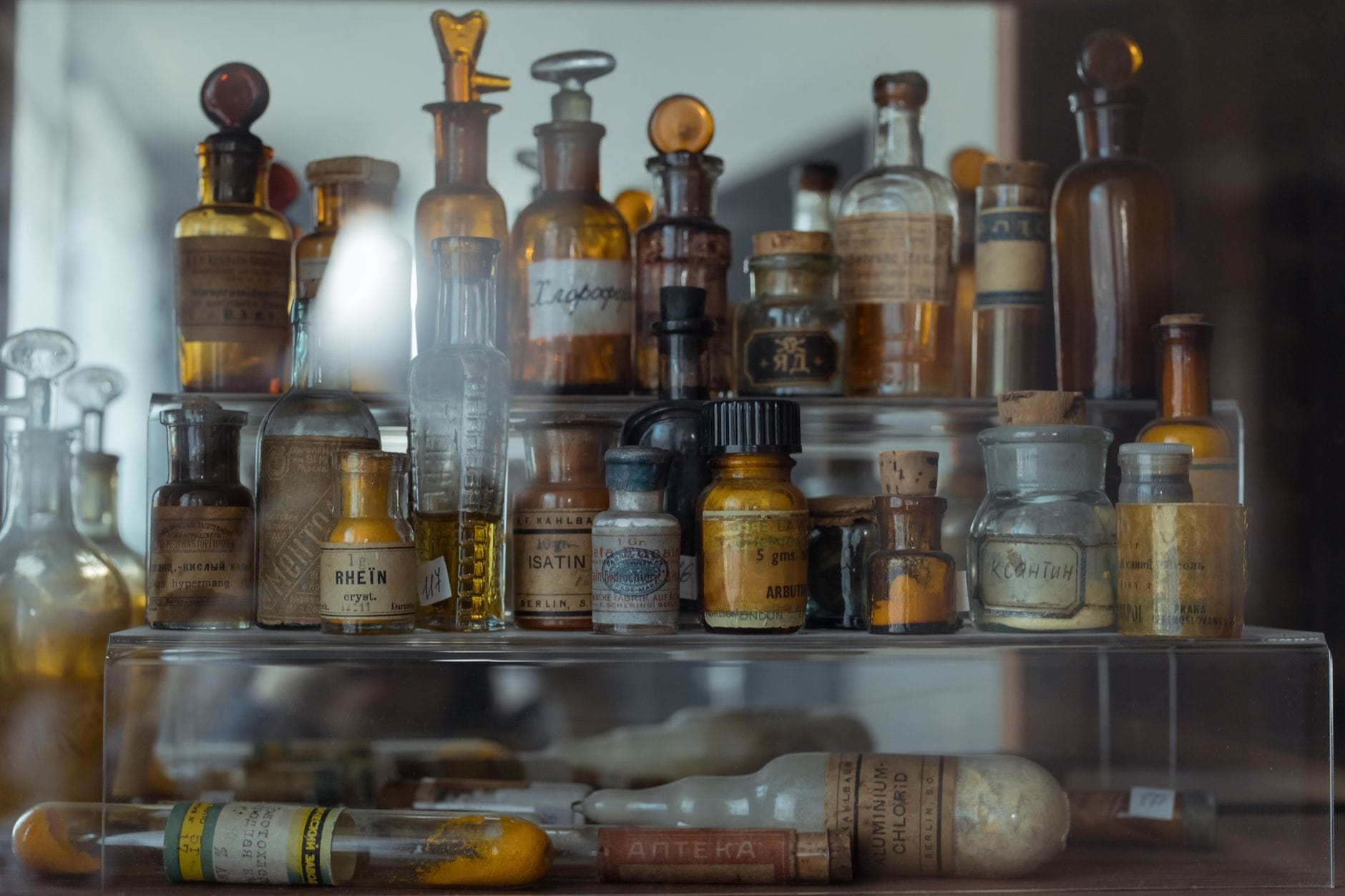
14. Descend into Rudolf II's Alchemical Laboratories Beneath Old Town
Rediscovered during 2002 flood repairs, these Renaissance-era underground laboratories contain original furnaces, distillation equipment, and secret passages used by Rudolf II's court alchemists. Guided tours run regularly and take about 45 minutes. Advance booking is recommended as group sizes are small.
Explore14. Descend into Rudolf II's Alchemical Laboratories Beneath Old Town
Rediscovered during 2002 flood repairs, these Renaissance-era underground laboratories contain original furnaces, distillation equipment, and secret passages used by Rudolf II's court alchemists. Guided tours run regularly and take about 45 minutes. Advance booking is recommended as group sizes are small.
ExplorePrague Castle Museums
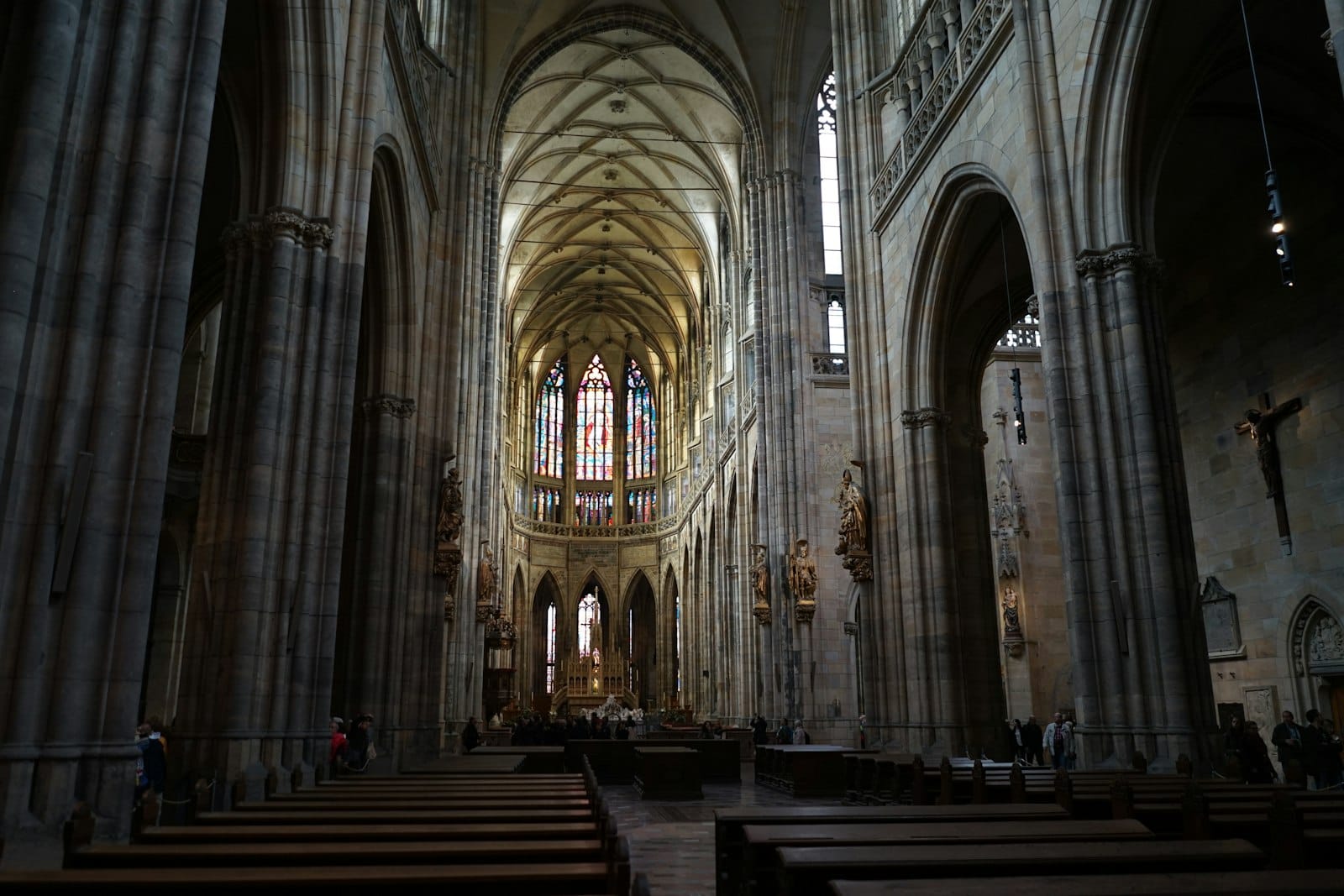
The Prague Castle district concentrates more museum-worthy sites per square kilometer than anywhere else in the city. A single castle circuit ticket covers St. Vitus Cathedral, the Old Royal Palace, St. George's Basilica, and Golden Lane — plan at least half a day for the complex alone.
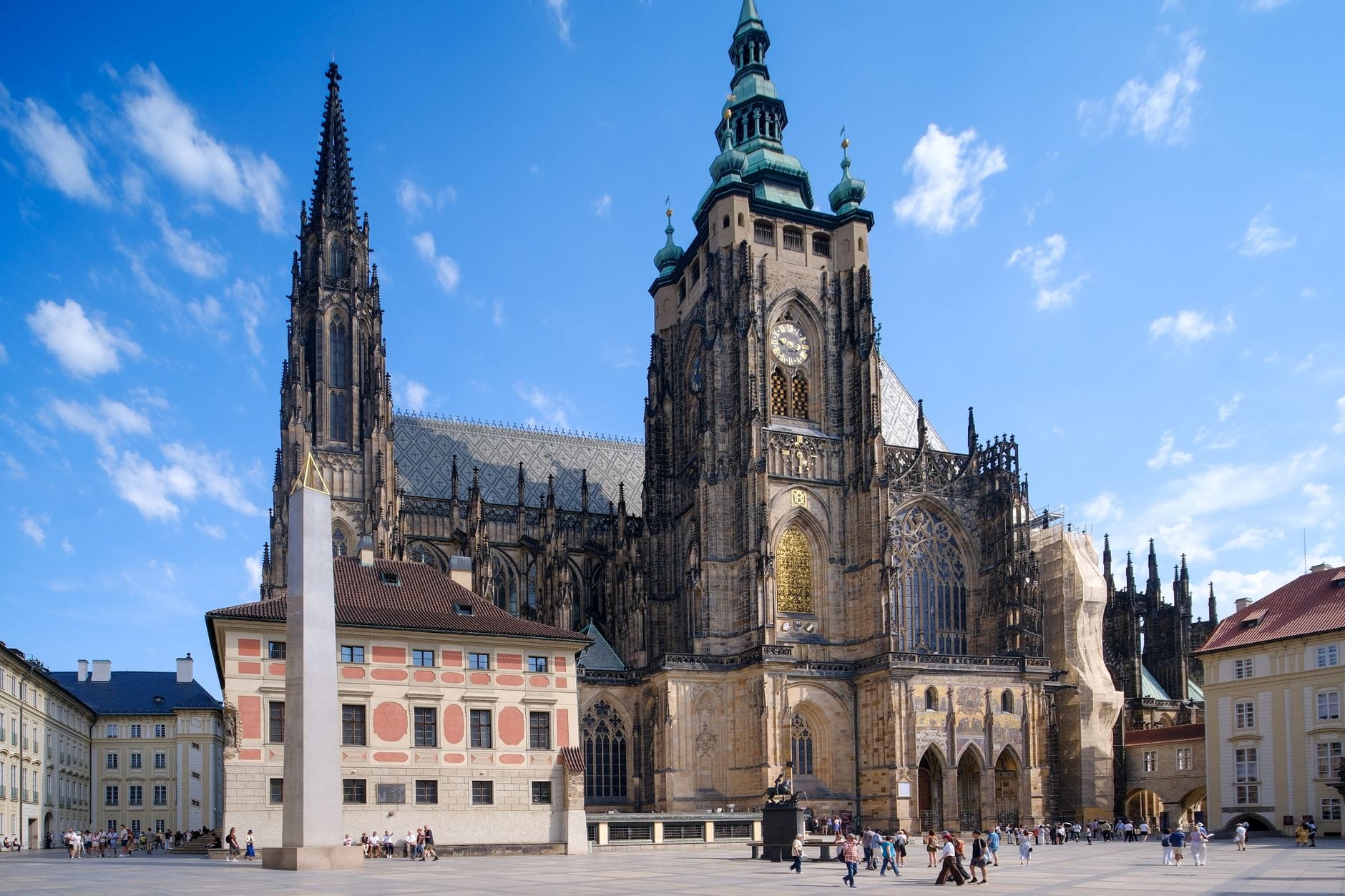
15. Admire Gothic Grandeur and Mucha's Stained Glass in St. Vitus Cathedral
Nearly 600 years in the making, St. Vitus Cathedral houses the Bohemian crown jewels, the tomb of St. Wenceslas, and a Mucha-designed stained glass window in the third chapel on the left. Arrive early or late in the day — midday crowds inside the nave are genuinely dense during peak season.
Explore15. Admire Gothic Grandeur and Mucha's Stained Glass in St. Vitus Cathedral
Nearly 600 years in the making, St. Vitus Cathedral houses the Bohemian crown jewels, the tomb of St. Wenceslas, and a Mucha-designed stained glass window in the third chapel on the left. Arrive early or late in the day — midday crowds inside the nave are genuinely dense during peak season.
Explore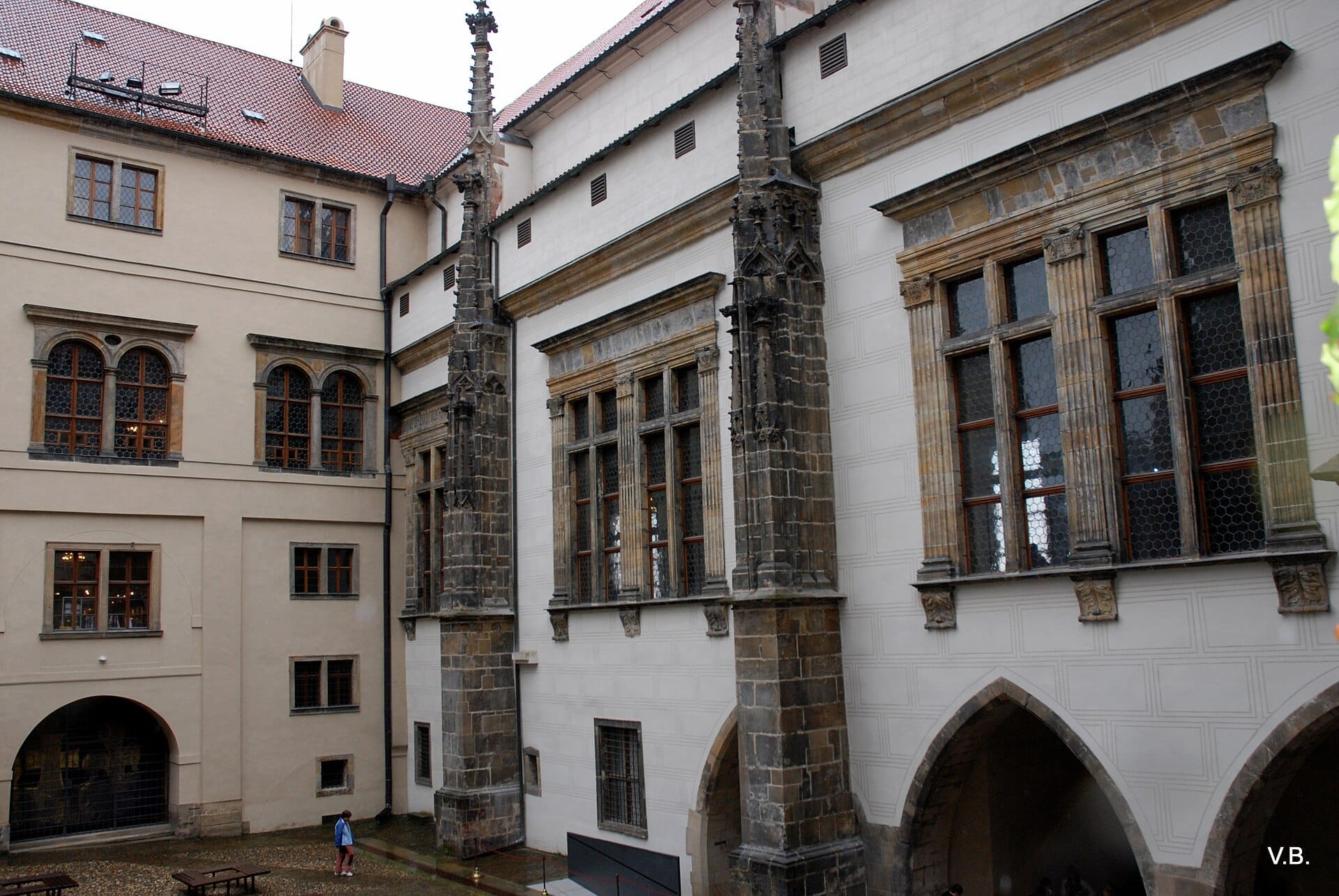
16. Walk Through Vladislav Hall and the Site of the Defenestration of Prague
The Vladislav Hall is one of the largest Gothic secular interiors in Central Europe, large enough that jousting tournaments were held inside. The adjacent Bohemian Chancellery contains the window from which Protestant nobles were thrown in 1618, triggering the Thirty Years' War. Essential for anyone interested in Bohemian history.
Explore16. Walk Through Vladislav Hall and the Site of the Defenestration of Prague
The Vladislav Hall is one of the largest Gothic secular interiors in Central Europe, large enough that jousting tournaments were held inside. The adjacent Bohemian Chancellery contains the window from which Protestant nobles were thrown in 1618, triggering the Thirty Years' War. Essential for anyone interested in Bohemian history.
Explore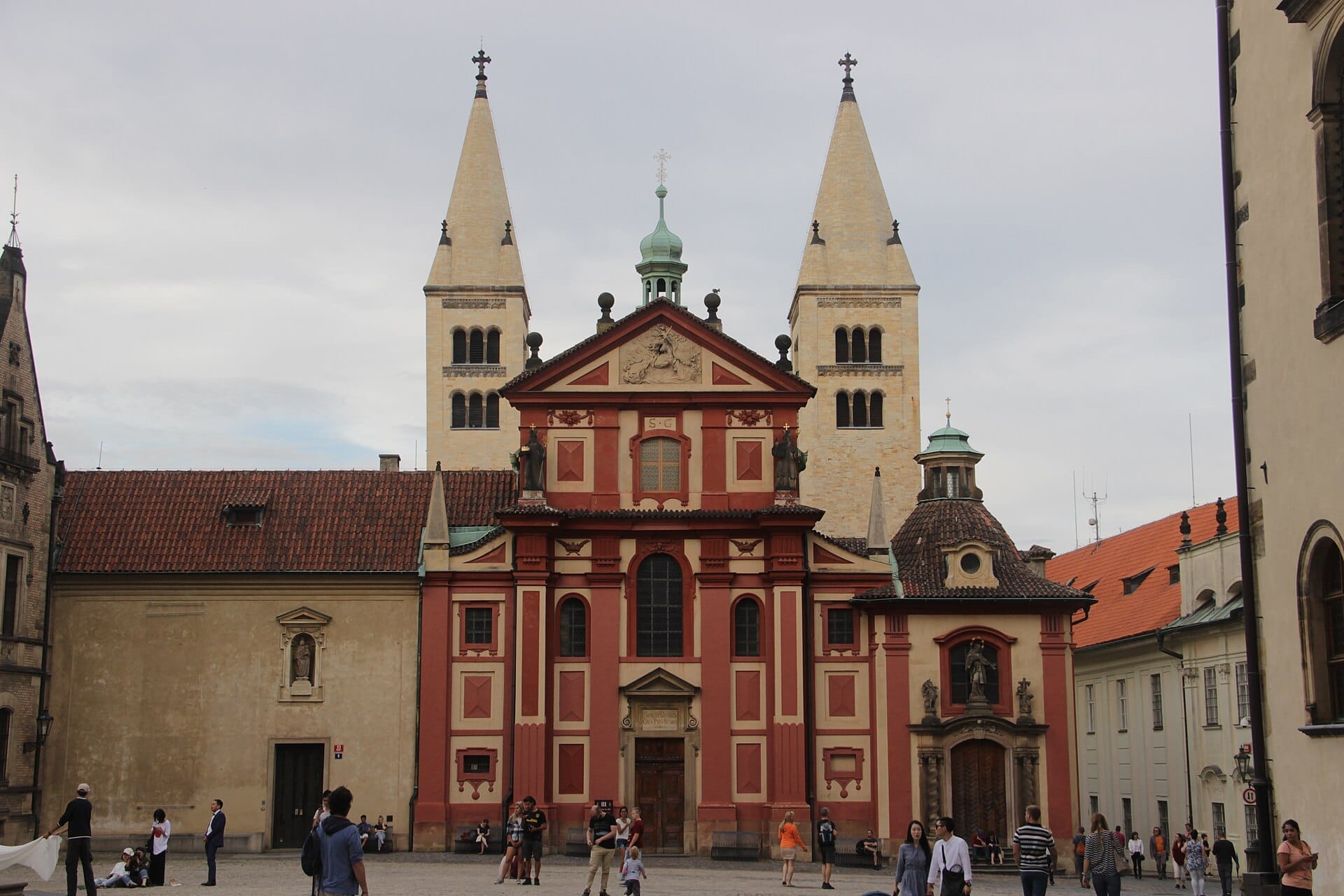
17. Step Inside the Oldest Surviving Church in Prague Castle
Dating to 920 AD, St. George's Basilica preserves a remarkably intact Romanesque interior with painted ceilings and the tomb of St. Ludmila, Bohemia's first Christian martyr. Its austere stone interior provides a striking contrast to the Gothic and Baroque buildings surrounding it in the castle complex.
Explore17. Step Inside the Oldest Surviving Church in Prague Castle
Dating to 920 AD, St. George's Basilica preserves a remarkably intact Romanesque interior with painted ceilings and the tomb of St. Ludmila, Bohemia's first Christian martyr. Its austere stone interior provides a striking contrast to the Gothic and Baroque buildings surrounding it in the castle complex.
Explore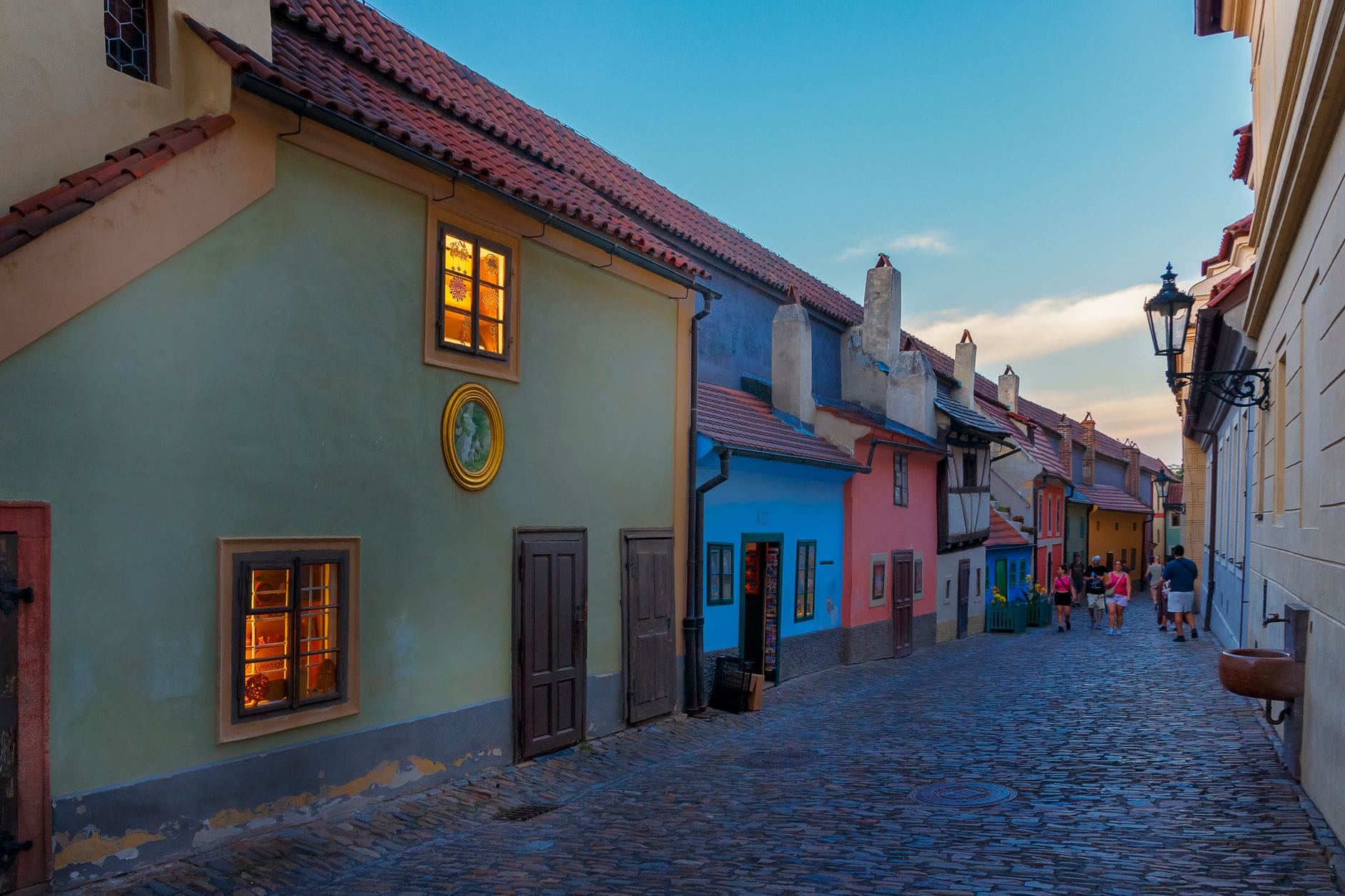
18. Explore Medieval Life in the Tiny Cottages of Golden Lane
These miniature houses built into the castle walls once housed guards and artisans, and briefly Franz Kafka at number 22. Each restored cottage now contains period exhibitions covering different eras of castle life, including armor and weapons displays. Included in the full castle circuit ticket.
Explore18. Explore Medieval Life in the Tiny Cottages of Golden Lane
These miniature houses built into the castle walls once housed guards and artisans, and briefly Franz Kafka at number 22. Each restored cottage now contains period exhibitions covering different eras of castle life, including armor and weapons displays. Included in the full castle circuit ticket.
Explore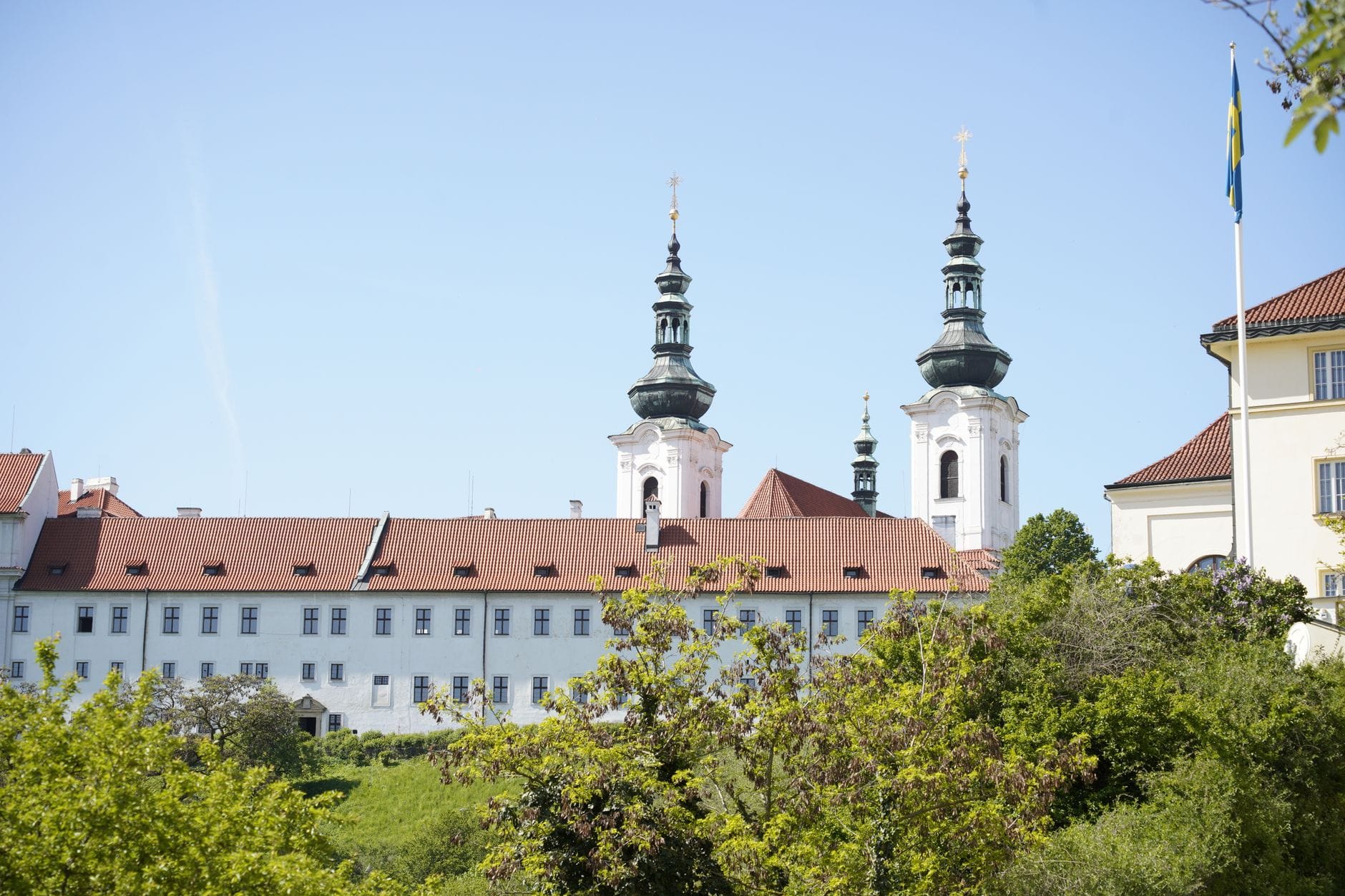
19. See Two of the Most Beautiful Baroque Library Halls in Europe
Strahov's Theological Hall and Philosophical Hall are among the most photographed interiors in Prague: floor-to-ceiling bookshelves, frescoed ceilings, and 17th and 18th-century globes. Photography is permitted from the doorway. The monastery brewery serves its own beer in the restaurant next door.
Explore19. See Two of the Most Beautiful Baroque Library Halls in Europe
Strahov's Theological Hall and Philosophical Hall are among the most photographed interiors in Prague: floor-to-ceiling bookshelves, frescoed ceilings, and 17th and 18th-century globes. Photography is permitted from the doorway. The monastery brewery serves its own beer in the restaurant next door.
Explore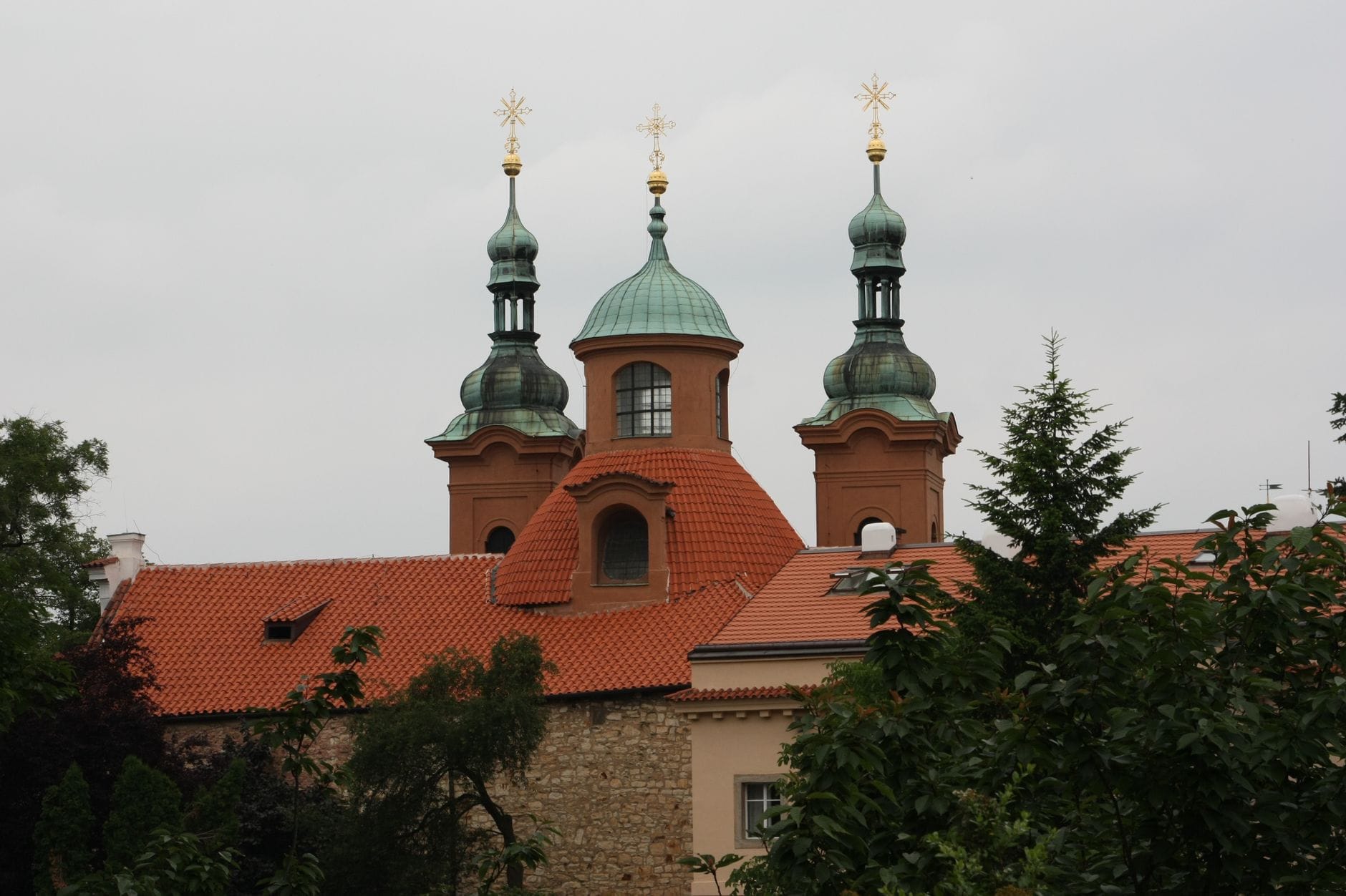
20. Find Baroque Devotion and a Diamond Monstrance at the Loreto
Built around a replica of the Holy House of Nazareth, the Loreto complex is one of Prague's most undervisited treasures. The treasury holds a diamond monstrance set with 6,222 stones, and a carillon of 27 bells plays every hour. Its position just below the castle makes it an easy addition to any castle visit.
Explore20. Find Baroque Devotion and a Diamond Monstrance at the Loreto
Built around a replica of the Holy House of Nazareth, the Loreto complex is one of Prague's most undervisited treasures. The treasury holds a diamond monstrance set with 6,222 stones, and a carillon of 27 bells plays every hour. Its position just below the castle makes it an easy addition to any castle visit.
ExploreJewish Quarter Museums
The synagogues of Josefov collectively form the Jewish Museum in Prague, one of the most important Jewish heritage sites in Europe. A combined ticket covers the Maisel, Pinkas, Spanish, and Old-New synagogues, the Old Jewish Cemetery, and the Ceremonial Hall. See the dedicated Prague Jewish Quarter guide for a full walkthrough of how to approach this area.
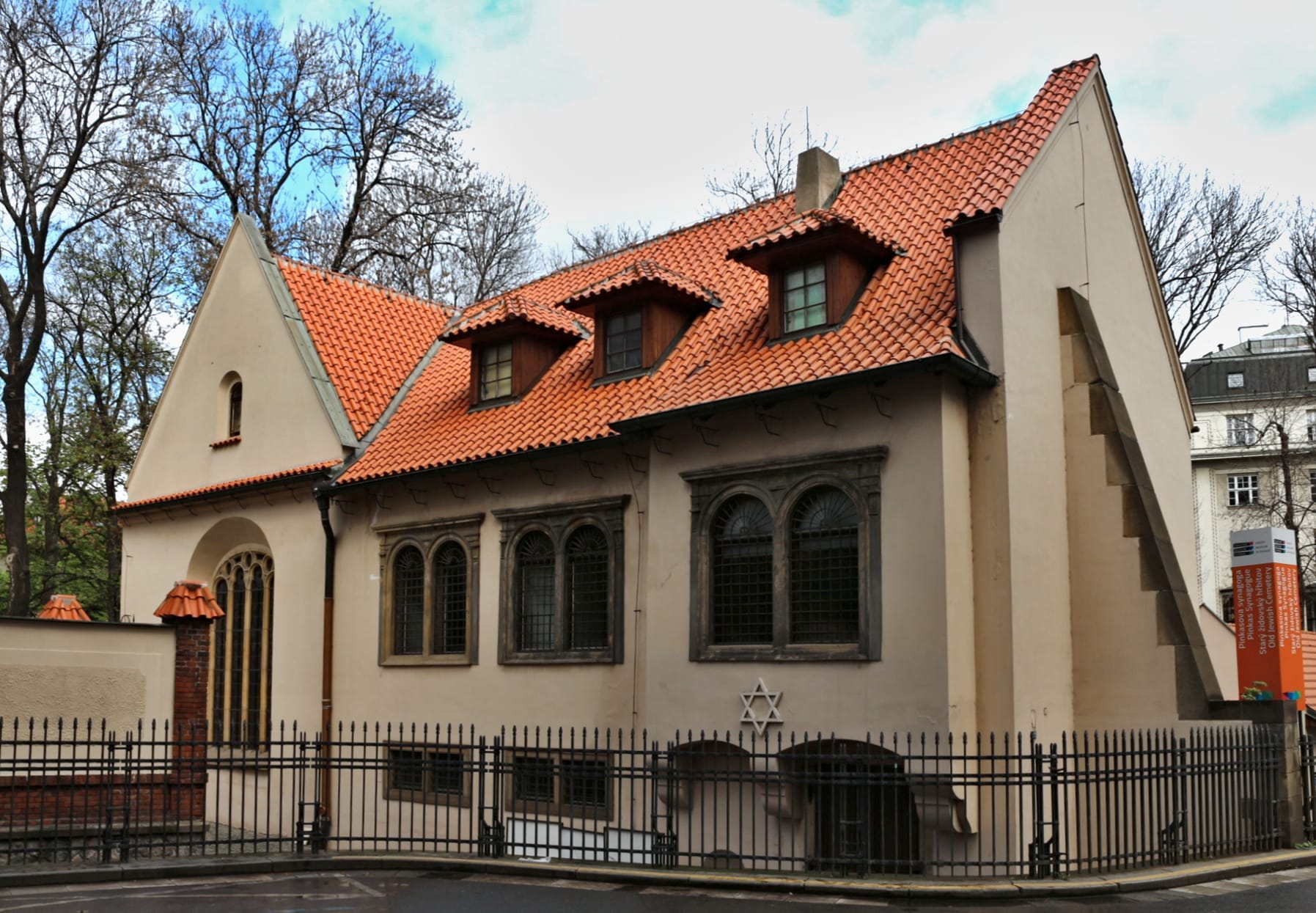
21. Read 77,297 Names at the Holocaust Memorial in Pinkas Synagogue
Every wall of the Pinkas Synagogue interior is inscribed with the names of Bohemian and Moravian Jewish Holocaust victims. The upper floor displays drawings made by children imprisoned at Terezín. It is the most emotionally demanding site in Prague's Jewish Quarter and requires quiet, unhurried time.
Explore21. Read 77,297 Names at the Holocaust Memorial in Pinkas Synagogue
Every wall of the Pinkas Synagogue interior is inscribed with the names of Bohemian and Moravian Jewish Holocaust victims. The upper floor displays drawings made by children imprisoned at Terezín. It is the most emotionally demanding site in Prague's Jewish Quarter and requires quiet, unhurried time.
Explore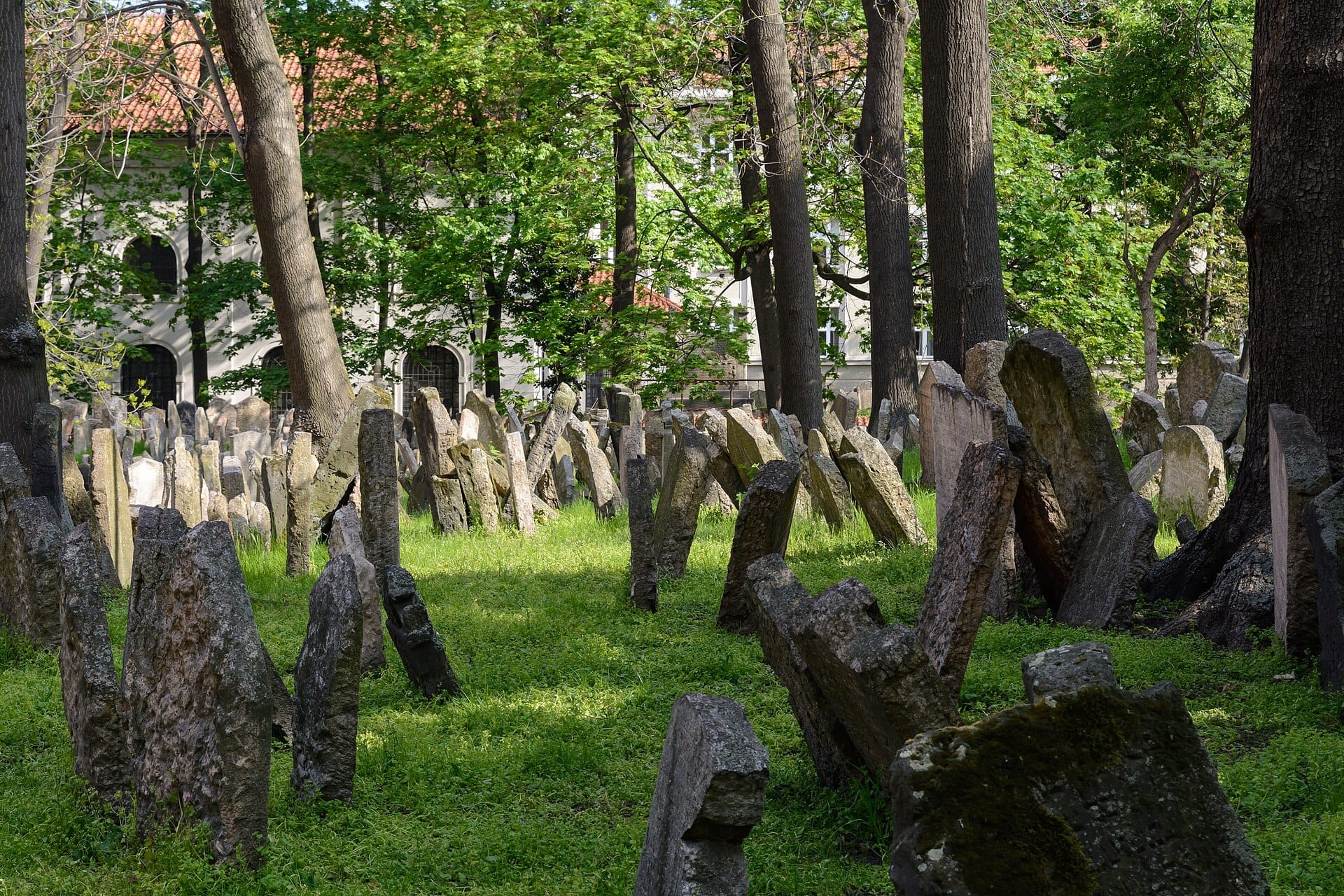
22. Walk Among 500 Years of Layered History in the Old Jewish Cemetery
Over 12,000 tombstones are layered up to 12 deep in this small cemetery, the result of centuries of burials in a space the Jewish community was not permitted to expand. The oldest grave dates to 1439. Rabbi Loew's tomb is still covered in small stones and paper notes left by visitors.
Explore22. Walk Among 500 Years of Layered History in the Old Jewish Cemetery
Over 12,000 tombstones are layered up to 12 deep in this small cemetery, the result of centuries of burials in a space the Jewish community was not permitted to expand. The oldest grave dates to 1439. Rabbi Loew's tomb is still covered in small stones and paper notes left by visitors.
Explore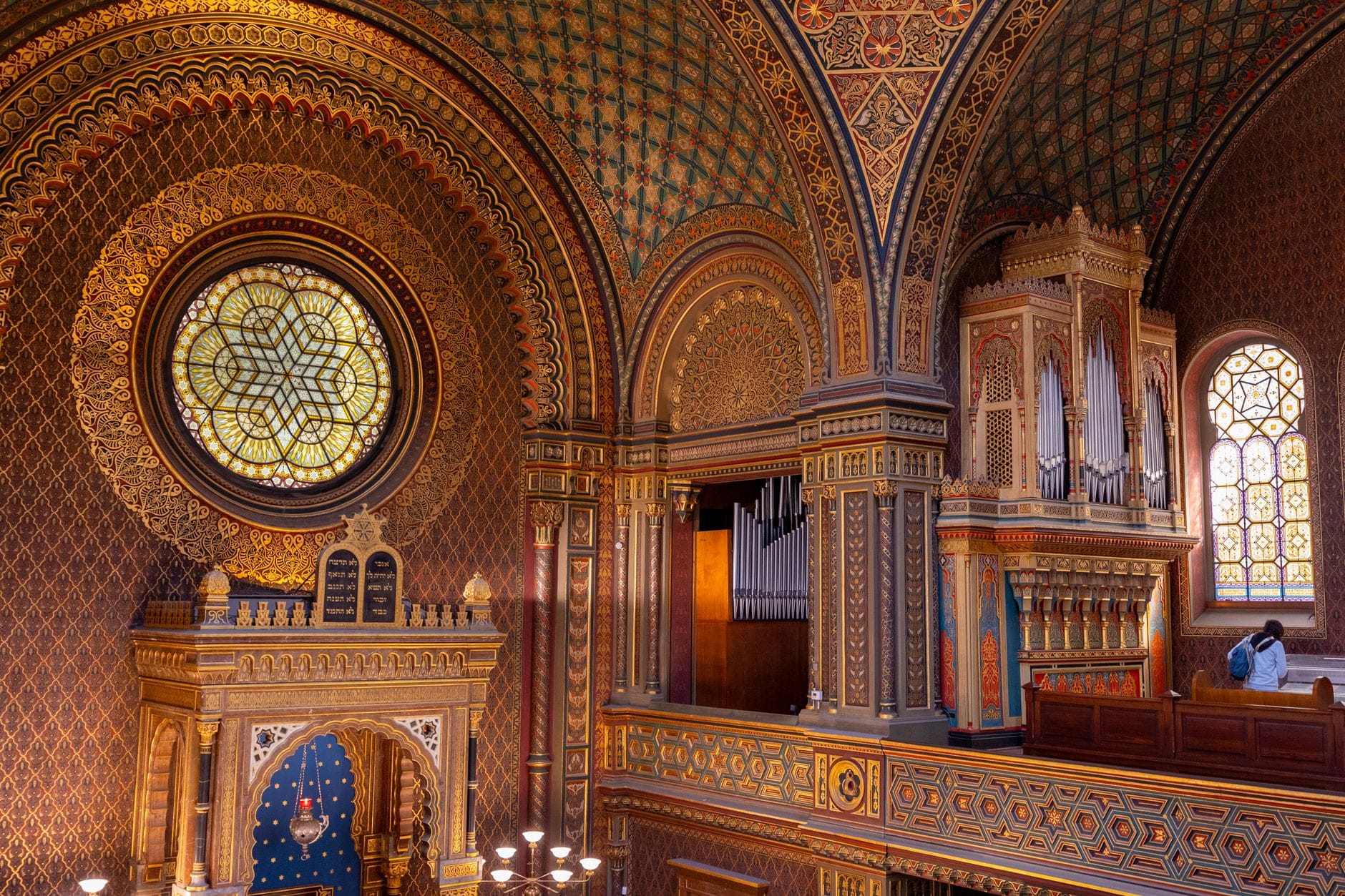
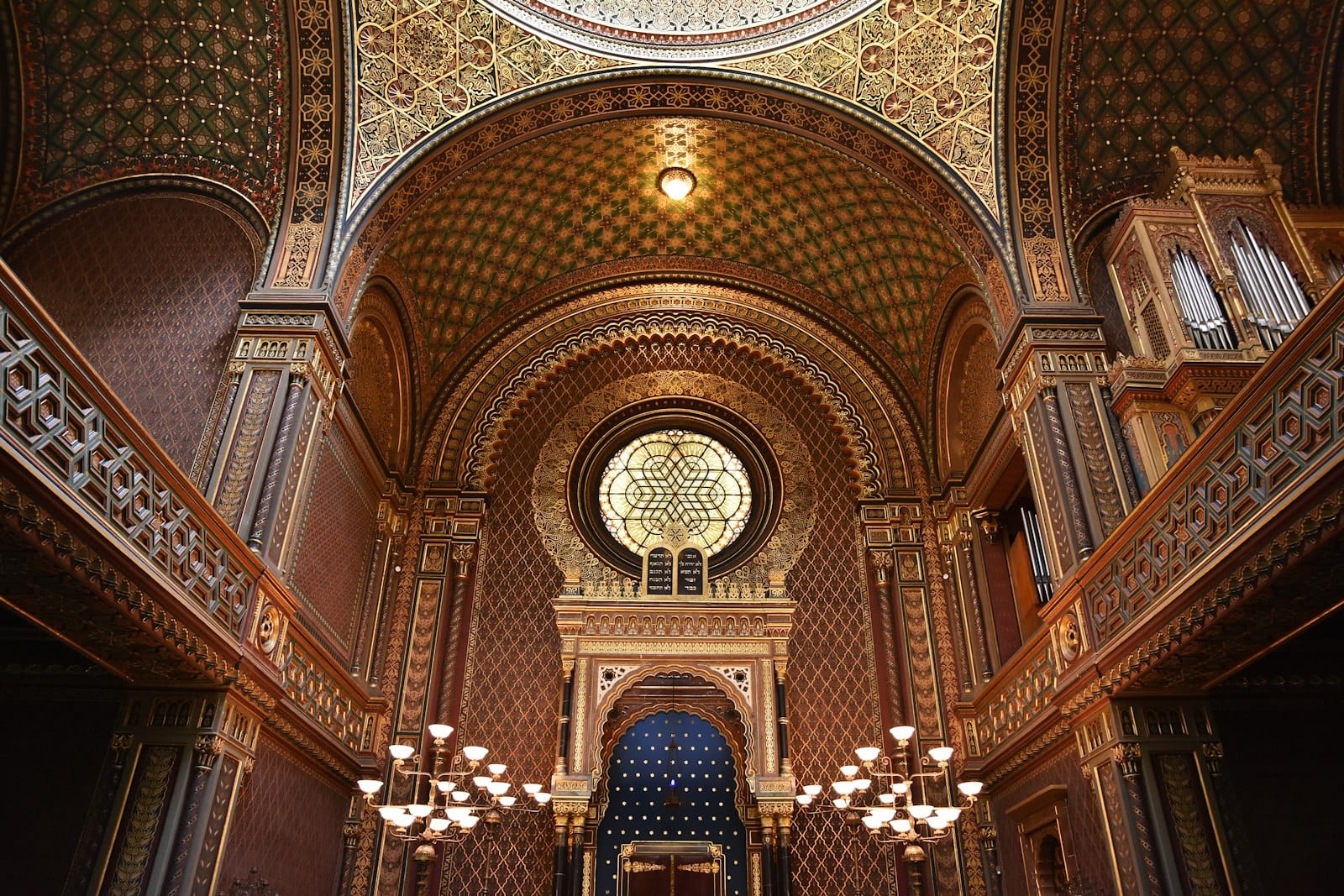
23. Marvel at Moorish Revival Gilding in the Spanish Synagogue
Built in 1868, the Spanish Synagogue is the most ornate of Josefov's synagogues, with gilded arabesques, geometric tilework, and stained glass covering every surface. It now houses an exhibition on Czech Jewish history from the Enlightenment to the present. The interior rivals any synagogue in Europe for sheer decorative ambition.
Explore23. Marvel at Moorish Revival Gilding in the Spanish Synagogue
Built in 1868, the Spanish Synagogue is the most ornate of Josefov's synagogues, with gilded arabesques, geometric tilework, and stained glass covering every surface. It now houses an exhibition on Czech Jewish history from the Enlightenment to the present. The interior rivals any synagogue in Europe for sheer decorative ambition.
Explore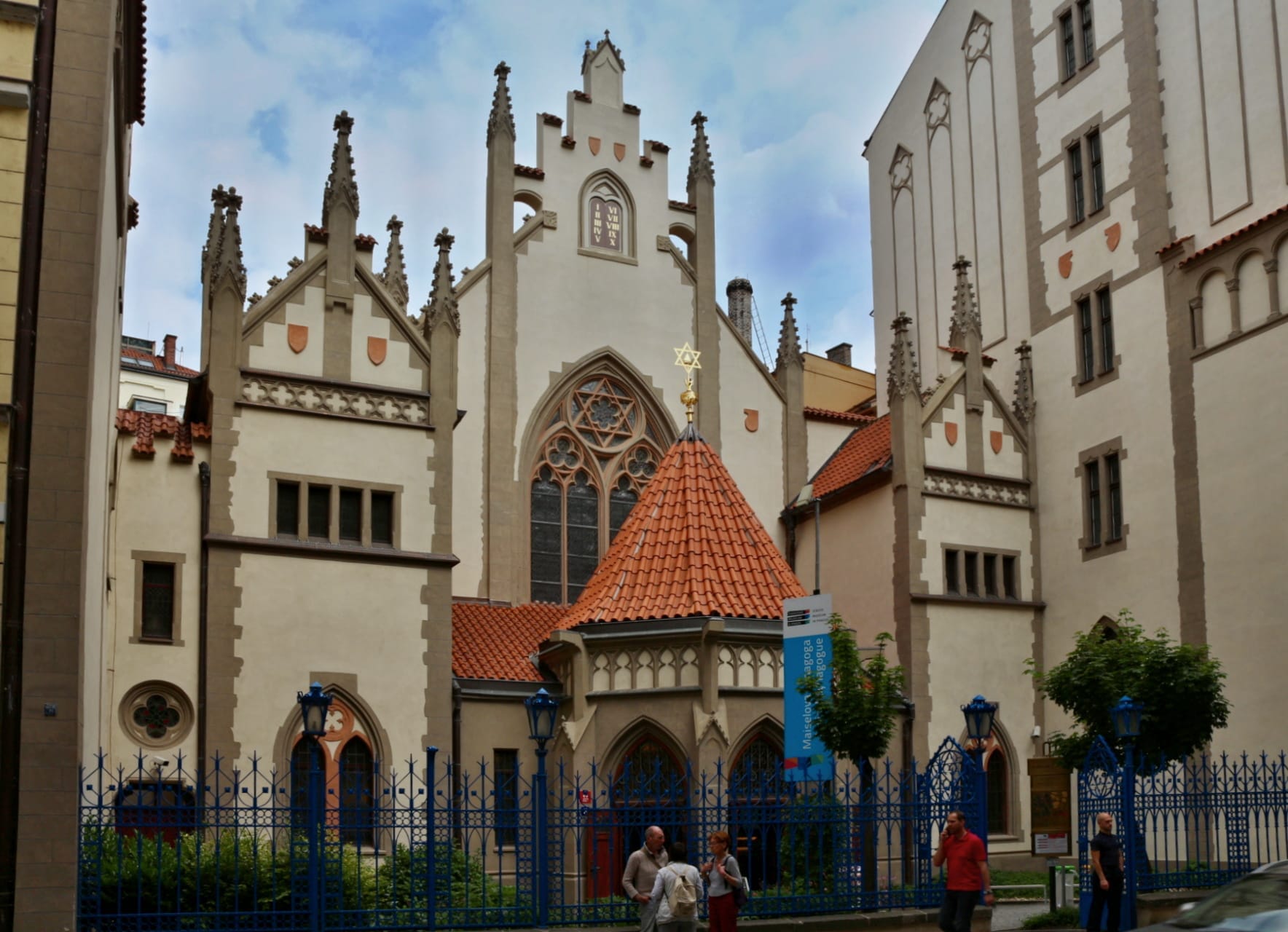
24. Survey Centuries of Jewish Ceremonial Art at the Maisel Synagogue
Originally a private synagogue built in 1592, the current Neo-Gothic building houses a permanent exhibition of Jewish silver, textiles, manuscripts, and ceremonial objects from the Jewish Museum's collections. It gives essential context for understanding Bohemian Jewish life before the Holocaust.
Explore24. Survey Centuries of Jewish Ceremonial Art at the Maisel Synagogue
Originally a private synagogue built in 1592, the current Neo-Gothic building houses a permanent exhibition of Jewish silver, textiles, manuscripts, and ceremonial objects from the Jewish Museum's collections. It gives essential context for understanding Bohemian Jewish life before the Holocaust.
Explore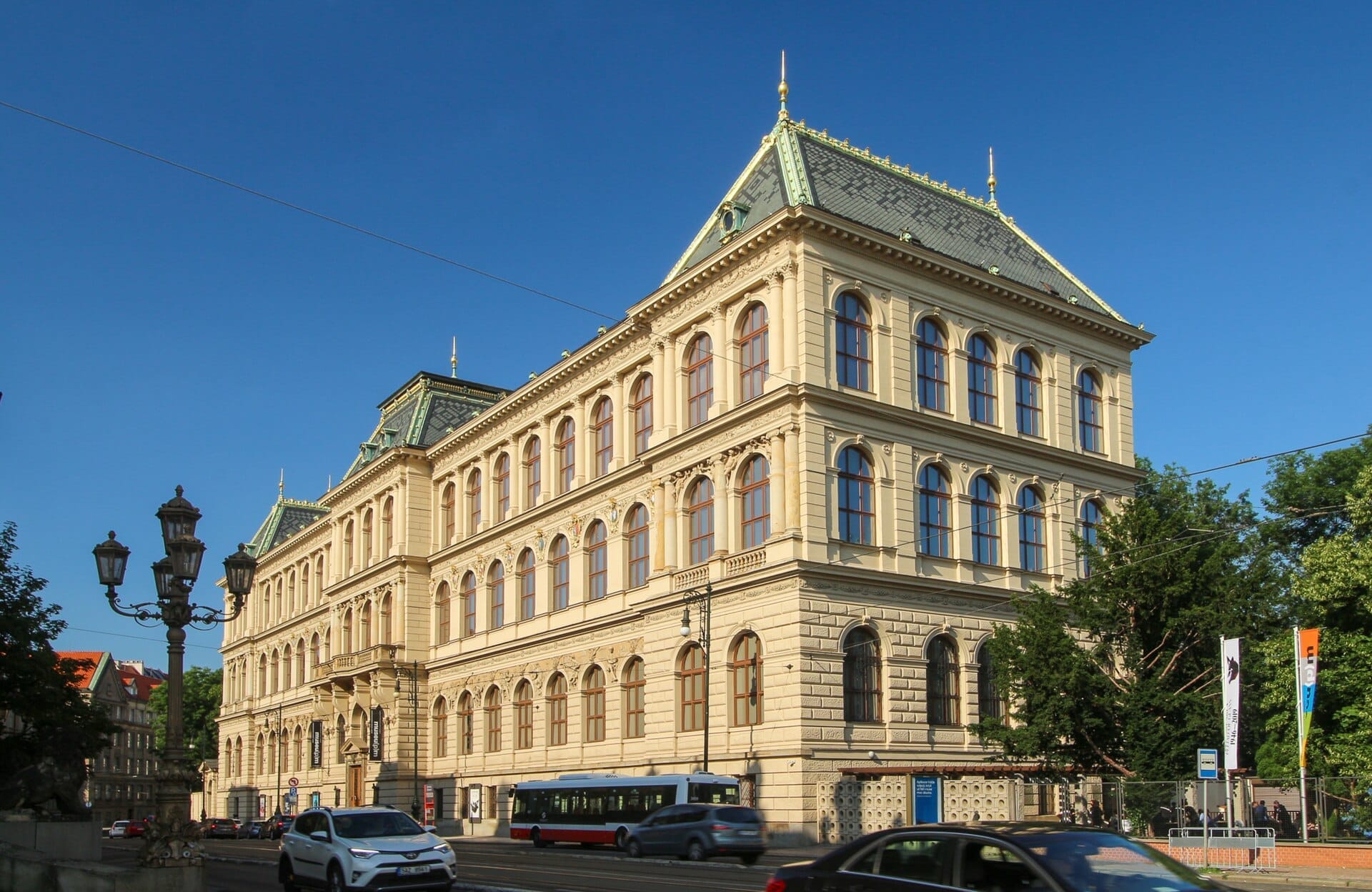
25. See Czech Glass, Ceramics, and Textiles at the Museum of Decorative Arts
Overlooking the Old Jewish Cemetery, this Neo-Renaissance building holds one of the finest applied arts collections in Central Europe, spanning glass, ceramics, furniture, clocks, and graphic design from the Renaissance to the 20th century. Tuesday evening entry is often free from 17:00 to 19:00 — verify before visiting.
Explore25. See Czech Glass, Ceramics, and Textiles at the Museum of Decorative Arts
Overlooking the Old Jewish Cemetery, this Neo-Renaissance building holds one of the finest applied arts collections in Central Europe, spanning glass, ceramics, furniture, clocks, and graphic design from the Renaissance to the 20th century. Tuesday evening entry is often free from 17:00 to 19:00 — verify before visiting.
ExploreMemorable Day Trips with Museum-Worthy Sites
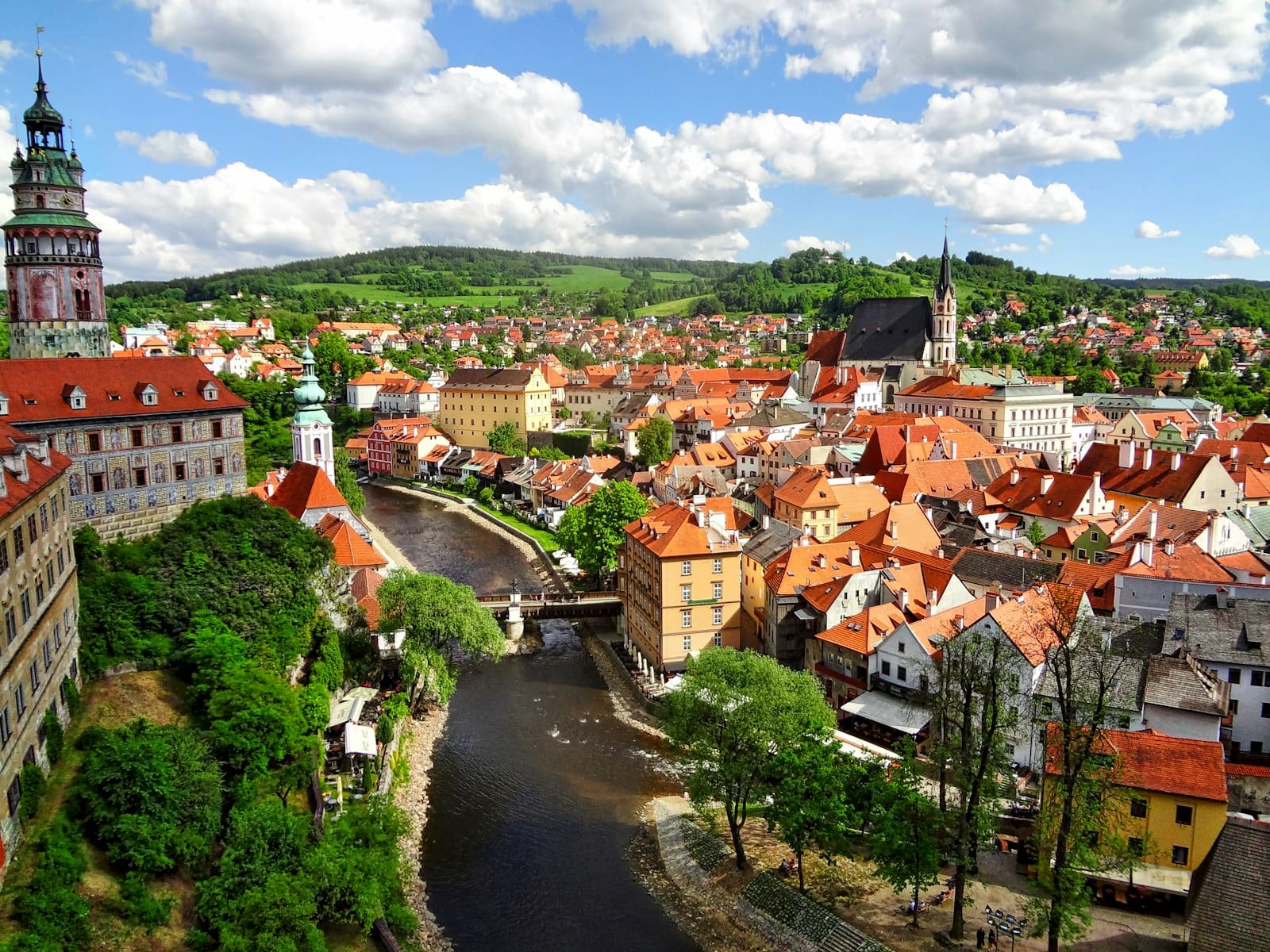
Some of the most significant museum experiences near Prague sit just outside the city limits. The day trips from Prague guide covers logistics and timing for all the destinations below.
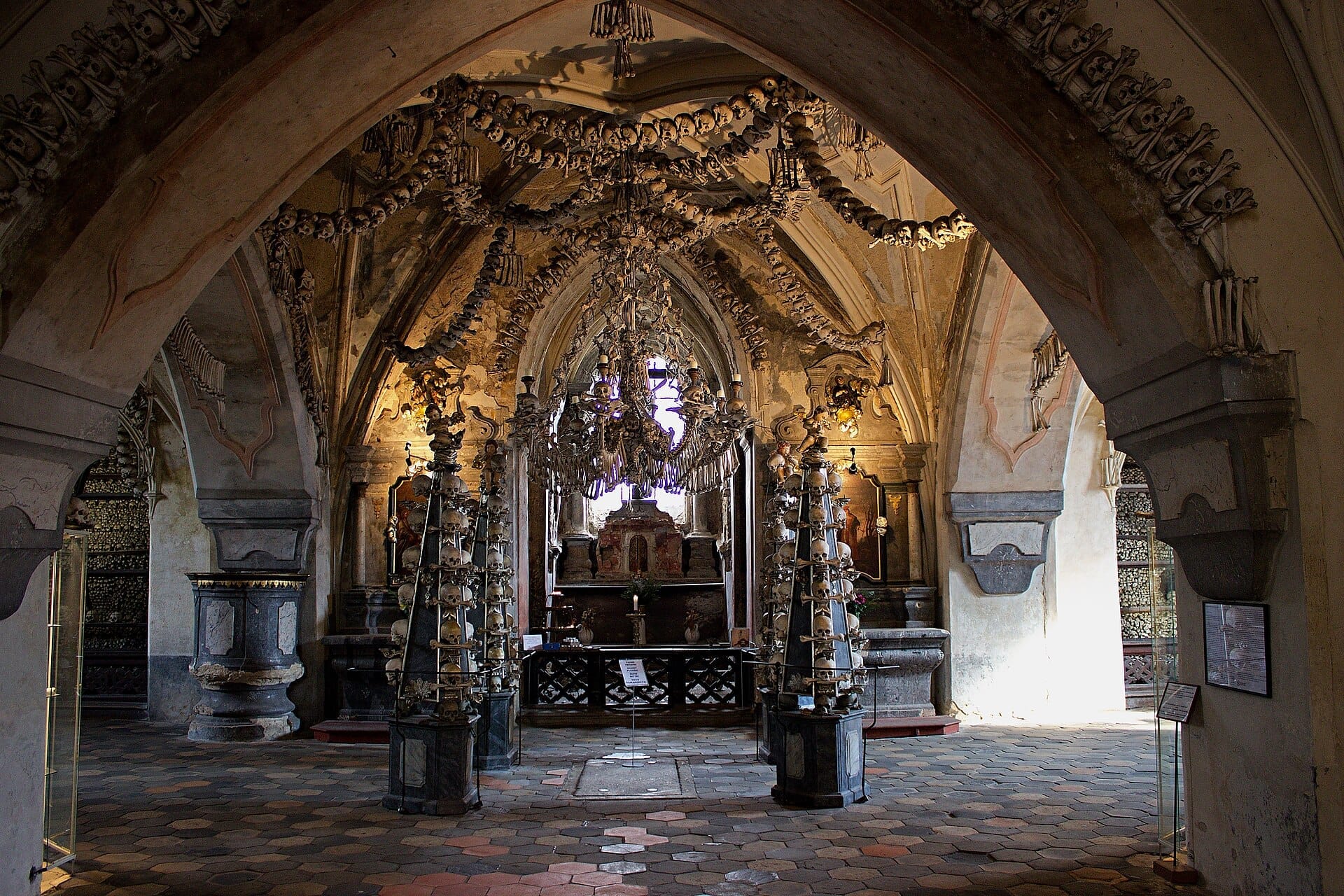
26. See the Bone Church at Sedlec Ossuary in Kutná Hora
A small Gothic chapel whose interior is decorated entirely with the artistically arranged bones of approximately 40,000 people, including a chandelier containing every bone in the human body. It is one of the most extraordinary interiors in Central Europe. Pair it with the Cathedral of St. Barbara in the same town.
Explore26. See the Bone Church at Sedlec Ossuary in Kutná Hora
A small Gothic chapel whose interior is decorated entirely with the artistically arranged bones of approximately 40,000 people, including a chandelier containing every bone in the human body. It is one of the most extraordinary interiors in Central Europe. Pair it with the Cathedral of St. Barbara in the same town.
Explore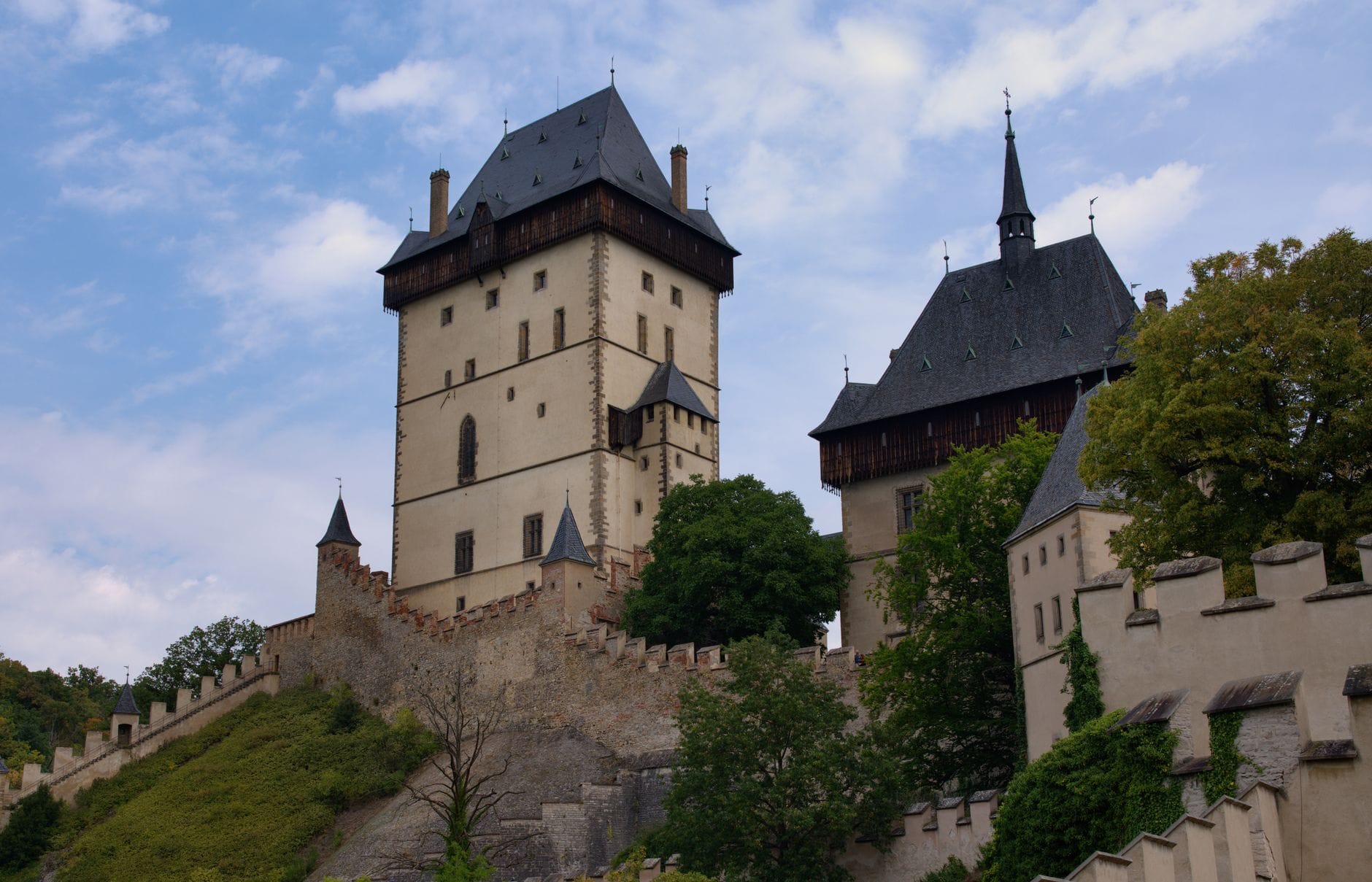
27. Visit the Chapel of the Holy Cross at Karlštejn Castle
Built by Charles IV in 1348 to safeguard Bohemian crown jewels, Karlštejn is the most visited castle in the Czech Republic outside Prague. The Chapel of the Holy Cross, encrusted with semi-precious stones and medieval paintings, is one of the most extraordinary interiors in Bohemia. Book the Chapel tour in advance.
Explore27. Visit the Chapel of the Holy Cross at Karlštejn Castle
Built by Charles IV in 1348 to safeguard Bohemian crown jewels, Karlštejn is the most visited castle in the Czech Republic outside Prague. The Chapel of the Holy Cross, encrusted with semi-precious stones and medieval paintings, is one of the most extraordinary interiors in Bohemia. Book the Chapel tour in advance.
Explore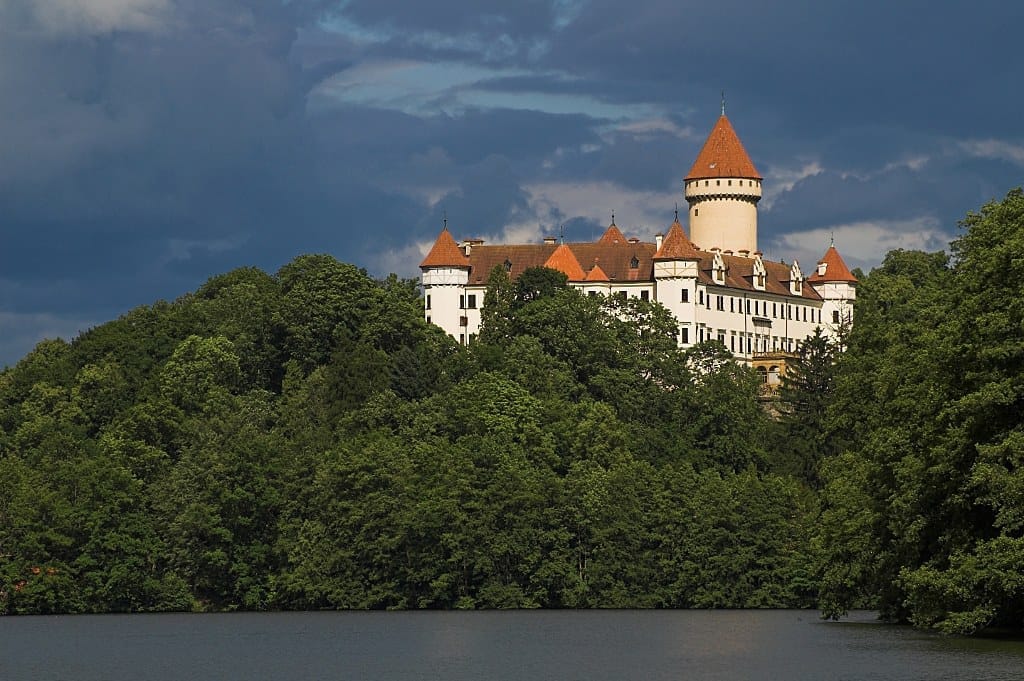
28. Explore Franz Ferdinand's Hunting Estate at Konopiště Castle
The interiors of Konopiště preserve Archduke Franz Ferdinand's extraordinary collection of hunting trophies, weapons, and St. George memorabilia exactly as he left them before his 1914 assassination. The English gardens and deer park surrounding the castle are beautiful in any season. Allow a full day.
Explore28. Explore Franz Ferdinand's Hunting Estate at Konopiště Castle
The interiors of Konopiště preserve Archduke Franz Ferdinand's extraordinary collection of hunting trophies, weapons, and St. George memorabilia exactly as he left them before his 1914 assassination. The English gardens and deer park surrounding the castle are beautiful in any season. Allow a full day.
Explore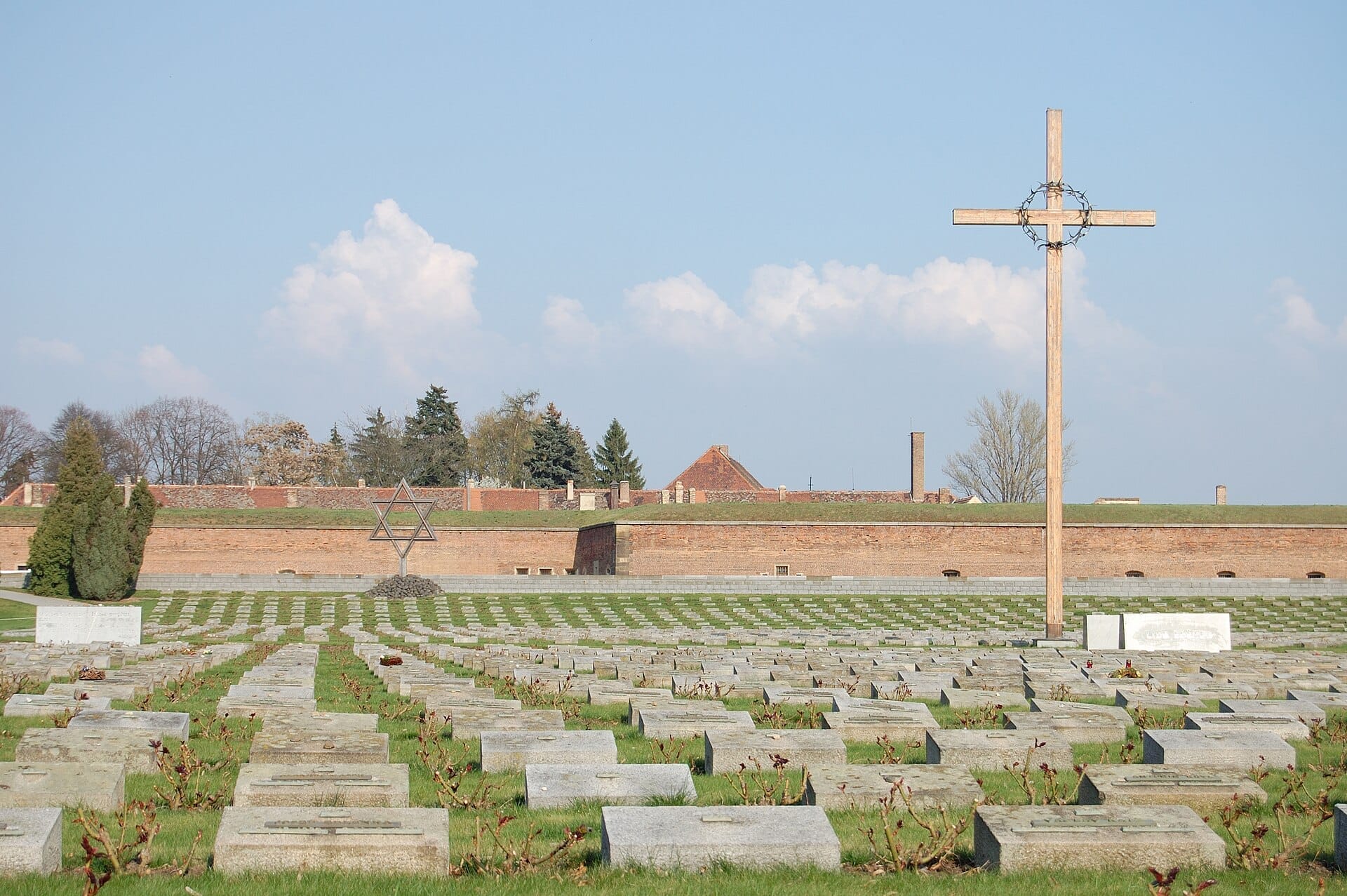
29. Bear Witness at Terezín, the Nazi Concentration Camp North of Prague
The Small Fortress and Ghetto Museum at Terezín document the imprisonment of over 150,000 Jews and the broader machinery of Nazi occupation in Bohemia. It is a deeply sobering experience that requires a full day and genuine emotional preparation. Guided tours are available and add significant context.
Explore29. Bear Witness at Terezín, the Nazi Concentration Camp North of Prague
The Small Fortress and Ghetto Museum at Terezín document the imprisonment of over 150,000 Jews and the broader machinery of Nazi occupation in Bohemia. It is a deeply sobering experience that requires a full day and genuine emotional preparation. Guided tours are available and add significant context.
Explore✨ Pro tip
Most Prague museums close on Mondays. Plan your museum-heavy days for Tuesday through Sunday, and check opening hours directly on each museum's official website before visiting — hours and prices change seasonally and can differ from third-party listings.
FAQ
Which museums in Prague are free?
The City of Prague Museum main building on Na Poříčí is currently closed for extensive renovation until 2028, so the usual free-entry offer there does not apply; instead, check the museum’s official site for current free or discounted exhibitions at its temporary venues. Many state museums offer free admission on Czech national holidays, including 18 May (International Museum Day), 28 October (Independence Day), and 17 November (Velvet Revolution Day). The Museum of Decorative Arts often offers free Tuesday evening entry from 17:00 to 19:00 — verify on the official website before visiting.
How many days do I need to see Prague's main museums?
Two full museum days will cover the highlights if you plan well. Day one works well as a Prague Castle day, combining St. Vitus Cathedral, the Old Royal Palace, St. George's Basilica, Golden Lane, and Strahov Monastery. Day two suits the Jewish Quarter synagogues in the morning and the National Museum or Museum of Communism in the afternoon. The National Gallery's Veletržní Palace alone warrants a dedicated half-day.
Is the National Gallery in one building or multiple?
The National Gallery Prague operates across several separate buildings in different parts of the city. The main collections most visitors want are at Trade Fair Palace (Veletržní palác) in Holešovice (modern and contemporary art), Sternberg Palace in Hradčany (Old Masters), Schwarzenberg Palace in Hradčany (Renaissance and Baroque), and the Convent of St Agnes of Bohemia in Old Town (medieval art). Each requires a separate ticket or a combined pass — check the National Gallery website for current pass options.
Should I book museum tickets in advance in Prague?
For most museums, walk-in tickets are available, but advance booking is strongly recommended for the Jewish Museum synagogues (especially in summer when queues are long), the Strahov Monastery library halls, and the Speculum Alchemiae underground tours. The National Museum and National Technical Museum rarely sell out but benefit from online booking to avoid the ticket counter queue.
Are Prague's museums good for children?
The National Technical Museum is the strongest option for families, with its dramatic hall of vehicles, aircraft, and locomotives. The National Museum has a dedicated interactive Children’s Museum with timed entry slots. Prague Zoo, while not a museum in the traditional sense, ranks among Europe's best. Most art museums are less child-oriented but the Kampa Museum's outdoor sculpture garden is freely accessible and popular with families.