Speculum Alchemiae: Inside Prague's Hidden Alchemist Laboratory
Beneath a medieval house on Haštalská Street in Prague's Old Town, a hidden alchemical workshop from the time of Emperor Rudolf II lay sealed for centuries before floodwaters revealed it in 2002. Today, Speculum Alchemiae offers guided tours through the restored underground chambers — a rare encounter with the science, superstition, and ambition of Renaissance Prague.
Quick Facts
- Location
- Haštalská 1, Prague 1 – Old Town (Staré Město)
- Getting There
- Náměstí Republiky (Metro Line B, yellow) – approx. 7-min walk; also about 7 min from Old Town Square
- Time Needed
- 45–75 minutes (tours run every 30 min, approx. 30 min each)
- Cost
- Adults 200 CZK | Students/Seniors 150 CZK | Children 7–14 yrs 70 CZK | Family ticket 500 CZK
- Best for
- History enthusiasts, families with older children, anyone curious about Renaissance science
- Official website
- http://www.alchemiae.cz/en
What Is Speculum Alchemiae?
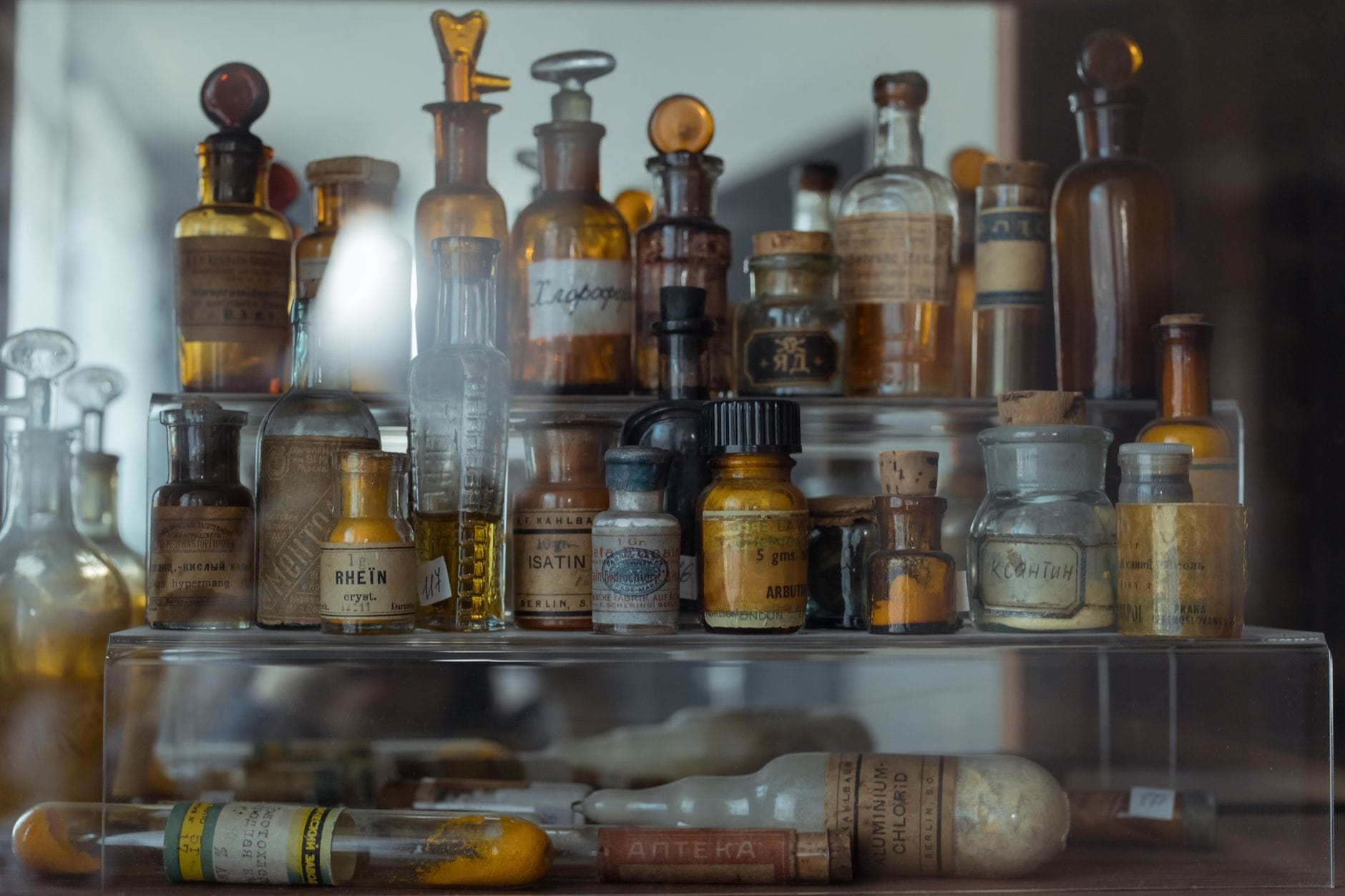
Speculum Alchemiae — meaning 'Mirror of Alchemy' in Latin — is a museum and preserved alchemical laboratory tucked into the cellar of one of the oldest surviving buildings in Prague's Old Town. What makes it unusual is that the underground workshop is not a reconstruction built for tourists. It is an actual 16th-century laboratory, sealed beneath the building for roughly four centuries until the catastrophic 2002 Vltava floods damaged the structure and forced a full renovation. Workers uncovered the hidden chambers during that reconstruction, and restorers subsequently worked to stabilize and document what they found before opening it to the public.
The lab dates to the reign of Holy Roman Emperor Rudolf II, who ruled from Prague Castle from 1583 to 1612 and made the city one of the most important centers of alchemical, astronomical, and esoteric inquiry in all of Europe. Rudolf attracted figures like Tycho Brahe, Johannes Kepler, and John Dee to his court. The workshops and private laboratories of that era were distributed across the Old Town, not only inside the castle walls — and this building on Haštalská Street appears to have been one of them.
For broader context on the Rudolfine period and the architecture it left behind, the Prague history guide covers the city's development from the medieval period through the Habsburg era in detail.
The Tour: What You Actually See
All visits to the underground sections are guided. Tours begin every 30 minutes and last approximately 30 minutes. You cannot wander independently through the chambers — the space is compact and the route is structured to move a group through sequentially.
💡 Local tip
Arrive at least 10 minutes before your intended tour time. If you arrive at the half-hour and a tour has just left, you will wait 30 minutes for the next one. The wait area at street level is small.
The tour descends via a stone spiral staircase into a sequence of low-ceilinged underground rooms. The air is noticeably cooler and carries the faint mineral smell common to sealed stone cellars. The chambers contain period alchemical equipment: distillation apparatus, retorts, furnaces, and wooden storage furniture, along with explanatory displays covering the theory and practice of alchemy in the Rudolfine period. Lighting is deliberately atmospheric rather than museum-bright, which adds to the sense of discovery but makes reading text panels slightly harder in certain spots.
Guides deliver commentary in English and Czech (check when booking if you need another language), covering both the history of the building and the broader context of Rudolfine Prague. The tour does not talk down to adults, but it is also structured accessibly enough that children around 10 and older typically engage well. Younger children may find the low light, confined space, and adult-paced commentary less compelling.
⚠️ What to skip
The underground chambers are only accessible via a spiral staircase and have no wheelchair access. The street-level shop area is accessible. Confirm current accessibility arrangements directly with the museum before visiting if this affects your group.
Tickets & tours
Hand-picked options from our booking partner. Prices are indicative; availability and final rates are confirmed when you complete your booking.
Self guided tour with interactive city game of Prague
From 5 €Instant confirmationFree cancellationPrague by night city tour
From 27 €Instant confirmationFree cancellationPrague city tour with Vltava River cruise
From 38 €Instant confirmationFree cancellationPrague Castle online audio guide
From 5 €Instant confirmationFree cancellation
The Building and Its Historical Setting
Haštalská Street sits in the northeastern quadrant of Old Town, between Náměstí Republiky (Republic Square) and the edge of Josefov, the former Jewish Quarter. It is a quieter residential and commercial street by Old Town standards — you are unlikely to stumble onto it by accident, which keeps the crowd levels at Speculum Alchemiae considerably lower than at the major sights.
The surrounding streets retain much of their medieval street plan, and Haštalská Church (Kostel sv. Hastala) stands just steps from the museum entrance. If you are walking here from Old Town Square, the route takes roughly five minutes and passes through streets far less crowded than the main tourist corridor.
The building itself predates the Rudolfine laboratory. Its foundations and lower levels belong to structures that were already standing in the medieval period, which is part of why the underground spaces survived so intact — they were simply built over and forgotten rather than demolished. The 2002 floods that damaged so much of Prague's Old Town effectively acted as an accidental archaeological intervention here.
When to Visit and What to Expect at Different Times
Speculum Alchemiae is open daily from 10:00 to 18:00, with the last tour starting around 17:30. Because tours run every 30 minutes and group sizes are limited, the museum rarely feels overwhelmed even during peak season. That said, mornings on weekdays tend to offer the most relaxed experience. Late-morning visits (around 10:30–11:30) generally find smaller groups and more attentive guides.
Weekend afternoons between June and September see the highest foot traffic in the Old Town, and this filters through to Speculum Alchemiae. You may need to wait for the next available tour rather than joining immediately. Early-afternoon visits (13:00–14:30) can fall during a natural lull between the morning rush and the later afternoon wave — this is a reasonable window if weekday mornings are not possible for you.
Weather has almost no effect on the experience here. The underground chambers maintain a stable cool temperature year-round, making this a genuinely useful option on a rainy or very hot summer day. Bring a light layer regardless of outdoor conditions — the cellar air sits at around 12–15°C even in July.
If you are planning a broader Old Town itinerary around your visit, the 3-day Prague itinerary integrates Speculum Alchemiae with nearby sights in a logical walking sequence.
Photography and Practical Details
Photography is generally permitted inside the museum, but the low-light conditions in the underground chambers make this genuinely difficult without a camera that handles low ISO noise well. Smartphone cameras with computational night-mode capabilities produce better results than standard point-and-shoot cameras. Flash photography may be restricted; confirm with staff on arrival. The surface-level display areas are better lit and easier to photograph.
The museum has a small shop at street level selling alchemical-themed books, prints, and curiosities. It is one of the more considered gift shops in Prague's Old Town — the items lean toward genuine historical interest rather than generic tourist merchandise. Whether or not you visit the underground tour, the shop is worth a few minutes.
ℹ️ Good to know
Tickets are priced in Czech koruna (CZK). Cards are accepted at most Prague museums, but carry some cash as backup. Admission prices: Adults 200 CZK, Students/Seniors 150 CZK, Children (7–14) 70 CZK, Family ticket (2 adults + 2 children under 15) 500 CZK. Verify current prices at alchemiae.cz before visiting.
Is It Worth Your Time? An Honest Assessment
For visitors with a genuine interest in Renaissance history, the history of science, or the particular cultural moment that was Rudolfine Prague, Speculum Alchemiae delivers something that larger museums in the city simply cannot: physical proximity to a preserved working space from that era. It is not a theatrical recreation. The chambers are modest, the equipment is sparse, and the tour is 30 minutes. Manage those expectations and the experience is quietly impressive.
Visitors looking for spectacle — dramatic displays, cinematic lighting, or the scale of a major institution — will likely find it underwhelming. The museum's strength is specificity and authenticity, not production value. If your priority is ticking off the city's headline attractions, your time is probably better spent at the major sites. But if you have already seen Old Town Square and the castle and want something that rewards curiosity, this is one of the more distinctive stops in the area.
For context on how Speculum Alchemiae fits within Prague's broader museum landscape, the guide to the best museums in Prague covers both the major institutions and the more specialized collections across the city.
The nearby Josefov quarter and its synagogues are a natural pairing with a visit to Speculum Alchemiae — both neighborhoods were part of the dense, layered urban world of medieval and early modern Prague.
Insider Tips
- Book or check availability in advance during July and August if you have a fixed time slot in mind. Walk-ins are usually fine on weekdays in spring and autumn, but summer weekend afternoons can mean a 30-60 minute wait for the next available tour.
- The museum is approximately a 5-minute walk from Náměstí Republiky metro station (Line B, yellow line) — not from the nearest tram stops to Old Town Square. Using the metro rather than navigating from the square's busy center saves time and confusion.
- Wear closed shoes with grip. The spiral staircase descending to the underground chambers is stone and can be slippery, particularly in wet weather when visitors track in moisture from the street.
- If you are visiting with children, the recommended lower age is around 8–10 years. The tour is guided commentary rather than interactive, and the confined, dimly lit space can unsettle younger children. The family ticket (500 CZK for 2 adults + 2 children under 15) represents solid value if your children are in the right age range.
- The street-level shop stocks a small selection of serious books on Rudolfine Prague and the history of alchemy that you will not easily find in mainstream bookshops. Worth browsing even on a tight schedule.
Who Is Speculum Alchemiae (Alchemy Museum) For?
- History and Renaissance science enthusiasts who want direct contact with preserved original spaces rather than reconstructions
- Travelers who have already covered Old Town's headline sights and want something genuinely off the standard circuit
- Families with children aged 8 and older who are interested in history, science, or slightly atmospheric underground spaces
- Visitors looking for a weather-proof, crowd-light experience on rainy days or during the heat of summer
- Photographers and writers drawn to the specific visual and cultural world of Rudolfine Prague
Nearby Attractions
Other things to see while in Old Town (Staré Město):
- Church of Our Lady before Týn
The Church of Our Lady before Týn is Prague's most recognizable Gothic landmark, its twin 80-metre spires rising sharply above the rooflines of Old Town Square. Entry is free, but visiting hours are short and the interior tells a story most visitors walk past without ever stepping inside.
- Church of St. Nicholas (Old Town)
Standing in the north-west corner of Old Town Square, St. Nicholas Church is a compact Baroque masterpiece built between 1732 and 1737. Entry is free, the interior is genuinely beautiful, and most visitors walk past it without stopping. Here is why they should not.
- Clementinum
The Clementinum is one of the largest building complexes in Prague, stretching over 2 hectares in the heart of Old Town. Its guided tours take visitors into a breathtaking Baroque library hall and up a narrow tower for panoramic rooftop views over the city's spires.
- Estates Theatre (Stavovské divadlo)
The Estates Theatre in Prague's Old Town is one of the best-preserved 18th-century opera houses in Europe, and one of the surviving venues where Mozart himself conducted. Built in 1783, it staged the world premiere of Don Giovanni and remains an active performance space under the National Theatre umbrella.