Estates Theatre (Stavovské divadlo): Prague's Living Monument to Mozart
The Estates Theatre in Prague's Old Town is one of the best-preserved 18th-century opera houses in Europe, and one of the surviving venues where Mozart himself conducted. Built in 1783, it staged the world premiere of Don Giovanni and remains an active performance space under the National Theatre umbrella.
Quick Facts
- Location
- Ovocný trh 1, 110 00 Praha 1 (Old Town, between Old Town Square and Wenceslas Square)
- Getting There
- Metro lines A or B to Můstek, then 5-min walk via Rytířská street; trams to Národní třída also work
- Time Needed
- 2.5–3 hours for a full evening performance; tours of the building are shorter
- Cost
- Ticket prices vary by performance and seating category; check narodni-divadlo.cz for current CZK pricing
- Best for
- Classical music lovers, architecture enthusiasts, opera first-timers, and cultural travellers
- Official website
- www.narodni-divadlo.cz/en/stages/the-estates-theatre
What Is the Estates Theatre?
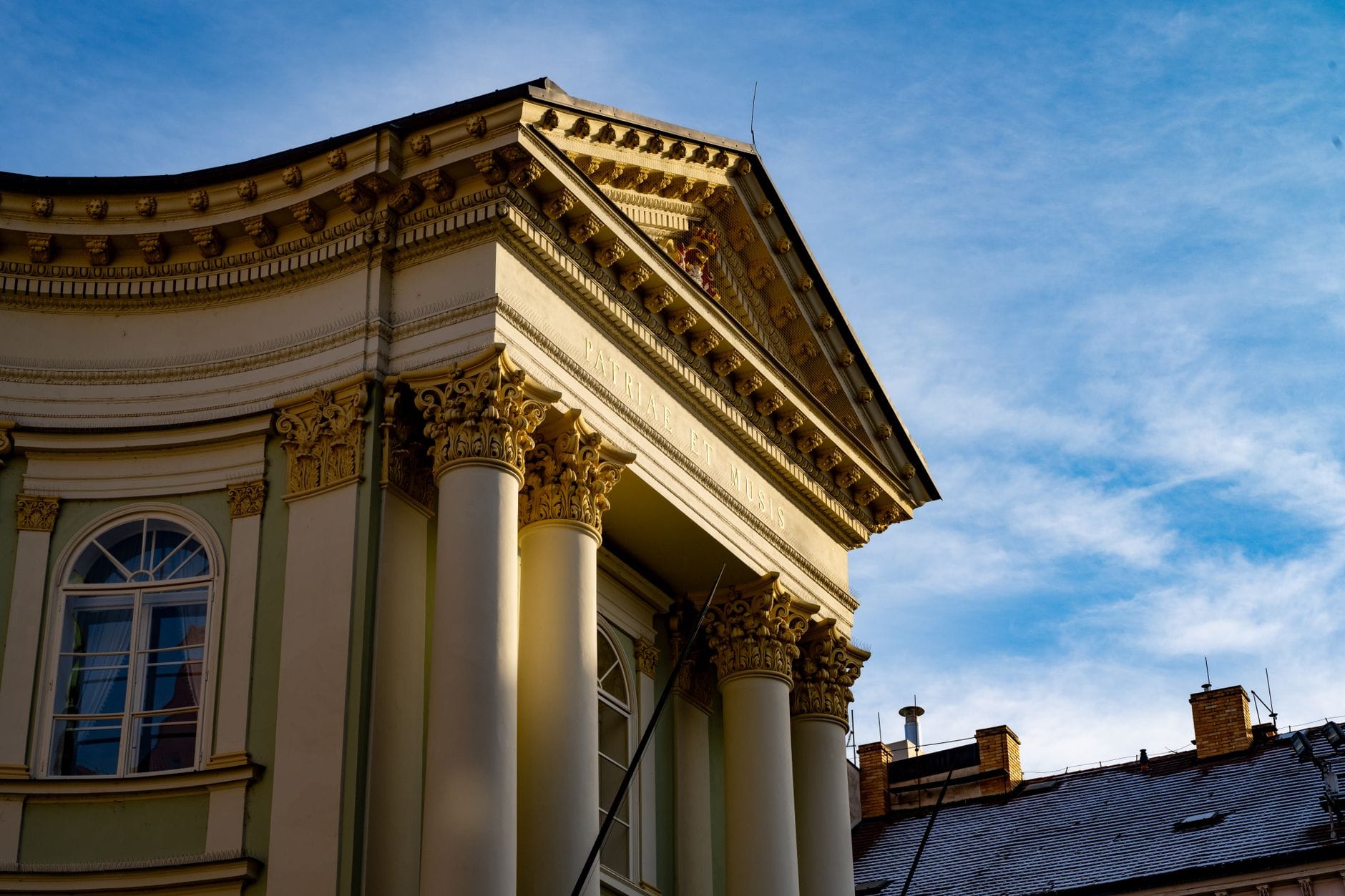
The Estates Theatre (Stavovské divadlo) is a neoclassical opera house in Prague's Old Town, completed in 1783 and still in regular use as a performing arts venue. It sits on Ovocný trh, a quiet square tucked between the Old Town's main tourist corridors, and its pale green and cream facade tends to catch visitors off guard: elegant, understated, and far older than it looks.
What makes this building exceptional in European terms is not just its age but its continuity. It has been in near-continuous use as a theatre for over 240 years. Unlike many historic opera houses that have been substantially rebuilt, the Estates Theatre retains much of its original 18th-century interior character. The auditorium seats roughly 600 people, and the horseshoe arrangement of the balconies still feels period-accurate in a way that matters to people who care about such things.
The theatre is managed as part of the National Theatre group, which it joined in 1920. The season runs primarily September through June, with evening performances forming the core of its schedule. It is not a museum: seats fill, curtains rise, and the acoustics work exactly as they were designed to.
A Building With One Defining Night
The Estates Theatre was commissioned by Count František Antonín Nostitz-Rieneck and designed by architect Anton Haffenecker. Its foundation stone was laid on 7 June 1781, and the theatre opened on 21 April 1783. It was built to serve the Bohemian nobility and German-speaking Prague society of the late 18th century, which is why it was known for much of its early history as the Nostitz Theatre, and later the Royal Provincial Theatre.
On 29 October 1787, Wolfgang Amadeus Mozart stood on the stage of this theatre and conducted the world premiere of Don Giovanni. He had already performed in Prague earlier that year, and the city's audiences responded to his music with an enthusiasm he reportedly found unusual compared to Vienna. The premiere of Don Giovanni went on to become one of the defining events in Western musical history, and the Estates Theatre is the only place on earth where that moment can be traced to an actual surviving building in its original location.
ℹ️ Good to know
The Estates Theatre is sometimes called 'the Don Giovanni theatre' in tour materials. This is accurate: Mozart conducted the world premiere of Don Giovanni here on 29 October 1787. No other surviving opera house can claim this connection.
The theatre also featured in Miloš Forman's 1984 film Amadeus. Interior scenes depicting Vienna's opera house were filmed here, partly because the Estates Theatre's 18th-century interior was more intact than any comparable Viennese venue. If you've seen that film, the gilded boxes and tiered balconies will look immediately familiar.
Tickets & tours
Hand-picked options from our booking partner. Prices are indicative; availability and final rates are confirmed when you complete your booking.
Prague Black Light Theatre Srnec tickets
From 25 €Instant confirmationFree cancellationBlack light theatre show in Prague Images of Love
From 18 €Instant confirmationFree cancellationSelf guided tour with interactive city game of Prague
From 5 €Instant confirmationFree cancellationPrague by night city tour
From 27 €Instant confirmationFree cancellation
The Architecture: What You're Actually Looking At
From the outside, the Estates Theatre presents a restrained classicist facade. There are no baroque excesses here, no gold-leaf curlicues or theatrical statuary. The building fits its street corner with the kind of quiet confidence that comes from knowing it doesn't need to shout. The pale green and cream tones are easy to walk past if you don't know what you're looking at.
Inside, the contrast is immediate. The auditorium is intimate by modern opera standards: four tiers of horseshoe balconies rise above the stalls, each lined with small private boxes that retain their period seating. The ceiling fresco, the gilt detailing on the balcony rails, and the chandelier scale all combine to create the sense of a room that was designed for human proportion rather than architectural spectacle. You are not dwarfed by it. That intimacy is part of what made it the right venue for Mozart's theatrical premieres.
For anyone with a background in architectural history, the theatre fits neatly into the late 18th-century classicist tradition that was reshaping Central European public buildings during this period. If you want to understand the broader context, the Prague architecture guide covers how this building relates to the city's wider architectural timeline.
Attending a Performance: What to Expect
The Estates Theatre runs a varied program across its season, but opera, particularly Mozart, remains central to its identity. Productions of Don Giovanni and The Marriage of Figaro appear regularly in the schedule. Ballet and spoken drama also feature, as the theatre is a full-scale repertory venue, not just an opera house.
Evening performances typically start around 19:00, though this varies by production. Arrive at least 20 to 30 minutes early: the foyer and staircase areas are worth seeing without a crowd pressing you toward your seat, and box office collection queues can form close to curtain time. The cloakroom is worth using in cooler months, as bags and coats are awkward in the narrow box seating.
💡 Local tip
Book tickets directly through the National Theatre website (narodni-divadlo.cz) rather than third-party resellers. Third-party platforms often charge significant booking fees on top of the already tiered ticket prices. The official site shows real-time seat availability and allows you to choose your exact position in the auditorium.
Smart casual is the standard dress code for most performances. You will see everything from jeans to formal evening wear in the audience, but the theatre itself, and especially the boxes, has enough period grandeur that dressing up feels appropriate rather than excessive. Check the National Theatre's visitor information pages if you're attending a gala or premiere, where expectations may differ.
Seating in the boxes requires some consideration. The side boxes, particularly at the uppermost tier, can have partial sightline obstructions to the extreme far side of the stage. If full stage visibility matters to you, select stalls or front-facing balcony seats when booking. The acoustic experience in the boxes is excellent throughout.
Getting There and Practical Logistics
The theatre is at Ovocný trh 1 in Prague's Old Town, roughly a few minutes’ walk from Můstek metro station, which is served by both metro line A (green) and metro line B (yellow). From the station, most routes lead via Na Příkopě and adjoining side streets to Ovocný trh. The route is straightforward and well-signed.
Trams are also an option: lines stopping at Národní třída bring you within a short walk via Národní, 28. října and Na Můstku streets. On performance nights, expect foot traffic from other theatre-goers to help orient you in the final stretch. On-street parking in this part of Old Town is extremely limited; public transport or walking from a nearby hotel is far more practical.
The theatre is located in the heart of Old Town Prague, which means it sits within easy walking distance of major landmarks including Old Town Square and the Municipal House. A pre-performance dinner or post-show drink in the surrounding streets is straightforward to arrange.
Accessibility information, including wheelchair access and seating for visitors with reduced mobility, is managed centrally by the National Theatre. Contact the theatre directly or consult their official site before booking if you have specific requirements, as the historic building's layout means that certain areas may have limitations.
When to Visit and Who Should Think Twice
The main season runs September through June. Summer (July and August) sees reduced programming, though special performances and tourist-focused productions do sometimes fill the gap. If catching a specific opera or ballet is the goal, plan your visit for the main season and book several weeks in advance, particularly for Don Giovanni productions, which tend to sell out.
Midweek evenings are generally quieter in the surrounding streets, which can make the whole experience feel more considered than a Saturday night when Old Town is at its most crowded. The area around Ovocný trh itself is calm regardless of the day.
⚠️ What to skip
The Estates Theatre is not a tourist attraction in the conventional sense: there is no permanent daytime exhibition or self-guided tour of the building available as a standard offering. If you want to see the interior, attending a performance is the primary way to do so. Check the National Theatre website for any scheduled building tours, as these are offered occasionally but not consistently.
Travellers who have no interest in opera, ballet, or classical music and are primarily seeking a daytime sightseeing experience may find the Estates Theatre underwhelming compared to other cultural landmarks in the city. For those visitors, alternatives like the Rudolfinum or the wider architectural heritage of Prague might offer more accessible engagement.
For anyone who does attend a performance, the experience carries a weight that most concert halls cannot replicate. Sitting in a seat in this auditorium, listening to music that was first performed in this room over two centuries ago, is the kind of thing that stays with you. That is not a marketing line. It is simply what this building does.
Insider Tips
- The best-value seats for atmosphere are in the upper-tier side boxes. You may miss a sliver of stage at the very far end, but the period feel of sitting in a private box, looking across the candlelit tiers, is worth the slight sightline trade-off.
- If Don Giovanni is on the schedule during your visit, prioritise it over other productions. The historical resonance of seeing that specific opera in this specific house is something no other venue in the world can offer.
- The square outside the theatre (Ovocný trh) is notably quieter than the streets one block away. Arriving 45 minutes early and taking a moment to look at the exterior without a crowd is a practical pleasure.
- The National Theatre box office occasionally releases returned tickets close to performance time. If a show is listed as sold out, it is worth checking the website again on the day of the performance.
- Combine a visit with nearby Celetná street, which runs from Old Town Square toward the Powder Tower. The walk back after an evening performance, through largely emptied streets, is one of the more atmospheric ways to end a night in Prague.
Who Is Estates Theatre (Stavovské divadlo) For?
- Opera and classical music lovers who want historical context alongside the performance
- Architecture enthusiasts interested in late 18th-century Central European theatre design
- Travellers on a cultural itinerary who want to move beyond sightseeing into lived experience
- Mozart fans for whom this building has pilgrimage-level significance
- Couples looking for a genuinely memorable evening in Prague rather than another restaurant dinner
Nearby Attractions
Other things to see while in Old Town (Staré Město):
- Church of Our Lady before Týn
The Church of Our Lady before Týn is Prague's most recognizable Gothic landmark, its twin 80-metre spires rising sharply above the rooflines of Old Town Square. Entry is free, but visiting hours are short and the interior tells a story most visitors walk past without ever stepping inside.
- Church of St. Nicholas (Old Town)
Standing in the north-west corner of Old Town Square, St. Nicholas Church is a compact Baroque masterpiece built between 1732 and 1737. Entry is free, the interior is genuinely beautiful, and most visitors walk past it without stopping. Here is why they should not.
- Clementinum
The Clementinum is one of the largest building complexes in Prague, stretching over 2 hectares in the heart of Old Town. Its guided tours take visitors into a breathtaking Baroque library hall and up a narrow tower for panoramic rooftop views over the city's spires.
- House of the Black Madonna (Czech Cubism Museum)
Built in 1911–1912 by Josef Gočár, the House of the Black Madonna is the first Cubist building in Prague and one of the most architecturally significant structures in Old Town Prague. Today it houses the Czech Cubism permanent exhibition of the Museum of Decorative Arts, alongside the Grand Café Orient and a specialist design shop.