Where to Eat in Prague: Best Restaurants & Food Areas
Prague's dining scene is far more nuanced than the tourist-trap stereotype suggests. This guide breaks down the best neighborhoods for food, what to order, which restaurants are worth booking in advance, and how much to expect to pay — from a 90 CZK bowl of goulash to a Michelin tasting menu.
Plan and book this trip
Tools from our partner Travelpayouts help you compare flights and hotels. If you book through them, we may earn a commission at no extra cost to you.
Flights
Hotels map
TL;DR
- Prague food covers serious ground: tank-beer Czech pubs, Michelin-starred tasting menus, and everything in between — often within a 10-minute walk of each other.
- Old Town has tourist traps but also legitimate local spots like Lokál Dlouhá; Vinohrady and Karlín are where Praguers actually eat.
- Expect to pay 250–400 CZK for a main course at a mid-range Czech restaurant; fine dining tasting menus run significantly higher.
- Reservations are not optional at Prague's better restaurants — book at least a few days ahead, especially on weekends.
- Trdelník is not a traditional Czech pastry. Skip it and find the real street food instead.
Understanding Prague's Food Scene
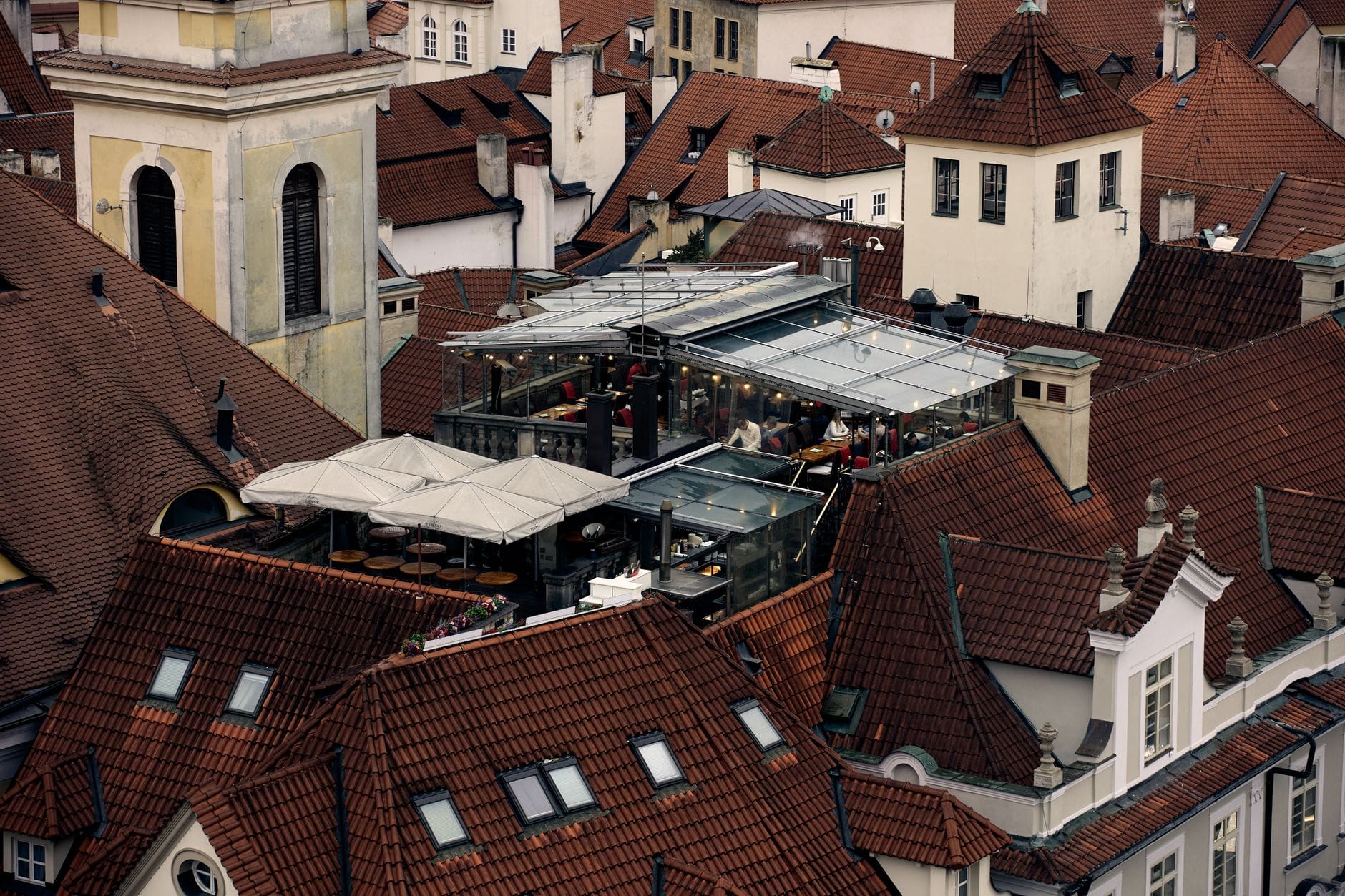
Prague food has changed dramatically over the past decade. The city that once meant heavy pork dishes and mediocre pub grub now has a genuinely competitive restaurant scene, with two Michelin-starred restaurants, a growing number of modern Czech bistros, and strong international dining options. The core of traditional Czech cuisine — svíčková (beef sirloin in cream sauce), vepřo-knedlo-zelo (roast pork with dumplings and sauerkraut), and pork knee — is still excellent when prepared properly, and finding where it's done right is half the task. For a broader picture of what Prague has to offer, the food scene sits firmly at the center of any worthwhile visit.
The city's dining geography follows a clear pattern. The closer you eat to Old Town Square or Charles Bridge, the higher the markup and the lower the quality-to-price ratio — with notable exceptions. Move one or two metro stops east or north, into Vinohrady, Žižkov, Karlín, or Holešovice, and you find a genuinely local dining culture: smaller menus, better ingredients, lower prices, and staff who aren't running through a tourist script.
⚠️ What to skip
Avoid any restaurant near Old Town Square that displays a laminated menu with photographs and prices in euros. These target tourists, and the food rarely justifies even the Czech koruna price. A short walk toward Dlouhá Street or Náměstí Republiky already puts you in noticeably better territory.
Best Food Neighborhoods in Prague
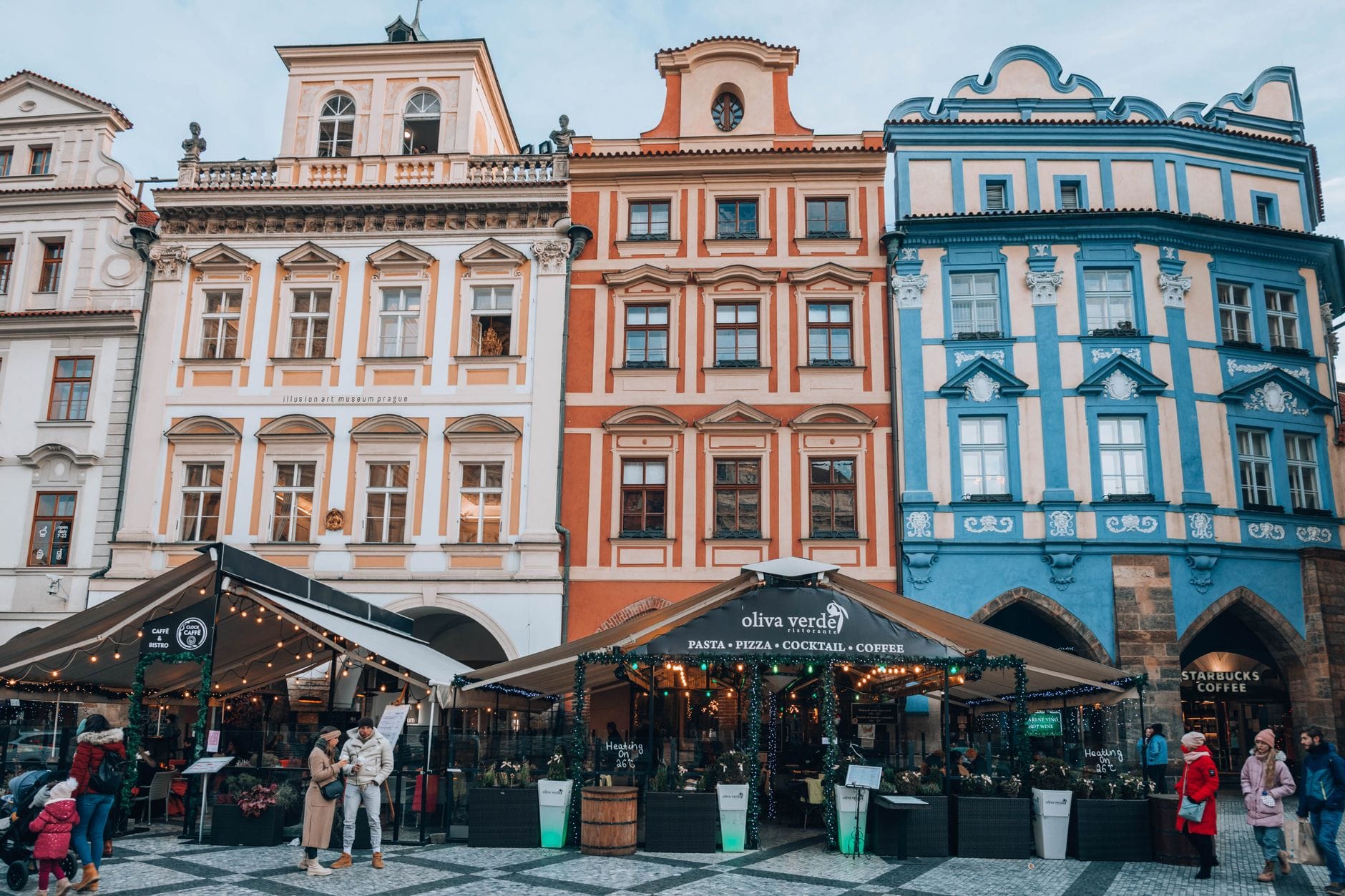
The Old Town (Staré Město) is dense with restaurants, and the quality varies wildly. The tourist trap-to-gem ratio is probably 4:1, but the gems are genuinely good. Lokál Dlouhá on Dlouhá Street is the most-cited example: it's run by the Ambiente group, serves Pilsner Urquell from a tank (which keeps the beer fresher than bottled or kegged alternatives), and puts out solid Czech classics at honest prices. Nase Maso, a butcher-bistro hybrid on Dlouhá, is worth queuing for at lunch. It operates Monday to Saturday, 11:00 to 22:00, and 11:00 to 20:00 on Sundays — arrive before noon if you want the best cuts.
Malá Strana (Lesser Town) sits below Prague Castle on the west bank of the Vltava, and its food scene skews romantic and upscale. Café Savoy, in operation since 1893, remains one of the best spots in the city for a proper breakfast or weekend brunch, with vaulted ceilings and an exceptional pastry counter. U Modré Kachničky (The Blue Duckling) is the neighborhood's most established fine-dining address, specializing in game dishes and Czech cuisine with French technique. Prices here are considerably higher than Czech pub standards, but the quality matches.
For genuinely local eating, Vinohrady and neighboring Žižkov are where Prague residents actually spend their dining budgets. The neighborhood's grid of Art Nouveau streets contains a mix of Czech pubs, wine bars, and independent bistros. There are fewer tourists, shorter queues, and more reasonable prices. Riegrovy Sady park hosts a popular beer garden in warm months, and the streets around Náměstí Míru offer one of the city's better concentrations of all-day cafés and casual restaurants.
Karlín and Holešovice represent Prague's most forward-looking food neighborhoods. Karlín rebuilt its commercial scene after devastating 2002 floods and now has some of the city's best modern bistros and coffee shops along Křižíkova and Karlínské náměstí. Holešovice, home to the Holešovice Market Halls, contains SaSaZu, one of Prague's most consistent Asian restaurants, alongside a growing cluster of independent food operators inside the market complex itself. Both neighborhoods are served by metro (Karlín via Florenc on lines B and C; Holešovice via Nádraží Holešovice on line C), making them easy to reach from the centre.
- Old Town (Staré Město) Best for: tank beer and Czech classics at Lokál Dlouhá, quality butcher lunches at Nase Maso. Avoid: any restaurant displaying photos menus in English only.
- Malá Strana Best for: upscale Czech cuisine, romantic dinners, weekend brunch at Café Savoy. Expect higher prices than the city average.
- Vinohrady & Žižkov Best for: local pubs, wine bars, and independent bistros without the tourist markup. Strong café culture throughout the week.
- Karlín Best for: modern bistros, specialty coffee, and a younger dining crowd. Good value relative to quality.
- Holešovice Best for: international cuisine (especially Asian), the market hall food scene, and weekend food events at the Holešovice Market complex.
What to Eat: Czech Food You Should Actually Order
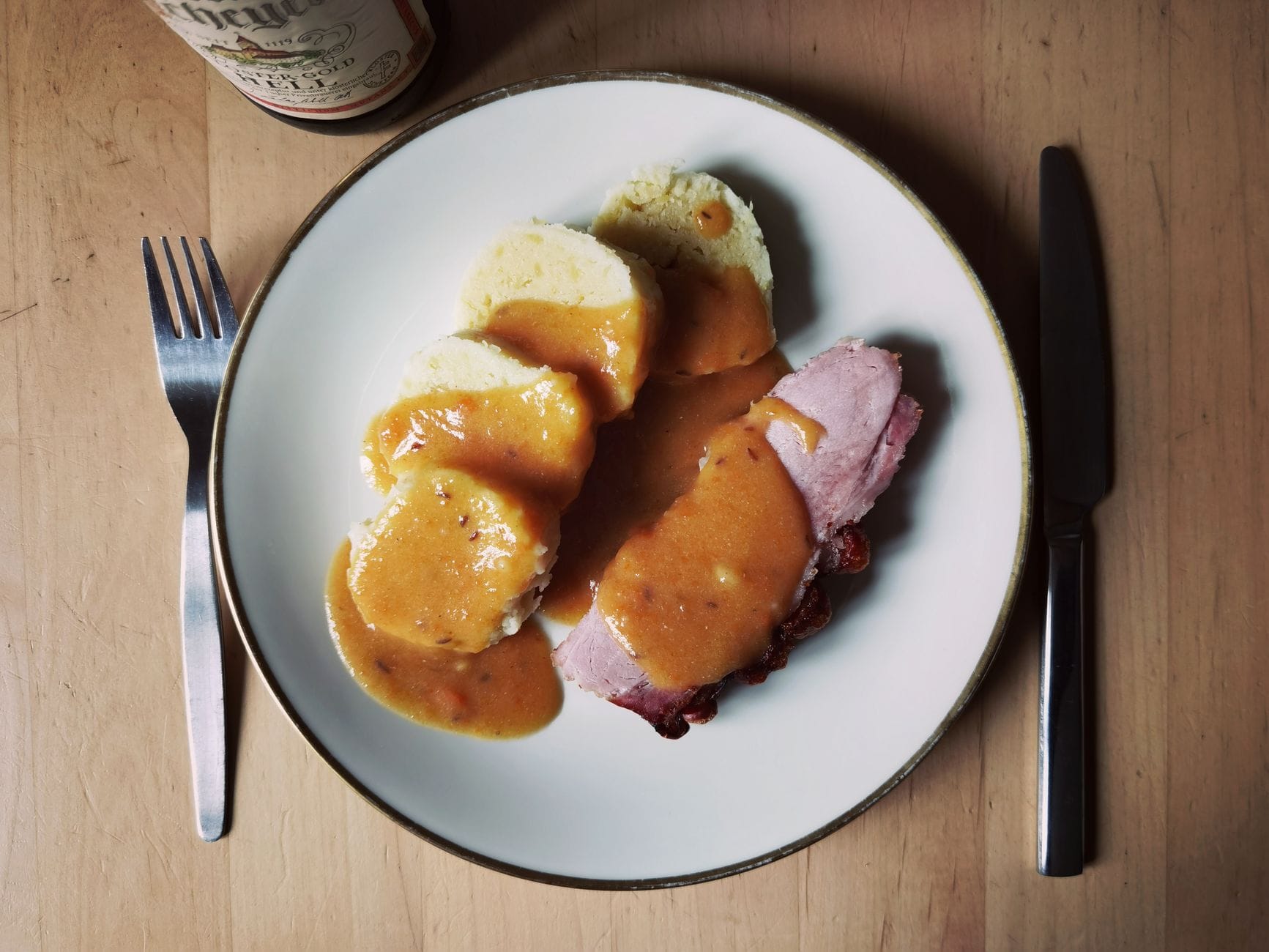
Czech cuisine is built around slow-cooked meat, rich sauces, bread dumplings (knedlíky), and fermented cabbage. When done well, it's genuinely satisfying. The benchmark dish is svíčková na smetaně: beef sirloin braised with root vegetables, served in a cream sauce with bread dumplings, a dollop of cranberry compote, and a slice of lemon. A properly made svíčková is one of the best things you can eat in Prague. The sauce should be velvety and slightly sweet; the dumplings should be soft enough to absorb it. If the dumplings are chewy or the sauce tastes like powder, leave and find somewhere else.
Pork knee (vepřové koleno) is the other Czech classic worth seeking out. It's slow-roasted until the skin crisps and the meat falls from the bone, served with mustard, horseradish, and dark bread. Portions are enormous. One knee genuinely feeds two people. Goulash (guláš) with bread dumplings is the everyday pub staple and a reliable indicator of kitchen quality — if the goulash is watery and flavorless, nothing else on the menu is likely to impress. Řízek, the Czech schnitzel, is excellent at good butcher-restaurants and worth ordering for a quick lunch.
ℹ️ Good to know
Trdelník — the spiral pastry sold at stands across Old Town — is not a traditional Czech food. It's a Central European sweet associated with Slovakia and Hungary, heavily marketed to tourists in Prague. If you want a genuine Czech pastry, look for větrník (a choux pastry filled with cream and topped with caramel), or visit a proper bakery for rohlíky (soft rolls) with butter and ham.
Prague's street food scene is better than its reputation. The Náplavka riverfront hosts a popular Saturday farmers' market from spring through autumn, running roughly 8:00 to 14:00, where you can find local cheeses, charcuterie, smoked fish, and fresh produce. It's a legitimate local shopping market, not a tourist event, and the quality is high. In December, Christmas markets around Old Town Square serve Old Prague ham (pražská šunka) roasted on open spits — this is the one tourist-area street food that actually delivers.
Prague Restaurants: Where to Book and What to Expect
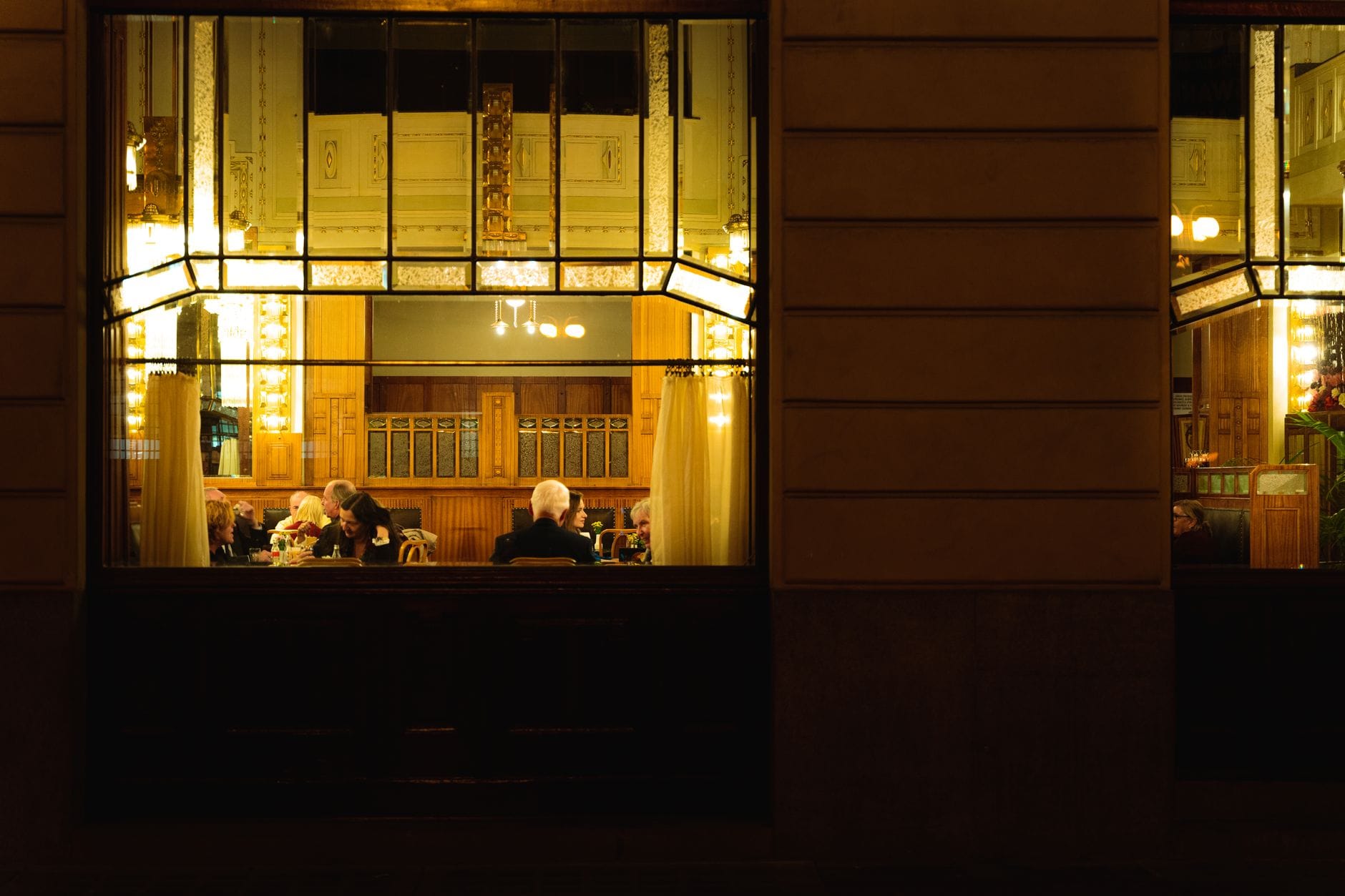
Prague's top restaurants require advance reservations. This is not an exaggeration. La Degustation Bohême Bourgeoise, the city's most decorated Czech restaurant and a Michelin-starred institution, typically books out weeks in advance, particularly on Friday and Saturday evenings. Field Restaurant, another Michelin-starred venue in Old Town, runs a modern European tasting menu that changes with the seasons and requires online reservation through their official site. Both offer wine pairings and tasting menus only, with no à la carte option, so arrive knowing what you're signing up for.
Below the fine-dining tier, the Ambiente restaurant group operates several of the most reliable mid-range venues in the city: Lokál Dlouhá (Czech pub classics with tank beer), Čestr (steakhouse), and Eska (modern Czech with a wood-fired element). These are not cheap by Prague standards, but they're consistent, professionally run, and accept online reservations through the Ambiente website. Book at least three to five days ahead for weekend evenings.
✨ Pro tip
Lunch is the smartest way to eat well cheaply in Prague. Many mid-range and even upscale restaurants offer lunch menus (denní menu) from around 11:00 to 14:30, typically a two-course set for 150–250 CZK including soup. The same restaurant's evening prices will often be double. This is standard practice across the city, not a special deal.
Most Czech restaurants operate roughly 11:00 to 23:00, though kitchen hours can end earlier. Krcma, a well-regarded Czech restaurant in Old Town, runs 11:00 to 23:00 Monday to Saturday and noon to 23:00 on Sundays. Lahůdky Zlatý Kříž, a classic New Town delicatessen-style lunch spot, operates 07:00 to 19:00 Monday to Friday and 09:00 to 18:00 on weekends — it's worth knowing about for a fast, cheap, high-quality lunch.
Prague Food Prices: What Things Actually Cost
Prague uses the Czech koruna (CZK), not the euro, and prices are meaningfully lower than in Western European capitals — but the gap has been narrowing. At a mid-range Czech pub or restaurant in a non-tourist neighborhood, expect to pay 250 to 400 CZK for a main course, and 70 to 120 CZK for a half-litre of draft beer. In tourist-heavy Old Town or on the main restaurant terraces near Charles Bridge, the same dishes can cost 30 to 50 percent more.
- Draft beer (0.5L) at a local pub: 70–120 CZK
- Svíčková or pork knee at a mid-range Czech restaurant: 250–400 CZK
- Lunch set menu (2 courses) at a bistro: 150–250 CZK
- Pizza or pasta at a decent Italian in Vinohrady: 200–320 CZK
- Tasting menu at a Michelin-starred restaurant: 2,000–4,000+ CZK per person (without wine pairing)
- Coffee (espresso or flat white) at a specialty café: 60–90 CZK
- Farmers' market snack or sandwich: 80–150 CZK
Tipping in Prague is customary but not at fixed percentages. Rounding up the bill or adding around 10% is the norm in restaurants. In pubs, it's common to simply round up to the nearest convenient number. Card payments are widely accepted, though some smaller pubs and market stalls remain cash-only, so carrying some koruna is sensible. For more on managing costs across the city, the Prague on a budget guide covers practical strategies beyond just food.
Seasonal Eating: How the Food Scene Changes Through the Year
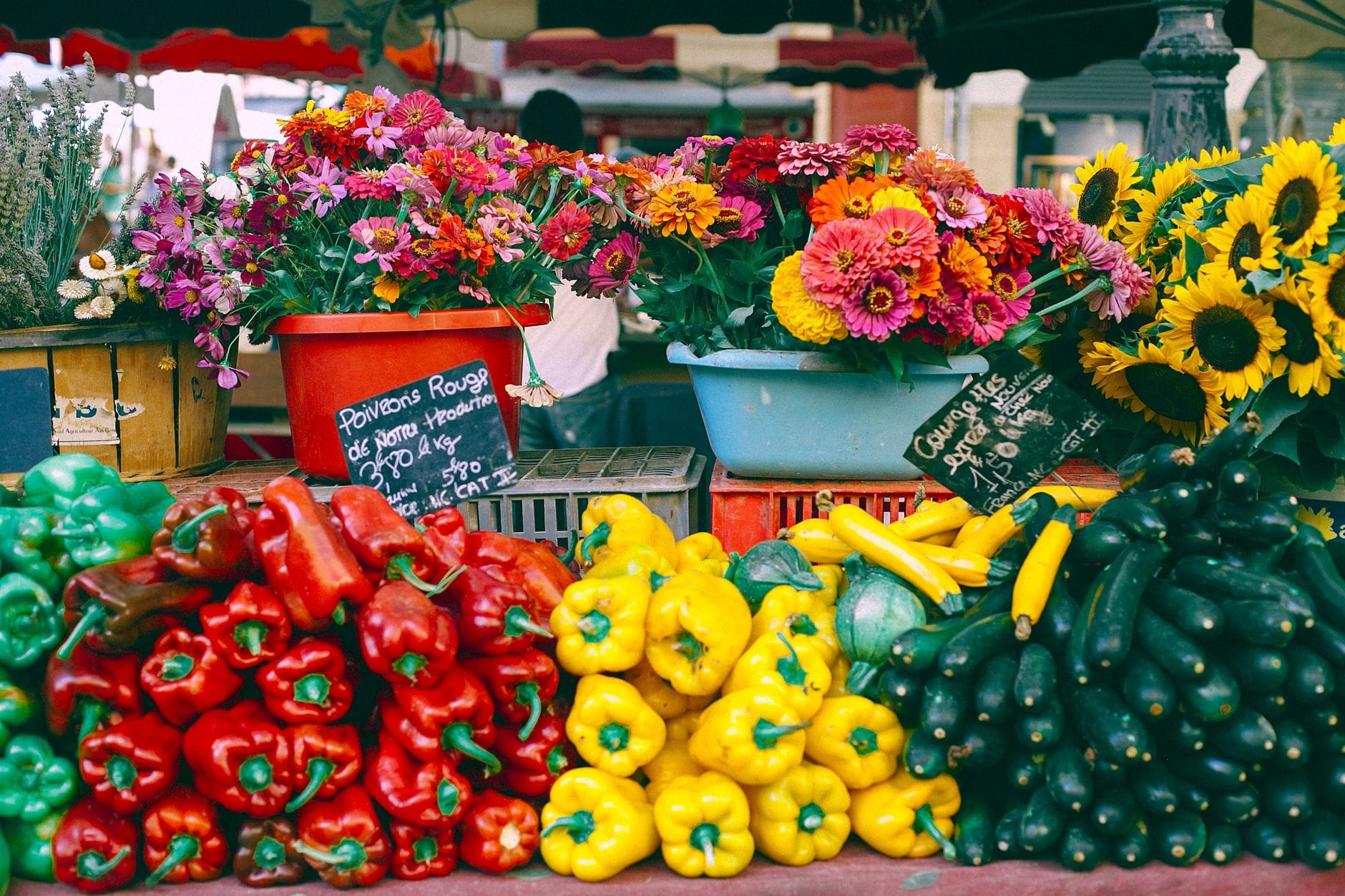
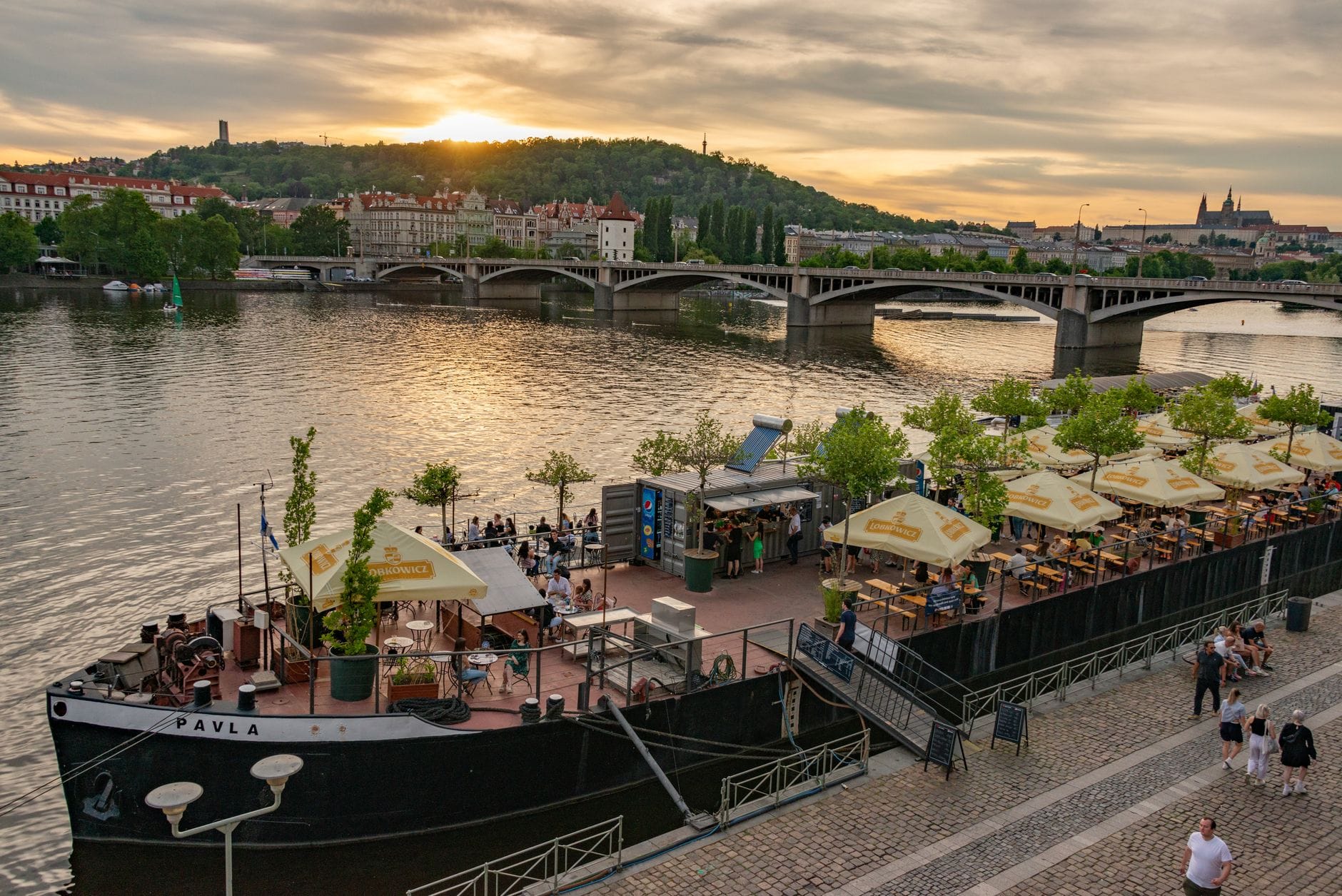
Prague's food scene shifts noticeably with the seasons. Summer brings outdoor terraces, riverside bars, and the Náplavka farmers' market in full swing. The Prague in summer period is when the city's casual dining is at its most enjoyable: beer gardens in parks like Letná and Riegrovy Sady, evening dining on Malá Strana terraces, and the Holešovice Market hosting weekend food events. Crowds peak in July and August, so restaurant queues and waits for tables are longer than at any other time of year.
December transforms the food landscape around the historic center. The Prague Christmas markets at Old Town Square and Wenceslas Square bring open-air food stalls selling roasted ham on spits, svařák (mulled wine), medovina (honey wine), and various roasted nuts and sweet pastries. Restaurant demand spikes in December and the period before Christmas, so reservations become even more critical than usual. Winter in Prague has genuine culinary appeal if you know where to look.
💡 Local tip
Spring (April to early June) and early autumn (September to October) offer the most balanced dining experience: comfortable terrace temperatures, full menus with seasonal ingredients, and shorter waits for tables than summer peak. September in particular is ideal — Czech harvest season means fresh mushroom dishes, game meats, and new-season wine appear on menus across the city.
FAQ
What is the best area to eat in Prague?
It depends on what you're after. For authentic Czech pub food with tank beer, Dlouhá Street in Old Town is the most accessible starting point. For a more local experience with better value, Vinohrady and Karlín have the strongest neighborhood dining scenes. Malá Strana is the pick for upscale or romantic dinners.
Do I need to book restaurants in Prague in advance?
Yes, for any restaurant you actually care about eating at. Prague's better mid-range and fine-dining restaurants book out quickly, especially Thursday to Saturday evenings. Book at least three to five days ahead for popular venues; Michelin-starred restaurants like La Degustation often need two to three weeks' notice.
How much does a meal cost in Prague?
At a mid-range Czech restaurant outside the tourist center, expect 250–400 CZK for a main course and 70–120 CZK for draft beer. Budget lunch menus (denní menu) at bistros typically run 150–250 CZK for two courses. Fine dining tasting menus at Michelin-starred restaurants start around 2,000 CZK per person and go higher with wine pairings.
What Czech food should I definitely try in Prague?
Svíčková na smetaně (beef sirloin in cream sauce with bread dumplings) is the signature dish. Vepřové koleno (roast pork knee) is worth trying if you have a large appetite or are sharing. Goulash with bread dumplings is the everyday pub staple and a reliable quality indicator. For street food, Old Prague ham at the Christmas markets or smoked fish at the Náplavka farmers' market on Saturdays are the real deals.
Is Prague good for vegetarians or vegans?
Traditional Czech cuisine is heavily meat-based, but Prague's restaurant scene has diversified considerably. Vinohrady and Karlín have the strongest concentration of vegetarian-friendly and vegan restaurants. Most modern bistros offer substantive plant-based options. In traditional Czech pubs, options are limited — fried cheese (smažený sýr) is usually the only vegetarian main on the menu, and vegan options are rare.