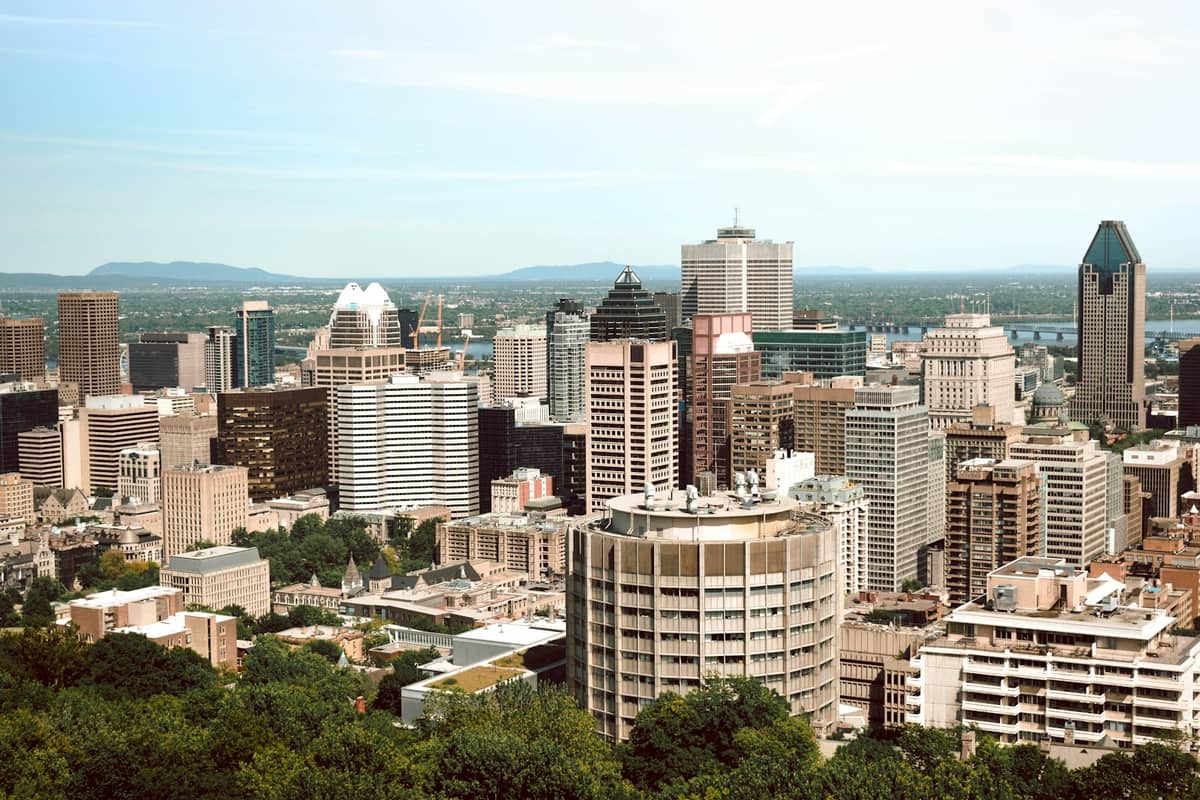
Downtown Montreal is the city's densest urban core, where office towers share blocks with world-class museums, century-old churches, and one of North America's most active shopping streets. Anchored by Sainte-Catherine Street and the shadow of Mount Royal, it functions as the city's civic, commercial, and cultural center all at once.
Downtown Montreal is where the city puts its most ambitious face forward: a compact grid of office towers, museums, universities, and shopping streets that somehow never feels entirely impersonal. The Underground City threads it all together below street level, making it functional in any weather, while above ground the blocks shift quickly from corporate to historic to genuinely lively.
Orientation
Downtown Montreal occupies the western portion of Ville-Marie, the central borough, and covers roughly 18 square kilometres of the island's interior. Its boundaries are roughly defined by Mount Royal Park to the north, the historic district of Old Montreal and the Old Port to the south, the Quartier Latin and the Gay Village to the east, and the municipality of Westmount along with the historic Golden Square Mile to the west.
The spine of the area is Sainte-Catherine Street, running east-west and crossing nearly every major metro station in the core. Parallel to it, René-Lévesque Boulevard carries heavy traffic one block to the south, while Sherbrooke Street to the north marks the transition into the Golden Square Mile and the institutional buildings of McGill University. De Maisonneuve Boulevard, running between Sherbrooke and Sainte-Catherine, is the main east-west cycling corridor and pedestrian artery in the center of the grid.
The neighborhoods immediately surrounding downtown reward short walks in every direction. Head south for ten minutes and you are in Old Montreal, with its cobblestone streets and heritage architecture. North and uphill, the terrain rises toward Mount Royal Park. East of Berri-UQAM metro station, the character shifts noticeably toward the Gay Village and Plateau-Mont-Royal. To the southwest, the newer construction of Griffintown continues to expand along the Lachine Canal corridor.
Character & Atmosphere
Downtown Montreal has the compressed energy of a city that built upward early and has been filling in the gaps ever since. The blocks around Phillips Square and Place Ville Marie feel distinctly mid-century in their ambition, with wide plazas and towers that still carry a certain civic confidence. But the same walk takes you past Christ Church Cathedral sitting in the footprint of a shopping mall, its Gothic stone facade now hovering above a retail concourse that was tunneled beneath it decades ago. That kind of unapologetic layering is everywhere.
Early mornings on Sainte-Catherine Street are quieter than you might expect. The coffee shops near the Peel and McGill metro stations fill up with students and office workers, but the retail strip itself doesn't wake until mid-morning. By midday the sidewalks are at full capacity, particularly between Rue Peel and Rue Metcalfe where the department stores and chain retail cluster. Afternoon light hits the glass towers on René-Lévesque and bounces onto the street in ways that make the grid feel warmer than its density suggests.
After dark, the character depends heavily on which block you are standing on. The stretch of Rue Crescent between Sainte-Catherine and Sherbrooke fills with bar crowds, particularly on weekends, and can feel quite loud from around 10 pm onward. The blocks around the Quartier des Spectacles, at the eastern edge of downtown near Place des Arts, operate on their own rhythm tied to performance schedules and, in summer, outdoor festival programming. The stretch near Guy-Concordia metro is calmer, more residential-feeling, with the university crowd thinning out once classes end.
ℹ️ Good to know
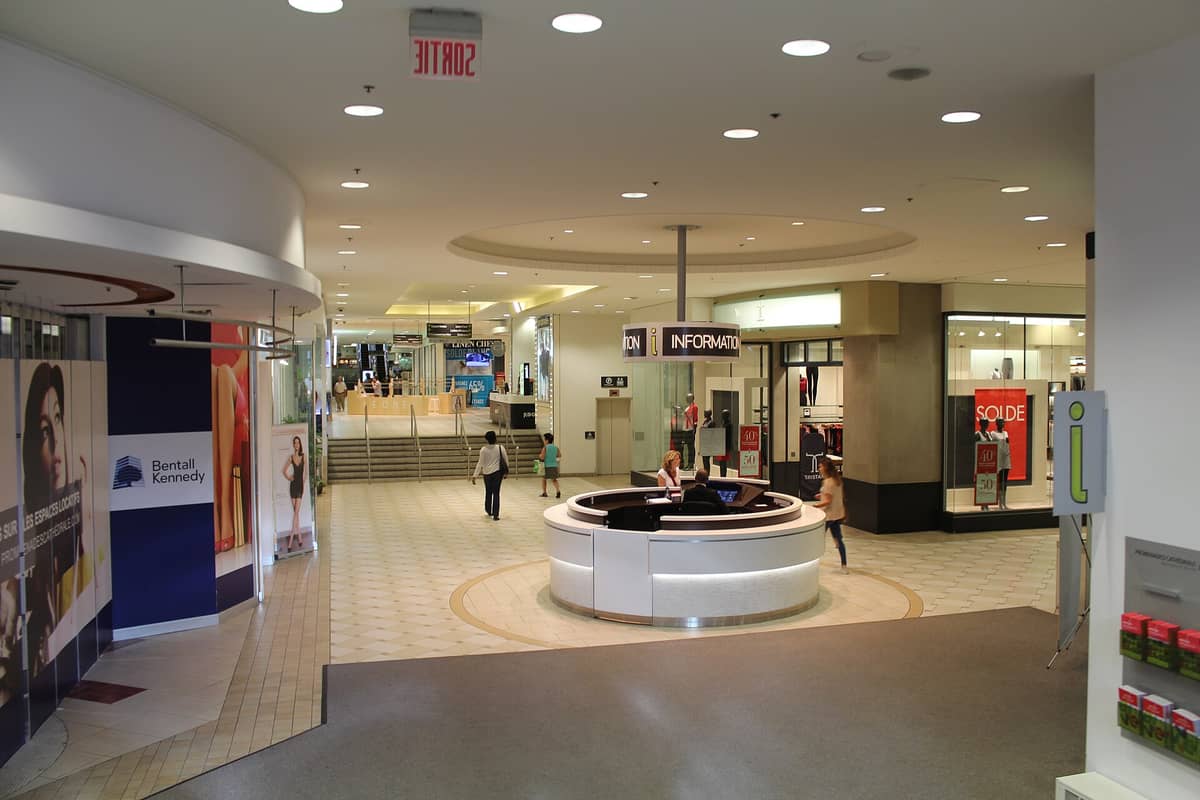
The Underground City, known locally as RÉSO, connects roughly 32 kilometres of pedestrian tunnels beneath downtown, linking metro stations, office towers, hotels, shopping concourses, and universities. In winter or during heavy rain it is genuinely useful rather than just a curiosity. Access points are signposted at most downtown metro stations.
What to See & Do
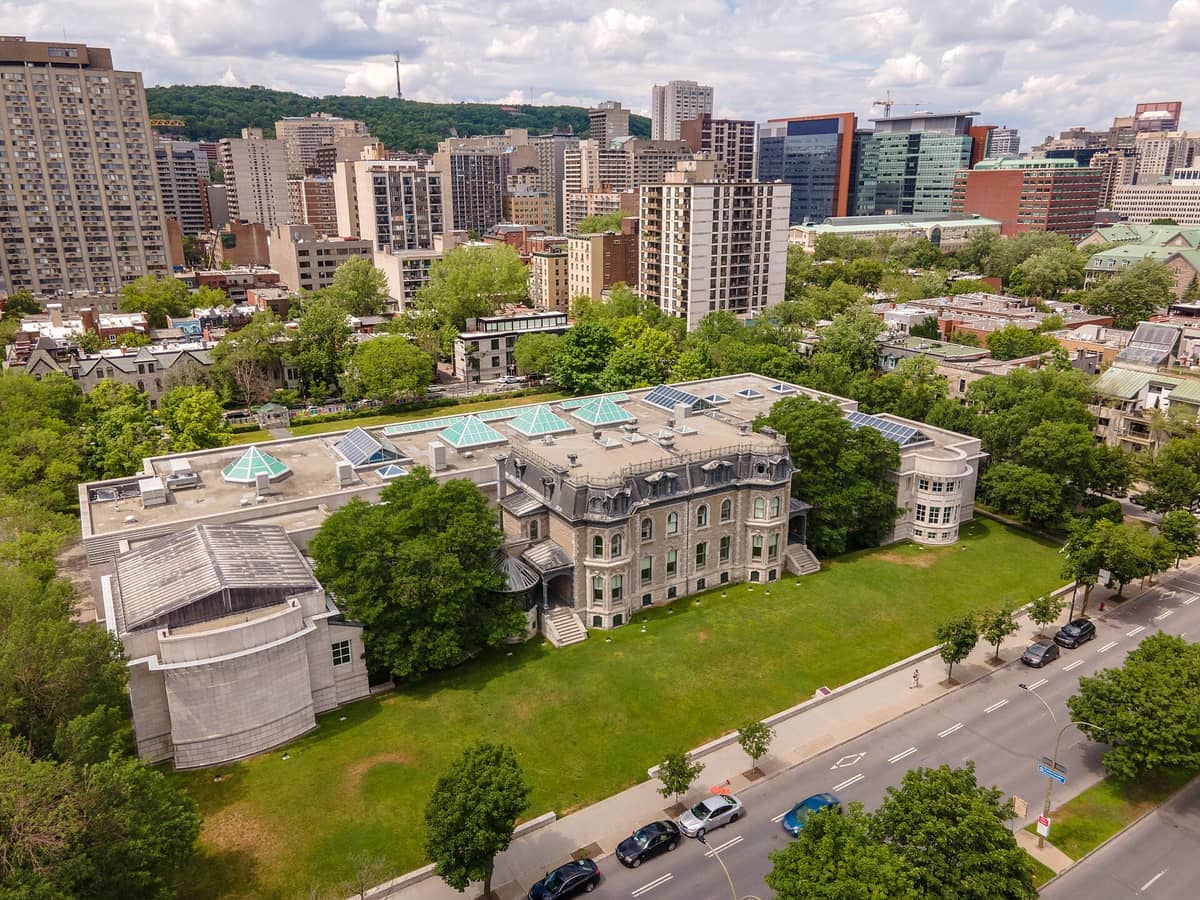
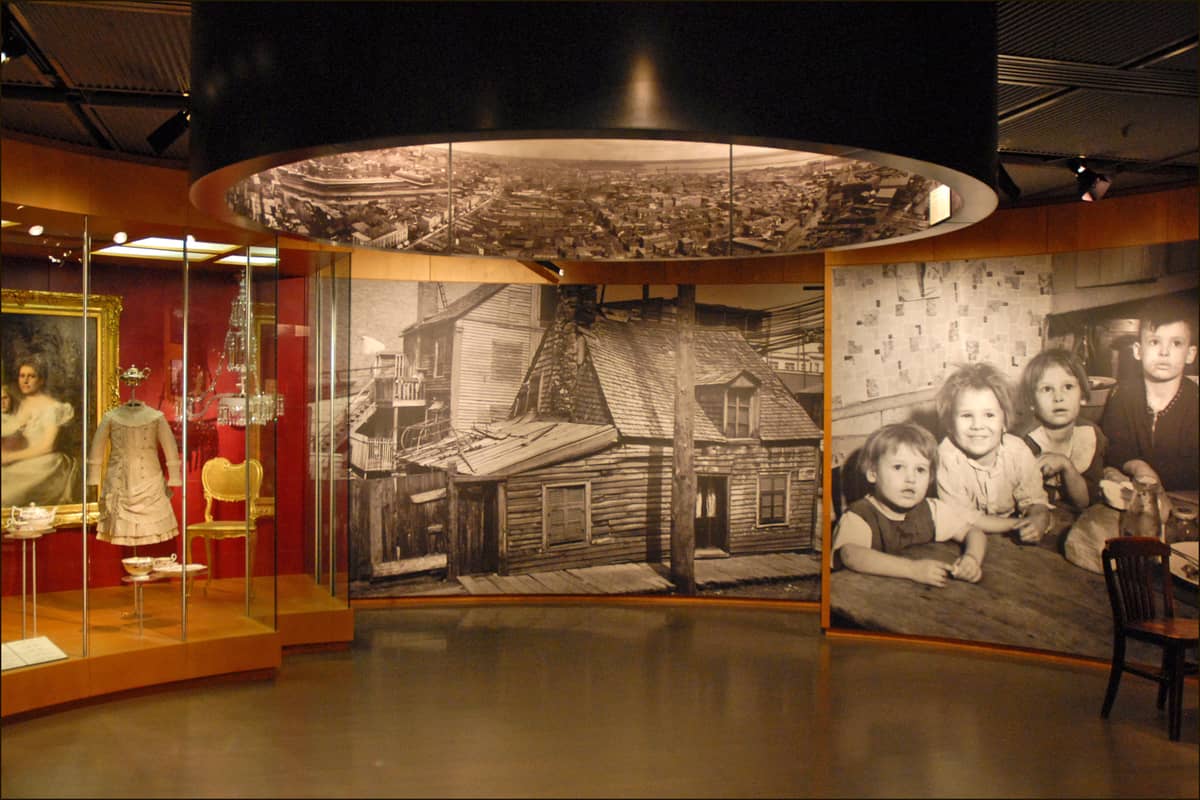
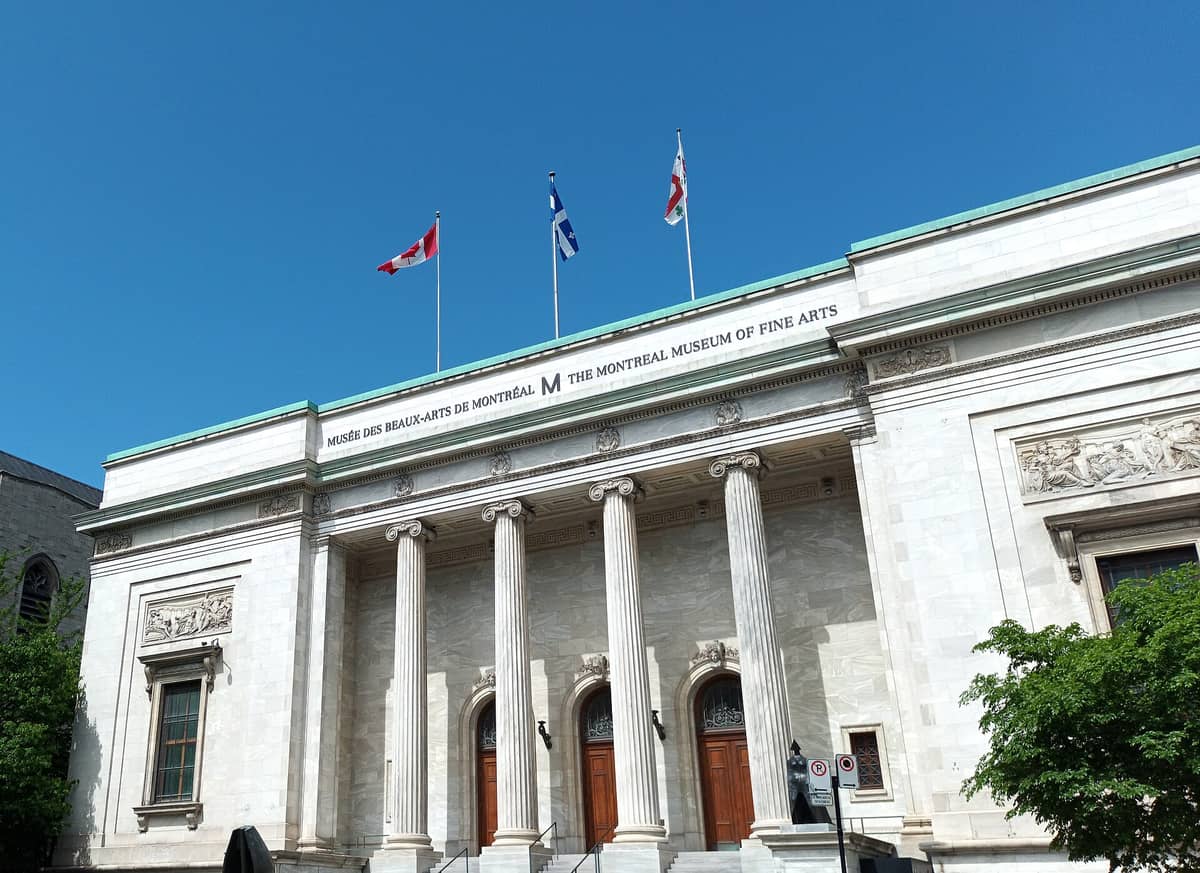
The Montreal Museum of Fine Arts on Sherbrooke Street West is the anchor cultural institution of the neighborhood, with a permanent collection that spans centuries and a program of major travelling exhibitions that reliably draws international attention. The campus now spans multiple connected pavilions across both sides of Rue Bishop, and a single visit rarely covers everything.
East of the museum district, Place des Arts anchors the Quartier des Spectacles with its cluster of concert halls and performance spaces. The esplanade in front becomes an outdoor stage during the summer festival season, when the Montreal Jazz Festival and other major festivals take over the surrounding streets. Even outside festival season the public art installations and open plazas give the area a distinct civic purpose.
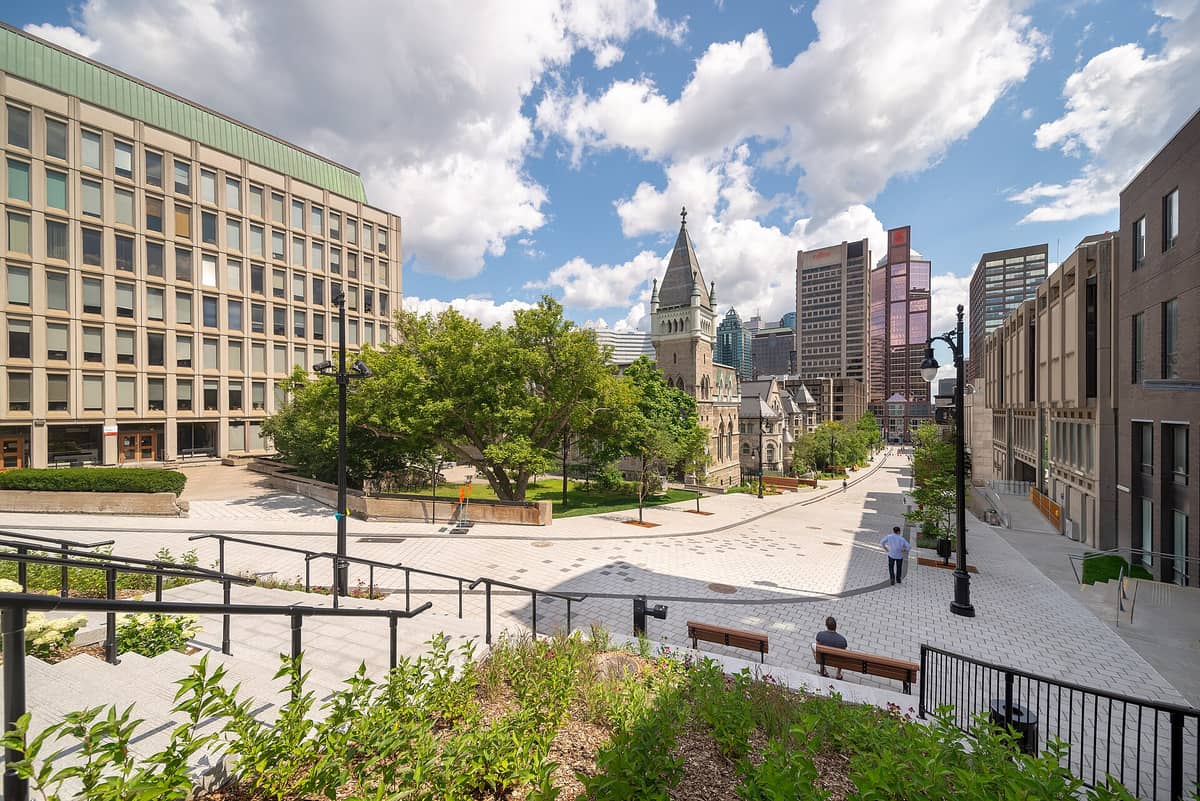
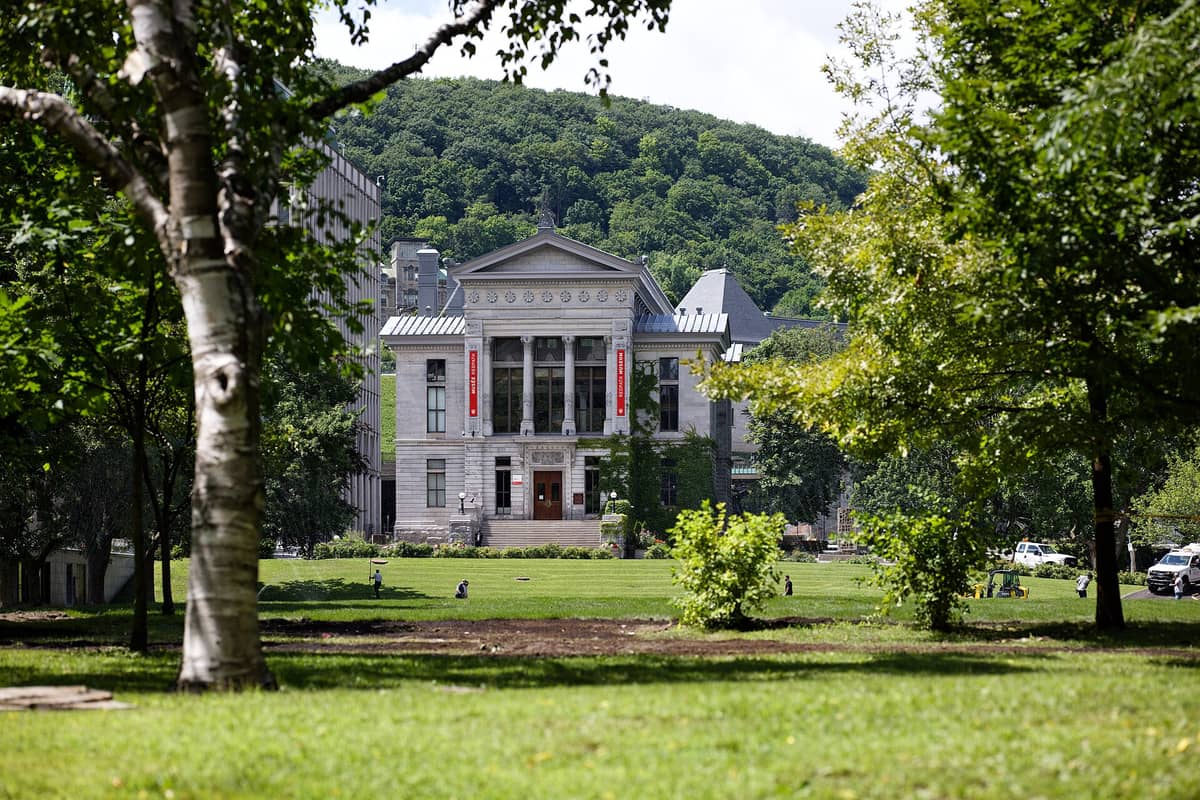
The campus of McGill University sits at the top of Rue McGill College, its gates opening onto a wide pedestrian avenue that runs straight down to Sainte-Catherine. The campus grounds are open to walkers and the architecture ranges from 19th-century stone buildings to modernist additions. The Redpath Museum on campus is one of Canada's oldest natural history museums and admission is free.
Phillips Square and the surrounding blocks contain some of downtown's best early 20th-century commercial architecture
Christ Church Cathedral is a functioning Anglican church wedged between retail towers, with free admission and regular midday concerts
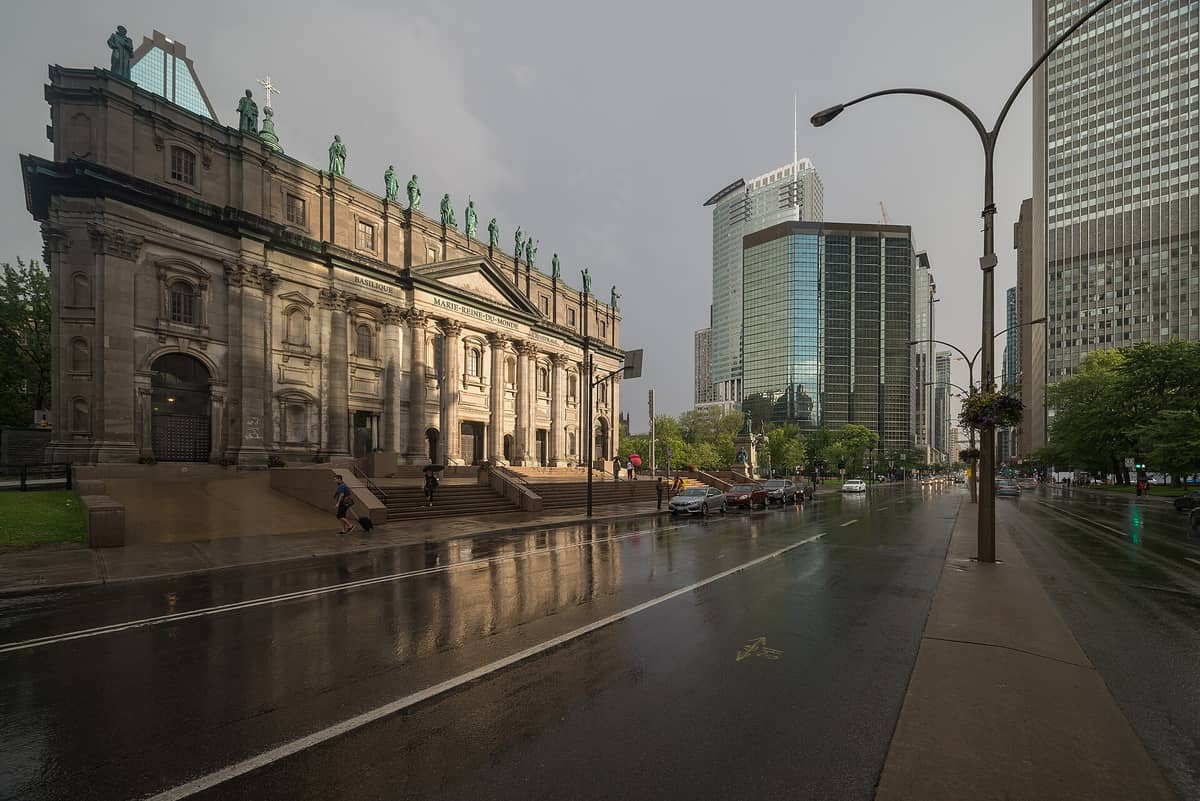
The Mary Queen of the World Cathedral on René-Lévesque is modeled on St. Peter's Basilica and is open to visitors
Place Ville Marie and its rooftop esplanade offer city views and regular public programming in summer
Jardins Gamelin, at the eastern edge of downtown near Berri-UQAM, hosts seasonal markets and outdoor events
For a broader look at what the city's downtown offers across multiple categories, the Montreal things to do guide covers activities citywide, while the Montreal architecture guide gives useful context for reading the downtown streetscape.
💡 Local tip
If you want to visit multiple museums in a short trip, check whether a combined pass or free admission days apply. Several downtown institutions offer free entry on specific evenings or Sunday mornings. Confirm current schedules directly with each venue before visiting.
Eating & Drinking
Downtown Montreal's food scene is wide rather than deep. The sheer concentration of office workers, university students, hotel guests, and tourists means that almost every category is represented somewhere within a ten-minute walk, but the most memorable meals tend to require either a very specific address or a short trip into an adjacent neighborhood.
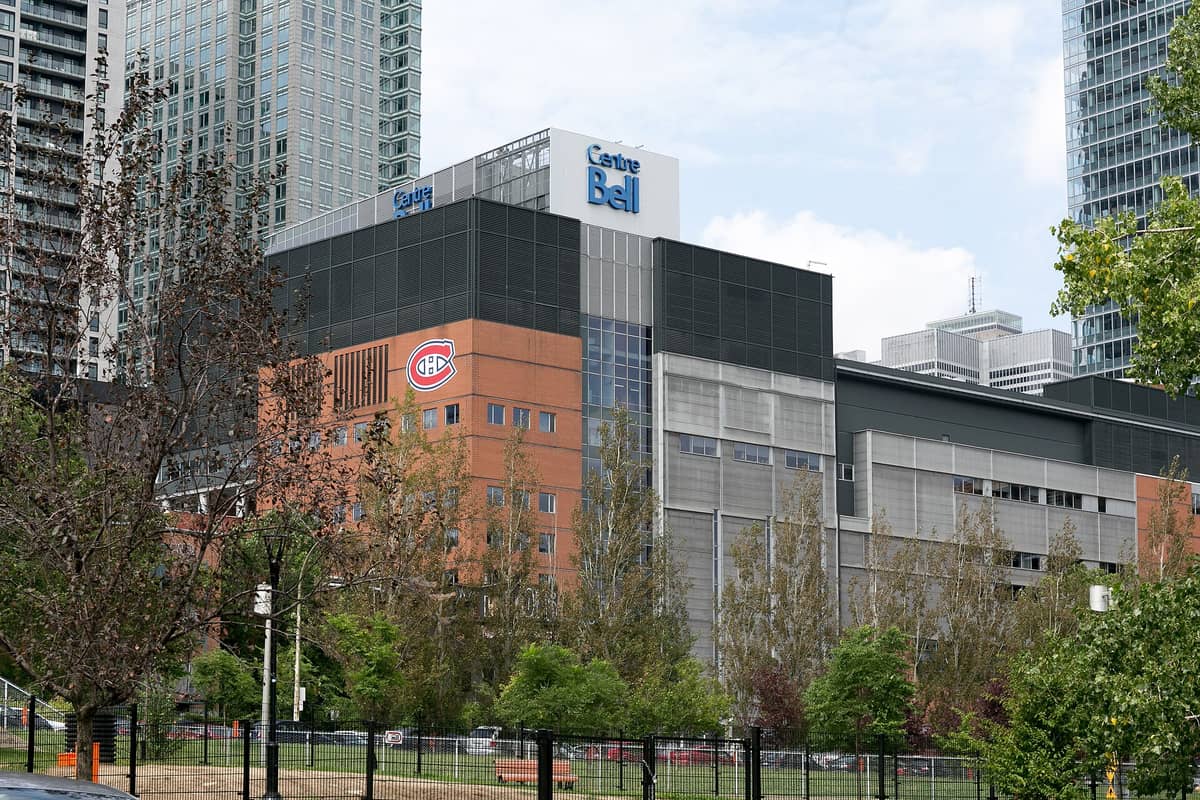
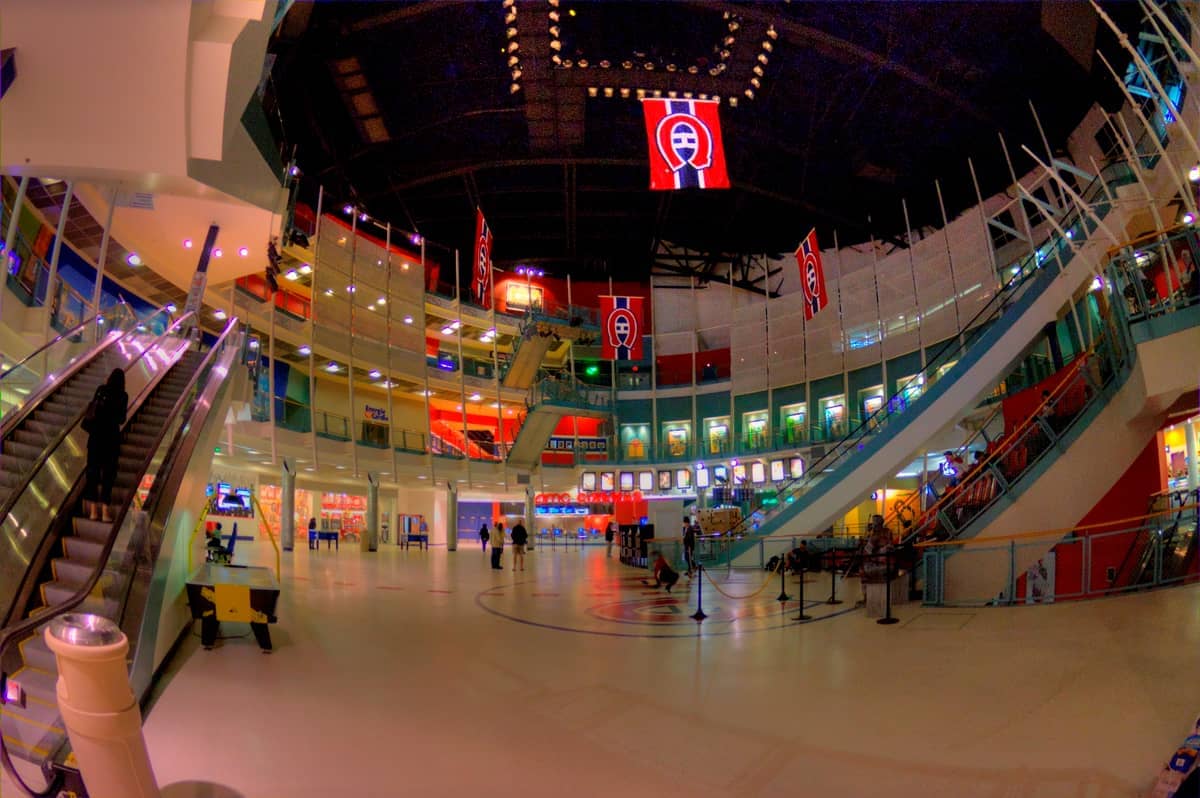
The Rue Crescent and Rue Bishop corridor between Sainte-Catherine and Sherbrooke is the densest strip of bars and mid-range restaurants, leaning heavily toward pubs, steak houses, and international chain concepts. It is loud and well-suited to groups who want to move easily between venues. The same area fills quickly before and after Montreal Canadiens games at the Bell Centre, which sits a few blocks west near Lucien-L'Allier metro.
Moving east toward the Quartier des Spectacles, the dining options improve and diversify. The blocks around Rue Saint-Denis and Sainte-Catherine East have a higher density of independent restaurants, many open late to serve the pre- and post-performance crowd from Place des Arts. This stretch also connects into the Quartier Latin, where student budgets keep prices competitive.
For a proper overview of what to eat across the city, including dishes specific to Montreal's food culture, the Montreal food guide is the right starting point. Downtown is the place to find poutine without traveling far, but the best versions are debated endlessly. The Montreal poutine guide covers where the consensus tends to land.
Café culture is strong near McGill and Concordia universities, with independent shops concentrated on side streets off Rue Sherbrooke and Rue de la Montagne
The underground concourses in Place Ville Marie and Les Promenades Cathédrale have food courts that are genuinely fast and cheap at lunch
Higher-end hotel restaurants cluster near Rue Peel and along Sherbrooke West, with dress codes ranging from smart casual to formal
The stretch of Rue Stanley and Rue Drummond between René-Lévesque and Sainte-Catherine has a mix of lunch spots catering to office workers on weekdays
⚠️ What to skip
Downtown restaurant prices skew higher than in residential neighborhoods like the Plateau or Mile End. At dinner in a sit-down restaurant, budget for 15 to 20 percent gratuity before Quebec sales tax. Many establishments add service charges automatically for larger groups.
Getting There & Around
Downtown Montreal is the hub of the STM metro network, and most visitors arriving from anywhere on the island will pass through it. The Green, Orange, and Yellow lines intersect at Berri-UQAM, which is effectively the transfer hub for the entire system. From there, the Orange Line moves west through Champ-de-Mars, Place-d'Armes, Square-Victoria-OACI, Bonaventure, and Lucien-L'Allier. The Green Line covers Place-des-Arts, McGill, Peel, and Guy-Concordia heading through the center of the commercial district.
The practical result is that almost any point within downtown is within a five to ten minute walk of a metro station. McGill station puts you at the foot of Rue McGill College, directly on Sainte-Catherine. Peel station is central for shopping and hotels. Guy-Concordia is best for Concordia University, the Bell Centre area, and Rue Crescent. Place-des-Arts and Bonaventure serve the cultural and business districts at their respective ends.
STM buses run frequently along all the major east-west corridors: Sainte-Catherine, René-Lévesque, Sherbrooke, and de Maisonneuve. On busy days the buses can be slow along Sainte-Catherine due to pedestrian crossings and traffic, so the metro is usually faster for any trip longer than two stops. The downtown cycling network uses de Maisonneuve Boulevard as its main protected bike lane, running the full length of the core from Berri to Atwater.
From Montréal–Trudeau Airport, the STM 747 express bus runs 24 hours a day directly to Berri-UQAM, the central downtown transfer station, with stops along René-Lévesque and on Sainte-Catherine. The fare is currently $11.25 and includes 24 hours of access to the STM network; confirm the current price before travel. For full transport options from the airport, see the Montreal airport guide. For a broader overview of navigating the city, the getting around Montreal guide covers cycling, metro, and bus in detail.
Where to Stay
Downtown has the highest concentration of hotels in Montreal, ranging from large international chains to smaller boutique properties in converted heritage buildings. For first-time visitors who want to cover a lot of ground, a downtown base makes logistical sense: the metro access is unmatched, walking to Old Montreal is feasible, and the airport bus drops directly into the neighborhood.
The blocks between Rue Peel and Rue Metcalfe along Sherbrooke Street and Rue de la Montagne tend to have the quietest hotel locations relative to the rest of downtown, with proximity to the museum district and the Golden Square Mile. Hotels on or very close to Sainte-Catherine Street between Peel and Saint-Denis are convenient but face street noise on weekend nights, when bar traffic on Crescent and surrounding streets runs late.
Travelers who prioritize neighborhood atmosphere over pure convenience may find that adjacent areas suit them better. The Plateau, Mile End, or Old Montreal each offer more distinct local character, though all are within 15 to 25 minutes of downtown by transit. For a full comparison of where to base yourself in Montreal, the neighborhood accommodation guide gives options across price ranges and travel styles.
For a broader comparison of Montreal neighborhoods as bases for a trip, the where to stay in Montreal guide covers the tradeoffs across price ranges and travel styles.
💡 Local tip
If you are attending a major event at the Bell Centre or Place des Arts, staying within walking distance of the venue eliminates the post-event metro crush. The Bell Centre is closest to Lucien-L'Allier and Bonaventure stations on the Green Line, both of which are within the downtown core.
Honest Assessment
Downtown Montreal works extremely well as a base and as a place to move through, but it is not the neighborhood you come to Montreal to experience in the way you might come for the Plateau's staircase architecture or Mile End's independent food scene. The streets around Crescent and Bishop on weekend nights are genuinely noisy and cater heavily to a bar-going crowd. Parts of Sainte-Catherine have the generic feel of any major North American shopping street, particularly in the blocks dominated by chain retail.
The cultural infrastructure, however, is real. The museum district, McGill's campus, and the Quartier des Spectacles give downtown a civic weight that many commercial cores lack. The Underground City is a genuine urban achievement that rewards exploration on its own terms. And the transit connectivity means that whatever you came to Montreal to see is almost certainly reachable within 20 minutes from any downtown hotel.
For travelers trying to decide whether downtown is the right base, or whether Montreal as a whole fits their trip, the Montreal first-timer guide gives practical context for planning a first visit.
TL;DR
Downtown Montreal is the city's commercial, cultural, and transit hub, with metro access to every major neighborhood on the island
Best suited to first-time visitors, business travelers, and anyone attending events at Place des Arts or the Bell Centre
The museum district around Sherbrooke Street West and McGill University are the strongest draws for cultural tourists
Food and nightlife are plentiful but uneven in quality; the most interesting dining is often a short walk into adjacent neighborhoods
Noise and tourist-facing pricing are genuine drawbacks, particularly on and around Rue Crescent on weekend evenings
Montreal's market scene spans grand Art Deco food halls, open-air farmers markets in Little Italy, historic covered bazaars in Old Montreal, and lively Sunday flea markets at the foot of Mount Royal. This guide covers the best of all of them.
Montreal delivers more than its size suggests as a museum city. This guide covers the finest institutions across fine art, social history, archaeology, architecture, and science, with practical details to help you plan your visit.
Montreal rewards visitors in every season, but the right time to go depends entirely on what you want from the city. This guide breaks down the weather, festivals, crowds, and trade-offs for each season so you can plan with confidence.
Montreal rewards those who look up and out. Whether you climb to the Kondiaronk Belvedere at golden hour, ride the Grande Roue above the Old Port, or scale the Olympic Tower's inclined funicular, the city offers skyline perspectives that are genuinely worth seeking out. This guide covers the best viewpoints at every elevation, from free hilltop terraces to paid observation decks.
Montreal is an island city with extraordinary escapes on its doorstep. Whether you want alpine trails, freshwater beaches, wine country, or wildlife encounters, these are the best day trips from Montreal for every season and travel style.
Montreal is one of North America's most culturally rich cities, and you don't need to spend much to experience it. From mountaintop panoramas to historic churches, Sunday drum circles, and world-class art, this guide covers the best free things to do in Montreal across every season.
Montreal is one of North America's most navigable cities, with a reliable metro, an extensive bus network, and a serious cycling culture. This guide covers every way to move around the city, from airport arrivals to cross-neighborhood cycling, with accurate fares and practical logistics.
Montreal is well connected by air, rail, road, and bus. This guide breaks down every practical option for getting to Montreal, from booking flights to YUL to taking VIA Rail or an intercity bus, including costs, logistics, and what to watch out for.
Montreal is one of North America's most distinctive cities: French-speaking, architecturally rich, food-obsessed, and genuinely alive in every season. This guide cuts through the hype and gives you the real picture — including what doesn't live up to expectations.
Montréal-Trudeau International Airport (YUL) is the main gateway into Montreal, located about 20 km west of downtown. This guide breaks down every transport option, including real costs, journey times, and practical tips for arriving and departing stress-free.
Montreal is one of North America's most architecturally diverse cities, layering French colonial stonework, Gothic Revival grandeur, early 20th-century Beaux-Arts institutions, and modernist experiments across its neighborhoods. This guide walks you through the key eras, districts, and buildings worth your time, with practical transit advice for moving between them.
Montreal bagels are in a category of their own: hand-rolled, boiled in honey water, and baked in wood-fired ovens until golden and slightly chewy. This guide covers what makes them distinct, the legendary Fairmount vs St-Viateur debate, where to find the best ones, and everything else a first-timer or returning visitor needs to know.
Montreal is an island city, and in summer it takes full advantage of that fact. From supervised urban beaches with skyline views to freshwater shores inside national parks, here are the best places to swim, sunbathe, and cool off near Montreal.
Attending a Montreal Canadiens game at the Bell Centre is one of the most intense sporting experiences in North America. This guide covers everything you need to know: how to find tickets, read the schedule, check standings, get to the arena, and make the most of game night in Montreal.
Montreal has one of North America's most developed urban cycling networks, with over 1,000 km of paths, a mature bike-share system, and routes that connect historic waterfront districts to leafy residential neighborhoods. This guide covers BIXI pricing, the best routes by experience level, seasonal logistics, and what to watch out for before you clip in.
Montreal earns its reputation as Canada's festival capital every summer, when the Quartier des Spectacles, Parc Jean-Drapeau, and the city's streets fill with music, circus arts, fireworks, and outdoor gatherings. This guide covers the venues, neighborhoods, and attractions that make Montreal's festival calendar tick — from free outdoor stages to world-class arena shows.
Montreal is one of North America's most distinctive cities, with a French-speaking culture, four dramatic seasons, world-class food, and a calendar packed with festivals. This guide covers everything a first-time visitor needs: how to get in, where to go, what to eat, and how to avoid the common mistakes.
Montreal earns its romantic reputation through a combination of European-style architecture, world-class dining, and genuinely varied outdoor experiences that work in every season. This guide covers the best couple-friendly activities across the city, from the Old Port waterfront to Mount Royal's summit viewpoints, with practical tips on what's worth booking in advance.
The Canadian Grand Prix is one of Formula 1's most celebrated stops, and Montreal delivers a race weekend unlike any other. This guide covers tickets, getting to the circuit, accommodation strategy, and everything else you need to make the most of the event.
Montreal rewards curious travelers who look beyond the obvious. From a community museum inside an Art Deco bathhouse to a living history farm in Pointe-Saint-Charles, these under-the-radar experiences reveal the city's deeper character. Here are the local favorites and overlooked spots worth seeking out.
Montreal transforms in summer, packing months of world-class festivals, outdoor markets, cycling routes, and park culture into a brief but intense warm season. This guide covers what to expect, what to prioritize, and what to skip across June, July, and August.
Montreal in winter is one of North America's most underrated cold-weather experiences. From illuminated skating rinks to world-class museums and legendary winter festivals, this guide covers what to expect, what to wear, and exactly how to make the most of the season from November through March.
Three days is enough time to cover Montreal's historic core, its best neighborhoods, and its signature food culture — if you plan it right. This itinerary is built around walkable clusters, smart transit use, and practical tips on what's worth your time.
The Montreal International Jazz Festival runs June 25 to July 4, 2026, with over 350 concerts across Quartier des Spectacles. Most outdoor shows are completely free. Here's how to navigate the 46th edition like a local.
Montreal has one of North America's most celebrated LGBTQ+ scenes, anchored by the Gay Village on Sainte-Catherine Street East and spread across some of the city's most interesting neighborhoods. This guide covers everything from Pride 2026 dates and Village bar culture to year-round queer travel tips, practical logistics, and what to know before you arrive.
Montreal is not a city you can understand from one neighborhood. From the cobblestones of Old Montreal to the spiral staircases of the Plateau and the repurposed warehouses of Griffintown, each district has a distinct character, crowd, and pace. This guide breaks down the city's key areas so you can match your trip to the right base.
Montreal's nightlife runs deep, from jazz bars in the Plateau to underground clubs in the Quartier des Spectacles and rooftop terraces in Old Montreal. This guide covers the best venues by neighborhood, practical transit tips, seasonal advice, and what to skip.
Montreal is one of North America's most rewarding cities for budget travelers. From free outdoor landmarks to heavily discounted museum nights, this guide breaks down exactly where your money goes further and where it disappears fast.
Poutine is Quebec's most exported food idea, but eating the best version requires knowing where to go, what to order, and what to avoid. This guide covers the top spots in Montreal, the dish's real origins, and practical advice for first-timers and repeat visitors alike.
Montreal is one of Canada's top shopping destinations, blending major retail corridors with independent boutiques, covered malls, and a remarkable underground network. This guide breaks down where to shop, what to expect, and how to avoid wasting time on the wrong streets.
Montreal smoked meat is one of Canada's most iconic deli traditions, and eating it well requires knowing where to go, how to order, and what to expect. This guide covers the history, the best delis, ordering tips, and clear takes on the city's most celebrated sandwich.
Montreal has one of the most concentrated outdoor mural collections in North America, spread across distinct neighborhoods from the Plateau to Griffintown. This guide covers where to find the best street art, how to walk or cycle the top routes, what to expect at the MURAL Festival, and how to get the most from the city's public art scene year-round.
The National Bank Open is one of the top tennis tournaments in North America, held each summer at IGA Stadium in Montreal's Jarry Park. This guide covers tickets, venue logistics, session timing, transport, and what to expect on site — so you can focus on the tennis.
Montreal is one of North America's most walkable cities, with historic cobblestone streets, forested hilltops, canal-side paths, and distinct neighborhoods that reward exploring on foot. This guide covers the best guided tours and self-guided walks across the city, from Old Montreal's 17th-century architecture to the Lachine Canal waterfront.
Montreal doesn't hibernate in winter. From outdoor electronic music at Igloofest to the giant snow playground of Fête des Neiges and the all-night Nuit blanche, the city turns its coldest months into a full calendar of events. Here's how to make the most of it.
From the Biodôme to the Old Port, Montreal is one of Canada's most rewarding cities for families. This guide covers the best kid-friendly attractions, honest admission costs, STM transit rules for children, and practical advice for every season.
Montreal is one of North America's most rewarding cities to explore, with a genuinely distinct French-speaking culture, world-class food, and a calendar packed with festivals. This guide covers the top things to do in Montreal Canada, organized by category, with practical details on costs, timing, and what to skip.
Montreal has one of the most distinctive food cultures in North America, shaped by French-Canadian tradition, Jewish deli heritage, Portuguese immigration, and a relentless local obsession with quality ingredients. This guide covers the essential dishes, where to find them, and how to eat like someone who actually lives here.
Montreal's food scene is one of the most distinctive in North America, shaped by French culinary tradition, Jewish deli culture, Italian immigration, and a relentless wave of independent restaurants. This guide breaks down the best places to eat in Montreal by neighborhood, food type, and budget, with clear takes on what's worth your time and what to skip.
Choosing where to stay in Montreal shapes your entire trip. This guide breaks down every major neighborhood by character, convenience, and price range — so you can pick the right base before you book a single hotel room.