Best Time to Visit Montreal: A Season-by-Season Breakdown
Montreal rewards visitors in every season, but the right time to go depends entirely on what you want from the city. This guide breaks down the weather, festivals, crowds, and trade-offs for each season so you can plan with confidence.
Plan and book this trip
Tools from our partner Travelpayouts help you compare flights and hotels. If you book through them, we may earn a commission at no extra cost to you.
Flights
Hotels map
TL;DR
- The best time to visit Montreal for most travelers is late June through September, when festivals peak and outdoor life is at its fullest.
- September and early October are the sweet spot: cooler temperatures, fewer crowds, and autumn foliage without summer's humidity and peak hotel rates.
- Winter (November to March) is genuinely cold, with lows reaching -20°C, but Montreal's underground city and winter festivals make it workable for well-prepared visitors.
- Spring (April to May) is unpredictable and transitional: some attractions reopen slowly, but hotel rates are lower and the city is far less crowded.
- Check Montreal's festival calendar before booking — major events like the Jazz Festival and Grand Prix dramatically affect hotel availability and pricing.
Understanding Montreal's Climate
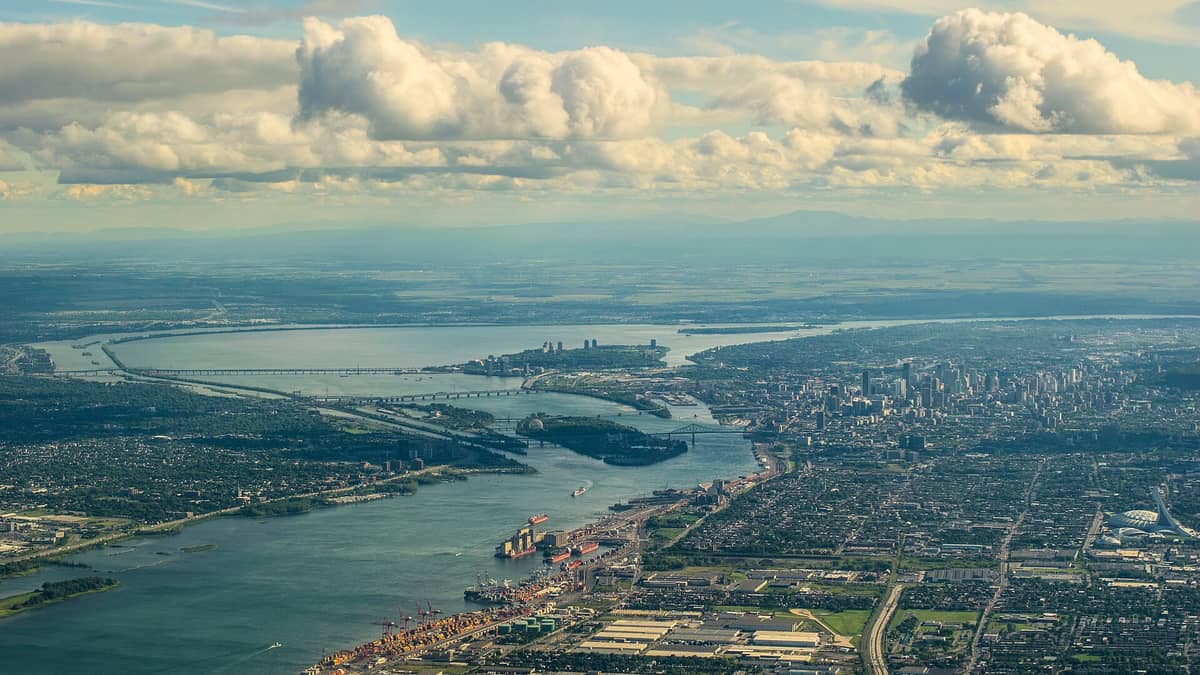
Montreal has a humid continental climate, which means genuinely hot summers and genuinely cold winters, with spring and fall as relatively brief transitions. The city sits on an island at roughly 45°N latitude, and its position at the confluence of the Ottawa and Saint Lawrence rivers amplifies both the summer humidity and the winter wind chill. There is no dry season to speak of: precipitation falls year-round, with summer rain and winter snowfall both common. Average daily temperatures in July sit around 22°C (72°F), while January averages hover near -9°C (15°F), with overnight lows routinely colder.
What this means practically: summer visitors need to budget for humidity and occasional heat waves pushing into the 30s°C (high 80s°F). Winter visitors need proper cold-weather gear, including insulated boots, layered clothing, and a wind-blocking outer layer. The city is well-adapted to both extremes, with an extensive underground pedestrian network downtown and outdoor terraces that fill within hours of the first warm spring day.
ℹ️ Good to know
All climate normals referenced in this guide are drawn from Environment and Climate Change Canada's 1991–2020 dataset for Montreal. Specific dates and festival schedules can shift year to year — always verify on Tourisme Montréal's official calendar before booking.
Summer (June to September): Peak Season for a Reason
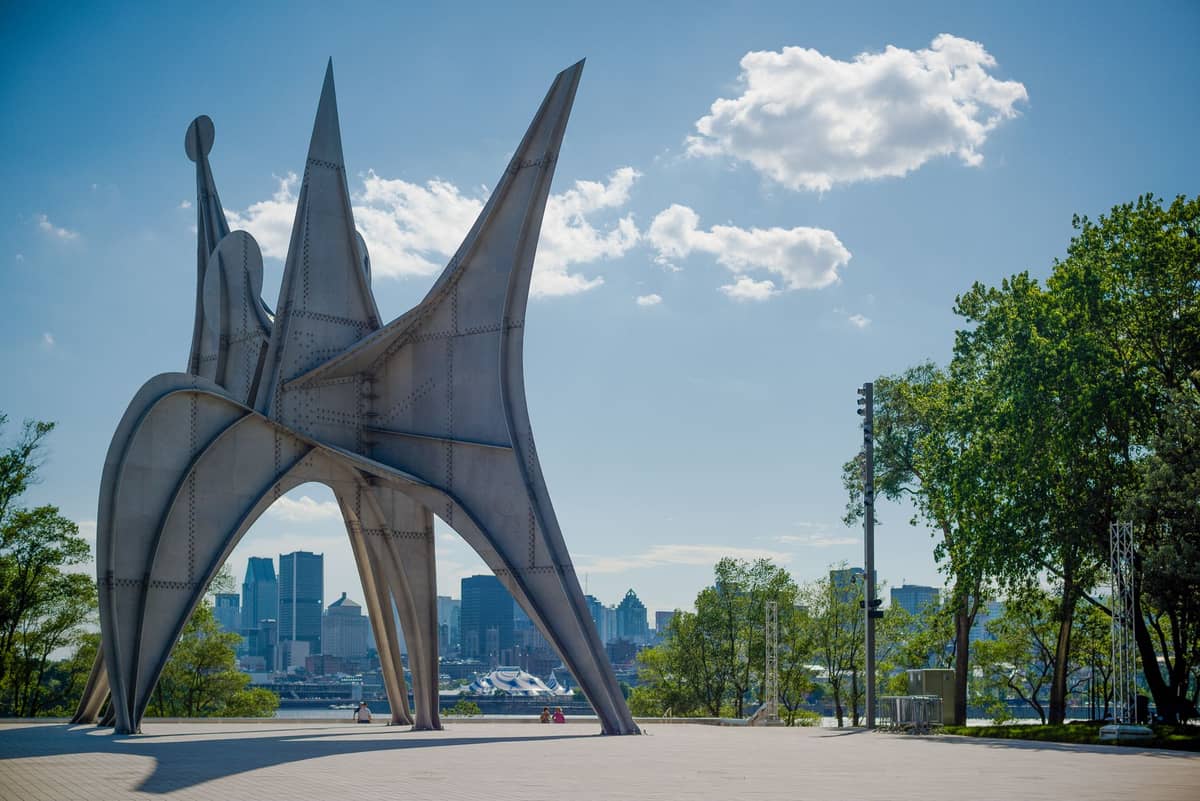
Montreal's summer is dense with activity. The Montreal Jazz Festival typically runs in late June and early July, drawing hundreds of thousands of visitors to Quartier des Spectacles. The Formula 1 Canadian Grand Prix occupies a weekend in June at the Circuit Gilles Villeneuve on Île Notre-Dame. Osheaga music festival lands in late July or early August at Jean-Drapeau Park. This concentration of major events is what makes summer Montreal's most popular and most expensive season.
Outdoor terraces open across the city from May onward, and the Old Port comes fully alive with cyclists, rollerbladers, and visitors exploring the waterfront. Temperatures from June into early September can reach the low 30s°C with humidity that makes it feel warmer. Thunderstorms are common in July and August, usually short-lived but occasionally disruptive to outdoor events.
- June Grand Prix weekend (early June) and Jazz Festival (late June) drive up hotel rates significantly. Book accommodation months in advance for these weekends.
- July Peak summer heat and humidity. Osheaga festival in late July. Beaches at Plage Jean-Doré on Jean-Drapeau Park are in full operation. Highest hotel rates of the year.
- August Still warm, festival schedule continues. Crowds thin slightly compared to July. A good compromise between weather and cost if you're flexible with timing.
- September Temperatures drop into the high teens°C. Locals consider this sweater-weather territory. Foliage begins turning by late September. Significantly fewer tourists, better hotel rates.
⚠️ What to skip
During Grand Prix weekend and the Jazz Festival, Montreal hotels can charge two to three times their standard rates. If you're not attending these specific events, scheduling your trip around them saves real money without sacrificing the city's appeal.
Fall (September to November): The Underrated Window
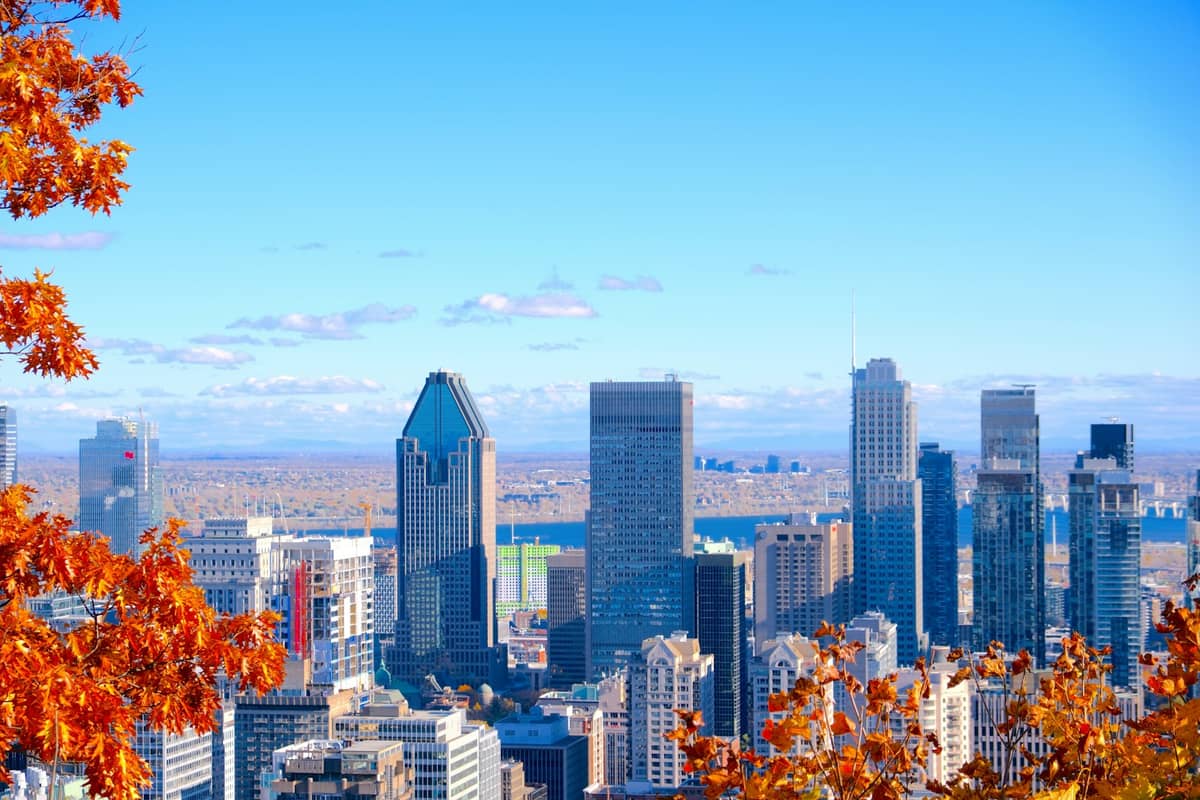
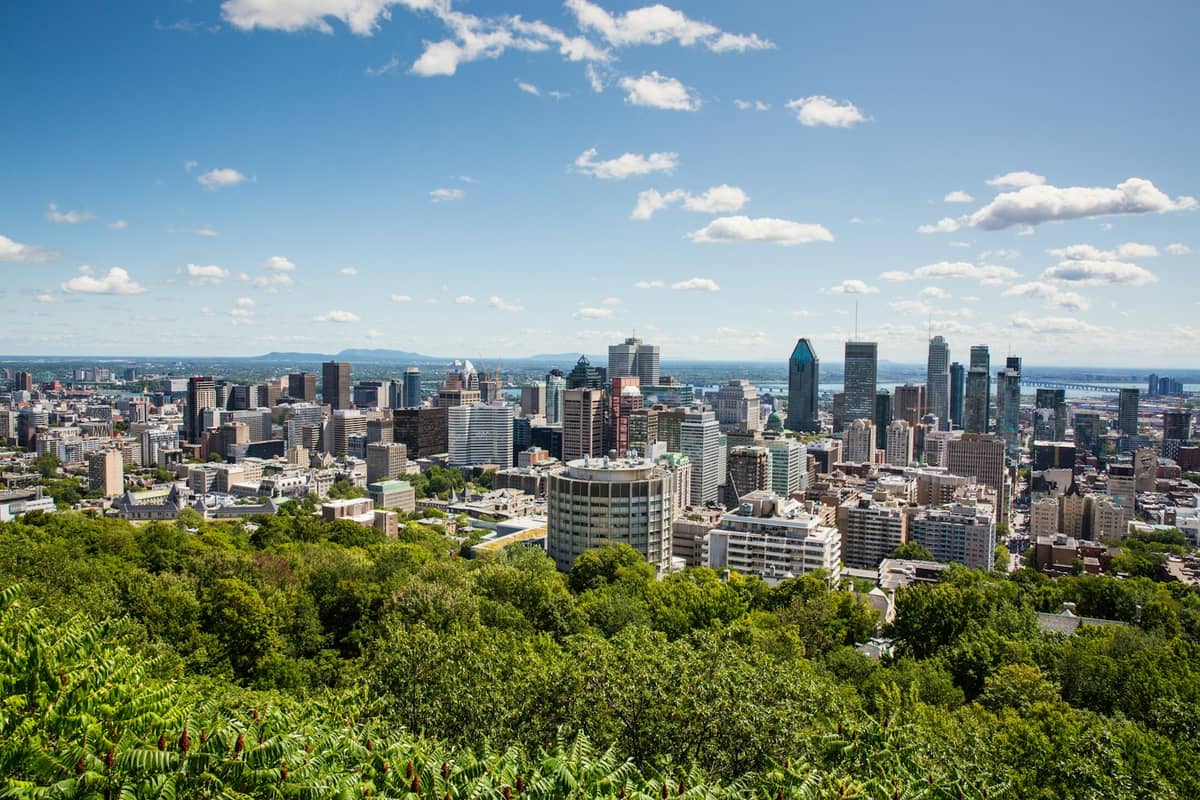
September and October represent the strongest case for visiting Montreal outside peak season. Temperatures settle into the 10–17°C range, which is ideal for walking the Plateau-Mont-Royal or exploring Old Montreal without summer's heat and crowds. Autumn foliage peaks across Mount Royal Park and the city's tree-lined residential streets, typically in mid to late October.
Cultural programming accelerates in fall. Theatres, concert halls, and galleries launch their new seasons. The Montreal Botanical Garden typically runs its popular Gardens of Light installation from early September into November, illuminating the grounds after dark. Food festivals and neighbourhood events fill the calendar through October. By November, temperatures drop sharply — first snowfall is common around mid-November — and the city's outdoor life contracts accordingly.
✨ Pro tip
For foliage, aim for the second or third week of October. Mount Royal's summit offers a panoramic view of the autumn canopy across the island. Arrive on a weekday morning to avoid weekend crowds at the Kondiaronk Belvedere lookout.
Winter (November to March): Cold, But Not Impossible

Honest assessment: Montreal winters are serious. Daily temperatures from December through February regularly sit between -9°C and -15°C, with wind chill occasionally pushing the feels-like temperature to -25°C or colder. Snowfall accumulates from November onward, and the city operates in a state of managed winter for roughly five months. This is not a season to underestimate if you're coming from a warmer climate.
That said, Montreal is one of the best-equipped cities in North America for winter urban life. The RÉSO, commonly called the Underground City, connects over 33 kilometres of indoor pedestrian pathways linking metro stations, shopping centres, hotels, and office towers downtown. You can cover significant ground without stepping outside. Winter festivals, including Igloofest (an outdoor electronic music festival held in January and February) and the Montréal en Lumière winter festival, give the season genuine appeal rather than just endurance. The city also operates outdoor skating rinks, ski hills within a short drive, and winter markets.
- Pack insulated, waterproof boots rated to at least -20°C. Stylish but inadequate footwear is the most common winter visitor mistake.
- Layer with a moisture-wicking base, an insulating mid-layer, and a wind-resistant outer shell.
- Hotel rates drop considerably from November through March (excluding holiday weeks), making winter one of the more affordable times to visit.
- Daylight hours are short: sunset falls around 4:15 PM in December. Plan outdoor sightseeing for midday.
- Metro stations are reliable and heated. The STM network makes winter navigation manageable without a car.
Spring (April to May): Value Season With Caveats
Spring in Montreal is a genuine shoulder season: lower hotel rates, fewer tourists, and the city slowly awakening from winter. April temperatures average around 4–10°C, with conditions that can swing from grey and drizzly to clear and pleasant within the same week. Snow is not uncommon in early April. By May, temperatures climb toward 15–20°C and outdoor terraces begin to open, though some attractions tied to warm weather may not reach full operation until late May or June.
Spring is a good time to explore indoor institutions: the Montreal Museum of Fine Arts, the Pointe-à-Callière archaeology museum, and Notre-Dame Basilica draw fewer crowds than in summer. Markets like Jean-Talon Market are open year-round but start to feel livelier as local producers return with spring produce.
The main caveat with spring is unpredictability. Weather planning is harder, some outdoor experiences are limited, and the city's social energy is lower than in summer or even fall. If you're visiting primarily for food, culture, and architecture, spring works well. If you want outdoor festivals and terrasse culture, wait until June.
Practical Considerations: Crowds, Costs, and Timing
Beyond weather, the best time to visit Montreal depends on your priorities. The budget-conscious traveler will find the best value in November (outside holiday weeks), March, and April, when hotels drop to their lowest rates and popular attractions have manageable queue times. Families may prefer late June through August, when school is out and outdoor activities are in full operation at Jean-Drapeau Park and the Old Port. Couples looking for a quieter, more atmospheric visit often rate September and October highest.
- Best for weather July and August offer the warmest, most reliably outdoor-friendly conditions. Expect humidity and occasional heat waves.
- Best for value November through March (excluding Christmas week and New Year's) offers the lowest hotel rates and fewest tourist crowds.
- Best for festivals Late June through early August is the peak festival window, including Jazz Festival, Grand Prix, and Osheaga.
- Best overall balance September combines comfortable temperatures (10–17°C), post-peak-season pricing, autumn colour, and a full cultural calendar.
- Avoid if sensitive to cold January and February are the coldest months, with frequent wind chills below -20°C. They require planning but offer unique winter events.
Getting around is straightforward year-round. The STM metro and bus network covers central Montreal well, and cycling via BIXI is practical from April through November. For arrivals, Montréal-Trudeau International Airport (YUL) is approximately 20 km from downtown, For arrivals, Montréal-Trudeau International Airport (YUL) is approximately 20 km from downtown, with the STM 747 bus providing 24/7 service for around CAD 11.25 (verify current fare before travel).. Consult the Montreal airport guide for full transport options.
💡 Local tip
If you're visiting for the first time and can only choose one month, choose September. You get post-summer prices, comfortable walking weather, the start of fall cultural programming, and the early stages of foliage without committing to a cold trip or fighting peak-season crowds.
FAQ
What is the best time to visit Montreal for warm weather?
July and August are the warmest months, with average daily highs around 22–26°C and plenty of sunny days. The trade-off is higher hotel rates, larger crowds, and humidity that can make the heat feel more intense. Late June is nearly as warm and slightly less crowded, making it a solid alternative.
Is Montreal worth visiting in winter?
Yes, with preparation. Montreal's Underground City (RÉSO) makes downtown navigation comfortable even in extreme cold. Winter festivals like Igloofest and Montréal en Lumière add genuine appeal. Hotel rates are lower, lineups at major attractions are shorter, and the city has a distinctive energy in winter that summer visitors never see. Budget for proper cold-weather clothing — temperatures regularly reach -15°C or colder with wind chill.
When is Montreal the least crowded?
November through March sees the fewest tourists, with the exception of the holiday period around Christmas and New Year's. April and early May are also quiet. If avoiding crowds is a priority, these months offer the most breathing room at popular sites like Old Montreal and the major museums.
How does the Grand Prix affect hotel prices in Montreal?
The Formula 1 Canadian Grand Prix, held in June at the Circuit Gilles Villeneuve, is one of the city's largest annual events. Hotels in central Montreal can charge two to three times their standard rates for the Grand Prix weekend, and availability fills months in advance. If you're not attending the race, book well outside that weekend or accept significantly higher costs.
Is Montreal safe to visit year-round?
Montreal is generally a safe city for tourists in all seasons. The main seasonal safety consideration is winter weather: icy sidewalks, extreme cold, and short daylight hours require practical preparation. Dress appropriately, allow extra time for walking on icy surfaces, and be aware that wind chill temperatures can be dangerous if you're underdressed. The STM metro system provides a warm and reliable alternative to walking in severe cold.