Montreal on a Budget: How to Visit Without Breaking the Bank
Montreal is one of North America's most rewarding cities for budget travelers. From free outdoor landmarks to heavily discounted museum nights, this guide breaks down exactly where your money goes further and where it disappears fast.
Plan and book this trip
Tools from our partner Travelpayouts help you compare flights and hotels. If you book through them, we may earn a commission at no extra cost to you.
Flights
Hotels map
TL;DR
- A single STM transit fare costs C$3.75; a 24-hour unlimited pass is C$11.25, valid on the 747 airport bus too. See the full breakdown in our guide to getting around Montreal.
- Mount Royal Park, Place Jacques-Cartier, and the Lachine Canal are entirely free and worth several hours each.
- The Montreal Museum of Fine Arts admits visitors under 25 free, and the McCord Stewart Museum offers free Wednesday-evening admission to its permanent exhibition after 5 p.m., while temporary exhibitions may carry a fee.
- Summer festivals, including the Jazz Festival, offer dozens of free outdoor performances. Winter has free skating at Esplanade Tranquille.
- A transit pass is not automatically cheaper than single fares. Do the math based on your actual trip count.
Getting to and Around Montreal Without Overpaying
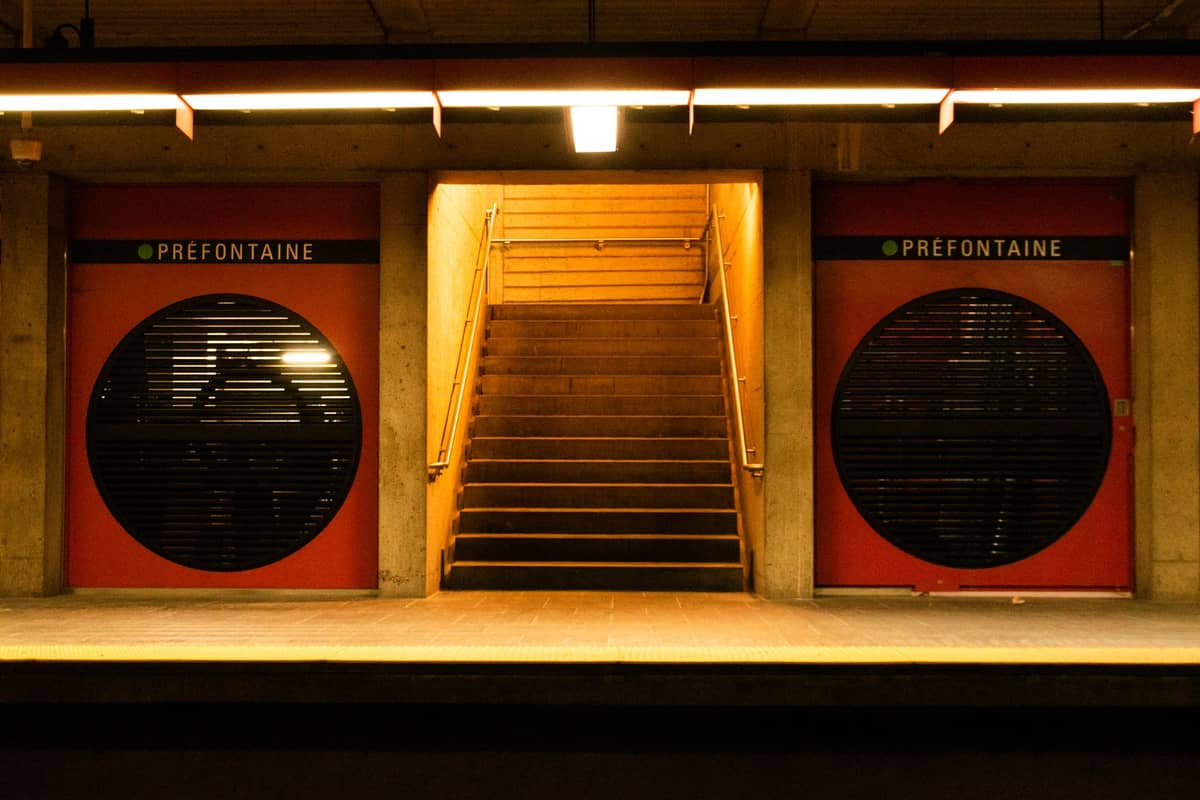
The Société de transport de Montréal (STM) runs the metro and bus network across the island. As of July 1, 2026, a single Zone A fare is C$3.75, a 2-trip card is C$7.00, and a 10-trip card is C$35.00. If you're moving around a lot in one day, the 24-hour unlimited pass at C$11.25 often makes more sense than buying individual fares. For a weekend stay, the unlimited weekend pass at C$17.00, valid from 4 p.m. Friday through 5 a.m. Monday, is one of the best-value options on the network. There's also a nightly unlimited evening fare at C$6.75, valid from 6 p.m. until 5 a.m., as long as first use is before midnight. Always verify current fares at STM's official fare page before you travel since prices are revised annually.
⚠️ What to skip
Zone A fares only cover travel within Montreal island. The Laval and Longueuil metro stations sit in Zone B and require an All Modes AB fare or higher. Paying a Zone A fare for those stations results in an unpaid fare. Check the STM zone map before boarding if you're heading to the suburbs.
From the airport, the STM 747 bus runs 24 hours a day, seven days a week between Montréal-Trudeau International Airport (YUL) and downtown, terminating at Berri-UQAM station. The fare is covered by the standard 24-hour pass at C$11.25, which then gives you unlimited metro and bus access for the rest of that period. Compare that against a taxi or ride-hail for a single trip: airport taxis operate on a regulated fixed-rate fare to downtown, and ride-hailing prices fluctuate with demand. For most solo travelers, the 747 bus paired with the 24-hour pass is hard to beat on cost. See the full options in our Montreal airport transfer guide.
✨ Pro tip
Bus purchases on Montreal's network require exact change if paying cash. Metro station ticket machines and participating retailers (dépanneurs, pharmacies) sell STM cards and multi-trip fares. Load up before you need it rather than scrambling at a bus stop.
Free Outdoor Attractions Worth Your Time
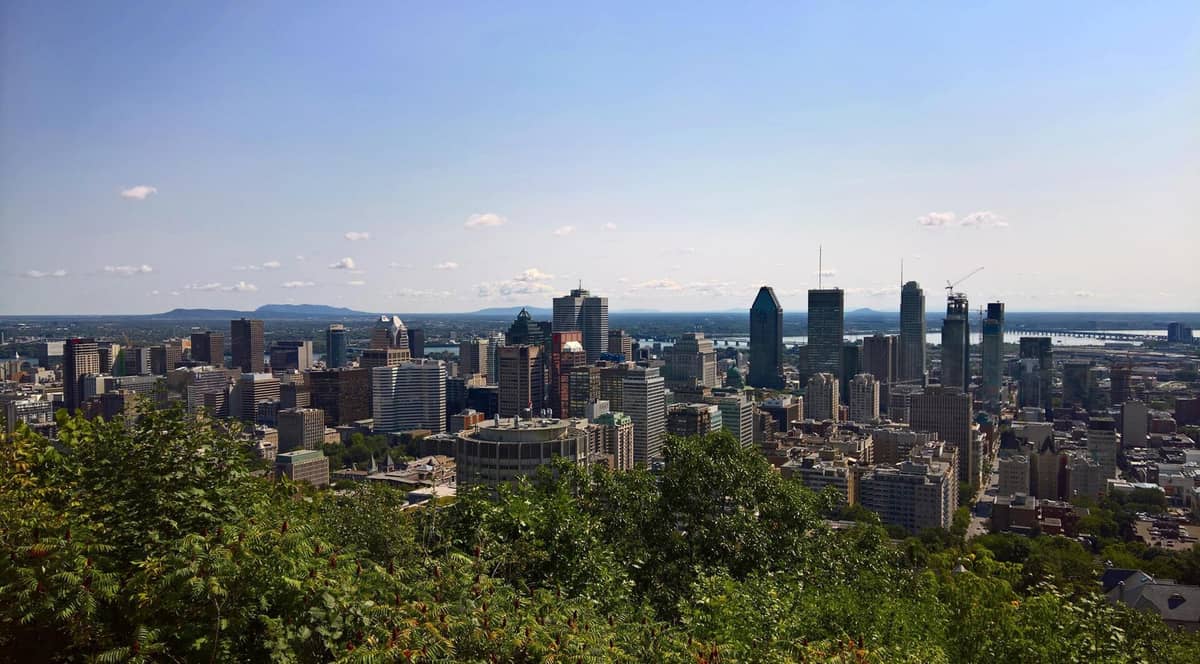
Montreal's best free experiences are outdoors, and the city's geography makes them easy to reach by metro. Mount Royal Park sits at 233 metres above sea level and costs nothing to enter. The Kondiaronk Belvedere lookout delivers one of the best panoramas of the downtown skyline, and the chalet behind it has washrooms and a café. In winter, Beaver Lake on the mountain's western slope becomes a skating rink, though skate rental is not free. On Sunday afternoons in warm weather, the Tam-Tams drum circle near the monument draws hundreds of locals for an experience that's entirely spontaneous and costs nothing.
The Lachine Canal is a National Historic Site managed by Parks Canada, and the towpath running alongside it is free to walk or cycle year-round. In summer, bike rentals are available at several points along the canal for around C$10-15 per hour, though prices vary by operator. The canal connects the Old Port to the western boroughs and passes through Griffintown and Saint-Henri, areas worth exploring on their own terms. It's a practical route as much as a scenic one.
- Mount Royal Park Free entry year-round. Beaver Lake skating is free in winter; skate rental costs extra. Kondiaronk Belvedere is the best free viewpoint in the city.
- Lachine Canal towpath Free walking and cycling path from Old Port to Lachine. Bike rental available seasonally along the route.
- Place Jacques-Cartier Old Montreal's central public square is free to walk and people-watch. Street performers are common in summer.
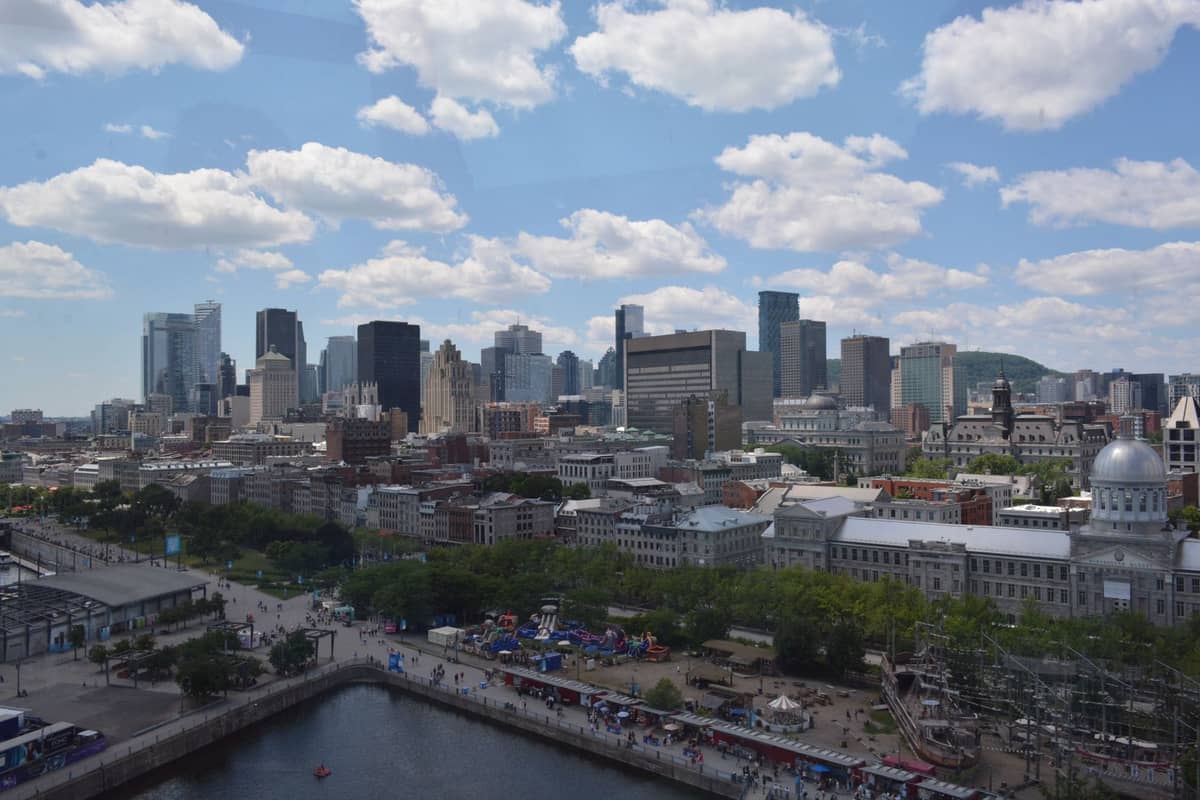
- Old Port waterfront The promenade along the Saint Lawrence is free. Activities like the Grande Roue observation wheel, La Ronde, and the clock tower have admission costs.
- Tam-Tams at Mount Royal Sunday afternoon drum circle near the Sir George-Étienne Cartier Monument, mid-May through October. No admission, no schedule, just show up.
- Saint-Joseph's Oratory grounds The exterior and basilica are free to visit. Some interior areas or guided tours may have suggested donations.
Museum Discounts and Pay-What-You-Can Access
Montreal has a serious museum culture, and several institutions have built free or discounted access into their regular programming rather than treating it as an afterthought. The Montreal Museum of Fine Arts (MMFA) stands out: visitors under 25 get free permanent collection access year-round, no caveats. Quebec residents get free access to permanent collections on the first Sunday of each month, though reservations are required. Saturday mornings have a free family admission block. For everyone else, temporary exhibitions carry a fee, but the permanent collection alone justifies a visit.
The McCord Stewart Museum in downtown Montreal runs free Wednesday evenings after 5 p.m. and offers a pay-what-you-can model on the first Sunday of each month. This is a practical option for travelers who want depth on Montreal's social and cultural history without paying full admission. Confirm current hours and policies directly with the museum before visiting, as special exhibitions sometimes modify these programs.
ℹ️ Good to know
The Pointe-à-Callière Museum in Old Montreal covers the city's archaeological history and charges regular admission, but watch for 'free first Friday evening' programs and seasonal promotions. Similarly, the Montreal Science Centre occasionally runs discounted family days. Check each institution's website directly rather than relying on third-party deal aggregators.
- Montreal Museum of Fine Arts Free for under-25s year-round. Free permanent collection for Quebec residents on the first Sunday of each month (reservation required). Free Saturday morning family admission.
- McCord Stewart Museum Free Wednesday evenings after 5 p.m. Pay-what-you-can first Sunday of each month.
- Écomusée du fier monde Small community history museum in Plateau-Mont-Royal. Admission is modest and occasional free days apply.
- Redpath Museum McGill University's natural history collection on campus. Free to visit, with suggested donations.
- Notre-Dame Basilica Admission applies for general visits. Evening Aura light shows are ticketed separately and not included in basic entry.
Free and Low-Cost Festivals by Season
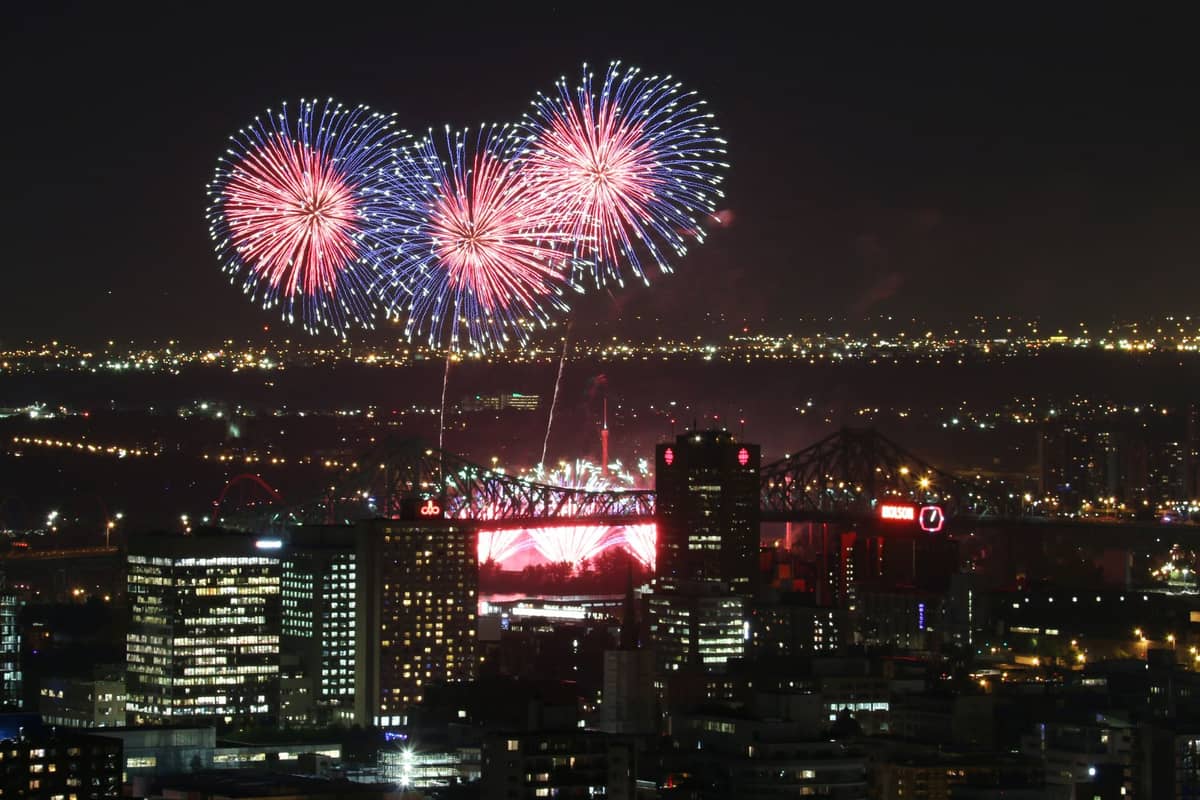
Montreal's festival calendar is one of its strongest budget arguments. The city builds significant free programming into its major events, particularly in summer. The Montreal International Jazz Festival, held in late June and early July around the Quartier des Spectacles, includes dozens of free outdoor concerts alongside paid indoor shows. You can spend a full evening in the festival zone without buying a single ticket. The same structure applies to Just for Laughs, the Montreal Fringe Festival, and Osheaga, though Osheaga itself is a ticketed event.
Winter is underrated as a budget season. Free outdoor skating operates at Esplanade Tranquille, near Place des Arts, with skate rental available for a fee. The Fête des Neiges at Jean-Drapeau Park includes free access to some outdoor programming, though specific paid activities are fenced off. Igloofest, the electronic music festival held outside in January and February, is ticketed but reasonably priced for what it delivers. For more detail on seasonal programming, the Montreal festivals guide covers each event's free versus paid components.
Eating and Drinking Without Spending Too Much
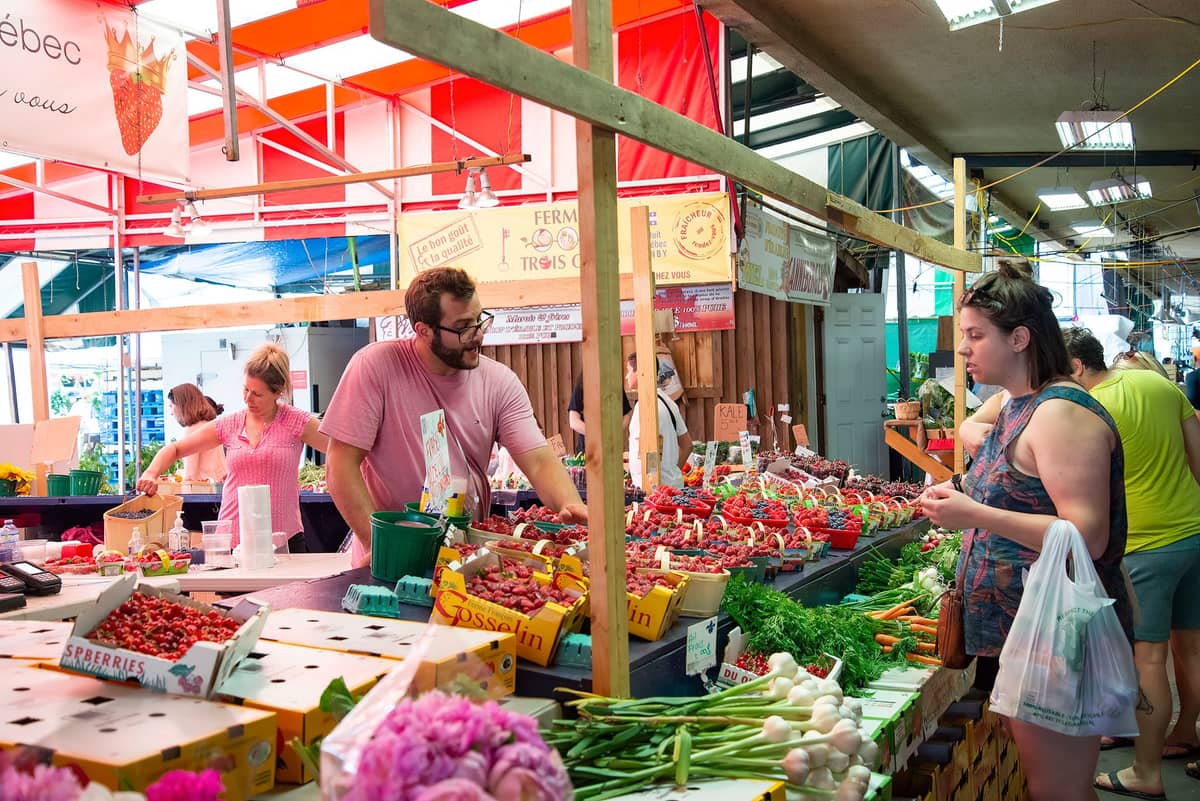
Food is where Montreal budgets can either hold steady or collapse quickly. The good news: Montreal has a strong culture of affordable, high-quality eating that doesn't require finding the 'secret local spot.' Jean-Talon Market in Little Italy and Atwater Market near the Lachine Canal are open-air markets where you can buy produce, cheese, bread, and prepared foods at prices that undercut most restaurants considerably. In summer, assembling a picnic from market stalls and eating in a park costs around C$15-20 per person and is frankly better than many restaurant lunches.
For sit-down meals, the table d'hôte (fixed-price menu) system at Quebec restaurants is a genuine bargain. Many restaurants offer a two or three-course lunch table d'hôte for C$18-28 that would cost twice as much ordering à la carte at dinner. This is standard practice, not a tourist-facing gimmick. Tipping is customary at 15-20% before tax. Quebec sales tax (QST) and federal tax (GST) together add around 15% to your bill, so factor that in when reading menu prices. On poutine, the city's most recognized dish, expect to pay C$10-16 at a proper shop for a full portion.
Accommodation and Timing: When Costs Drop
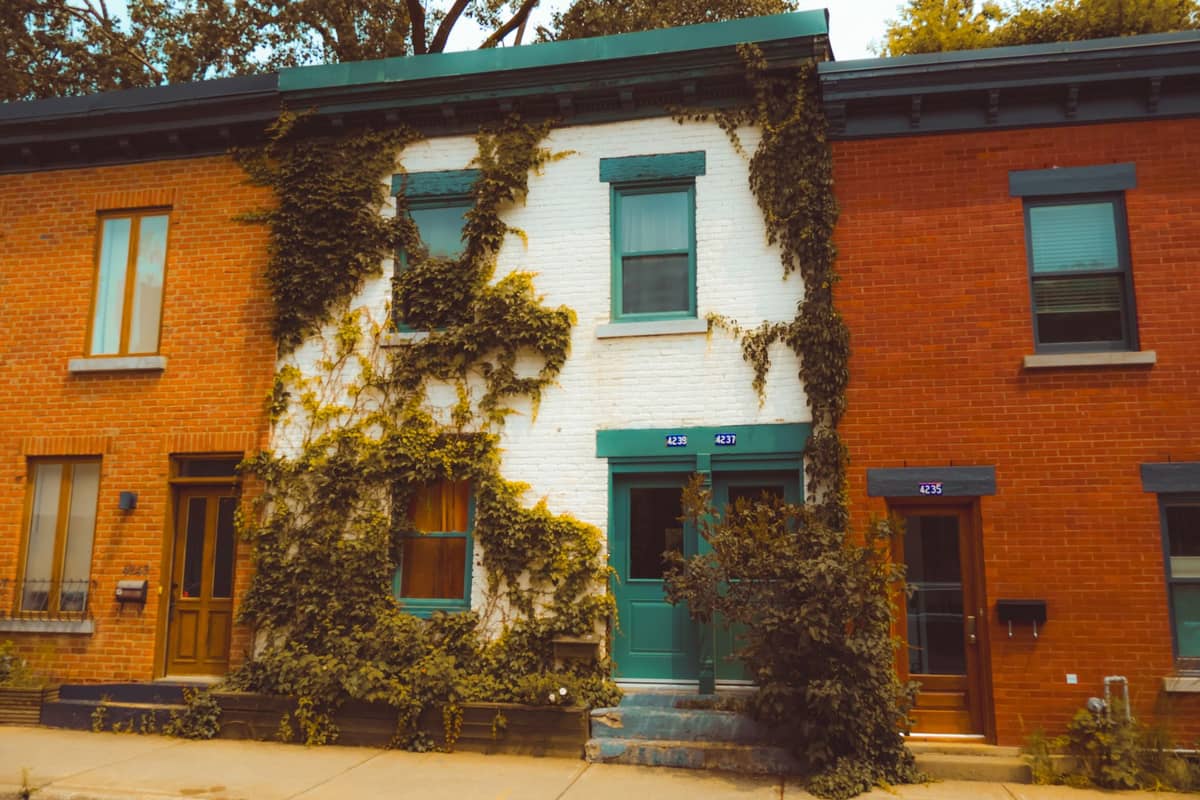
Accommodation in Montreal follows predictable pricing patterns. Summer, particularly July and August, is peak season for both tourists and events, which pushes hotel and short-term rental prices up significantly. The Formula 1 Canadian Grand Prix weekend in June is the single most expensive weekend of the year: hotels near downtown routinely charge three to four times their standard rate. If your travel dates are flexible, late April through May and September through October offer the best combination of lower prices and comfortable weather. The best time to visit Montreal guide has a detailed month-by-month breakdown of costs versus conditions.
Budget travelers generally find better value staying in the Plateau-Mont-Royal, Mile End, or downtown areas with easy metro access rather than paying for location in Old Montreal, where accommodation skews toward boutique hotels. Hostels exist and are worth researching for solo travelers. For neighborhood context and what each area costs to stay in, the where to stay in Montreal guide covers price tiers by district.
💡 Local tip
If you're visiting during Grand Prix weekend or during the Jazz Festival, book accommodation at least two to three months in advance. Late-booking prices during these periods are punishing. Outside peak events, Montreal has enough accommodation supply that two to three weeks' notice is usually sufficient for mid-range options.
Budget Mistakes to Avoid
A few patterns consistently drain travel budgets in Montreal without delivering equivalent value. The underground city (RÉSO) is genuinely useful for navigating downtown in winter, but it's not an attraction in itself. Tourists who spend time specifically trying to 'tour' it often feel underwhelmed. Use it as infrastructure, not a destination.
- Buying a weekly transit pass when you only need 2-3 days of travel. Do the math: 2 days of unlimited transit at C$11.25 each equals C$22.50, which is less than the C$33.25 weekly pass. Only buy the weekly pass if you're making 9+ trips.
- Eating every meal in Old Montreal. Restaurants in Vieux-Montréal charge a significant location premium. Walk 15 minutes into the Plateau or Saint-Laurent corridor for the same quality at lower prices.
- Taking a taxi from the airport when the 747 bus exists. The price difference is substantial, and the bus travel time is comparable during non-peak hours.
- Paying for paid attractions back-to-back without checking free days first. The MMFA, McCord, and several smaller museums all have scheduled free periods that require only minor schedule adjustment.
- Visiting during Grand Prix or Osheaga weekend without a plan. Accommodation and rideshare costs spike dramatically, and the city is at maximum capacity.
FAQ
What is the cheapest way to get from Montreal airport to downtown?
The STM 747 bus is the most affordable option, costing C$11.25 for a 24-hour unlimited transit pass that includes the airport bus ride plus unlimited metro and bus access for 24 hours afterward. It runs 24/7 and connects to Berri-UQAM metro station downtown. Taxis operate on a regulated fixed fare that is significantly higher, and ride-hailing prices fluctuate with demand.
Which Montreal museums are free or have free days?
The Montreal Museum of Fine Arts (MMFA) is free for visitors under 25 year-round and free for Quebec residents on the first Sunday of each month (reservations required). The McCord Stewart Museum offers free entry on Wednesday evenings after 5 p.m. and pay-what-you-can pricing on the first Sunday of each month. The Redpath Museum at McGill University is free with a suggested donation. Check each museum's website directly before visiting, as programs can change seasonally.
Is a weekly STM transit pass worth it for tourists?
Only if you're making at least nine trips during your stay. The weekly pass costs C$33.25 (as of July 1, 2026 fares). Compare that against the C$11.25 24-hour pass or the C$17.00 weekend unlimited pass. For a 3-day visit with moderate activity, two 24-hour passes at C$22.50 total usually costs less than the weekly pass. Always calculate based on your actual planned trips.
What are the best free things to do in Montreal?
Mount Royal Park is the top free attraction, with the Kondiaronk Belvedere offering the best city views. The Lachine Canal towpath is free to walk year-round. The Jazz Festival (late June to early July) runs dozens of free outdoor concerts. Sunday Tam-Tams at Mount Royal happen from May to October at no cost. The Old Port promenade along the Saint Lawrence River is also free, though specific paid activities within the port have admission costs.
When is Montreal cheapest to visit?
Late April through May and September through October generally offer the lowest accommodation prices combined with pleasant weather. Winter (January and February) can be the cheapest season for hotels, but heating, extra layers, and limited outdoor activity time affect the overall experience. Avoid Grand Prix weekend in June and major summer festival weekends if budget is a priority, as accommodation costs can triple or quadruple during those periods.