Getting Around Montreal: Metro, Bikes & Transport Guide
Montreal is one of North America's most navigable cities, with a reliable metro, an extensive bus network, and a serious cycling culture. This guide covers every way to move around the city, from airport arrivals to cross-neighborhood cycling, with accurate fares and practical logistics.
Plan and book this trip
Tools from our partner Travelpayouts help you compare flights and hotels. If you book through them, we may earn a commission at no extra cost to you.
Flights
Hotels map
TL;DR
- The STM metro (4 lines) and bus network cover most of the city — a single Zone A trip costs C$3.75, or C$11.25 for a 24-hour pass that also covers the 747 airport bus.
- The STM 747 bus is the most affordable airport connection from Montréal-Trudeau (YUL) to downtown, running 24/7; taxis and Uber are also available at arrivals.
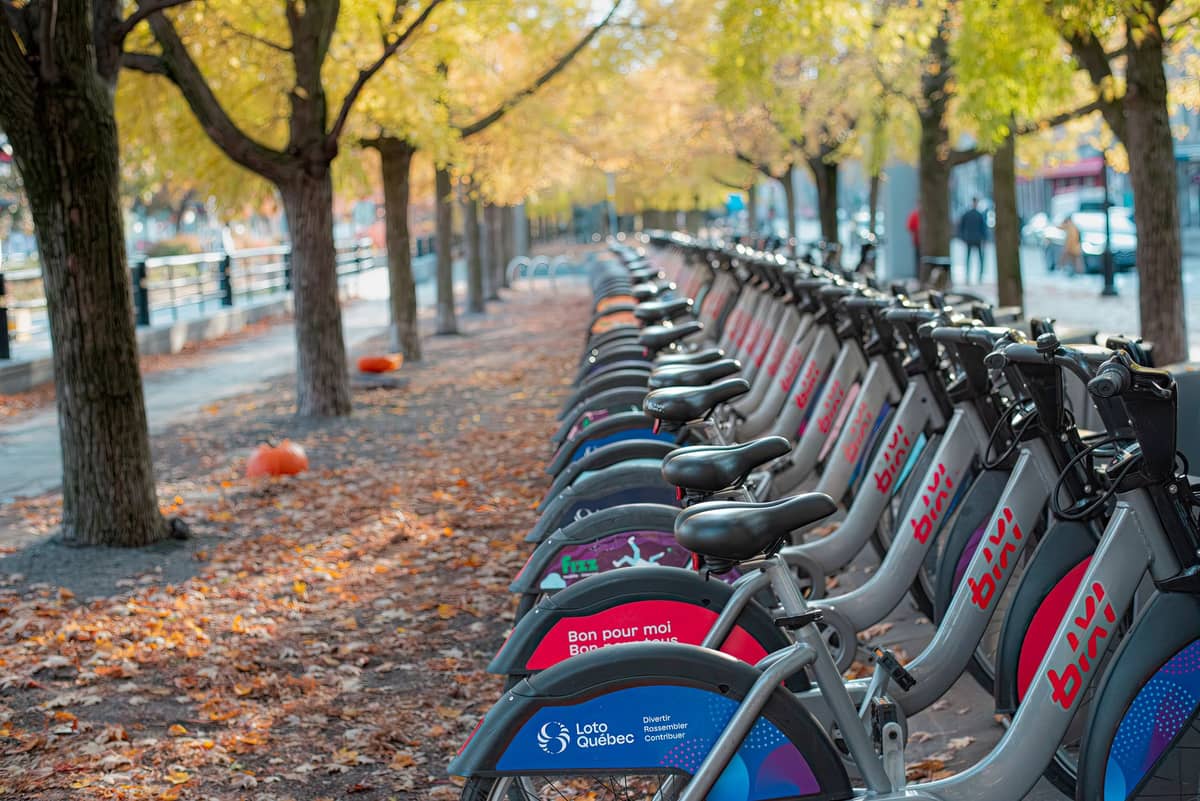
- BIXI bike-share operates across central neighborhoods seasonally — ideal for flat routes between Old Montreal, the Plateau, and Mile End.
- Children 11 and under ride free on STM when accompanied by a fare-paying adult (14+). Exact change is required when paying cash on buses.
- The Underground City connects 80+ city blocks below downtown — genuinely useful in winter, not a tourist attraction in itself.
The Montreal Metro: Your Fastest Way Around the City
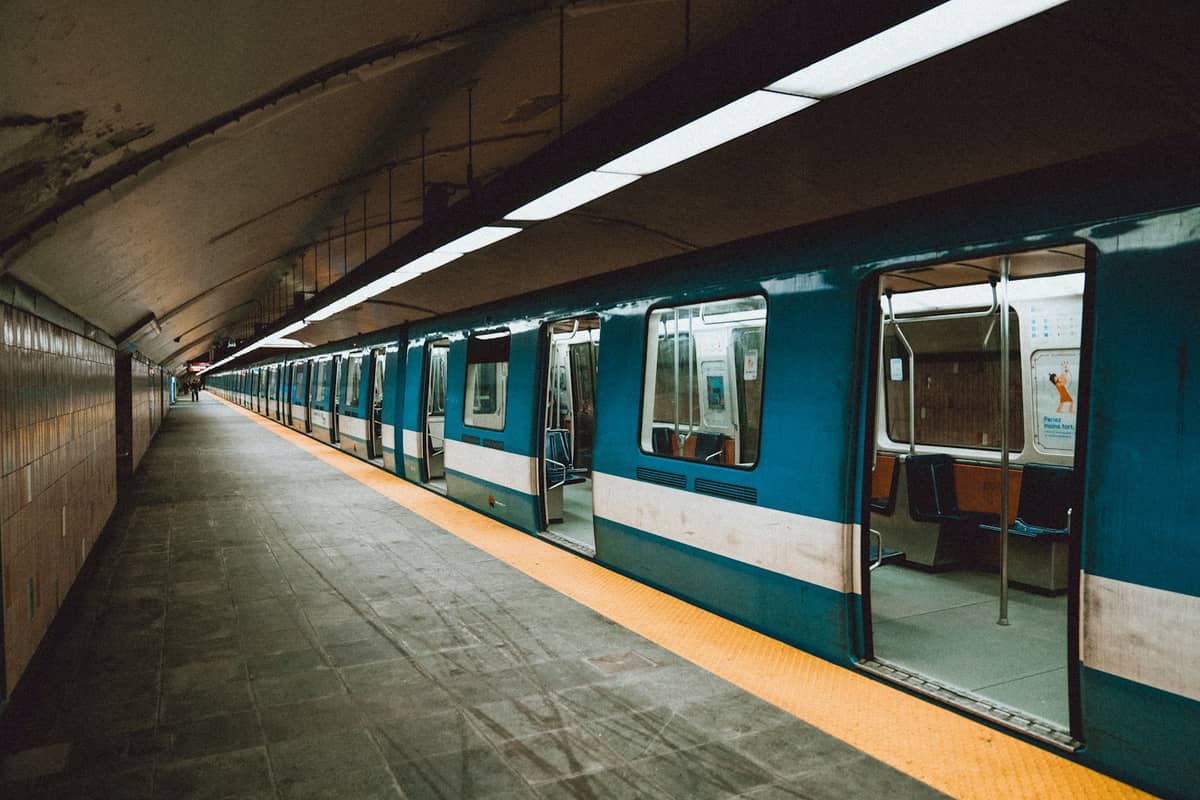
Getting around Montreal starts with understanding the STM metro. The Société de transport de Montréal operates four colour-coded lines: the Green Line (Ligne verte), Orange Line (Ligne orange), Blue Line (Ligne bleue), and Yellow Line (Ligne jaune). For visitors, the Green and Orange lines do the heaviest lifting, connecting Old Montreal, downtown, the Plateau, and Mile End.
The metro runs on rubber tires, which makes it noticeably quieter than many North American subway systems. Trains run frequently during peak hours (every 2-5 minutes on busy lines) and less often late at night. Service ends roughly around 1am on weekdays and extends to around 1:30am on weekends, with earlier last trains on some branches. Check the STM website for current schedules before late-night outings.
Key stations to know: Berri-UQAM is the central interchange where three lines meet — Green, Orange, and Yellow. McGill serves the university and the downtown shopping strip. Mont-Royal station drops you at the foot of the Plateau's main commercial drag. Jean-Talon connects you to Little Italy and the market. Lionel-Groulx is the transfer point if you're heading southwest toward Atwater Market or Lachine Canal.
💡 Local tip
The Yellow Line only has 3 stations and exists mainly to serve Jean-Drapeau Island (Île Sainte-Hélène and Île Notre-Dame). It's the quickest way to reach the Casino or the F1 circuit, but it's not part of your everyday navigation across the city.
- Zone A Single Trip C$3.75 per ride (July 2026 rates). Covers all four metro lines and bus routes within Zone A.
- 2-Trip Ticket C$7.00 — useful if you're making just one or two journeys without committing to a day pass.
- 10-Trip Ticket C$35.00 — best value for a longer stay or if you're mixing metro and bus frequently.
- 24-Hour All Modes A Pass C$11.25 — includes unlimited Zone A transit and valid on the 747 airport bus. Worth it if you make 3+ trips in a day.
- Monthly All Modes A Pass C$110.00 — relevant only for stays of several weeks or for commuters.
⚠️ What to skip
A standard Zone A fare does NOT cover travel to suburbs or the airport's full zone crossing. Trips to destinations in Zones B, C, or D (parts of Laval, Longueuil, and outer suburbs) require the appropriate ARTM fare. Always verify your destination's zone before boarding, especially for regional excursions.
Buses: Filling the Gaps the Metro Doesn't Reach
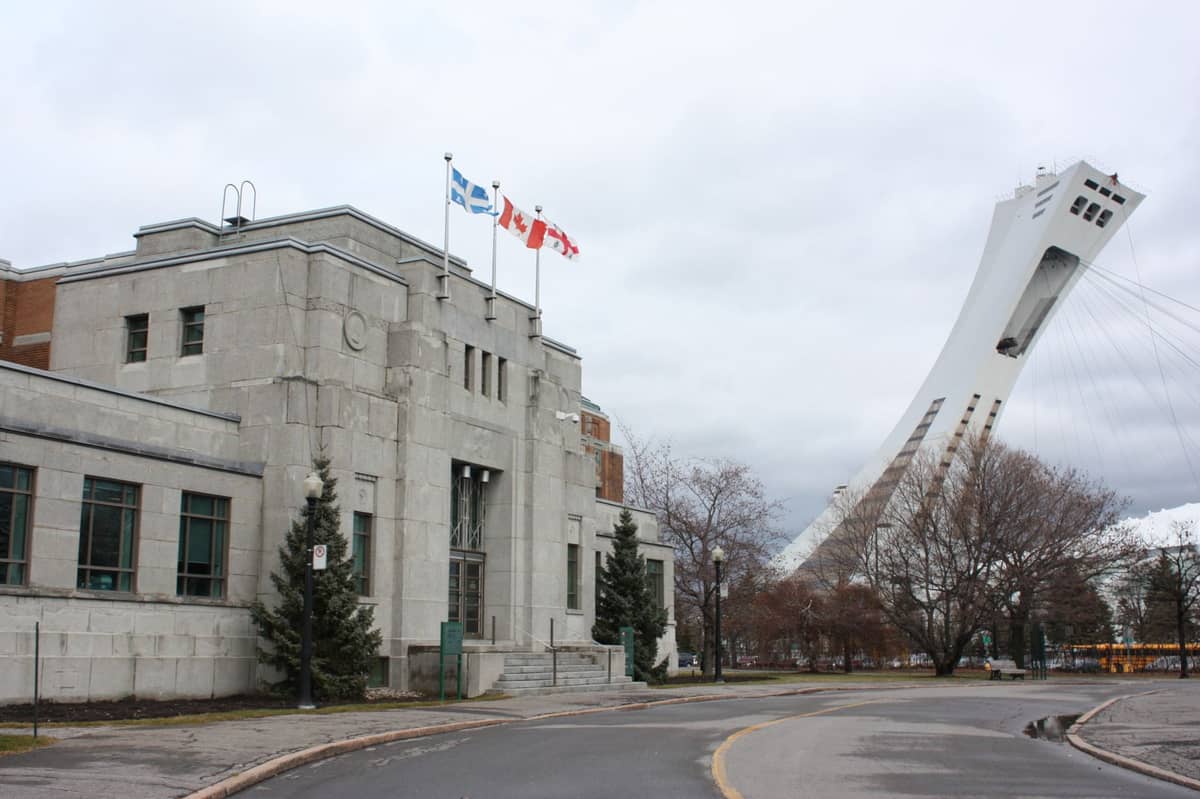
Montreal's bus network runs into every corner the metro misses, including large swaths of the east end, NDG, Rosemont, and the outer Island neighborhoods. For visitors, buses matter most for a few specific situations: reaching areas like the Olympic Park directly, navigating between neighborhoods on the Plateau without backtracking downtown, or as the final leg of a journey after a metro ride.
The 747 Express deserves special mention. It runs 24 hours a day, seven days a week between Montréal-Trudeau Airport (YUL) and Berri-UQAM station downtown, with stops along René-Lévesque Boulevard. The C$11.25 24-hour pass covers this ride — and then gives you full metro and bus access for the next 24 hours. That makes it the clear first choice for budget-conscious arrivals. For more on getting to the city from the airport, see our guide to getting to Montreal.
✨ Pro tip
Cash payment on buses requires exact change — drivers do not give change. If you're not using a transit card or a pre-purchased pass, carry exact fare. The easiest workaround is buying a pass at any metro station ticket booth or automated machine before boarding a bus.
From the Airport: Your Options at YUL
Montréal-Trudeau International Airport (YUL) sits about 20 km west of downtown. There is no direct metro connection, which surprises many first-time visitors. The gap is covered by four realistic options. For a deeper breakdown, the Montreal airport guide covers arrivals logistics in full detail.
- STM 747 Bus (C$11.25) 24/7 service to downtown. The 24-hour pass it requires also unlocks the entire STM network — effectively free transit for the rest of your arrival day.
- Taxi (regulated flat rate) Airport taxis operate a fixed-rate fare to downtown Montreal. The amount is regulated but can change — confirm the current fare at the dispatcher desk in arrivals. No negotiating required.
- Uber Pick-up procedures at YUL require meeting your driver in the designated app-based pickup area. Pricing varies with demand; surge pricing applies during peak arrival times.
- Car Rental Multiple rental companies operate at YUL. Downtown Montreal parking is expensive and often unnecessary if you're staying in a central neighborhood — rent a car only if you're planning regional day trips.
BIXI Bikes: The Most Enjoyable Way to Explore Flat Neighborhoods
BIXI is Montreal's public bike-share system, and it's genuinely good — well-maintained docking stations spread across central neighborhoods, electric-assist options at many stations, and a route network that connects parks, markets, and waterfronts in ways public transit simply doesn't. It's the practical choice for getting between Lachine Canal and Atwater Market, or cruising from Mile End down to the Old Port.
BIXI operates seasonally — typically from mid-April through November, though exact dates vary by year. It does not operate through Montreal's winter. Fares, e-bike options, and station maps are managed through the BIXI app and website; prices are not reproduced here because they are updated regularly and should be verified at bixi.com before your trip.
One thing to be honest about: Montreal is not flat everywhere. The Plateau and Mile End are manageable on a standard BIXI, but riding toward Mount Royal involves real elevation gain. The e-assist bikes make a meaningful difference on those climbs — worth the small premium if you're planning a longer cycling day. The city's dedicated cycling infrastructure is extensive, so for more on routes and trail conditions, see the Montreal cycling guide.
The Underground City: Practical in Winter, Overrated as a Destination
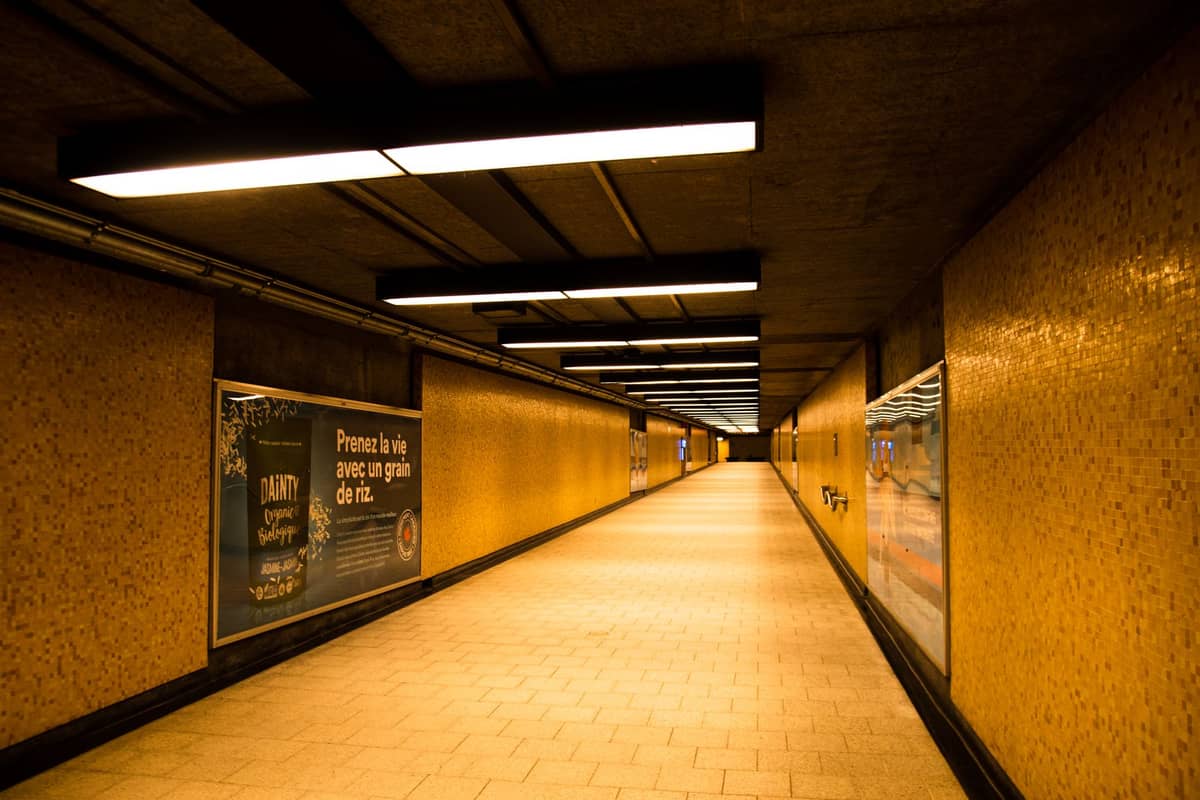
Montreal's Underground City (RÉSO) is a network of underground pedestrian tunnels connecting over 80 city blocks of downtown: shopping centers, metro stations, hotels, office towers, and university buildings. In January when the wind chill drops below -20°C, it's genuinely useful — you can walk from Berri-UQAM to McGill or from Windsor Station to Place Ville Marie without touching outdoor air. For more on managing winter in the city, the Montreal in winter guide is worth reading before you pack.
As a tourist attraction, though, the Underground City is frequently overhyped. It's largely a network of underground malls and office building lobbies. Navigation is confusing without a map, signage is inconsistent, and the experience is not particularly interesting if the weather above ground is fine. Think of it as infrastructure, not a destination — use it when you need it.
Taxis, Ride-Hailing, and When to Use Them
Uber operates reliably in Montreal and is usually the most convenient option for late-night trips or when you're carrying luggage between neighborhoods. Traditional taxis can be hailed on the street or at designated stands near major hotels and transport hubs. For most city-center journeys during the day, transit or BIXI will be faster and cheaper than either — downtown traffic is genuinely congested, especially on weekdays.
Regional rail through Exo connects Montreal with suburban communities and some points of interest further afield, including Vaudreuil-Dorion and Saint-Hilaire. For day trips to the Eastern Townships or Mont-Tremblant, a rental car remains the most practical option — those destinations don't have direct rail links from downtown Montreal.
ℹ️ Good to know
If you're planning day trips beyond the city, note that ARTM fare zones extend the transit system but don't reach all regional destinations. For trips to places like Mont-Tremblant or Oka National Park, car rental from downtown or YUL is the practical choice.
Navigating Montreal's Neighborhoods: A Practical Orientation
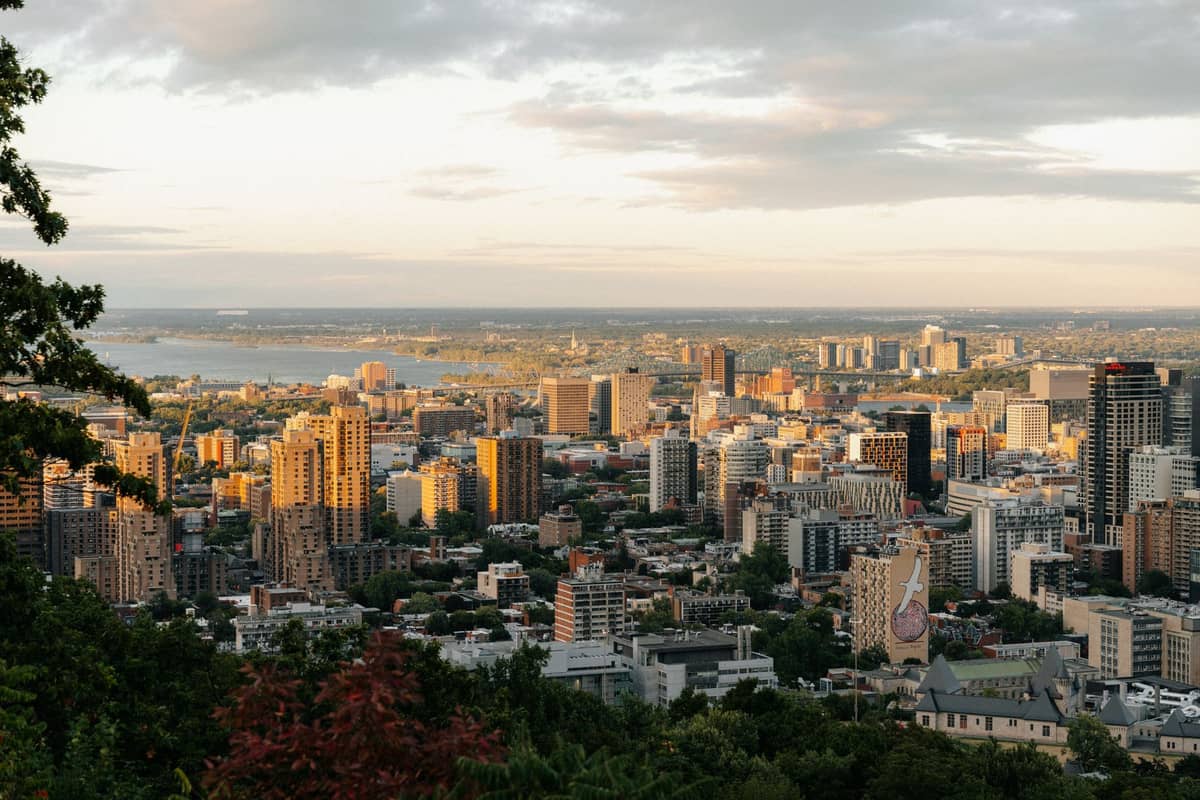
Montreal's street grid is rotated roughly 45 degrees from true north, which confuses a lot of visitors. Locals refer to "north" and "south" relative to the river, not the compass. "Going north" means heading away from the St. Lawrence toward the mountain; "going south" means toward the waterfront. Once you internalize this logic, reading a Montreal map becomes much easier. For a deeper breakdown of how the city is organized, the Montreal neighborhoods guide covers the full picture.
For practical navigation between key areas: Old Montreal and the Old Port are best reached by metro (Champ-de-Mars or Square-Victoria-OACI stations), and walkable once you arrive. The Plateau and Mile End are dense and best explored on foot or by BIXI, with metro access at Mont-Royal and Laurier stations. Little Italy clusters around Jean-Talon Market and sits on the Orange Line. Griffintown and the Lachine Canal area are within BIXI or walking distance of downtown, though the metro doesn't serve them directly.
- Old Montreal / Old Port: Metro Champ-de-Mars (Orange) or Square-Victoria-OACI (Orange)
- Downtown / museums: Metro McGill (Green) or Peel (Green)
- Quartier des Spectacles / Place des Arts: Metro Place-des-Arts (Green)
- Plateau-Mont-Royal: Metro Mont-Royal (Orange)
- Mile End: Metro Laurier (Orange) or bus 55 along Saint-Laurent
- Little Italy / Jean-Talon Market: Metro Jean-Talon (Orange or Blue)
- Olympic Park / Biodôme: Metro Viau (Green)
- Jean-Drapeau Island (Casino, F1 circuit): Metro Jean-Drapeau (Yellow)
- Lachine Canal / Atwater Market: Metro Lionel-Groulx (Green + Orange) then walk or BIXI
FAQ
Does Montreal have a metro map in English?
Yes. The STM publishes its metro map in both French and English. You can download a PDF from the STM website (stm.info) or pick up a paper map at any staffed metro station. Most signage in stations is in French, but line colours and numbers make navigation fairly intuitive regardless of language.
Is the Montreal metro safe at night?
Generally yes. The metro is staffed and well-lit, and Montreal is considered a relatively safe city by North American standards. Service runs until around 1-1:30am, depending on the line and day. Late-night buses (the 'Nuit' network) cover some routes after metro service ends, but coverage is limited — Uber or a taxi is more practical for very late returns.
Can I use a credit card or phone to pay for the metro?
As of current STM operations, the system uses OPUS smart cards and paper tickets. Tap-to-pay with a credit card or phone is not universally available at all fare gates — check the STM website for the latest payment options before your trip, as the system is being updated.
Is it worth renting a car in Montreal?
For exploring the city itself, no. Parking downtown is expensive (often C$20-35 per day or more in commercial lots), traffic is congested, and transit plus BIXI covers the core very effectively. A car makes sense specifically if you're doing regional day trips to places like the Eastern Townships, Oka, or Mont-Tremblant, where transit connections are limited or non-existent.
How do kids travel on Montreal transit?
Children aged 11 and under travel free on STM metro and buses when accompanied by a person aged 14 or older who holds a valid, validated fare. This applies when the accompanying adult has paid their own fare — free child travel is not triggered by an unpaid adult. Confirm current conditions on the ARTM website before travel, as fare rules can change.