Montreal in Winter: What to Expect & the Best Things to Do
Montreal in winter is one of North America's most underrated cold-weather experiences. From illuminated skating rinks to world-class museums and legendary winter festivals, this guide covers what to expect, what to wear, and exactly how to make the most of the season from November through March.
Plan and book this trip
Tools from our partner Travelpayouts help you compare flights and hotels. If you book through them, we may earn a commission at no extra cost to you.
Flights
Hotels map
TL;DR
- Winter in Montreal runs roughly November through March, with average daily temperatures between −9°C and −4°C and occasional dips to −20°C or colder.
- Outdoor activities are central to winter life here: skating at Esplanade Tranquille, snowshoeing at Mount Royal Park, and fat biking at Parc Jean-Drapeau.
- Montreal's Underground City (RESO) connects 33 km of climate-controlled tunnels linking metro stations, shopping, hotels, and restaurants — a genuine survival tool on brutal days.
- Pack insulated, waterproof boots with good traction. Layering is non-negotiable. Anything less and you will be uncomfortable within an hour outdoors.
- Winter is Montreal's quietest tourist season, which means shorter lines at top attractions like Notre-Dame Basilica and better hotel rates across most neighborhoods.
What Montreal Winter Actually Feels Like
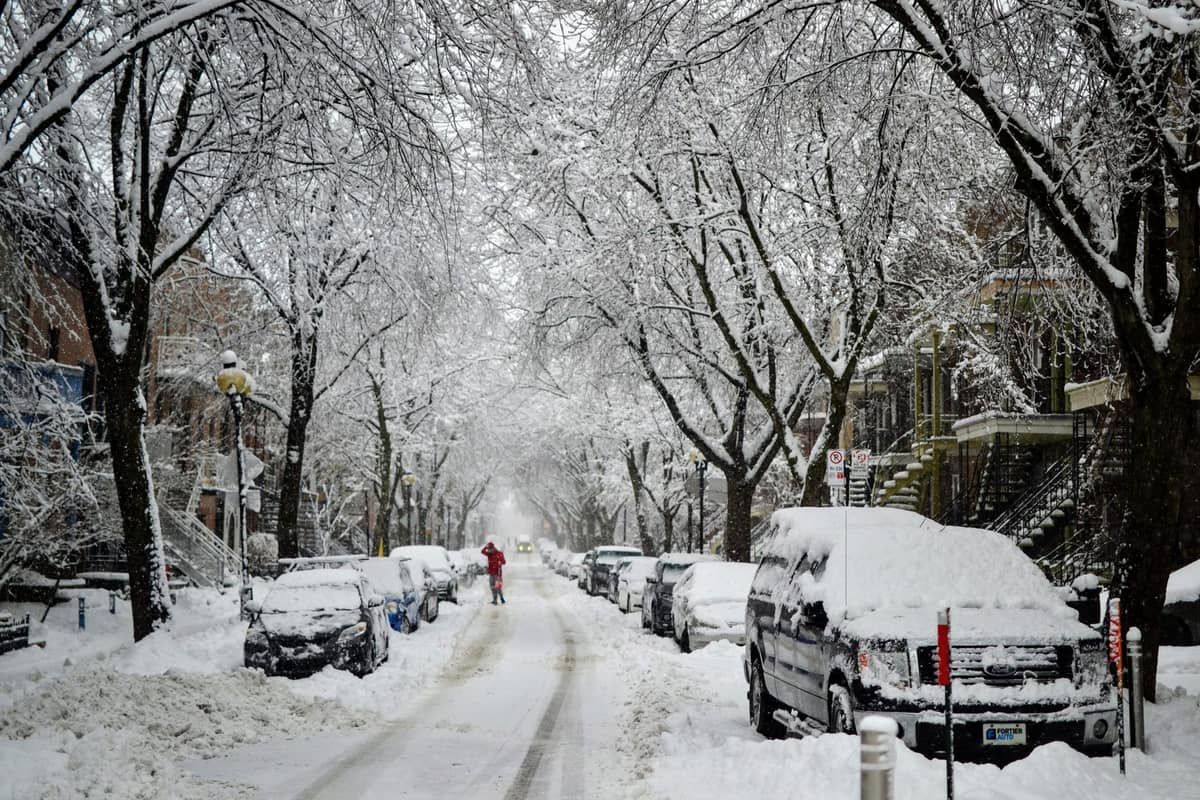
Montreal has a humid continental climate, and winter here is genuinely cold. From December through February, average daily temperatures hover between −9°C and −4°C (around 16–25°F), with overnight lows frequently dropping further. In the coldest stretches of January and February, temperatures can reach −20°C (−4°F), and windchill makes exposed skin uncomfortable within minutes. This is not the kind of cold you can casually dress for.
Snow accumulation is significant and consistent. Montreal averages well over 200 cm of snow annually, and the city is well-equipped to handle it — snowplows operate around the clock during major storms, and sidewalks are generally cleared within a day. That said, on the morning after a heavy snowfall, streets and outdoor rink access can be temporarily disrupted. Check city websites before heading out to specific sites.
⚠️ What to skip
Footwear is where most winter visitors go wrong. Running shoes, fashion boots, or anything without waterproofing and real insulation will leave you miserable. Invest in proper winter boots with a non-slip sole rated for at least −20°C before you arrive. The city's sidewalks can be icy, especially in early morning and on residential streets in the Plateau and Mile End.
November and March sit in a grey zone: temperatures are above the deep-freeze range but the city is less festive than mid-winter. If you want snow without extreme cold, late November and early December or late February to mid-March can be reasonable. For the full winter experience, including major festivals, January and February are the peak months. For more on timing your trip year-round, see the best time to visit Montreal guide.
Outdoor Winter Activities Worth Your Time
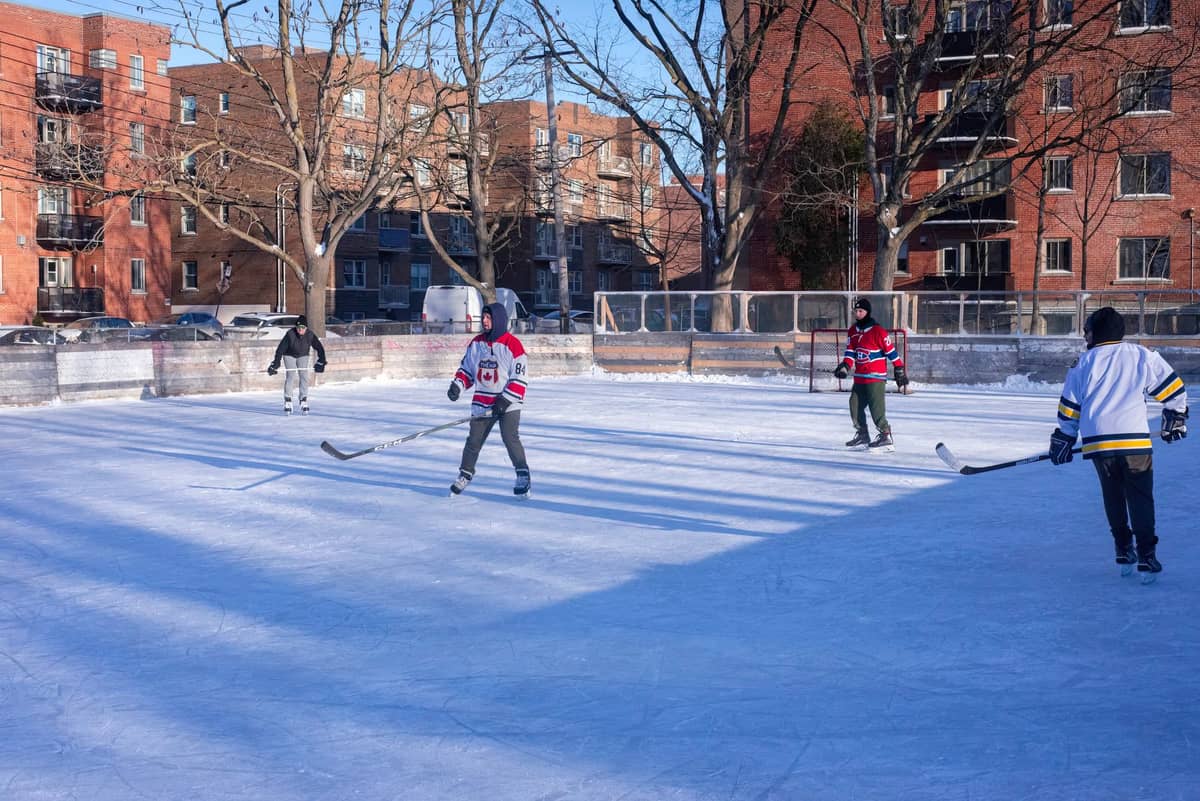
The most important thing to understand about Montreal in winter is that locals do not retreat indoors and wait for spring. The city's outdoor winter programming is extensive, officially supported by the municipality, and genuinely enjoyable once you are dressed properly.
- Skating at Esplanade Tranquille This downtown rink offers free public skating and on-site skate rentals, making it accessible for visitors who didn't pack skates. It's centrally located in the Quartier des Spectacles, often with lighting and music that make evening sessions worthwhile. Conditions vary with temperature, so check the City of Montreal's website before going.
- Beaver Lake at Mount Royal Beaver Lake, near the summit of Mount Royal Park, is a landmark winter destination for skating, cross-country skiing, and snowshoeing. The setting — surrounded by snow-covered trees with the city below — is genuinely impressive. Access depends on conditions and seasonal site operations; confirm hours before visiting.
- Parc Jean-Drapeau Winter Activities On Île Sainte-Hélène, Parc Jean-Drapeau operates winter programming that includes skating, cross-country skiing, snowshoeing, and fat biking, with equipment rental on site. It's less crowded than the mountain on weekends and offers a different perspective of the St. Lawrence River.
- Sledding and Tobogganing The city officially recommends sledding at Mount Royal Park, Parc La Fontaine, Parc Jarry, and Maisonneuve Park. Parc La Fontaine in the Plateau is particularly popular with families and younger crowds on weekend afternoons.
- Snowshoeing on the Mountain Mount Royal's trail network is accessible by snowshoe when conditions allow, and the views from Kondiaronk Belvedere over a snow-covered city are among the best you'll find anywhere in Canada in winter.
✨ Pro tip
The Cabot Square refrigerated rink schedules weekday snow removal from 8:00 to 11:30 a.m. during its winter operating season. If you're planning an early morning skate, verify the schedule on the City of Montreal's website first. This kind of operational detail trips up visitors who show up and find a maintenance closure.
Winter Festivals and Events
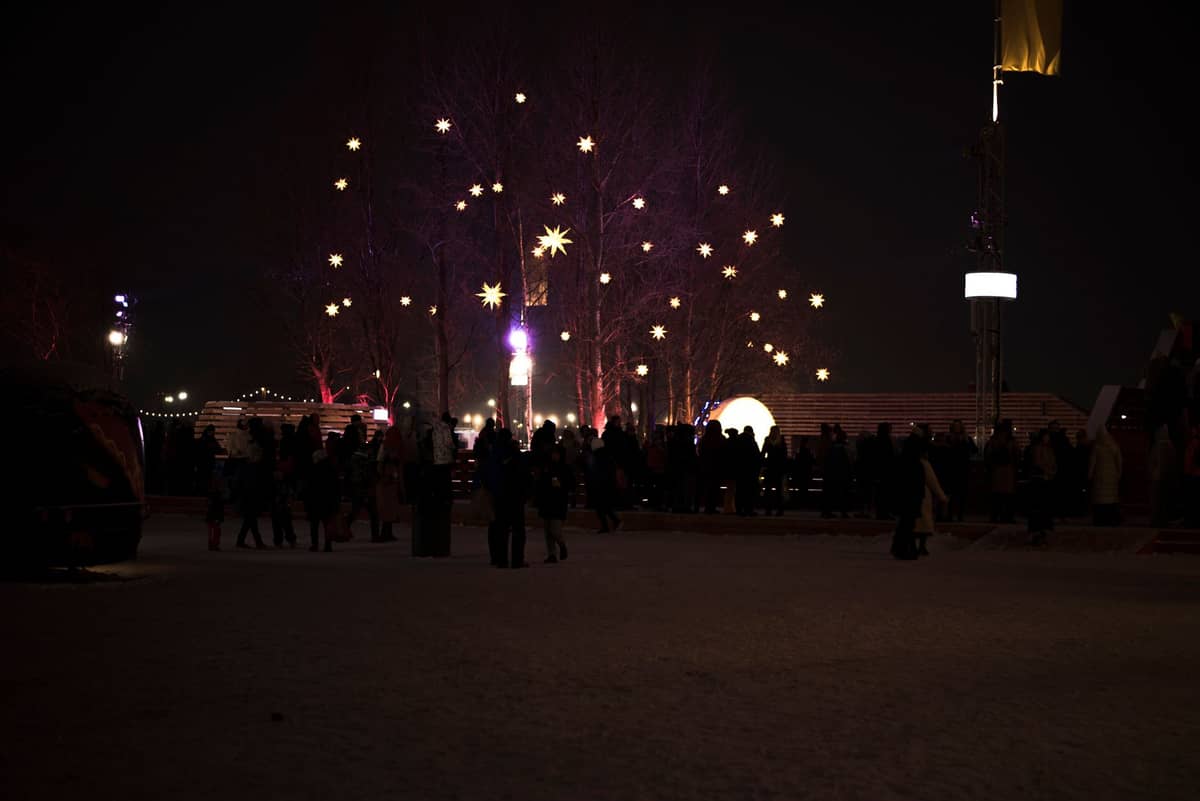
Montreal's winter festival calendar is one of the strongest arguments for visiting between January and March. The city's winter festivals attract hundreds of thousands of visitors and transform the cold into an occasion rather than an obstacle.
Fête des Neiges de Montréal (Snow Festival) runs primarily in January and February at Parc Jean-Drapeau. It is one of the largest winter celebrations in North America, featuring outdoor skating, snow slides, ice sculpting, dogsled demonstrations, and family programming. Admission is charged for some components; check the official site for current pricing and dates, as these vary year to year.
Igloofest, held at the Old Port from roughly mid-January through February, is an outdoor electronic music festival that runs in sub-zero temperatures. It has built a reputation over many editions for committing to the cold rather than retreating from it. Themed costumes are encouraged, and a warm-up area exists for when you need a break. Ticket prices and dates change annually — book in advance as popular nights sell out.
Beyond these major events, the Quartier des Spectacles hosts illuminated outdoor installations throughout winter as part of its recurring Luminothérapie program. These interactive light installations are free to experience and draw locals and visitors on evenings throughout December and January. The Quartier des Spectacles is also home to Place des Arts, Montreal's premier performing arts complex, which runs a full winter programming schedule across its concert halls.
Indoor Montreal: Culture, Food, and the Underground City
On the days when the windchill makes extended outdoor exposure impractical, Montreal's indoor options are genuinely excellent. The city's museum landscape is among the best in Canada. The Montreal Museum of Fine Arts is the largest art museum in Canada by collection size, and its permanent collection alone justifies several hours. The Pointe-à-Callière Museum in Old Montreal sits directly atop the city's archaeological foundations and tells the story of the settlement from Indigenous history forward.
The Underground City (RESO) deserves specific attention as a winter logistics tool. This 33-kilometre network of climate-controlled pedestrian tunnels connects 10 metro stations, several major hotels, shopping centres, university buildings, and office towers in downtown Montreal. On a day when wind is cutting across Rue Sainte-Catherine at −18°C, being able to walk 20 minutes between destinations without going above ground is genuinely useful rather than merely convenient.
Montreal's food scene does not slow down in winter. The city's restaurant culture is year-round and arguably at its most interesting in the colder months, when seasonal menus lean into Québécois comfort food. Poutine, tourtière, braised meats, and maple-inflected desserts dominate the colder season. For a proper overview of what to eat, consult the what to eat in Montreal guide. Indoor markets are also worth visiting: the Jean-Talon Market in Little Italy operates year-round, with its indoor section running through winter and selling Quebec produce, cheese, charcuterie, and prepared food.
💡 Local tip
Old Montreal is one of the most rewarding winter walks in the city, but only on calm days. The stone streets and 18th-century architecture look extraordinary under snow, and tourist crowds are a fraction of what they are in summer. If you time a walk through the district on a weekday morning after a light snowfall, you'll have the most photogenic streets almost to yourself.
Getting Around Montreal in Winter
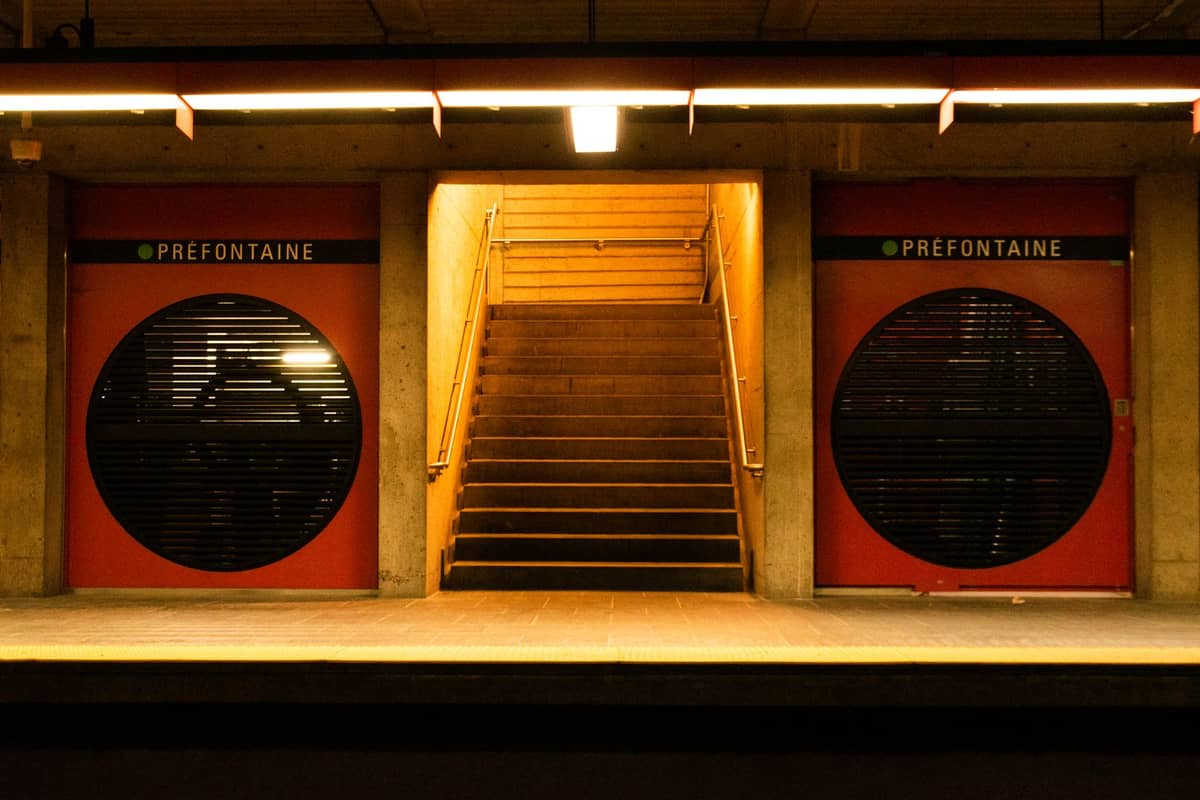
The STM metro is the backbone of winter transport and the most reliable way to move around during bad weather. The four lines cover most of the areas visitors care about, from Old Montreal and the museum district to the Plateau and beyond. A single trip costs around $3.75 CAD; confirm current fares on the STM website before travel, as these are subject to change. A 10-trip pass (around $35 CAD) is cost-effective for a multi-day visit.
Driving in Montreal in winter requires experience or caution. Snow tires are legally required in Quebec from December 1 to March 15, and rental companies will typically have compliant vehicles, but parking can be complicated during snow-clearing operations. The city designates snow-removal nights during which cars must be moved or face towing — posted on street signs and announced on the city's app. If you rent a car, pay close attention to local parking rules.
BIXI, Montreal's public bike-share system, now keeps a reduced year-round network in winter. If you're an avid cyclist, Montreal's cycling infrastructure is worth exploring in warmer months. In winter, walking and metro are the most practical combination for the majority of trips.
Practical Tips for Your Winter Visit
- Layer correctly A thermal base layer, mid-layer (fleece or wool), and a windproof outer shell rated for sub-zero temperatures is the standard framework. Don't skip the base layer — it makes a significant difference once you're outside for more than 20 minutes.
- Cover your extremities A hat that covers your ears, a scarf or balaclava, and insulated waterproof gloves are non-negotiable at −15°C or below. Frostbite on exposed ears and fingers can occur in under 30 minutes in windy conditions.
- Check rink and trail conditions Outdoor rinks, trails, and winter activity sites operate based on temperature and ice quality. Always verify opening status on the City of Montreal's website or by calling ahead, particularly during mild spells or after heavy snowfall.
- Hotel rates are lower Winter (excluding holiday periods in late December and major festival weekends in January–February) generally offers the best hotel rates of the year. If budget is a consideration, mid-January and February outside of major festival dates can represent significant savings over summer pricing.
- Language and customs French is the official language of Montreal and Quebec. Starting an interaction with 'Bonjour' is both courteous and expected; English is widely understood in tourist areas and restaurants. Tipping in restaurants is customary at approximately 15–20% before tax.
- Currency and payments Canada uses the Canadian dollar (CAD). Credit cards are widely accepted, including at most restaurants, transit ticket machines, and attractions. ATMs are available throughout the city.
If this is your first time in Montreal regardless of season, the Montreal first-timer guide covers the orientation basics that apply year-round, from neighborhoods to language etiquette to transport.
FAQ
Is Montreal worth visiting in winter?
Yes, with the right expectations and clothing. Montreal in winter has a distinct character that the city takes seriously: extensive outdoor programming, major festivals in January and February, world-class indoor culture, and lower tourist volumes than summer. It is not a destination for visitors who want to spend most of their time outdoors in short sleeves, but for those who embrace the season it can be one of the most memorable North American winter city trips.
How cold does it get in Montreal in winter?
Average daily temperatures from December through February range between approximately −9°C and −4°C (around 16–25°F). During the coldest stretches of January and February, temperatures can reach −20°C (−4°F) or below with windchill. March begins to moderate, with temperatures gradually rising toward 0°C and above by mid-to-late month.
What is the Underground City in Montreal and is it useful in winter?
The Underground City (officially RESO) is a 33-kilometre network of climate-controlled pedestrian tunnels and enclosed pathways in downtown Montreal, connecting metro stations, hotels, shopping centres, universities, and office buildings. In winter, it is genuinely useful for moving between downtown destinations without going outside. It is not a tourist attraction in itself so much as a practical infrastructure system that happens to contain shops, restaurants, and services.
What winter festivals take place in Montreal?
The two major events are Fête des Neiges de Montréal (January–February, at Parc Jean-Drapeau), which includes outdoor skating, snow slides, and ice sculpting, and Igloofest (mid-January through February, at the Old Port), an outdoor electronic music festival that runs in sub-zero temperatures. The Quartier des Spectacles also hosts Luminothérapie, a free outdoor light installation program running through winter evenings. Dates and details change annually, so check official event websites before booking travel around a specific event.
Do I need a car to get around Montreal in winter?
No. The STM metro and bus network covers the city effectively, and the Underground City pedestrian network handles downtown movement on the worst weather days. A car adds complexity during winter, particularly around snow-removal parking bans. For most visitors, transit plus walking is the most practical and least stressful combination.