First Time in Montreal: Everything You Need to Know
Montreal is one of North America's most distinctive cities, with a French-speaking culture, four dramatic seasons, world-class food, and a calendar packed with festivals. This guide covers everything a first-time visitor needs: how to get in, where to go, what to eat, and how to avoid the common mistakes.
Plan and book this trip
Tools from our partner Travelpayouts help you compare flights and hotels. If you book through them, we may earn a commission at no extra cost to you.
Flights
Hotels map
TL;DR
- Montreal is in the province of Quebec, Canada — French is the official language, but English is widely spoken in tourist areas and most businesses.
- The city has four distinct seasons; late spring through early fall (May to October) offers the mildest weather, but winter has its own appeal with festivals and indoor culture.
- Getting from Montréal–Trudeau Airport (YUL) to downtown takes around 45–60 minutes by the STM 747 bus (CAD 11.25, with 24-hour access to buses, the métro, exo trains, and REM in Zone A) or 25–35 minutes by taxi or rideshare.
- Old Montreal, Mount Royal, and the Plateau are the three areas first-timers should prioritize; see the full Montreal neighborhoods guide for a deeper breakdown.
- Tipping 15–20% before tax is standard at sit-down restaurants. Tap water is safe to drink. Emergency number is 911.
What Kind of City Is Montreal, Really?
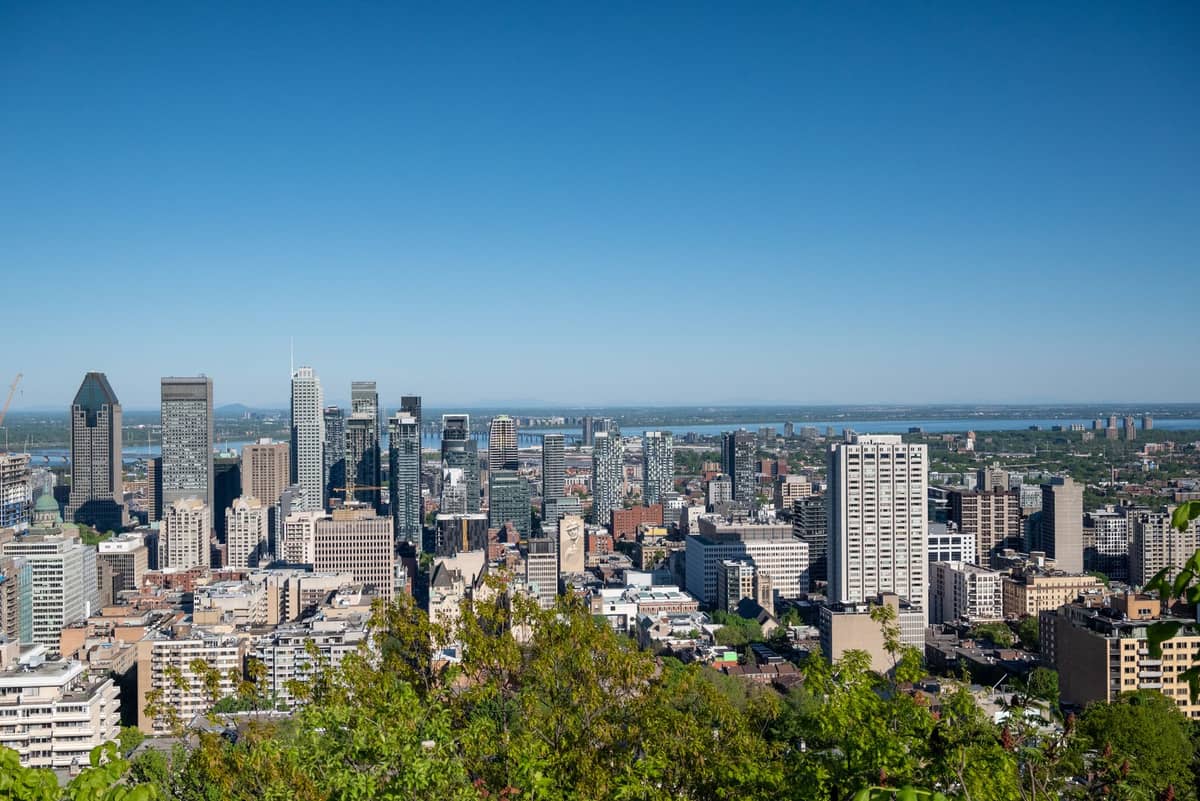
The question of whether Montreal is worth visiting comes up a lot, and it deserves a direct answer: yes, for most types of travelers, and strongly so. Montreal sits on an island at the confluence of the Ottawa and Saint Lawrence rivers in southwestern Quebec. It covers roughly 365 km² and holds about 1.76 million residents, making it the second-largest city in Canada by population. What makes it unusual by North American standards is that it functions primarily in French — not as a bilingual compromise, but as a genuinely French-speaking city where the street signs, menus, and daily rhythms reflect Quebec's distinct culture.
That cultural specificity is the city's biggest selling point. You get European-style architecture in Old Montreal, a food scene built on its own regional traditions (poutine, smoked meat, Montreal bagels), and a festival calendar that runs year-round. The city also has a strong arts and nightlife culture, affordable costs relative to Toronto or Vancouver, and an efficient metro system. It is not, however, a city of beaches and easy warmth — winters are genuinely cold, averaging around -9°C to -4°C, and the adjustment can be jarring if you arrive unprepared.
ℹ️ Good to know
French is the official language of Montreal under Quebec's language legislation. Most visitor-facing businesses operate in both French and English, and tourism staff almost universally speak English. That said, attempting even basic French — 'Bonjour', 'Merci', 'S'il vous plaît' — is genuinely appreciated and makes interactions smoother. Do not assume English will always be available outside central tourist areas.
Getting to Montreal and Into the City
The main entry point is Montréal–Pierre Elliott Trudeau International Airport (airport code YUL), located approximately 20 km west of downtown. Most international and all major domestic flights arrive here. A second airport, Montréal Metropolitan (YHU) in Saint-Hubert, now has some scheduled passenger service, but most first-time visitors still arrive at YUL.
For getting into the city, the STM's 747 YUL–Downtown bus is the most practical budget option. It runs 24 hours a day, seven days a week, with departures roughly every 10–20 minutes during daytime hours. The fare is CAD 11.25 and includes 24-hour access to buses, the métro, exo trains, and REM in Zone A (the Montréal agglomeration). You can pay with exact change on board, or use the fare machines near door 28 in international arrivals, which accept cash, debit, Visa, and Mastercard. Journey time to downtown is roughly 45–60 minutes depending on traffic. Check the full Montreal airport guide for taxi fares, rideshare pickup logistics, and current service updates.
⚠️ What to skip
Transit fares, taxi flat rates, and airport pickup zones change periodically. Verify the current 747 bus fare and taxi fixed-rate information directly with STM (stm.info) and ADM Aéroports de Montréal (admtl.com) before you travel. Do not rely on fares printed in older travel articles.
Entry requirements depend on your nationality. U.S. citizens generally do not need a visa to enter Canada, though documentation requirements differ by travel mode. Citizens of visa-exempt countries flying to Canada typically need an Electronic Travel Authorization (eTA) obtained before departure. Some nationalities require a full visitor visa applied for in advance. Check the official Government of Canada immigration page for your specific country before booking. Electricity in Montreal is 120V/60Hz with Type A and B outlets — the same as the U.S. and Mexico.
The Best Neighborhoods for First-Time Visitors
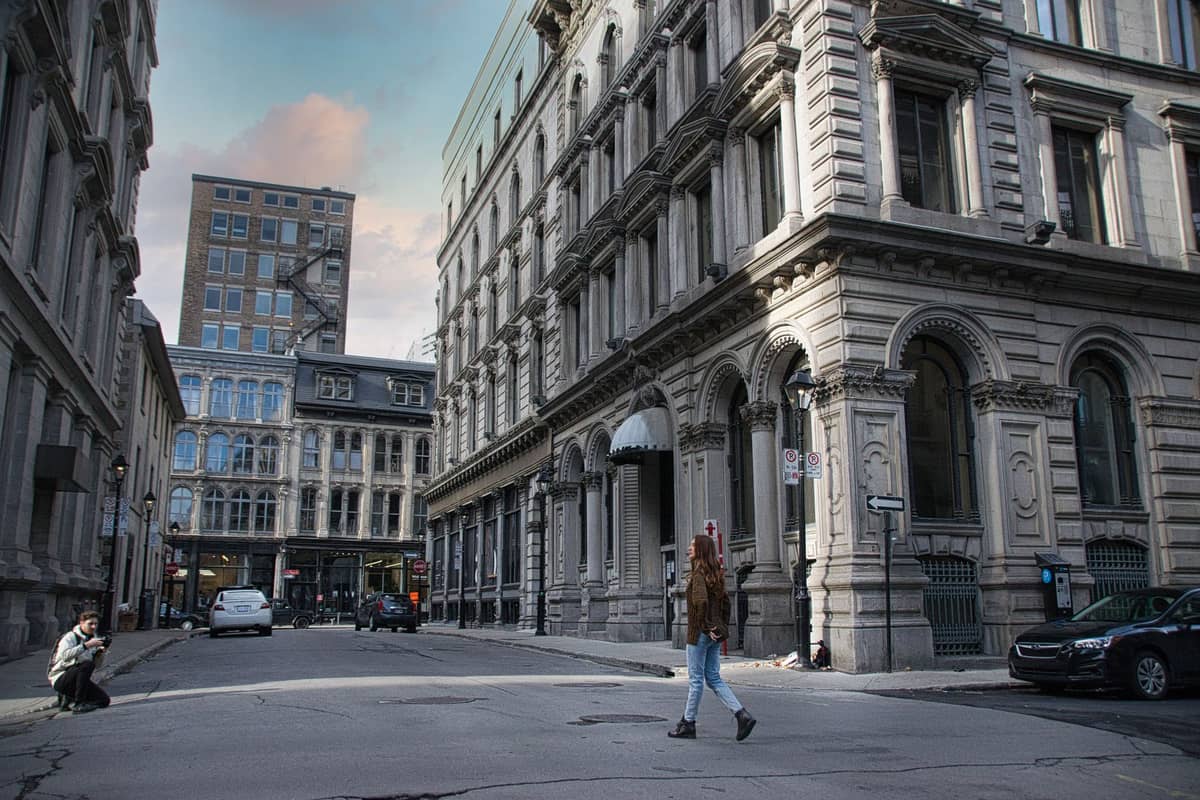
Montreal's neighborhoods have distinct personalities, and choosing where to spend your time matters more here than in cities with a more uniform character. For a first visit, three areas deserve priority. Old Montreal is the historic core: 17th and 18th-century stone buildings, narrow cobblestone streets, and major landmarks including Notre-Dame Basilica and Pointe-à-Callière Museum. It's the most visited area and can feel crowded in summer, but the architecture is worth the trade-off.
Plateau-Mont-Royal is the neighborhood that most closely matches what people imagine when they think of Montreal's local culture: colorful row houses with exterior staircases, independent coffee shops, bookstores, and restaurants that aren't angled at tourists. It's walkable, dense, and genuinely lively without being a performance. Adjacent to it, Mile End adds a creative layer with its concentration of independent businesses, music venues, and diverse food options including some of the city's most-debated bagel shops.
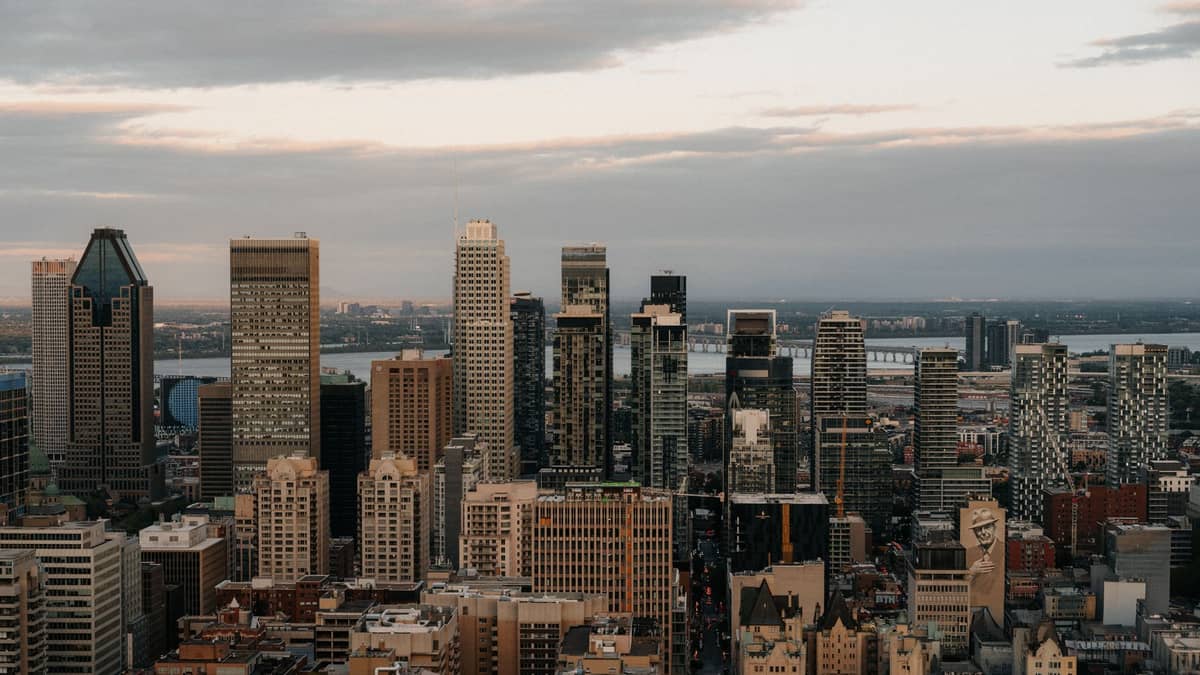
For your third priority, Mount Royal and its park reward the roughly 30-minute walk up from the Plateau with panoramic views of the city from Kondiaronk Belvedere. On clear days the downtown skyline, the Saint Lawrence, and the surrounding island are all visible. The park is used heavily by locals for walking, cycling, and cross-country skiing in winter, which makes it an unusually good place to observe how Montrealers actually spend their time outdoors.
- Old Montreal Historic architecture, waterfront Old Port, Notre-Dame Basilica, Pointe-à-Callière Museum. Most tourist-dense but genuinely worth it.
- Plateau-Mont-Royal Local residential character, excellent restaurant and café density, exterior staircases and colorful facades. Best for walks and meals away from crowds.
- Mile End Bagels, independent shops, arts scene, diverse food. Compact enough to cover in a few hours. Pair with Plateau.
- Downtown Hotels, shopping, underground city connections, several major museums. Practical base but not the most interesting area to explore.
- Little Italy + Jean-Talon Market Best visited on a weekend morning for the market. Strong food and coffee options in the surrounding streets.
When to Visit and What to Expect by Season
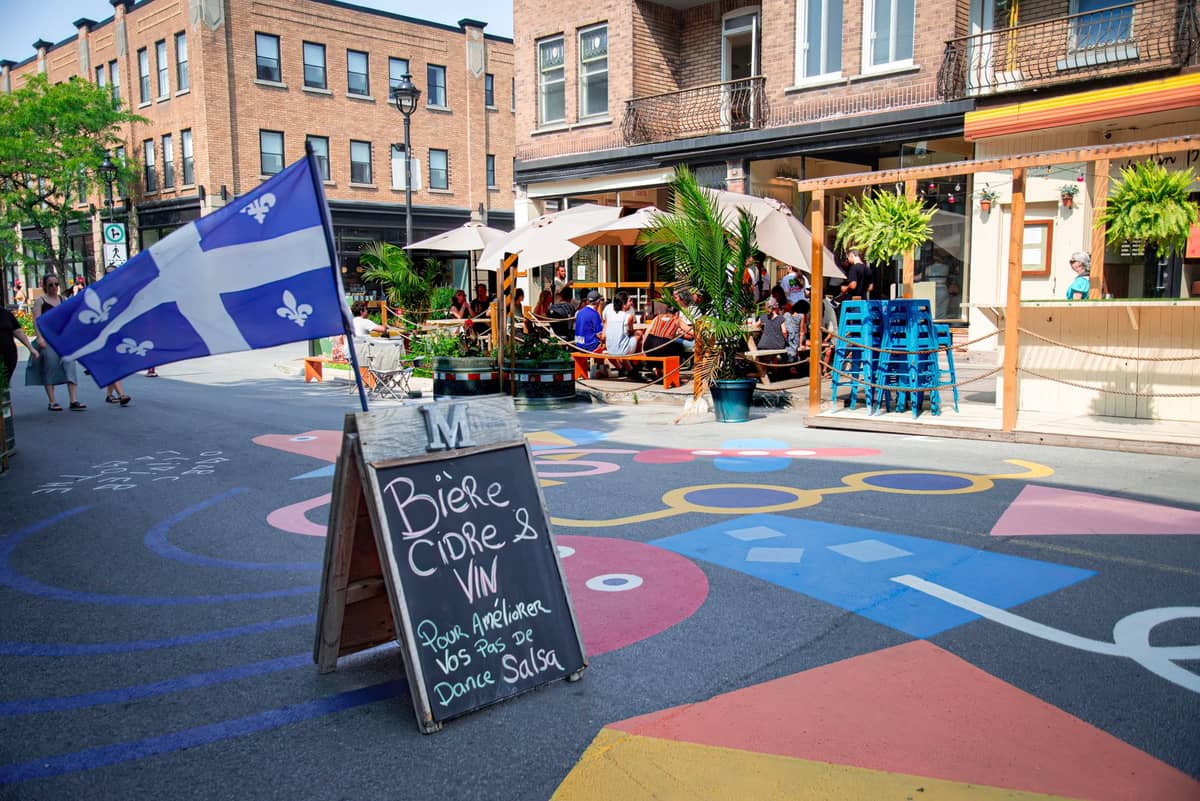
Montreal's four seasons are not a marketing phrase — they genuinely define different cities. Visiting in July is a fundamentally different experience from visiting in January, and both have legitimate reasons to choose them. The most popular window is June through August, when temperatures reach around 25–30°C, terraces open across the city, and the festival calendar runs almost continuously. The Montreal Jazz Festival typically takes over the Quartier des Spectacles in late June and early July, drawing hundreds of thousands of visitors. Crowds and accommodation prices peak during this period.
September and early October are arguably the best weeks of the year for a first visit: temperatures drop to a comfortable 10–17°C, fall foliage color builds across Mount Royal and the parks, terraces are still open, and the summer crowds have thinned. Winter (November through March) is cold and snowy, with average daily temperatures around -9°C to -4°C. It is not a reason to avoid the city — the underground city network (RÉSO) connects major downtown buildings, winter festivals including Montréal en Lumière run in February, and locals embrace outdoor skating and cross-country skiing. But you need to dress for it seriously, and short days limit outdoor time.
✨ Pro tip
If you're visiting in winter, pack a proper insulated jacket, waterproof boots with grip, and layering pieces. The temperature difference between an outdoor street and a heated metro station can be 30°C or more. Many first-timers underdress and spend their first day shopping for a warmer coat.
Food: What to Eat and Where to Start
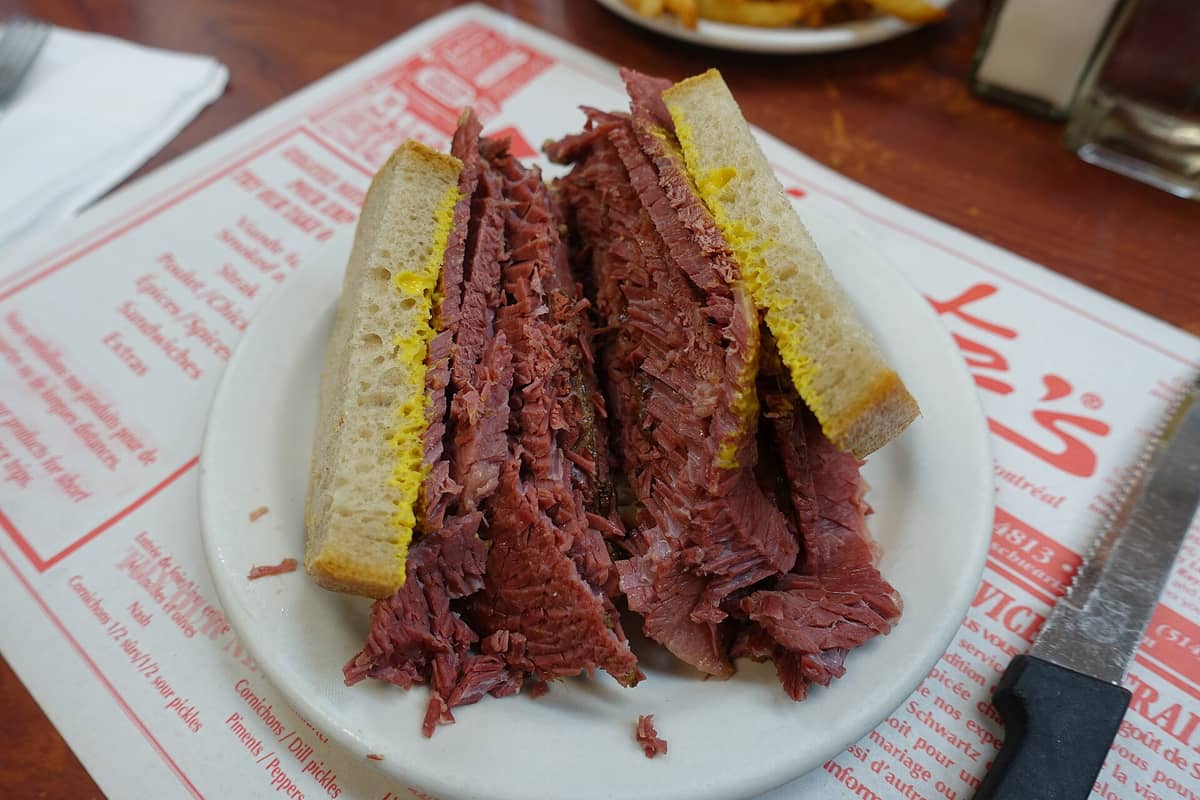
Montreal has a food culture worth taking seriously. Three dishes define it: poutine (fries, cheese curds, and gravy — a dish with regional variations and intense local opinions), smoked meat (cured and smoked beef brisket sliced thick and served on rye, most associated with Schwartz's Deli on Saint-Laurent Boulevard), and Montreal bagels (smaller, denser, sweeter, and wood-fired compared to New York-style). The bagel debate between Fairmount and St-Viateur, both in Mile End, is genuinely unresolved — try both and form your own view. For a structured introduction to the food landscape, the complete guide to what to eat in Montreal covers these and more.
Beyond the classics, Montreal's restaurant scene punches well above its size, with strong French, Italian, and Middle Eastern dining alongside more recent Korean, Japanese, and contemporary Quebec cooking. The Jean-Talon Market in Little Italy is the best food market in the city for fresh produce, local cheese, and prepared foods, particularly lively on weekend mornings from May through October. The Atwater Market near the Lachine Canal is smaller but excellent for butchers, bakers, and specialty Quebec products.
- Poutine: available citywide, quality varies enormously — avoid generic fast-food versions near major tourist sites
- Smoked meat sandwich: Schwartz's on Boulevard Saint-Laurent is the benchmark; expect a queue at peak times
- Montreal bagels: Fairmount Bagel (open 24 hours) and St-Viateur Bagel (Mile End) are the two main contenders
- Tipping: 15–20% before Quebec sales tax is standard at sit-down restaurants
- Grocery and market food: significantly cheaper than restaurants; useful for breakfasts and picnics
Getting Around the City
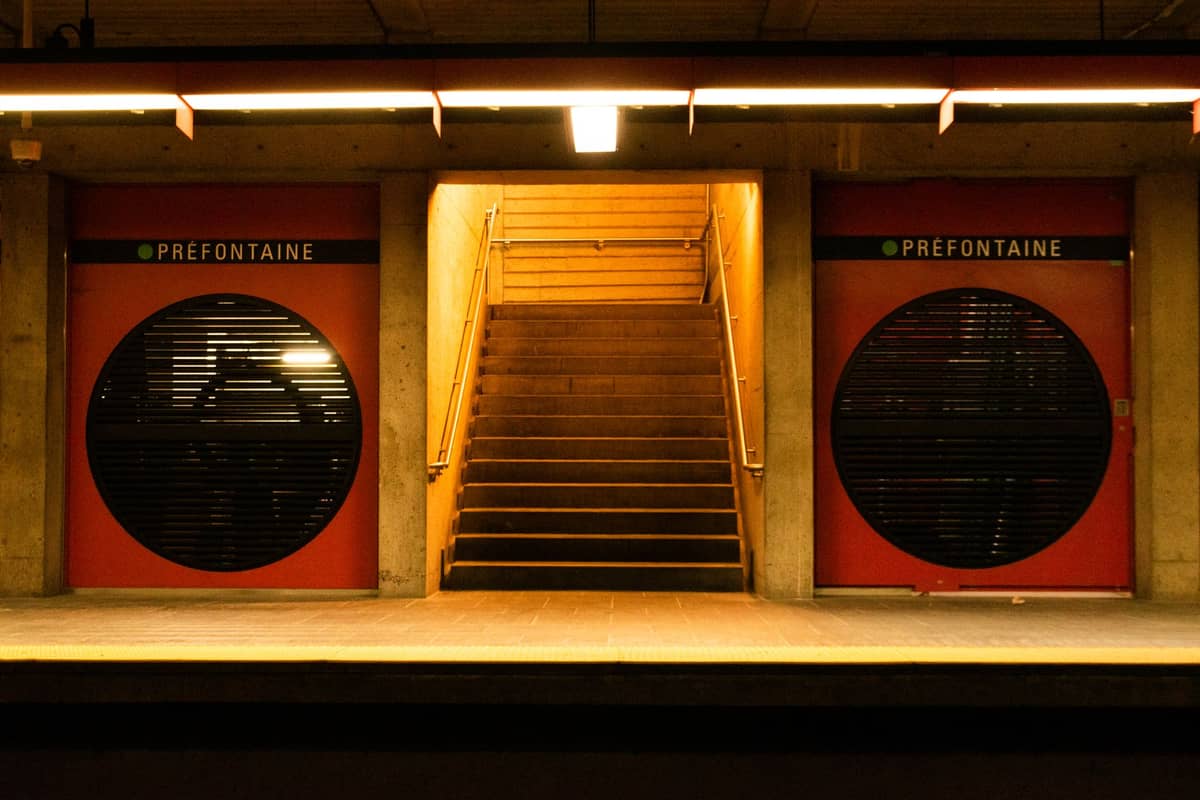
Montreal's metro system (operated by the STM) covers central neighborhoods efficiently on four lines. For a first visit, the Orange Line connects the airport bus terminus at Berri-UQAM with Old Montreal (Champ-de-Mars or Place-d'Armes stations), downtown, and onward to the Plateau area. Single fares and day passes are available; the STM website publishes current pricing. For a full breakdown of options including the BIXI bike-share system and cycling routes, the getting around Montreal guide covers routes, costs, and practical tips in detail.
Walking is underrated as a primary mode of transport for first-time visitors. Old Montreal, the Plateau, Mile End, and the area around Mount Royal are all walkable from each other if you're willing to cover 2–4 km between neighborhoods. The terrain is mostly flat except for the Mount Royal ascent. In summer and fall, walking between areas is often faster than waiting for buses and more interesting than the metro. In winter, the underground city (RÉSO) connects roughly 33 km of passageways beneath downtown — useful for moving between hotels, shopping centers, and metro stations without going outside.
💡 Local tip
BIXI, Montreal's bike-share system, operates from around late April through November. Short-trip passes are available without a membership and work out cheaper than taxis for most cross-neighborhood journeys under 30 minutes. Stations are dense in central neighborhoods. Not recommended if you're unfamiliar with urban cycling — Montreal drivers are assertive.
Practical Basics Before You Arrive
Currency is the Canadian dollar (CAD). Credit and debit cards are accepted almost universally, but having some cash is useful for markets, small cafés, and tips. ATMs are plentiful downtown and in major neighborhoods. Montreal is on Eastern Time: UTC-5 in winter, UTC-4 during daylight saving time (mid-March through early November).
For a structured first visit, a three-day itinerary covering Old Montreal, Mount Royal, the Plateau, and at least one market gives a solid cross-section of what the city offers. The 3-day Montreal itinerary maps out a logical sequence. If budget is a priority, a substantial amount of what makes Montreal distinctive — parks, architecture, markets, street life, several free museum days — costs nothing or close to nothing. The free things to do in Montreal guide is worth reading before you plan.
- Emergency number: 911 (police, fire, ambulance)
- Canada country code: +1; Montreal area codes 514 and 438
- Tap water: safe to drink from the municipal supply
- Electricity: 120V, 60Hz, Type A and B plugs (same as U.S.)
- Sales tax: Quebec charges both provincial (QST) and federal (GST) taxes on most purchases; prices displayed rarely include tax
- Pharmacy chains: Jean Coutu and Pharmaprix are the main pharmacy networks with central locations
FAQ
Do I need to speak French to visit Montreal?
No. English is widely spoken in hotels, restaurants, tourist attractions, and most central businesses. That said, French is the official language and the default in many neighborhoods. Making an effort with basic French phrases — 'Bonjour', 'Merci', 'Parlez-vous anglais?' — is appreciated and generally leads to warmer service. Outside the main tourist zones, English fluency cannot be assumed.
How many days do you need in Montreal for a first visit?
Three full days is the practical minimum to cover Old Montreal, Mount Royal, the Plateau and Mile End, and at least one major museum or market. Five days allows a more relaxed pace and room for day trips. A weekend visit is feasible but will feel rushed if you try to see everything.
Is Montreal safe for tourists?
Montreal is generally considered one of Canada's safer large cities for tourists. Standard urban precautions apply: watch your belongings in crowded areas like the Old Port in summer, avoid poorly lit streets late at night, and keep valuables out of sight in parked cars. The metro system is safe to use at all hours.
What is the cheapest way to get from Montreal airport to downtown?
The STM 747 bus is the most affordable option at CAD 11.25, which includes 24-hour access to buses, the métro, exo trains, and REM in Zone A. It runs 24/7 and takes approximately 45–60 minutes to downtown depending on traffic. Fare machines accept cash, debit, Visa, and Mastercard near door 28 in international arrivals. Verify current fares at stm.info before you travel.
Is Montreal worth visiting in winter?
For travelers who prepare properly, yes. The city has a strong indoor culture, an excellent underground walkway network downtown, winter festivals including Montréal en Lumière in February, and outdoor activities like skating and cross-country skiing in Mount Royal Park. The main drawbacks are cold temperatures (regularly below -10°C with wind chill), short daylight hours, and the need for serious cold-weather clothing. It is not the right first visit for travelers who dislike cold weather or plan to spend most of their time outdoors.