3 Days in Montreal: The Perfect Itinerary
Three days is enough time to cover Montreal's historic core, its best neighborhoods, and its signature food culture — if you plan it right. This itinerary is built around walkable clusters, smart transit use, and practical tips on what's worth your time.
Plan and book this trip
Tools from our partner Travelpayouts help you compare flights and hotels. If you book through them, we may earn a commission at no extra cost to you.
Flights
Hotels map
TL;DR
- Buy the STM 3-day transit pass (CAD 21.75) on arrival — it covers metro and buses and is valid until 11:59 p.m. on the third consecutive day. See our getting around Montreal guide for full details.
- Day 1 belongs to Old Montreal and the Old Port: cobblestone streets, Notre-Dame Basilica, and the waterfront.
- Day 2 covers Mount Royal, the Plateau, and Mile End — the neighborhoods that define Montreal's local character.
- Day 3 is for Olympic Park, the Botanical Garden, and the Jean-Talon Market before your departure.
- Montreal's official language is French. A basic 'bonjour' goes a long way, and English is widely understood in tourist areas.
Before You Arrive: Transit, Passes, and Practical Setup
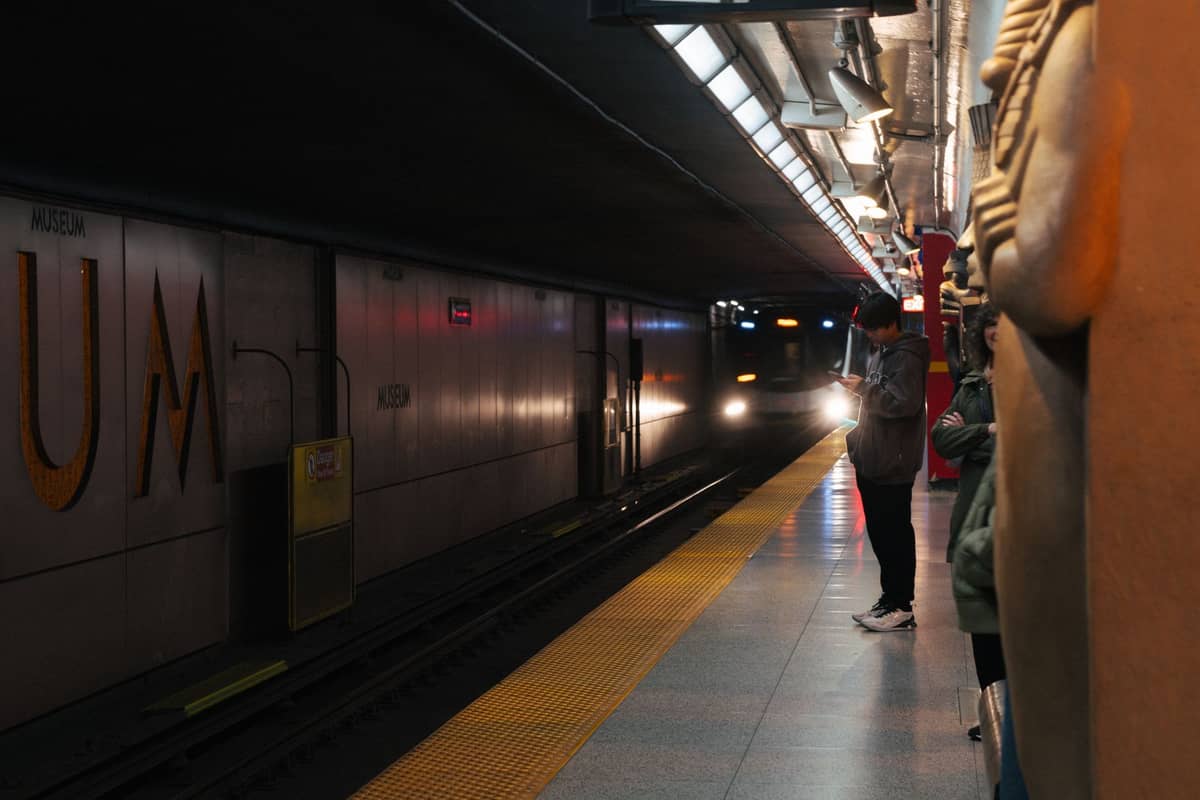
Getting your logistics right before Day 1 saves real time and money. The Société de transport de Montréal (STM) runs the metro and bus network, and for a three-day visit, the three-consecutive-day pass at CAD 21.75 is the clearest value. A single trip costs CAD 3.75, and a 24-hour pass is CAD 11.25, so the math tips in favor of the multi-day pass almost immediately. One important detail: the three-day pass is not a rolling 72-hour window. It expires at 11:59 p.m. on the third calendar day after first use, so activating it on Day 1 morning gives you maximum coverage.
From Montréal–Trudeau International Airport (YUL), roughly 20 km from downtown, the STM's 747 bus runs 24 hours a day and costs CAD 11.25 — the same price as the 24-hour pass, which it includes. Exact change is required if paying cash on the bus, so buy your pass at an airport fare vending machine or the STM information counter before boarding. Taxis use a regulated fixed fare for downtown trips; verify the current rate at the airport. For full options, see the Montreal airport guide.
⚠️ What to skip
STM buses require exact change for single-fare cash payment. If you don't have the right coins, you'll be turned away or overpay. Buy a transit pass before you board — from métro station agents, the airport, or participating retailers.
For accommodation, downtown and Old Montreal are the most convenient bases for this itinerary. The Plateau is a good choice if you want to feel less like a tourist from the start. Check where to stay in Montreal for a neighborhood-by-neighborhood breakdown. Montreal's official language is French — use 'bonjour' to open any interaction and you'll find most service staff happy to continue in either language.
Day 1: Old Montreal and the Old Port
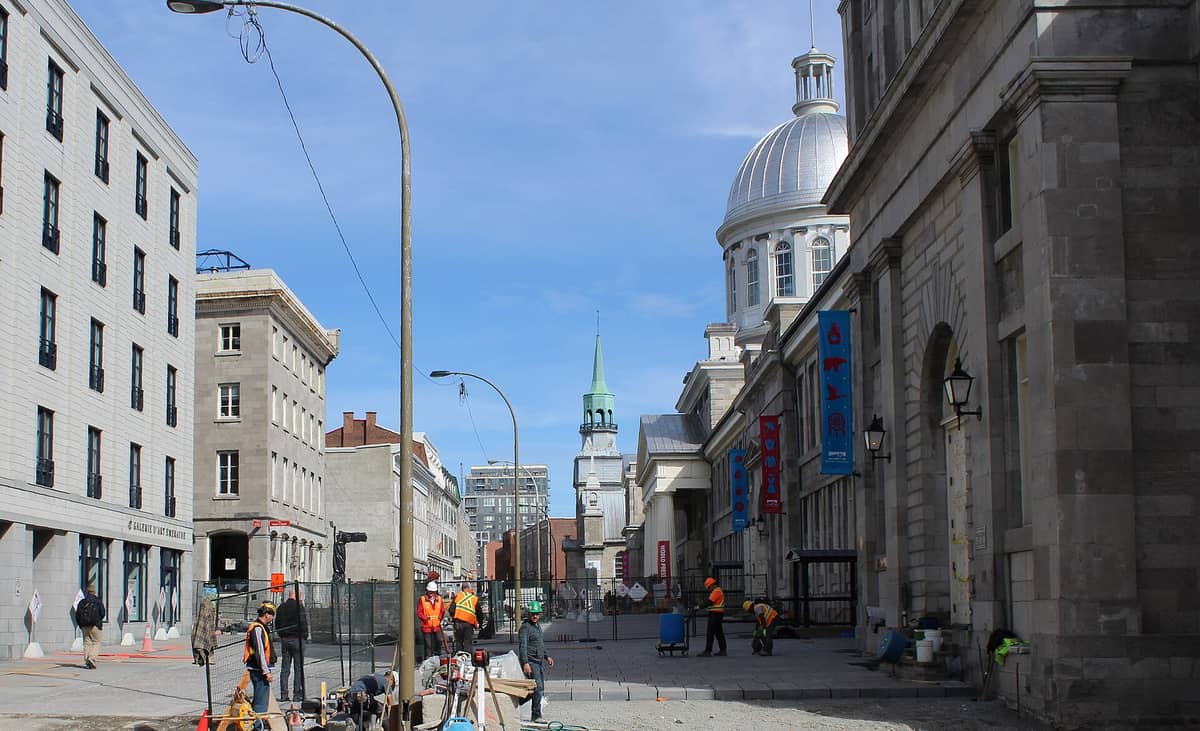
Start your montreal itinerary in the city's oldest district. Old Montreal is compact enough to cover on foot in a morning but layered enough that you won't run out of things to notice. The cobblestone streets and 18th- and 19th-century stone buildings make it the clearest visual evidence of Montreal's history as a French colonial settlement, a British colonial city, and a North American commercial hub. Arrive by 9 a.m. on weekdays if you want to explore before tour groups fill the main squares.
The anchor is Notre-Dame Basilica, one of the most architecturally impressive interiors in Canada. The neo-Gothic interior dates to the 1820s, and the blue and gold vaulted ceiling is genuinely striking. Admission is charged; verify current rates before visiting. Directly east, Place Jacques-Cartier is the main public square. It's lively in summer with street performers and terrasse seating, but it's also the most tourist-concentrated spot in the city. Eat breakfast here if you enjoy the atmosphere; skip the overpriced tourist-menu restaurants for actual meals.
Spend the afternoon at the Old Port, the waterfront strip along the Saint Lawrence River. The Pointe-à-Callière Museum sits directly on the archaeological site of Montreal's original 1642 settlement — it's the best history museum in the city, and it earns that position. Budget 90 minutes to two hours. If you have energy left, walk east along the waterfront to the Clock Tower for views up the river, or check whether the Grande Roue de Montréal observation wheel is running — it's seasonal and the views on a clear day are worth the ticket.
- Notre-Dame Basilica Interior visits require a ticket; free entry is not available outside of mass times. Book ahead in peak summer months.
- Pointe-à-Callière Museum The underground archaeological crypt is the highlight. Allow at least 90 minutes; the upper floors cover broader Quebec history.
- Bonsecours Market The silver-domed Marché Bonsecours is worth a look from outside; the interior is now craft and design retail, not a food market.
- Old Port food options Skip the sit-down tourist restaurants on the main drag. Pick up food from Atwater or Jean-Talon if you plan ahead, or look for counter-service spots one block off the waterfront.
💡 Local tip
Old Montreal is at its best on weekday mornings and quieter in late September and October when summer crowds thin. July and August weekends can feel overwhelmingly crowded around Place Jacques-Cartier and the Old Port waterfront.
Day 2: Mount Royal, the Plateau, and Mile End
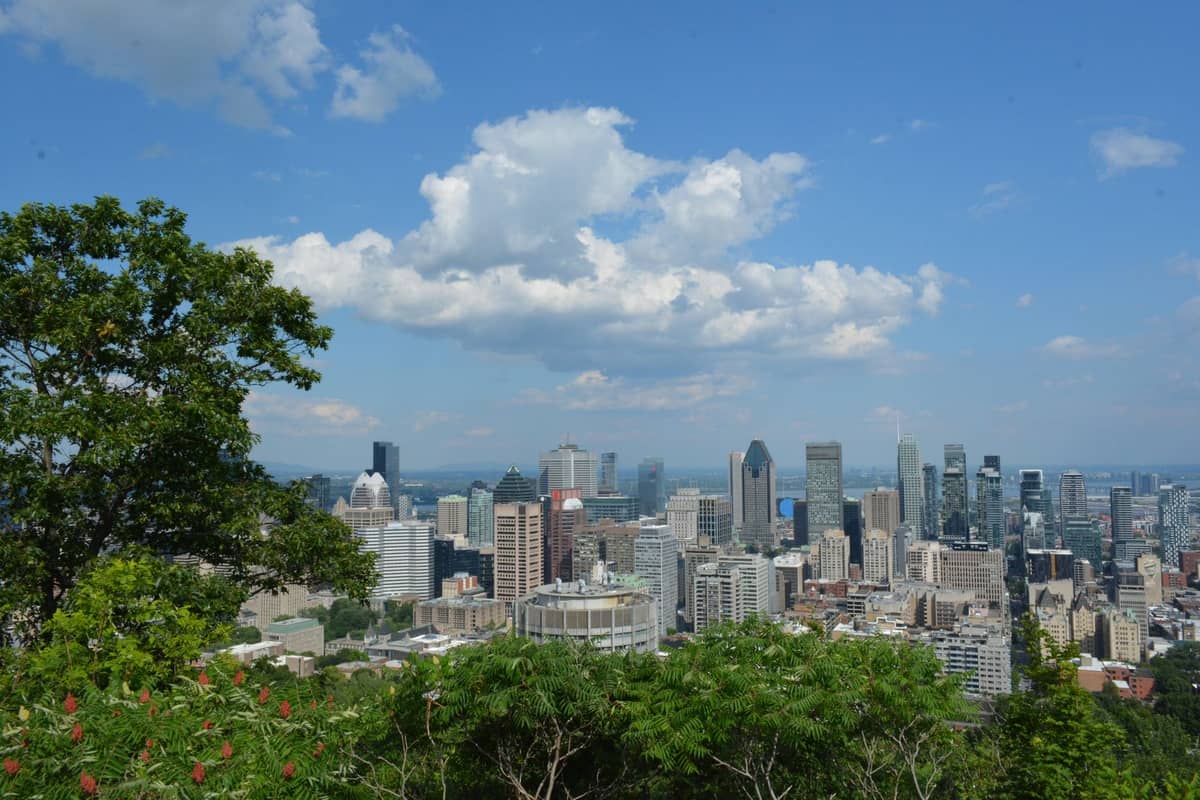
Day 2 shifts from monuments to neighborhoods. Start at Mount Royal Park, the 190-hectare green space designed by Frederick Law Olmsted — the same landscape architect responsible for New York's Central Park. The park sits at 233 metres above sea level, and the walk or shuttle from the Peel métro station takes about 30 minutes on foot. The Kondiaronk Belvedere lookout gives you the best panoramic view of downtown Montreal and the Saint Lawrence. In winter, the mountain is a cross-country skiing and snowshoeing destination; in summer, the Sunday Tam-Tams drum circle near the monument draws thousands of Montrealers. It's informal, free, and one of the more distinctly local things you can witness.
Descend into the Plateau for lunch. This neighborhood's visual signature is its exterior staircases — a practical architectural response to 19th-century property tax rules — and its dense concentration of cafés, bookshops, and restaurants. Avenue Duluth and Rue Saint-Denis are good streets to walk. In the afternoon, continue north into Mile End, where the independent café culture is even more concentrated. This is also where you'll find Montreal's most debated food: the bagel. St-Viateur Bagel and Fairmount Bagel are the two institutions, within walking distance of each other, and both are genuinely good. Order fresh from the wood-fired oven.
For context on what makes these neighborhoods architecturally distinct from anywhere else in North America, the Montreal architecture guide covers the detail. If you want to explore further on foot or by bike, the Plateau and Mile End connect naturally to the Lachine Canal cycling paths — see the Montreal cycling guide for route options.
- Kondiaronk Belvedere: best views at sunrise or late afternoon when the light is on the downtown skyline.
- St-Viateur Bagel (1179 Ave Saint-Viateur O) and Fairmount Bagel (74 Ave Fairmount O) are both open around the clock — no excuse to miss them.
- The Plateau's Rue Prince-Arthur is a pedestrian street, though the restaurants lining it are mediocre. Walk it for the architecture, eat elsewhere.
- Mile End's Boulevard Saint-Laurent between Avenue Mont-Royal and Rue Bernard has the highest density of good independent restaurants in the neighborhood.
Day 3: Olympic Park, the Botanical Garden, and Jean-Talon Market

Montreal's eastern end anchors Day 3. The Olympic Park complex was built for the 1976 Summer Olympics and remains one of the most architecturally ambitious — and financially troubled — public projects in Canadian history. The Montreal Tower is the world's tallest inclined tower, and the funicular ride to the observation deck gives you a broader city panorama than Mount Royal on clear days. The Olympic Stadium itself is worth seeing from the outside even if you don't go in.
Directly adjacent, the Space for Life complex groups four institutions: the Montreal Botanical Garden, the Biodôme, the Insectarium, and the Rio Tinto Alcan Planetarium. Visiting all four in one day is not realistic; pick one or two. The Botanical Garden is the strongest choice in spring through fall — 75 hectares with themed gardens including a Chinese garden and a Japanese garden. The Biodôme recreates five ecosystems indoors, which is more interesting than it sounds and works well for families. If you have the Accès Montréal card, discounted admission rates apply: CAD 14.25 for adults, CAD 11 for students, and CAD 7.25 for children aged 5–17 (current listed rates; verify before visiting).
End the day at Jean-Talon Market in Little Italy, roughly 20 minutes by metro from Olympic Park. This is the largest open-air market in North America by some measures, and it's at its best from late June through October when local produce is at full volume. Pick up cheese, charcuterie, and seasonal fruit for a picnic, or eat at one of the prepared food counters inside the market hall. It's also a more honest snapshot of how Montrealers actually shop and eat than anything in the tourist core.
✨ Pro tip
The Accès Montréal card is a resident/property-owner discount card, not a tourist pass. If you qualify, it reduces Space for Life admission. Visitors without the card should use standard Espace pour la vie tickets and verify current rates before visiting.
What to Eat Across Three Days
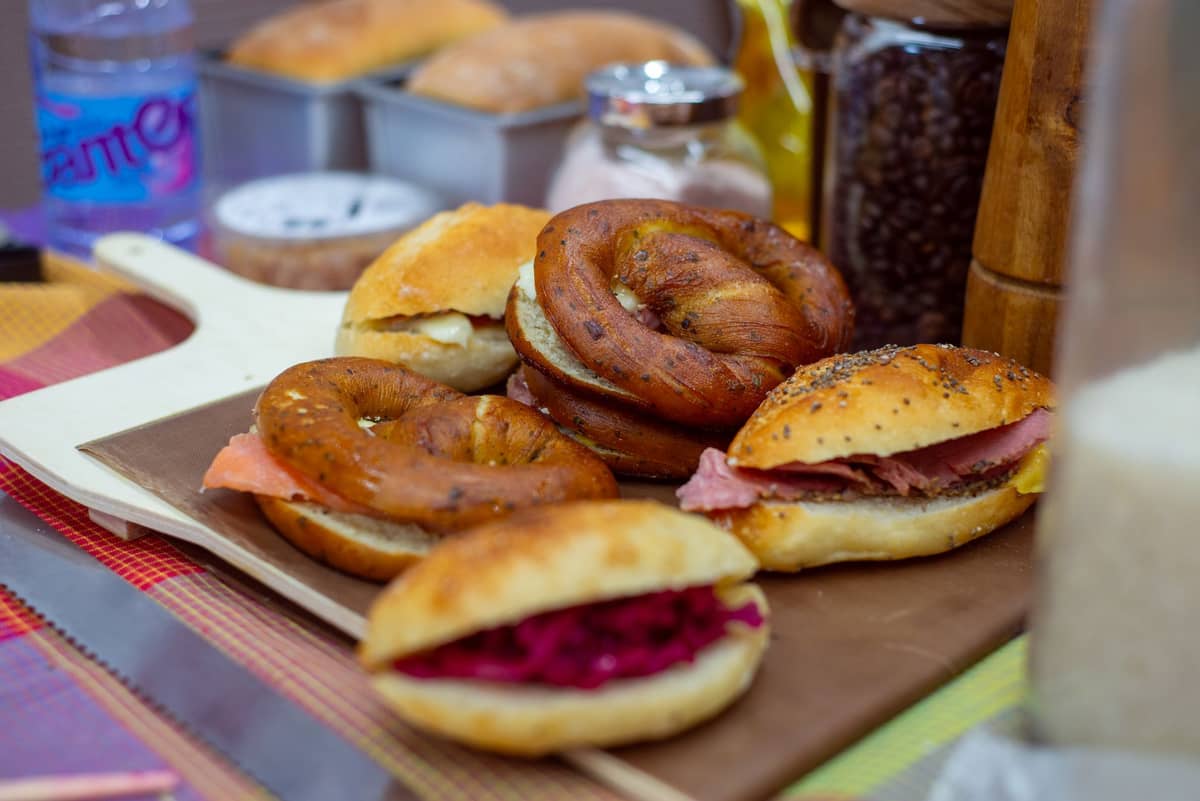
Montreal has a distinct food identity that goes beyond any single dish. The three things worth seeking out specifically are poutine, smoked meat, and bagels. For poutine, the Quebec staple of fries, cheese curds, and gravy, see the Montreal poutine guide for where the quality is actually consistent. For smoked meat, Schwartz's Deli on Boulevard Saint-Laurent is the most famous option — expect a line and tight seating, but the sandwich is worth it. Lester's Deli in Outremont is a lower-key alternative with equally serious product. The Montreal smoked meat guide covers both in detail.
Beyond the classics, the Plateau and Mile End have Montreal's best concentration of mid-range restaurants serving French-influenced Quebec cooking alongside excellent Vietnamese, Greek, and Jewish deli traditions. Little Italy around Jean-Talon Market is strong for Italian food and coffee. The where to eat in Montreal guide covers options by neighborhood and price range. Budget travelers will find Montreal easier than Toronto or Vancouver: a good lunch at a BYOB Plateau restaurant typically runs CAD 20–30 per person before wine, and most BYOBs are genuinely accommodating. Tipping is customary at 15–20% of the pre-tax total.
Seasonal Considerations for Your Three Days
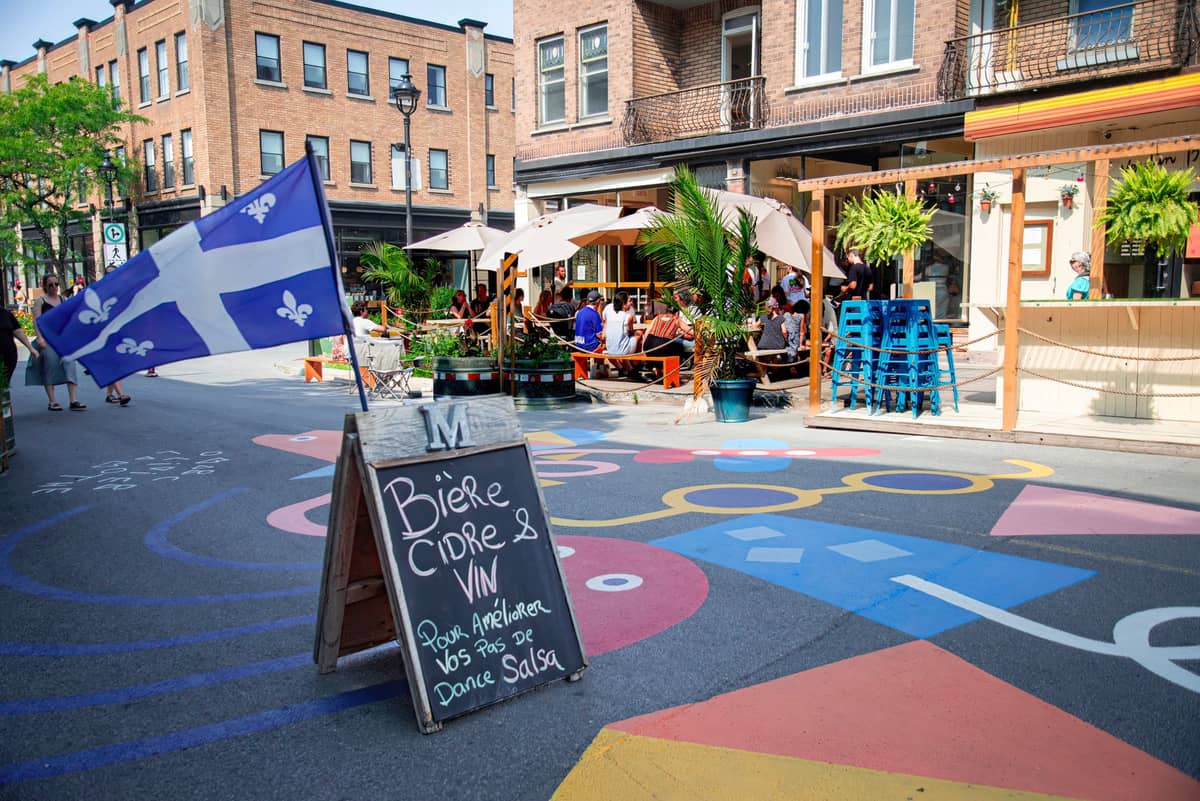
The timing of your three days significantly changes what Montreal feels like. Summer (June through August) gives you outdoor terrasses, the Old Port beach, festivals, and the Tam-Tams, but also the highest hotel prices and the heaviest tourist traffic in Old Montreal. The Montreal festivals guide is worth checking if you're visiting June through August — the Jazz Festival, Just for Laughs, and Osheaga can either enrich your visit or make accommodation nearly impossible to book without advance planning.
September and early October are the most consistently pleasant months: average temperatures around 5–17°C, autumn foliage on Mount Royal and in the parks, thinner crowds, and lower rates. Winter visits (late November through March) require a different approach entirely: temperatures regularly drop to -9°C or below, but Montreal's underground city connects major downtown points indoors, and the city has a genuine winter culture of festivals, ice skating, and indoor food markets. See the Montreal in winter guide for what actually works in the cold season.
ℹ️ Good to know
Quebec's cold season generally runs from late November to early April. Pack layers regardless of your visit month: even in June, evenings on Mount Royal can be noticeably cool. In winter, wind chill on the Saint Lawrence waterfront makes felt temperatures significantly lower than the forecast.
FAQ
Is three days enough time to see Montreal?
Three days covers the essential neighborhoods and landmarks comfortably if you're strategic about grouping things geographically. You won't exhaust the city — Montreal rewards longer stays — but you'll leave with a genuine sense of what makes it distinct. A first-timer focusing on Old Montreal, the Plateau, Mount Royal, and one major museum or market per day will use the time well.
What is the best way to get around Montreal in three days?
The STM metro and bus network covers everything in this itinerary. The three-consecutive-day pass (CAD 21.75 in 2026) is the most cost-effective option for a three-day visit. Buy it before boarding buses — exact change is required for cash fares on buses, and that's an easy mistake to make on your first day. Walking is viable within each neighborhood cluster.
What is the best time of year for a three-day Montreal trip?
September and early October offer the best balance of mild weather (5–17°C average), fewer crowds than peak summer, and autumn foliage. Late June through August is more active and festival-heavy but busier and more expensive. Winter is genuinely viable but requires planning around cold weather and checking which attractions operate seasonally.
Do I need to speak French to visit Montreal?
No, but some effort is appreciated. Montreal's official language is French under Quebec law, and opening any interaction with 'bonjour' is both courteous and effective. In tourist areas, Old Montreal, downtown, and most restaurants, English is widely understood. In some residential neighborhoods and local shops, French is the default and English less certain — a few basic phrases help.
How do I get from Montreal airport to the city center?
The STM 747 bus runs 24 hours between Montréal–Trudeau Airport (YUL) and downtown, with a fare of CAD 11.25 that includes 24 hours of STM access. Taxis use a regulated fixed fare for downtown trips — verify the current rate at the airport. Uber also operates in Montreal. The airport is about 20 km from downtown; travel time by bus is roughly 45–60 minutes depending on traffic and stops.