Where to Eat in Montreal: Best Restaurants & Food Districts
Montreal's food scene is one of the most distinctive in North America, shaped by French culinary tradition, Jewish deli culture, Italian immigration, and a relentless wave of independent restaurants. This guide breaks down the best places to eat in Montreal by neighborhood, food type, and budget, with clear takes on what's worth your time and what to skip.
Plan and book this trip
Tools from our partner Travelpayouts help you compare flights and hotels. If you book through them, we may earn a commission at no extra cost to you.
Flights
Hotels map
TL;DR
- Montreal's top food neighborhoods are the Plateau, Mile End, Little Italy, and Old Montreal, each with a distinct character and cuisine profile. Start with our Montreal neighborhoods guide to orient yourself.
- Jean-Talon Market (Little Italy) and Atwater Market (Lachine Canal) are the two anchor public markets, both worth a dedicated visit.
- Montreal's iconic eats, including poutine, smoked meat, and bagels, each have specific institutions worth seeking out. See our poutine guide and smoked meat guide for deep dives.
- Tipping is customary at 15-20% before tax. The city's official language is French, so menus often appear in French first, though English versions are widely available in tourist-heavy areas.
- Always verify restaurant hours before visiting. Montreal's independent dining scene means irregular schedules, Monday closures, and seasonal menus are common.
Why Montreal's Food Scene Is Worth Taking Seriously
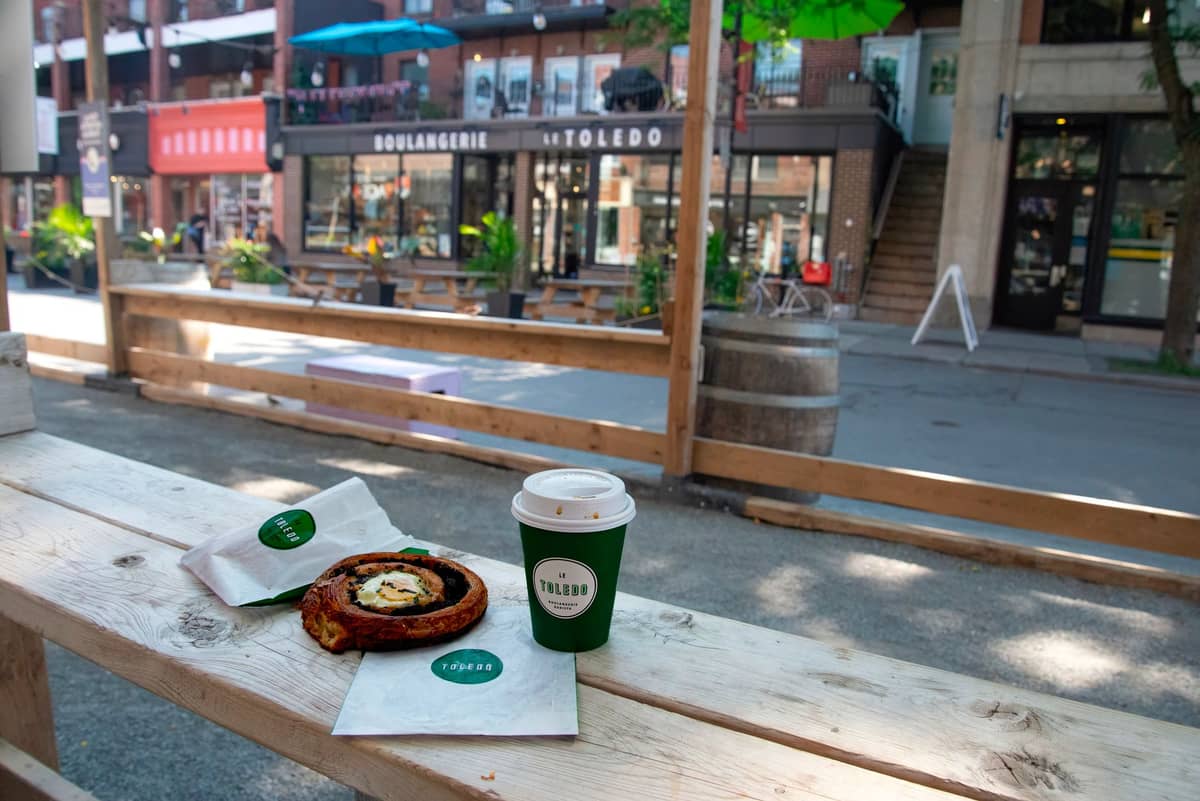
Montreal sits at a genuine culinary crossroads. French Quebec cooking forms the base, but the city's long history of immigration has layered Italian, Jewish, Greek, Portuguese, and more recently Southeast Asian and Middle Eastern influences on top of it. The result is a food culture that is specific rather than generic, where long-standing institutions coexist with serious independent restaurants that would compete on any international list.
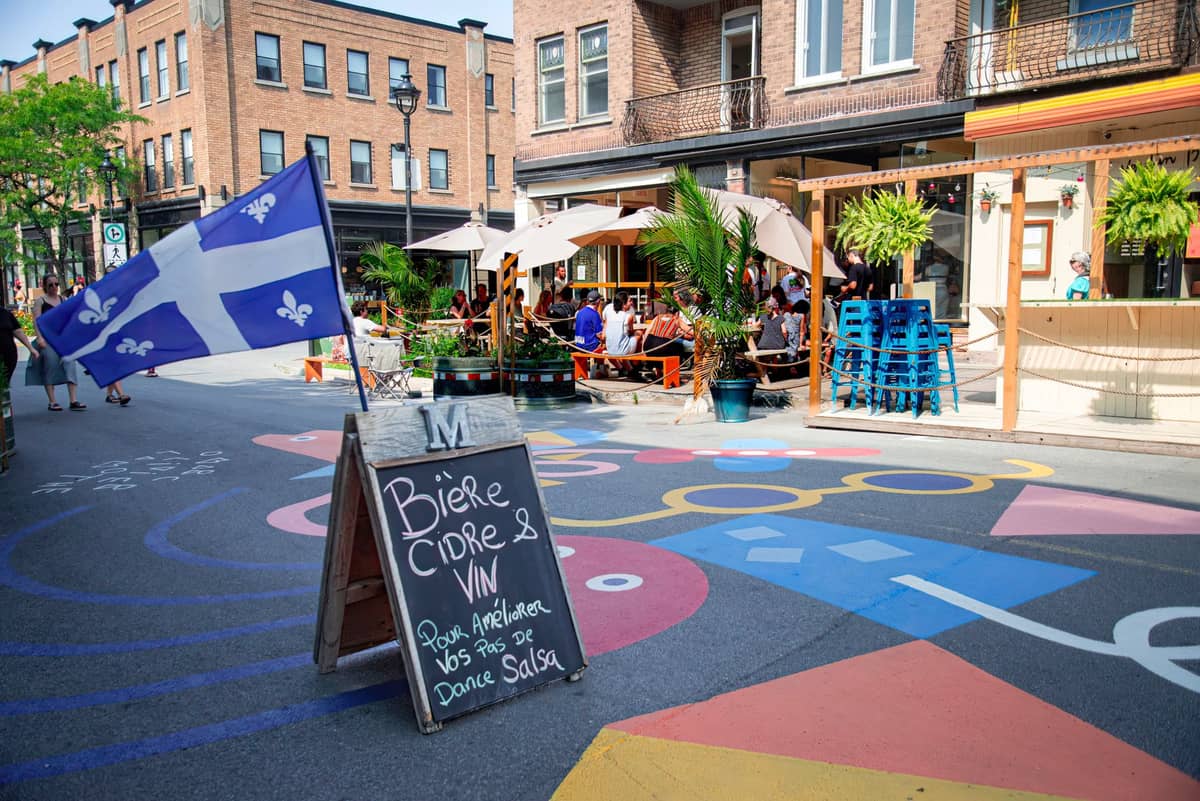
The concentration of restaurants is remarkable for a city of its size. The Plateau-Mont-Royal alone, a dense residential borough of row houses and corner depanneurs, contains more interesting restaurants per block than most North American cities manage per borough. Le Plateau-Mont-Royal is the obvious starting point for first-time food visitors, but it is far from the whole story.
ℹ️ Good to know
All prices in Montreal are in Canadian dollars (CAD). Quebec applies both provincial (QST) and federal (GST) sales taxes, adding roughly 15% to menu prices. Tipping 15-20% on the pre-tax total is standard. Many restaurants now include a suggested tip on the payment terminal, but these are not mandatory.
The Best Food Neighborhoods in Montreal
Understanding where to eat in Montreal starts with geography. The city is organized around distinct neighborhoods, and each has a different dining personality. For a full breakdown of these areas, the Montreal neighborhoods guide provides useful context before you start making reservations.
- Plateau-Mont-Royal The broadest and most varied food neighborhood in the city. Bernard Avenue, Mont-Royal Avenue, and Saint-Denis Street are all dense with options ranging from casual brunch spots to serious French bistros. Best explored on foot.
- Mile End The commonly used neighborhood name for the area around Saint-Viateur and Fairmount streets. This is where Montreal's legendary bagel bakeries operate, and where the independent cafe and restaurant scene is at its most concentrated. Lower-key than the Plateau, higher on credibility.
- Little Italy Built around Jean-Talon Market, this area along Saint-Laurent Boulevard north of Jean-Talon Street has a strong Italian restaurant tradition alongside newer independent spots. Weekend mornings at the market are genuinely worth an early start.
- Old Montreal (Vieux-Montréal) The tourist-facing historic district has improved its dining significantly in recent years. There are now genuinely good restaurants here, though you need to choose carefully to avoid the overpriced, average spots that still outnumber the worthwhile ones.
- Downtown and Quartier des Spectacles Less of a residential food neighborhood and more a commercial dining zone. Useful for convenience, pre-show meals, and food halls. Time Out Market inside the Eaton Centre is a reliable option when you want variety without committing to a single restaurant.
- Griffintown A redeveloped former industrial area southwest of downtown with a growing restaurant scene aimed at a younger, professional demographic. Less established than the Plateau or Mile End but worth watching.
Montreal's Public Markets: Jean-Talon and Atwater
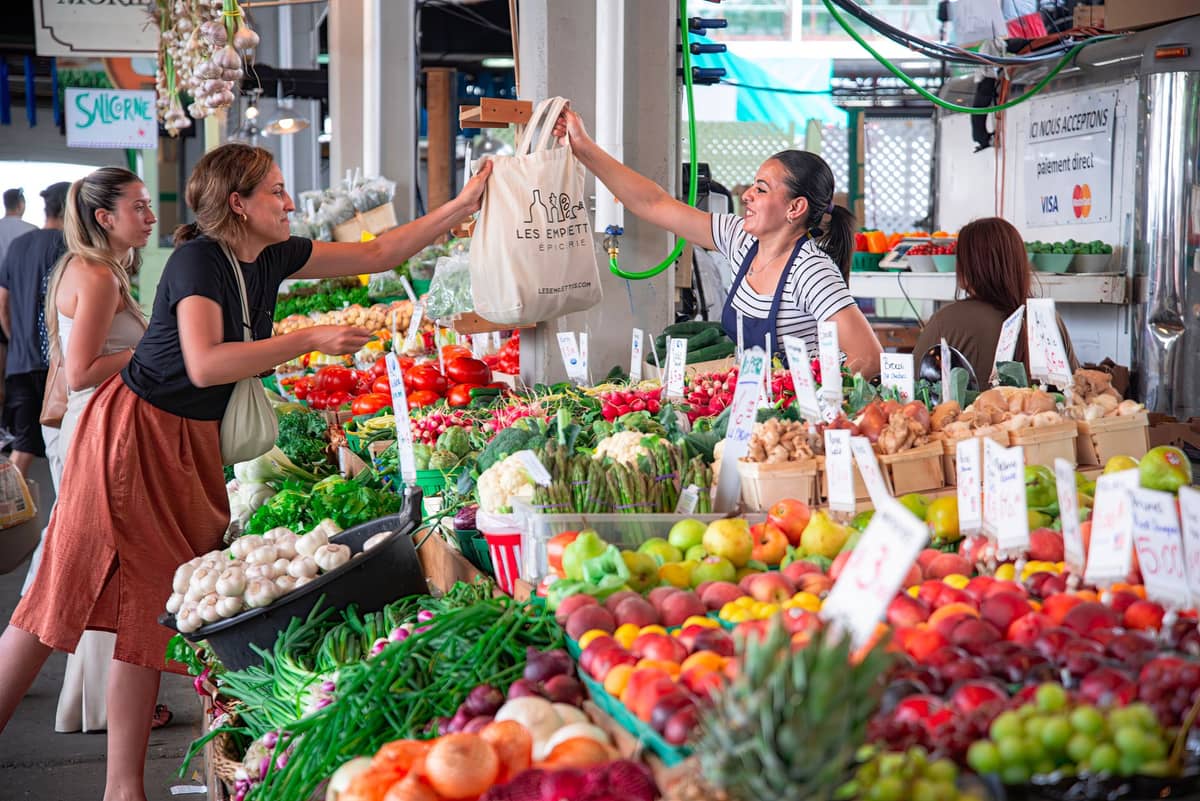
The two public markets are not interchangeable, and both deserve a visit if food is a serious priority. Jean-Talon Market in Little Italy is the larger of the two, operating year-round with an outdoor section that expands dramatically in summer. It draws chefs, home cooks, and serious food shoppers for its produce, cheese, prepared foods, and specialty products. The indoor section keeps a strong selection through winter, though the outdoor vendors are a seasonal feature.
Atwater Market at 138 Atwater Avenue sits beside the Lachine Canal and has a slightly different character, with a strong butcher and charcuterie presence alongside produce stalls and prepared food vendors. It is smaller and more neighborhood-facing than Jean-Talon, and pairing a visit with a walk or cycle along the Lachine Canal is one of the better food-and-activity combinations the city offers.
⚠️ What to skip
Market hours, vendor schedules, and outdoor stall availability change by season and are not always updated promptly on third-party sites. Check the official market websites before making a dedicated trip, especially in shoulder seasons (October-November and March-April) when outdoor operations are in transition.
Montreal's Iconic Foods: What to Eat and Where
Montreal has several foods that are either invented here or prepared in ways that differ significantly from anywhere else. These are not novelty items for tourists; they are embedded in daily life and have serious institutional homes worth seeking out.
- Montreal Bagels Smaller, denser, and sweeter than New York bagels, wood-fired in stone ovens. St-Viateur Bagel and Fairmount Bagel in Mile End are the two main institutions, and the debate over which is better has been going on for decades. Both are open around the clock. Buy them hot if you can.
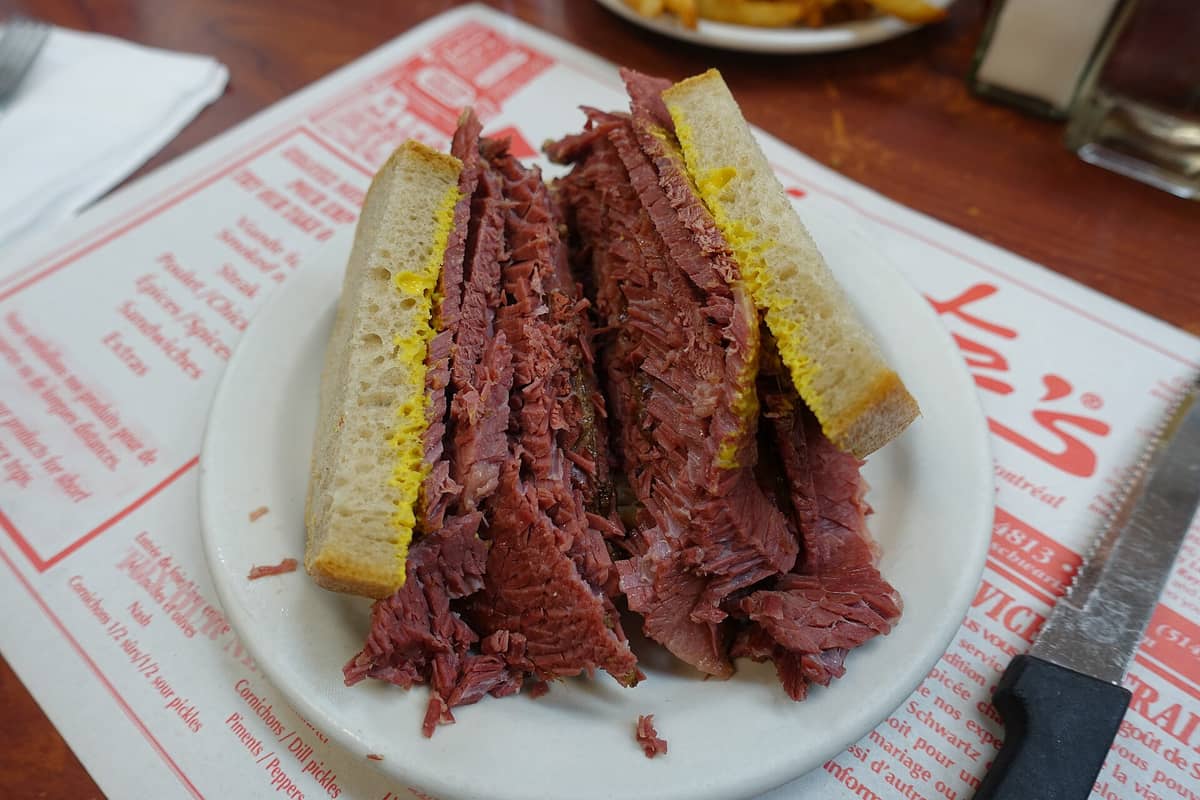
- Smoked Meat Montreal smoked meat is a specific cured brisket preparation, not the same as pastrami despite the surface similarities. Schwartz's on Saint-Laurent Boulevard is the name most associated with the dish, but expect a line and a no-frills experience. The sandwich on rye with mustard is the standard order.
- Poutine Fries, cheese curds, and gravy. The quality of the cheese curds matters most: they should be fresh enough to squeak. La Banquise on Rachel Street is the most-visited dedicated poutine spot and offers a large number of variations, though the original remains the benchmark.
- Quebecois Cuisine Beyond the icons, there is a broader tradition of hearty French Canadian cooking: tourtière (meat pie), pea soup, sugar pie, and dishes that use maple syrup as a savory ingredient. Several restaurants in the Plateau and Old Montreal serve modern interpretations of this tradition.
For more detail on the city's signature dishes, the what to eat in Montreal guide covers the full spectrum, including lesser-known specialties that don't get the same attention as bagels and poutine.
Montreal's Best Restaurants: How to Navigate the Scene
Montreal has a concentration of serious independent restaurants that routinely appear on national and international best-of lists. The city's lower cost of living compared to Toronto or New York has historically allowed chefs to take risks and keep prices relatively accessible, though this gap has narrowed in recent years. Tasting menus at top-end spots run roughly CAD $120-200 per person before wine, taxes, and tips. Mid-range sit-down restaurants average CAD $20-45 per main course.
A practical note on reservations: Montreal's best restaurants book up quickly, particularly on weekends and during festival periods. If you are visiting in late June through July, when the Jazz Festival, Just for Laughs, and other large events overlap, book restaurant reservations well in advance. Many of the city's most respected places operate with small rooms, meaning a full house is achieved with 30 or 40 covers.
The Gay Village on Sainte-Catherine Street East is worth noting as a food destination beyond its cultural significance. The area has a number of well-regarded restaurants and is particularly lively in summer when the street is pedestrianized. Similarly, Little Italy remains one of the most reliable areas for a good meal without a reservation, particularly for Italian cooking and casual cafes.
✨ Pro tip
Monday is the most common day off for Montreal restaurant staff, and many independent restaurants close entirely. If you are planning a specific outing on a Monday, always check ahead. This is far more common than in most North American cities and catches visitors off guard regularly.
Eating on a Budget: Markets, Depanneurs, and Food Halls
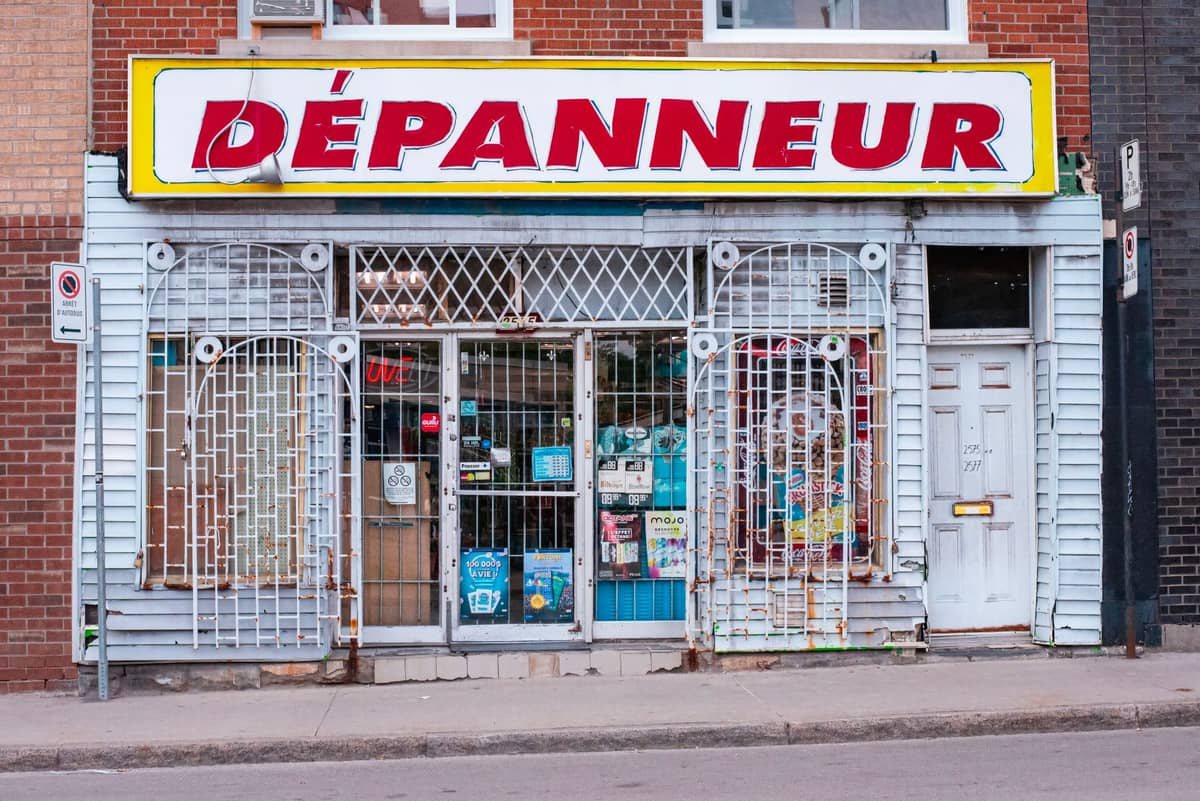
Montreal is more affordable than most major North American food cities, but it still rewards knowing where to look for value. The public markets offer good prepared food at reasonable prices: a market lunch at Jean-Talon or Atwater can easily come in under CAD $15. The city's depanneurs (corner stores) are a cultural institution in their own right and often stock local cheeses, prepared snacks, and Quebec-made products that are worth picking up. For a broader overview of cost-effective ways to experience the city, the Montreal on a budget guide is worth consulting.
Food halls have expanded in Montreal over the past several years. Time Out Market, located in the Eaton Centre downtown, consolidates several established restaurant operators under one roof and is a practical option when a group cannot agree on a single restaurant. It is not the cheapest option in the city, but it is more reliable than most tourist-facing food courts.
- Grab-and-go lunch at Jean-Talon or Atwater Market: under CAD $15
- Montreal bagel with cream cheese from a Mile End bakery: around CAD $3-5
- Poutine at a casual spot: CAD $12-18 depending on size and toppings
- Smoked meat sandwich at a traditional deli: CAD $15-22
- Mid-range restaurant dinner (one main, one drink): CAD $35-60 per person with tip
- Tasting menu at a top-end restaurant: CAD $120-200 per person before wine and tip
FAQ
Where should I eat for my first meal in Montreal?
If you want immediate orientation to the city's food culture, head to Mile End for a bagel from St-Viateur or Fairmount, then walk to a nearby cafe for coffee. It costs almost nothing, it is specific to Montreal, and it gives you a reason to walk through one of the city's best neighborhoods. If you want a sit-down first meal, the Plateau has the highest density of reliable options across price points.
What is the difference between Jean-Talon Market and Atwater Market?
Jean-Talon Market in Little Italy is larger, has more produce vendors, and is more tourist-facing in summer. Atwater Market near the Lachine Canal is smaller, has a stronger butcher and charcuterie focus, and feels more neighborhood-oriented. Both operate year-round, though outdoor vendor selection shrinks in winter. Atwater pairs well with a Lachine Canal walk; Jean-Talon pairs well with exploring Little Italy and Mile End restaurants.
Do I need to speak French to eat in Montreal?
In most restaurants, menus are available in English or staff will switch to English without issue, particularly in tourist-heavy areas like Old Montreal, the Plateau, and Mile End. In some neighborhood spots further from tourist circuits, French may be the primary language of service. Basic courtesy in French (bonjour, merci, s'il vous plaît) is always appreciated and is standard practice even if the rest of the conversation proceeds in English.
When is the best time to visit Montreal's food scene?
Summer (June-August) is when the outdoor market stalls are at full capacity, food festivals are running, and the terrasse culture (outdoor restaurant patios) is in full effect. That said, Montreal's food scene is genuinely year-round: winter brings sugar shacks in the surrounding region, and the indoor restaurant scene is as strong in February as in July. If you want the markets at their peak, visit between late June and early October.
Are there food tours in Montreal worth taking?
Food-focused walking tours are available in the Plateau, Old Montreal, and Little Italy, and they are a practical way to cover multiple establishments efficiently. They are particularly useful for first-time visitors who want context alongside the eating. The Mile End and Little Italy markets tour format works especially well because both areas are walkable and food-dense. Check current tour operators through Tourisme Montréal's official listings rather than third-party aggregators, as operators change.