Best Poutine in Montreal: Where to Eat Quebec's Iconic Dish
Poutine is Quebec's most exported food idea, but eating the best version requires knowing where to go, what to order, and what to avoid. This guide covers the top spots in Montreal, the dish's real origins, and practical advice for first-timers and repeat visitors alike.
Plan and book this trip
Tools from our partner Travelpayouts help you compare flights and hotels. If you book through them, we may earn a commission at no extra cost to you.
Flights
Hotels map
TL;DR
- Poutine originated in rural Quebec in the late 1950s, not Montreal — but the city helped popularize it nationally.
- La Banquise on Rachel Street East is the benchmark for Montreal poutine, with 28+ varieties and 24-hour service — ideal for late-night visits after exploring Le Plateau-Mont-Royal.
- The three non-negotiables: fresh-cut fries, squeaky cheese curds (not melted shreds), and a rich, dark gravy.
- Prices vary by location and toppings; always check the restaurant's current menu rather than relying on outdated guide prices.
- Poutine fits any budget — see our guide to eating in Montreal on a budget for more affordable food strategies.
What Poutine Actually Is (And What It Isn't)
The standard poutine is three ingredients: French fries, fresh cheese curds, and brown gravy. The order matters. Fries go in first, curds on top, hot gravy poured over everything so the curds soften slightly at the edges while staying firm at the centre. That textural contrast — the slight squeak of a curd against your teeth — is the whole point. If the curds are fully melted or rubbery and cold, the kitchen has done something wrong.
There is a persistent misconception that poutine was born in Montreal. It wasn't. The dish traces its documented roots to rural Quebec in the late 1950s, with Warwick and Drummondville both claiming key roles in its creation. The combination of fries and curds came first; the gravy was reportedly added later. Montreal encountered poutine by 1983 and then did what Montreal does with food — expanded it, refined it, and sent it out into the world. Knowing this matters when you're evaluating what you're eating: a Montreal poutine at a great restaurant reflects decades of refinement, not the dish's original form.
ℹ️ Good to know
Fresh cheese curds are essential. They should squeak when bitten, meaning they were made recently — ideally within 24 hours. Curds that have been refrigerated too long lose that squeak. If a restaurant is using shredded mozzarella or pre-sliced cheese, that's not poutine by any traditional standard.
The Top Places to Eat Poutine in Montreal
La Banquise, at 994 Rachel Street East in Plateau-Mont-Royal, is the name that comes up first in every serious conversation about Montreal poutine, and the reputation is earned. The menu runs to more than 30 variations, from the classic to versions topped with smoked meat, pulled pork, or vegetables. The restaurant operates 24 hours a day, which makes it genuinely useful after a late night out rather than just theoretically interesting. Expect a queue on weekends, especially between midnight and 3am when the bar crowd arrives. The line moves steadily. The space is casual, loud, and unpretentious.
Poutineville, with a Montreal location at 1348 Rue Beaubien Est, takes a build-your-own approach: you choose your base, your protein, your sauce, and your toppings. It sounds gimmicky but the execution is solid. It works particularly well if you're visiting with people who have strong opinions — everyone gets exactly what they want. Check the full Montreal restaurant guide for more options across all food categories.
- La Banquise 994 Rachel Street East, Plateau-Mont-Royal. 24-hour service, 28+ varieties, consistently fresh curds. The classic La Banquise poutine is the benchmark. Always verify current hours on the official website before visiting.
- Poutineville 1348 Rue Beaubien Est. Build-your-own format with a wide range of toppings and proteins. Good for groups with different preferences. Check the official site for current options and hours.
- Chez Claudette A Plateau neighbourhood staple with a diner format that predates the poutine tourism wave. The version here is less theatrical than La Banquise but well-executed and significantly less crowded at peak hours.
- Ma Poule Mouillée Known primarily for its Portuguese chicken, but the poutine served alongside it is worth ordering. A good option if you want to eat poutine without the dedicated-poutine-restaurant atmosphere.
- Pub Le Réservoir A brewpub on Duluth Avenue with a solid poutine that pairs well with their house-brewed beers. A better choice for a sit-down meal than a quick stop.
⚠️ What to skip
Avoid poutine at tourist-facing restaurants in Old Montreal unless you have a specific recommendation. Many establishments in the historic district serve versions made with inferior curds or pre-made gravy to high-volume tourist traffic. The dish suffers for it. Walk ten minutes north and the quality improves considerably.
What Makes a Great Poutine: The Three Variables
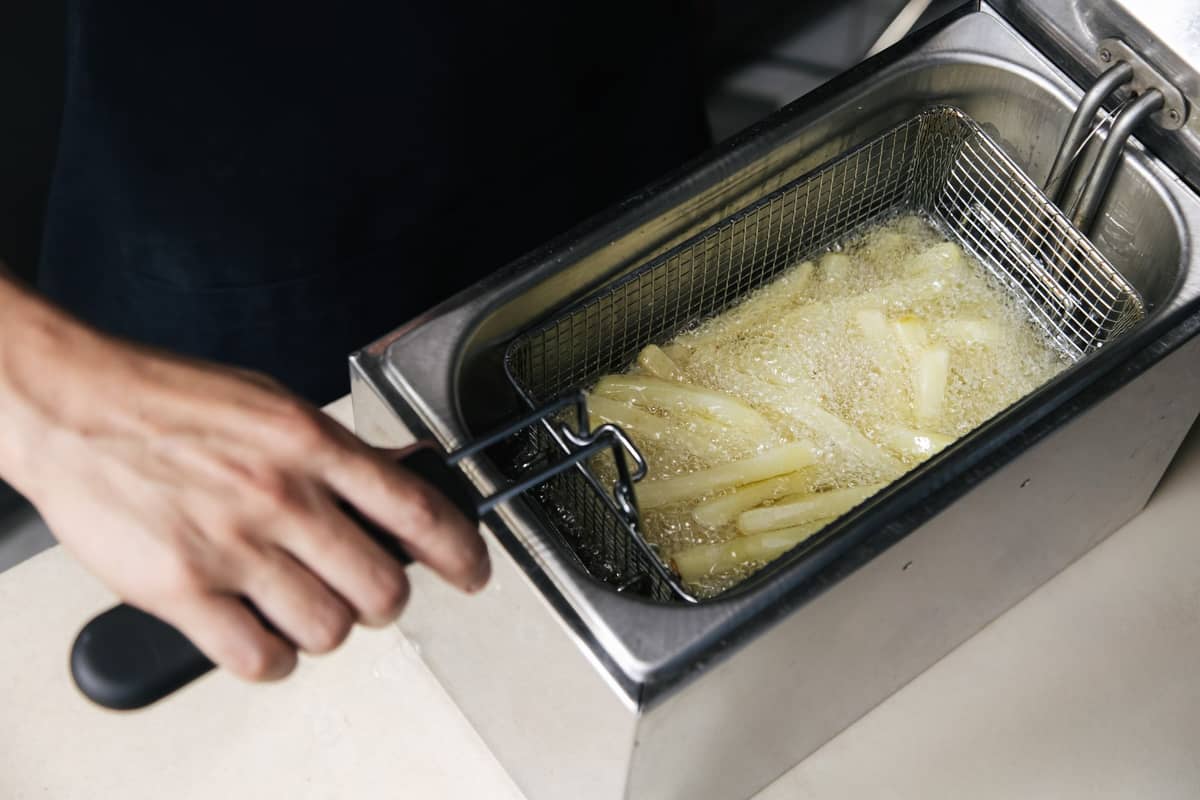
The fries should be cut thick enough to hold up under the gravy without going limp within two minutes. Thin-cut fries have their place, but they make terrible poutine. The best versions use a fry that's crisped on the outside with enough structural integrity to carry weight. Some restaurants double-fry their potatoes to achieve this.
The gravy is where kitchens differentiate themselves most. The classic version is a brown chicken or veal-based sauce, sometimes incorporating a light chicken demi-glace. It should be savoury, slightly thick, and served hot enough to warm the curds without fully melting them. Some restaurants use a more generic jarred gravy base; you'll recognize it immediately by a flat, one-dimensional flavour. The better spots make their own.
The cheese curds are the hardest element to get right consistently, because freshness is entirely supply-chain dependent. Quebec produces excellent fresh curds from dairies in the Eastern Townships and Laurentians. A high-volume restaurant like La Banquise turns through enough product that freshness is rarely an issue. A smaller restaurant that sells fewer portions may have curds sitting longer. If you order poutine and the curds are silent when you bite them, that's a reliable indicator they've been refrigerated too long.
Poutine Variations Worth Ordering
Montreal's poutine culture has expanded well beyond the classic three-ingredient version. The most legitimate variation is the smoked meat poutine, which layers sliced Montreal smoked meat over the base. It works because the brine and fat in the smoked meat complement the gravy rather than competing with it. For more on where smoked meat sits in the city's food identity, see our Montreal smoked meat guide.
- Classic poutine: fries, curds, brown gravy. Start here on a first visit. It's the control version against which everything else is measured.
- Smoked meat poutine: adds sliced smoked brisket. Best ordered at restaurants that cure their own meat or source from a known supplier.
- Végé poutine: mushroom or vegetable-based gravy replacing the meat stock. Quality varies significantly; ask what the gravy base is before ordering.
- Italian poutine: tomato-based sauce replaces or supplements the gravy. Polarizing. Not traditional, but La Banquise does a version that has fans.
- Pulled pork poutine: slow-cooked pork shoulder added on top. Works well when the pork is seasoned to complement rather than overpower the gravy.
✨ Pro tip
Order the classic version at any new restaurant before trying specialty variations. It gives you a baseline for that kitchen's fry quality, gravy depth, and curd freshness. A restaurant that can't get the classic right won't improve it by adding more toppings.
Practical Advice: When, Where, and How Much
Poutine is served year-round in Montreal, and there's no wrong season for it — though a bowl of hot poutine after an hour outside in January, when temperatures regularly sit between -9°C and -4°C, hits differently than it does in July. La Banquise's 24-hour format makes it one of the few quality food options available after 2am, which is relevant given that Montreal's bar scene runs late. If you're visiting in summer, the walk to Plateau-Mont-Royal from the festival zone around Quartier des Spectacles takes about 20-25 minutes on foot.
For pricing: poutine at a dedicated restaurant typically runs anywhere from around CAD $10 for a basic classic to CAD $16-20 for loaded specialty versions, depending on size and toppings. These are rough ranges — always check the current menu directly, as prices shift with ingredient costs. Montreal's broader food scene offers good value overall, and poutine remains one of the more affordable sit-down options in the city.
Getting to Plateau-Mont-Royal from downtown is straightforward on the STM metro. Take the Orange Line to Mont-Royal station and walk east on Avenue du Mont-Royal. La Banquise is about a 10-minute walk from the station. For a full picture of how to move around the city, the Montreal transit guide covers metro lines, bus routes, and cycling options in detail.
If you're building a food-focused itinerary around poutine, consider pairing it with a morning visit to Jean-Talon Market in Little Italy, where you can sometimes find vendors selling fresh Quebec cheese curds directly. It's a good way to understand the ingredient before eating the finished dish.
Poutine in Context: How It Fits Montreal's Food Identity
Poutine is not the whole of Quebec cuisine, even if it functions as its most recognizable export. Montreal's food identity is significantly broader, taking in French-Canadian classics like tourtière and sugar pie, a Jewish deli tradition that produced Montreal-style smoked meat and bagels, and a contemporary restaurant scene that places the city among the better dining destinations in North America. For a wider look at the city's food culture, the what to eat in Montreal guide covers the full range — from classic Québécois dishes to the city's exceptional bakery scene.
That said, poutine deserves its prominence. It's one of those dishes that improves considerably when eaten in its home context: fresh Quebec curds that aren't available outside the province, gravy made by cooks who grew up eating the dish, fries from local potatoes. The version you've had elsewhere almost certainly wasn't as good. That's not promotional language — it's a practical consequence of ingredient geography and culinary familiarity. Come to Montreal and eat poutine at La Banquise at midnight. It's a specific, worthwhile experience.
FAQ
What is the best poutine restaurant in Montreal?
La Banquise at 994 Rachel Street East in Plateau-Mont-Royal is the most consistently recommended spot, with more than 30 varieties, 24-hour service, and reliably fresh cheese curds. It draws long lines on weekends but turns them over quickly. For a less crowded alternative, Chez Claudette in the same neighborhood serves a solid classic version.
Is poutine from Montreal?
No. Poutine originated in rural Quebec in the late 1950s, with Warwick and Drummondville both claiming key roles in its history. Montreal encountered the dish by 1983 and played a large role in popularizing it, which is why it's strongly associated with the city — but it predates Montreal's involvement.
How much does poutine cost in Montreal?
A basic classic poutine at a dedicated restaurant typically costs around CAD $10-14. Specialty versions with added proteins or toppings run closer to CAD $16-20. Prices vary by location, size, and current menu pricing — always check the restaurant's own menu before visiting.
Can I get poutine late at night in Montreal?
Yes. La Banquise on Rachel Street East advertises 24-hour service, making it one of the few quality late-night food options in the city. It gets particularly busy between midnight and 3am on weekends. Verify current hours on the official La Banquise website before going, as schedules can change.
What's the difference between a good and bad poutine?
Three things: fries that hold their texture under hot gravy, cheese curds that squeak when bitten (indicating freshness), and a savoury brown gravy with enough depth to carry the dish. The most common failure points are refrigerated curds that have lost their squeak, thin-cut fries that go soggy immediately, and flat-tasting pre-made gravy. If you bite a curd and hear nothing, the kitchen is working with curds that are past their best.