Where to Stay in Montreal: Best Neighborhoods & Hotels Guide
Choosing where to stay in Montreal shapes your entire trip. This guide breaks down every major neighborhood by character, convenience, and price range — so you can pick the right base before you book a single hotel room.

Plan and book this trip
Tools from our partner Travelpayouts help you compare flights and hotels. If you book through them, we may earn a commission at no extra cost to you.
Flights
Hotels map
TL;DR
- Montreal has over 25,000 hotel rooms, with around 16,000 concentrated downtown and many connected directly to the metro and underground pedestrian network.
- Downtown and Old Montreal are the most practical bases for first-timers; neighborhoods like Plateau-Mont-Royal and Mile End suit travelers who want a more local feel.
- The STM metro is the fastest way to move around — staying within a 10-minute walk of a station matters more than being in any specific neighborhood.
- Festival season (June to September) and major events like the Grand Prix push rates significantly higher; budget CAD $150–$300+ per night downtown during peak periods.
- The 747 airport bus runs 24/7 from Montréal-Trudeau (YUL) to downtown for CAD $11.25, making a central hotel the easiest airport connection.
How to Think About Location in Montreal
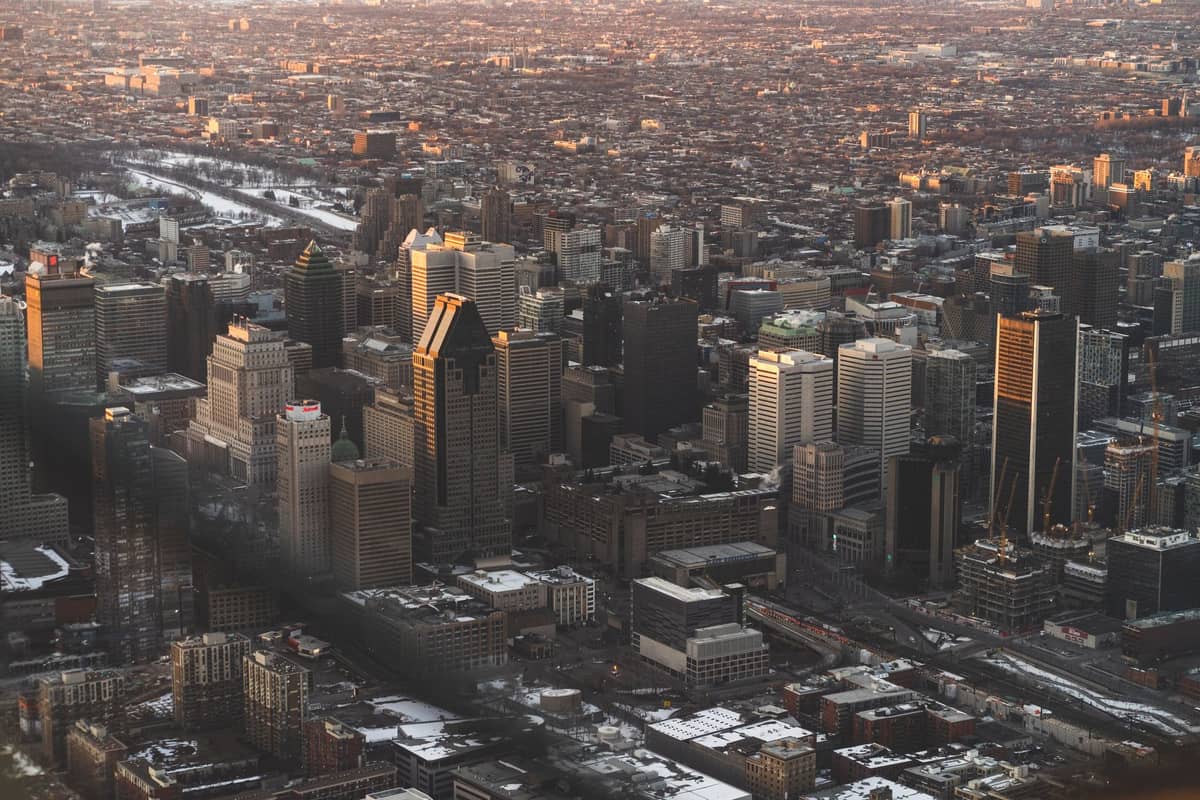
Montreal is a large island city with distinct neighborhoods spread across a meaningful amount of geography. Picking the right area to stay isn't just about aesthetics — it directly affects how much time you spend on transit, how walkable your days are, and what kind of city you actually experience. The good news is that getting around Montreal is straightforward once you understand the metro grid. The three metro lines converge at Berri-UQAM, making the central and eastern parts of the island easy to navigate without a car., making the central and eastern parts of the island easy to navigate without a car.
The single most useful filter when choosing a hotel in Montreal: is it within a 10-minute walk of a metro station? If yes, almost anywhere on the island becomes accessible within 20-30 minutes. If no, you'll be dependent on buses, which are slower and less predictable, especially in winter when temperatures regularly drop below -10°C. For most visitors, the sweet spot is a hotel in or adjacent to Downtown, Old Montreal, or Plateau-Mont-Royal — all of which are well-served by metro.
ℹ️ Good to know
Montreal's underground pedestrian city (RÉSO) connects approximately 33 km of tunnels beneath downtown, linking hotels, office towers, shopping centres, and metro stations. In January and February, this network makes a downtown hotel dramatically more livable than one even a few blocks outside it.
Downtown Montreal: Most Practical for First-Timers
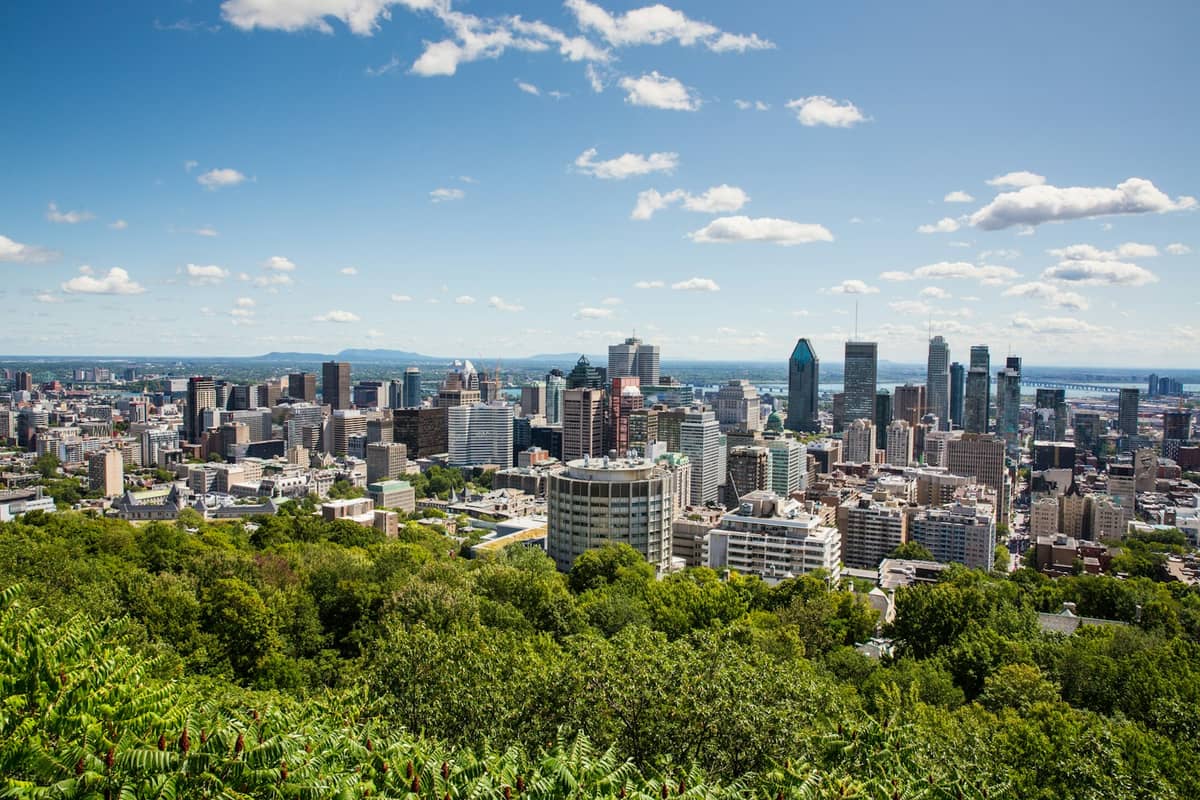
Downtown Montreal is the densest concentration of hotels in the city, with roughly 16,000 rooms in the core. It's the logical base if this is your first visit, if you're here for business, or if you want maximum flexibility. The area runs from Atwater Street in the west to Saint-Denis in the east, and from Sherbrooke Street south to the Old Port waterfront. Major landmarks like the Montreal Museum of Fine Arts, Mary Queen of the World Cathedral, and the Quartier des Spectacles are all walkable from most downtown hotels.
Expect to pay CAD $150–$250 per night for a mid-range downtown hotel on a quiet weekend, and CAD $250–$400+ during festival season or the Formula 1 Grand Prix weekend in June. Downtown properties connected directly to the underground network command a premium, but the convenience in winter or during rain is worth considering seriously. The area itself is not especially charming at street level — it's office towers and chain retail — but the access to everything else is unmatched.
⚠️ What to skip
During major festivals and the Canadian Grand Prix (typically mid-June), downtown hotel rates can triple or more. Book at least 3-4 months in advance for those dates, or consider staying in Plateau-Mont-Royal or Mile End where rates spike less dramatically.
Old Montreal: Historic Atmosphere, Higher Prices
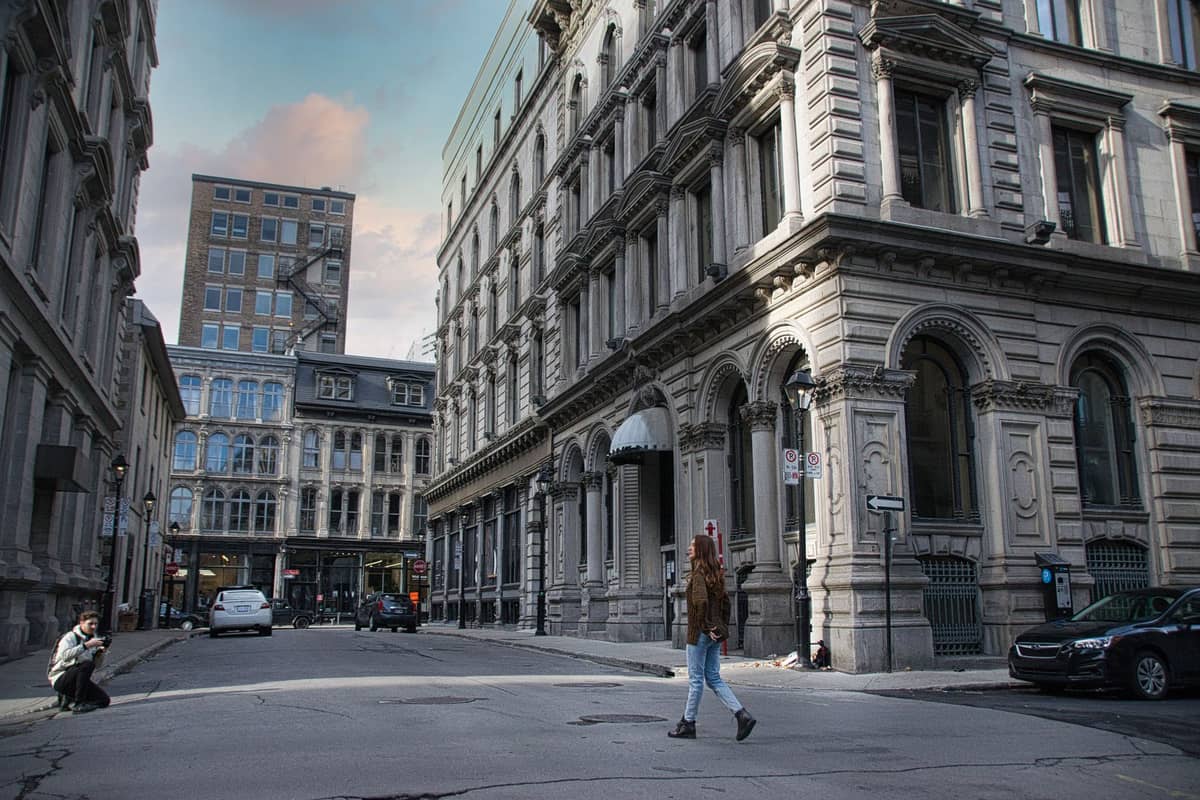
Old Montreal (Vieux-Montréal) is where the city was founded in 1642, and its 17th and 18th-century stone architecture is genuinely unlike anything else in North America. Staying here puts you steps from Notre-Dame Basilica, Pointe-à-Callière Museum, and the Old Port waterfront. The boutique hotels here — often converted warehouses and merchant houses — are among the most atmospheric in the city.
The tradeoff is price and convenience. Old Montreal hotels typically cost CAD $200–$350+ per night for mid-range options, and the neighborhood has limited grocery stores and everyday services. It can also feel congested with tour groups on summer weekends, particularly around Place Jacques-Cartier. That said, the cobblestone streets empty out by late evening, and the neighborhood takes on a completely different quality at night. If atmosphere matters more to you than value, Old Montreal delivers. If you're traveling with kids or on a tighter budget, downtown will serve you better.
💡 Local tip
Old Montreal and downtown are adjacent and walkable between each other in about 15-20 minutes. Staying downtown doesn't mean missing out on Old Montreal — it means you can visit without paying Old Montreal hotel prices.
Plateau-Mont-Royal and Mile End: For Travelers Who Want Local Character
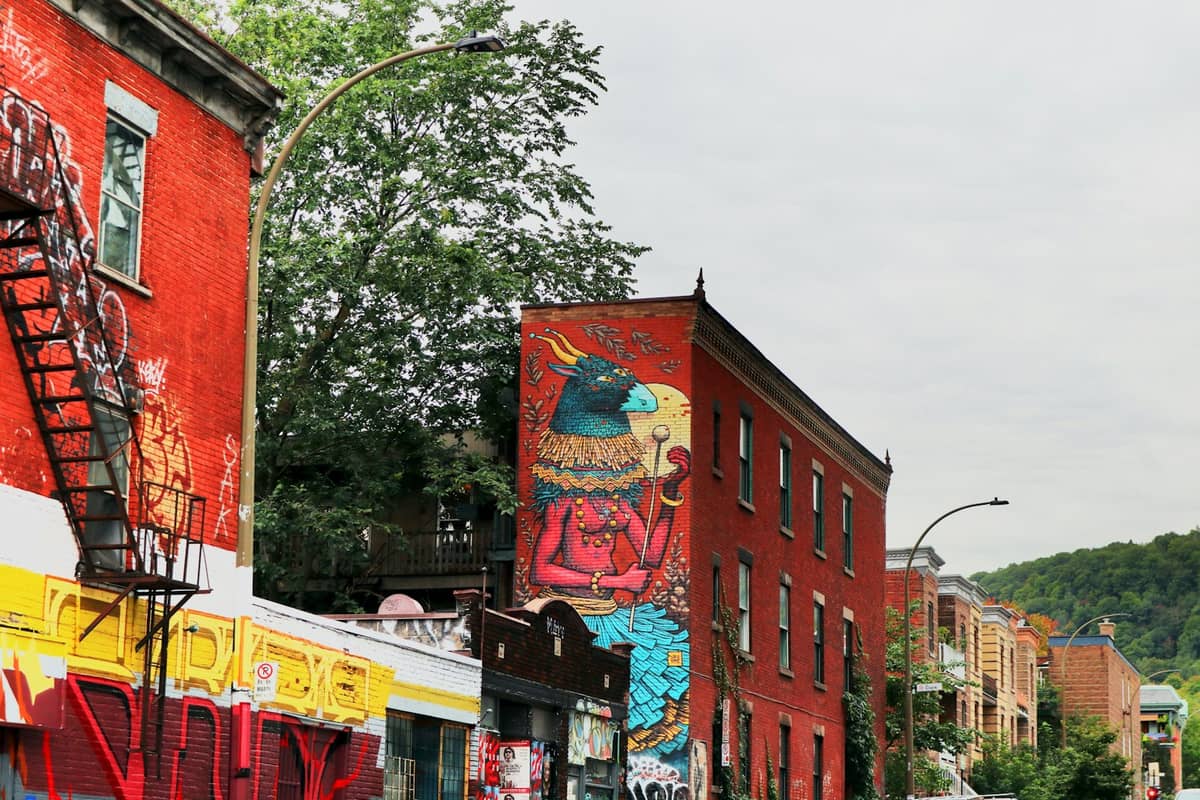
The Plateau and Mile End are where many Montrealers actually live, eat, and spend their time. The Plateau is dense with colorful row houses, wrought-iron staircases, independent cafés, and restaurants that range from cheap diners to serious destination cooking. Mile End sits at the northern edge of the Plateau and is the informal neighborhood for indie music, Montreal's famous bagel shops, and a genuinely eclectic mix of Orthodox Jewish, Francophone, and creative communities.
Hotels in these neighborhoods are fewer and tend toward boutique properties and well-reviewed bed-and-breakfasts. Rates are often more reasonable than downtown — CAD $120–$200 per night in many cases — and the walkability to excellent food is exceptional. The metro access is decent (Laurier, Mont-Royal, and Rosemont stations serve the Plateau; Laurier also covers southern Mile End), though you'll need to transit to reach Old Montreal or downtown for major sights. This is a better choice for return visitors or anyone who wants to spend more time eating and less time at tourist attractions.
- Best for: Food-focused travelers, return visitors, anyone who wants to feel like a local The Plateau has some of Montreal's most concentrated restaurant options, from classic Portuguese chicken spots to acclaimed tasting-menu rooms.
- Metro access: Good but not seamless Laurier and Mont-Royal stations on the Orange Line provide solid coverage. Budget 20-25 minutes transit time to Old Montreal.
- Price range: CAD $120–$200/night Fewer large hotels means more variance in quality. Check recent reviews carefully for any property in this range.
Other Neighborhoods Worth Considering
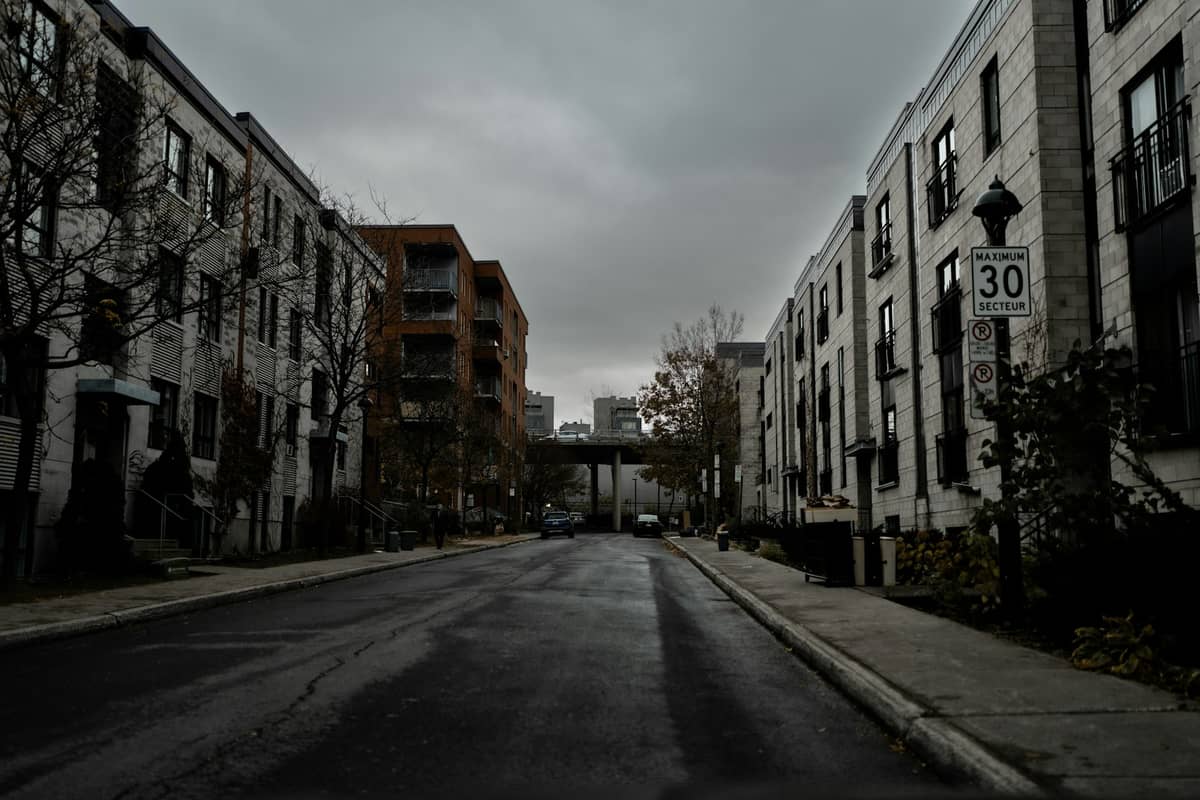
Beyond the main three areas, a few other neighborhoods deserve mention depending on your travel style. Griffintown is a recently redeveloped area southwest of downtown with newer condo-style hotels. It's close to the Lachine Canal cycling path and a short walk from downtown, but it lacks the street-level energy of older neighborhoods. The Gay Village along Sainte-Catherine Street East has a number of hotels and is centrally located on the Green Line, making it a practical and inclusive base.
Little Italy, near the Jean-Talon Market, is worth considering for longer stays where self-catering matters. Accommodation options are limited but rates are lower, and the market access for groceries and prepared foods is excellent. Just know that you're a 20-30 minute metro ride from Old Montreal, which adds up if you're sightseeing heavily.
- Downtown: Best metro connectivity, underground pedestrian network access, highest density of hotels — ideal for first-timers and business travelers.
- Old Montreal: Best atmosphere and walkability to heritage sights — best for couples and anyone prioritizing character over value.
- Plateau-Mont-Royal: Best food scene and local character — best for food-focused trips and return visitors.
- Mile End: Most independent and eclectic — best for longer stays and travelers who actively want to avoid the tourist circuit.
- Griffintown: Newer infrastructure, good cycling access — best if you're renting a bike or attending events at the Bell Centre.
- Gay Village: Centrally located, welcoming, practical metro access — underrated as a general-purpose base.
Practical Logistics: Getting to Your Hotel and Moving Around
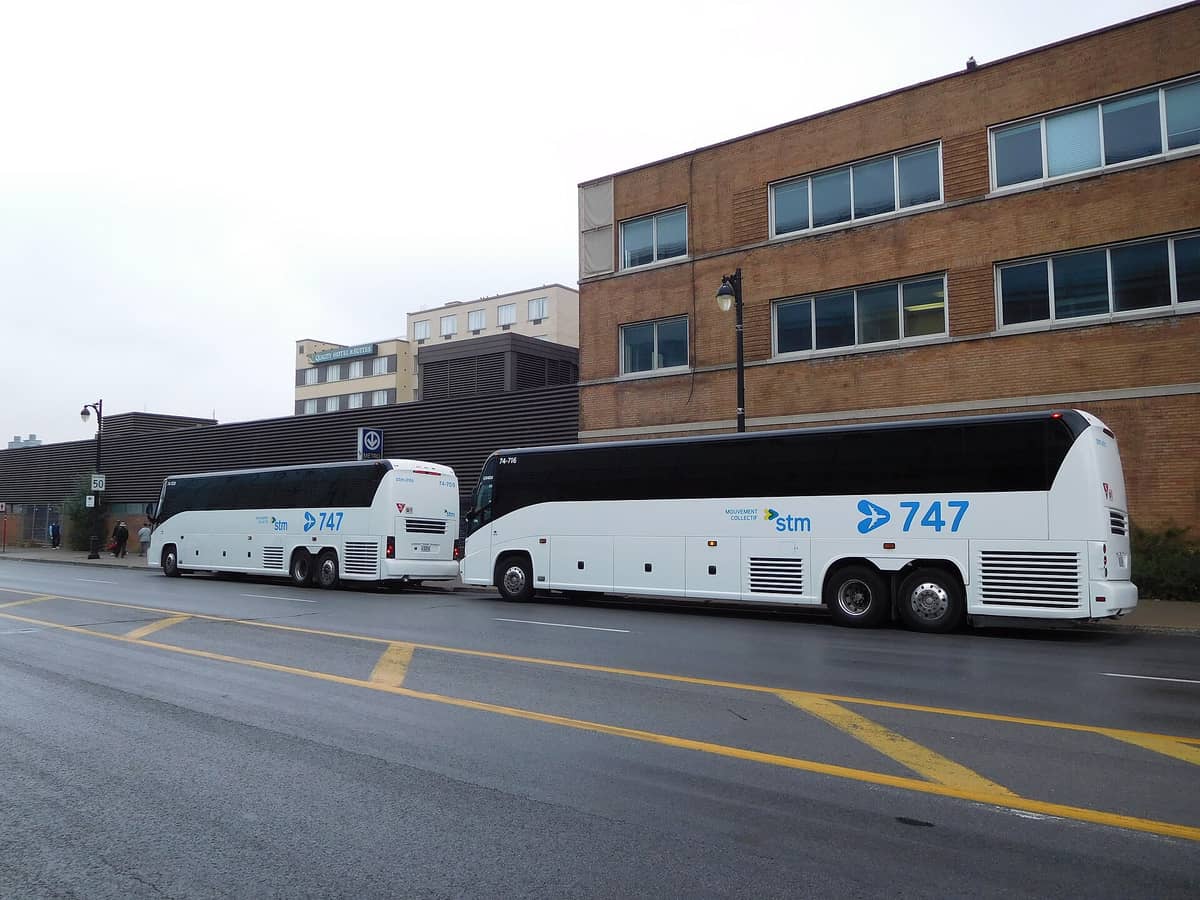
Montréal-Trudeau International Airport (YUL) sits roughly 20 km west of downtown. The STM 747 bus is the most cost-effective option at CAD $11.25 per person, and it runs every day around the clock — not a limited shuttle. The fare includes 24 hours of unlimited access to bus, métro, exo trains and REM in Zone A, which makes it genuinely useful beyond just the airport transfer., which makes it genuinely useful beyond just the airport transfer. Travel time is approximately 45-70 minutes to downtown depending on traffic, or about 30-35 minutes to the Lionel-Groulx metro station where you can connect to the metro grid. Note that as of January 26, 2026, the downtown terminus is on René-Lévesque Boulevard at Berri Street.
Taxis from YUL use a regulated fixed fare for trips to downtown Montreal; verify the current rate with the airport authority before travel, as it has changed over time. Ride-hailing via Uber is available at YUL. Once in the city, the metro is reliable and covers most places visitors need to reach. A standard one-trip Zone A fare is CAD $3.75.. For a full breakdown of transit options, the guide to getting to Montreal covers all arrival methods in detail.
✨ Pro tip
If you're arriving in winter (December to March), prioritize a downtown hotel with direct underground access over any aesthetic consideration. Walking outdoors at -15°C with luggage while navigating unfamiliar streets is avoidable, and the RÉSO tunnel network makes it completely unnecessary for most downtown properties.
One point that often gets overlooked: you don't need a car in Montreal. The metro, cycling infrastructure via BIXI bike share, and the walkability of central neighborhoods make a car actively inconvenient for most visitors. If you do rent a car for a day trip — say, to Mont-Tremblant or the Eastern Townships — pick it up and return it for that day only rather than keeping it at your hotel. Parking in Old Montreal and downtown is expensive and often inconvenient.
FAQ
What is the best area to stay in Montreal for first-time visitors?
Downtown Montreal is the most practical first-time base. It has the highest concentration of hotels, direct metro access, connections to the underground pedestrian network, and is walkable to most major attractions. Old Montreal is a close second if you're willing to pay a premium for more atmospheric surroundings.
How much does a hotel in Montreal cost per night?
Expect CAD $150–$250 per night for a mid-range downtown hotel on a typical weekend. Rates rise significantly during summer festivals and the Formula 1 Grand Prix (mid-June), when CAD $300–$400+ is common. Old Montreal boutique hotels tend to run CAD $200–$350+. Plateau and Mile End options can be found in the CAD $120–$200 range.
Is it better to stay in Old Montreal or Downtown?
It depends on your priorities. Old Montreal offers cobblestone streets, heritage architecture, and immediate access to the historic district — it's more romantic and atmospheric but more expensive and less practical for everyday convenience. Downtown is more accessible, better connected to transit, and easier for covering the whole city. The two areas are adjacent and walkable between each other, so staying downtown doesn't mean skipping Old Montreal.
How do I get from the airport to my hotel in Montreal?
The STM 747 bus runs 24/7 between Montréal-Trudeau Airport (YUL) and downtown for CAD $11.25, including 24 hours of unlimited transit access. Travel time is approximately 45-70 minutes to downtown. Taxis use a regulated fixed fare to central Montreal; Uber is also available at the airport. If your hotel is downtown with metro access, the 747 bus is usually the best value option.
When should I book a hotel in Montreal to get the best rates?
For summer travel (June to September), book at least 2-3 months in advance. For the Formula 1 Grand Prix weekend in June and major festivals like the Montreal Jazz Festival, book 4-6 months out — rates can triple during those periods and availability runs out. For winter travel (December to March), you have more flexibility, and rates are generally lower outside of the holiday period.