Montreal in Summer: Festivals, Outdoor Activities & Practical Tips
Montreal transforms in summer, packing months of world-class festivals, outdoor markets, cycling routes, and park culture into a brief but intense warm season. This guide covers what to expect, what to prioritize, and what to skip across June, July, and August.
Plan and book this trip
Tools from our partner Travelpayouts help you compare flights and hotels. If you book through them, we may earn a commission at no extra cost to you.
Flights
Hotels map
TL;DR
- Summer runs roughly from late May through early September, with July being the warmest month and average daytime highs around 26–28°C.
- The Festival International de Jazz de Montréal (late June to early July) and Osheaga (late July/early August) are the headline events, but dozens of other festivals fill the calendar.
- Outdoor programming at Parc Jean-Drapeau, Mount Royal, and the Old Port runs all summer, much of it free.
- Summer is Montreal's peak tourist season — book accommodation early, especially around Jazz Fest and Osheaga weekends.
- French is Montreal's official language; English is widely spoken in tourist areas, but a few words of French will always be appreciated.
What Summer Actually Feels Like in Montreal
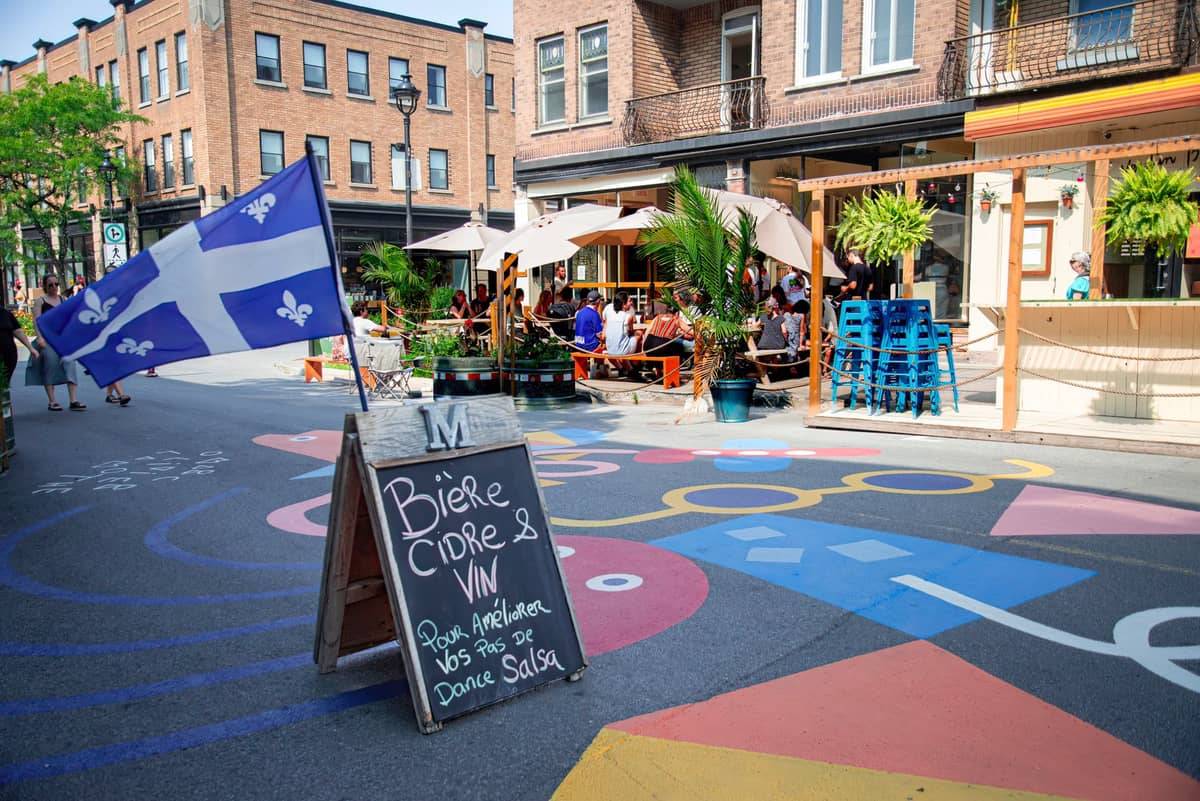
Montreal's summer is short, and locals treat it accordingly. After months of cold and grey, the city erupts into outdoor life the moment temperatures climb above 15°C. Terrasses (outdoor terraces) appear overnight on every restaurant and café. Parks fill with picnickers, cyclists, and tam-tam drummers. The metro gets quieter on weekends because everyone is outside.
Climatically, June starts pleasantly warm with averages around 18–22°C, July pushes into the high 20s and can occasionally hit 33–35°C during heat waves, and August stays warm before cooling noticeably by mid-September. Rain falls throughout the season — thunderstorms are common in July and August, usually clearing within an hour. Humidity can be significant during heat waves, which is worth noting if you plan to spend long stretches outdoors.
💡 Local tip
If you're visiting primarily for outdoor festivals, late June through mid-July is the sweet spot. You get Jazz Fest, MURAL Festival, and Fête nationale du Québec all within a few weeks, with generally reliable weather and long daylight hours (sunset after 8:30 p.m.).
Summer is unambiguously peak season. Hotels in Old Montreal and downtown book up weeks or months in advance around major festival weekends. If your dates are flexible, aim for the weeks between festivals rather than during them — you'll find better rates and fewer crowds at popular restaurants while still enjoying full summer programming.
The Festival Calendar: What's On and When
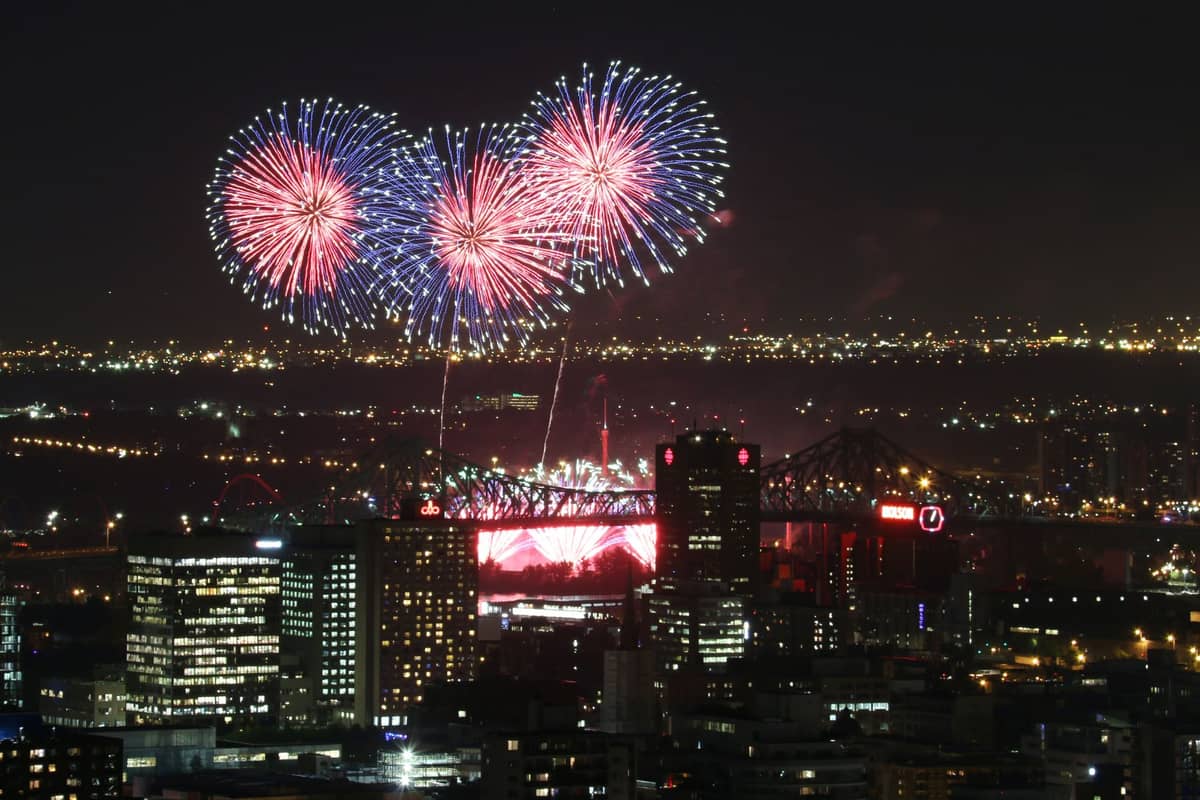
Montreal's summer festival calendar is not an exaggeration. The city hosts over 100 festivals between May and September, ranging from massive international productions to small neighbourhood events. The challenge is not finding things to do — it's choosing between them.
- Festival TransAmériques (late May to early June) A contemporary performing arts festival blending theatre, dance, and circus arts from around the world. Runs across multiple venues, with some free programming.
- MURAL Festival (early to mid-June) A street art festival centred on Boulevard Saint-Laurent, featuring live mural creation, concerts, and free outdoor events. One of the best free things to do in Montreal all year.
- Saint-Ambroise Montréal Fringe Festival (June) An independent theatre festival running for three weeks, with low-cost tickets and a wide range of experimental and accessible productions.
- Fête nationale du Québec (June 24) Quebec's national holiday, celebrated with free outdoor concerts and bonfires across the city. The Saint-Jean-Baptiste celebrations on the night of June 23 are particularly lively in the Plateau and Gay Village.
- Festival International de Jazz de Montréal (late June to early July) The 46th edition runs June 25 to July 4, 2026, in the Quartier des Spectacles. The outdoor site and many concerts are free; ticketed indoor shows sell out quickly. The outdoor stage runs from noon or 5 p.m. until 12:30 a.m. depending on the day.
- Festival Nuits d'Afrique (mid-July) A world music festival celebrating African, Caribbean, and Latin American artists, with outdoor concerts at Parc Émilie-Gamelin and indoor shows citywide.
- Osheaga (late July / early August) A major outdoor music festival held at Parc Jean-Drapeau, featuring international headliners across multiple stages. Ticketed only; sells out fast.
- LASSO Montréal (mid-August) A country and roots music festival, also at Parc Jean-Drapeau. Younger and smaller than Osheaga but growing quickly.
- Piknic Électronik (May through October) Sunday afternoon outdoor electronic music gatherings at Parc Jean-Drapeau, with views of the river and Habitat 67. A genuinely unique Montreal institution — relaxed, family-tolerant, and running well beyond summer.
⚠️ What to skip
Festival dates shift year to year. Always verify schedules on the official event websites before booking flights or accommodation. The dates listed here reflect 2026 editions where confirmed, but programs are subject to change.
Note that major festivals are not concentrated exclusively downtown. Osheaga, Piknic Électronik, and LASSO all take place at Parc Jean-Drapeau on Île Sainte-Hélène, accessible by metro (Jean-Drapeau station on the Yellow Line). Budget 20–25 minutes from downtown by transit.
Outdoor Activities Worth Planning Around
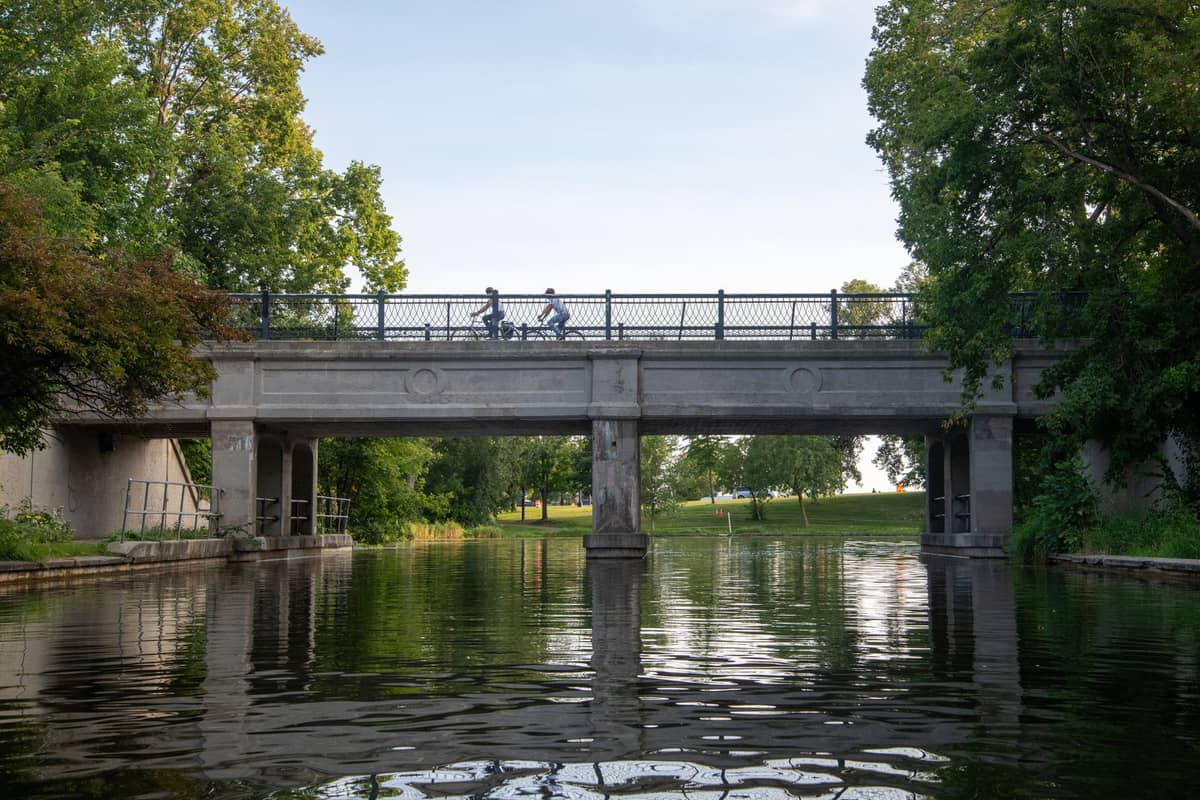
Beyond festivals, Montreal's outdoor infrastructure is genuinely impressive in summer. The city has over 800 km of cycling paths, and the Lachine Canal path from the Old Port to Lachine is one of the finest urban cycling routes in North America — flat, well-maintained, and lined with parks, cafés, and converted industrial buildings. BIXI, the city's bike-share system, is ubiquitous and affordable for short rides.
Mount Royal Park sits at the centre of summer life. Lac des Castors (Beaver Lake) draws picnickers and lawn games on weekends, while the Kondiaronk Belvedere offers one of the best views over the city skyline. The famous Sunday Tam-Tams drumming circle at the George-Étienne Cartier monument draws thousands from late spring through early autumn — it starts organically around noon and runs until late afternoon. This is one of those only-in-Montreal experiences that costs nothing and requires no planning.
The Old Port becomes an outdoor hub from May through September, with cycling and inline skating rentals, zip lines, a climbing wall, pedal boats, and a summer beach at Plage de l'Horloge. The Grande Roue de Montréal (observation wheel) operates year-round but is most popular in summer for river views at dusk.
- Rent a BIXI from the Old Port and ride the Lachine Canal path — 14 km one way to Lachine, mostly flat
- Swim at Plage Jean-Doré on Île Notre-Dame, one of the city's supervised urban beaches (accessible by metro)
- Kayak or paddleboard on the St. Lawrence at the Old Port — rentals available on-site
- Hike or jog the trails on Mount Royal, which stay shaded even on hot days
- Visit the Montreal Botanical Garden during peak bloom in July and August
- Explore the Plateau on foot — outdoor staircases, street murals, and terrasse culture concentrated within a few walkable blocks
✨ Pro tip
Weekday mornings are the best time to visit Mount Royal and the Old Port. By 10 a.m. on summer weekends, Kondiaronk Belvedere is crowded and parking near the park is contested. Go on a Tuesday or Wednesday before noon and you'll have a very different experience.
Neighborhoods to Explore in Summer
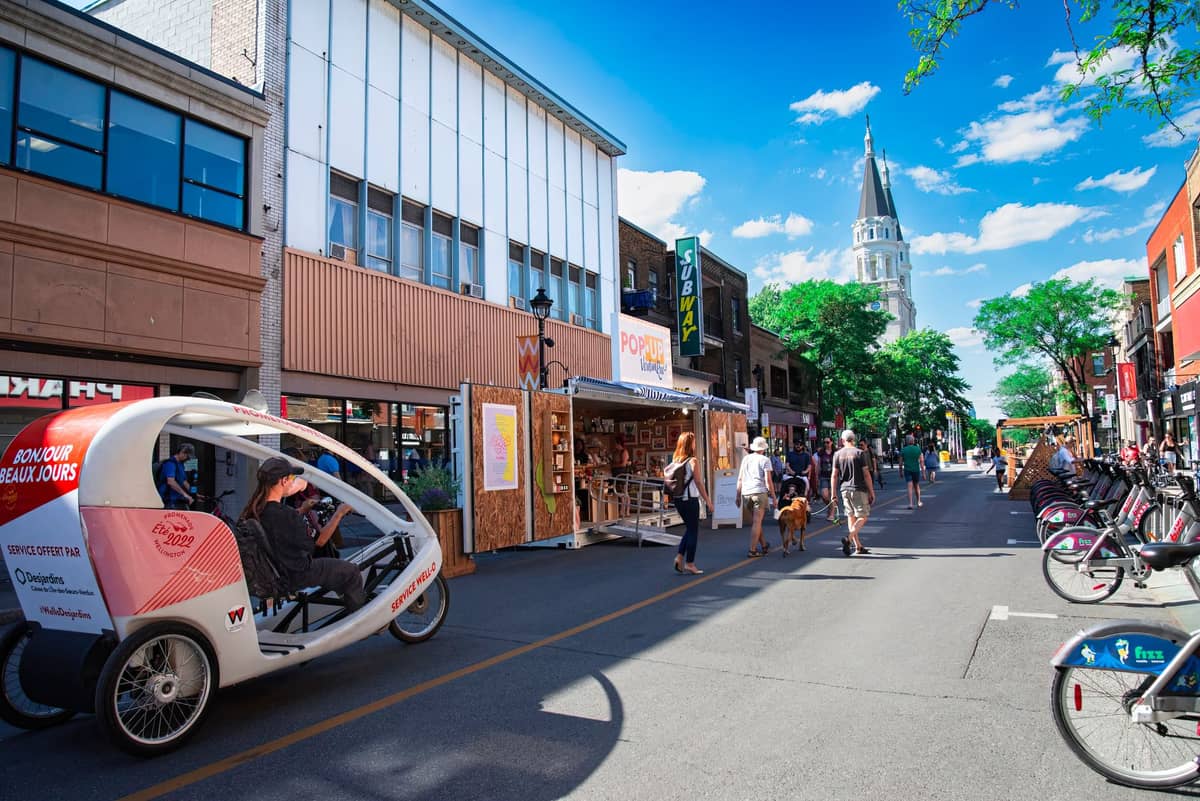
Summer changes how Montreal's neighborhoods feel. The Plateau-Mont-Royal becomes an open-air living room, with residents on their iconic exterior staircases and terrasses overflowing onto the sidewalk along Avenue du Mont-Royal and Rue Saint-Denis. This is the neighborhood for a slow Sunday brunch followed by a walk up to the mountain.
Mile End rewards those who wander off the main tourist circuit. Bernard Avenue has some of the city's best café culture, and the area around Saint-Viateur Street is where you'll find the original Fairmount and St-Viateur bagel shops — both open around the clock, both genuinely excellent, and both worth the debate about which is better. Mile End also hosts much of the MURAL Festival activity, with fresh large-scale murals appearing each June along Saint-Laurent.
The Gay Village on Sainte-Catherine Street East pedestrianizes for the summer months, filling the street with outdoor bars, food vendors, and colourful installations. It's one of the most festive summer streets in the city. Little Italy and the adjacent Jean-Talon Market peak in summer, with local produce, flowers, and prepared food at their most abundant from June through September.
Practical Logistics for Summer Visitors
Montreal is straightforward to navigate in summer. The STM metro runs four lines connecting most major tourist areas, and buses fill the gaps. A single fare is CAD 3.75 (verify current pricing with STM before travel), or you can buy a day or multi-day pass if you plan multiple trips. BIXI stations are everywhere in central neighbourhoods and the app makes finding and returning bikes simple.
Getting from the airport is easy. The STM 747 bus runs 24 hours a day between Montréal-Trudeau International Airport (YUL) and downtown, with a fare of CAD 11.25 that includes 24-hour metro and bus access — confirm pricing with the STM before travel. Taxis and rideshares are available but pricier. For full transport options, the getting around Montreal guide covers everything in detail.
Accommodation books out quickly around Jazz Fest (late June to early July) and Osheaga (late July/early August). If you're visiting during those weekends, expect to pay 30–50% more than shoulder-season rates and to have fewer neighbourhood options available. Old Montreal and downtown hotels are convenient but pricier; the Plateau and Mile End have independent guesthouses and short-term rentals that offer better value and a more local experience.
- Carry a light rain jacket — summer storms are common and can arrive quickly
- Sun protection matters more than many visitors expect; the combination of UV intensity and reflective pavement can burn fair skin faster than anticipated
- Most restaurants on the Plateau and in Mile End don't take reservations for groups under 4–6; be prepared to wait or arrive early (before 6 p.m.) on weekends
- Tipping in restaurants is customary at around 15–20% before Quebec sales tax, which is calculated separately from the meal total
- French is the official language of Montreal; menus, signage, and service default to French, though English is widely understood in tourist areas
ℹ️ Good to know
Montreal observes EDT (UTC-4) during summer. The city stays light until after 8:30 p.m. in June and July, which means outdoor concerts, park gatherings, and terrasse dining often don't peak until 7 p.m. or later. Don't assume evening events start at European or early-US times.
What Summer in Montreal Is Not
A few honest caveats. Summer is not the most comfortable time to visit if you dislike heat and humidity — heat waves in July and August regularly push the humidex (felt temperature) past 40°C, and older buildings and budget accommodations often lack air conditioning. If this affects your comfort significantly, stick to June or September.
It's also worth noting that the festival calendar, while genuinely impressive, comes with crowd and cost implications. Place des Arts and the Quartier des Spectacles can be very congested during Jazz Fest evenings. The free outdoor shows are excellent, but arriving late means watching from the back of a large crowd. For the best free festival experience, arrive 30–45 minutes before the outdoor stage shows begin.
Finally, summer is not the only season worth visiting. If you've already seen Montreal in summer and want a different perspective, Montreal in winter is a genuinely rewarding experience with its own festivals, food culture, and indoor infrastructure. But for a first visit, summer remains the easiest introduction to what the city does best.
FAQ
When is the best time to visit Montreal in summer?
Late June through mid-July is the peak of festival season, with Jazz Fest, MURAL, and Fête nationale du Québec all within a few weeks. If you want warm weather without the largest crowds and highest hotel prices, aim for late August or early September — temperatures are still comfortable, terrasses are open, and the city is slightly calmer.
Is the Montreal Jazz Festival free?
Much of it is. The outdoor stages at the Quartier des Spectacles are free and open to the public, typically from noon or 5 p.m. until 12:30 a.m. Ticketed indoor concerts at partner venues are separate and sell out quickly, sometimes months in advance. The 2026 edition runs June 25 to July 4; verify the schedule on the official festival website before you go.
How do I get around Montreal during summer festivals?
The STM metro is the most reliable option during large events. Taxis and rideshares surge in price during and after major festival nights. BIXI bike-share is excellent for daytime travel between neighborhoods. For Parc Jean-Drapeau events like Osheaga, the metro (Yellow Line to Jean-Drapeau station) is by far the most practical option — driving and parking are complicated.
What is Piknic Électronik and is it worth attending?
Piknic Électronik is a Sunday outdoor electronic music event held at Parc Jean-Drapeau, running from mid-May through October. It takes place on the grounds near Alexander Calder's sculpture 'Man,' with river and city views. The atmosphere is relaxed and welcoming for all ages. It's one of the more genuinely distinctive summer experiences in Montreal and the ticket price is modest. Check the official site for current pricing and the schedule.
What should I pack for Montreal in summer?
Light, breathable clothing for warm days, a light rain jacket for afternoon storms, and comfortable walking shoes — Montreal's best neighborhoods are explored on foot. Sunscreen is essential. If you're attending outdoor evening festivals, bring a layer for after 9 p.m., when temperatures can drop noticeably, especially near the waterfront or in the park.