Romantic Montreal: The Best Things to Do for Couples
Montreal earns its romantic reputation through a combination of European-style architecture, world-class dining, and genuinely varied outdoor experiences that work in every season. This guide covers the best couple-friendly activities across the city, from the Old Port waterfront to Mount Royal's summit viewpoints, with practical tips on what's worth booking in advance.
Plan and book this trip
Tools from our partner Travelpayouts help you compare flights and hotels. If you book through them, we may earn a commission at no extra cost to you.
Flights
Hotels map
TL;DR
- Old Montreal and the Old Port are the obvious starting points, but the most memorable couple experiences often happen on Mount Royal and in neighbourhood streets like Mile End.
- La Grande Roue de Montréal offers heated private cabins with panoramic views up to 28 km on clear days — book ahead, especially on weekends.
- Romantic options in Montreal genuinely differ by season: winter means skating and hot chocolate on the mountain; summer means terrace dinners and canal-side cycling.
- Bota Bota spa is worth verifying before you visit — its water circuit status has changed; check the official site before booking. For cultural depth, Pointe-à-Callière Museum pairs history with atmosphere in a way few museums anywhere manage.
- For Valentine's Day or holiday weekends, restaurant and activity reservations are essential — Montreal's top tables fill weeks in advance.
Why Montreal Works So Well for Couples
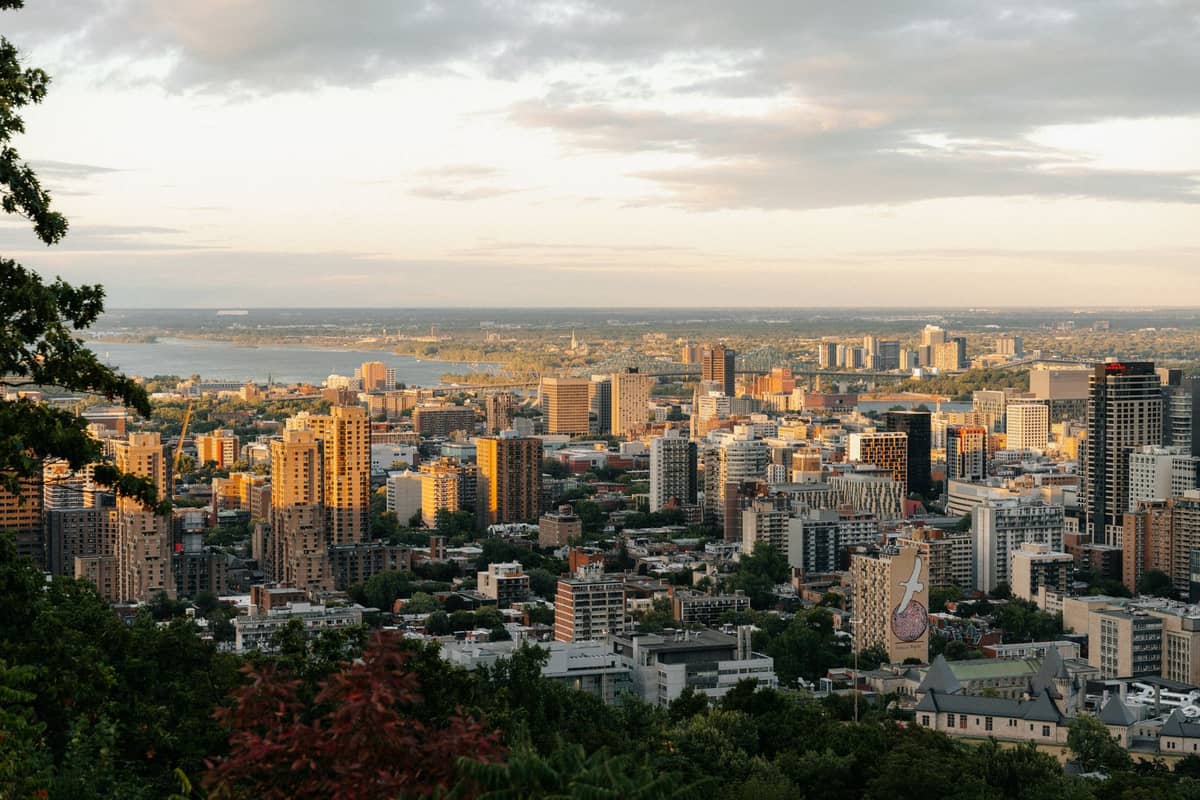
Montreal sits on an island in the Saint Lawrence River, and that geography alone sets a particular tone. You're surrounded by water, backed by a forested mountain that rises to 233 metres above the city, and looking out over a river wide enough to feel like open sea. The city's official language is French, and that cultural backdrop genuinely shapes the experience: the food culture is serious, the café tradition runs deep, and the architectural contrast between 18th-century stone buildings and modern infrastructure gives Old Montreal a texture that newer North American cities simply can't replicate.
None of this means Montreal is effortlessly romantic in the movie-poster sense. Winters are genuinely cold, with average daily temperatures between -9°C and -4°C. Summer brings humidity and the occasional thunderstorm. But both extremes have real couple-friendly angles: cocooning in a candlelit restaurant when it's -15°C outside, or sharing a picnic on the mountain on a clear September evening with the city spread below. The point is that Montreal rewards planning by season, not just by neighbourhood.
ℹ️ Good to know
Montreal uses Canadian dollars (CAD). Tipping in restaurants is customary at around 15–20% before tax. Quebec applies both provincial (QST) and federal (GST) sales taxes, so your bill will be noticeably higher than the menu price — factor this into dinner budgets.
The Old Port and Old Montreal: Setting the Scene
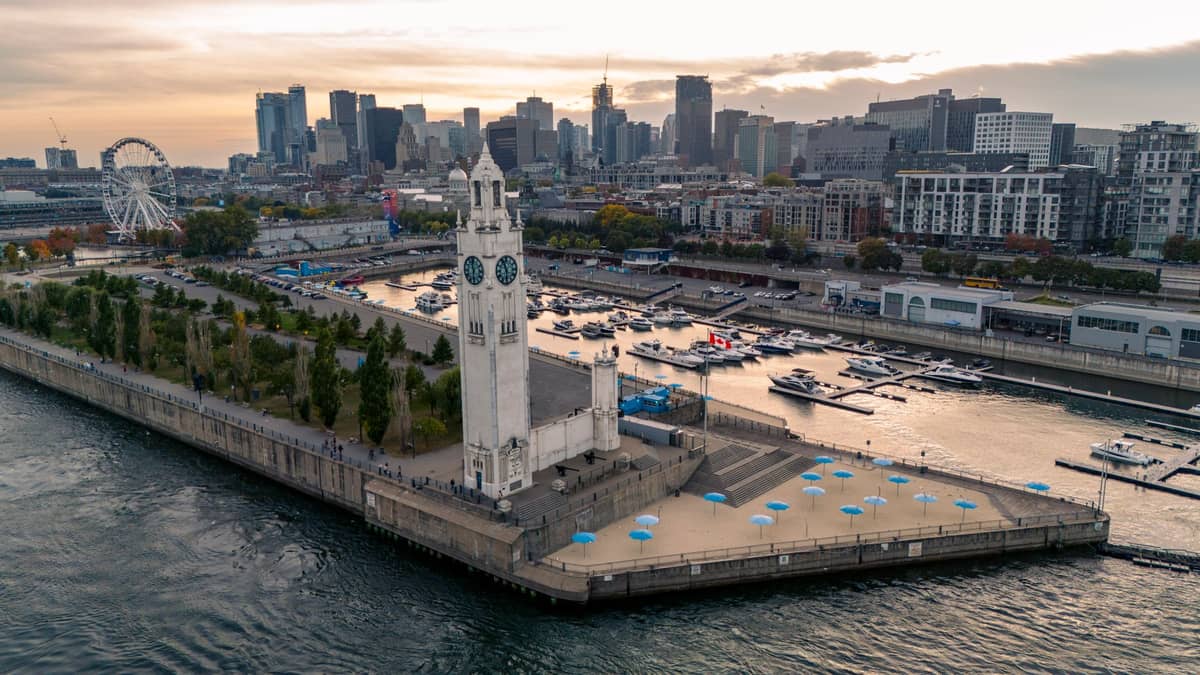
The Old Port is where most couples start, and for good reason. The waterfront promenade along the Saint Lawrence is genuinely lovely in the evening, particularly when the stone facades of Vieux-Montréal are lit behind you. Place Jacques-Cartier fills with street performers in summer and is quieter and more intimate in the shoulder seasons. The narrow streets of the historic district, especially around Rue Saint-Paul, have enough restaurants, chocolate shops, and galleries to fill a leisurely afternoon without any agenda at all.
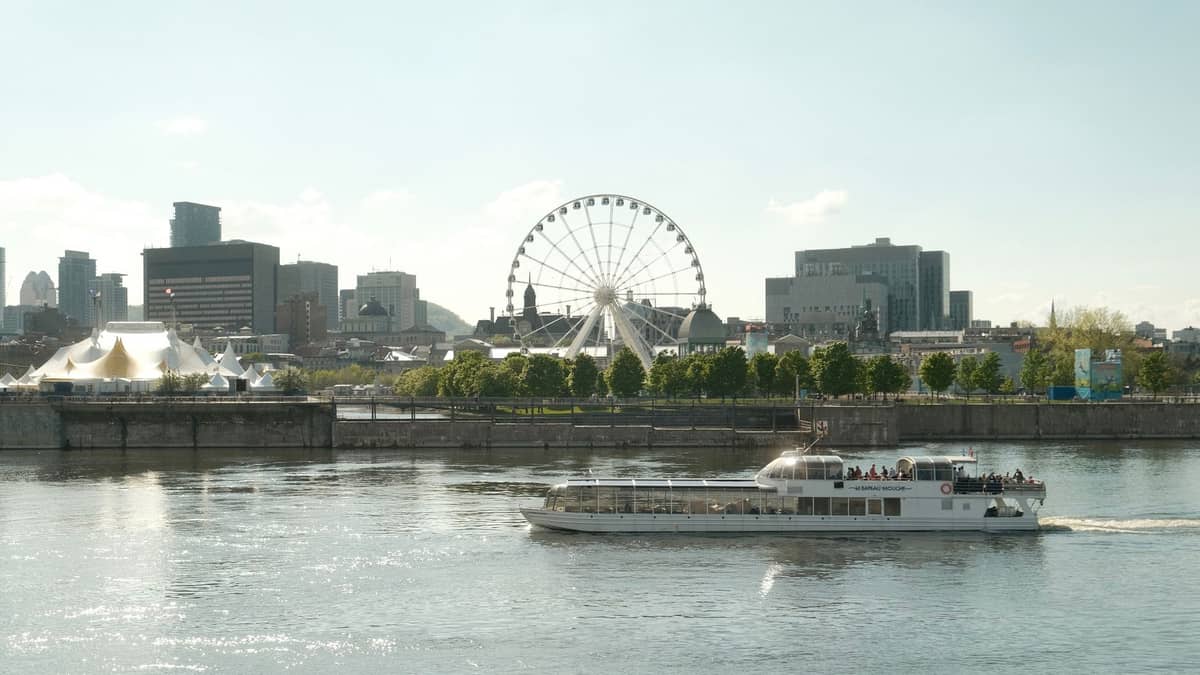
La Grande Roue de Montréal, the observation wheel in the Old Port, is one of the clearest wins for couples visiting the area. The cabins are fully enclosed and heated, which matters more than it sounds given Montreal's climate, and on clear days the visibility extends to 28 kilometres across the river and toward the surrounding mountains. Expect the experience to be a short ride. Book online in advance — walk-up availability exists but the wheel draws large crowds on weekends. For a more grounded view, the Clock Tower at the edge of the Old Port offers a free elevated perspective over the basin with less of the tourist infrastructure around it.
The Notre-Dame Basilica is worth entering even if you'd normally skip churches. The interior is genuinely extraordinary: deep blue vaulting, thousands of gold stars overhead, and carved wood that took years to complete. The AURA light-and-sound show runs inside the basilica on select evenings and is designed specifically for the space — it's theatrical rather than educational, but the setting makes it work. Ticket prices and showtimes change seasonally; check the basilica's official site before planning your evening around it.
⚠️ What to skip
Old Montreal on a Saturday evening in July or August is genuinely crowded. If you want atmosphere without the crush, visit on a weekday evening or in September, when temperatures drop slightly and the tourist volume falls significantly. The architecture and restaurants are the same; the experience is far more relaxed.
Mount Royal: The Mountain at the Heart of the City
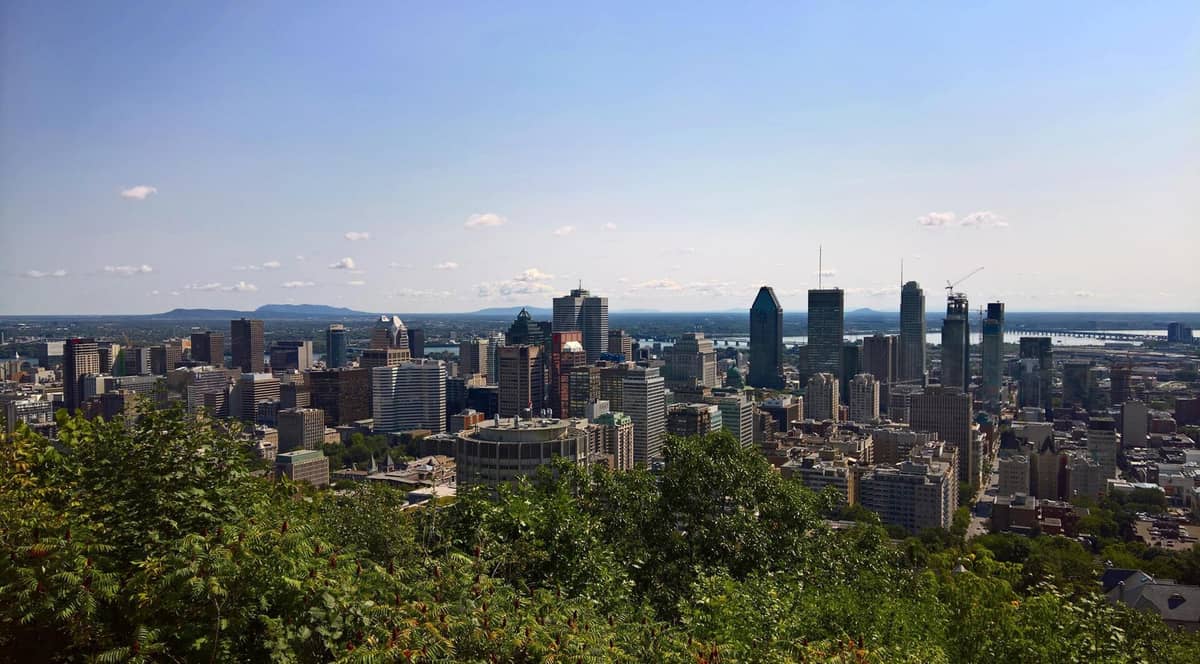
Mount Royal Park is not a tourist attraction in the conventional sense — it's a working urban park that Montrealers use intensively year-round. That's part of what makes it worth visiting as a couple. The Kondiaronk Belvedere at the summit offers the most photographed view in Montreal: the downtown skyline to the south, the Saint Lawrence glinting behind it, and on clear days, the Monteregian Hills extending toward the horizon. The viewing terrace is accessible by foot (roughly 30–40 minutes of uphill walking from the Peel Street entrance) or by car to the nearby parking area.
In winter, Beaver Lake becomes an outdoor skating rink. Skate rentals are available on-site. The mountain in winter has a genuinely different atmosphere from the Old Port — quieter, darker in the trees, with the city sounds muted by snow. Snowshoeing trails are also accessible from the park when conditions allow. In summer, the Sunday Tam-Tams drum circle at the base of the mountain (near the George-Étienne Cartier monument) is a long-running informal Montreal institution — chaotic, free, and unlike anything else in the city.
Spa, Wellness, and Slow Days
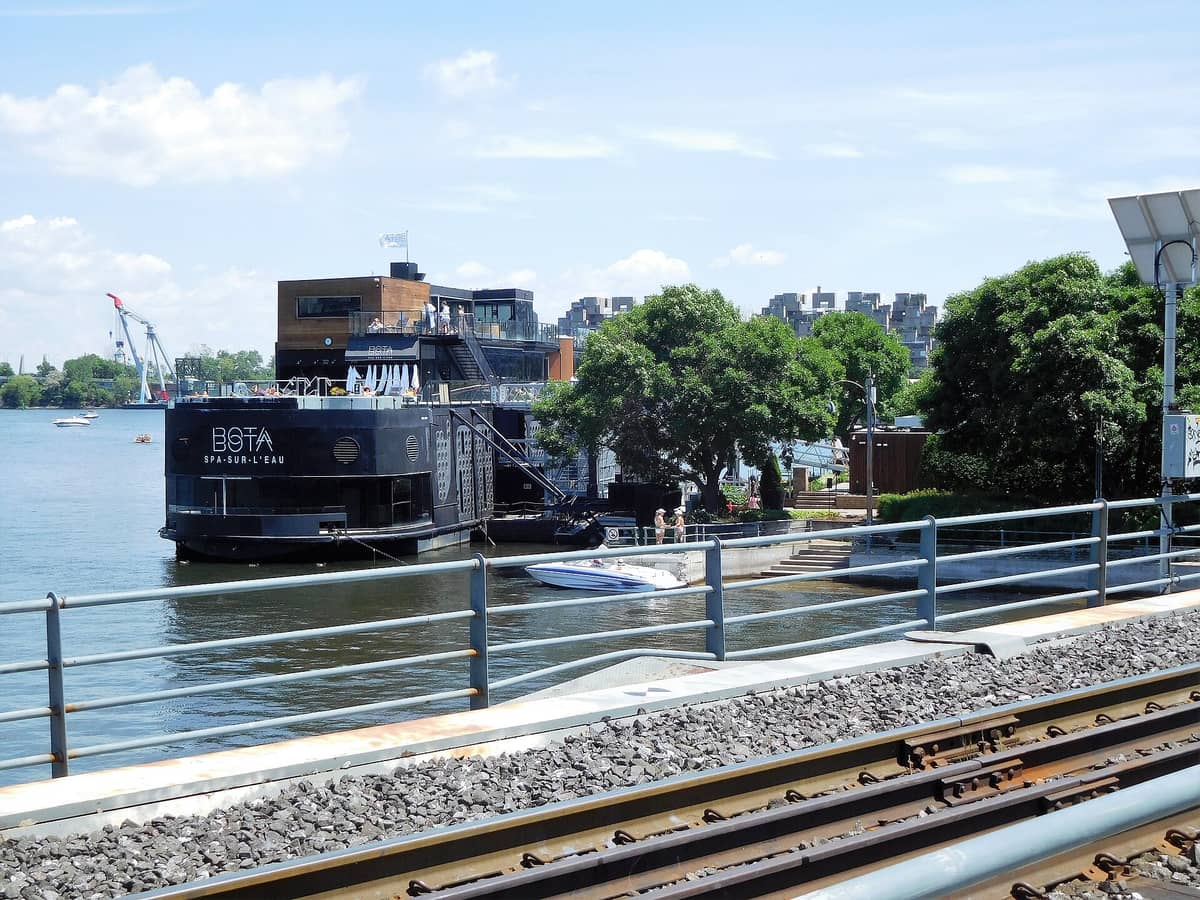
Bota Bota, the floating spa moored in the Old Port, has been a go-to recommendation for couples in Montreal for years. The concept — a converted ferryboat with different thermal zones, massages, and treatments — is genuinely appealing. However, the water circuit (its core thermal experience) has been subject to closures and service changes. Before building an afternoon around it, verify exactly what's operating on the official Bota Bota website and book treatments directly. A partial experience isn't necessarily bad, but it's worth knowing what you're getting.
If you're planning a spa day as the centrepiece of a weekend trip, it's worth researching alternatives in parallel. Several hotel spas in downtown Montreal and the Old Port area offer thermal facilities and couples treatments. The Scandinave Spa in Old Montreal is another well-regarded thermotherapy option with outdoor baths, though again, confirming current operating hours and availability before arrival is essential — these facilities tend to book out on weekends and holiday periods.
✨ Pro tip
Valentine's Day and long weekends in February see Montreal's romantic venues book out weeks in advance. If you're visiting specifically for a romantic occasion, lock in restaurant reservations and spa bookings at least three to four weeks ahead. The city takes these occasions seriously, and the best tables disappear fast.
Neighbourhoods Worth Wandering Together
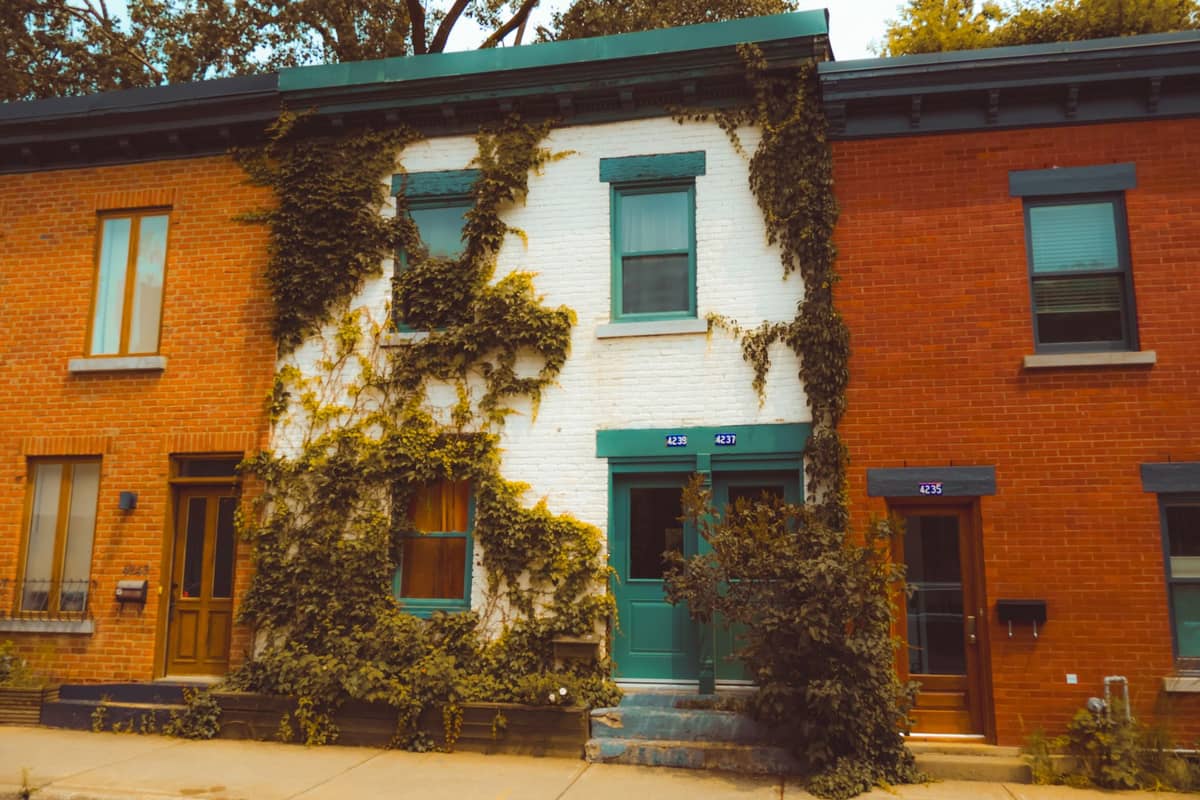
Old Montreal draws the most attention, but some of the better couple-friendly wandering happens in residential neighbourhoods further north. Plateau-Mont-Royal has the colourful row houses and exterior staircases that appear on every Montreal postcard — but it's also a genuinely lived-in neighbourhood with excellent independent restaurants, wine bars, and bakeries. Rue Saint-Denis and Avenue du Mont-Royal are the main commercial strips; the side streets between them are where the real character lives.
Mile End is quieter and slightly more eccentric. It's the neighbourhood associated with Montreal's music scene and independent creative culture, with a mix of Jewish bakeries, Portuguese chicken spots, and upscale coffee roasters all within a few blocks of each other. For couples who find the Old Port too polished, a Sunday morning in Mile End — bagels from one of the wood-fired bagel shops, coffee at a sidewalk café, then a slow walk through the residential streets — is a perfectly calibrated alternative.
For something more park-focused, Parc La Fontaine in the Plateau is one of Montreal's most beautiful green spaces. The central pond hosts paddle boats in summer and becomes a skating rink in winter. The surrounding paths are wide and tree-lined, and the park has a relaxed neighbourhood energy that's completely different from the tourist density of the Old Port. It's also free, which is worth noting if you're building a longer trip.
Cultural Experiences That Actually Hold Up
The Pointe-à-Callière Museum deserves a specific recommendation here because it's the kind of museum that works well as a couple activity even if neither of you is a history enthusiast. The building sits on the actual archaeological layers of Montreal's earliest settlement, and parts of the tour take you underground through excavated foundations. The atmosphere is genuinely atmospheric rather than classroom-dry. Budget around two hours and check for temporary exhibitions, which are often strong.
The Montreal Museum of Fine Arts is one of the largest art museums in Canada and runs a strong rotating programme alongside its permanent collection. It's large enough to lose track of time in, which is either a selling point or a warning depending on your approach. For something more compact and contemporary, the Musée d'art contemporain de Montréal (MAC) on Place des Arts focuses on modern and contemporary work from Quebec and internationally. Both museums are worth checking for special evening events, which occasionally include live music or extended hours with drinks.
- Pointe-à-Callière Museum Underground archaeology, strong temporary exhibitions, and a location right in the Old Port. Allow two hours minimum.
- Montreal Museum of Fine Arts The broadest collection in the city. Check online for special evening events before your visit.
- PHI Centre Old Montreal venue specialising in immersive digital and multimedia art. Exhibition-dependent — check what's running during your dates.
- Notre-Dame Basilica AURA show Theatrical light installation inside one of North America's most impressive interiors. Book in advance; times vary by season.
- Private walking tours Several operators offer private neighbourhood tours with a historical or culinary focus. Quality varies — read reviews carefully and prioritise guides with deep local knowledge.
Seasonal Breakdown: What to Prioritise and When
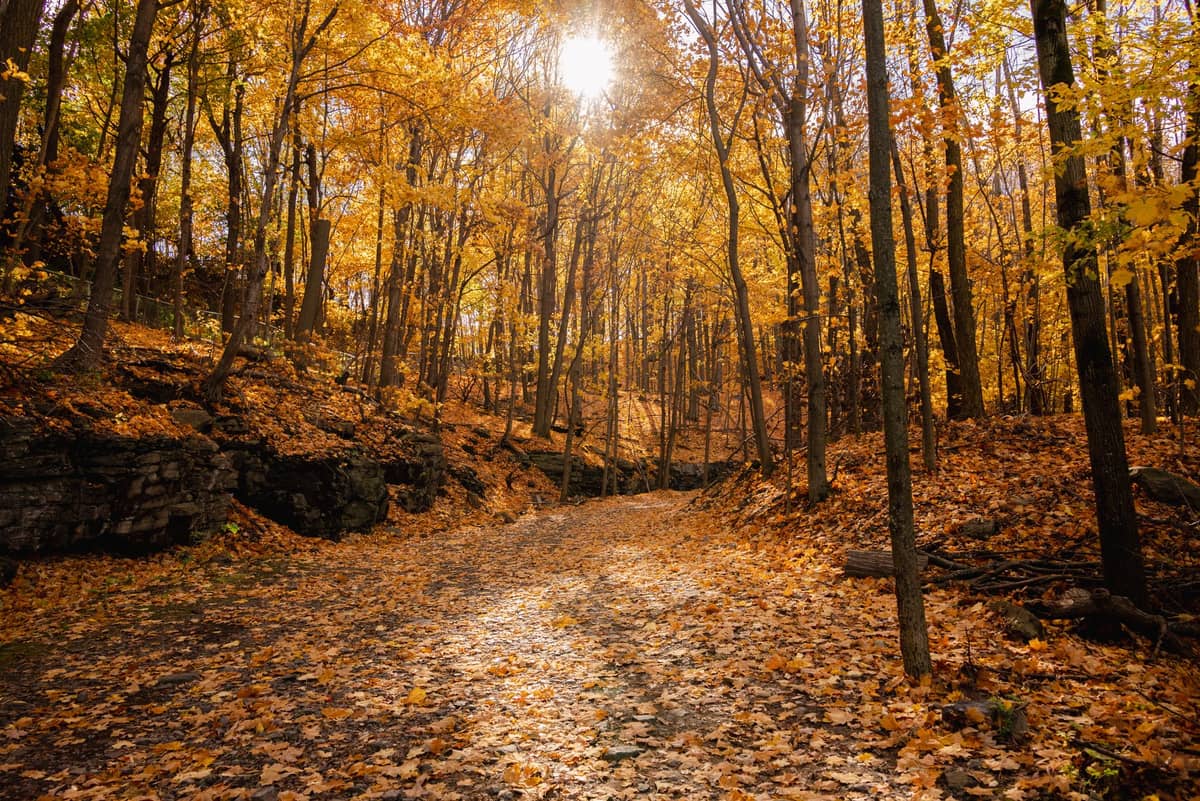
The honest answer to 'when is the best time to visit Montreal for couples' depends entirely on what you want. September and early October are widely considered the sweet spot: temperatures in the 5–17°C range, autumn foliage on Mount Royal, fewer tourists than summer, and the full restaurant and cultural calendar still running. Terrasse dining is still possible in early October with a jacket.
- Winter (December–February) Skating at Beaver Lake and Parc La Fontaine, snowshoeing on Mount Royal, heated observation wheel cabins, cosy restaurant evenings. Dress in proper layers — temperatures regularly drop to -15°C or below.
- Spring (March–May) The city shakes off winter from late April. The sugar shack (cabane à sucre) season peaks in March and early April — a uniquely Quebec tradition worth building a day trip around.
- Summer (June–August) Peak festival season. The Jazz Festival, Just for Laughs, and dozens of other events fill the calendar. Terrasse dining, canal cycling, and beach days at Plage Jean-Doré are all available. Book accommodation well in advance.
- Autumn (September–October) The quietest and most comfortable season for outdoor activity. Foliage peaks on Mount Royal typically in early to mid-October. Reservations at top restaurants are easier to secure than in summer.
For couples interested in cycling together, the Lachine Canal offers a flat, paved cycling path that runs from the Old Port to Lachine along the water. It's one of the best urban cycling routes in Canada — low traffic, well-maintained, and with enough waterside scenery to make the distance feel short. BIXI bike share stations are available at multiple points along the route, so you don't need to bring your own. The path is generally open from late spring through autumn.
💡 Local tip
Montreal's Underground City (RÉSO) is a practical tool in winter, not a sightseeing destination. The 33 km of underground corridors connect metro stations, shopping centres, and hotels across downtown. On a -20°C day, being able to walk from your hotel to a restaurant without going outside is genuinely useful. Don't skip outdoor exploration entirely, though — the winter cityscape above ground is part of the Montreal experience.
FAQ
What is the most romantic area of Montreal for couples?
Old Montreal gets the most attention, and the stone streets and waterfront do deliver. But Mount Royal at sunset, the tree-lined streets of the Plateau, and a quiet evening in Mile End all offer atmosphere that Old Montreal's tourist density sometimes undercuts. The most romantic Montreal experiences tend to happen in more than one neighbourhood across a trip.
Is Montreal worth visiting for a romantic weekend trip?
Yes, genuinely so. The combination of walkable historic neighbourhoods, a serious food culture, strong spa and wellness options, and year-round outdoor activities gives couples more options per day than most comparable North American cities. A three-night trip is enough to cover the highlights without rushing.
What romantic things can couples do in Montreal in winter?
Skating at Beaver Lake on Mount Royal and at Parc La Fontaine, snowshoeing on the mountain's trail network, riding the heated Grande Roue cabins in the Old Port, and long dinners in the Plateau's wine bars are all well-suited to the cold. Winter in Montreal can feel cosy rather than punishing if you dress properly and lean into the season.
Do you need to book activities in advance for a romantic trip to Montreal?
For popular restaurants, spa treatments at Bota Bota or Scandinave, and any evening cultural events (including the AURA show at Notre-Dame), yes — often a week or more ahead, and several weeks for Valentine's Day or festival weekends. The Grande Roue and Pointe-à-Callière can usually be booked a few days out, but online booking is always safer than walking up.
What are the best free romantic things to do in Montreal?
Walking the Old Port promenade, hiking up Mount Royal for the Kondiaronk Belvedere view, wandering the Plateau's residential streets, and spending time in Parc La Fontaine are all free. The Tam-Tams drum circle at the base of Mount Royal on summer Sundays costs nothing and is one of the most distinctively Montreal experiences available. For more ideas, the free things to do guide covers budget-friendly options across the city.