Best Walking Tours & Self-Guided Walks in Montreal
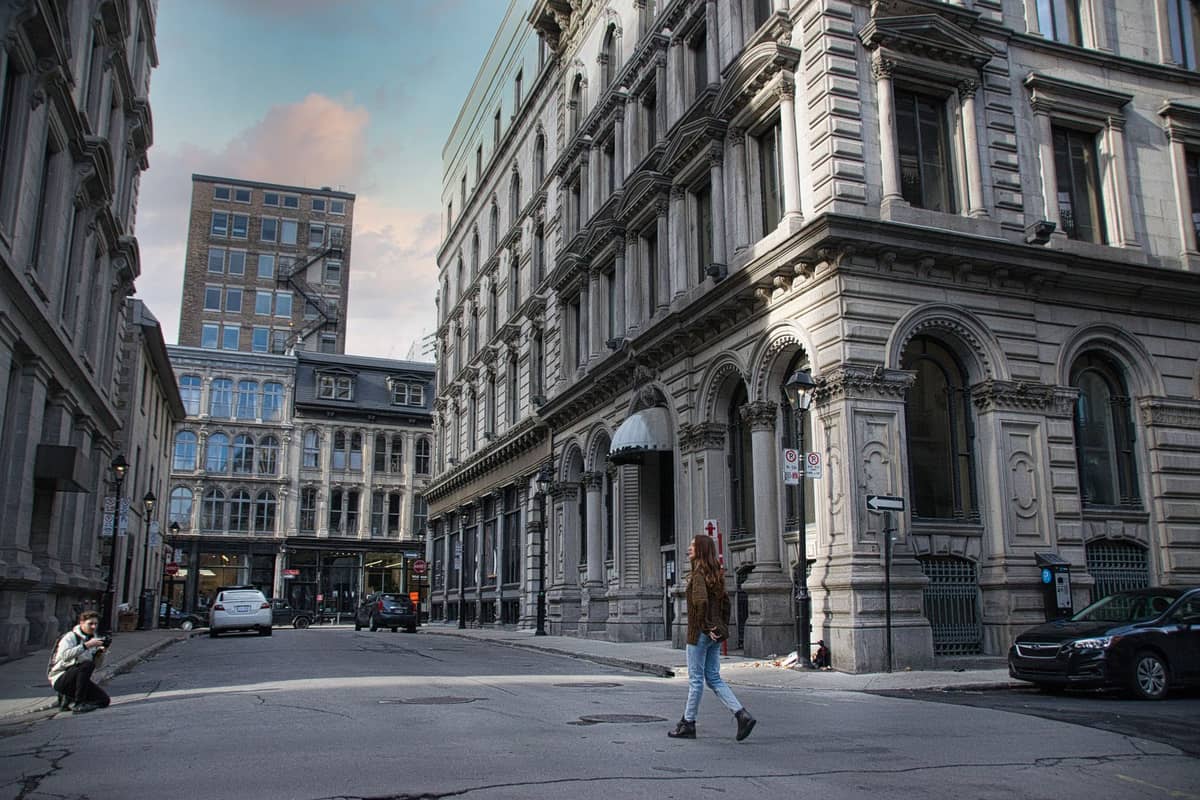
Montreal is one of North America's most walkable cities, with historic cobblestone streets, forested hilltops, canal-side paths, and distinct neighborhoods that reward exploring on foot. This guide covers the best guided tours and self-guided walks across the city, from Old Montreal's 17th-century architecture to the Lachine Canal waterfront.
Plan and book this trip
Tools from our partner Travelpayouts help you compare flights and hotels. If you book through them, we may earn a commission at no extra cost to you.
Flights
Hotels map
Montreal rewards walkers more than almost any other North American city. Within a single afternoon you can move from 400-year-old stone foundations in Old Montreal to leafy park trails on Mount Royal, past colourful duplexes in the Plateau, or along a 19th-century industrial canal lined with local food markets. The city's compact neighborhoods and excellent public transit make it easy to combine a guided tour with a self-guided wander. For first-timers planning a route, the 3-day Montreal itinerary pairs well with the walks in this guide.
💡 Local tip
Guidatour's Original Old Montréal Walking Tour (C$33 adults) departs from near 214 place d'Youville and lasts two hours. Comparable tours start from around C$25 on GetYourGuide. Tourisme Montréal also offers free seasonal guided walks (Oct–Nov 2026), but these require advance booking and a refundable C$10 deposit.
Old Montreal & the Old Port
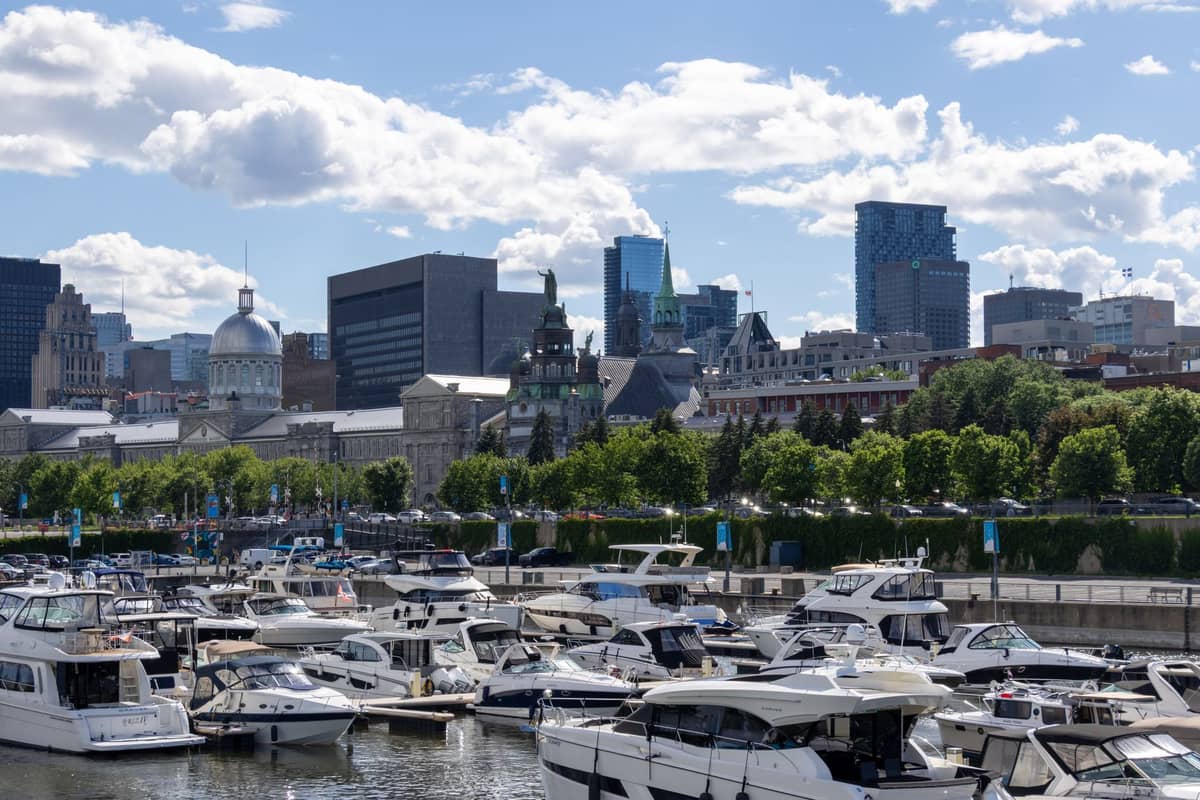
Old Montreal is the starting point for most walking tours in the city, and for good reason: no other neighborhood packs so much history, architecture, and waterfront scenery into such a compact area. The architectural detail alone justifies a slow, deliberate walk. Most of the key stops below are within 20 minutes of each other on foot.
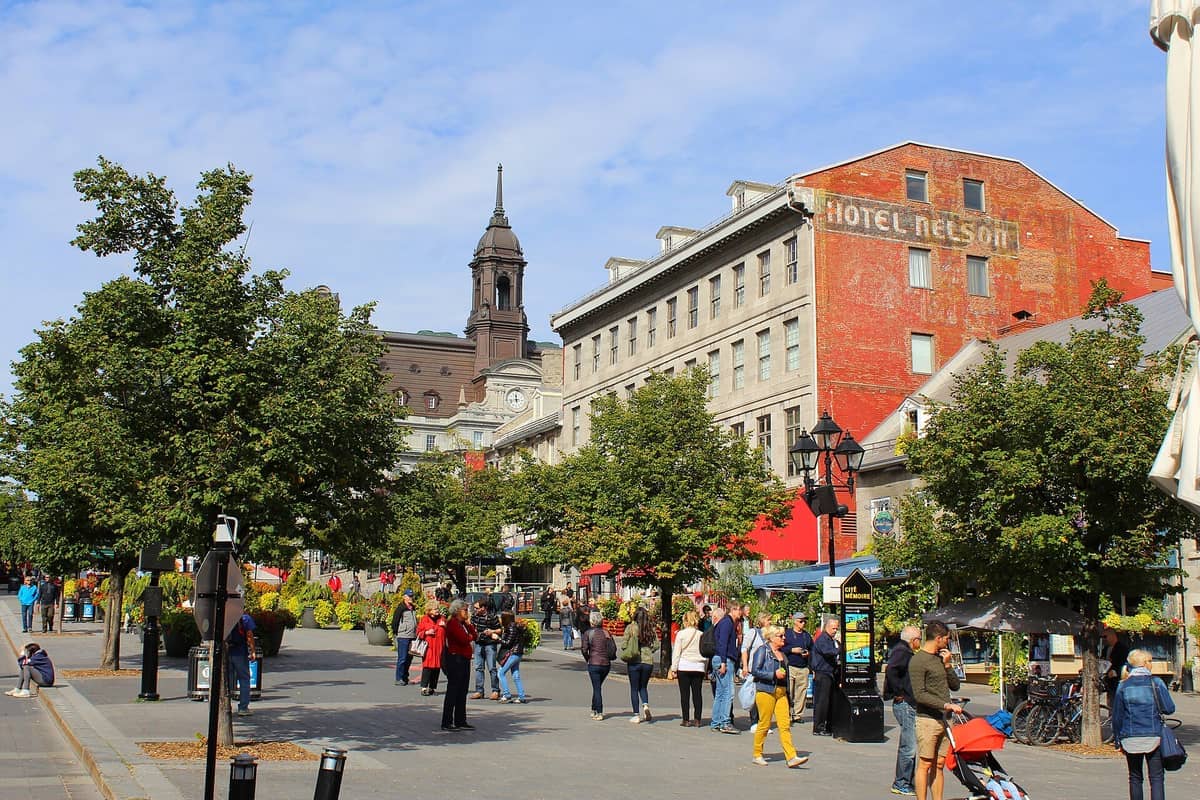
1. Start Your Old Montreal Walk at Place Jacques-Cartier
Old Montreal's sloping cobblestone square is the natural anchor for any walking tour. Flower vendors, street performers, and restaurant terraces fill it from May through October. The Nelson Column at the top dates to 1809.
Explore1. Start Your Old Montreal Walk at Place Jacques-Cartier
Old Montreal's sloping cobblestone square is the natural anchor for any walking tour. Flower vendors, street performers, and restaurant terraces fill it from May through October. The Nelson Column at the top dates to 1809.
Explore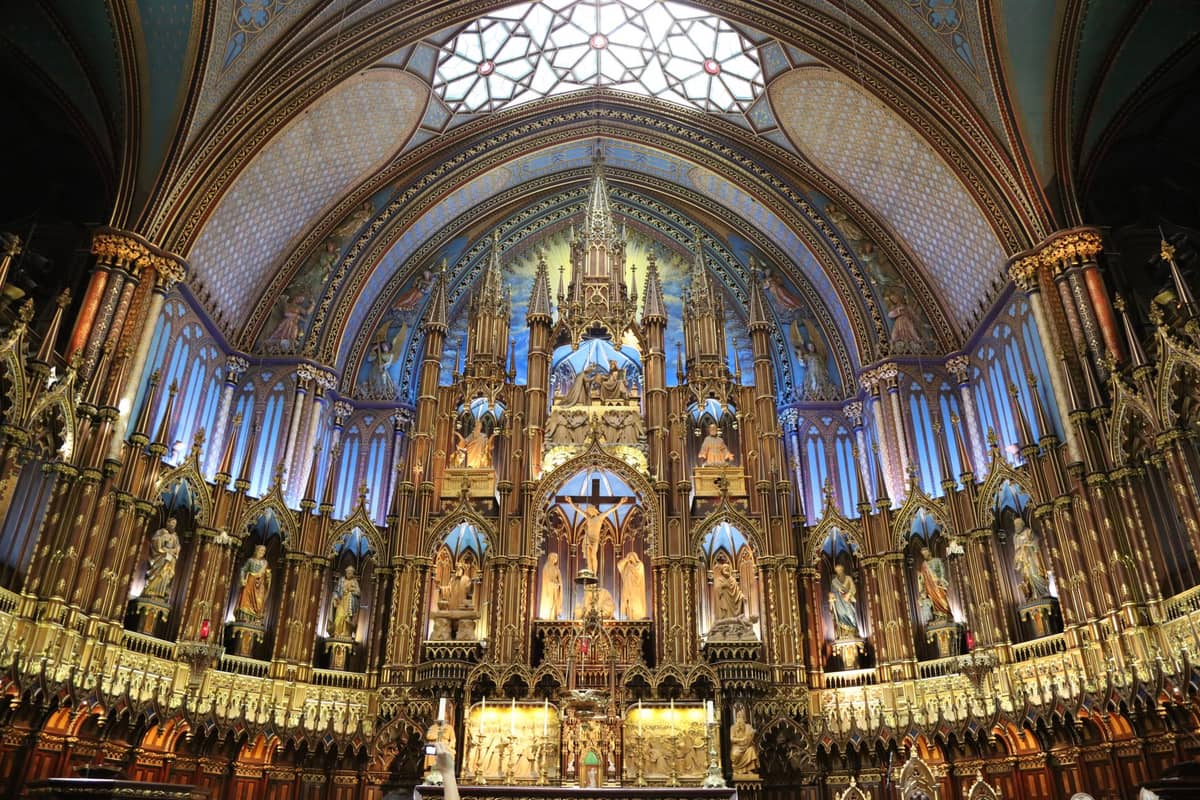
2. Step Inside Notre-Dame Basilica for the Gothic Interior
The midnight-blue vaulted ceiling studded with gold stars is genuinely jaw-dropping. Note that admission is charged separately and is not included in most walking tour prices. Budget 45 minutes for a self-guided visit.
Explore2. Step Inside Notre-Dame Basilica for the Gothic Interior
The midnight-blue vaulted ceiling studded with gold stars is genuinely jaw-dropping. Note that admission is charged separately and is not included in most walking tour prices. Budget 45 minutes for a self-guided visit.
Explore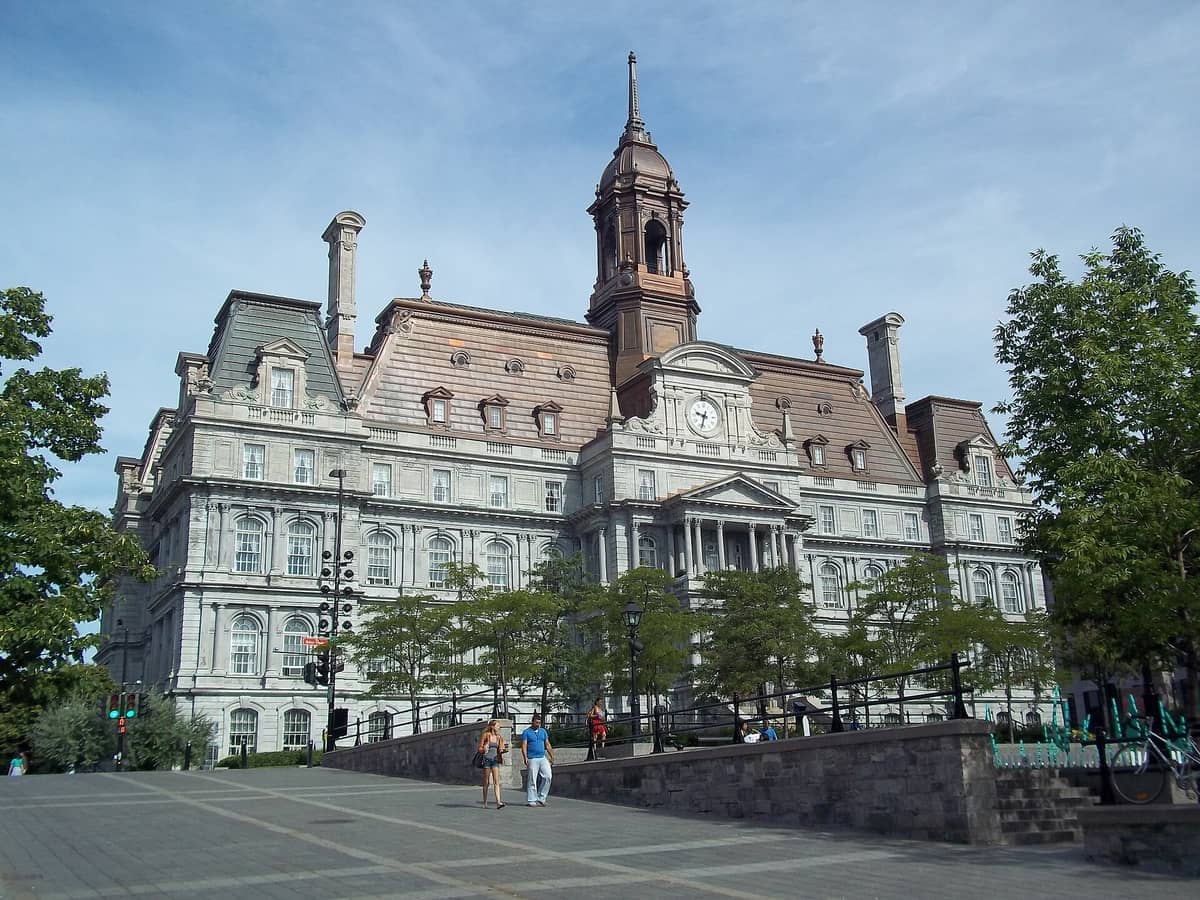
3. Walk Past Montreal City Hall and Its Famous Balcony
The 1878 Second Empire facade is one of the finest in the city. Free public interior tours are available when the building is open. This is where de Gaulle delivered his 'Vive le Québec libre' speech in 1967.
Explore3. Walk Past Montreal City Hall and Its Famous Balcony
The 1878 Second Empire facade is one of the finest in the city. Free public interior tours are available when the building is open. This is where de Gaulle delivered his 'Vive le Québec libre' speech in 1967.
Explore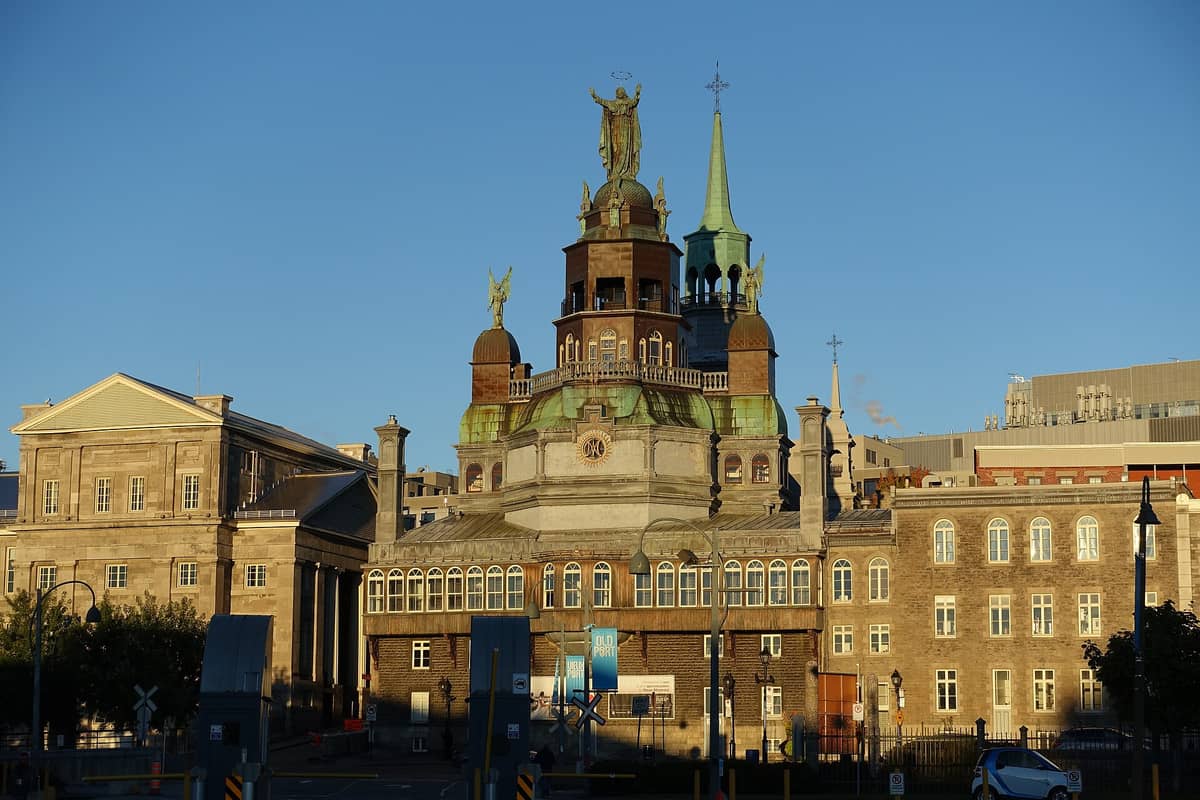
4. Climb to the Sailors' Church Rooftop for Harbour Views
One of Montreal's oldest surviving buildings offers a rooftop lookout over the Old Port and an underground archaeological museum. The combination of harbour panorama and colonial history makes it a highlight of any Old Montreal walking route.
Explore4. Climb to the Sailors' Church Rooftop for Harbour Views
One of Montreal's oldest surviving buildings offers a rooftop lookout over the Old Port and an underground archaeological museum. The combination of harbour panorama and colonial history makes it a highlight of any Old Montreal walking route.
Explore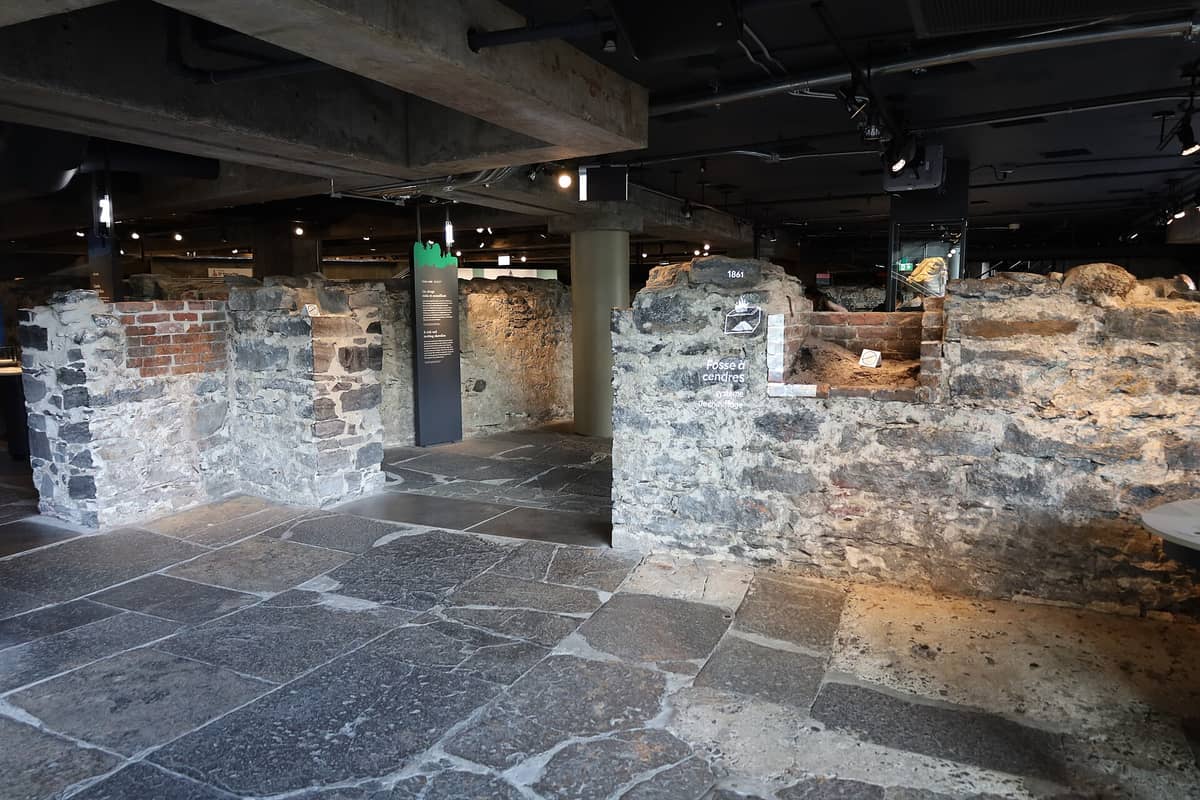
5. Go Underground at Pointe-à-Callière to See the City's Foundations
Built directly over the archaeological remains of Montreal's founding settlement, this museum takes you through 1,000 years of history underground. Allow 90 minutes. It's the most intellectually rewarding stop on any Old Montreal walk.
Explore5. Go Underground at Pointe-à-Callière to See the City's Foundations
Built directly over the archaeological remains of Montreal's founding settlement, this museum takes you through 1,000 years of history underground. Allow 90 minutes. It's the most intellectually rewarding stop on any Old Montreal walk.
Explore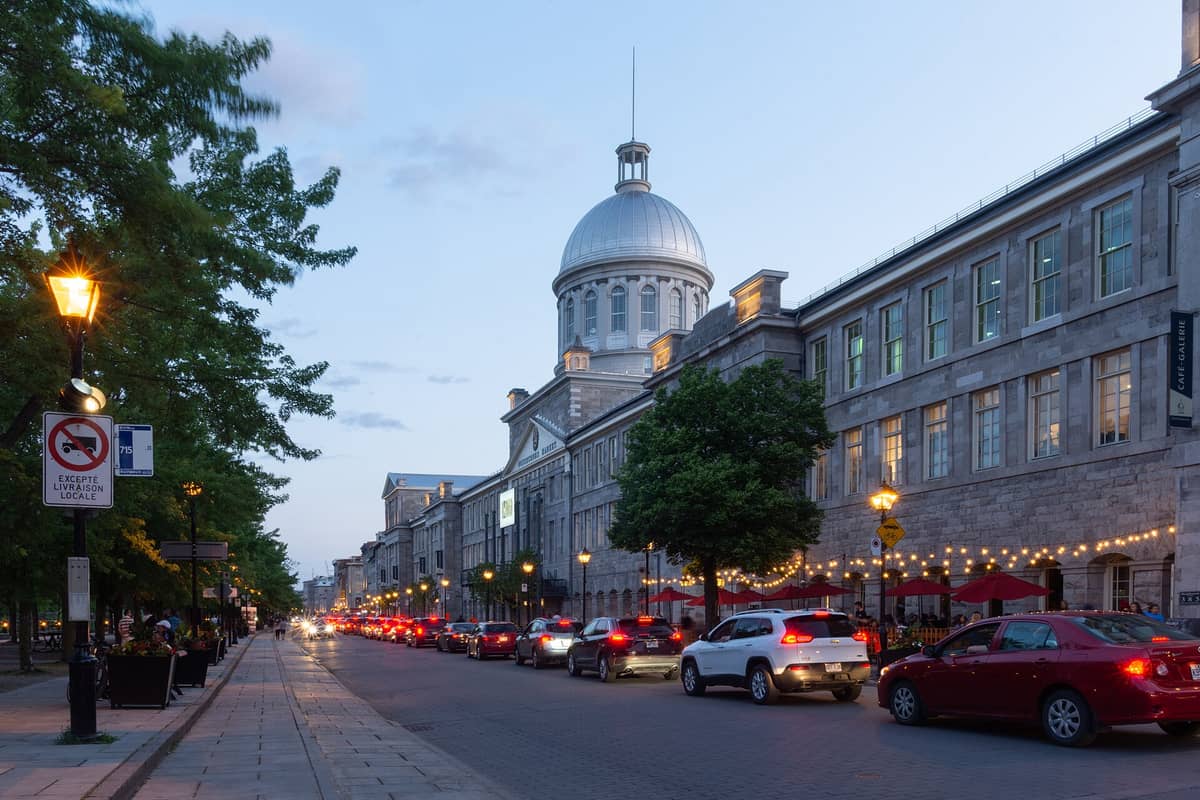
6. Photograph the Silver Dome of Bonsecours Market
The 19th-century neoclassical building with its distinctive silver dome is one of the most photographed facades in the city. Inside, boutiques sell Quebec-made crafts and design. The exterior is best lit in morning or late afternoon sun.
Explore6. Photograph the Silver Dome of Bonsecours Market
The 19th-century neoclassical building with its distinctive silver dome is one of the most photographed facades in the city. Inside, boutiques sell Quebec-made crafts and design. The exterior is best lit in morning or late afternoon sun.
Explore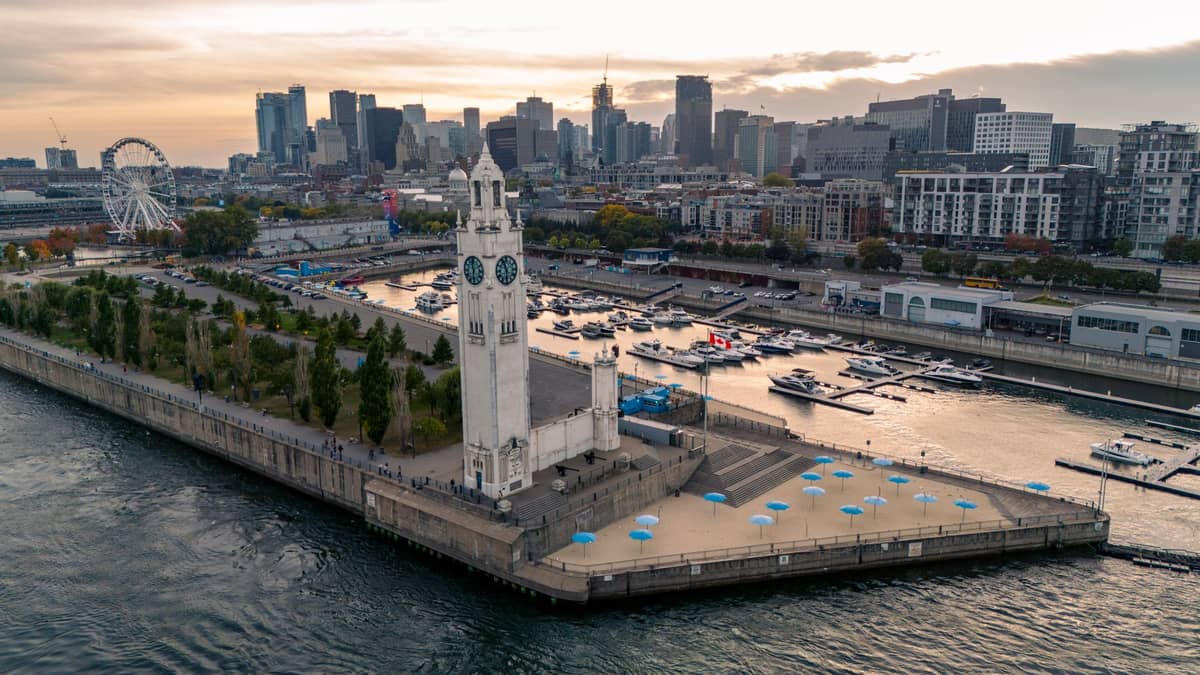
7. Walk to the Clock Tower for Free Views Over the St. Lawrence
The 45-meter WWI memorial tower at the tip of the Old Port pier is free to climb and delivers excellent views of the St. Lawrence River and Old Montreal's roofline. A natural endpoint for an Old Port walking loop.
Explore7. Walk to the Clock Tower for Free Views Over the St. Lawrence
The 45-meter WWI memorial tower at the tip of the Old Port pier is free to climb and delivers excellent views of the St. Lawrence River and Old Montreal's roofline. A natural endpoint for an Old Port walking loop.
Explore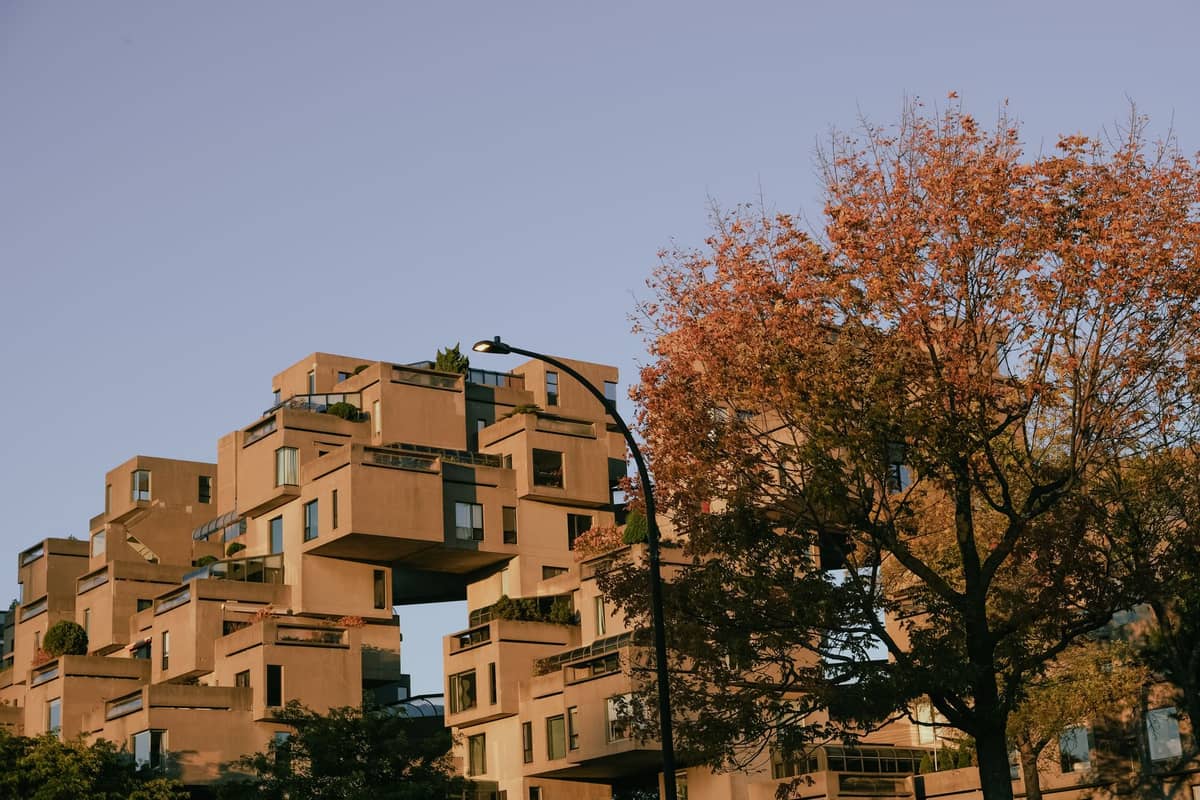
8. View Habitat 67 from the Old Port Waterfront
Moshe Safdie's 1967 modular housing complex is freely visible from the Old Port promenade. The stacked concrete cubes are best seen from the waterfront path west of the Clock Tower. Guided exterior tours are available seasonally.
Explore8. View Habitat 67 from the Old Port Waterfront
Moshe Safdie's 1967 modular housing complex is freely visible from the Old Port promenade. The stacked concrete cubes are best seen from the waterfront path west of the Clock Tower. Guided exterior tours are available seasonally.
ExploreMount Royal & Neighborhood Walks
Beyond Old Montreal, the city's most rewarding walks are neighborhood-based. The Montreal neighborhoods guide gives deeper context for each area, but on foot, the route from downtown through the McGill campus and up to Mount Royal is one of the great urban walks in Canada.
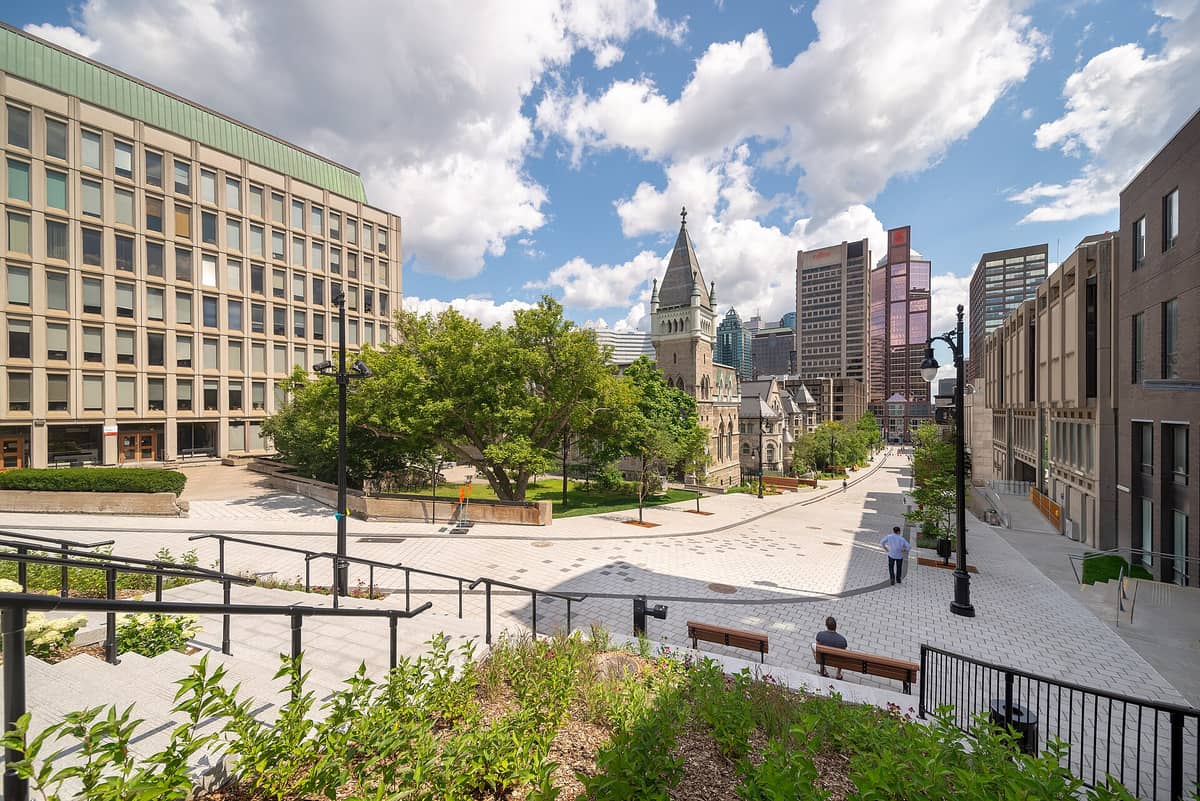
9. Walk Through McGill's Victorian Campus at the Foot of the Mountain
The leafy campus with its grand Roddick Gates and Victorian main building is a pleasant passage between downtown and Mount Royal Park. The Redpath Museum of natural history is open to the public and worth a quick stop.
Explore9. Walk Through McGill's Victorian Campus at the Foot of the Mountain
The leafy campus with its grand Roddick Gates and Victorian main building is a pleasant passage between downtown and Mount Royal Park. The Redpath Museum of natural history is open to the public and worth a quick stop.
Explore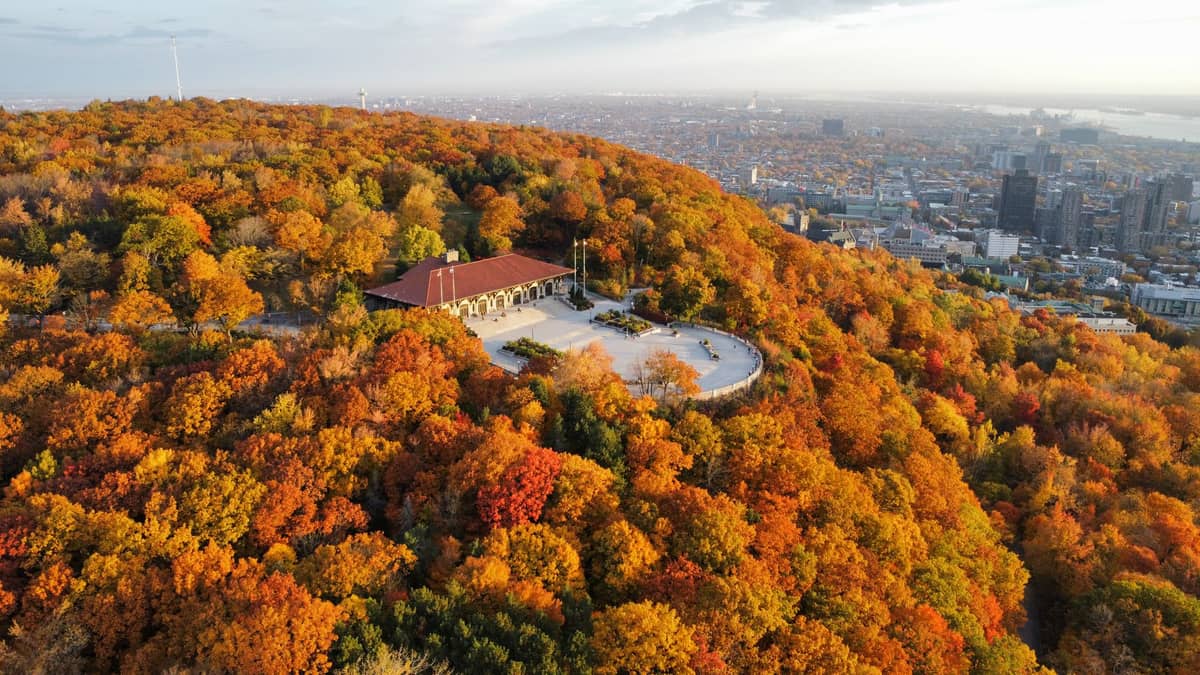
10. Hike the Olmsted Trail Through Mount Royal Park
Designed by Frederick Law Olmsted, this 190-hectare forested park is criss-crossed with trails. The Olmsted Road loop from the Côte-des-Neiges entrance to the chalet takes about 90 minutes and passes through dense forest above the city grid.
Explore10. Hike the Olmsted Trail Through Mount Royal Park
Designed by Frederick Law Olmsted, this 190-hectare forested park is criss-crossed with trails. The Olmsted Road loop from the Côte-des-Neiges entrance to the chalet takes about 90 minutes and passes through dense forest above the city grid.
Explore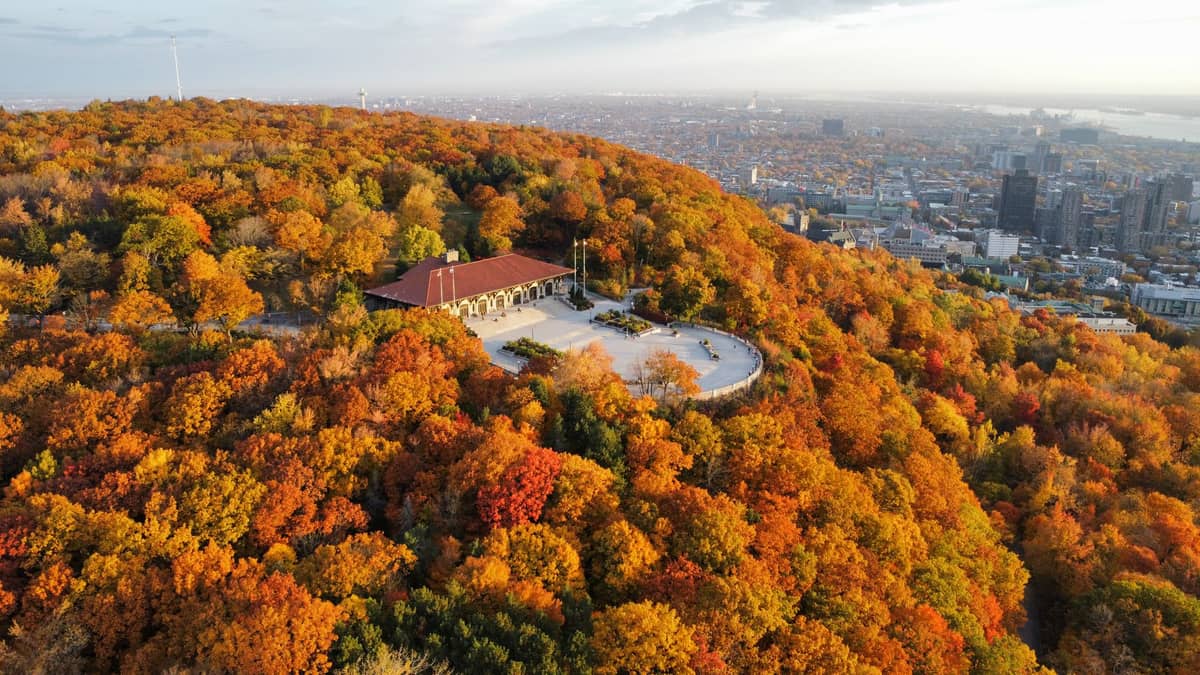
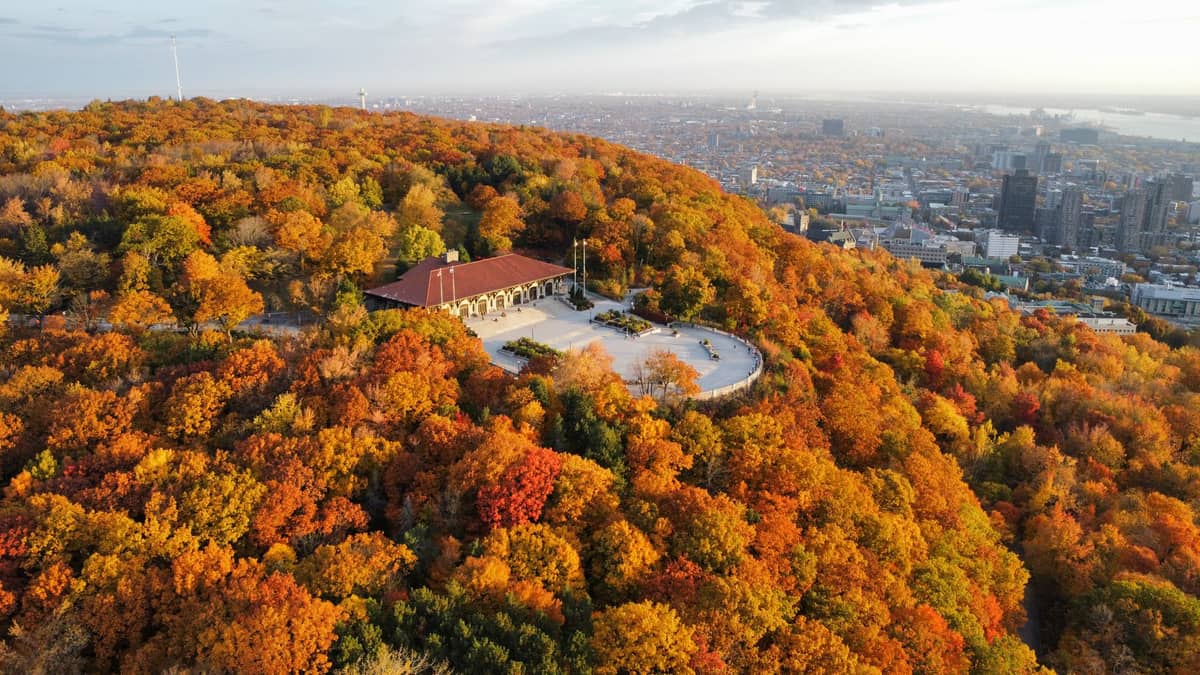
11. Reach the Kondiaronk Belvedere for Montreal's Most Iconic Panorama
The terrace in front of the Mount Royal Chalet frames the entire downtown skyline in one sweep. Sunset here draws crowds of locals year-round. It's the natural reward at the top of any Mount Royal walking route.
Explore11. Reach the Kondiaronk Belvedere for Montreal's Most Iconic Panorama
The terrace in front of the Mount Royal Chalet frames the entire downtown skyline in one sweep. Sunset here draws crowds of locals year-round. It's the natural reward at the top of any Mount Royal walking route.
Explore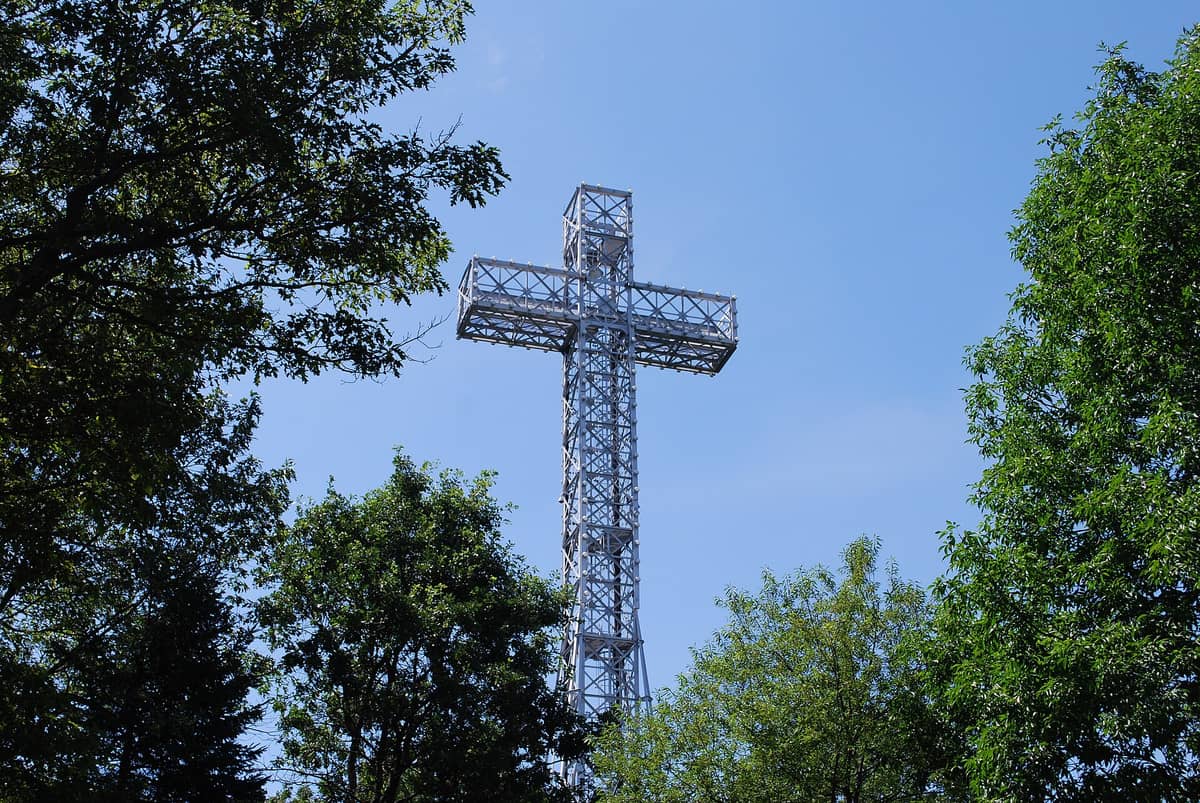
12. Continue to the Mount Royal Cross for the Highest Viewpoint
A short trail from the Kondiaronk Belvedere leads to the illuminated 31-meter steel cross, visible from across the island. The summit viewpoint looks north over Outremont and the Laurentian foothills rather than downtown, making it a different perspective worth seeking.
Explore12. Continue to the Mount Royal Cross for the Highest Viewpoint
A short trail from the Kondiaronk Belvedere leads to the illuminated 31-meter steel cross, visible from across the island. The summit viewpoint looks north over Outremont and the Laurentian foothills rather than downtown, making it a different perspective worth seeking.
Explore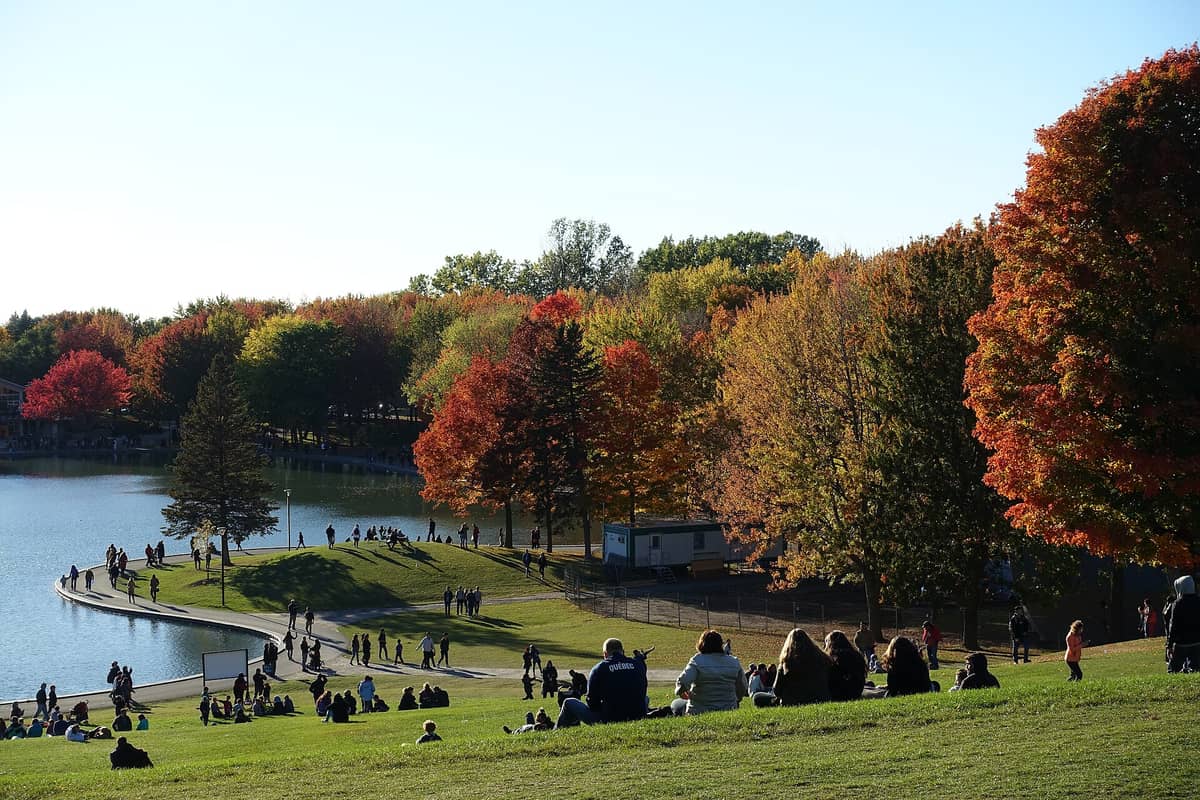
13. Loop Around Beaver Lake for a Relaxed Mountain Stroll
The flat circuit around this tranquil artificial lake near the summit is one of Montreal's most pleasant easy walks. In summer, families picnic on the grass; in winter, skaters take over the lake itself. Allow 30 minutes for the loop.
Explore13. Loop Around Beaver Lake for a Relaxed Mountain Stroll
The flat circuit around this tranquil artificial lake near the summit is one of Montreal's most pleasant easy walks. In summer, families picnic on the grass; in winter, skaters take over the lake itself. Allow 30 minutes for the loop.
Explore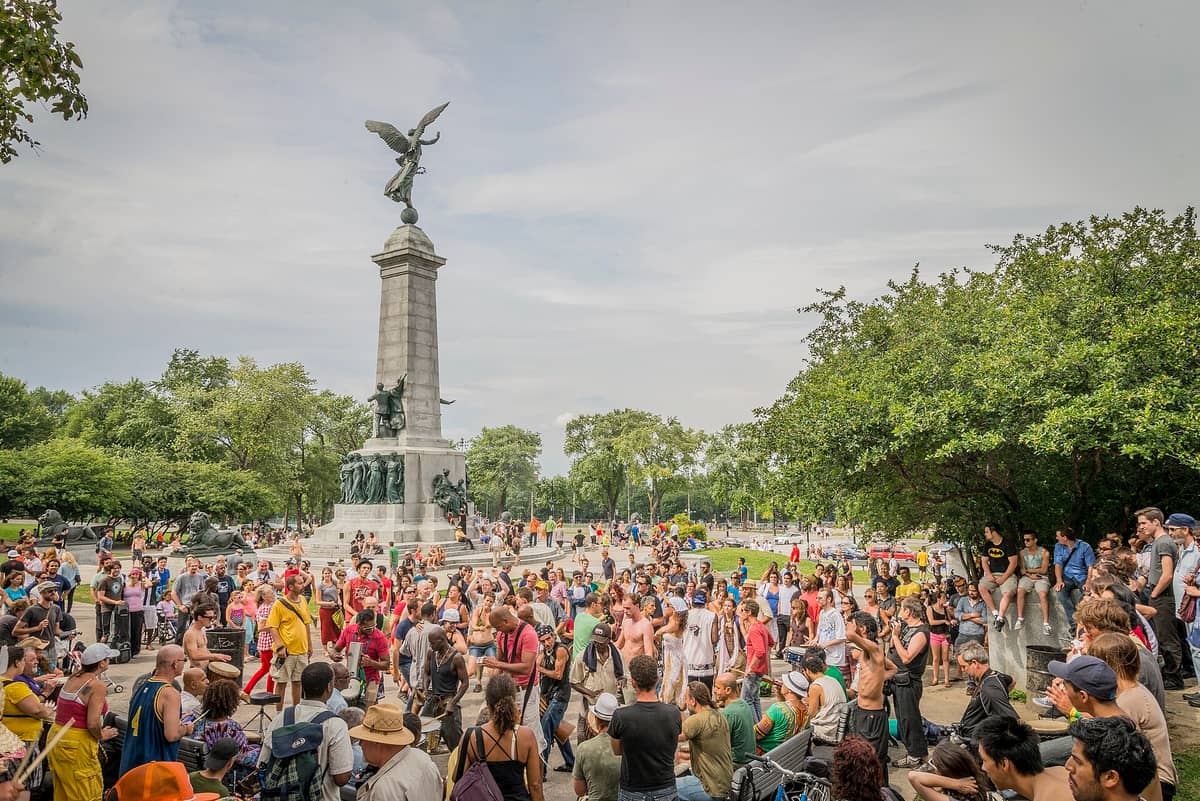
14. Join the Sunday Tam-Tams Gathering at the Mountain's Base
Every Sunday from May to October, thousands gather near the George-Étienne Cartier monument for a drum circle, flea market, and impromptu dance. It's a legitimate local ritual rather than a tourist event, and a great reason to start or end a Mount Royal walk.
Explore14. Join the Sunday Tam-Tams Gathering at the Mountain's Base
Every Sunday from May to October, thousands gather near the George-Étienne Cartier monument for a drum circle, flea market, and impromptu dance. It's a legitimate local ritual rather than a tourist event, and a great reason to start or end a Mount Royal walk.
Explore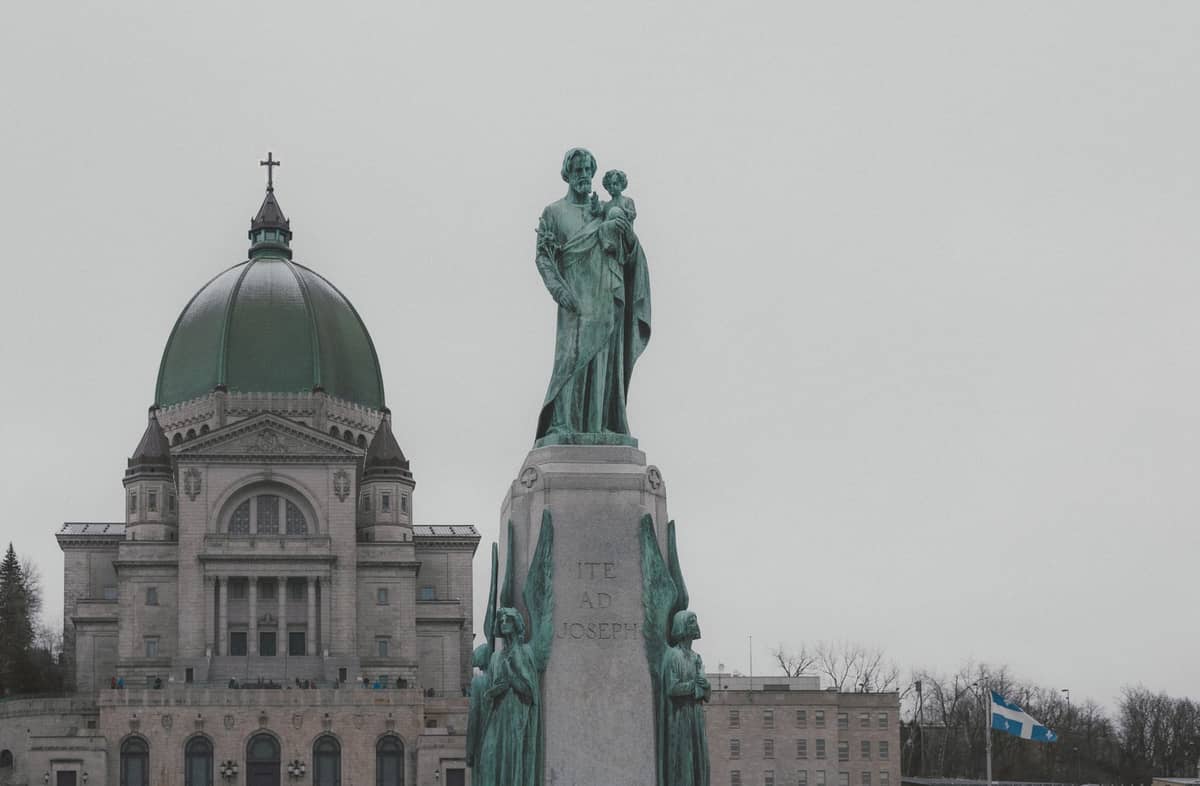
15. Climb the Steps to Saint Joseph's Oratory on the North Slope
The largest church in Canada crowns Mount Royal's north face with its massive copper dome. Many pilgrims climb the exterior stairs on their knees. The terrace below the basilica offers views over Outremont that most visitors never find.
Explore15. Climb the Steps to Saint Joseph's Oratory on the North Slope
The largest church in Canada crowns Mount Royal's north face with its massive copper dome. Many pilgrims climb the exterior stairs on their knees. The terrace below the basilica offers views over Outremont that most visitors never find.
ExploreCanal & Waterfront Walks
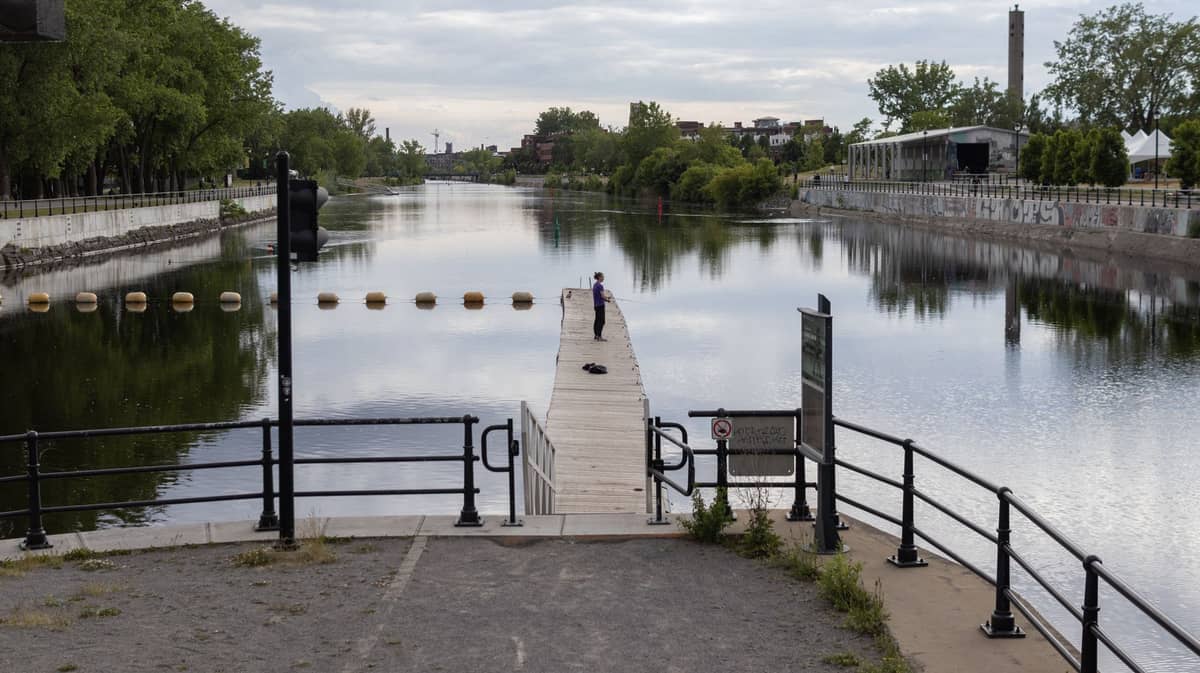
Montreal's waterfront infrastructure gives walkers remarkable freedom to cover long distances without crossing a single major road. The Lachine Canal path is particularly well suited to combining with a market visit — see the best markets in Montreal guide for what to eat along the way.
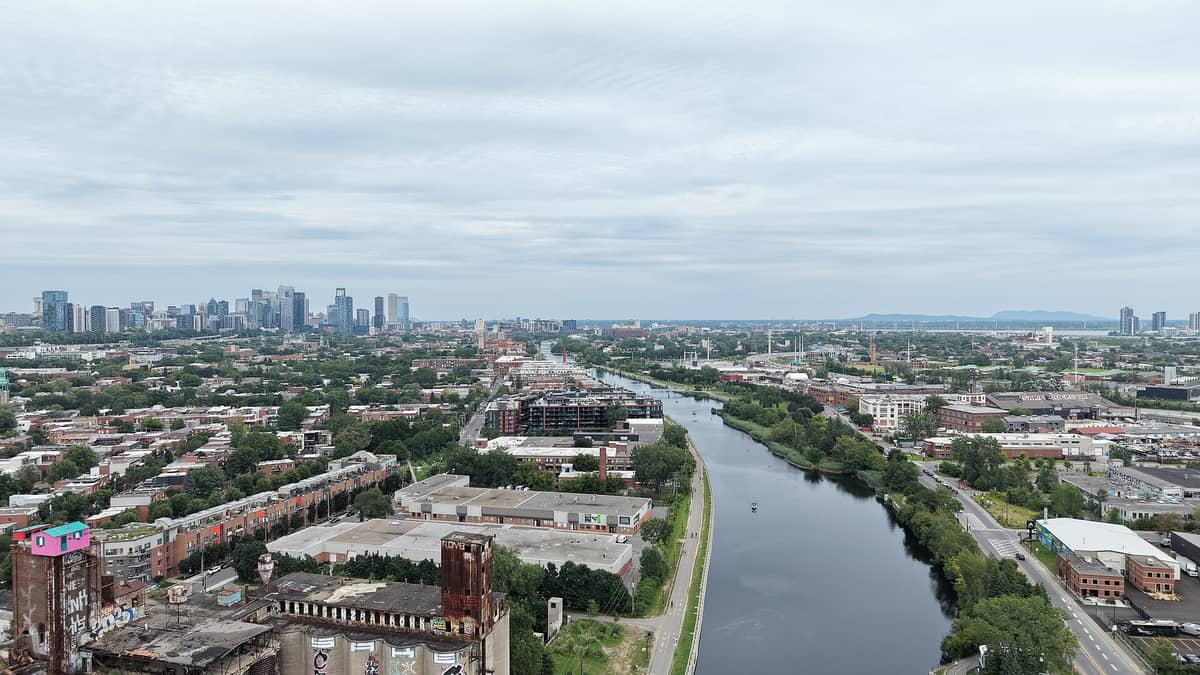
16. Walk the Lachine Canal Path from the Old Port to Atwater
The 14-kilometer National Historic Site canal path is flat, well-maintained, and lined with parks and old industrial architecture. The section from the Bonaventure Basin to Atwater Market takes about 45 minutes each way and rewards at both ends.
Explore16. Walk the Lachine Canal Path from the Old Port to Atwater
The 14-kilometer National Historic Site canal path is flat, well-maintained, and lined with parks and old industrial architecture. The section from the Bonaventure Basin to Atwater Market takes about 45 minutes each way and rewards at both ends.
Explore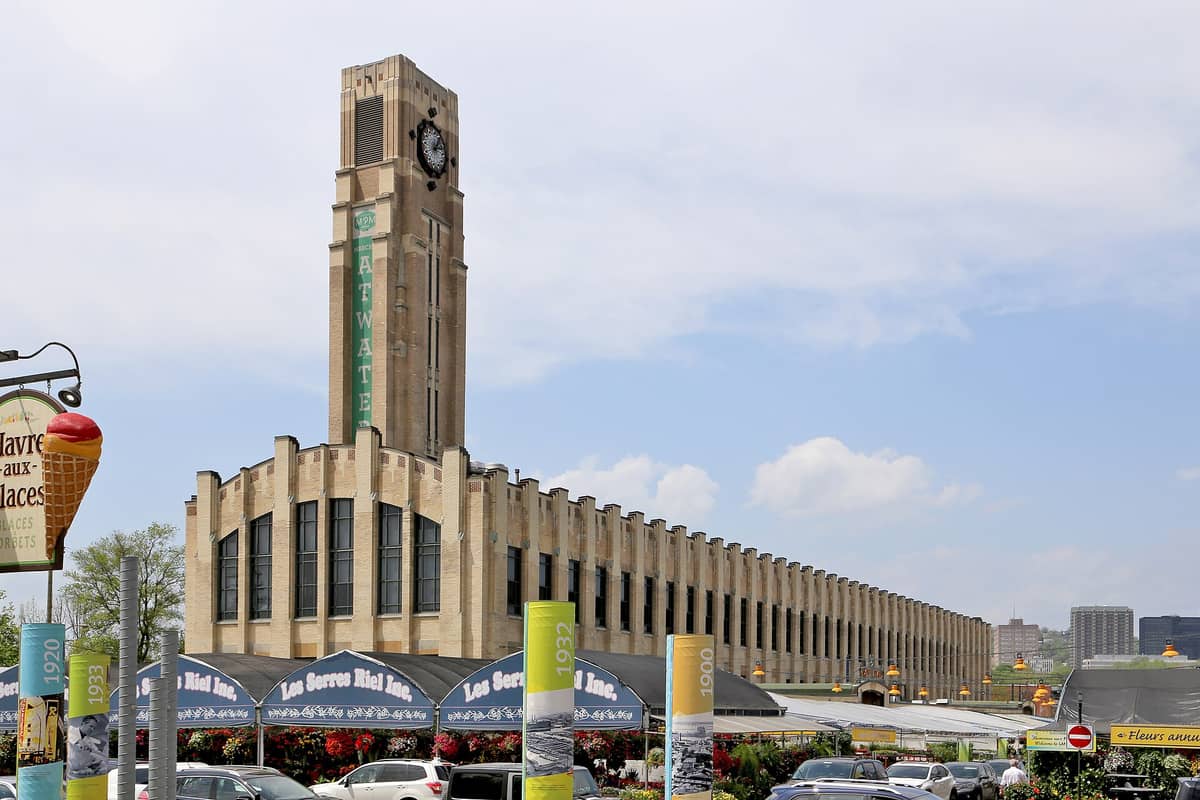
17. End a Canal Walk at Atwater Market's Art Deco Building
The stunning 1933 Art Deco market building at the canal's eastern entrance houses exceptional butchers, fromageries, and bakers. Arriving on foot via the canal path rather than by car entirely changes the experience of this beloved local institution.
Explore17. End a Canal Walk at Atwater Market's Art Deco Building
The stunning 1933 Art Deco market building at the canal's eastern entrance houses exceptional butchers, fromageries, and bakers. Arriving on foot via the canal path rather than by car entirely changes the experience of this beloved local institution.
Explore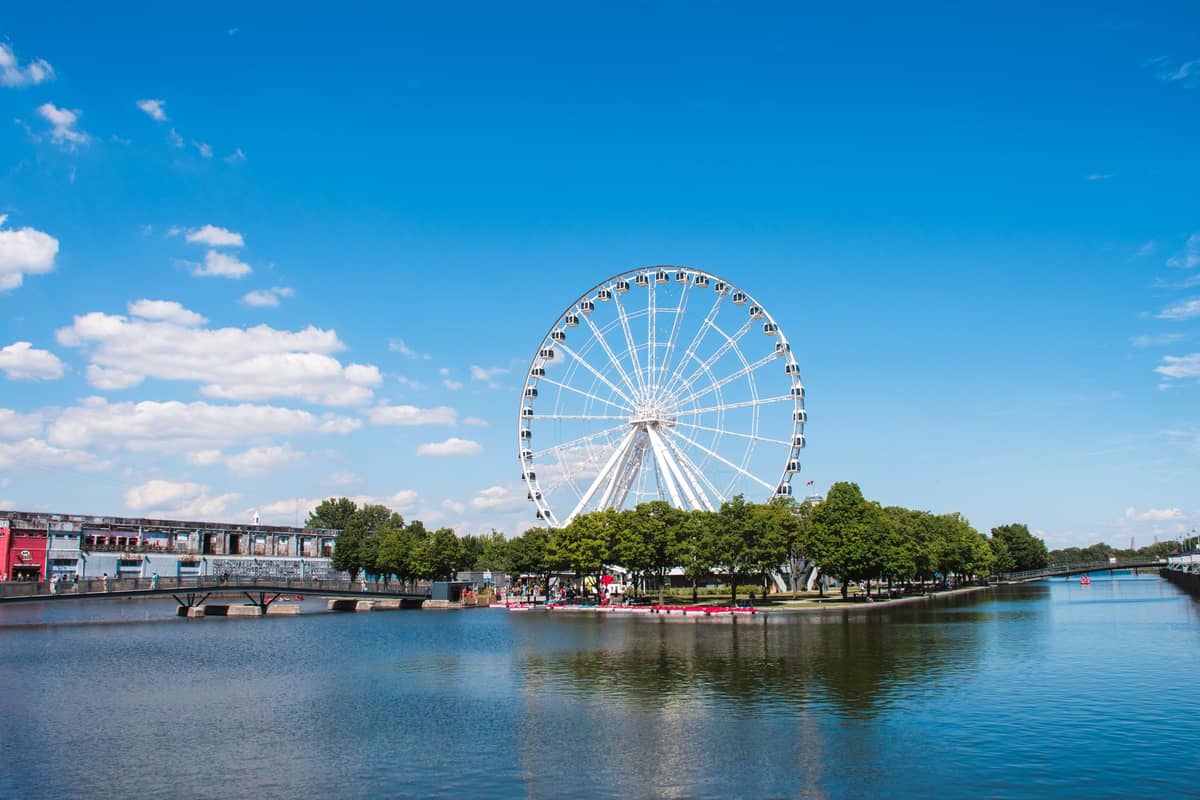
18. Use the Grande Roue as an Orientation Point in the Old Port
The 60-meter observation wheel is visible from much of the Old Port waterfront walk and serves as a useful landmark for orienting your route. Climate-controlled gondolas make it a practical option on grey or cold days when views are still clear.
Explore18. Use the Grande Roue as an Orientation Point in the Old Port
The 60-meter observation wheel is visible from much of the Old Port waterfront walk and serves as a useful landmark for orienting your route. Climate-controlled gondolas make it a practical option on grey or cold days when views are still clear.
ExploreDowntown & Cultural District Walks
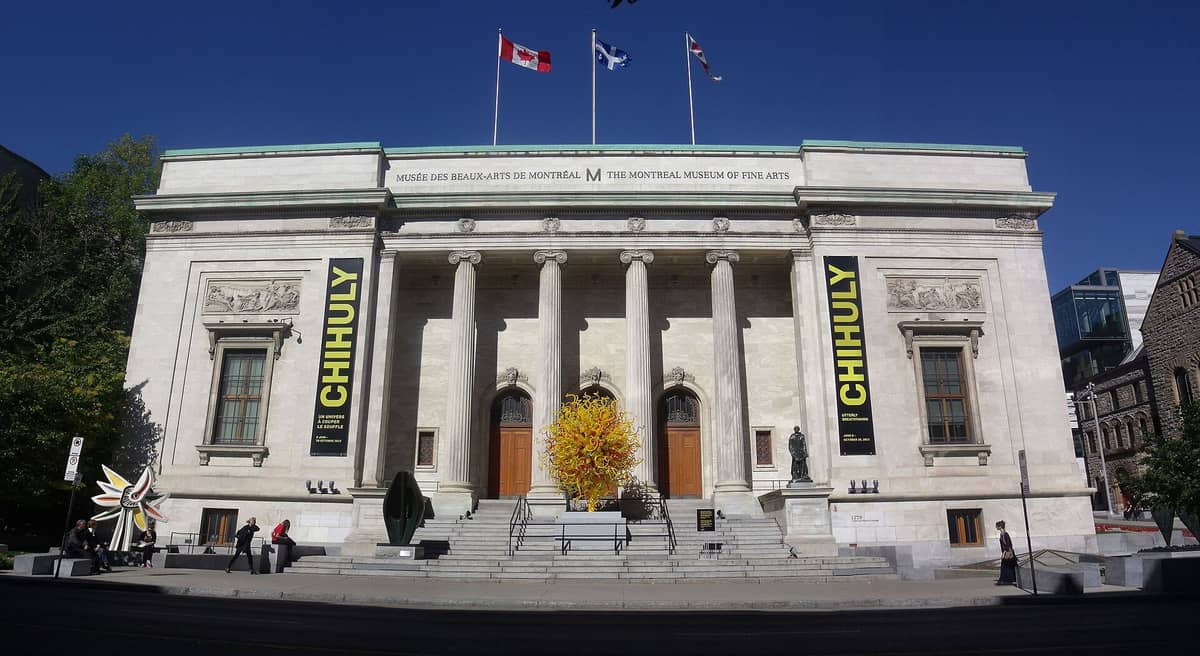
Downtown Montreal's walkable cultural corridor runs from the Quartier des Spectacles west along Sherbrooke Street past the Montreal Museum of Fine Arts. This route passes some of Canada's finest cultural institutions and several significant pieces of architecture within a single kilometer.
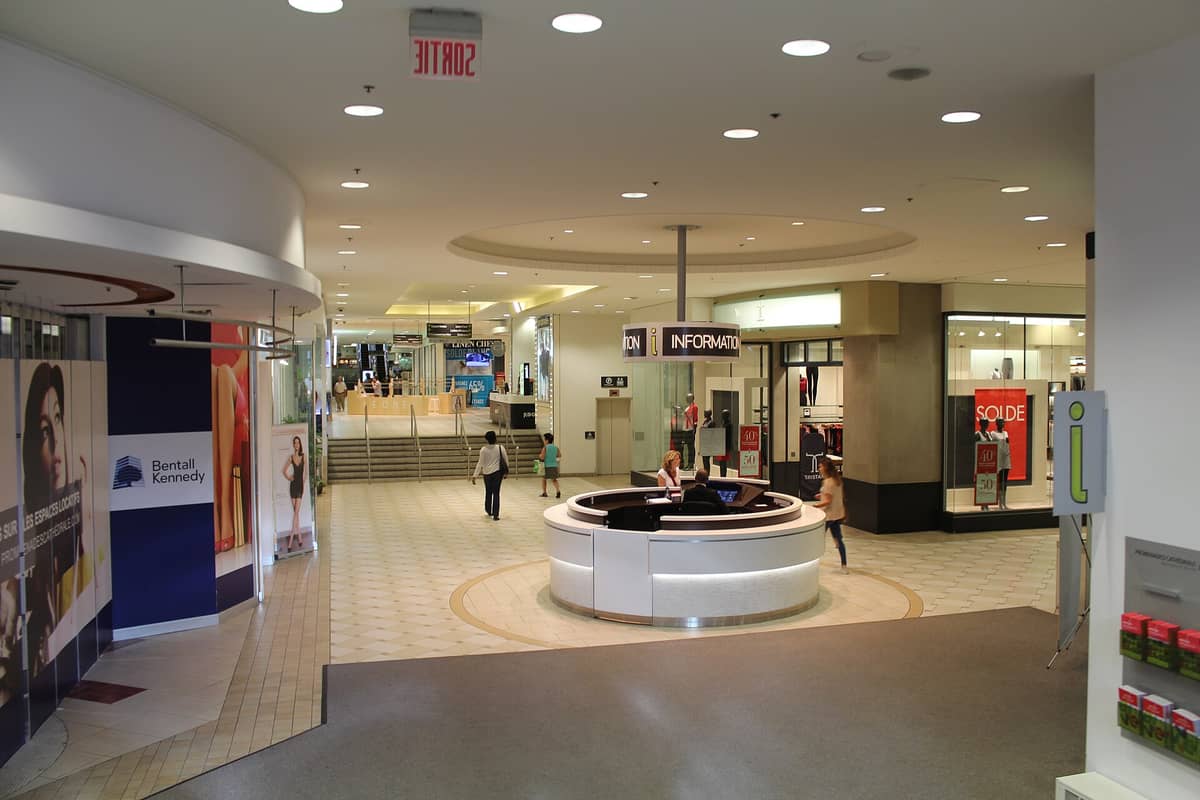
19. Navigate the Underground City (RÉSO) on a Winter Walk
The 33-kilometer underground pedestrian network connecting 80+ buildings is both practical and genuinely strange to explore. Pick up a RÉSO map at any tourist office and try navigating between two metro stations entirely underground. Allow two hours to get properly lost.
Explore19. Navigate the Underground City (RÉSO) on a Winter Walk
The 33-kilometer underground pedestrian network connecting 80+ buildings is both practical and genuinely strange to explore. Pick up a RÉSO map at any tourist office and try navigating between two metro stations entirely underground. Allow two hours to get properly lost.
Explore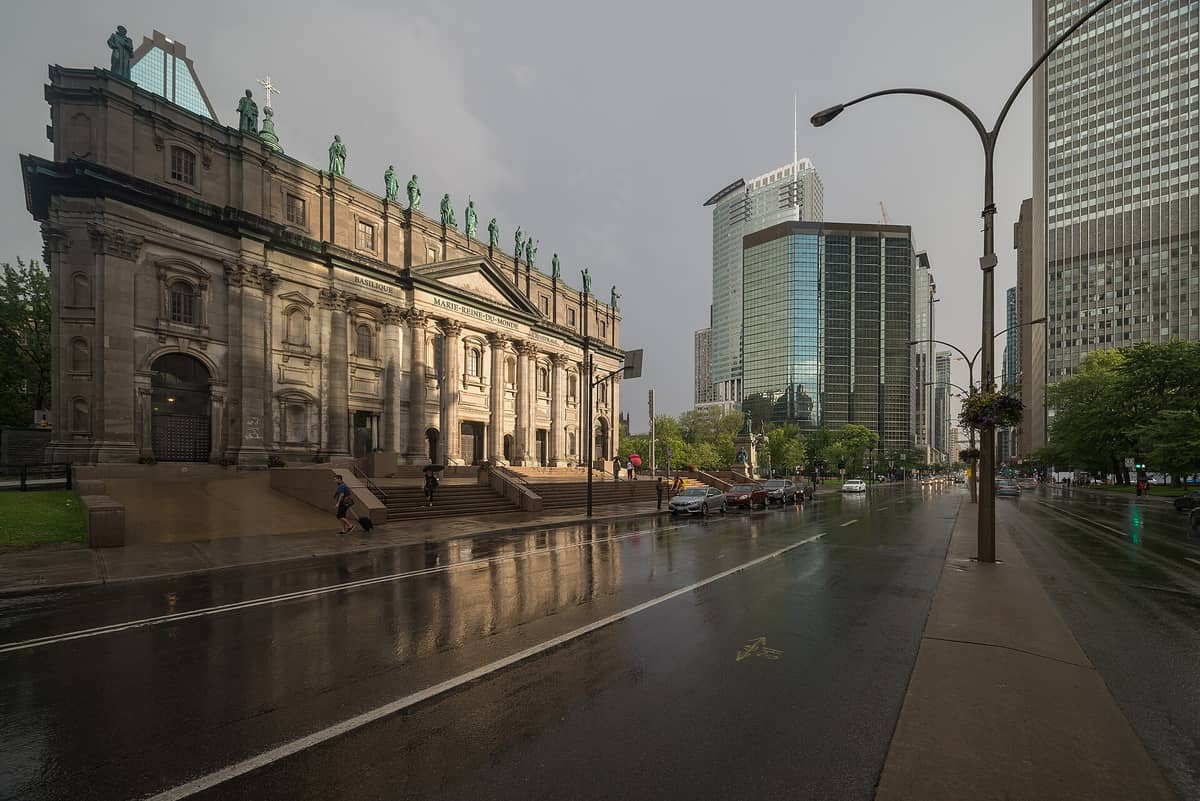
20. Stop at the One-Third Scale Replica of St. Peter's in Downtown
This 19th-century cathedral modelled on St. Peter's Basilica in Rome sits incongruously among downtown office towers. The interior is free to enter, calm, and ornate. A five-minute detour from the Sherbrooke Street cultural corridor.
Explore20. Stop at the One-Third Scale Replica of St. Peter's in Downtown
This 19th-century cathedral modelled on St. Peter's Basilica in Rome sits incongruously among downtown office towers. The interior is free to enter, calm, and ornate. A five-minute detour from the Sherbrooke Street cultural corridor.
Explore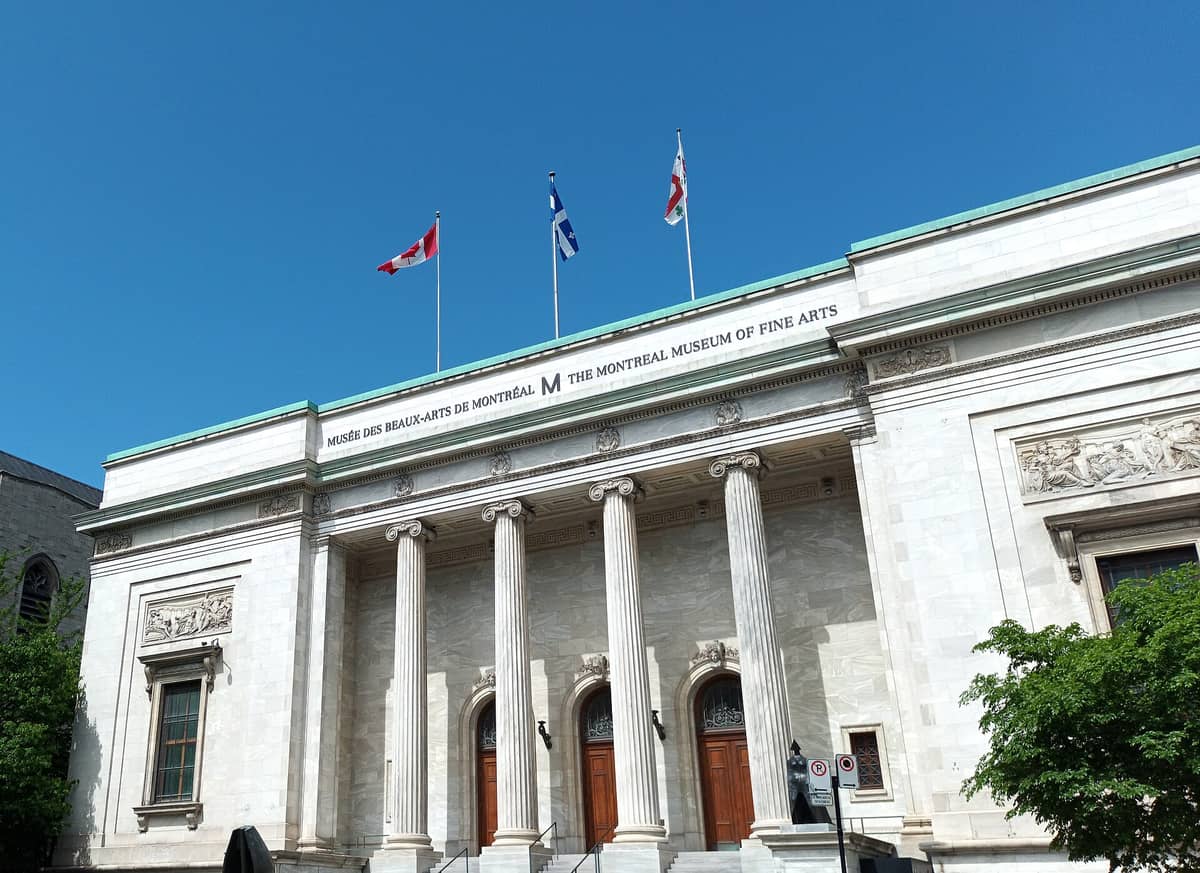
21. Walk the Sherbrooke Street Gallery Mile to the MMFA
The Montreal Museum of Fine Arts anchors the city's gallery district. Walk west along Sherbrooke from the Quartier des Spectacles and the density of museums, galleries, and civic buildings makes the street itself feel like a curated walking tour.
Explore21. Walk the Sherbrooke Street Gallery Mile to the MMFA
The Montreal Museum of Fine Arts anchors the city's gallery district. Walk west along Sherbrooke from the Quartier des Spectacles and the density of museums, galleries, and civic buildings makes the street itself feel like a curated walking tour.
Explore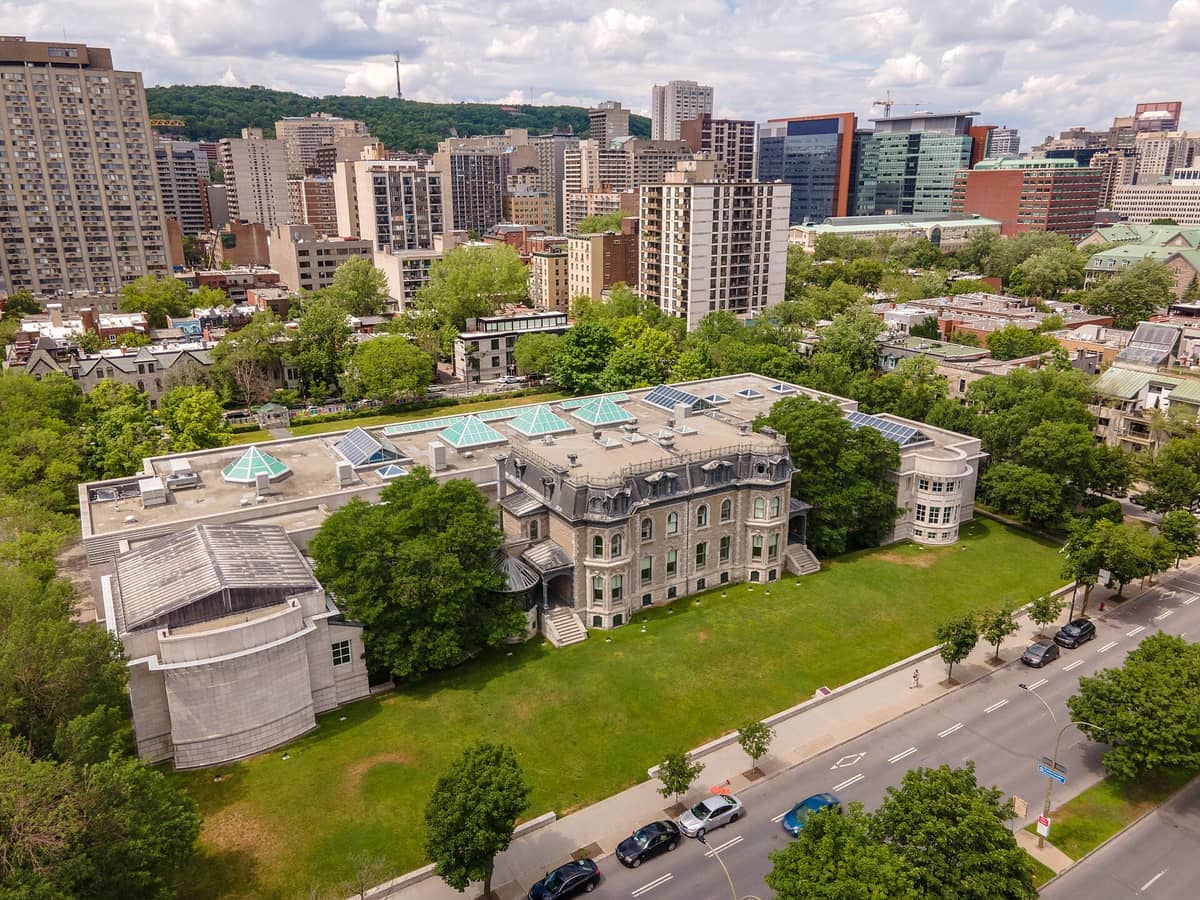
22. Visit the CCA for Architecture That Rewards a Detour
The world-renowned architecture museum and research centre occupies a striking building in Shaughnessy Village, with a sculpture garden overlooking the Ville-Marie expressway. It's a short walk from Atwater metro and pairs well with the canal walk.
Explore22. Visit the CCA for Architecture That Rewards a Detour
The world-renowned architecture museum and research centre occupies a striking building in Shaughnessy Village, with a sculpture garden overlooking the Ville-Marie expressway. It's a short walk from Atwater metro and pairs well with the canal walk.
Explore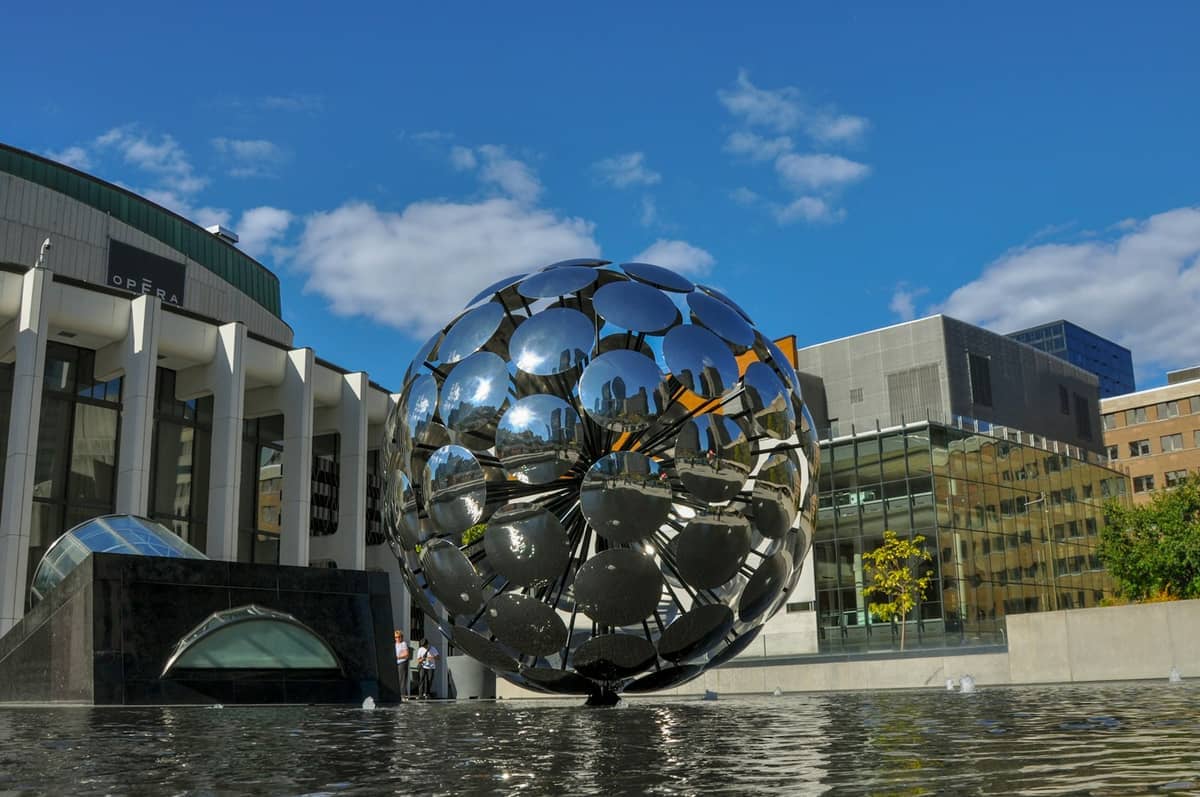
23. Cross the Quartier des Spectacles via Place des Arts
Montreal's premier performing arts campus is the centrepiece of the Quartier des Spectacles and a key waypoint on any downtown walking route. The outdoor esplanade hosts major festival stages in summer and is worth crossing even if you're not attending a performance.
Explore23. Cross the Quartier des Spectacles via Place des Arts
Montreal's premier performing arts campus is the centrepiece of the Quartier des Spectacles and a key waypoint on any downtown walking route. The outdoor esplanade hosts major festival stages in summer and is worth crossing even if you're not attending a performance.
ExploreNeighborhood & Market Walks
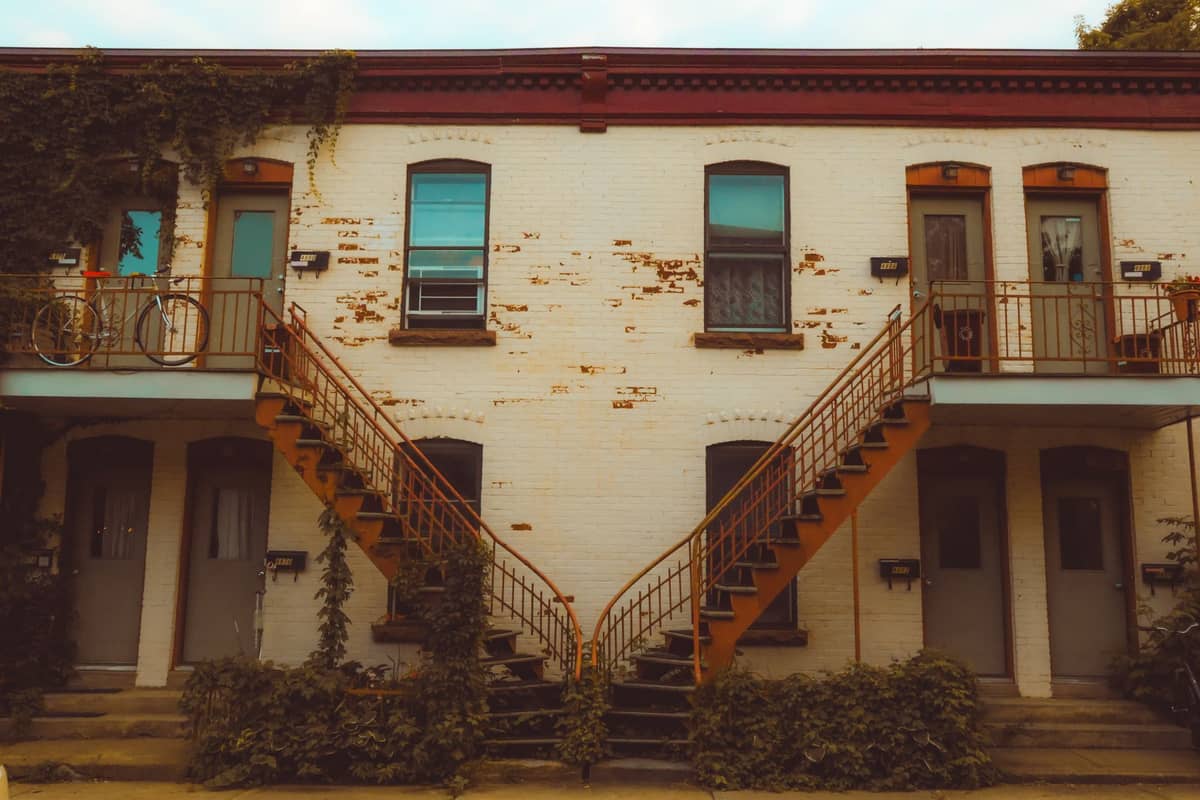
Some of Montreal's most satisfying walks are simply through its residential neighborhoods, where the architecture of exterior staircases, wrought iron, and brightly painted brick tells as much of the city's story as any museum. The street art guide adds another layer to walks through the Plateau and Mile End.
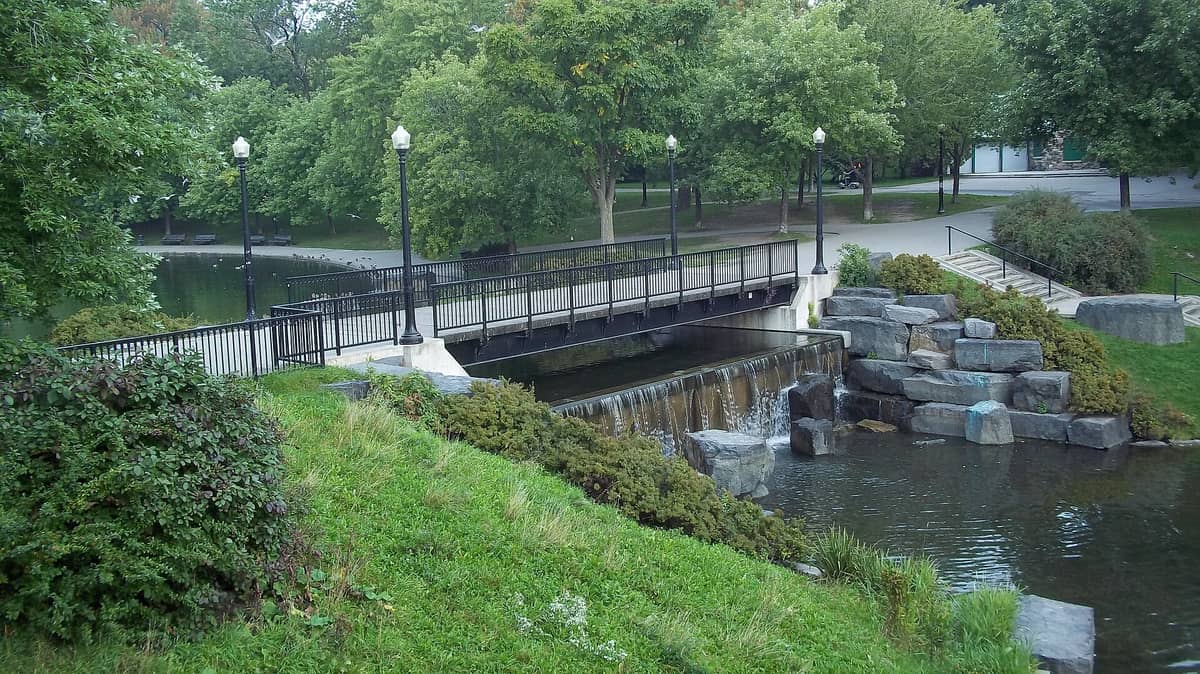
24. Loop Through La Fontaine Park Into the Heart of the Plateau
The Plateau's central park is the natural turning point of any neighborhood walk in this area. The twin ponds, outdoor theatre, and surrounding streets of Victorian duplexes give you a concentrated picture of how Montrealers actually use their city.
Explore24. Loop Through La Fontaine Park Into the Heart of the Plateau
The Plateau's central park is the natural turning point of any neighborhood walk in this area. The twin ponds, outdoor theatre, and surrounding streets of Victorian duplexes give you a concentrated picture of how Montrealers actually use their city.
Explore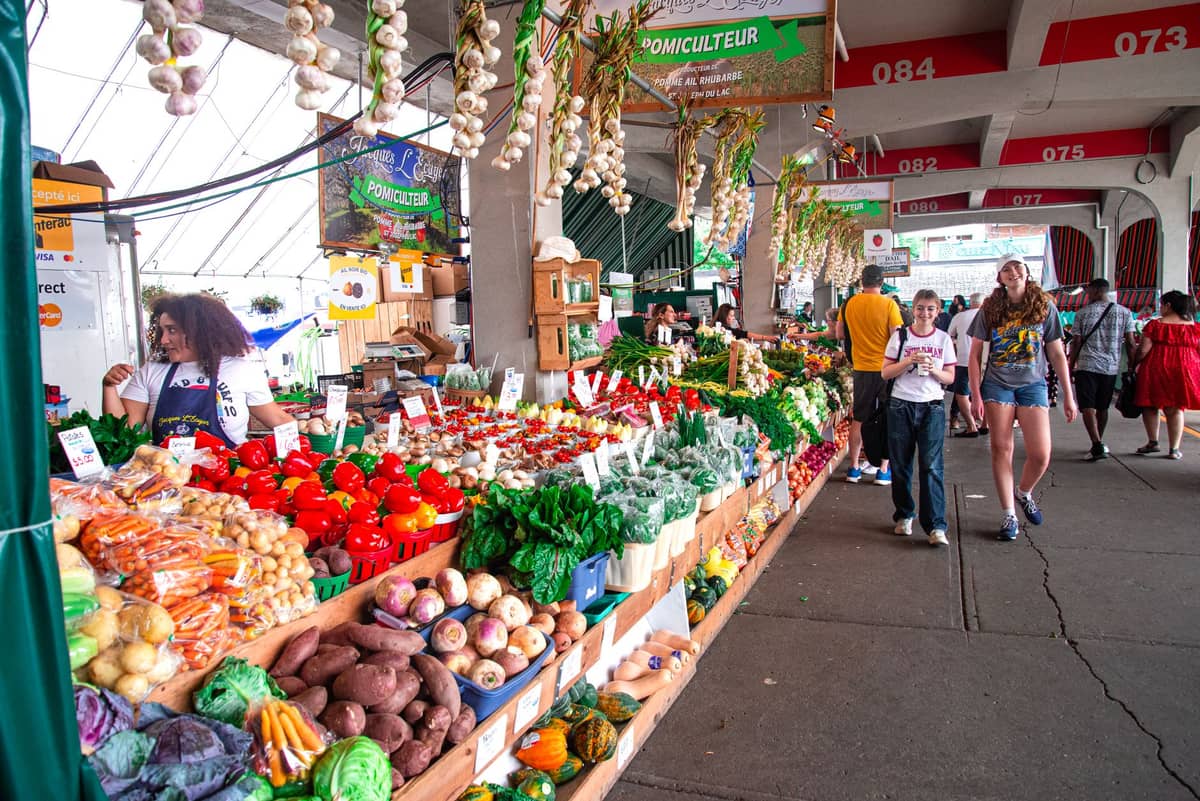
25. Explore Jean-Talon Market on a Little Italy Neighborhood Walk
One of Canada's largest open-air markets is the anchor for a Little Italy neighborhood walk. Come hungry: the surrounding streets have Italian cafés, Portuguese bakeries, and specialty grocers that extend the market experience onto the sidewalk.
Explore25. Explore Jean-Talon Market on a Little Italy Neighborhood Walk
One of Canada's largest open-air markets is the anchor for a Little Italy neighborhood walk. Come hungry: the surrounding streets have Italian cafés, Portuguese bakeries, and specialty grocers that extend the market experience onto the sidewalk.
Explore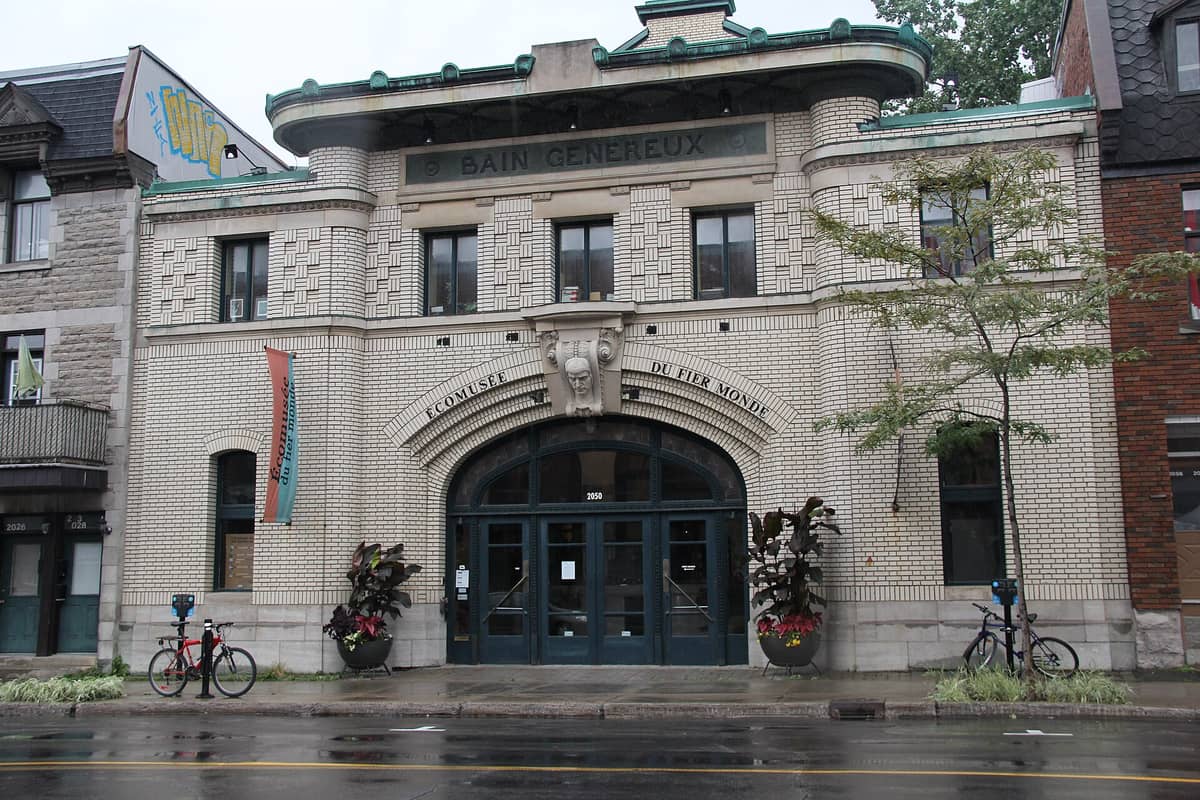
26. Visit the Art Deco Bain Morgan on a Centre-Sud Walk
This community museum housed in a stunning 1927 Art Deco public bath is one of the best-kept architectural secrets in central Montreal. It anchors a working-class neighbourhood walk that most tourists skip entirely, making it genuinely rewarding.
Explore26. Visit the Art Deco Bain Morgan on a Centre-Sud Walk
This community museum housed in a stunning 1927 Art Deco public bath is one of the best-kept architectural secrets in central Montreal. It anchors a working-class neighbourhood walk that most tourists skip entirely, making it genuinely rewarding.
Explore✨ Pro tip
The best self-guided neighborhood walk in Montreal links Mile End to the Plateau via Avenue du Mont-Royal: start at the Marché du Mile End, walk east on Mont-Royal Avenue past the depanneurs and terrasses, and end at La Fontaine Park. The whole route takes about 90 minutes at a relaxed pace.
FAQ
How much do walking tours in Montreal cost?
Paid guided walking tours in Montreal typically run C$25–C$45 per adult. Guidatour's Original Old Montréal Walking Tour is listed at C$33 for adults. Tourisme Montréal also offers free seasonal guided walks from October 2 to November 22, 2026, but these require advance booking and a refundable C$10 deposit. Many self-guided walks cost nothing beyond transit fares.
What is the best area to walk in Montreal?
Old Montreal is the most popular starting point, offering the densest concentration of historic architecture, heritage sites, and waterfront scenery in a compact area. For a more local experience, the Plateau-Mont-Royal and Mile End neighborhoods reward slower walking with residential architecture and independent shops. Mount Royal Park suits those who want a natural, forested walk.
Can you do self-guided walking tours in Montreal?
Yes, and Montreal is particularly well suited to self-guided walks. Tourisme Montréal publishes free suggested routes, and most of the city's major attractions in Old Montreal, Mount Royal, and the downtown cultural district are within easy walking distance of each other. A printed or downloaded map from the tourist office helps in the narrow streets of Old Montreal.
How long does it take to walk Old Montreal?
A focused walk of Old Montreal's main sites — from Place Jacques-Cartier to the Pointe-à-Callière Museum and the Old Port waterfront — takes about two hours at a moderate pace without entering any buildings. Adding the interiors of Notre-Dame Basilica and the Pointe-à-Callière Museum adds another two to three hours.
Are Montreal walking tours available in winter?
Yes, though conditions vary significantly. Snow and ice can affect cobblestone streets in Old Montreal, so waterproof footwear with grip is essential from November through March. Several operators offer specific winter walking tours. The Underground City (RÉSO) provides a warm alternative that is genuinely interesting to explore on foot during cold days.