Is Montreal Worth Visiting? What You Need to Know Before You Go
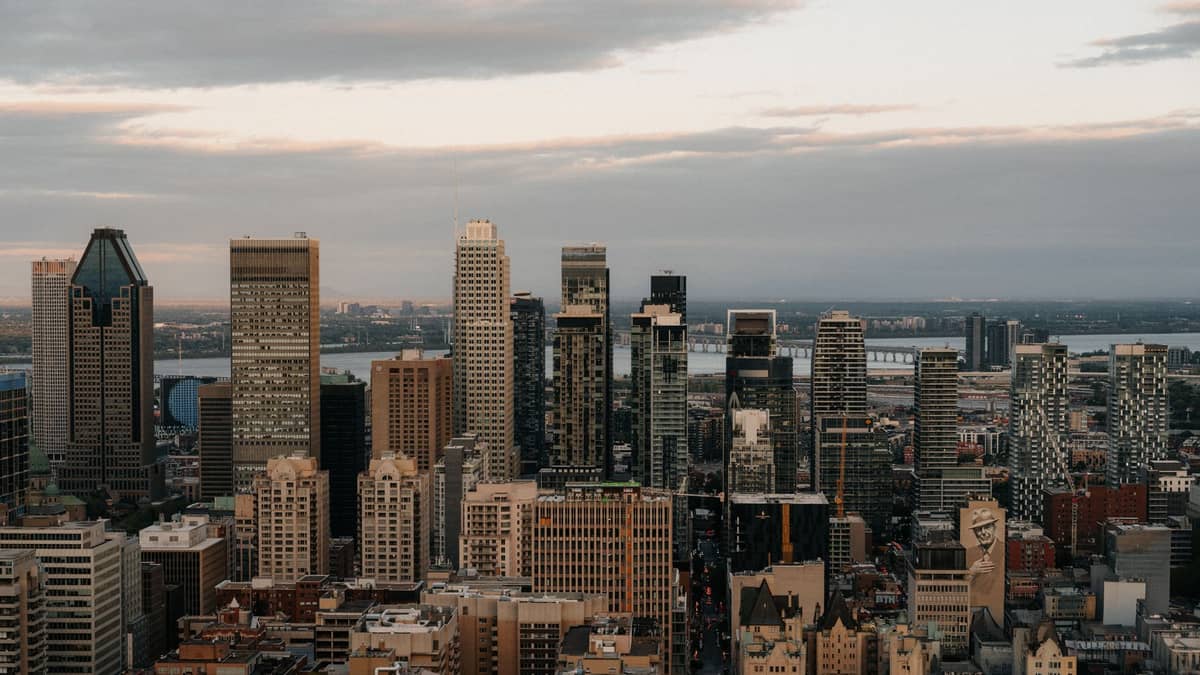
Montreal is one of North America's most distinctive cities: French-speaking, architecturally rich, food-obsessed, and genuinely alive in every season. This guide cuts through the hype and gives you the real picture — including what doesn't live up to expectations.
Plan and book this trip
Tools from our partner Travelpayouts help you compare flights and hotels. If you book through them, we may earn a commission at no extra cost to you.
Flights
Hotels map
TL;DR
- Montreal is worth visiting for most travellers — it combines European urban character with North American convenience at a price point that undercuts other major Canadian cities.
- French is the official language, but English is widely spoken; you don't need French to get around, though a few words go a long way. See our first-timer's guide to Montreal for orientation.
- Summer is peak season for festivals and terraces; winter is genuinely cold (-9°C to -4°C average) but has real programming — not just survival mode.
- The STM metro and bus network makes getting around easy and cheap — a 24-hour pass costs CAD 11.25. More detail in our guide to getting around Montreal.
- Montreal's main weaknesses: harsh winters, construction that seems permanent, and a few tourist-facing areas that have drifted toward formula. Know where to go instead.
The Honest Case for Montreal
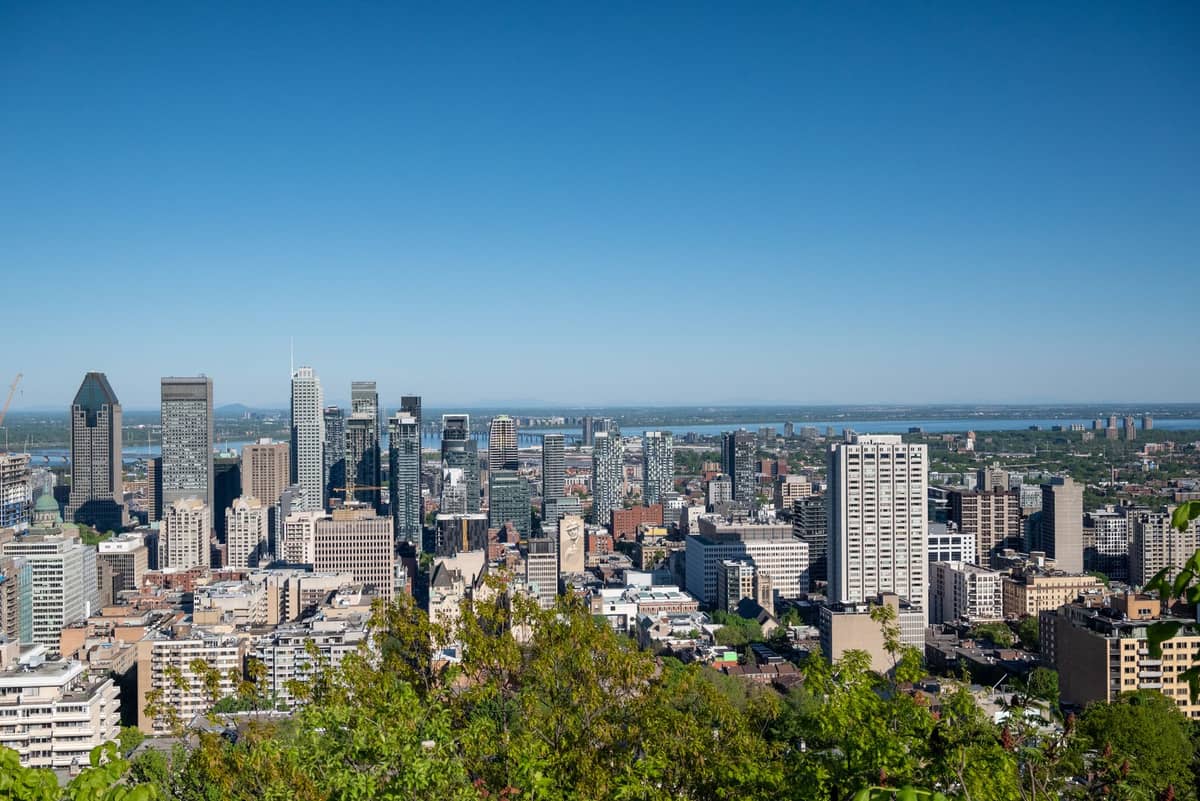
Is Montreal worth visiting? For the overwhelming majority of travellers, yes — and by a wider margin than they expect. The city sits on the Island of Montreal at the confluence of the Ottawa and Saint Lawrence rivers, about 20 km from Montréal-Trudeau International Airport (YUL). It has a population of just under 1.8 million in the city proper, with a metropolitan area substantially larger. What you get for your money and your time is a dense, walkable urban environment with genuine neighbourhood identity, a restaurant scene that consistently punches above its weight, and a cultural calendar that runs twelve months a year.
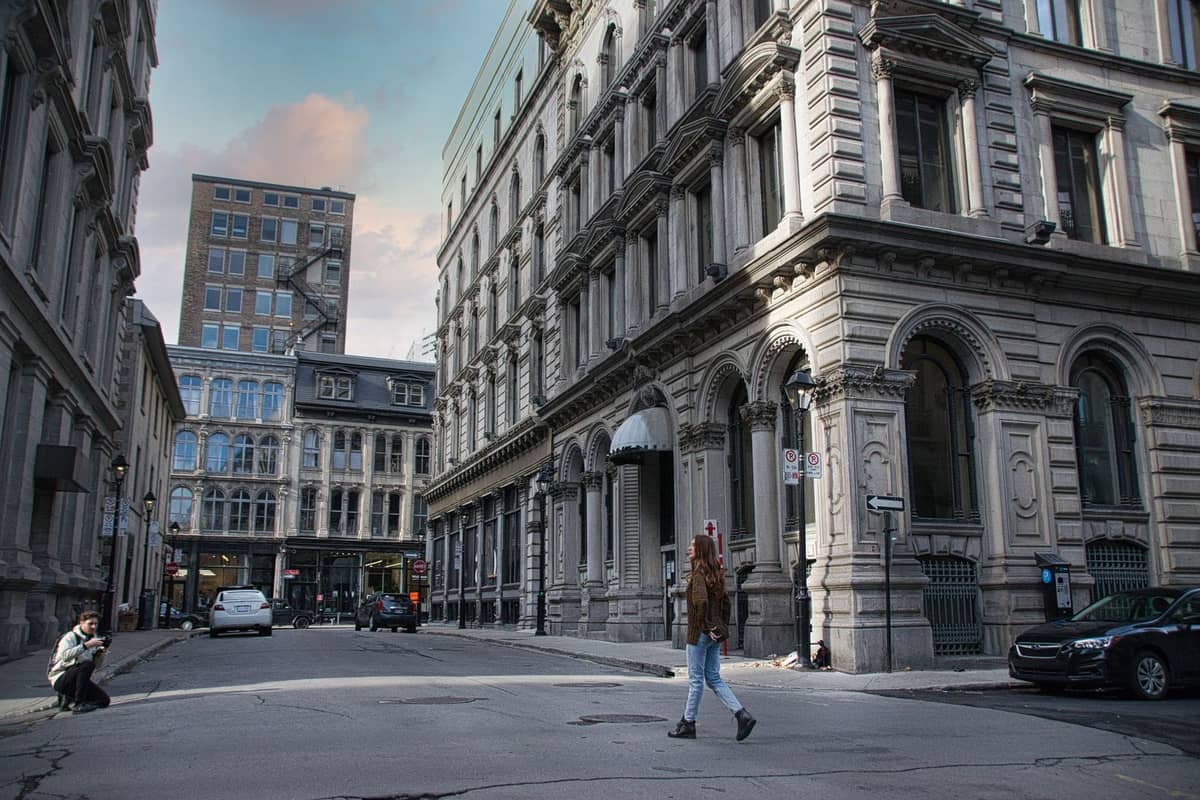
The most useful frame: Montreal is not trying to be Toronto or New York. It has its own logic, shaped by Quebec's French-language culture, a long history of immigration, and a post-industrial urban landscape that has been repurposed creatively rather than erased. Old Montreal has 17th and 18th-century stone buildings that would look at home in Lyon. The Plateau-Mont-Royal has the kind of street-level energy that city planners spend decades trying to manufacture elsewhere. That combination is rare in North America.
ℹ️ Good to know
Montreal's official language is French under Quebec's language legislation, but English is widely spoken and the city is multilingual. You won't struggle as an English-only visitor, but learning a few French phrases — 'bonjour', 'merci', 's'il vous plaît' — is genuinely appreciated and often changes the temperature of interactions.
What Montreal Does Better Than Most Cities
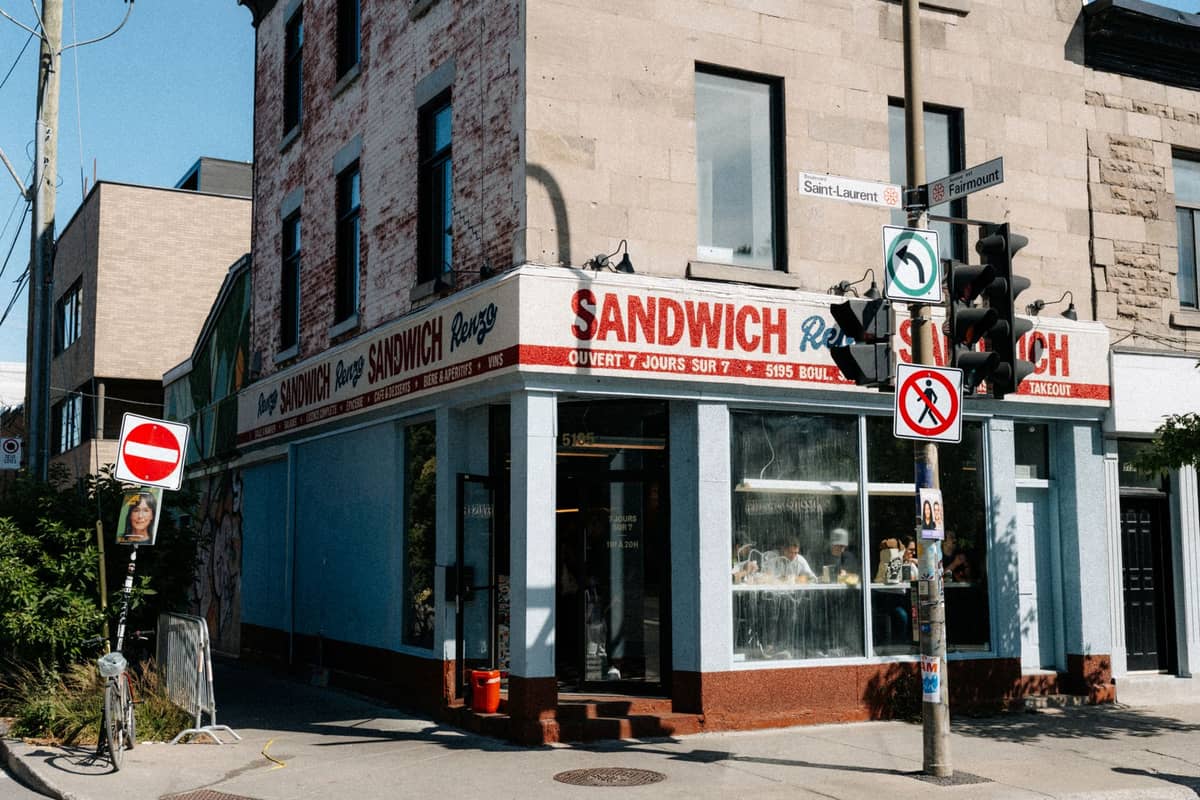
Food is the obvious entry point. Montreal has its own culinary canon: poutine (fries, cheese curds, gravy), smoked meat sandwiches from delis that have been slicing since the early 20th century, bagels wood-fired in Mile End that are denser and sweeter than their New York counterparts, and a contemporary restaurant scene that earns consistent international attention. This isn't civic boosterism — the density of genuinely good restaurants per square kilometre in neighbourhoods like the Plateau and Mile End is objectively high, and price points remain lower than equivalent quality in Vancouver or Toronto.
The public market culture is worth a specific mention. Jean-Talon Market in Little Italy is one of the largest open-air markets in North America, operating year-round with a covered section. Atwater Market near the Lachine Canal is smaller but equally serious about local produce, charcuterie, and cheese. Both reward early-morning visits before the weekend crowds arrive.
The festival calendar is genuinely impressive. The Montreal International Jazz Festival draws around two million attendees each summer and is one of the largest jazz festivals in the world. The Just for Laughs comedy festival, Osheaga music festival, and the Formula 1 Canadian Grand Prix all land in summer. But the year doesn't go quiet after Labour Day: autumn brings food and film programming, and winter has Montreal's winter festivals including MONTRÉAL EN LUMIÈRE, an outdoor celebration with light installations, outdoor dining, and programming that makes deliberate use of the cold rather than apologizing for it.
- Food culture A distinct local culinary identity — smoked meat, bagels, poutine, and a thriving contemporary restaurant scene — at prices below comparable Canadian cities.
- Neighbourhood variety Old Montreal, the Plateau, Mile End, Little Italy, Griffintown, and the Gay Village each have a distinct character within walking or metro distance of each other.
- Festival density More major international festivals per calendar year than almost any other North American city of comparable size.
- Public transit A four-line metro system plus an extensive bus network. A 24-hour pass (CAD 11.25 as of mid-2026) covers essentially everything a visitor needs.
- Architecture From 17th-century stone warehouses in Old Montreal to Moshe Safdie's Habitat 67, the built environment is genuinely interesting across multiple centuries.
What to Be Realistic About
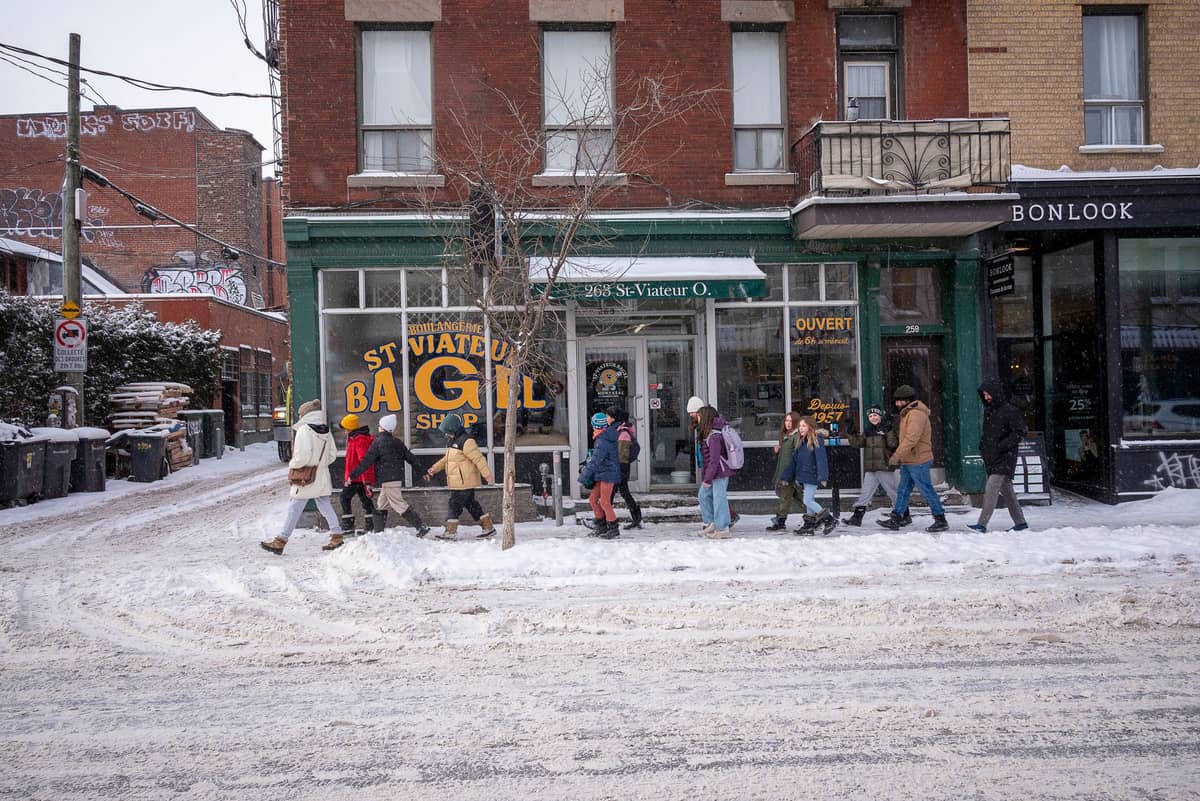
Winter is real. Average daily temperatures run from around -9°C to -4°C from December through February, with overnight lows that go further. Wind chill makes it feel colder. If you visit in January or February expecting to walk the Plateau in a light jacket, you'll be miserable. That said, Montrealers have built an entire infrastructure around winter: the Underground City (RESO) connects over 30 km of indoor pedestrian tunnels linking metro stations, shopping centres, hotels, and office buildings in the downtown core. It's functional rather than scenic, but it works.
Construction is a standing local joke that happens to be accurate. The city's infrastructure is old and the renovation cycle feels continuous. In any given year, major streets will be torn up, metro stations under partial renovation, and certain routes redirected. Check STM service notices before you travel and build flexibility into walking routes, especially in and around downtown.
Old Montreal specifically deserves a clear-eyed note. Place Jacques-Cartier is genuinely beautiful architecture but has drifted toward tourist-facing restaurants with mediocre food at premium prices. The street performers and souvenir shops around it are fine for a short walk, but eating there is rarely a good use of money. Go to Old Montreal for Notre-Dame Basilica, Pointe-à-Callière Museum, and the architecture — then head to the Plateau or Mile End to eat.
⚠️ What to skip
The restaurants immediately surrounding Place Jacques-Cartier in Old Montreal are generally overpriced for the quality on offer. They target foot traffic, not repeat customers. Walk four blocks in any direction and the value improves significantly.
The Seasonal Question: When Should You Go?
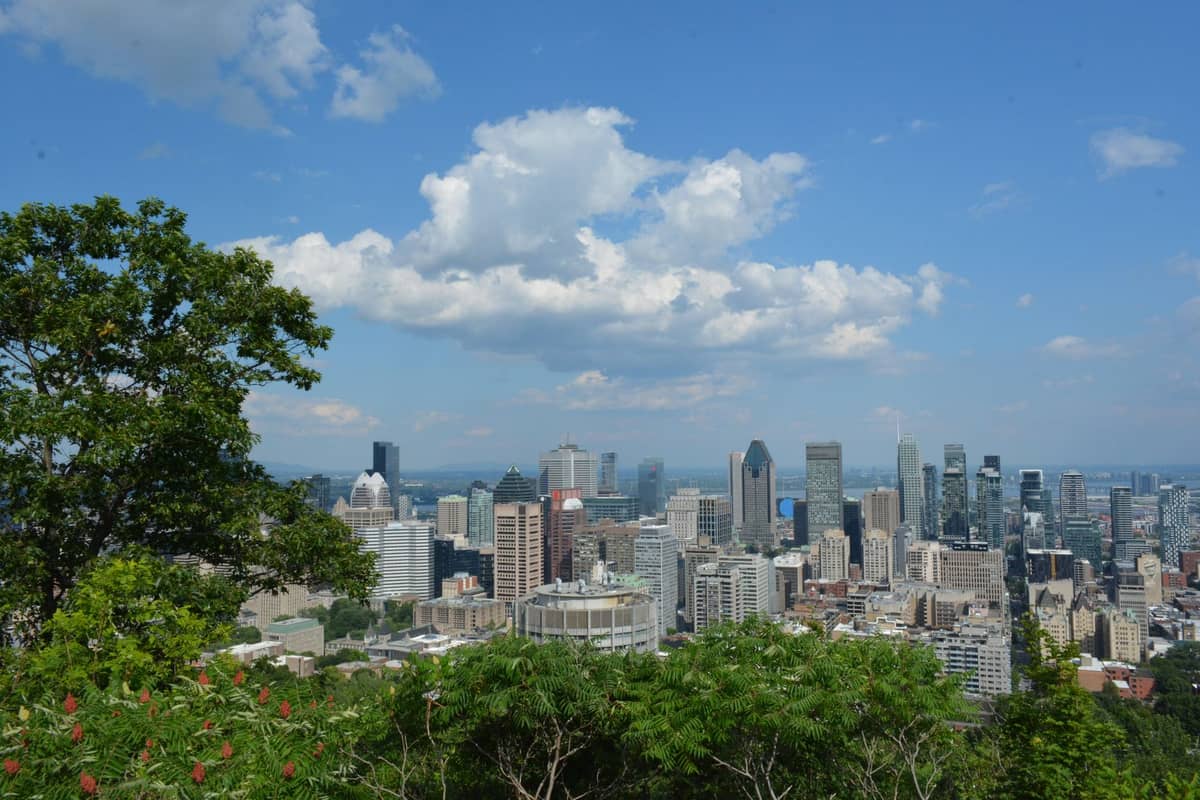
The honest answer is that the best time to visit Montreal depends entirely on what you want from the trip. Summer (June to August) is the most popular window, and for good reason: terraces open across the city, the festival calendar is packed, Mount Royal Park fills up with picnickers and the legendary Tam-Tams drum circle every Sunday, and the city operates at full volume. Average July temperatures hover around 18°C to 22°C. The tradeoff: hotel prices rise, certain neighbourhoods get crowded, and the Jazz Festival week specifically can make accommodation difficult to find without advance booking.
September and early October are arguably the most comfortable months for visiting. Temperatures are moderate (roughly 10°C to 17°C), the summer crowds have thinned, autumn foliage is arriving on Mount Royal and in Parc La Fontaine, and the city's theatre and gallery season is ramping up. For a first visit focused on exploring neighbourhoods and eating well, this window is hard to beat. For more detail on timing, see our guide to the best time to visit Montreal.
Winter visitors need to come with the right expectation: this is not a city that shuts down, but outdoor exploration requires real cold-weather gear and a tolerance for short days. The upside is lower hotel rates, no queues at major attractions, and a local atmosphere that is markedly less tourist-facing. If you're visiting specifically for winter activities — skating on the outdoor rinks, the MONTRÉAL EN LUMIÈRE festival, or day trips to the Laurentians — the season makes complete sense.
✨ Pro tip
Book accommodation for Jazz Festival week (late June to early July) and Grand Prix weekend (early June) at least two to three months in advance. Rates spike and central options sell out. For every other period, Montreal has good availability and negotiable rates, especially in shoulder season.
Practical Logistics: Getting There and Getting Around
Montréal-Trudeau International Airport (YUL) is approximately 20 km from downtown. The STM's 747 Express bus runs 24 hours a day, seven days a week between the airport and downtown (Berri-UQAM metro station), with the fare including 24-hour access to the full STM network. At CAD 11.25, it's one of the better airport bus deals in Canada. Taxis from the airport to downtown operate on a regulated fixed fare — confirm the current rate at the airport on arrival as figures are periodically updated. Uber also operates at YUL. Full details are in the Montreal airport guide.
Within the city, the STM metro is the backbone of visitor transit. Four lines (Orange, Green, Blue, Yellow) cover the central neighbourhoods, Old Montreal, the Olympic Park area, and connections across the island. Buses fill the gaps. As of mid-2026, fares are CAD 3.85 for a single Zone A trip, CAD 11.25 for a 24-hour pass, CAD 21.75 for three consecutive days, and CAD 33.25 for a Monday-to-Sunday weekly pass. For a multi-day visit centred on central neighbourhoods, the 3-day pass offers the best value. Note: bus single-trip fares require exact change in cash; metro stations have fare machines and station agents.
- Electricity: Type A and B plugs, 120V/60Hz — standard North American. No adapter needed for US travellers; European and UK visitors need one.
- Currency: Canadian dollars (CAD). Credit cards are accepted almost everywhere; contactless payment is standard.
- Tipping: 15-20% before Quebec sales tax is the norm in sit-down restaurants. The tax lines on restaurant receipts (5% GST + 9.975% QST) make tip calculation straightforward.
- Tap water: Treated municipal water is drinkable throughout the city.
- Emergency number: 911 for police, fire, and ambulance.
- Entry: US citizens generally don't need a visa. Citizens of visa-exempt countries flying to Canada typically need an eTA. Check the Government of Canada's official entry requirements page for your nationality before booking.
Is Montreal Right for Your Trip?
Montreal works well for a wide range of trip types. First-time visitors to Canada often find it more immediately interesting than they expect — there's a density of things to see and do within walkable range that doesn't require a car or a complex itinerary. A three-day visit can cover Old Montreal, Mount Royal, and two or three distinct neighbourhoods without feeling rushed. For a suggested route, see the 3-day Montreal itinerary.
Couples will find the city works particularly well: the restaurant culture, the neighbourhood scale, and options ranging from Notre-Dame Basilica to canal-side cycling make for varied itineraries. Families have strong options too, particularly around the Olympic Park cluster (Biodôme, Botanical Garden, Insectarium, Planetarium) and Jean-Drapeau Park. Budget travellers will find Montreal more forgiving than Vancouver or Toronto, with free events, low-cost transit, and a range of affordable eating options if you move away from the main tourist corridors.
Where Montreal is less compelling: if you're primarily interested in nature-based tourism and outdoor adventure, the city itself is a staging point rather than the destination. The Laurentians, Eastern Townships, and various provincial parks are accessible by day trip or short drive, but they require leaving the island. If beaches are a priority, Montreal has limited options — the river beaches exist but are not the city's strength. And if you're visiting primarily in February without a specific festival or winter activity in mind, the cold can feel limiting rather than atmospheric.
FAQ
Is Montreal safe for tourists?
Montreal is generally considered one of the safer large cities in North America. The central neighbourhoods most tourists visit — Old Montreal, downtown, the Plateau, Mile End — are low-risk for standard urban concerns. As in any major city, normal precautions apply: be aware of your surroundings, don't leave valuables visible in cars, and use the same judgment you would in any urban environment. Emergency services are reached at 911.
Do I need to speak French to visit Montreal?
No. English is widely spoken in tourist-facing businesses, hotels, restaurants, and public transit across the central city. That said, French is the official language of Quebec and Montreal, and making an effort with basic phrases ('bonjour', 'merci', 'parlez-vous anglais?') is both practical and respectful. In some residential neighbourhoods and with older residents, French may be the primary or only comfortable language.
How many days do you need in Montreal?
Three days is enough to cover the main draws without rushing: Old Montreal and the Old Port, Mount Royal, at least two or three residential neighbourhoods, a public market, and a representative sample of the food scene. Five days allows you to go deeper into specific interests — museums, cycling the Lachine Canal, day trips, or extended time in the Plateau and Mile End. A weekend (two nights) works for a focused first visit but leaves a lot on the table.
Is Montreal expensive to visit?
Relative to other major North American cities, Montreal is moderately priced. Transit is cheap (CAD 11.25 for a 24-hour pass), many cultural attractions and parks are free or low-cost, and the restaurant scene has genuine quality at mid-range prices. Hotel costs vary substantially by season — summer festival weekends push rates up significantly. Overall, a well-planned visit to Montreal costs noticeably less than an equivalent trip to Toronto, Vancouver, or most major US cities.
What is Montreal most known for?
Montreal is most closely associated with its French-language culture in a North American context, its food (smoked meat, bagels, poutine), its summer festival calendar (Jazz Festival, Just for Laughs, Grand Prix), its historic architecture in Old Montreal, and Mount Royal Park. It's also known for its nightlife, its university population (four major universities sit within the city), and a design and arts scene that has developed partly from that student density.