LGBTQ+ Montreal: The Complete Gay Village & Queer Travel Guide
Montreal has one of North America's most celebrated LGBTQ+ scenes, anchored by the Gay Village on Sainte-Catherine Street East and spread across some of the city's most interesting neighborhoods. This guide covers everything from Pride 2026 dates and Village bar culture to year-round queer travel tips, practical logistics, and what to know before you arrive.
Plan and book this trip
Tools from our partner Travelpayouts help you compare flights and hotels. If you book through them, we may earn a commission at no extra cost to you.
Flights
Hotels map
TL;DR
- The Gay Village is centered on Sainte-Catherine Street East, pedestrianized in summer with terraces open until 3 a.m. on weekends. See the full Gay Village neighborhood guide for orientation.
- Fierté Montréal 2026 (Pride) runs July 31 to August 9, with the parade on Sunday, August 9 along René-Lévesque Boulevard.
- Same-sex marriage has full legal equality in Quebec. LGBTQ+ visitors face no legal barriers and generally report high levels of safety and acceptance.
- Montreal's queer scene extends well beyond the Village into Mile End, the Plateau, and Downtown. Check the neighborhoods guide to understand where to base yourself.
- Summer is peak season; winter visits are quieter but the Village never fully shuts down. Plan accordingly.
Why Montreal Is One of the Best LGBTQ+ Cities in the World
Montreal's reputation as a queer-friendly destination is not just marketing. Quebec became one of the first provinces in Canada to include sexual orientation in its human rights charter back in 1977, well ahead of most of the world. Same-sex couples in Quebec have identical marital rights to heterosexual couples. There is no legal or institutional barrier to LGBTQ+ travel here, and the cultural atmosphere in the city's central neighborhoods is genuinely accepting.
The city also benefits from its French character. Montreal's Latin-influenced social culture, with late nights, outdoor terraces, and an emphasis on pleasure and community, aligns well with the kind of open, sociable queer culture that has developed in the Village and beyond. The result is a destination that feels genuinely cosmopolitan rather than performatively inclusive.
Beyond the Village, the queer community in Montreal is distributed across several neighborhoods. The Plateau-Mont-Royal and Mile End both have significant LGBTQ+ populations and LGBTQ+-owned businesses, even without a formal 'gay neighborhood' designation. If you want to understand how the city is organized before you book accommodation, the guide to where to stay in Montreal breaks down the tradeoffs by area.
The Gay Village: What It Is and How It Works
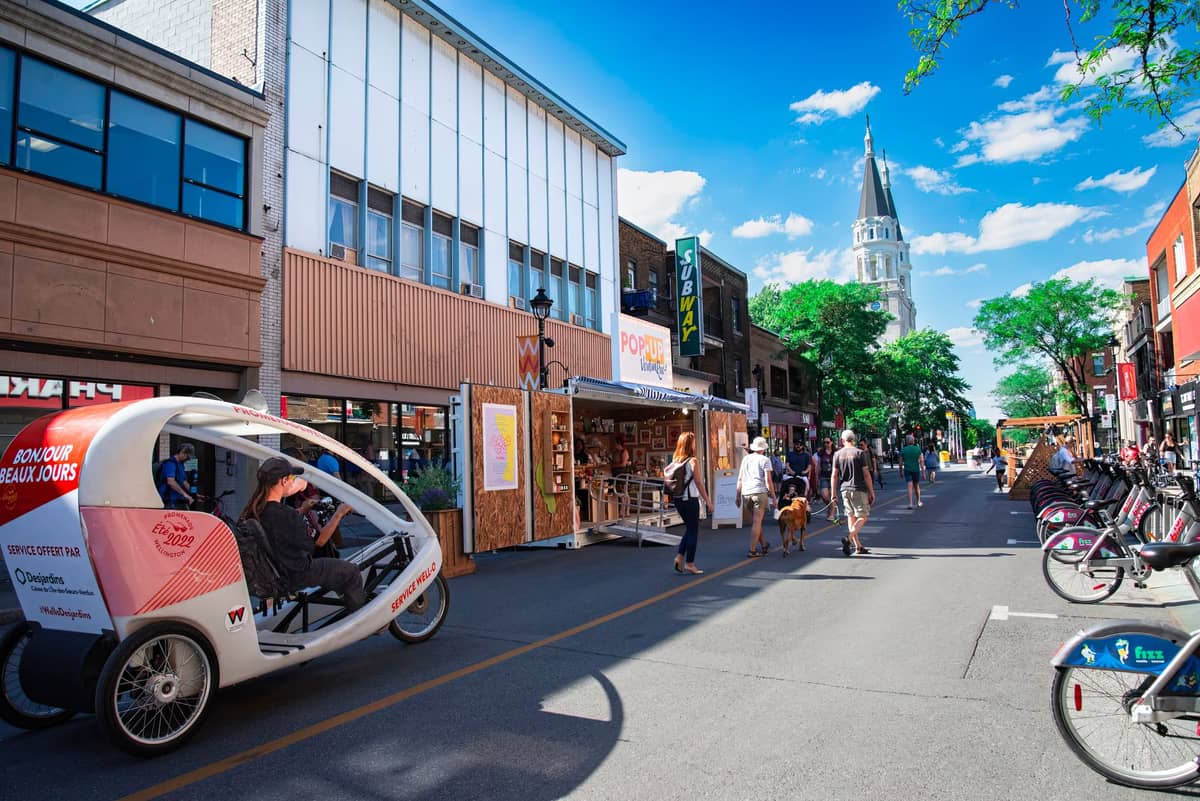
The Village, as locals call it, runs along Sainte-Catherine Street East, roughly between Saint-Hubert and Papineau streets, in the eastern part of central Montreal. It is served directly by the Beaudry and Papineau metro stations on the Green Line, making it straightforward to reach from most parts of the city.
During summer, the city pedestrianizes a stretch of Sainte-Catherine in the Village, filling it with terraces, public art installations, and evening crowds. Terrace hours generally run until 11 p.m. Sunday through Wednesday, and until 3 a.m. Thursday through Saturday, though special events and public holidays can extend those times. This is a seasonal arrangement: the pedestrian street and outdoor terraces are a summer feature, typically from late May through early September. Do not assume they operate the same way on a December visit.
The Village is also a residential neighborhood, not just a nightlife strip. People live there, shop there, and go about daily life there. The mix of long-term residents, LGBTQ+ community organizations, bars, restaurants, and cultural venues gives it more texture than a purely commercial gay district. That said, the concentration of bars and clubs is real, and the Village is genuinely one of the largest LGBTQ+ commercial strips in North America.
💡 Local tip
If you're visiting in summer and want to experience the pedestrianized Village at its liveliest, aim for Thursday through Saturday evenings between late June and late August. The energy is different midweek and the terraces thin out noticeably after Labour Day.
- Bars and clubs The Village has a dense concentration of gay bars, lesbian bars, and mixed queer spaces. Options range from quiet neighbourhood pubs to large dance clubs with DJs and drag performances. The strip is walkable, so bar-hopping is straightforward.
- Community organizations The Village is home to several LGBTQ+ community organizations, health services, and cultural groups, including the Centre communautaire des gais et lesbiennes de Montréal. It functions as more than a nightlife destination.
- Restaurants and cafés Dining options in the Village range from casual brunch spots to full-service restaurants. Many are queer-owned or explicitly queer-welcoming, though the dining scene is less renowned city-wide than the bar culture.
- Public art The summer pedestrian season features rotating public art installations along Sainte-Catherine. These change year to year and are worth factoring into a summer visit.
Fierté Montréal: Pride 2026 and What to Expect
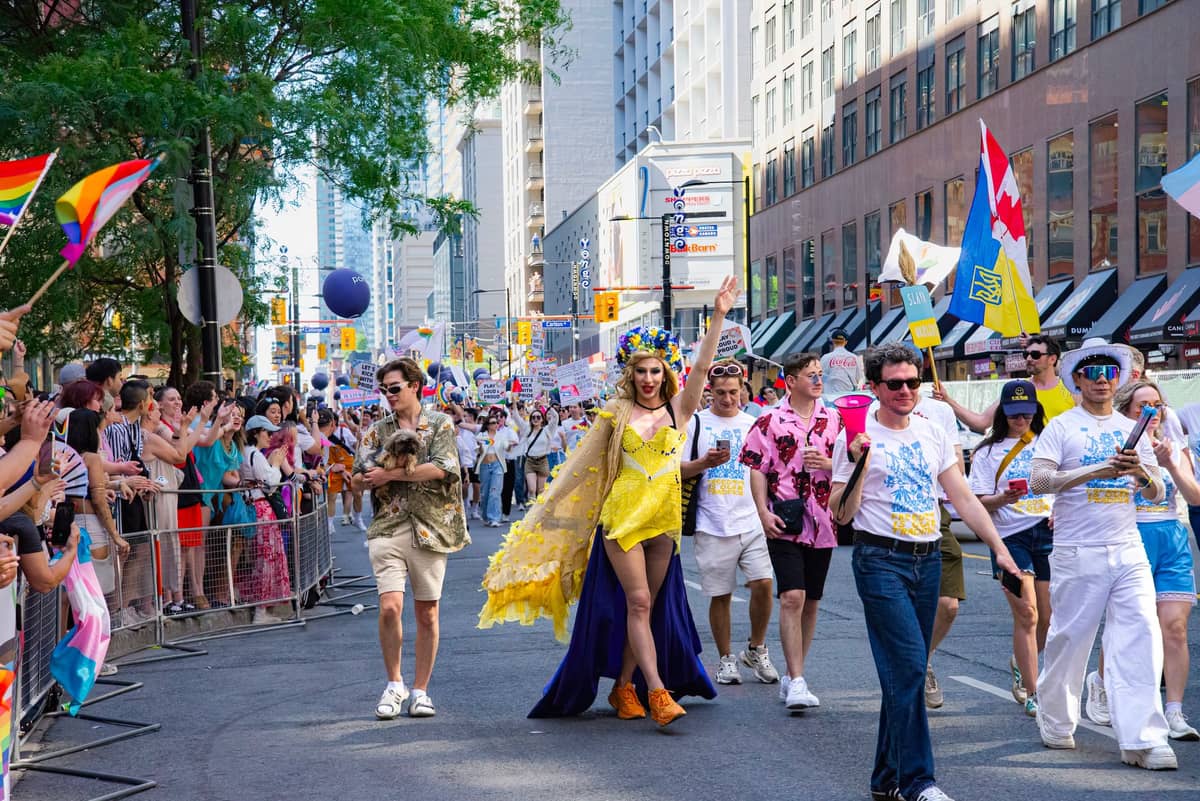
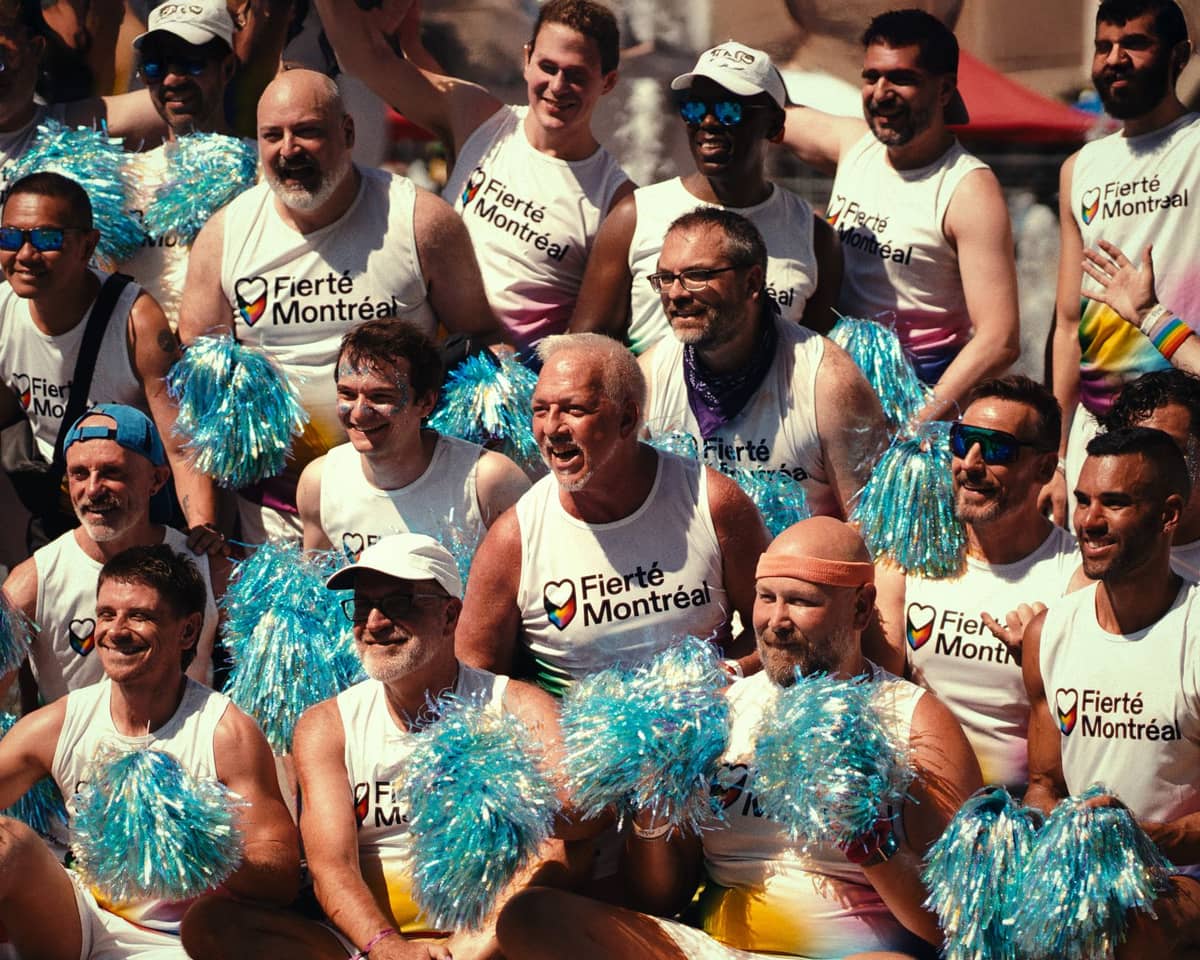
Fierté Montréal is one of the largest Pride festivals in the world by attendance and programming scope. The 2026 edition marks the festival's 20th anniversary and is scheduled to run from July 31 to August 9, 2026. The Pride parade is on Sunday, August 9, following a route of approximately 1.9 km along René-Lévesque Boulevard.
The festival extends well beyond the parade. Programming typically includes outdoor concerts at the Place des Arts esplanade and Quartier des Spectacles, club nights, film screenings, community events, and a large outdoor stage in the Village. Montreal's broader summer festival season overlaps with Pride, which can make the city feel especially alive during this period. For context on how Pride fits into Montreal's wider event calendar, see the Montreal festivals guide.
⚠️ What to skip
Book accommodation early if you're visiting for Pride. Montreal's hotel inventory fills up quickly in late July and early August, and prices spike significantly during the festival week. Six months in advance is not too early for 2026.
For visitors attending their first large Pride festival, a few practical notes: the parade along René-Lévesque Boulevard draws very large crowds, so arrive early to claim a good viewing spot. Public transit is your best option during parade day as street closures affect large parts of central Montreal. The Green Line metro, which serves the Village directly, runs on extended hours during major Pride events.
Beyond the Village: Montreal's Wider Queer Geography
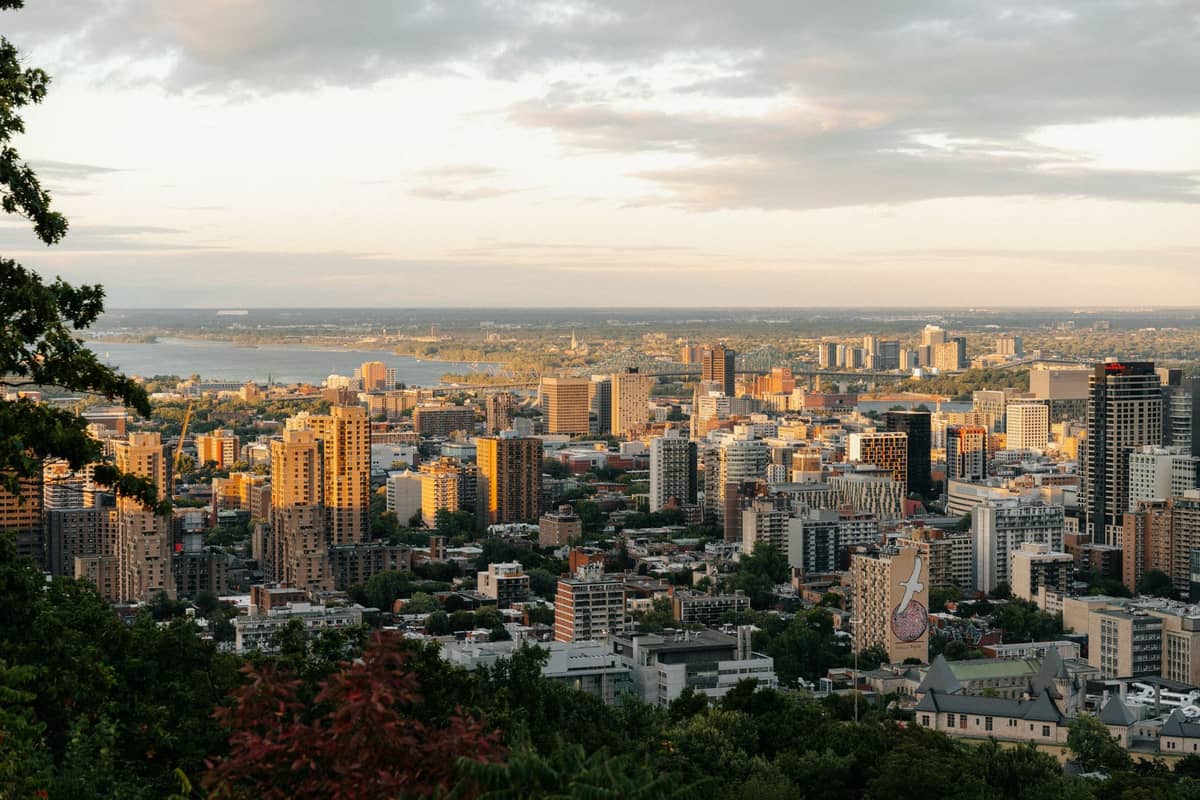
One of the more common misconceptions about LGBTQ+ Montreal is that the Village is the whole story. In practice, the queer population in Montreal is widely distributed, and many LGBTQ+ Montrealers spend more time in the Plateau, Mile End, or Downtown than in the Village itself. The Plateau-Mont-Royal in particular has a large queer-friendly social scene built around independent cafés, bookshops, bars, and parks.
Parc La Fontaine, in the Plateau, functions as an informal queer gathering space on warm evenings and weekends, particularly in summer. The park draws a diverse crowd and has a relaxed, inclusive atmosphere. Similarly, Mount Royal Park and the area around Beaver Lake attract LGBTQ+ Montrealers on weekends, especially during the Tam-Tams drum circle on Sunday afternoons.
Mile End, just north of the Plateau, has a cluster of queer-owned and queer-friendly bars and cafés, particularly along Saint-Laurent Boulevard and Bernard Street. The neighborhood's independent culture and relatively low-key atmosphere make it appealing for LGBTQ+ travelers who prefer something quieter than the Village's summer intensity. The Mile End neighborhood is worth at least a half-day regardless of your orientation.
✨ Pro tip
If you want a sense of everyday queer Montreal rather than the festival version, visit the Plateau or Mile End on a Sunday afternoon in June or September. The crowds are manageable, the terraces are open, and you'll see why so many LGBTQ+ people choose to live in these neighborhoods.
Practical LGBTQ+ Travel Logistics
Getting to and around Montreal is straightforward. Montréal-Trudeau International Airport (YUL) is about 20 km from the Village. The STM's 747 airport bus runs 24 hours a day, seven days a week, connecting the airport to downtown and the Berri-UQAM metro station. The current fare is C$11.25, which includes 24-hour access to the STM bus and metro network within Zone A. Verify fares before travel as they can change.
Once in the city, the metro is the fastest way to reach the Village. Take the Green Line to Beaudry station, which deposits you directly in the heart of Sainte-Catherine Street East. A standard single-trip metro fare is around C$3.75; a monthly pass runs around C$110 if you're staying longer. For full details on getting around, see the guide to getting around Montreal.
- Metro: Green Line to Beaudry (central Village) or Papineau (eastern Village). Yellow Line to Berri-UQAM connects to the Green Line.
- Bus: The 15 bus runs along Sainte-Catherine Street and is useful for moving between the Village and Downtown.
- Cycling: Montreal has an extensive bike-share network (BIXI) with docking stations throughout the Village, Plateau, and Mile End. BIXI operates seasonally from approximately April to November.
- Walking: The Village is compact enough to walk end-to-end in about 15 minutes. The Plateau and Mile End are a 20-30 minute walk or a short metro ride north.
- Ride-hailing: Uber operates in Montreal. Useful late at night when metro service has ended, though the metro runs until around 1 a.m. on weekdays and slightly later on weekends.
French is the official language of Montreal and Quebec, and you will encounter French signage, menus, and service throughout the city, including in the Village. That said, English is widely understood in the Village and in most tourist-facing contexts. Speaking even basic French ("Bonjour," "Merci," "S'il vous plaît") is genuinely appreciated and goes a long way socially. If you want to understand more about the city before arriving, the Montreal first-timer guide covers cultural basics in detail.
ℹ️ Good to know
Tipping in Montreal follows Canadian norms: 15-20% before tax is standard at sit-down restaurants. Quebec's GST (5%) and QST (9.975%) are added at checkout on most goods and services, so prices on menus and labels are pre-tax. Budget accordingly.
Seasonal Considerations: When to Visit
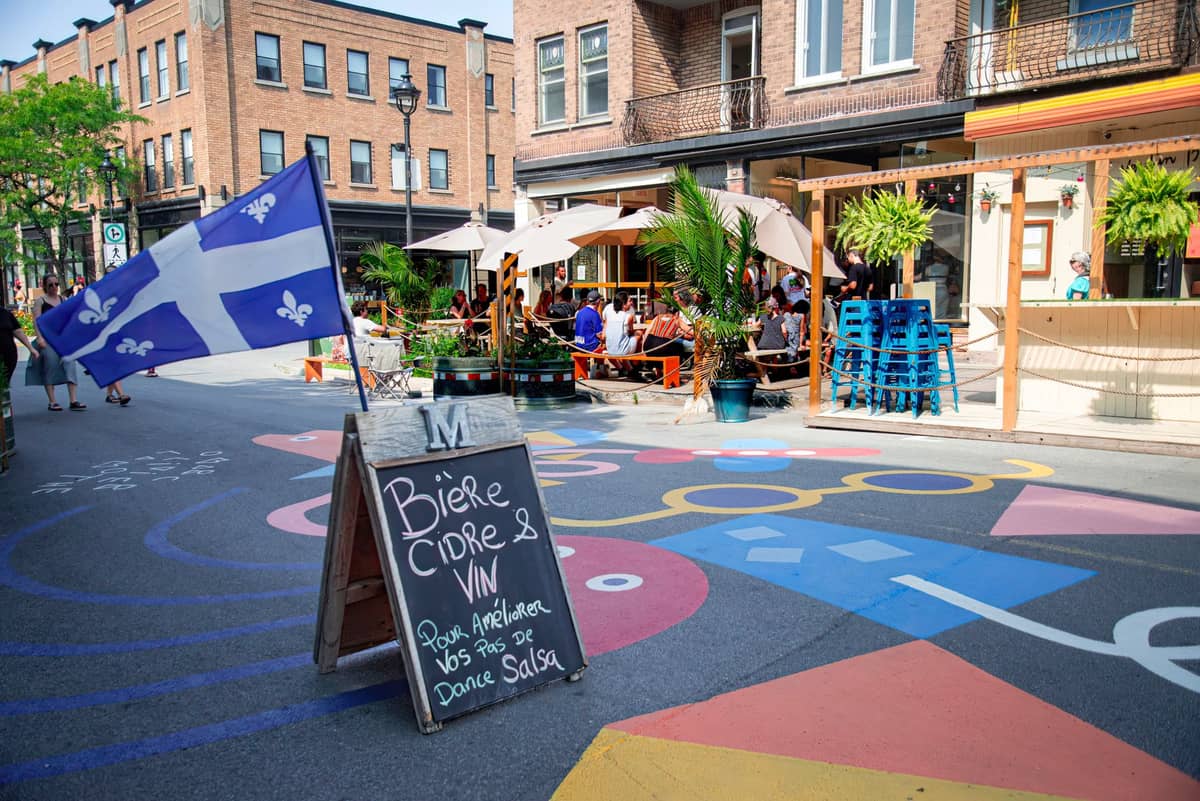
The Village is liveliest from late May through early September, when the pedestrian street is active, terraces are open, and Pride takes place. This is also when Montreal is at its most festive generally. If your primary goal is the summer Village experience, see the guide to Montreal in summer for a broader picture of what the city offers during these months.
Winter visits are a different proposition. The outdoor terraces close, the pedestrian street reverts to regular traffic, and some bars and venues operate on reduced hours. The Village does not disappear in winter, but its character shifts considerably toward indoor spaces. On the positive side, Montreal in winter has a distinct energy that many visitors find compelling, and the city's underground network (the RÉSO, or Underground City) makes getting around in cold weather more comfortable than you might expect.
Spring and autumn offer a middle ground: moderate temperatures, smaller crowds than summer, and the full range of Village businesses operating normally. September in particular is underrated for LGBTQ+ travel to Montreal. The summer rush is over, accommodation prices drop, and the city has a mellower, more local feel. For help deciding when to book, the best time to visit Montreal guide covers seasonal tradeoffs in detail.
FAQ
Is Montreal safe for LGBTQ+ travelers?
Montreal is widely considered one of the safest cities in North America for LGBTQ+ travelers. Quebec's human rights charter has included sexual orientation since 1977, same-sex marriage has full legal equality, and the cultural atmosphere in the Village and surrounding neighborhoods is genuinely accepting. As with any large city, general urban awareness is sensible, but LGBTQ+ travelers report very high levels of safety and comfort here.
When is Montreal Pride 2026?
Fierté Montréal 2026 runs from July 31 to August 9, 2026. The Pride parade is scheduled for Sunday, August 9, along René-Lévesque Boulevard, covering approximately 1.9 km. Programming includes concerts, club events, community gatherings, and outdoor stages in the Village and Quartier des Spectacles.
What metro station do I need for the Gay Village?
Beaudry station on the Green Line is the main stop for the Village, dropping you directly onto Sainte-Catherine Street East. Papineau station (also Green Line) is at the eastern end of the Village. Both are about a 30-minute metro ride from the airport bus terminus at Berri-UQAM.
Is the Gay Village active in winter?
Yes, but differently. The outdoor pedestrian street and terraces are seasonal features, typically running from late May to early September. In winter, the Village operates as a regular city neighborhood with its bars, restaurants, and community organizations open, but without the outdoor summer scene. Some venues have reduced winter hours, so check ahead.
Do I need to speak French to enjoy the Gay Village?
No, but it helps socially. English is widely understood in the Village and in most tourist-facing businesses throughout Montreal. However, French is the official language and you will encounter it constantly. Learning a few basic French phrases is respectful and appreciated. Most staff in Village bars and restaurants can serve you comfortably in English.