Montreal Nightlife: Best Bars, Clubs & Live Music Guide
Montreal's nightlife runs deep, from jazz bars in the Plateau to underground clubs in the Quartier des Spectacles and rooftop terraces in Old Montreal. This guide covers the best venues by neighborhood, practical transit tips, seasonal advice, and what to skip.
Plan and book this trip
Tools from our partner Travelpayouts help you compare flights and hotels. If you book through them, we may earn a commission at no extra cost to you.
Flights
Hotels map
TL;DR
- Montreal nightlife concentrates in the Quartier des Spectacles, Plateau-Mont-Royal, Mile End, and Old Montreal, each with a distinct character.
- The STM métro stops around 12:30–1:00 a.m. on weekdays; night buses fill the gap until 5:30 a.m. An evening unlimited pass costs C$6.75 (valid 6:00 p.m. to 5:00 a.m.) — see our guide to getting around Montreal for full transit details.
- Live music venues like Quai des Brumes run shows almost every night; always verify schedules and cover charges directly with the venue.
- Outdoor terraces and rooftop bars are seasonal: expect them to operate roughly May through September, weather-dependent.
- Montreal nightlife skews late: clubs typically fill after midnight, and some venues don't hit peak energy until 2:00 a.m. or later.
Why Montreal's Nightlife Stands Apart in North America
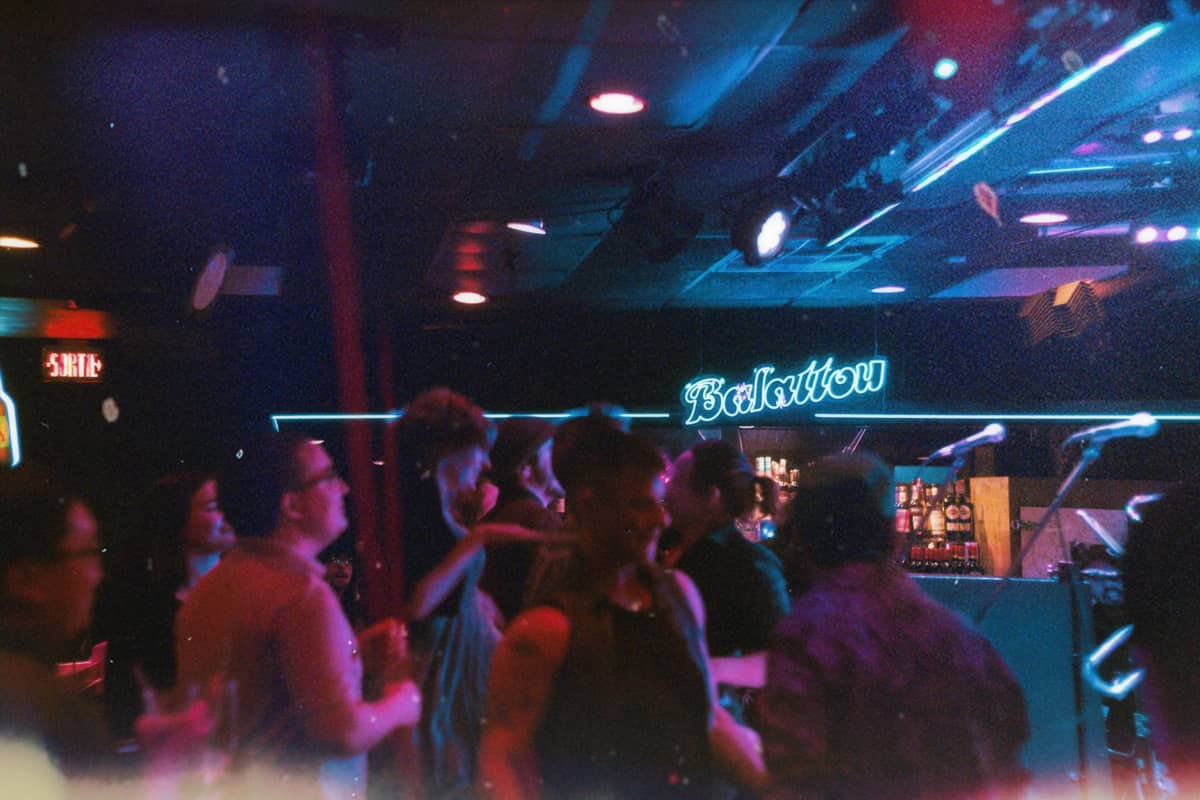
Montreal has one of the most genuinely active nightlife cultures on the continent, and it's not by accident. The city sits in Quebec, where alcohol regulations have historically been more relaxed than in many U.S. states or other Canadian provinces. Bars can legally serve until 3:00 a.m., and the culture follows: the crowd doesn't build in most clubs until well past midnight. If you show up at a Montreal club at 10:30 p.m., you'll be nearly alone. Plan accordingly. The city also has a deep arts and music infrastructure — the Montreal International Jazz Festival is the world's largest jazz festival by attendance, and that culture of live performance bleeds into the city's bars and venues year-round.
The French-language culture also shapes the atmosphere. Most bars and clubs in the Plateau and Mile End will be predominantly francophone, and the vibe tends toward conversation, patio culture, and lingering over drinks rather than fast turnover. Downtown venues skew more anglophone and more mainstream. Understanding this split helps you find the kind of night you're actually looking for.
ℹ️ Good to know
Quebec's legal drinking age is 18, making Montreal one of the few major North American cities where legal adults under 21 can drink freely. This shapes the crowd demographic in some venues, particularly around university-adjacent areas like the Plateau and near McGill.
Nightlife by Neighborhood: Where to Go and Why
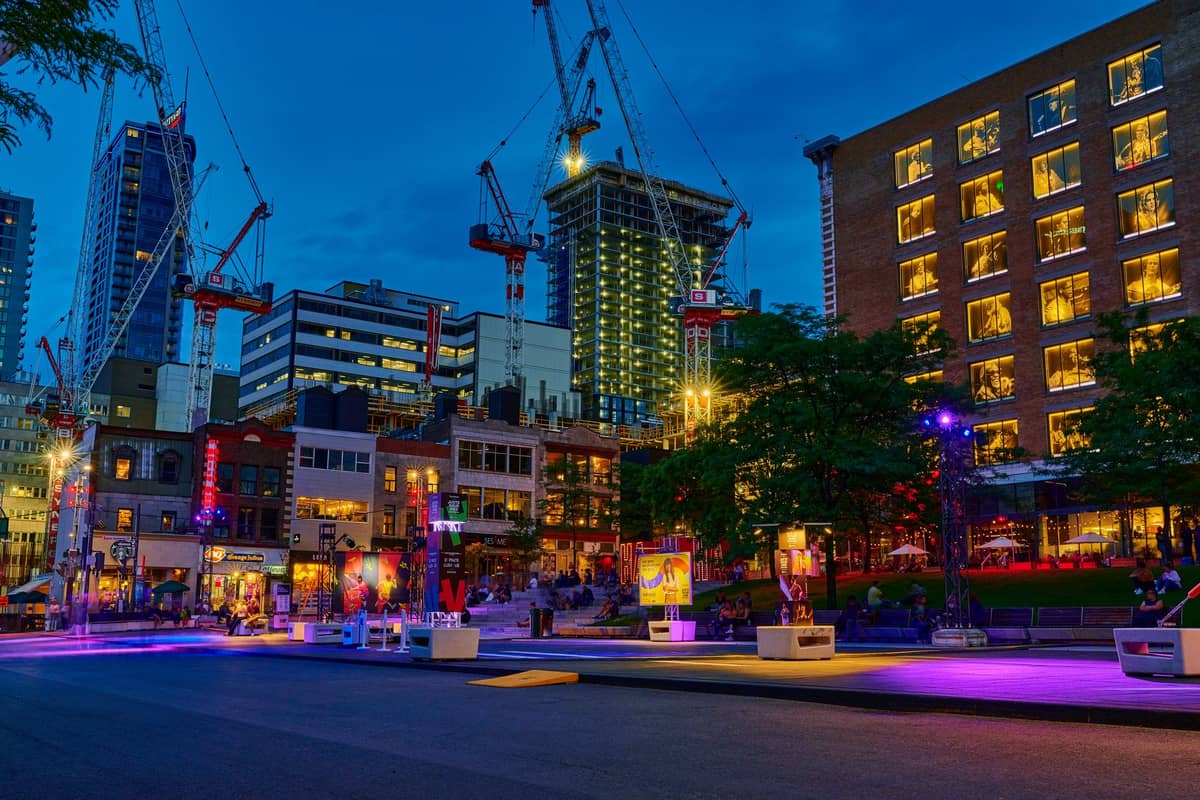
The Quartier des Spectacles is the most concentrated entertainment district in the city. It sits in central Montreal and encompasses Place des Arts, the main festival grounds, and dozens of bars and clubs within walking distance. During festival season (roughly June through August), the outdoor stages dominate. The rest of the year, the indoor venues carry the load. This is where you'll find larger clubs, electronic music venues, and a more mixed tourist-and-local crowd. It's convenient and energetic, but it's not where locals who know the city tend to go when they want a quieter or more authentic evening.
For a more local atmosphere, the Plateau-Mont-Royal delivers consistently. This neighborhood concentrates independent bars along Rue Saint-Denis, Avenue du Mont-Royal, and Rue Rachel. You'll find dive bars, craft beer spots, live music rooms, and wine bars in close proximity. Quai des Brumes on Saint-Denis is one of the most respected live music bars in the city, presenting shows nearly every night across genres ranging from jazz and blues to indie rock and world music. Cover charges typically run C$5–15 depending on the act. The Plateau is walkable, well-served by the métro's Orange Line, and the surrounding streets are interesting enough that even the walk between bars is worthwhile.
Mile End has a more art-world and music-industry flavor. The neighborhood has historically been home to recording studios and independent labels, and that identity shows in the bars. Expect a younger, creative crowd, a higher density of draft beer and natural wine lists, and smaller, more intimate venues. The main nightlife strip runs along Boulevard Saint-Laurent between Avenue Laurier and Rue Bernard. Mile End's bars tend to close a bit earlier and don't transform into clubs the way downtown spots do — it's more about the conversation than the dance floor.
Old Montreal pulls a different crowd. The cobblestone streets and heritage buildings attract tourists and well-heeled locals looking for cocktail bars, rooftop terraces, and upscale lounge experiences. Venues here tend to be pricier: cocktails often run C$18–22, and some rooftop bars charge a cover on weekends. The Old Port area comes alive in summer specifically, with the Grande Roue (observation wheel) and waterfront events adding to the atmosphere. In winter, many of the terraces close entirely, and the neighborhood gets quieter after dinner. For atmosphere and visual drama, Old Montreal is hard to beat — but it's an expensive night compared to the Plateau or Mile End.
Don't overlook the Gay Village on Sainte-Catherine Street East. This stretch is one of the most active nightlife corridors in the city regardless of who you are. The bars are lively, the hours are long, and the energy is high, particularly from Thursday through Sunday. From roughly June through September, Sainte-Catherine Est is pedestrianized, which transforms the street into an open-air social scene. Some of the city's longest-running and most reliably packed bars are here.
- Quartier des Spectacles Best for: clubs, electronic music, festival-adjacent bars, larger capacity venues. Gets going late (after midnight). More tourist-mixed than other areas.
- Plateau-Mont-Royal Best for: live music, dive bars, local craft beer. Quai des Brumes anchors the live music scene. Predominantly francophone. Well-connected by Orange Line métro.
- Mile End Best for: independent bars, natural wine, music-industry crowd. Lower-key than downtown. Boulevard Saint-Laurent is the main strip.
- Old Montreal Best for: cocktail bars, rooftop terraces, upscale lounge experiences. Pricier than other neighborhoods. Seasonal outdoor venues. Strong in summer, quieter in winter.
- Gay Village Best for: high-energy bars, late hours, consistently active Thursday through Sunday. Pedestrianized in summer. Welcoming to all.
Live Music in Montreal: Where the City Actually Shines
Montreal's live music infrastructure is serious. The city supports everything from stadium-level shows at the Bell Centre to intimate 60-person rooms above bars in the Plateau. For most visitors, the mid-tier venues are the sweet spot: rooms that hold 200–600 people, with decent sound systems, affordable tickets, and lineups that mix local talent with touring acts.
Quai des Brumes on Rue Saint-Denis is the most consistently recommended live music bar in the city. It presents shows nearly every night of the week, covers a wide range of genres, and charges modest cover fees. Arrive early if you want a seat — it fills up. For jazz specifically, venues in the Plateau and downtown feature regular sessions. Sora 45, a jazz lounge, runs live performances on Thursday evenings. Verify current schedules directly with venues, as programming changes seasonally and without much advance notice on general listing sites.
If your visit overlaps with festival season, the live music calculus changes entirely. The Jazz Festival in late June and early July takes over the Quartier des Spectacles with both free outdoor stages and paid indoor concerts. Many of the best sets are free. The same goes for other summer festivals that occupy the same grounds. Check the Montreal festivals calendar before finalizing your nights out — you might find world-class performances at no cost.
✨ Pro tip
For ticketed concerts and club nights, buy through the venue's official website or its named ticketing partner. Third-party resellers frequently add significant markups, and some events have strict policies against resale tickets at the door.
Getting Home: Transit, Night Buses, and Safety
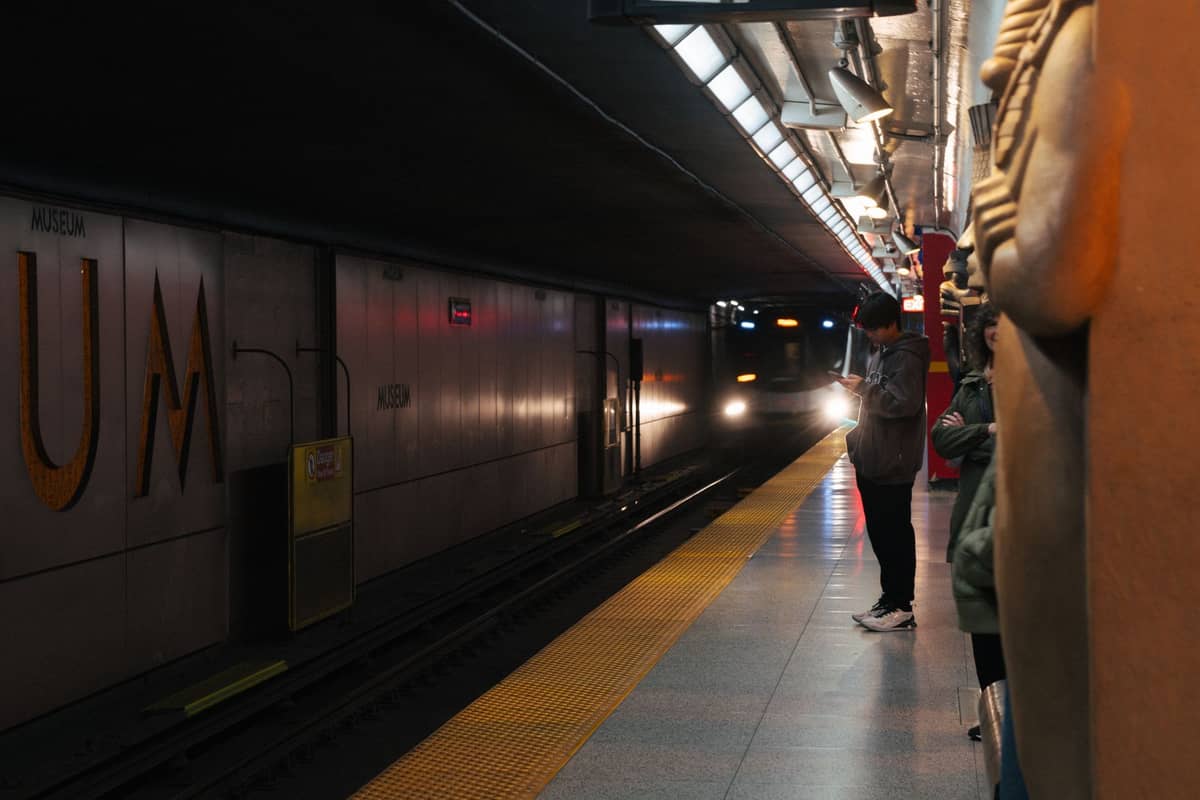
The STM métro is an excellent way to get around in the evening, but it does not run all night. On weekdays, service ends around 12:30–1:00 a.m. depending on the line. On Saturdays, the last trains run later. Once the métro closes, you have three practical options: night buses, ride-hailing apps, or walking if you're close enough.
Night buses (autobus de nuit) operate every night with service intervals ranging from around 4 to 45 minutes depending on the route. The main night bus lines follow the same major corridors as the métro — René-Lévesque, Saint-Laurent, Saint-Denis, and others. Service runs approximately every 15 minutes on the busiest routes. The STM's evening unlimited pass (C$6.75, valid 6:00 p.m. to 5:00 a.m.) covers both the métro and all night buses, making it the most economical option if you're planning more than one trip. The 24-hour pass (C$11.25) covers the full day and is better value if you're also using transit during the day.
Uber operates in Montreal and is widely used for late-night returns. Surge pricing applies during peak hours on Friday and Saturday nights, particularly after 2:00 a.m. when bars close and demand spikes. If cost is a concern, wait 20–30 minutes before requesting a ride or head a few blocks from the main strip before booking.
💡 Local tip
The STM's 'Between Stops' service lets passengers ask the bus driver to stop between official stops during evening and overnight hours (7:30 p.m. to 5:30 a.m.), year-round. This is particularly useful for solo travelers or anyone walking home late in low-lit areas.
Seasonal Considerations: Summer Terraces vs. Winter Warmth
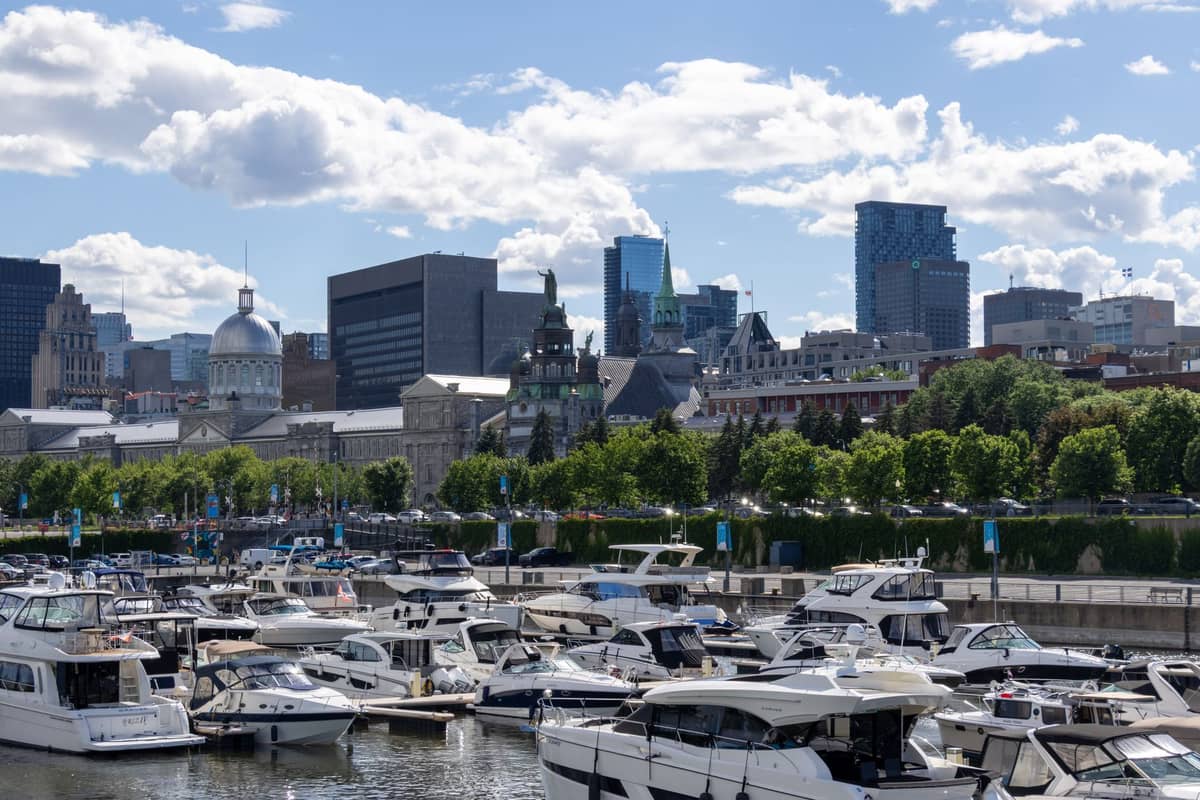
Montreal's outdoor nightlife peaks between May and September. Rooftop bars in Old Montreal, terraces along Boulevard Saint-Laurent, and the pedestrianized Gay Village strip all operate seasonally. In summer, even mid-week nights can feel festive outdoors. If your priority is terrace drinking with city views, plan accordingly — a late October visit will find most outdoor venues already closed for the season. The Montreal summer guide covers the full range of warm-weather options.
Winter doesn't kill the nightlife — it concentrates it indoors. The Plateau and Mile End bar scenes actually gain a certain intimacy in winter, with cozy rooms, heavy coats at the door, and longer stays. Some visitors find winter nights out in Montreal more convivial precisely because the cold keeps everyone inside and present. That said, walking between bars in January requires proper gear: temperatures regularly drop to -10°C to -15°C after dark, and wind chill can make it significantly colder. The Montreal winter guide has practical cold-weather advice worth reading before a winter night out.
- Summer (June–August): outdoor terraces open, festival-driven programming, late sunset keeps energy high into the evening
- Fall (September–October): terraces wind down, indoor venues pick up, crowds thin slightly as festivals end
- Winter (November–March): fully indoor scene, colder commutes between venues, but high-quality programming continues in live music rooms and clubs
- Spring (April–May): terraces begin reopening, patios are crowded the moment temperatures allow, festival season prep picks up
Practical Tips and Honest Warnings
Cover charges at Montreal clubs and live music venues vary widely: zero to C$5 for bar nights, C$10–20 for live acts, and C$20–40 for well-known DJs or special events. Some venues charge more at the door than if you buy in advance online. Always check the venue's social media or website the day of the event — lineups can change, events get cancelled, and cover policies shift.
Tipping at bars is customary in Montreal. The standard range is 15–20% on the pre-tax total, or C$1–2 per drink at the bar. Service can be slower at busier venues; this is normal and not always worth flagging. Credit cards are accepted almost everywhere, though some smaller neighborhood bars still prefer cash for small orders. For more on Montreal's food and drink culture, see where to eat in Montreal — many of the best late-night spots are restaurants that transform into bars after the kitchen closes.
A word on tourist traps: the flashiest venues on Crescent Street downtown (the anglophone bar strip near downtown) tend to be loud, expensive, and oriented toward a party-package crowd. They're not inherently bad, but they're not representative of what makes Montreal nightlife interesting. If you've heard that Montreal has an exceptional bar scene and want to understand why, Crescent Street is not the place to investigate that claim. The Plateau is.
⚠️ What to skip
The métro is not an all-night service. Assuming you can take the last train home at 3:00 a.m. is a common mistake. Check the STM's last departure times for your specific line before heading out, and have a backup plan (night bus route or Uber) ready.
FAQ
What time do bars and clubs close in Montreal?
Bars in Montreal can legally serve alcohol until 3:00 a.m. under Quebec law. Most clubs reach peak capacity between midnight and 2:00 a.m., then wind down by 3:00 a.m. Some venues with late licenses operate in specific formats; verify with individual venues if you're planning a very late night.
How do I get home after the métro stops running?
The STM operates a night bus network every night, with service intervals from around 4 to 45 minutes depending on the route. Night buses follow major corridors throughout the city. Uber also operates in Montreal and is widely available, though surge pricing applies after 2:00 a.m. on weekends. The STM's 'Between Stops' service is available on night buses for passengers traveling alone.
What is the legal drinking age in Montreal?
The legal drinking age in Quebec, including Montreal, is 18. Valid government-issued photo ID is required for entry to bars and clubs and to purchase alcohol. Venues do check ID, particularly for anyone who appears to be near the legal age.
What neighborhoods have the best nightlife in Montreal?
It depends what you're after. The Plateau-Mont-Royal is best for live music and authentic local bars. The Quartier des Spectacles concentrates clubs and large electronic music venues. Old Montreal is the place for upscale cocktail bars and rooftop terraces in summer. Mile End suits a more relaxed, artsy crowd. The Gay Village on Sainte-Catherine Est is consistently active and welcoming to all.
Is Montreal nightlife expensive?
It varies significantly by neighborhood and venue type. A pint of local craft beer in a Plateau bar typically costs C$7–10. Cocktails in Old Montreal can run C$18–22. Club covers range from free to C$40 for major events. The STM evening unlimited pass (C$6.75) is an affordable way to handle transit. Overall, Montreal nightlife is moderately priced by major North American city standards, with plenty of affordable options if you stay away from the tourist-heavy strips.