Shopping in Montreal: Best Streets, Malls & Boutiques
Montreal is one of Canada's top shopping destinations, blending major retail corridors with independent boutiques, covered malls, and a remarkable underground network. This guide breaks down where to shop, what to expect, and how to avoid wasting time on the wrong streets.
Plan and book this trip
Tools from our partner Travelpayouts help you compare flights and hotels. If you book through them, we may earn a commission at no extra cost to you.
Flights
Hotels map
TL;DR
- Sainte-Catherine Street West is Montreal's main retail artery, stretching roughly 11 km with department stores, malls, and the entrance to the RESO Underground City.
- The Underground City connects Centre Eaton, Place Montréal Trust, Complexe Desjardins, and several other malls indoors — invaluable in winter.
- For independent boutiques and local designers, head to Mile End or Saint-Denis Street rather than the downtown core.
- Markets like Jean-Talon and Atwater are worth visiting as shopping experiences in their own right, especially for local food products.
- Sales tax in Quebec adds both GST (5%) and QST (9.975%) on top of listed prices — budget accordingly.
Sainte-Catherine Street: Montreal's Main Shopping Corridor
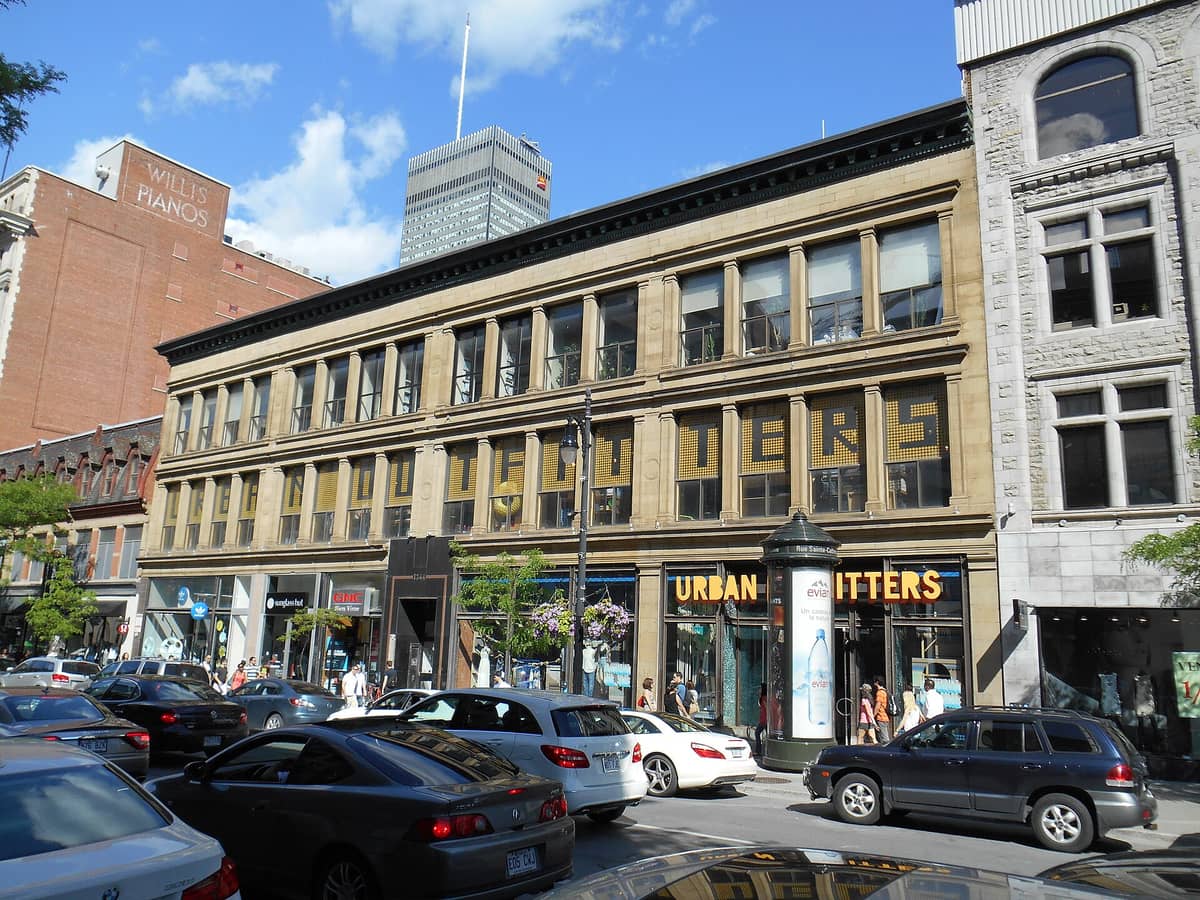
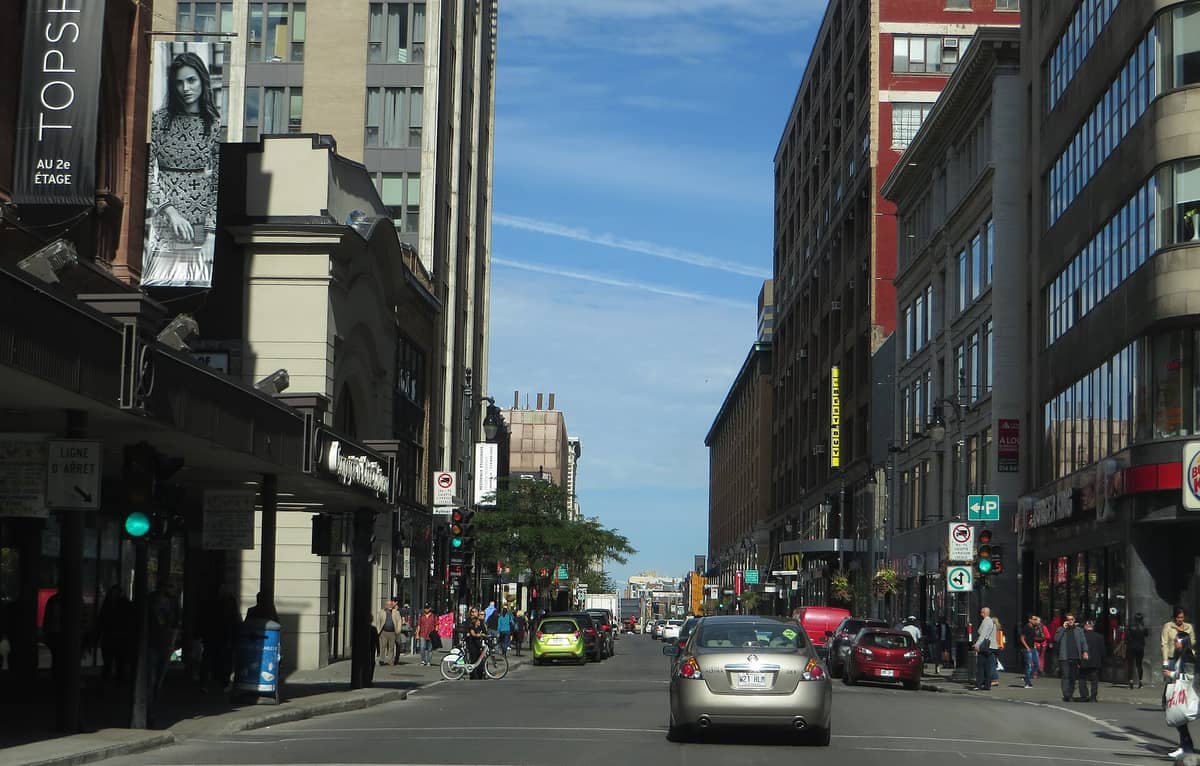
No guide to shopping in Montreal starts anywhere other than Sainte-Catherine Street. Stretching approximately 11 km across the city, it is Quebec's most commercially dense street and the backbone of downtown retail. The most active stretch for shopping runs through downtown Montreal, roughly between Guy and Saint-Laurent streets, where you'll find the highest concentration of national chains, department stores, and shopping centre entrances.
Holt Renfrew Ogilvy is the flagship luxury option on the street, occupying a historic building and stocking international designer labels alongside local talent. For mid-range and fast fashion, the usual Canadian and international chains line the sidewalks. What makes Sainte-Catherine genuinely useful, though, is its connection to the underground network: most of the major malls along it have interior RESO access, meaning you can shop for hours without stepping outside.
ℹ️ Good to know
Sainte-Catherine Street East passes through the Gay Village, a distinct stretch with a different commercial character: smaller shops, bars, and boutiques rather than major chains. The stretch near Berri is pedestrianized in summer, creating a lively open-air atmosphere.
In summer, parts of Sainte-Catherine are closed to cars during events and weekend programming, particularly near the Quartier des Spectacles. Check event calendars before driving in. In winter, the underground connections make Sainte-Catherine's malls even more appealing — you can enter at one point and resurface blocks away without touching the cold.
The RESO Underground City: How It Works and What to Shop
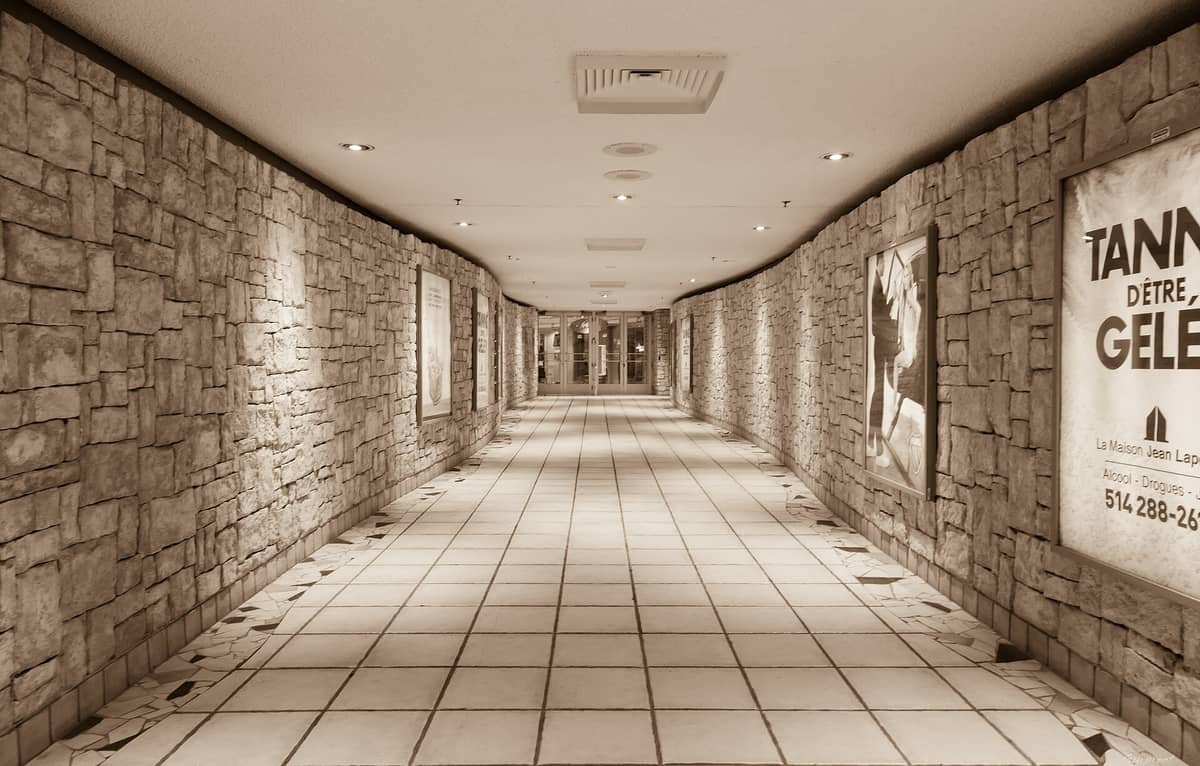
The RESO is not a single mall. It is a more-than-33-kilometre network of pedestrian tunnels and indoor walkways connecting shopping centres, office buildings, hotels, metro stations, and transit hubs across downtown Montreal. Understanding this distinction matters: the experience is nothing like a conventional enclosed shopping centre. You navigate between separate properties that happen to be joined indoors.
- Centre Eaton de Montréal 705 Sainte-Catherine Street West. One of the network's main anchor points, with mid-range retail across multiple floors. Typical hours: Monday–Tuesday 10:00–19:00, Wednesday–Friday 10:00–21:00, Saturday 10:00–19:00, Sunday 11:00–18:00 — verify before visiting as holiday hours differ.
- Place Montréal Trust 1500 McGill College Avenue. Distinctive for its glass atrium, with fashion and lifestyle retailers spread across five levels.
- Les Cours Mont-Royal 1455 Peel Street. Housed in a converted 1920s hotel, the building itself is worth a look. The retail mix leans upmarket.
- Holt Renfrew Ogilvy 1307 Sainte-Catherine Street West. Montreal's premium department store, with designer fashion, cosmetics, and a strong Quebec designer presence.
- Complexe Desjardins 150 Sainte-Catherine Street West. Large complex near Place des Arts metro, with a broad mix of stores and services.
💡 Local tip
Individual stores within the RESO network maintain their own hours, which may not match the mall's posted hours. If you're making a specific trip for one shop, call ahead or check the retailer's website directly. Indoor connections between properties can also be blocked during off-hours or maintenance.
The RESO is most valuable from December through March, when temperatures regularly drop below -10°C and the idea of staying indoors between shops goes from convenient to essential. Outside winter, the underground passages can feel disorienting and cut off from the city's street-level energy. Many locals prefer to stay above ground when the weather allows.
Independent Boutiques: Mile End, Plateau, and Saint-Denis
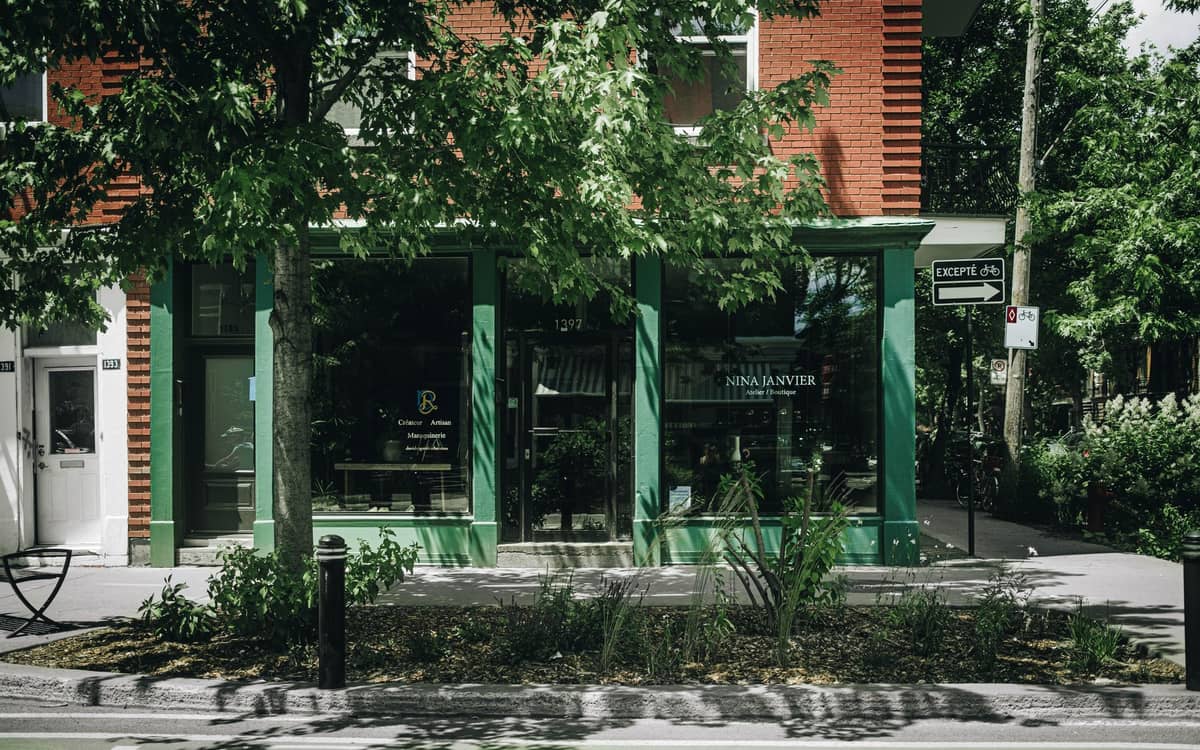
If chain stores and malls leave you cold, Montreal's residential neighborhoods deliver something far more interesting. The commonly used neighborhood of Mile End is the first stop for anyone looking for independent fashion, vintage clothing, vinyl records, local art, and design objects. Bernard Street West and Saint-Viateur Street are the two main commercial strips, with shops occupying converted ground-floor spaces in low-rise buildings.
Saint-Denis Street through the Plateau-Mont-Royal carries a different energy: more literary, more café-heavy, with Quebec fashion labels, home goods stores, bookshops, and music retailers mixed among restaurants. The most concentrated stretch for shopping runs between Roy and Gilford streets. This is where you'll find designers working specifically in the Quebec market — labels you won't encounter in Toronto or Vancouver.
Mont-Royal Avenue (Avenue du Mont-Royal) is another strong option on the Plateau, running east-west and loaded with vintage shops, independent clothing stores, and local accessories brands. It has a slightly more accessible price point than parts of Mile End and tends to attract a younger local crowd on weekends.
⚠️ What to skip
Independent boutiques in Mile End and the Plateau often keep irregular hours, particularly on Mondays. Many close on statutory holidays that major malls might observe with reduced hours. Check Instagram or Google listings for the most current schedule — official websites are frequently out of date.
Markets as Shopping Destinations
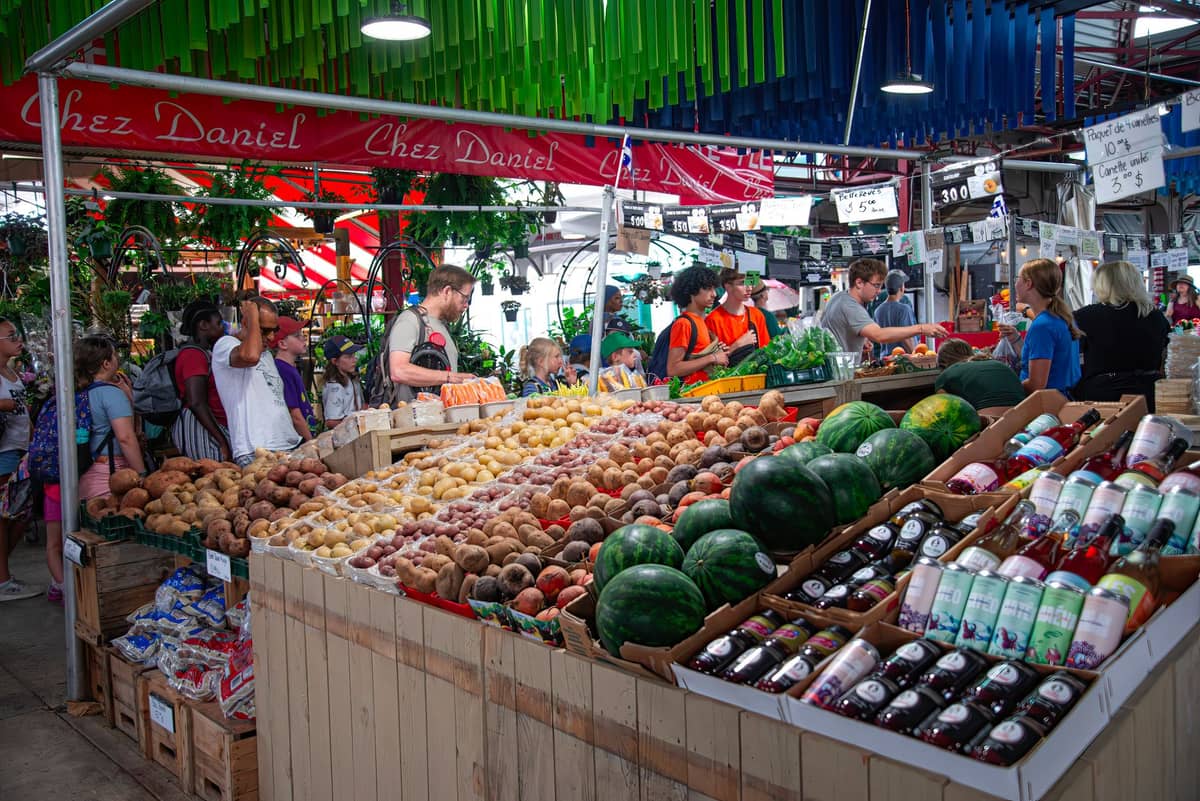
Two of Montreal's public markets function as genuine shopping destinations, not just food stops. Jean-Talon Market in Little Italy is the larger and more celebrated of the two, running year-round with a seasonally changing mix of produce, specialty foods, spices, imported cheeses, Quebec maple products, and artisan goods. The outdoor section is at its best from late spring through October; the covered stalls operate through winter.
Atwater MarketAtwater Market near the Lachine Canal is smaller and closer to downtown, with a strong butcher and cheese counter presence alongside seasonal produce. It draws a mix of locals doing weekly shopping and visitors browsing for Quebec specialties. Both markets are excellent places to pick up gifts: local honey, ice cider, Quebec cheese, and maple products travel well and tend to be of higher quality than what you'll find in airport gift shops.
- Jean-Talon Market: best for variety and scale — go on a weekday morning to avoid peak crowds
- Atwater Market: better location for visitors staying downtown or visiting the Lachine Canal
- Marché Maisonneuve: less visited by tourists, worth checking if you're in the east end of the city
- Bonsecours Market: primarily an event and artisan space in Old Montreal — good for Quebec-made crafts and gifts but prices reflect the tourist location
Old Montreal: Tourism-Heavy but Selectively Worth It
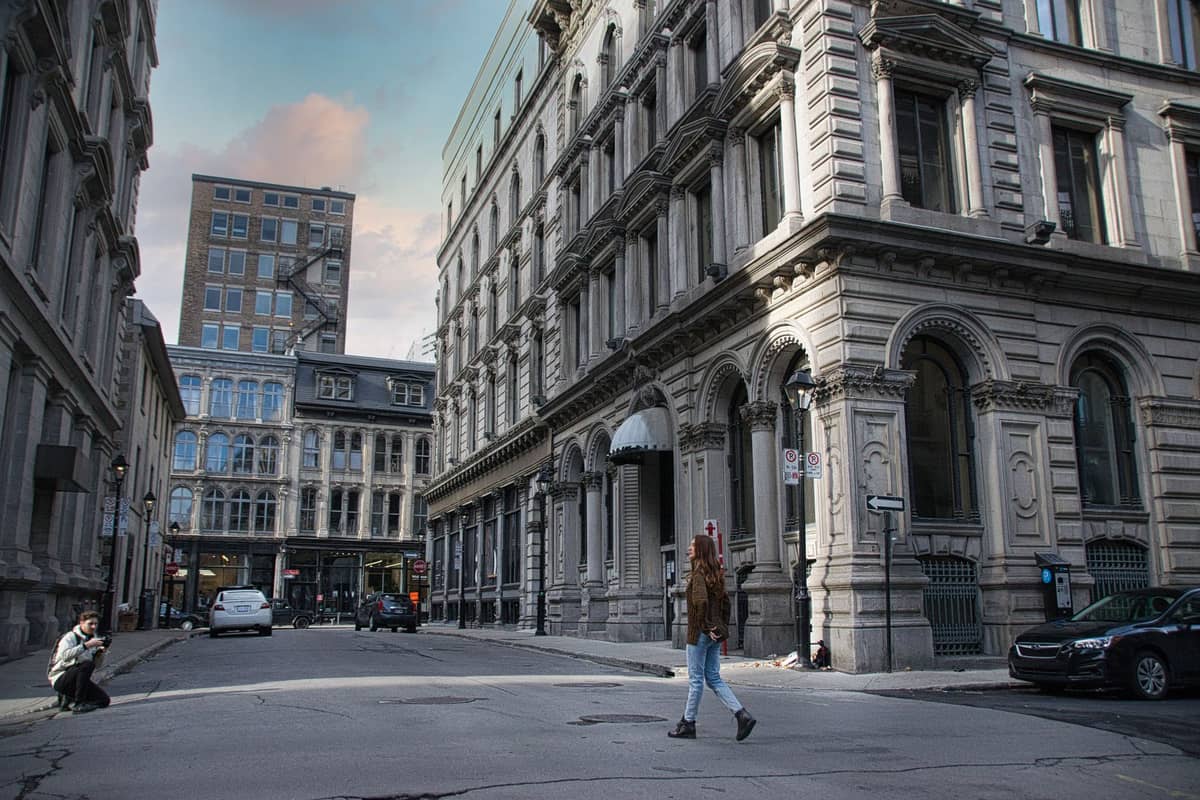
Shopping in Old Montreal requires selective judgment. The neighborhood's historic streets are heavily oriented toward tourists, and a lot of what's on offer — generic Quebec souvenirs, maple-leaf-branded everything, low-quality mass-produced goods — doesn't reflect the city particularly well.
That said, there are genuinely good options if you know where to look. The Bonsecours Market hosts rotating exhibitions and markets with Quebec artisans, particularly around the holiday season. Some of the design-focused boutiques on Saint-Paul Street stock locally made jewelry, ceramics, and textiles that justify the premium prices. The rule of thumb: the closer a shop is to Place Jacques-Cartier, the more skepticism is warranted.
Practical Tips: Tax, Timing, and Getting Around
Quebec applies two layers of sales tax to most retail purchases: the federal GST at 5% and the provincial QST at 9.975%, combining to 14.975% on top of listed prices. This is not included in shelf prices, so the number at the register will be higher than what you see on the tag. Budget accordingly, and don't be caught off guard at checkout.
Most major shopping areas are accessible by metro. The Orange and Green lines serve the downtown core, with Peel, McGill, and Berri-UQAM stations all within easy reach of Sainte-Catherine Street. For Mile End and the Plateau, the Laurier and Mont-Royal stations on the Orange Line are the most practical entry points. Full details on navigating the system are covered in the getting around Montreal guide.
- Weekend afternoons on Sainte-Catherine bring the heaviest foot traffic — go weekday mornings for a calmer experience
- Most downtown malls are open Sundays, but with shorter hours (often 11:00–18:00); confirm before making a special trip
- Holiday sales (Boxing Day, Black Friday) draw significant crowds to downtown malls — the Underground City helps manage the cold but not the queues
- Visitors from the US generally cannot claim a GST/HST rebate on ordinary purchases; check the Canada Revenue Agency website for any current limited exceptions before assuming a refund applies.
- January through early March is the quietest period for shopping tourism, with the best availability and no competition for fitting rooms
For visitors planning a broader trip, shopping works best when combined with other neighborhood activities. A morning at Jean-Talon Market pairs naturally with exploring Little Italy or Mile End in the afternoon. Downtown mall shopping is easiest to combine with visits to Notre-Dame Basilica or the Montreal Museum of Fine Arts, both within easy walking distance. If budget is a concern, the Montreal on a budget guide covers how to make the most of the city without overspending.
✨ Pro tip
If you're shopping for Quebec-specific food products to bring home, buy at Jean-Talon or Atwater Market rather than airport shops. Quality is higher, prices are lower, and the selection is far broader. For liquids like ice cider or local spirits, check airline carry-on rules and consider purchasing just before departure to keep them in checked luggage.
FAQ
What is the best street for shopping in Montreal?
Sainte-Catherine Street West is the main commercial corridor, with the highest concentration of major retailers, department stores, and shopping mall entrances. For independent boutiques and local designers, Avenue du Mont-Royal and Saint-Denis Street in the Plateau-Mont-Royal neighborhood offer a better experience.
Is the Underground City worth visiting for shopping?
The RESO Underground City connects several major downtown malls indoors, making it genuinely useful during Montreal's cold winters. It is not a single unified mall but a network of separate properties linked by tunnels. For shopping, it works best as a way to move between established centres like Centre Eaton, Place Montréal Trust, and Holt Renfrew Ogilvy without going outside.
Are there good places to buy Quebec souvenirs that aren't tourist traps?
Jean-Talon Market and Atwater Market are the best options for authentic Quebec food products like maple syrup, ice cider, local cheese, and honey. For crafts and artisan goods, the rotating markets at Bonsecours Market in Old Montreal tend to feature genuine Quebec makers, though prices are elevated due to the location.
How much is tax on purchases in Montreal?
Quebec applies GST (5%) and QST (9.975%) to most retail purchases, totalling approximately 14.975% on top of the listed price. This is added at the register and not included in shelf prices. Some items like basic groceries are exempt, but clothing, electronics, and most retail goods are fully taxed.
When are shops open in Montreal, and do they close on Sundays?
Most major malls and chain stores are open seven days a week, with reduced Sunday hours typically running 11:00–18:00. Independent boutiques in neighborhoods like Mile End and the Plateau often close on Mondays and may keep shorter hours overall. Always verify hours directly with the store or mall website, especially around statutory holidays.