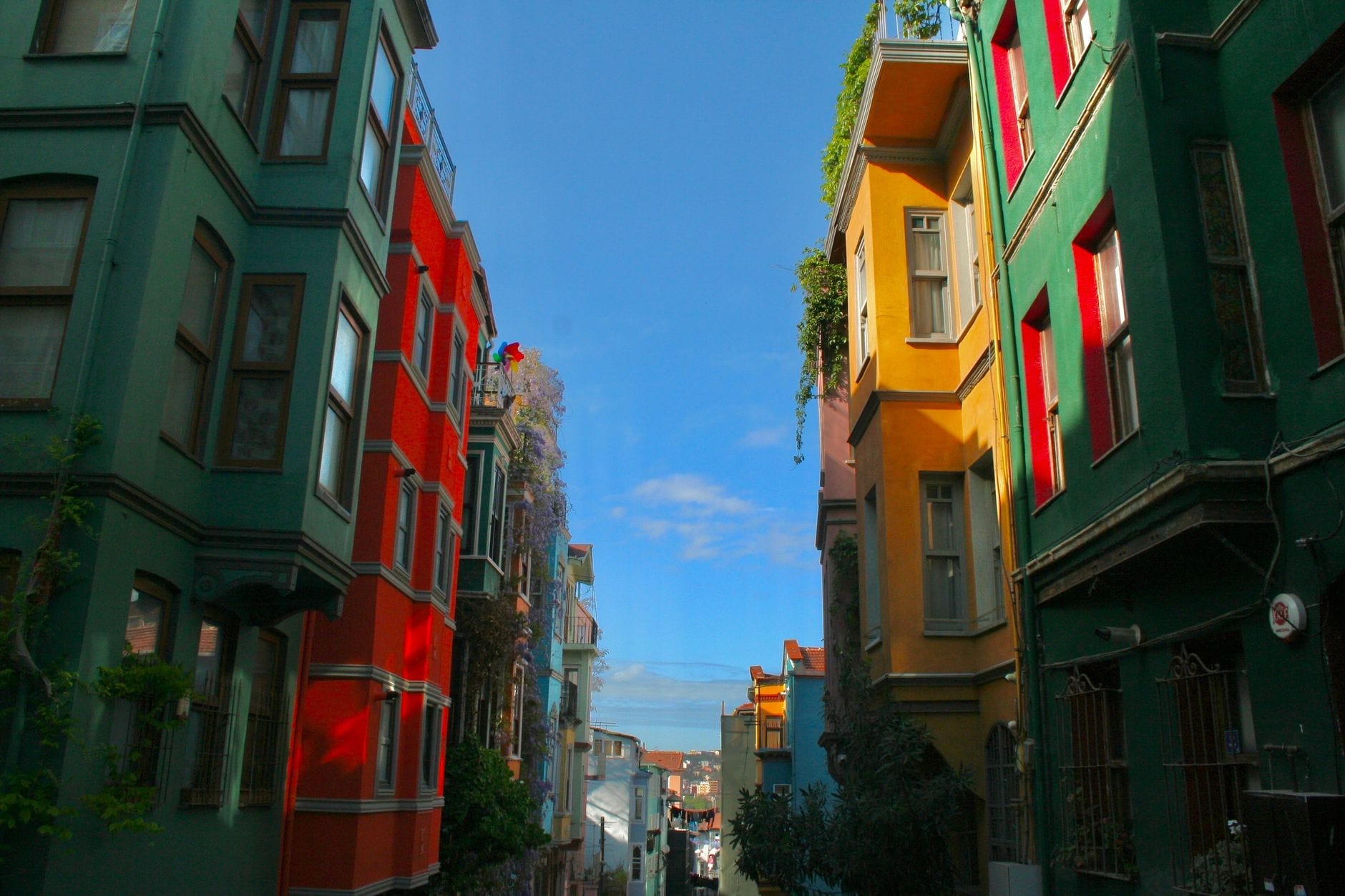
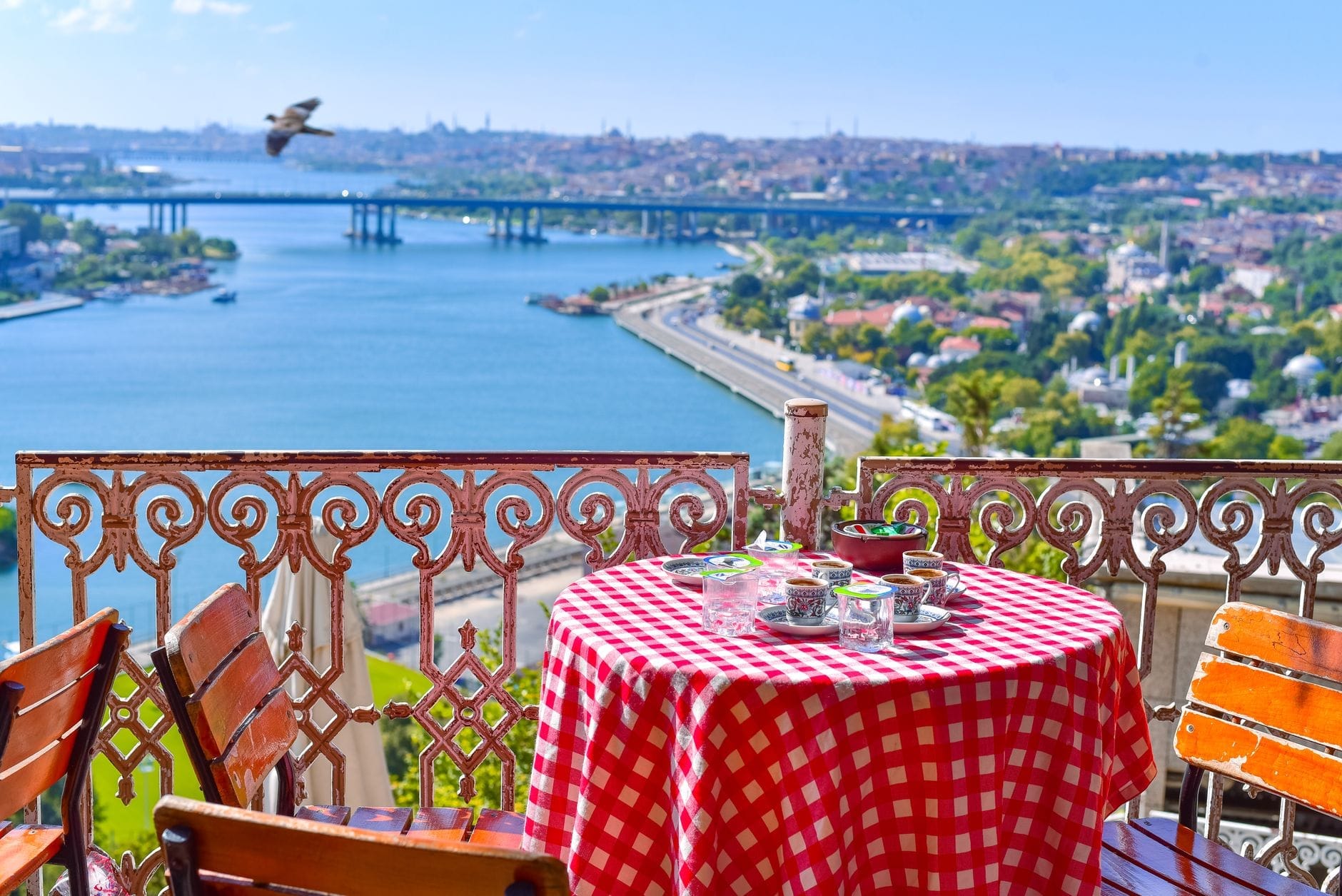
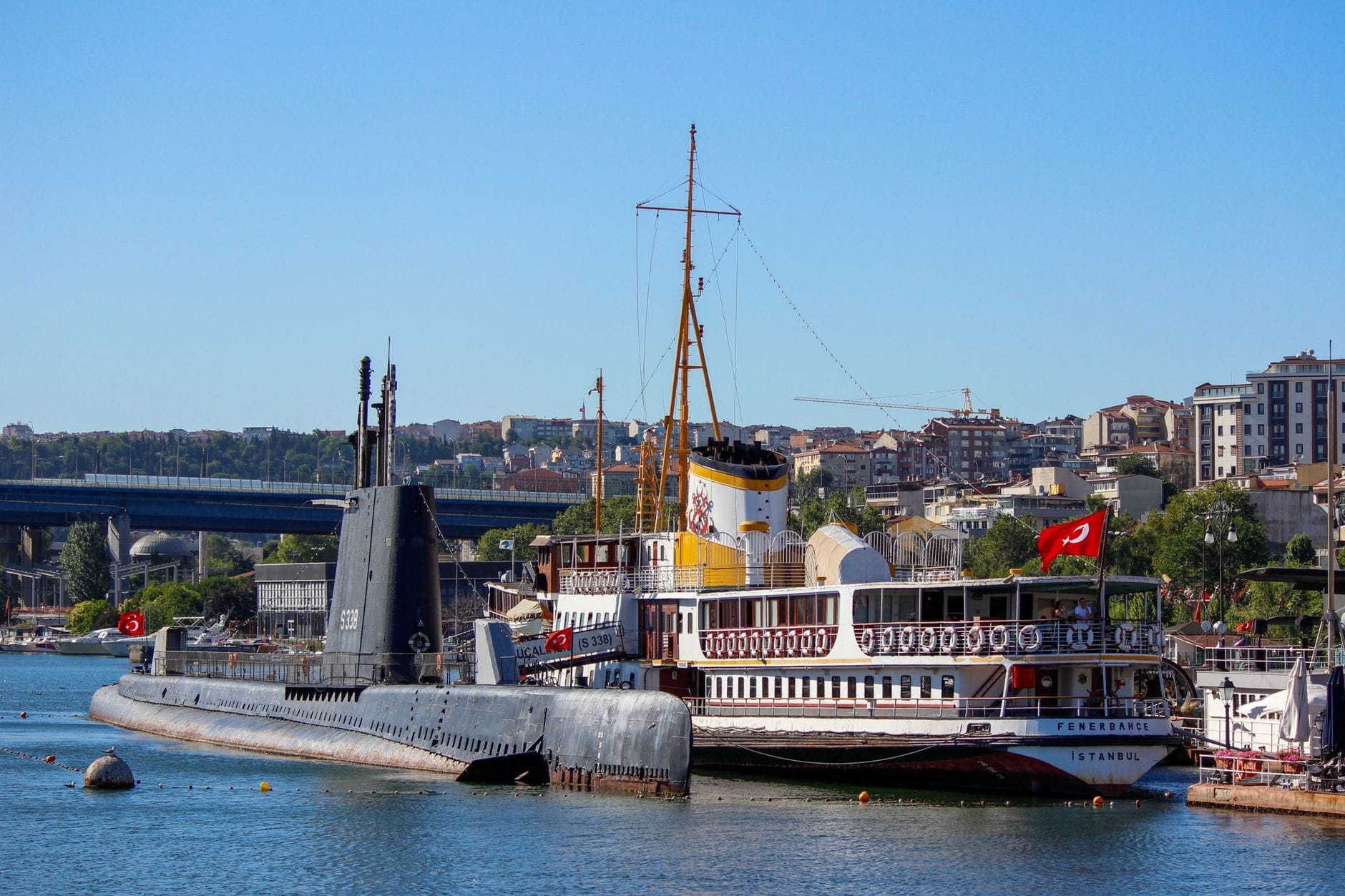
Fener and Balat are adjacent historic neighborhoods along the Golden Horn in Istanbul's Fatih district, known for their rainbow-colored Ottoman houses, cobblestone streets, and extraordinary layers of Greek, Jewish, Armenian, and Turkish heritage. Once home to the city's most influential minority communities, these quarters have transformed into one of Istanbul's most rewarding areas for slow, exploratory walking.
Fener and Balat sit along the western shore of the Golden Horn, preserving some of the most layered and least-altered streetscapes in all of Istanbul. Where Sultanahmet has its monuments and Beyoğlu its nightlife, these two neighboring quarters offer something harder to quantify: the texture of a city that has housed Greeks, Jews, Armenians, and Turks for centuries, all within the same narrow cobbled lanes.
Orientation: Where Fener and Balat Sit
Both neighborhoods occupy the western shore of the Golden Horn, roughly 4 to 5 kilometers upstream from the mouth of the inlet at Eminönü. They sit within the administrative Fatih district on the European side of Istanbul, tucked between the water and the ridge of the old city hills. Balat lies slightly closer to Eminönü, while Fener extends further northwest toward Ayvansaray. The two bleed into each other so naturally that locals often name them together, and most visitors experience them as a single, continuous walk.
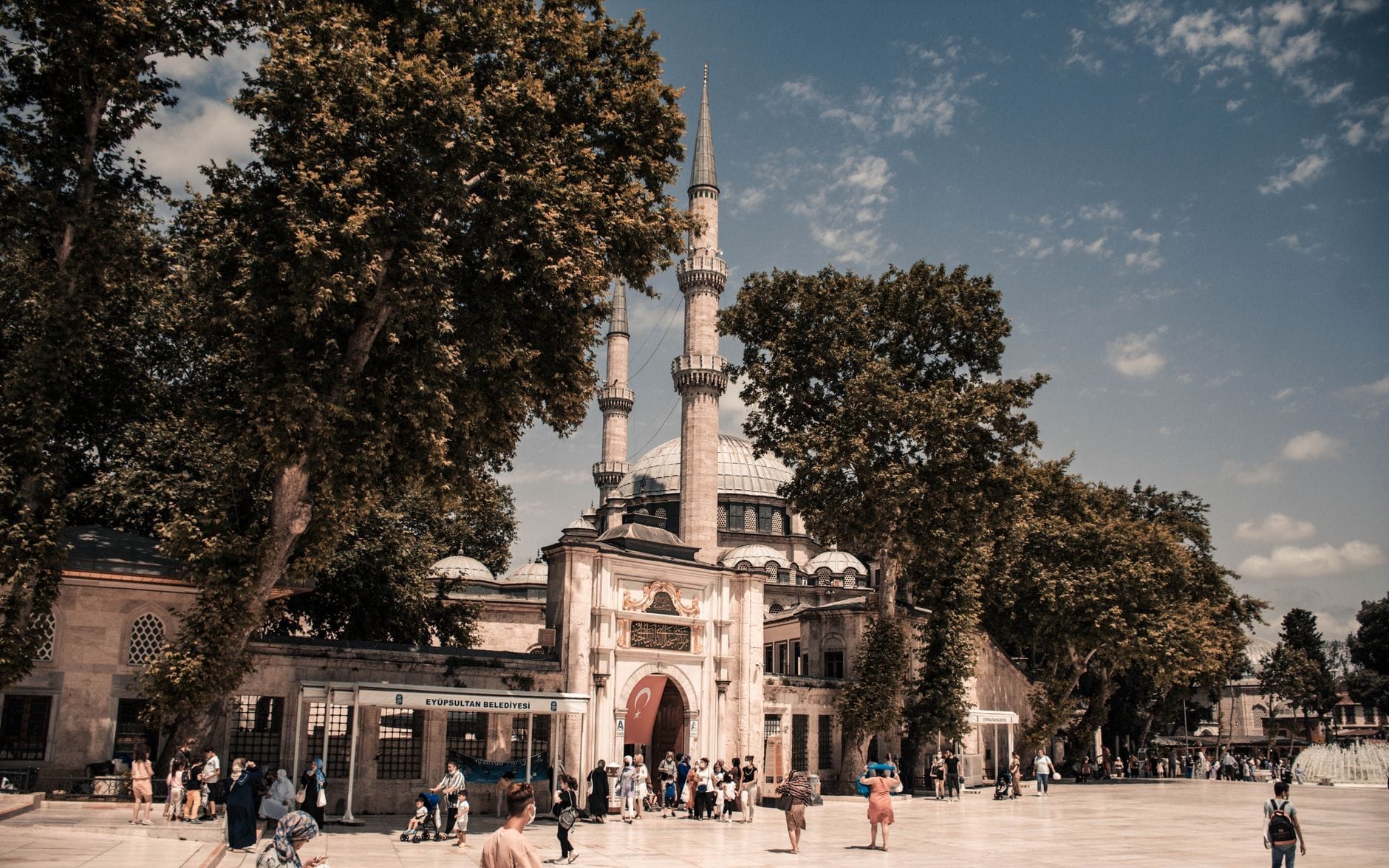
The broader setting helps establish the mental map. To the south and southeast, the historic peninsula stretches toward Sultanahmet and the Grand Bazaar area. Across the Golden Horn to the north, Karaköy and Galata are visible from the waterfront promenade. Eyüp, with its famous mosque and cemetery, sits just beyond Ayvansaray to the northwest. The old Theodosian city walls, which once defined Constantinople's western limit, pass through and behind these neighborhoods, lending the area a sense of enclosure that feels more medieval than metropolitan.
Fener's liveliest streets cluster around Yıldırım Caddesi and Vodina Caddesi near the shoreline, where the grid opens up slightly and cafés have established themselves over the past decade. Balat's center of gravity is closer to the waterfront promenade and its small market street, which connects toward the Eyüp Sultan Mosque corridor further along the Golden Horn. The area as a whole sits adjacent to the core zones of the Historic Areas of Istanbul, which were inscribed on the UNESCO World Heritage List in 1985.
Character and Atmosphere
Come on a weekday morning and Fener feels like a residential neighborhood that happens to have a remarkable past. Elderly residents carry shopping bags up steep cobblestone lanes. Cats occupy every warm surface: doorsteps, windowsills, the hoods of parked cars. The air smells of fresh bread from small bakeries and, closer to the water, of the Golden Horn itself. The light at this hour is soft and angled, falling on pastel-painted wooden houses whose upper floors lean slightly over the street below.
By midday, particularly on weekends, the character shifts noticeably. Balat in particular has become well known on social media for its photogenic colored facades, and groups of visitors with cameras navigate the same stretches of Kürkçü Çeşme Sokak and Leblebiciler Sokak that appear in hundreds of travel photographs. The café scene here has grown quickly over the last several years, with converted workshops and old shop fronts now serving specialty coffee and brunch to a younger crowd from across Istanbul. The result is a neighborhood in genuine transition: working-class families, antique dealers, and newer boutique businesses sharing the same streets.
After dark, Fener and Balat are quiet rather than lively. A handful of small meyhanes and local restaurants stay open into the evening, but this is not a nightlife destination. The streets narrow uphill and are poorly lit in places. The atmosphere is authentic precisely because it has not been fully reshaped for visitors, which means it can feel unfamiliar and a little remote after sunset if you don't know your way around.
💡 Local tip
The best time to visit is a weekday morning, when the streets belong mostly to locals and the light on the colored facades is at its best. Weekend afternoons bring noticeably larger crowds to the most photographed streets in Balat.
History: Why These Neighborhoods Are What They Are
Fener takes its name from the Greek word for lighthouse (fanari), and its history is inseparable from the Greek Orthodox community that shaped it. By the Ottoman period, Fener had become home to the Phanariots: wealthy, educated Greek merchants and translators who occupied influential positions at the Ottoman court and controlled much of the empire's commercial and diplomatic dealings with European powers. Their legacy is visible in the architectural scale of the neighborhood's grander houses, which sit in unusual contrast to the modest lanes around them.
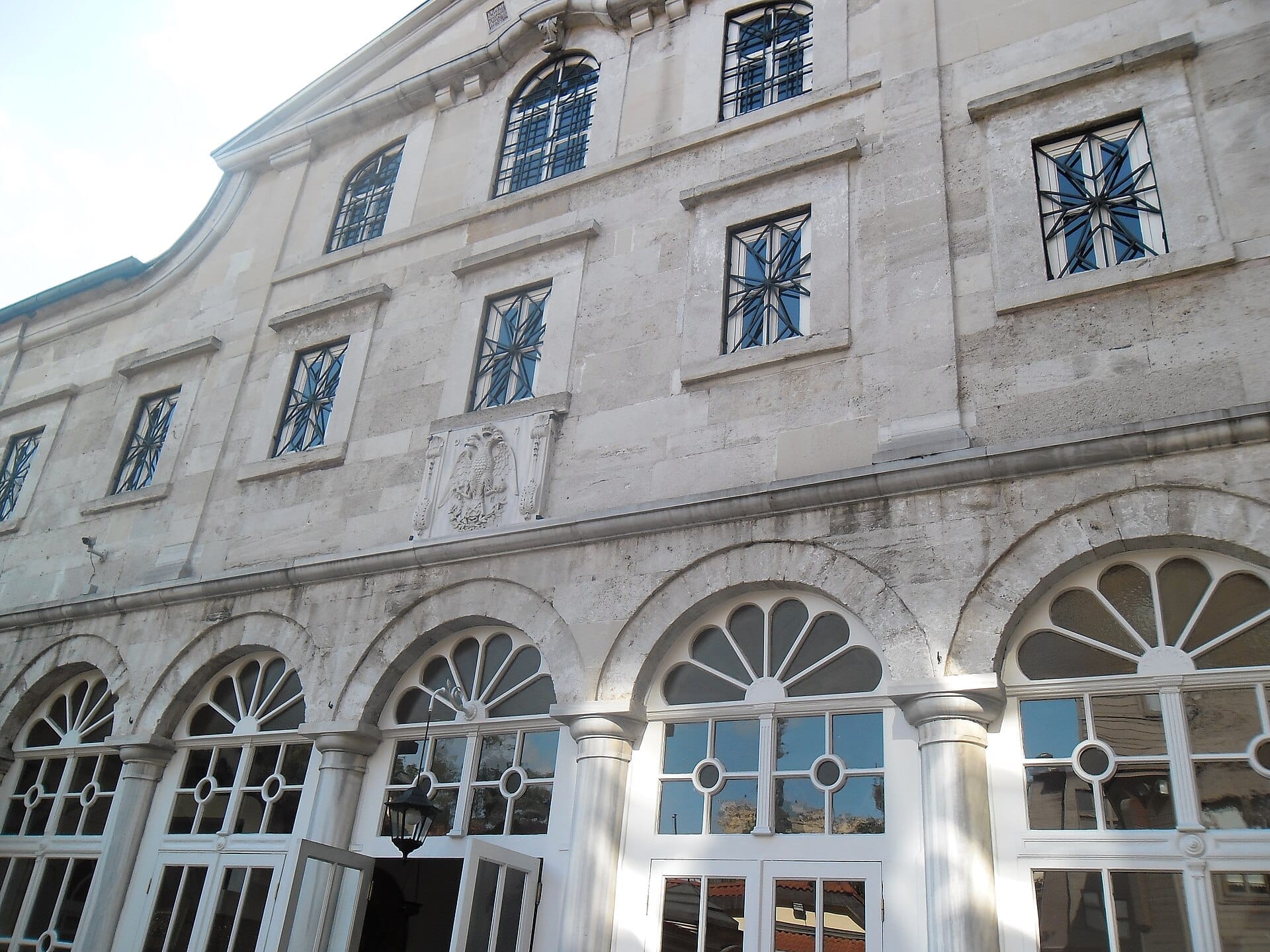
The Ecumenical Patriarchate of Constantinople has been based in Fener since around 1600, making this neighborhood the spiritual center of Eastern Orthodox Christianity worldwide. The compound, centered on the Cathedral of St. George, remains active today and is open to respectful visitors. It is a working religious institution rather than a museum, so appropriate dress and comportment are expected.
Balat has an equally layered past, though its identity is tied primarily to the Jewish community that settled here from at least Byzantine times, expanding significantly after the 1492 expulsion of Jews from Spain. Sephardic Jews brought with them Ladino, a Judeo-Spanish language, alongside crafts, trade networks, and a distinctive urban culture that gave Balat much of its commercial character through the Ottoman centuries. Several synagogues remain in various states of preservation, including the Ahrida Synagogue, believed to be one of the oldest in Istanbul, and the Yanbol Synagogue.
Armenian and Roman Catholic communities also left their mark here. The Church of St. Stephen the Bulgarian, a remarkable structure assembled from prefabricated cast iron panels in the late nineteenth century, stands near the Golden Horn waterfront and serves the Bulgarian Orthodox community. It remains one of the more unusual religious buildings in a city already full of extraordinary ones. The Surp Reşdagabet Gregorian Armenian Church represents another strand of the area's multi-confessional past. Walking these streets with even a basic knowledge of this history transforms what might otherwise look like a picturesque decay into something far more significant.
What to See and Do
The Ecumenical Patriarchate is the most historically significant institution in the neighborhood and worth visiting even for non-religious travelers. The compound is compact but meaningful. From there, walking uphill through Fener's residential streets toward the ridge gives a clear sense of the neighborhood's topography and the state of its vernacular architecture, where lovingly restored Ottoman wooden houses stand next to crumbling ones awaiting attention. The Theodosian Walls are accessible within a short walk to the west, and the stretch near Ayvansaray retains some of its most intact sections.
In Balat, the Church of St. Stephen the Bulgarian is the single most visually arresting building, particularly from the small square in front of it near the waterfront. The Ahrida Synagogue is among the oldest synagogues in Istanbul and can be visited by arrangement, though it requires advance contact with the Turkish Jewish community organization. The Küçük Mustafa Paşa Hamam is one of the older working baths in the city, though visitors should verify current opening arrangements before planning around it.
Antique and secondhand shopping is part of the Balat experience. A strip of small dealers along the lower market street sells everything from old postcards and Ottoman metalwork to mismatched crockery and salvaged furniture. It is not a curated antiques market but rather a genuine junk-and-treasure accumulation that rewards patient browsing. For a broader view of the waterfront and the neighborhoods in context, the Golden Horn shore promenade connects Balat toward Eminönü on one side and toward Eyüp Sultan Mosque and the Pierre Loti Hill area on the other, making it possible to combine both into a half-day or full-day itinerary along the water.
Ecumenical Patriarchate of Constantinople in Fener
Church of St. Stephen the Bulgarian near the Golden Horn waterfront
Ahrida Synagogue (visits by advance arrangement)
Küçük Mustafa Paşa Hamam
Antique and secondhand street market along Balat's lower commercial strip
Theodosian Walls sections near Ayvansaray
Golden Horn promenade walk linking Balat to Eminönü and Eyüp
ℹ️ Good to know
The Ecumenical Patriarchate is an active religious institution, not a conventional tourist attraction. It is open to visitors on most days, but access to the church and compound can be restricted during services and religious observances; check ahead if visiting on a specific date, particularly around Orthodox Easter or major feast days.
Eating and Drinking
The food scene in Fener and Balat has changed significantly in the last decade. The neighborhoods that were once passed over by visitors now have a recognizable café culture, particularly along the photogenic streets of Balat where brunch spots and specialty coffee places have opened in converted ground-floor workshops and old grocery stores. The quality varies: some are genuinely good, others are riding the neighborhood's visual appeal rather than the quality of what they serve.
At street level, the experience is more traditional. Small lokantalar (simple sit-down lunch restaurants) serve daily specials at fixed prices to working locals. Bakeries near the market area sell simit, börek, and other savory pastries from early morning. Along the waterfront promenade, tea gardens serve çay in tulip glasses to anyone who wants to sit and watch the Golden Horn traffic go by. Prices at these local establishments are noticeably lower than in the tourist-facing cafés on the photographed streets further up the hill.
For a proper evening out, the neighborhood is not the obvious choice, but a few small meyhanes do operate here, serving raki and meze to a local crowd in a setting far removed from the tourist circuit. For a more comprehensive meyhane experience, exploring Istanbul's meyhane culture in nearby Balıkpazarı or Karaköy tends to offer more options and more consistent quality, but the ones in Fener and Balat carry their own quiet charm.
Getting There and Around
The most straightforward way to reach Fener and Balat from central Istanbul is the T5 tram line, which runs along the Golden Horn shore from Cibali to Alibeyköy. Both Fener and Balat have dedicated stops on this line, placing them roughly 10 to 15 minutes from the Cibali terminus by tram. The T5 connects near Cibali/Eminönü with the T1 tram coming from Sultanahmet and Karaköy, making a combined visit to the historic peninsula relatively easy to plan.
Several bus lines also serve the area along the Golden Horn, including routes 36CE, 44B, 99, 99A, 99Y, 90, and 28E from Eminönü and Karaköy. These run more frequently than the tram and stop closer to the waterfront promenade, but they can be slower in traffic. All public transport in Istanbul uses the Istanbulkart contactless card, which is available at kiosks and vending machines across the city.
Ferry services stop at the Fener and Ayvansaray piers, with boats arriving regularly from Eminönü, Karaköy, and Üsküdar, and on some schedules from Kadıköy. Arriving by ferry is one of the more pleasant approaches, offering views of the neighborhood's waterfront buildings and the hills behind them. From the pier, the main streets of both Fener and Balat are a short walk inland. For those combining the visit with a stop at Galata Bridge or the Spice Bazaar in Eminönü, the ferry and tram combination makes good logistical sense.
Within the neighborhoods themselves, everything is on foot. The streets are steep in places, particularly moving uphill from the waterfront into residential Fener, so comfortable shoes are essential. Cobblestones are uneven and some streets remain in poor repair. Taxis and rideshare apps can reach the area but may struggle with some of the narrower lanes; the tram stops are close enough that returning by public transport is almost always simpler than arranging a pickup.
⚠️ What to skip
Walking from Eminönü to Balat along the shore requires crossing several busy roads near the Golden Horn junction areas. If you plan to walk the full route rather than taking the tram, pay careful attention to traffic at these crossings, particularly during rush hours.
Where to Stay
Accommodation options in Fener and Balat are limited compared to Sultanahmet or Beyoğlu. The neighborhoods are primarily residential, and the boutique hotel scene that has emerged is small. Those who do stay here typically value quiet, local atmosphere, and proximity to the Golden Horn over easy access to the city's main monuments.
For most first-time visitors, staying in Sultanahmet or Karaköy and making day trips to Fener and Balat makes more practical sense. Both areas are accessible within 15 to 20 minutes by tram or bus. Travelers who want a local, residential base and are comfortable navigating a neighborhood that shuts down early will find the handful of guesthouses and small boutique hotels here deeply appealing. For a full overview of Istanbul accommodation options by neighborhood, the guide to where to stay in Istanbul provides a detailed comparison.
Who Will Love It (and Who Won't)
Fener and Balat reward travelers who move slowly, notice details, and have at least some interest in the social history of cities. The neighborhoods offer almost nothing in the way of conventional tourist infrastructure: no major ticketed attractions apart from the Patriarchate, no established restaurant row, no reliable evening scene. What they offer instead is a rare chance to read a city's history at the street level, where Greek, Jewish, Armenian, and Turkish communities lived alongside each other for centuries, leaving traces that no amount of renovation has fully erased. If you're building an itinerary that already includes Hagia Sophia and the Grand Bazaar, adding a half-day in Fener and Balat shifts the entire trip toward something more layered and more clear-eyed about what Istanbul actually is.
Travelers looking for a concentrated day of Istanbul's bigger monuments would be better served starting with the historic peninsula before working their way up the Golden Horn. But for anyone on a second visit, or any traveler whose interest goes beyond the famous skyline, Fener and Balat are among the most worthwhile destinations in the city.
TL;DR
Best for: history-focused travelers, photographers, slow walkers, repeat visitors to Istanbul who want to go beyond the monuments.
Avoid if: you need easy access to nightlife, prefer polished tourist infrastructure, or have limited mobility (steep and uneven streets throughout).
Key sites: Ecumenical Patriarchate, Church of St. Stephen the Bulgarian, Ahrida Synagogue, Theodosian Walls near Ayvansaray.
Getting there: T5 tram from Cibali (near Eminönü) is the easiest option; ferries from Eminönü, Karaköy, and Kadıköy provide a scenic alternative.
Time needed: half a day on foot covers both neighborhoods comfortably; a full day allows for slower exploration, lunch, and a walk to Eyüp.
Three days in Istanbul is enough to cover the imperial monuments of Sultanahmet, the 19th-century streets of Beyoğlu and Galata, and a Bosphorus excursion to the Asian side. This itinerary is built around logical geography, practical crowd advice, and practical logistics so you spend your time sightseeing, not backtracking.
Istanbul's skyline is defined by its mosques, and the city's finest range from world-famous Ottoman imperial complexes to exquisite tiled interiors few tourists ever find. This guide covers the best mosques in Istanbul, with practical advice on when to visit, what to look for, and how to plan your route.
Istanbul's museums span 1,500 years of history, from Byzantine treasures and Ottoman palace complexes to cutting-edge contemporary art. This guide covers the essential collections, the underrated finds, and everything you need to plan your visits efficiently.
Istanbul rewards visitors year-round, but the timing of your trip makes a real difference. This guide breaks down every season by weather, crowd levels, prices, and key events so you can choose the window that fits your priorities.
The Bosphorus strait is the reason Istanbul exists, and a cruise across it is one of the city's most rewarding experiences. This guide covers every type of cruise, from the 340 TL public ferry to private yachts, with clear advice on what's worth your money and what isn't.
Istanbul's location makes it one of the best-placed cities in the world for day trips. Within a few hours you can reach car-free Victorian islands, Black Sea beaches, ancient Bosphorus fishing villages, and forested nature parks — many reachable on public transport for just a few dozen lira.
Istanbul's transport network spans metro lines, trams, Bosphorus ferries, buses, and ride-hailing apps across a city of Istanbul's transport network spans metro lines, trams, Bosphorus ferries, buses, and ride-hailing apps across a city of nearly 15.7 million people.. This guide breaks down every option by cost, convenience, and route, so you can move around Istanbul without confusion or overpaying.
Istanbul is safe for most tourists who take standard urban precautions, but it pays to know what risks actually exist. This guide breaks down crime patterns, common scams, neighborhood safety, transport tips, and what official travel advisories really mean for your trip.
Istanbul Airport (IST) is one of the world's busiest aviation hubs, Istanbul Airport (IST) is one of the world's busiest aviation hubs, handling 84.4 million passengers in 2025 from a single integrated terminal.. This guide covers everything from ground transport and terminal layout to transfer tips and common pitfalls, so you arrive prepared.
Most visitors to Istanbul never cross the Bosphorus. That's a serious mistake. Istanbul's Asian side — anchored by Kadıköy and Üsküdar — holds some of the city's best food markets, waterfront views, historic mosques, and neighbourhood character. This guide covers everything you need to cross over and make the most of it.
Istanbul is not a beach city, but it sits within reach of some surprisingly good coastline. This guide covers the best beaches near Istanbul across the Black Sea, the Princes' Islands, and beyond — with straightforward advice on water quality, currents, crowds, and how to get there.
Modern Istanbul sits directly on top of Constantinople, the Byzantine capital for over a thousand years. This guide covers every major surviving structure, from Hagia Sophia to the Theodosian Walls, with practical details on tickets, opening hours, restoration closures, and the smartest routes to follow.
Istanbul is home to an estimated 125,000 or more street cats, treated not as strays but as community animals cherished by residents and visitors alike. This guide covers the history, cultural roots, famous cats, best neighborhoods to find them, and practical tips for cat lovers visiting the city.
Istanbul food is one of the great culinary traditions of the world, shaped by centuries of Ottoman court cooking, Anatolian regional flavors, and street food culture that runs 24 hours a day. This guide covers every essential dish, the best neighborhoods to eat in, practical pricing, and how to avoid the tourist-trap menus.
Istanbul is one of the world's great romantic cities, where Byzantine history, waterfront sunsets, and Ottoman grandeur combine to create unforgettable experiences for couples. This guide covers the best activities, from Bosphorus cruises and Turkish baths to car-free island escapes and candlelit dinners — with practical advice on timing, pricing, and what to skip.
Istanbul rewards those who look beyond Hagia Sophia and the Grand Bazaar. This guide covers 20 lesser-known attractions across both sides of the Bosphorus, from forgotten Byzantine churches and Ottoman fortresses to colorful waterfront villages and hilltop viewpoints that most visitors never reach.
The Historic Peninsula (Tarihi Yarımada) is the oldest and most monument-dense part of Istanbul, encompassing Sultanahmet, Fatih, Eminönü, Süleymaniye, and more. This guide covers every major sight, practical logistics, crowd management strategies, and the cultural context that makes this area one of the most historically significant urban zones on earth.
Spring is one of the best times to visit Istanbul, but April and May are quite different months. This guide covers weather realities, the Tulip Festival, Bosphorus cruises, crowd patterns, and practical planning tips to help you get the most out of a spring visit.
Winter is Istanbul's most underrated season. Menschenmengen thin out, hotel rates drop, and the city's historic skyline looks cinematic under grey skies or a rare dusting of snow. This guide covers exactly what to expect from the weather, which sights are worth it, and how to make the most of the season.
The meyhane is Istanbul's answer to the long, convivial dinner: shared meze plates, anise-scented rakı sipped slowly across hours, and live fasıl music drifting between tables. This guide covers everything from how a meyhane evening works to the best neighborhoods, what things cost, and the customs that separate a confident diner from a confused tourist.
The official Istanbul Museum Pass is a Ministry of Culture product covering 10+ state-run museums for 5 consecutive days. Before you buy, here's what it actually includes, what it misses, how much it costs, and how to calculate if it's worth it for your trip.
Istanbul's after-dark scene spans multiple continents, dozens of neighborhoods, and every budget. This guide breaks down where to go, when to go, how much to spend, and what nobody warns you about before you arrive.
Istanbul rewards budget travelers more than almost any major European-adjacent city, but only if you know where the real costs hide. This guide breaks down daily spending, transport, food, accommodation, and free sights so you can plan honestly and spend wisely.
Seven days is enough time to move beyond the obvious monuments and get a genuine feel for Istanbul — its neighborhoods, its ferries, its food, and its contradictions. This day-by-day itinerary balances the essential sights with practical logistics, clear budget guidance, and the kind of context that makes the difference between ticking boxes and actually understanding this city.
Istanbul served as the heart of the Ottoman Empire for nearly 500 years, and the city still carries that history in stone, tile, and ceremony. This guide covers the essential sites, the historical context behind them, and the practical details you need to visit them well.
Ramadan transforms Istanbul in ways most guidebooks overlook. This guide covers exactly what changes for visitors, which experiences are exclusive to the month, how to navigate iftar crowds, and what the common misconceptions get wrong.
Istanbul is one of the world's great shopping cities, layering 4,000-shop historic bazaars over modern malls and independent boutique streets. This guide covers every major shopping district, what to actually buy, realistic price ranges, and the practical details most guides leave out.
Istanbul rewards mga solo traveler with extraordinary variety: Byzantine monuments, ferry crossings, street food markets, and a public transport network that makes independent exploration easy. This guide covers safety realities, transport logistics, neighborhood choices, and the experiences that work best when you're traveling on your own terms.
Istanbul's street food scene is one of the city's great pleasures, and one of its great equalizers. Locals and visitors eat side by side at the same simit carts and fish sandwich stalls. This guide breaks down the essential dishes, the best neighborhoods to find them, realistic prices, and a few frank warnings about what to avoid.
Cappadocia is roughly 730 km from Istanbul, and getting there involves more planning than most travelers expect. This guide covers every transport option — flights, overnight buses, and the rail myth — with clear breakdowns of time, cost, and what to arrange before you arrive.
Every April, Istanbul plants 20 to 30 million tulips across its parks and public squares for the İstanbul Lale Festivali. This guide covers the best viewing spots, peak bloom timing, how to get there, and what most visitors get wrong about this free, city-wide event.
Istanbul rewards those who look up and out. Whether you want sweeping Bosphorus panoramas, minarets at golden hour, or a cocktail above the Golden Horn, this guide covers the city's finest viewpoints and elevated spots.
Istanbul rewards walkers like few cities on earth. Whether you follow a guided tour through Sultanahmet's ancient monuments or strike out alone along the Bosphorus shore, these are the routes, landmarks, and neighbourhoods that make the best walks in Istanbul unforgettable.
Istanbul's climate surprises most first-time visitors. Winters are cold and wet, summers are warm but rarely scorching, and the best windows for sightseeing are narrower than you'd expect. This guide breaks down every month so you can pack right, plan better, and avoid the most common weather-related mistakes.
The Sema is one of the world's oldest living spiritual rituals, and Istanbul has several places to witness it. This guide breaks down every major venue, current prices, seasonal schedules, and the etiquette you need to know before you go.
Istanbul is far more family-friendly than its reputation as a history-heavy destination suggests. This guide covers the best kid-approved attractions, practical logistics, seasonal advice, and frank assessments of what works — and what doesn't — when visiting Istanbul with children.
Istanbul rewards upscale travelers with a rare combination: imperial architecture, world-class hotels on the Bosphorus, serious fine dining, and private experiences that go far beyond the standard tourist circuit. This guide covers where to stay, what to book, and how to move through the city like an insider.
Istanbul is one of the world's most layered cities, where Byzantine churches sit beside Ottoman mosques, and Asian fishing villages are a ferry ride from European nightlife. This guide cuts through the noise with specific attractions, current prices, neighborhood breakdowns, and the practical warnings that most travel sites skip.
Istanbul's hammams are among the most atmospheric in the world, operating in buildings that have steamed visitors since the Ottoman era. This guide covers what actually happens inside, which hamams are worth the price, what things cost, and how to make the most of the experience without getting overcharged.
Istanbul is a city of distinct neighborhoods, and where you stay shapes everything from your morning commute to your dinner options. This guide breaks down the best areas for first-timers, budget travelers, couples, and anyone who wants more than just a central location.