Solo Travel in Istanbul: The Practical Guide You Actually Need
Istanbul rewards mga solo traveler with extraordinary variety: Byzantine monuments, ferry crossings, street food markets, and a public transport network that makes independent exploration easy. This guide covers safety realities, transport logistics, neighborhood choices, and the experiences that work best when you're traveling on your own terms.
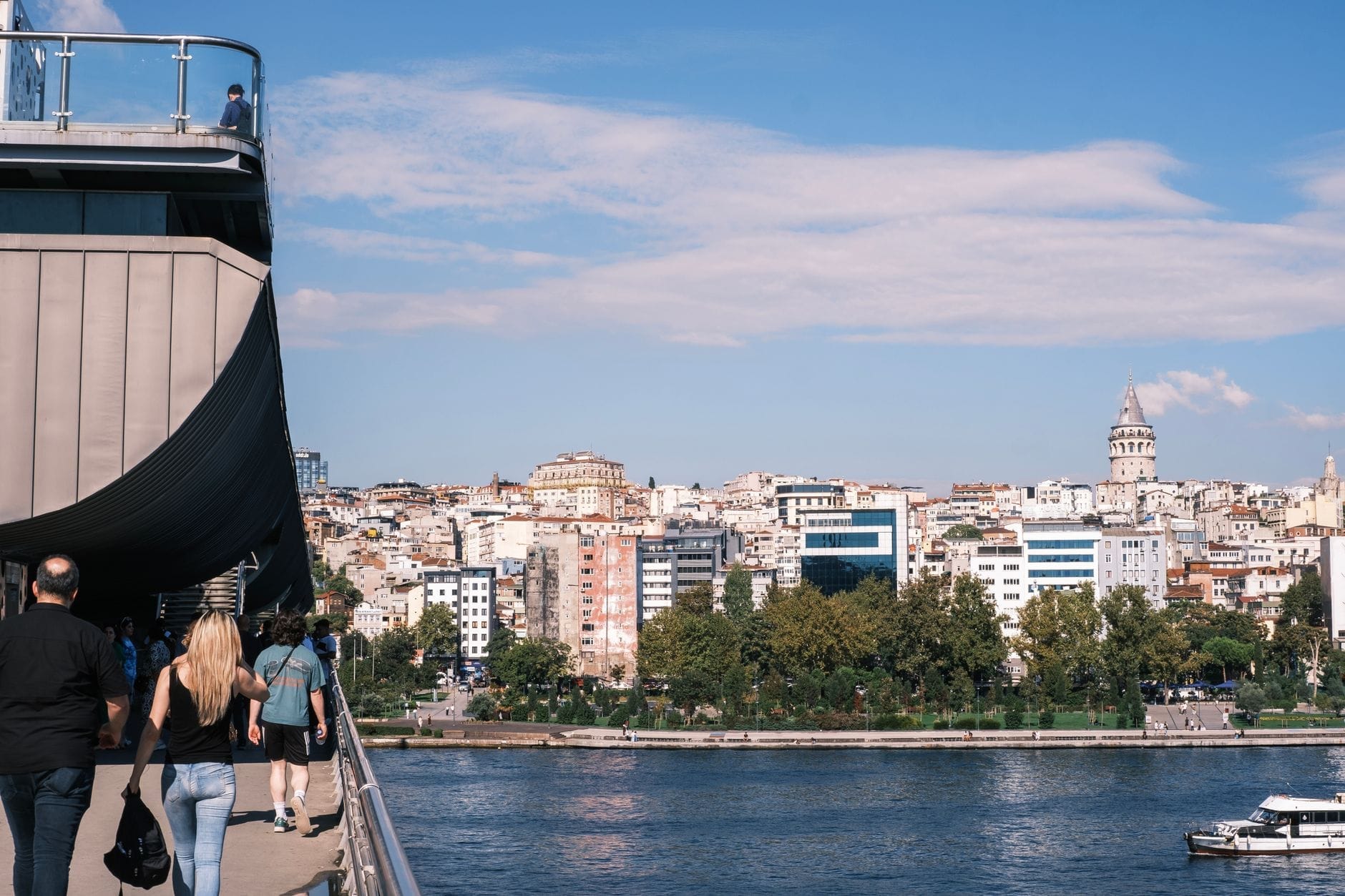
Plan and book this trip
Tools from our partner Travelpayouts help you compare flights and hotels. If you book through them, we may earn a commission at no extra cost to you.
Flights
Hotels map
TL;DR
- Istanbul is generally safe for mga solo traveler, including solo women, with standard big-city precautions around petty theft and licensed taxis.
- The Istanbulkart smart card covers metros, trams, buses, and ferries — get one on arrival and use public transport as your primary way around the city.
- April to June and September to October offer the best conditions for solo sightseeing: mild temperatures, manageable crowds, and longer daylight.
- The Museum Pass Istanbul saves both money and queuing time across Topkapi Palace, the Basilica Cistern, and other major sites.
- Taxi scams are the most consistent irritant for solo visitors — use the meter, or book via BiTaksi or iTaksi apps instead.
Is Istanbul Safe for Solo Travelers?
The straightforward answer: yes, with the same awareness you'd apply in any major city. Istanbul has a population of nearly 16 million across a metropolitan area of over 5,300 km², straddling Europe and Asia across the Bosphorus. At that scale, crime exists, but the tourist-facing risks are mostly petty rather than violent. The well-traveled routes through Sultanahmet, Beyoglu, Kadikoy, and Besiktas are safe during the day and early evening for solo visitors of any background.
The U.S. State Department's Turkey travel advisory lists theft, harassment, and assault as concerns in specific contexts: unlicensed taxis, nightclubs, and poorly monitored spas or hamams, particularly late at night. These are real but avoidable risks. Turkey overall carries a Level 2 advisory ('exercise increased caution') due to terrorism concerns, so mga solo traveler should monitor local news during their visit and avoid large political gatherings. For day-to-day sightseeing and dining, this rarely affects the practical experience.
ℹ️ Good to know
Istanbul has a dedicated Tourism Police unit stationed near Hagia Sophia and the Basilica Cistern. Their direct line is +90 212 527 45 03. For general emergencies anywhere in Turkey, call 112 (the unified European emergency number for ambulance, fire, and police).
Solo women travelers often find Istanbul more manageable than its reputation suggests. Modest dress helps in conservative neighborhoods and is required at mosques, but the city center near Istiklal Avenue and Kadikoy has the same dress diversity as any Western European city. Avoiding isolated areas after midnight, using licensed transport, and staying in established neighborhoods are the practical baseline. More detailed context on safety patterns is covered in our Istanbul safety guide.
Getting Around: Transport for Solo Travelers
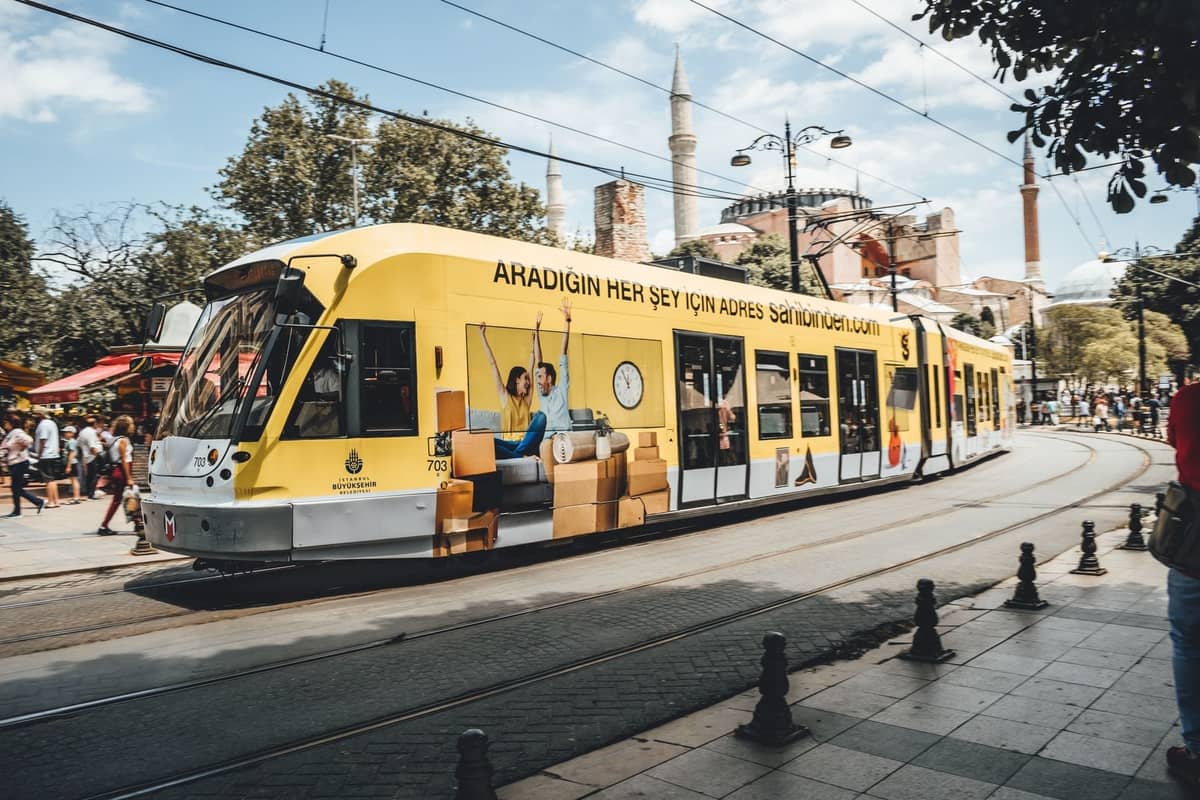
Istanbul's public transport network is extensive and solo-traveler friendly. The Istanbulkart is a contactless smart card that works across the metro, trams (including the historic T1 line through Sultanahmet), municipal buses, the Marmaray rail tunnel under the Bosphorus, and most Sehir Hatlari ferries, plus major state-run museums (but not the Basilica Cistern). Buy one at the airport or at major metro stations — there's a refundable deposit on the card itself, and you top it up as needed. Using the card is significantly cheaper than single-journey tickets.
- Metro (M lines) Multiple lines cover European and Asian sides. The M11 connects Istanbul Airport (IST) to the city network via Gayrettepe. The M4 links Sabiha Gokcen Airport (SAW) to Kadikoy on the Asian side.
- Tram T1 The most useful line for solo sightseeing: runs from Bagcilar through Eminonu and Sultanahmet to Kabatas, passing the Grand Bazaar area and the main historic monuments.
- Marmaray The commuter rail tunnel under the Bosphorus connects Kazlicesme (European side) with Ayrilikcesmesi (Asian side) in about 4 minutes. The fastest way to cross between continents.
- Ferries (Sehir Hatlari) The practical and scenic way to cross the Bosphorus. Main lines run from Eminonu and Karakoy to Kadikoy, Uskudar, and Besiktas. Also covers routes to the Princes' Islands.
- Buses (IETT) Extensive coverage but harder to navigate without Turkish language skills. Useful for routes not covered by rail or tram. The Metro Istanbul and IETT apps have English-language route planners.
⚠️ What to skip
Taxi scams targeting tourists are a persistent problem in Istanbul. The most common: meters that 'don't work' followed by an inflated fixed price, or drivers taking unnecessarily long routes from the airport. Always insist the meter is running before the journey starts. Better yet, use the BiTaksi or iTaksi apps to book a licensed taxi with upfront pricing. Avoid unofficial taxis near Sultanahmet entirely.
From Istanbul Airport (IST), the M11 metro line is the most reliable solo option: it connects to the wider metro network at Gayrettepe, journey time around 35-40 minutes to central European-side stations, and you avoid any haggling. From Sabiha Gokcen (SAW), the M4 metro runs to Kadikoy, from where ferries and the Marmaray reach the European side. HAVABUS coaches serve both airports if you prefer a direct connection to specific hubs like Taksim, but they are slower in traffic.
Best Neighborhoods for Solo Travelers
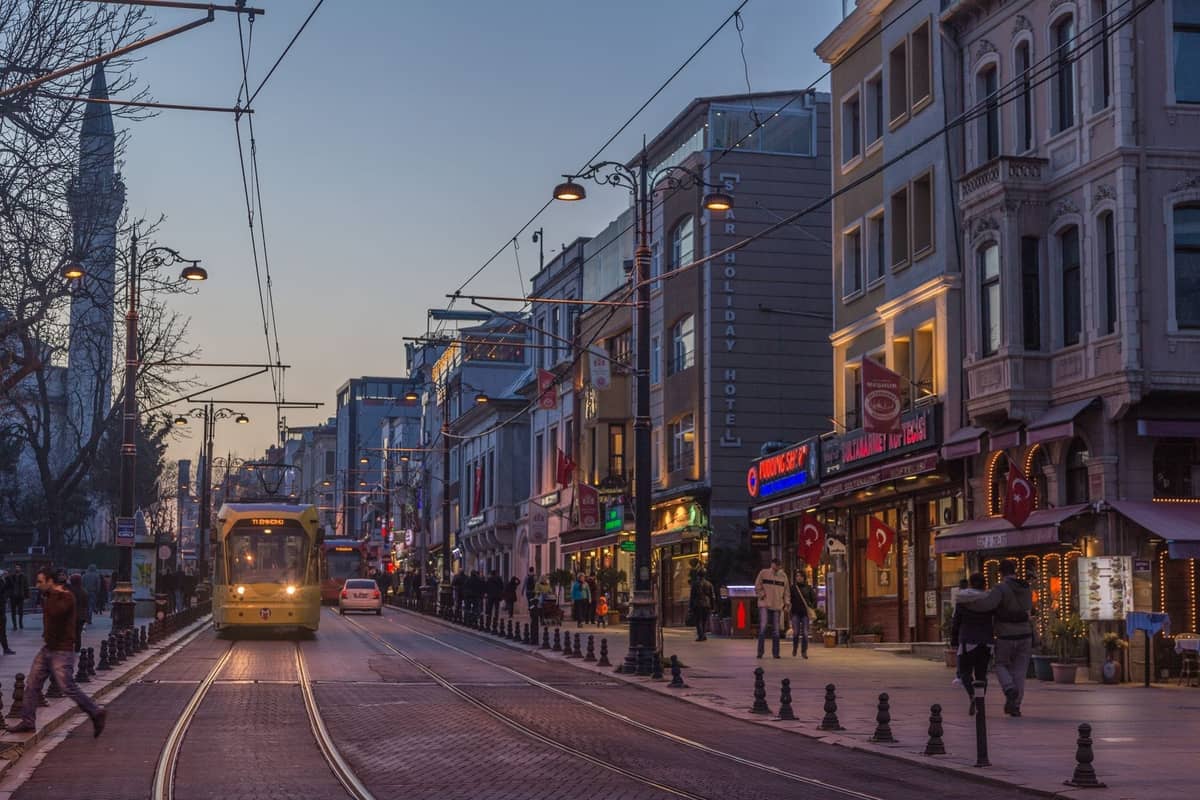
Where you base yourself significantly affects the solo experience. Sultanahmet puts you within walking distance of the major monuments — Hagia Sophia, Topkapi Palace, the Hippodrome, the Basilica Cistern — but the neighborhood is heavily tourist-oriented and prices reflect that. It's quieter after dark when tour groups leave, which suits some mga solo traveler and feels isolating to others.
Karakoy and Galata offer a better balance: ferry piers and the Galata Tower are right there, the restaurant and cafe scene is genuine rather than tourist-facing, and you're 10 minutes from Sultanahmet by tram. For mga solo traveler who want evenings out without relying on cabs, Beyoglu and the streets around Istiklal Avenue have the density of bars, meyhanes, and live music venues that make independent nights easier.
The Asian side deserves serious consideration, particularly Kadikoy. It's where many Istanbullus actually eat, drink, and spend weekends, with a market district, strong cafe culture, and ferry access to Eminonu in 20 minutes. Less polished than the European tourist trail but more authentic day-to-day. Uskudar is quieter, more residential, and worth a half-day visit for the waterfront views and the Maiden's Tower, but it's not ideal as a solo base.
Experiences That Work Well Solo
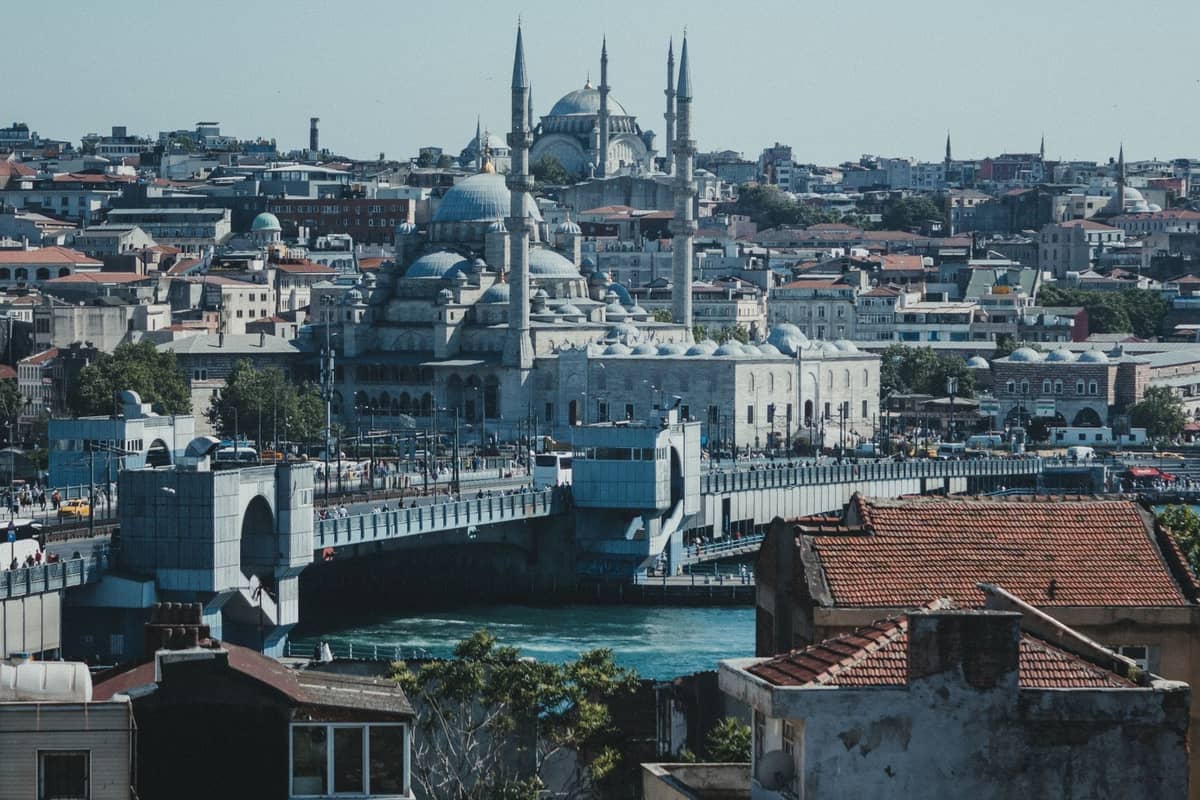
Istanbul's greatest solo advantage is that most of its best experiences are inherently independent. The historic peninsula is walkable in sections, and spending a morning wandering from Topkapi down to the Spice Bazaar requires no group or guide. The Rustem Pasha Mosque, tucked above the market stalls near Eminonu, rewards the traveler who deviates from the main circuit and is far quieter than the headline sites.
A Bosphorus ferry journey is one of the best solo activities in the city. The Sehir Hatlari public ferry from Eminonu to Anadolu Kavagi (the full Bosphorus run) takes about 90 minutes each way and costs a fraction of private tour boats, passing yali waterfront mansions, Rumeli Fortress, and the bridge crossings. You set your own pace, stop where you want, and the return leg gives you completely different light.
- Morning at the Grand Bazaar before 10:00 — manageable crowds, vendors not yet in full pressure mode
- A hamam visit at an established historic bath like Cagaloglu or Suleymaniye — safe and straightforward solo; book in advance and choose reputable venues
- The ferry from Kabatas to Buyukada (the largest Princes' Island) for a car-free, bicycle-friendly half-day escape
- Food tour or cooking class in Kadikoy — multiple operators offer small-group formats ideal for mga solo traveler meeting others
- Sunrise at the Suleymaniye Mosque courtyard — almost no crowds before 8:00, with one of the best panoramic views in the city
✨ Pro tip
Solo travelers are naturally more approachable targets for carpet sellers, restaurant touts, and the 'friendly local who wants to show you a special shop' routine near Sultanahmet. The standard opener is an unsolicited conversation about where you're from. Being polite but firm works fine — 'no thank you' and keep walking is entirely acceptable. The aggressive version of this is concentrated in the tourist core; it drops off significantly in Karakoy, Beyoglu, and the Asian side.
Practical Planning: Visas, Money, and Timing
Turkey's visa system now operates primarily through e-visas rather than visa-on-arrival. Nationals of many countries can apply online through the official evisa.gov.tr portal before travel. Visa rules change periodically, so check directly with the Republic of Turkiye Ministry of Foreign Affairs or the e-visa portal for current requirements for your passport. Processing is usually quick but do it before you leave, not at the airport.
The currency is the Turkish lira (TRY). ATMs are widely available across the city and typically offer better exchange rates than airport exchange desks. Card payments are accepted in most restaurants, hotels, and larger shops, but carry some cash for street food, small cafes, and market stalls. Tipping customs in Istanbul: 5-10% in sit-down restaurants is appreciated; rounding up taxi fares is standard. Neither is obligatory but both are normal practice.
On timing: April to June and September to October are the windows that consistently work best for solo sightseeing. Temperatures sit between 15-25°C, lines at major attractions are shorter than July-August, and the light is good. Spring in Istanbul also coincides with the tulip festival in April, when parks across the city are worth visiting for their own sake. Winter (December to February) brings rain, short days, and temperatures around 5-10°C, but crowds thin dramatically and Istanbul in winter has its own appeal for travelers who prefer museums and meyhanes over outdoor sightseeing.
Practical notes for arrival: Istanbul is on Turkey Time (TRT), UTC+3 year-round, with no daylight saving adjustment. The country dial code is +90. Electricity runs at 230V/50Hz with Type C and F (European) plugs. Tap water in Istanbul is treated to national standards but many visitors and locals prefer bottled water for drinking; this is a personal choice rather than a safety necessity, and bottled water is cheap and available everywhere.
💡 Local tip
If your plans include multiple major sites, the Museum Pass Istanbul is worth calculating against your itinerary. It covers Topkapi Palace, the Harem, Istanbul Archaeology Museums, and several other state-run attractions, and the time saved by using dedicated pass entrances matters more than the price difference on busy days. Check current pricing and included sites at muze.gen.tr before you buy.
Solo Travel in Istanbul: What's Overrated and What Isn't
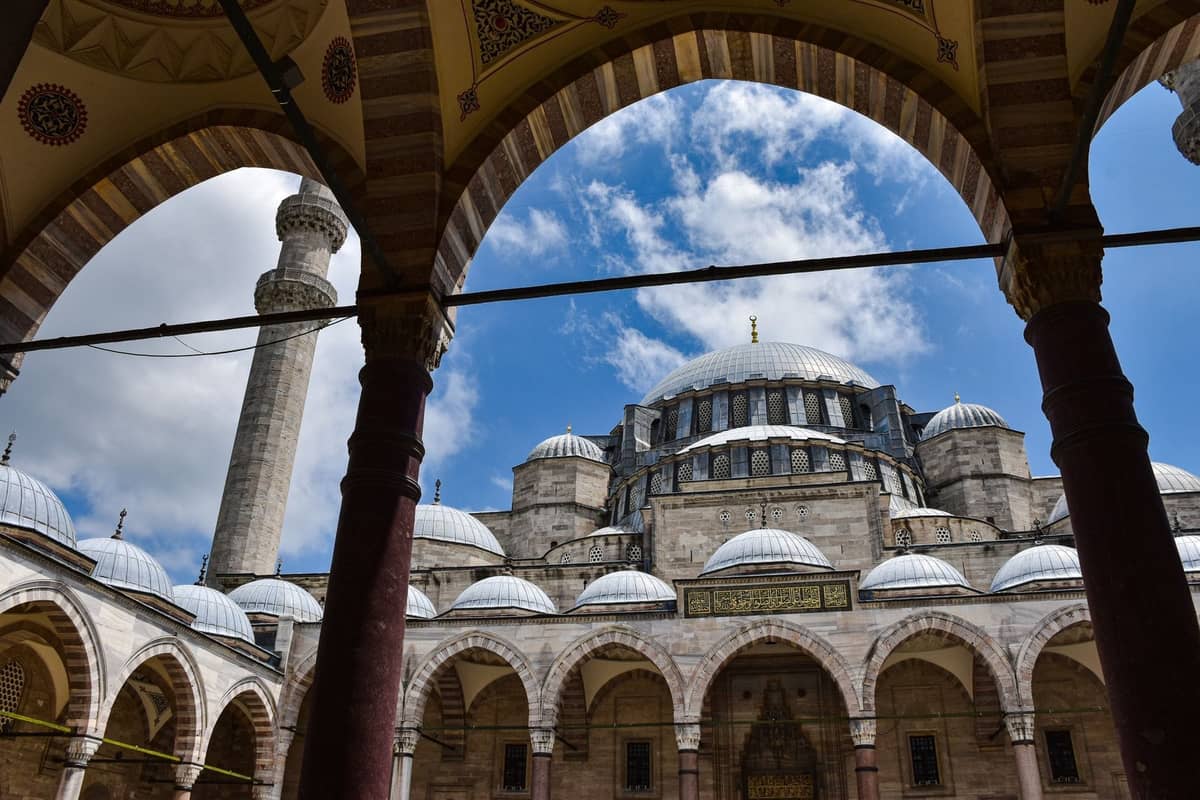
The Blue Mosque is genuinely impressive but the visitor management inside is disjointed, and the experience is often rushed. The Suleymaniye Mosque is architecturally comparable, far less crowded, has a better location above the Golden Horn, and the courtyard is one of the most peaceful spots in the old city. If you can only do one mosque properly, that's the better solo choice.
Organized Bosphorus dinner cruises marketed at tourist hotels are overpriced relative to the actual experience. The public Sehir Hatlari ferries give you the same scenery for a few lira. For those who want a more curated experience, smaller boat tours booked directly at Eminonu piers are better value than hotel-arranged packages. The Fener-Balat neighborhood for street photography and cafe-hopping is increasingly popular but still retains more character than the most-photographed lanes in Sultanahmet.
FAQ
Is Istanbul safe for solo female travelers?
Generally yes, though it requires more active awareness than many Western European cities. Well-touristed areas like Sultanahmet, Beyoglu, and Kadikoy are comfortable during the day and early evening. After midnight, particularly around nightlife areas, use licensed taxis or ride-hailing apps rather than walking alone in unfamiliar streets. Modest dress is appreciated in more conservative districts and required at mosques (shoulders and legs covered, hair covered for women). Many solo women travel Istanbul without issues; the key variables are neighborhood choice, nighttime transport, and avoiding informal taxi services.
What is the best time of year for a solo trip to Istanbul?
April to June and September to October offer the best combination of mild weather, manageable crowds, and good light for exploring. July and August are hot (highs around 28-30°C), crowded at major sites, and accommodation prices peak. Winter (December to February) is quiet and can work well for museum-focused trips, but expect rain, short days, and occasional cold snaps.
How do I avoid taxi scams in Istanbul?
The most reliable approach is to use the BiTaksi or iTaksi apps to book a licensed taxi with tracked routing and app-confirmed pricing. If you take a street taxi, confirm the meter is running before the journey starts. Official yellow taxis should always use the meter; if a driver claims it's broken or offers a 'fixed price', get out and find another cab. Avoid touts offering taxi services near Sultanahmet, the Grand Bazaar, and both airports.
Do I need to book attractions in advance as a solo traveler?
For the main sites, advance booking is strongly recommended during peak season (June to August) and around Turkish public holidays. Hagia Sophia is free to enter as a mosque but queues can be long. Topkapi Palace and the Harem require tickets, which can sell out on busy days. The Basilica Cistern is ticketed on-site, though crowds can be heavy at peak times. The Museum Pass Istanbul allows access at dedicated pass entrances, which is often faster than standard ticket queues.
What should mga solo traveler know about the Istanbul travel advisory?
As of recent guidance, the U.S. State Department rates Turkey at Level 2 ('exercise increased caution') primarily due to terrorism risk. For practical day-to-day travel in tourist areas of Istanbul, this means staying aware of your surroundings, avoiding large political demonstrations, and monitoring local news for any security developments. The tourist-facing risks that most commonly affect solo visitors are petty crime (pickpocketing in crowded markets), taxi scams, and, less commonly, targeted harassment near nightlife areas at night.