Is Istanbul Safe? A Traveller's Guide
Istanbul is safe for most tourists who take standard urban precautions, but it pays to know what risks actually exist. This guide breaks down crime patterns, common scams, neighborhood safety, transport tips, and what official travel advisories really mean for your trip.
Plan and book this trip
Tools from our partner Travelpayouts help you compare flights and hotels. If you book through them, we may earn a commission at no extra cost to you.
Flights
Hotels map
TL;DR
- Istanbul is generally safe for tourists. Major Western governments advise 'exercise increased caution' (U.S. Level 2), not 'do not travel' — routine tourism continues normally.
- Petty crime (pickpocketing, bag-snatching) is the most common risk in tourist areas like Sultanahmet and Taksim. Terrorism is a background risk, not a daily reality for visitors.
- The infamous 'bar scam' and fake taxi overcharges are the biggest practical threats. Use app-based taxis (BiTaksi, iTaksi) and stay alert around Sultanahmet and İstiklal Avenue.
- 'Do not travel' zones in Turkey are the border regions with Syria and Iraq — not Istanbul or the main tourist areas.
- Carry your passport at all times: Turkish law requires photographic ID on your person, and police do conduct spot checks.
What the Official Travel Advisories Actually Say
When people ask whether Istanbul is safe, they often encounter alarming-sounding government advisories without context. Here is what those advisories actually mean in practice.
The U.S. State Department rates Turkey at Level 2: 'Exercise Increased Caution,' citing terrorism, armed conflict, and arbitrary detentions. This is a higher rating than France and Germany (currently Level 1) and the same as the UK (Level 2). It does not mean avoid the country. It does not mean avoid the country. The UK's Foreign Commonwealth and Development Office (FCDO) echoes this with similar language about terrorism risk and crime. Canada and Australia use roughly equivalent language — elevated caution, not blanket avoidance.
The critical detail most guides miss: 'Do Not Travel' warnings within Turkey apply specifically to areas within 10 km of the borders with Syria and Iraq and to certain southeastern provinces such as Şırnak and Hakkari. Istanbul sits on the northwestern tip of the country, roughly 1,500 km from those zones. Istanbul sits on the northwestern tip of the country, roughly 1,500 km from those zones. Treating the entire country as equally risky is a significant misreading of official advice.
ℹ️ Good to know
Always check your own government's current travel advisory before departure, as ratings can change after security incidents. U.S. travelers: travel.state.gov. UK travelers: gov.uk/foreign-travel-advice/turkey. Australians: smartraveller.gov.au.
The Real Risks: Crime and Scams
Terrorism makes headlines, but the day-to-day risk most visitors actually encounter is much more mundane: pickpockets, bag-snatchers, and organized scams targeting tourists. Istanbul is a city of nearly 16 million people and receives tens of millions of visitors a year. Like any major city of that scale, it has opportunistic crime concentrated in high-footfall tourist zones.
- Pickpocketing and bag-snatching Most common on the T1 tram line, around the Grand Bazaar, Sultanahmet Square, and İstiklal Avenue. Keep bags in front of you, use inner zip pockets for valuables, and be especially alert in crowds near major monuments.
- The bar and restaurant scam A friendly local (often male) approaches mga solo traveler near Taksim or Sultanahmet, invites them to a 'great bar' he knows, and the evening ends with an inflated bill of several hundred dollars and staff who become aggressive when you refuse to pay. This scam is well-documented and still active. Do not follow strangers to bars.
- Fake or meter-rigged taxis Unlicensed taxis and drivers with tampered meters are a known problem, particularly outside major transport hubs late at night. Always use official yellow taxis with visible company branding, or book through BiTaksi or iTaksi apps which lock in the fare in advance.
- Shoe-shine drop scam A shoe-shiner 'accidentally' drops his brush near you. When you return it, he insists on polishing your shoes and then demands an inflated payment. Politely decline and keep walking.
- Drug-facilitated assault Both U.S. and Canadian advisories flag cases of drinks being spiked in nightclubs, taxis, and when traveling alone at night. Never accept drinks from strangers, and keep an eye on your glass in unfamiliar venues.
⚠️ What to skip
Canada's travel advice specifically flags cases of pesticide poisoning in Istanbul accommodations — travelers have become ill from pest control chemicals used in hotel rooms. Ventilate your room on arrival, especially in budget accommodations, and report any chemical smell to staff immediately.
Is Istanbul Safe for Americans (and Other Western Travelers)?
Americans specifically ask this question because U.S.-Turkey relations have had periods of tension, and some worry about being targeted for their nationality. In practice, American tourists do not face elevated hostility in Istanbul. The city is accustomed to international visitors from every background, and anti-American sentiment does not translate into violence against tourists in tourist areas.
The more relevant concern for Americans is the same as for any Western traveler: avoid political demonstrations. Large protests occur periodically in Istanbul, particularly around election periods or international events. These can turn unpredictable. The U.S. Embassy in Istanbul (located in Beyoğlu) issues security alerts to registered U.S. citizens, so enrolling in the STEP program (Smart Traveler Enrollment Program) before you arrive is worth doing — it takes five minutes online.
Solo female travelers also commonly ask about Istanbul's safety. The frank answer: Istanbul is manageable for solo women but requires more vigilance than in many Northern European cities. Verbal harassment (unsolicited comments, persistent approaches) is more common than in some destinations, particularly in certain areas late at night. Sticking to well-lit, populated streets, using app-based taxis rather than hailing cabs on the street, and being assertive with unwanted approaches all help significantly. Many thousands of women travel solo in Istanbul every year without incident.
Safer and Riskier Neighborhoods: Where to Stay Alert
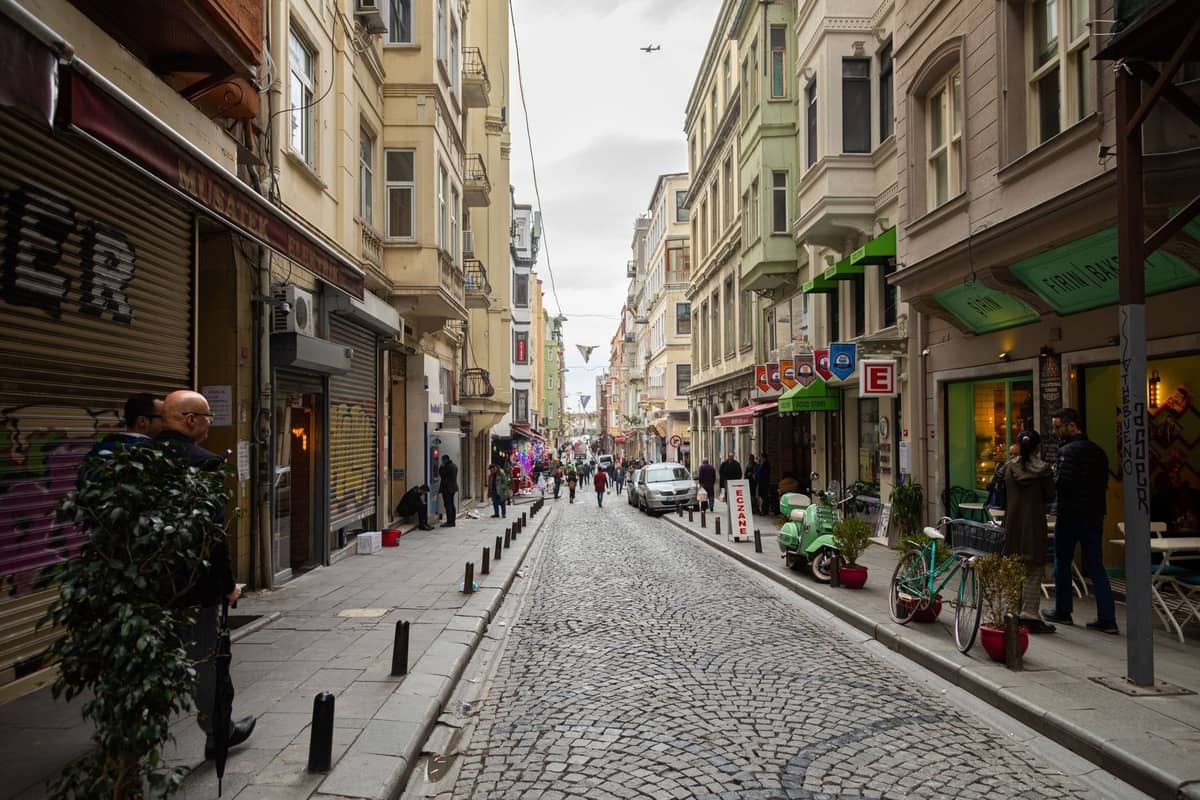
Istanbul's safety profile varies considerably by district. The city is not uniformly risky, and knowing where to be more careful changes the experience significantly.
- Sultanahmet (Fatih district) The historic heart with Hagia Sophia, Topkapı Palace, and the Blue Mosque. Extremely well-policed and safe during daylight. Pickpocketing peaks here given the tourist density. Tourist Police presence is visible. Scam approaches are most frequent in this zone.
- Taksim and İstiklal Avenue (Beyoğlu) Busy, lively, and generally safe in crowds. The bar scam operates primarily in the streets around İstiklal late at night. Avoid the narrower side streets around Taksim after midnight if alone.
- Karaköy and Galata Increasingly popular, well-lit, with cafes and galleries. One of the more relaxed areas for mga solo traveler. Still worth watching bags in the Galata Bridge area.
- Kadıköy (Asian Side) A residential-commercial hub that most tourists skip. Generally considered safer and less scam-heavy than the European tourist zones. Good ferries connect it to the European side in 20-25 minutes.
- Fener-Balat Historic neighborhood popular for photography and colorful houses. Less tourist infrastructure, fewer scam operators. Street lighting can be limited at night — plan to visit during the day.
If you are deciding where to base yourself, our neighborhood-by-neighborhood accommodation guide covers the safety profile of each district alongside transport links and price ranges.
Transport Safety: Taxis, Metro, and Getting Around
Transport is where many Istanbul safety issues concentrate. The metro, tram, and ferry network is generally safe, but crowded carriages are prime pickpocketing territory. Keep bags secured and visible during peak hours on the T1 tram (which runs through Sultanahmet and Eminönü) and on the M2 metro line to and from Taksim.
Taxis deserve special mention. Official yellow taxis are licensed and metered, but meter manipulation and long-route scams are documented. The safest approach is to book via BiTaksi or iTaksi apps, where the route is tracked and prices are transparent. Uber operates in Istanbul in partnership with licensed taxis, which adds a layer of accountability. For airport transfers specifically, see the Istanbul airport transport guide for current options and realistic fare ranges.
✨ Pro tip
Get an Istanbulkart (the city's contactless smart card) as soon as you arrive. It works on metro, tram, bus, and most ferries, and it is significantly cheaper per journey than single tickets. Available at airport vending machines and major transit stations.
U.S. and Canadian advisories specifically flag transportation hubs (airports, metro stations, ferry terminals) as higher-risk for terrorism. This does not mean avoid public transport — millions of people use it daily without incident. It means staying aware of your surroundings, not leaving bags unattended, and moving away from any unattended packages.
Practical Safety Tips Before You Go
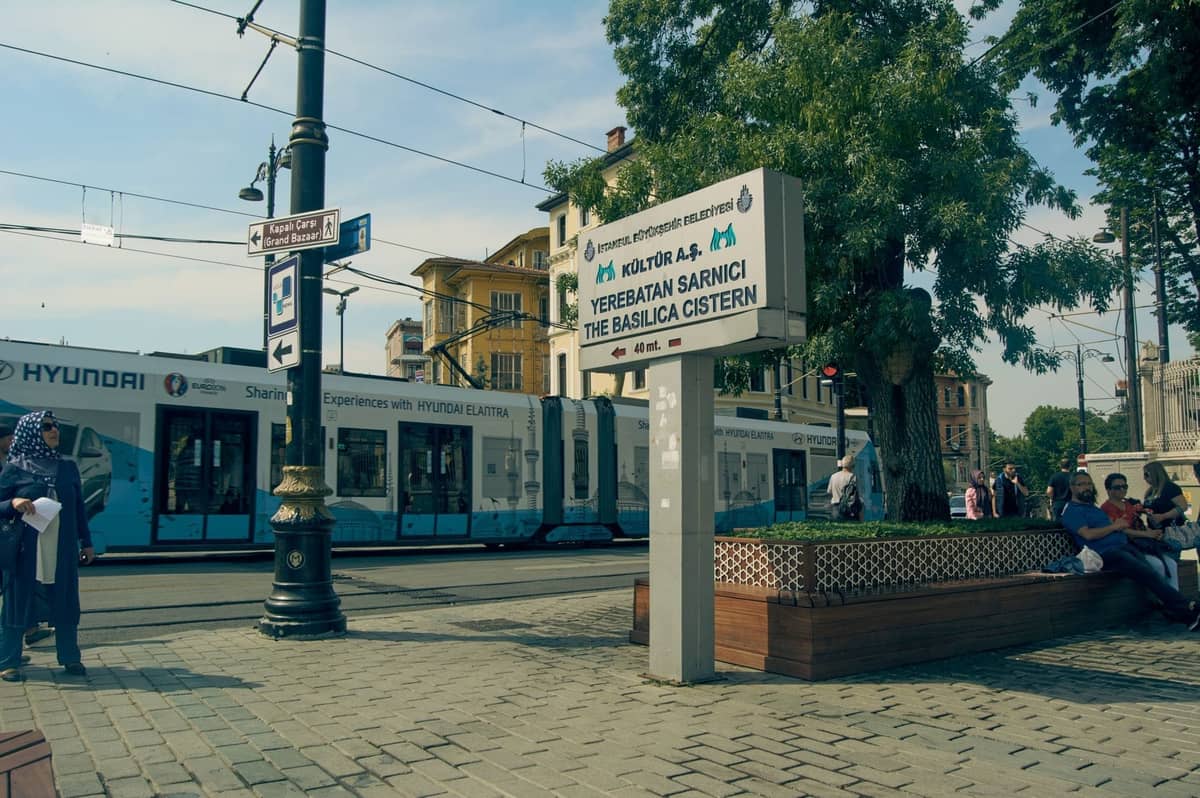
Most Istanbul safety problems are avoidable with preparation. The tourists who have bad experiences tend to share a few common patterns: they followed a stranger to an unfamiliar venue, they used an unlicensed taxi at night, or they left valuables visible in a bag. The following checklist covers the highest-impact precautions.
- Carry your passport at all times — Turkish law requires photographic ID on your person. A certified copy is not sufficient; bring the original or your residence permit.
- Keep emergency numbers saved: Police 155, Ambulance 112, Fire 110. The Tourist Police line in Istanbul is +90 212 527 4503.
- Check your country's current travel advisory the week before you leave, not months in advance.
- Drink tap water with caution — it is treated and officially safe, but many residents and visitors prefer bottled water. Bottled water is cheap and widely available.
- Turkey uses 230V/50Hz electricity with Type C and Type F plugs (Europlug/Schuko). Bring a travel adapter if needed.
- Dress codes matter at religious sites: cover shoulders and legs when entering mosques, and women should have a head covering available (scarves are often lent at major mosques like the Blue Mosque).
- Tip 5-10% in restaurants where service is not included, and round up taxi fares slightly. Neither is obligatory, but both are customary.
- Register with your embassy's traveler program before arriving (STEP for Americans, Registration of Canadians Abroad for Canadians, etc.).
For a broader picture of what to expect on arrival, the getting around Istanbul guide covers the full transport network in detail, and the solo travel guide for Istanbul addresses specific concerns for travelers going it alone.
💡 Local tip
The best time to visit Istanbul from a crowd and safety perspective is April-June or September-October. Fewer visitors means less pickpocketing pressure in tourist areas, shorter queues at major sites, and more comfortable temperatures for walking. See the best time to visit guide for a full breakdown.
If your itinerary includes the major historic monuments, the historic peninsula guide includes practical crowd and timing advice for sites like Hagia Sophia and Topkapı Palace that also helps you avoid the peak scam-active periods around these sites.
FAQ
Is Istanbul safe for American tourists right now?
Yes, Istanbul is open to American tourists and the U.S. State Department has not issued a 'Do Not Travel' warning for Istanbul or the main tourist regions. The current Level 2 advisory ('Exercise Increased Caution') applies to the whole country and reflects terrorism risk and occasional civil unrest — the same advisory level used for many Western European cities. Americans do not face specific targeting. Register with the STEP program before traveling and check for any new alerts on travel.state.gov close to your departure date.
Is Istanbul safe for solo female travelers?
Istanbul is manageable for solo women but requires more active awareness than in some other European cities. Verbal harassment can occur, particularly in tourist zones at night. Practical measures that help significantly: use app-based taxis (BiTaksi, iTaksi) rather than hailing cabs on the street, avoid following strangers to bars, stay on well-lit main streets after dark, and be direct in declining unwanted attention. Thousands of solo female travelers visit Istanbul every year without serious incident.
What are the most common scams in Istanbul and how do I avoid them?
The bar scam (a 'friendly local' leads you to a bar that produces an enormous bill) is the most costly. Avoid it by never going to a venue suggested by someone who approached you on the street. Fake or tampered taxi meters are the second most common issue — use BiTaksi or iTaksi apps for all taxi journeys. The shoe-shine drop is harmless financially if you simply decline and walk away. Pickpocketing peaks around the Grand Bazaar, T1 tram, and Sultanahmet Square: use inner pockets and keep bags in front.
Is the terrorism risk in Istanbul serious for tourists?
Turkey has experienced terrorist attacks in the past, and the risk is real enough that major governments include it in travel advisories. However, the practical reality is that Istanbul's tourist areas see heavy police presence, and large-scale attacks in the city center are not routine occurrences. The elevated-caution rating reflects background risk, not an active imminent threat. Being alert in crowded transport hubs (metro, airports, ferries), avoiding unattended bags, and staying away from large demonstrations covers most of the practical risk mitigation.
Which parts of Turkey have 'Do Not Travel' warnings, and does that include Istanbul?
No, Istanbul is not in a 'Do Not Travel' zone. The highest-level warnings within Turkey apply to provinces near the Syrian and Iraqi borders — specifically Hatay, Şırnak, Hakkari, and neighboring areas in the southeast. Istanbul is roughly 1,500 km from those regions on the northwestern edge of the country. Istanbul, Cappadocia, the Aegean coast, and other main tourist destinations are under the general 'Exercise Increased Caution' advisory, not 'Do Not Travel.'