Istanbul Airport (IST): The Complete Guide for Travellers
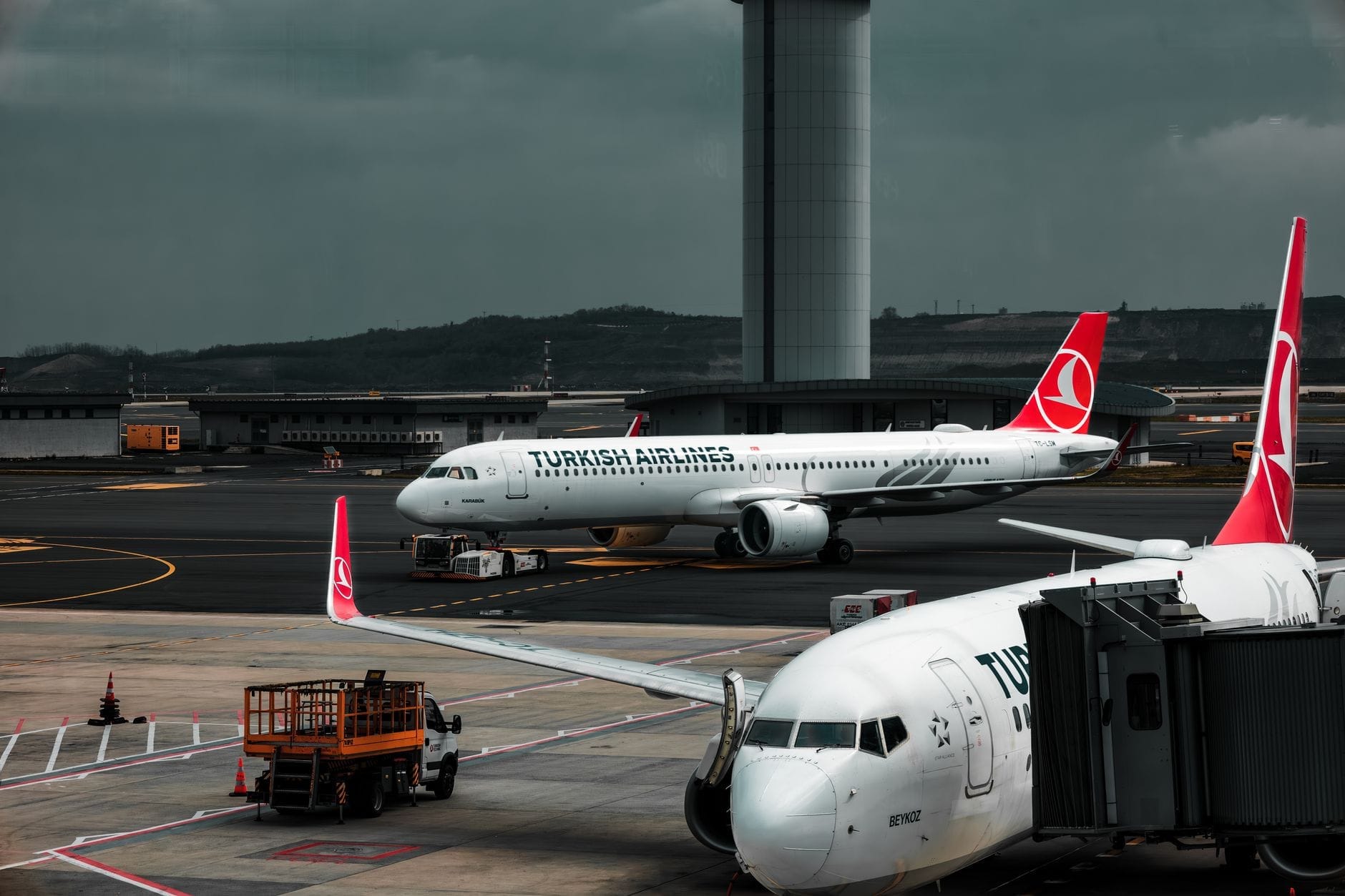
Istanbul Airport (IST) is one of the world's busiest aviation hubs, Istanbul Airport (IST) is one of the world's busiest aviation hubs, handling 84.4 million passengers in 2025 from a single integrated terminal.. This guide covers everything from ground transport and terminal layout to transfer tips and common pitfalls, so you arrive prepared.
Plan and book this trip
Tools from our partner Travelpayouts help you compare flights and hotels. If you book through them, we may earn a commission at no extra cost to you.
Flights
Hotels map
TL;DR
- Istanbul Airport (IST) is located 40 km northwest of Taksim in the Arnavutköy district — budget 60-90 minutes for the journey into central Istanbul, depending on traffic.
- The airport has one integrated terminal for both domestic and international flights — there is no separate terminal to switch between, which simplifies getting around Istanbul on arrival.
- The fastest transfer option into the city is the M11 metro line to Gayrettepe, where you connect to the broader Istanbul Metro network.
- Atatürk Airport no longer serves scheduled passenger flights — all commercial traffic moved to IST in April 2019.
- If your flight lands at Sabiha Gökçen (SAW) on the Asian side instead, the logistics are completely different — see the section below, or check the Istanbul Asian side guide for context.
Istanbul Airport at a Glance: Key Facts
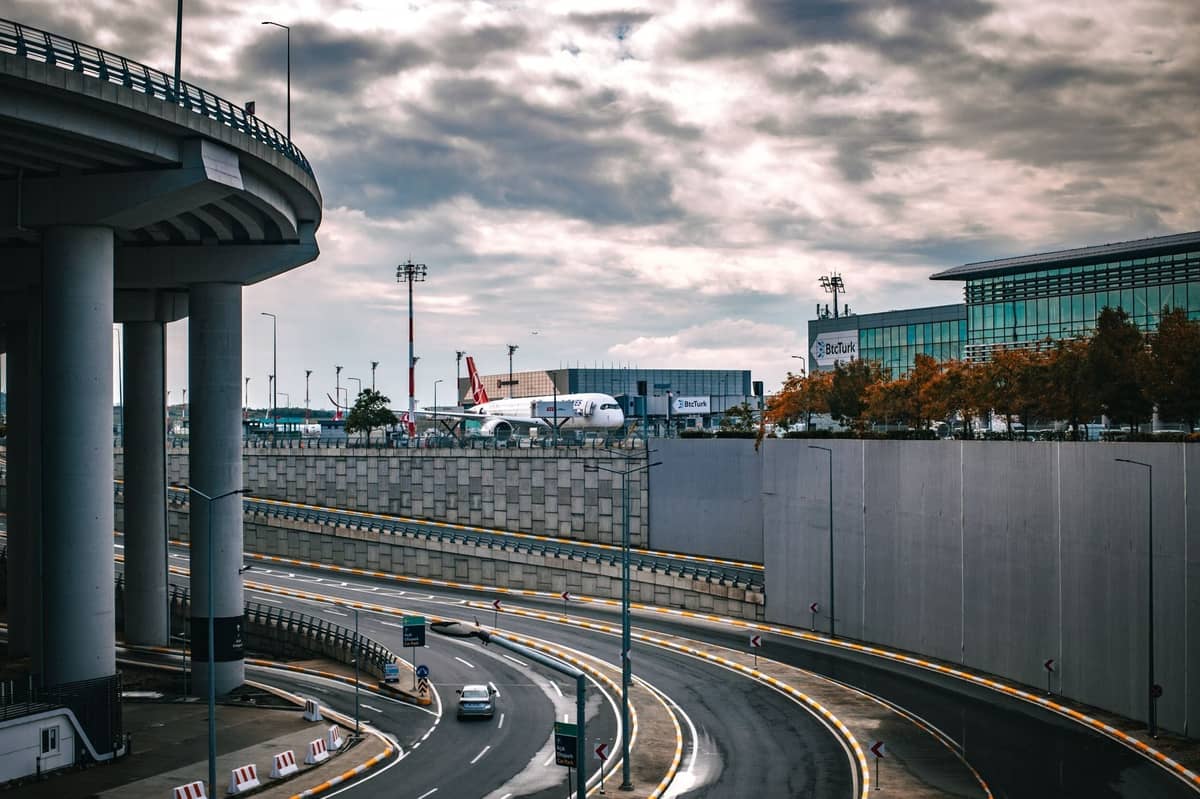
Istanbul Airport, officially İstanbul Havalimanı, Istanbul Airport, officially İstanbul Havalimanı, opened in phases starting in 2018 and fully replaced Atatürk Airport for all scheduled passenger flights on 6 April 2019.. It is operated by IGA (Istanbul Grand Airport) under a public-private partnership and sits in the Arnavutköy district on the European side of the city, roughly 40 km from Taksim Square and 52 km from Kadıköy. Its IATA code is IST and its ICAO code is LTFM.
The airport handled over 84 million passengers in 2025, making it one of the busiest airports in Europe and one of the ten busiest globally. Its current phase supports an annual capacity of around 90 million passengers, with expansion plans targeting up to 200 million when all phases are complete. Turkish Airlines uses IST as its primary hub, operating routes to over 350 destinations across more than 120 countries.
- IATA / ICAO codes IST / LTFM
- Location Arnavutköy district, European side, northwest Istanbul
- Distance to city ~40 km from Taksim, ~52 km from Kadıköy
- Terminal structure Single integrated terminal for domestic and international flights
- Annual capacity ~90 million (current phase); up to 200 million planned
- Airport operator IGA Istanbul Grand Airport
- Contact 444 1 442 (passenger line); +90 212 891 91 91 (switchboard)
⚠️ What to skip
Do not confuse IST with Do not confuse IST with Atatürk Airport (code: ISL/LTBA). Atatürk Airport is closed to scheduled passenger flights and now handles only cargo and general aviation. If your ticket shows IST, you are going to Istanbul Airport in Arnavutköy — not the old airport on the D-100 highway. Atatürk Airport is closed to scheduled passenger flights and now handles only cargo and general aviation. If your ticket shows IST, you are going to Istanbul Airport in Arnavutköy — not the old airport on the D-100 highway.
Terminal Layout and In-Airport Facilities
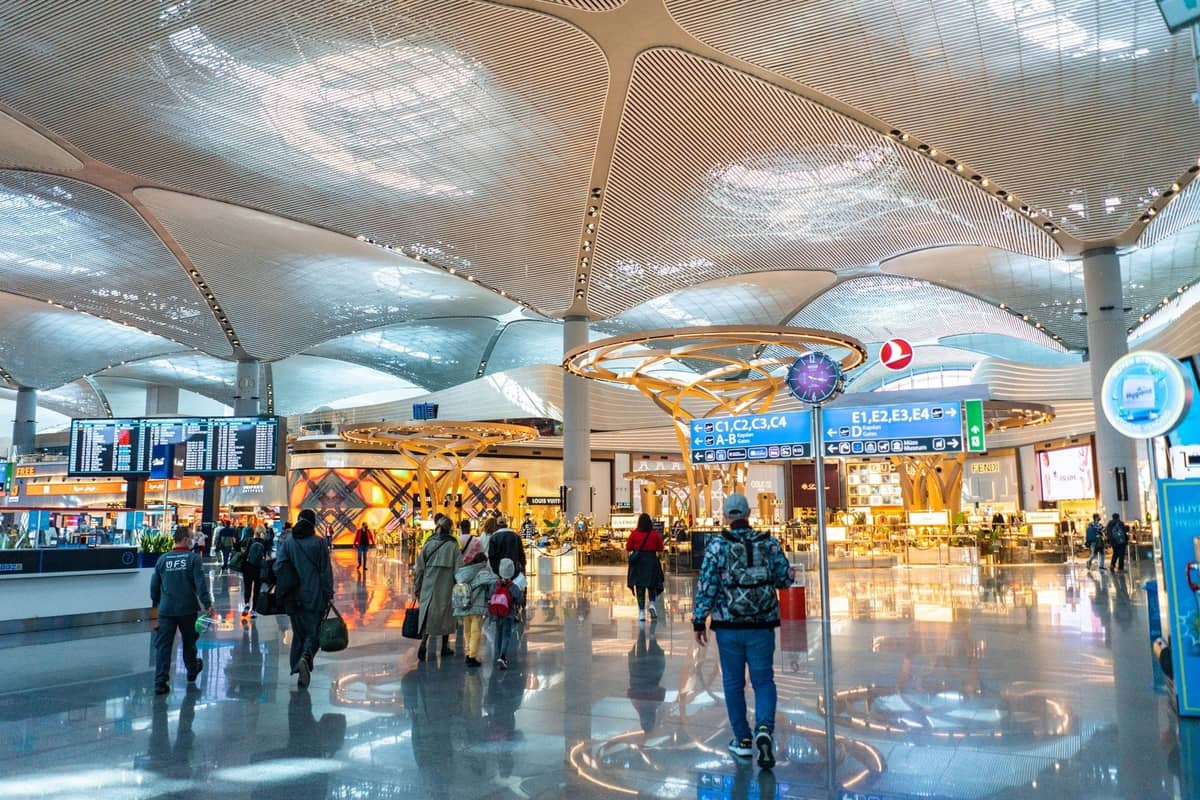
One of the most practical things to know about Istanbul Airport is that it operates as a single, unified terminal. Domestic and international departures and arrivals are handled under one roof, which means you do not need to change terminals for connecting flights or when picking up passengers on different routes. The terminal spans an enormous footprint, so plan for long walking distances between gates, especially in the international piers.
For passengers on long layovers, the on-site YOTEL Istanbul Airport hotel For passengers on long layovers, the on-site YOTEL Istanbul Airport hotel has both airside and landside access, making it one of the more convenient options in Europe for transit passengers who need a few hours of rest without leaving the secured zone., making it one of the more convenient options in Europe for transit passengers who need a few hours of rest without leaving the secured zone. Duty-free retail, multiple food court zones, prayer rooms, family areas, and medical services are distributed across the terminal. The airport also has a dedicated lounge area for Turkish Airlines business and miles-and-smiles passengers.
Wi-Fi at Istanbul Airport is available throughout the terminal. The standard airport Wi-Fi requires passengers to scan their passport or ID at a kiosk to receive a password. Turkish Airlines separately offers Wi‑Fi access for eligible passengers, accessible by logging in with your flight information or a Turkish mobile number. Both options are functional, though the TK Wi-Fi tends to be faster during peak hours.
💡 Local tip
The terminal is large enough that an Istanbul airport map is genuinely useful before you arrive. Download the IGA passenger app or check the interactive terminal map on the official IGA website (istairport.com) before your flight. Gate areas in the international piers can be a 15-20 minute walk from the main check-in hall.
Getting from Istanbul Airport to the City Centre
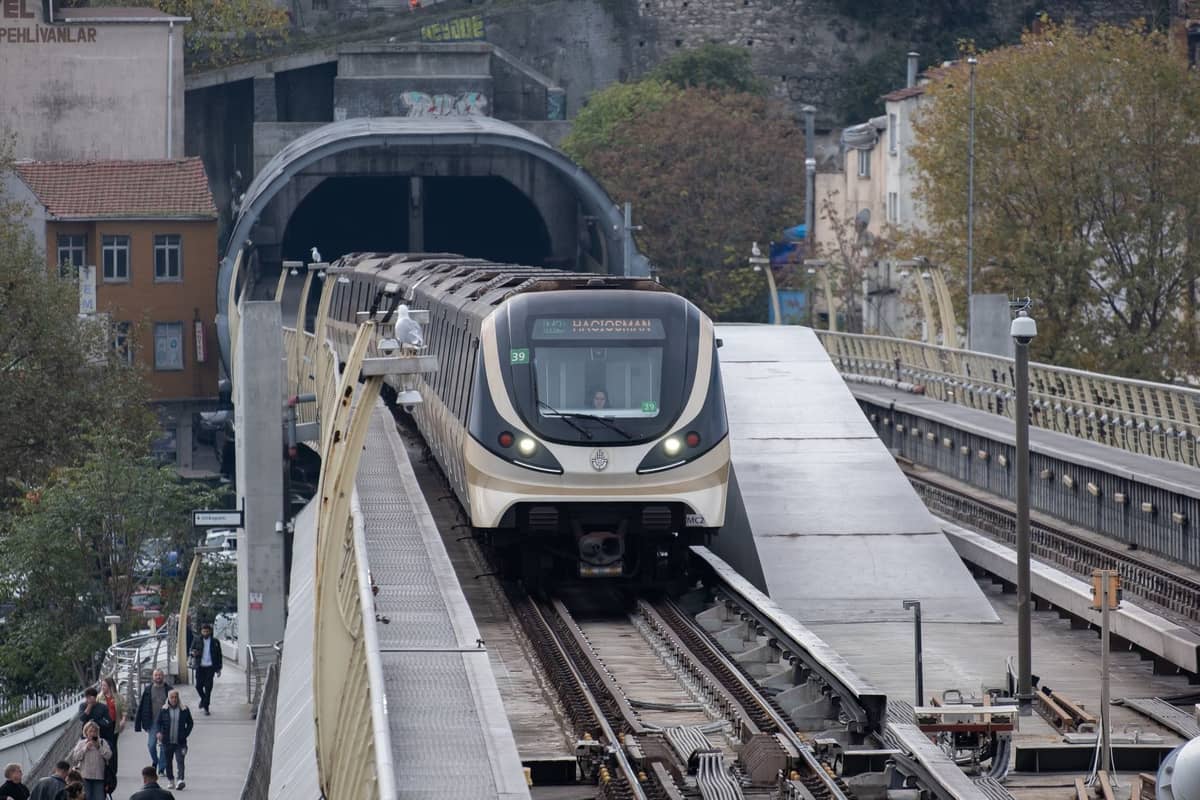
The istanbul airport transfer question is the one most travellers search hardest for, and rightly so: the airport's location in the far northwest of the city makes the journey non-trivial. You have four realistic options: metro, airport bus, taxi, or private transfer. Each has a clear use case. For a full breakdown of how transport works once you're in the city, the getting around Istanbul guide covers every mode in detail.
- Metro (M11 line) — recommended for most travellers The M11 metro line connects Istanbul Airport directly to Gayrettepe, where you transfer to the M2 line for Taksim, Şişhane, and onward connections. Journey time is around 35-40 minutes to Gayrettepe, then another 10-15 minutes to Taksim. Trains run frequently and the fare is paid with an Istanbulkart contactless card, which you can load at machines in the arrivals hall. This is the most reliable option when traffic is heavy.
- Havaist / IETT airport buses Several Havaist bus routes serve key destinations including Taksim, Sultanahmet, Kadıköy, and various metro interchange points. Journey times vary widely based on traffic — allow 60-90 minutes to Taksim at standard times, and up to two hours during rush hour or holidays. Buses are comfortable, have luggage space, and are significantly cheaper than taxis. Check current routes and schedules on the official Havaist website before travel as routes are updated periodically.
- Official yellow taxi Taxis from IST are metered and queue at the official taxi rank outside arrivals. Fares to central areas like Taksim or Sultanahmet typically run into the hundreds of Turkish lira depending on traffic — verify current fare-per-km rates as they change with fuel price adjustments. Always insist on the meter being started. The journey by taxi takes 45-75 minutes in normal traffic but can double during peak hours.
- Private transfer or app-based taxi Pre-booked airport transfers via licensed operators provide a fixed price and a driver waiting at arrivals. Apps including BiTaksi and iTaksi (the Istanbul Metropolitan Municipality platform) also serve the airport. Uber operates in Istanbul in cooperation with licensed taxis, so fares are not always lower than standard metered cabs. Private transfers are most useful for groups, early morning arrivals, or if you are carrying significant luggage.
✨ Pro tip
Buy or top up your Istanbulkart immediately on arrival at the machine near the metro entrance in the arrivals hall, before you queue for anything else. The card works on the M11 metro, city metro lines, trams, and most ferries — you will use it throughout your stay and the per-trip discount versus single-use tickets is meaningful over a few days.
Sabiha Gökçen Airport (SAW): The Asian-Side Alternative
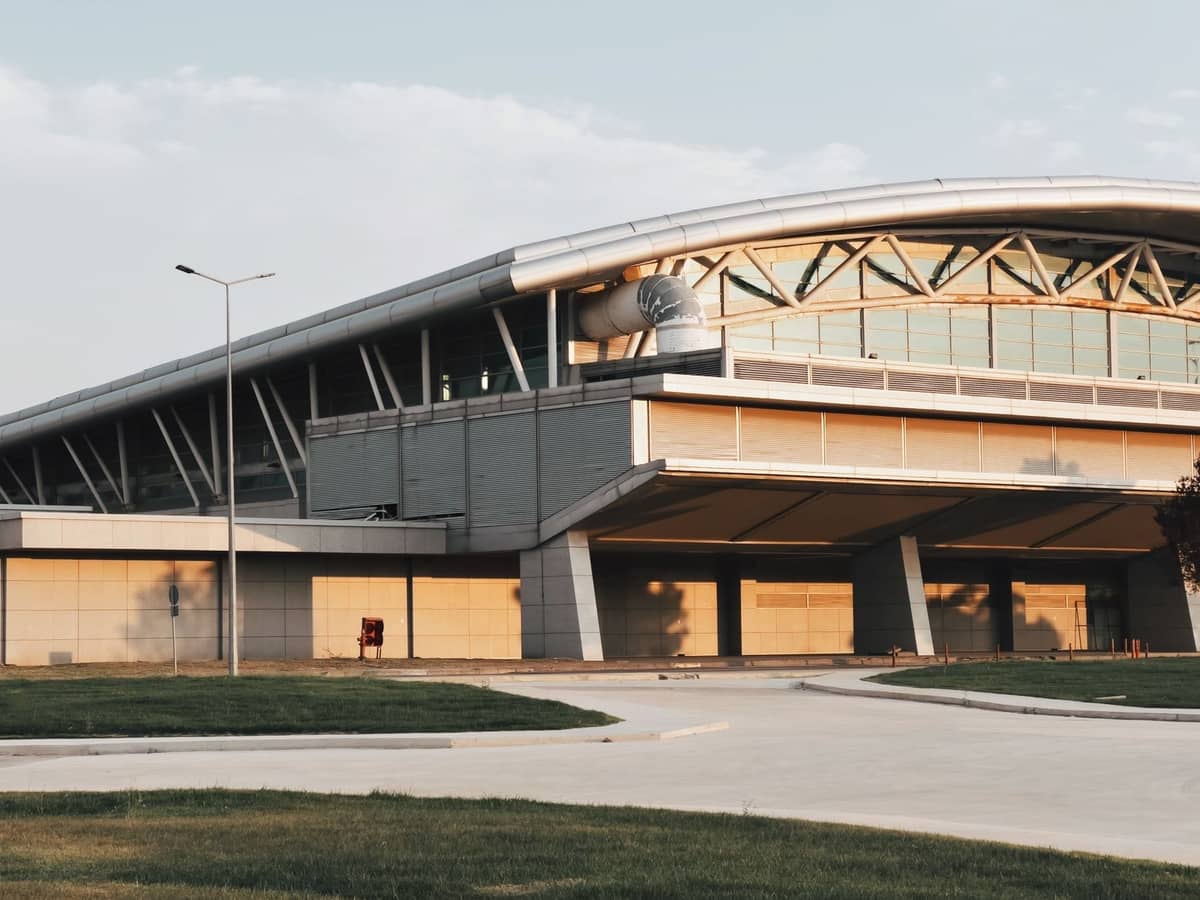
Istanbul's second international airport, Sabiha Gökçen (IATA: SAW), sits in the Pendik district on the Asian side of the city, Istanbul's second international airport, Sabiha Gökçen (IATA: SAW), sits in the Pendik district on the Asian side of the city, roughly 50-60 km from Taksim by road. Low-cost carriers including Pegasus Airlines use SAW as their primary Istanbul base, which means budget flights from European cities often land here rather than IST. Before booking, check which airport your ticket actually uses — the two are on opposite sides of the Bosphorus and the transfer implications are significant.
From SAW, the M4 metro line connects to Kadıköy on the Asian side, from where you can take a ferry across to Eminönü or Karaköy on the European side. HAVABUS coaches also run to Taksim, crossing the Bosphorus bridge, but journey times of 90 minutes or more are common in traffic. If you are staying on the Asian side in areas like Kadıköy or Üsküdar, SAW is actually more convenient than IST. If you are heading to Sultanahmet or Beyoğlu, factor in the longer ground journey.
Peak Times, Crowd Patterns, and Seasonal Advice
Istanbul Airport operates around the clock as a major transfer hub, so it never truly goes quiet. That said, there are predictable congestion patterns worth knowing. Passport control queues at IST can be substantial during peak summer months (July and August) and around major Turkish public holidays. If your flight arrives during Eid al-Fitr or Eid al-Adha periods, allow an extra 30-60 minutes at immigration. For general timing advice on when the city itself is most pleasant, the best time to visit Istanbul guide covers seasonal trade-offs in detail.
Weather-related disruptions can occur at IST because of its location close to the Black Sea coast in the northwest of the province. Fog, strong northerly winds, and winter storms (particularly November through February) can cause delays and diversions. Always check real-time flight status via your airline's app or the IGA flight information screens rather than relying on scheduled times alone during winter travel.
Spring and autumn, broadly April to June and September to October, are the most comfortable periods to be moving through Istanbul. Temperatures at the airport and in the city sit in the 12-22°C range, queues at attractions are shorter than in summer, and the metro and bus transfers into town feel more manageable. If you are planning activities around your arrival, the Istanbul in spring guide is worth reading for timing tips.
Practical Arrival Tips: What to Sort First
Turkey's visa arrangements require attention before you travel. Many nationalities can obtain a Turkish e-visa online before departure via the official evisa.gov.tr portal. Some nationalities are visa-exempt. Some nationalities can obtain a Turkish e-visa online before departure via the official evisa.gov.tr portal. Some nationalities are visa-exempt. Do not arrive assuming you can sort it at the desk; check the current rules for your passport on the Turkish Ministry of Foreign Affairs website well before your flight. Check the current rules for your passport on the Turkish Ministry of Foreign Affairs website well before your flight. For broader pre-trip planning, the Istanbul safety guide covers practical considerations for first-time visitors.
Currency exchange at Istanbul Airport is straightforward but typically offers worse rates than exchange offices in the city. If you need Turkish lira immediately for transport, exchanging a small amount at the airport is fine. For larger sums, wait until you reach a city-centre exchange bureau in areas like Kapalıçarşı or Mahmutpaşa, where rates are considerably better. ATMs are available throughout the arrivals hall and accept international cards.
Istanbul uses 230V electricity with Type C and Type F plugs. The country dialing code is +90. For emergencies in the city, the unified number is 112. Tipping in restaurants is customary at around 5-10%. Tap water in Istanbul meets national treatment standards but many visitors prefer bottled water, especially initially. Modest dress is expected at mosques, which includes some of the city's most significant sights — see the best mosques in Istanbul guide for what to expect at each one.
ℹ️ Good to know
Istanbul is in Turkey Time (TRT), which is UTC+3 year-round. Turkey does not observe daylight saving time, which means the offset from Western European and North American time zones changes seasonally. Adjust your watch and phone settings on arrival to avoid missing a connection or check-in window.
Once you clear the airport and reach the city, the range of things to do is enormous. A structured starting point helps, particularly if your time is limited. The 3 days in Istanbul itinerary is built around the assumption that you are landing at IST with limited time and need to prioritise efficiently.
FAQ
How long does it take to get from Istanbul Airport to the city centre?
By metro (M11 to Gayrettepe, then M2 to Taksim), the journey takes around 50-60 minutes in total. By taxi or bus, allow 60-90 minutes under normal traffic conditions, and up to two hours during rush hour or public holidays. The airport is about 40 km from Taksim by road. By taxi or bus, allow 60-90 minutes under normal traffic conditions, and up to two hours during rush hour or public holidays. The airport is about 40 km from Taksim by road.
Is there a metro from Istanbul Airport (IST)?
Yes. The M11 metro line runs directly from Istanbul Airport to Gayrettepe station, where it connects with the M2 line for Taksim, Şişhane (for Karaköy/Galata), and onward to Yenikapı where you can transfer to the Marmaray under the Bosphorus. Pay with an Istanbulkart, available at machines in the arrivals hall. Pay with an Istanbulkart, available at machines in the arrivals hall.
Does Istanbul Airport have separate domestic and international terminals?
No. Istanbul Airport operates a single integrated terminal for both domestic and international flights. You do not need to move between buildings, but the terminal is large and walking distances between some gate areas can be 15-20 minutes. Check the IGA terminal map before your departure gate is assigned.
What is the difference between Istanbul Airport (IST) and Sabiha Gökçen (SAW)?
IST is the main international hub on the European side, about 40 km from Taksim. SAW is a separate airport on the Asian side, around 45-55 km from Taksim via the Bosphorus bridge, primarily used by low-cost carriers including Pegasus Airlines. The two airports have different ground transport options and journey times, so always confirm which one your ticket uses before travelling.
Is Atatürk Airport still open for flights?
No. Atatürk Airport ceased scheduled passenger operations on 6 April 2019 when all commercial flights were transferred to Istanbul Airport (IST). No. Atatürk Airport ceased scheduled passenger operations on 6 April 2019 when all commercial flights were transferred to Istanbul Airport (IST). Atatürk Airport now handles cargo and general aviation only. If your ticket shows IST as the destination code, you are flying to Istanbul Airport in Arnavutköy, not Atatürk.