Istanbul's Asian Side: The Complete Guide to Kadıköy, Üsküdar & Beyond
Most visitors to Istanbul never cross the Bosphorus. That's a serious mistake. Istanbul's Asian side — anchored by Kadıköy and Üsküdar — holds some of the city's best food markets, waterfront views, historic mosques, and neighbourhood character. This guide covers everything you need to cross over and make the most of it.
Plan and book this trip
Tools from our partner Travelpayouts help you compare flights and hotels. If you book through them, we may earn a commission at no extra cost to you.
Flights
Hotels map
TL;DR
- Istanbul's Asian side is a fully integrated part of the city, not a suburb — Kadıköy alone rivals Beyoğlu for food, nightlife, and culture.
- The ferry from Eminönü or Kabataş takes 15–25 minutes and is one of the great urban transit experiences; the Galata Bridge ferry terminal is a logical starting point from the European side.
- Üsküdar is the more spiritual, quieter counterpart to Kadıköy — better for mosques, Bosphorus views, and escaping tourist crowds.
- Spring and autumn are the best seasons for exploring on foot; see the best time to visit Istanbul for a full seasonal breakdown.
- A full day is the minimum to do both Kadıköy and Üsküdar justice; an early start at Üsküdar followed by Kadıköy's afternoon market scene is the most efficient route.
Why the Asian Side Deserves More Than a Day Trip
Istanbul's Asian side, known locally as the Anadolu Yakası (Anatolian Shore), spans a vast stretch of coastline and neighbourhoods along the eastern bank of the Bosphorus. The two headline districts are Kadıköy and Üsküdar, but the area also includes Moda, Kuzguncuk, Çengelköy, Bağdat Avenue, and the Princes' Islands further offshore. Together they make up a huge swath of a city with nearly 16 million people.
The biggest misconception about Istanbul's Asian side is that it's primarily residential. Kadıköy is a major cultural and culinary hub with a serious food market, a café scene that locals prefer to the more tourist-facing Beyoğlu, and nightlife that gets going well past midnight. Üsküdar, meanwhile, is one of Istanbul's oldest and most architecturally rich waterfront districts, with Ottoman-era mosques and a skyline that faces the entire historic peninsula across the water. Neither feels remote or off-the-beaten-path in any meaningful sense — they feel like the city at its most authentic.
ℹ️ Good to know
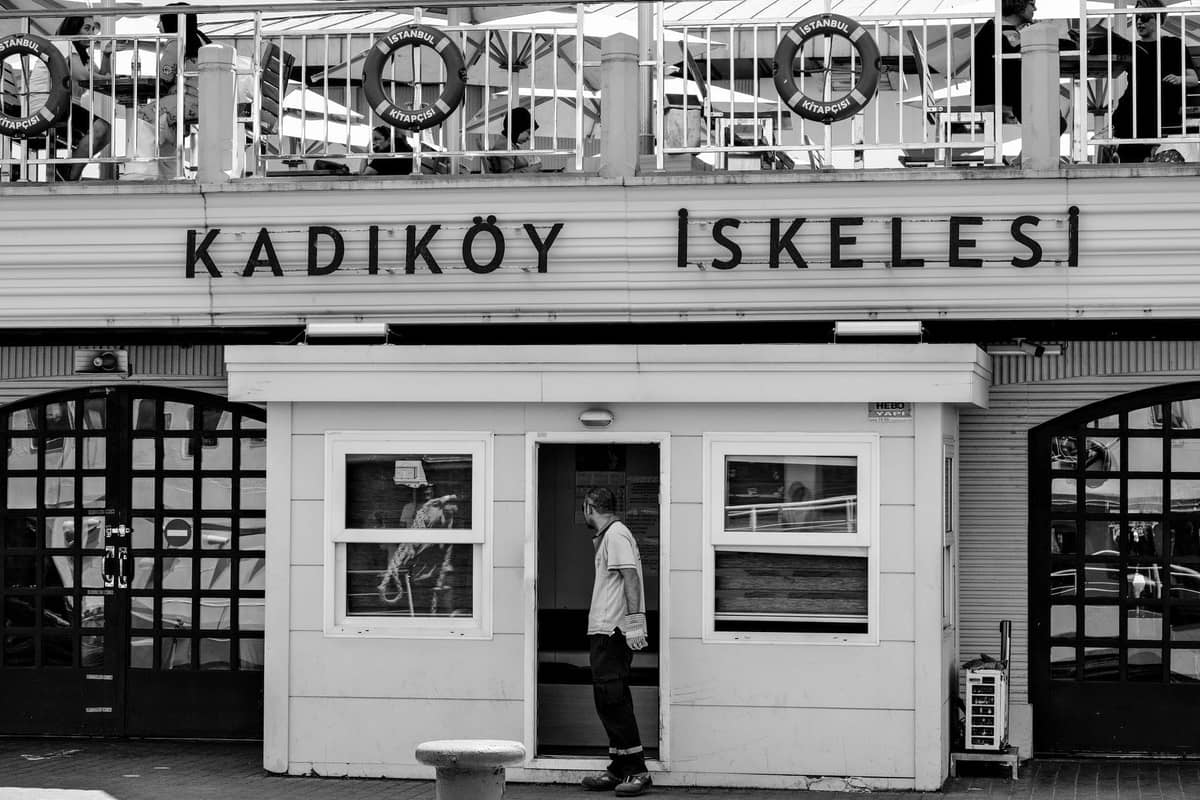
The Asian side is not a separate city and not a detour. It is connected to the European side by ferries, the Marmaray rail tunnel, metro lines, and dozens of bus routes. Most ferry crossings take 15–25 minutes from Eminönü or Kabataş.
Getting There: Ferries, Marmaray, and Metro
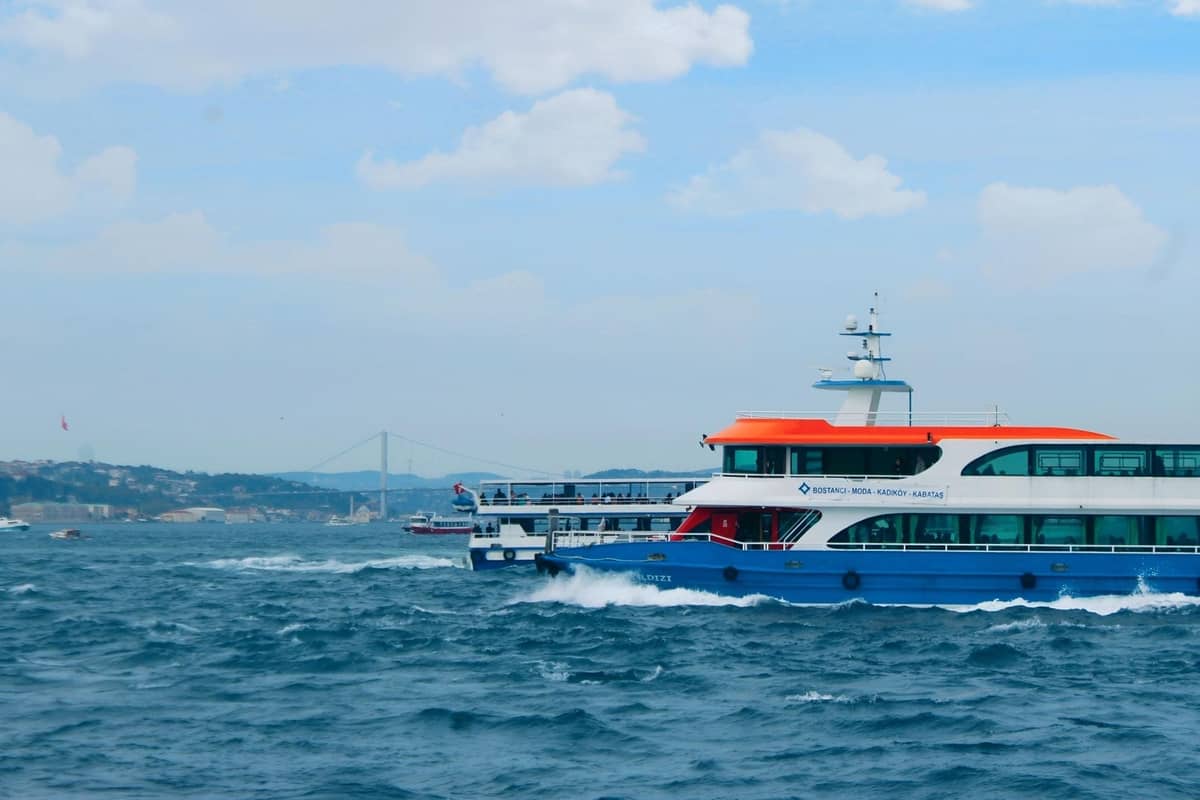
The ferry is the most enjoyable way to cross. City ferries (operated by Şehir Hatları) run from Eminönü and Kabataş on the European side to Kadıköy and Üsküdar throughout the day. Crossings take around 20 minutes to Kadıköy and about 15 minutes to Üsküdar from Eminönü. Pay with an Istanbulkart (the city's contactless smart card, available at major transport hubs) for the cheapest fare. Single-use tokens are more expensive and increasingly inconvenient.
The Marmaray is the faster alternative: this commuter rail line runs under the Bosphorus in a tunnel completed in 2013, taking roughly 4 minutes between Sirkeci (European side) and Üsküdar (Asian side). It connects into the broader metro network on both sides, making it useful if you're arriving from somewhere like Sabiha Gökçen Airport (served by the M4 metro line which connects at Ayrılık Çeşmesi). From Istanbul Airport (IST) on the European side, the M11 metro connects to the city network, from which you can transfer to Marmaray or take a bus to a ferry terminal.
💡 Local tip
Take the ferry over in the morning (views of the old city are spectacular with low sun) and return via Marmaray in the evening when ferry queues build up. Buy an Istanbulkart immediately on arrival — it works on ferries, trams, metro, and buses, and saves money on every ride.
Kadıköy: Markets, Food, and Neighbourhood Life
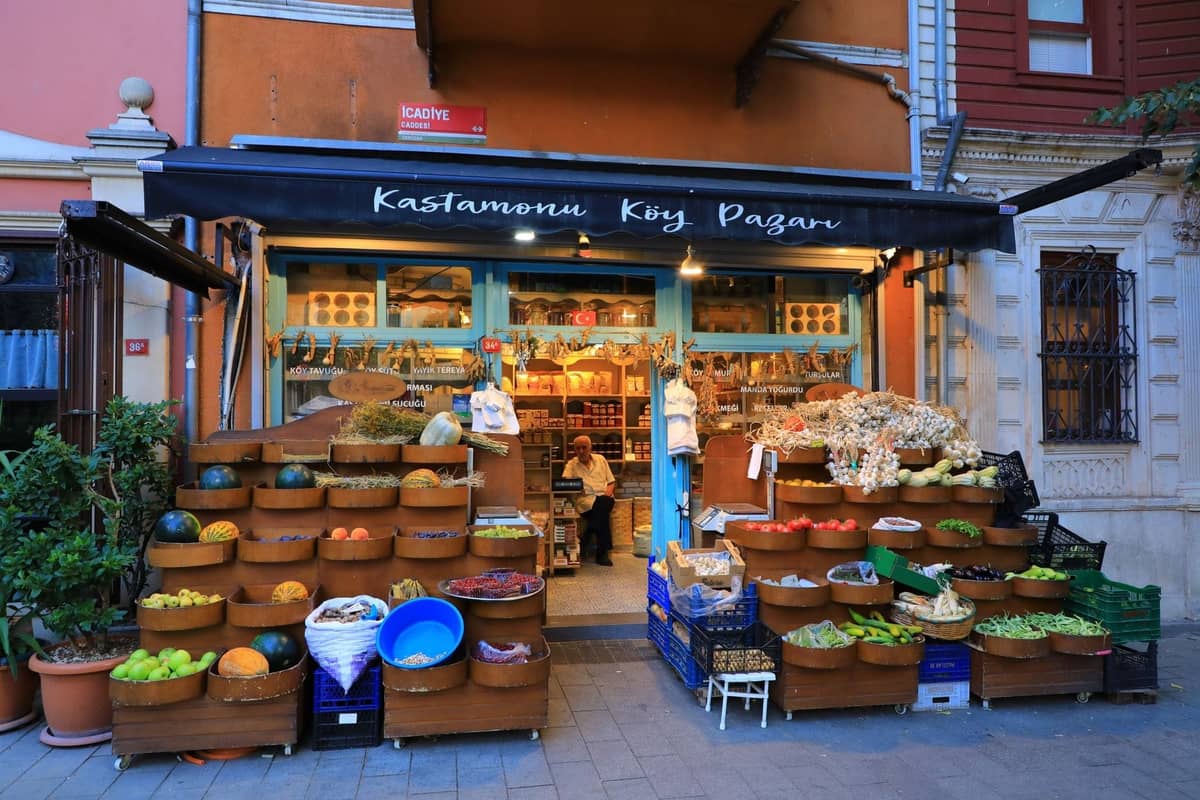
Kadıköy is the Asian side's social and commercial engine. The district centres on a grid of market streets between the ferry pier and the main square, and the Kadıköy Market is the standout attraction: covered and open-air lanes lined with spice sellers, fishmongers, cheese shops, pastry vendors, and produce stalls. It's less theatrical than the Grand Bazaar and more functional — this is where Istanbulites actually shop.
The streets around the market — particularly Moda Caddesi and the lanes running toward Bahariye — are thick with independent cafés, meyhanes (tavernas), bakeries, and bookshops. Kadıköy is the part of Istanbul most associated with the city's secular and bohemian identity. The neighbourhood has strong support for local arts, a concentration of live music venues, and a bar scene that competes seriously with Beyoğlu.
Moda, technically a sub-neighbourhood of Kadıköy, sits on a small headland south of the main pier. The Moda waterfront is one of Istanbul's most pleasant walking stretches: a quiet promenade with tea gardens, benches, and direct views across the water. It's notably free of the souvenir shops and touts that crowd comparable waterfront areas on the European side. On weekday mornings it's almost empty; on weekend afternoons, half the neighbourhood turns out.
- Kadıköy Market The real food market of Istanbul's Asian side — arrive before noon for the best produce and least crowding. The fish section is particularly good.
- Bahariye Caddesi The main pedestrian shopping street, connecting the ferry pier to the market area. More practical than picturesque, but worth walking for context.
- Moda Waterfront The promenade south of the main pier, ideal for a tea break or afternoon walk with views across the Bosphorus toward Sultanahmet.
- Bağdat Avenue A long, upscale shopping boulevard about 2 km inland from the waterfront — comparable to Nişantaşı in terms of brands and café density, but less tourist-facing.
- Nightlife around Kadıköy Square A cluster of bars and live music venues concentrated within walking distance of the ferry pier, active from late evening through the early hours.
Üsküdar: Mosques, History, and Bosphorus Views
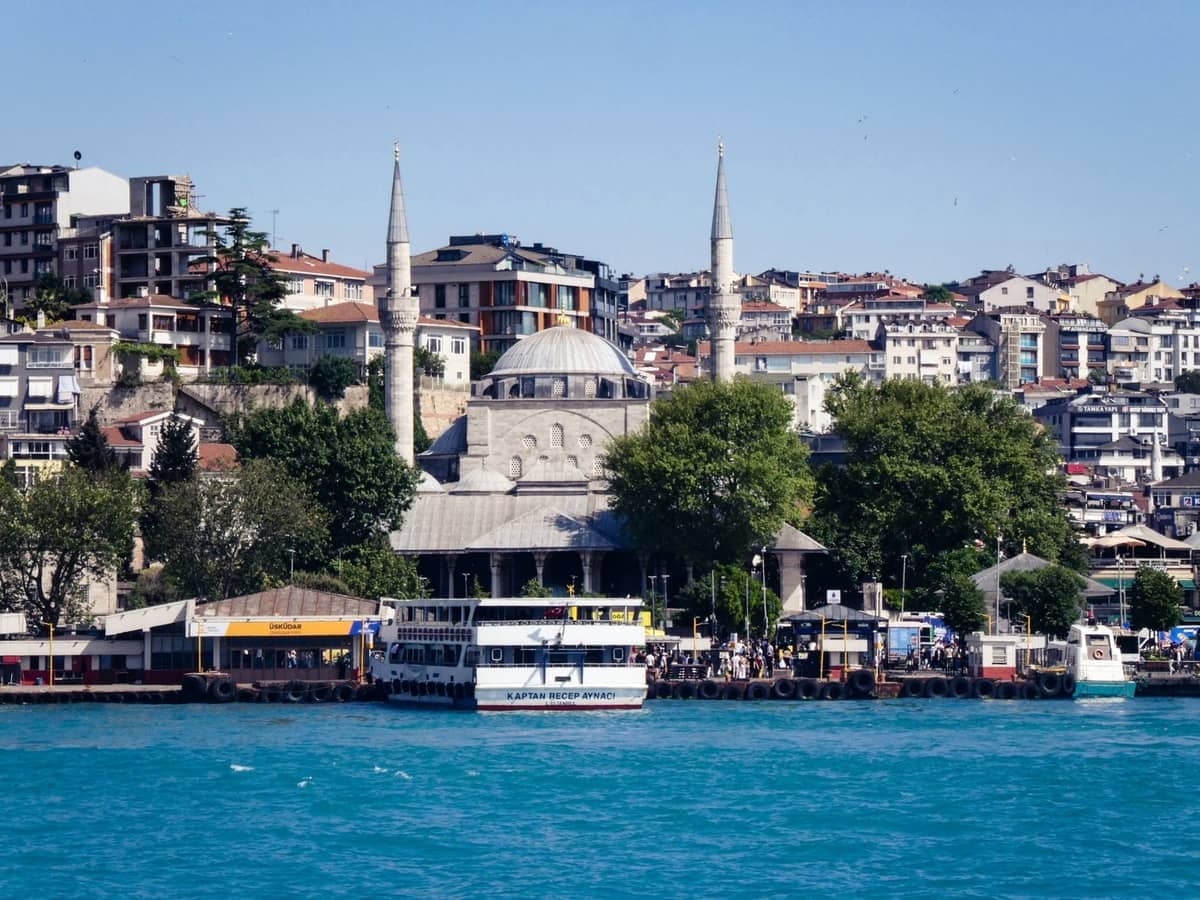
Üsküdar sits just across the water from the historic peninsula and has been settled since antiquity. It was the starting point of the old Silk Road caravans heading into Anatolia, and the district retains a distinctly more conservative and spiritual character than Kadıköy. Start at the waterfront, where you'll have one of Istanbul's best unobstructed views of Hagia Sophia and the rooftops of Sultanahmet across the strait.
The Mihrimah Sultan Mosque at the ferry pier is one of the finest works of the Ottoman architect Sinan, built in the mid-16th century for Süleyman the Magnificent's daughter. A short walk uphill brings you to the Yeni Valide Mosque, another layered Ottoman structure worth more attention than it typically gets. The district is also one of the best places in the city to observe daily religious life without it being staged for tourists.
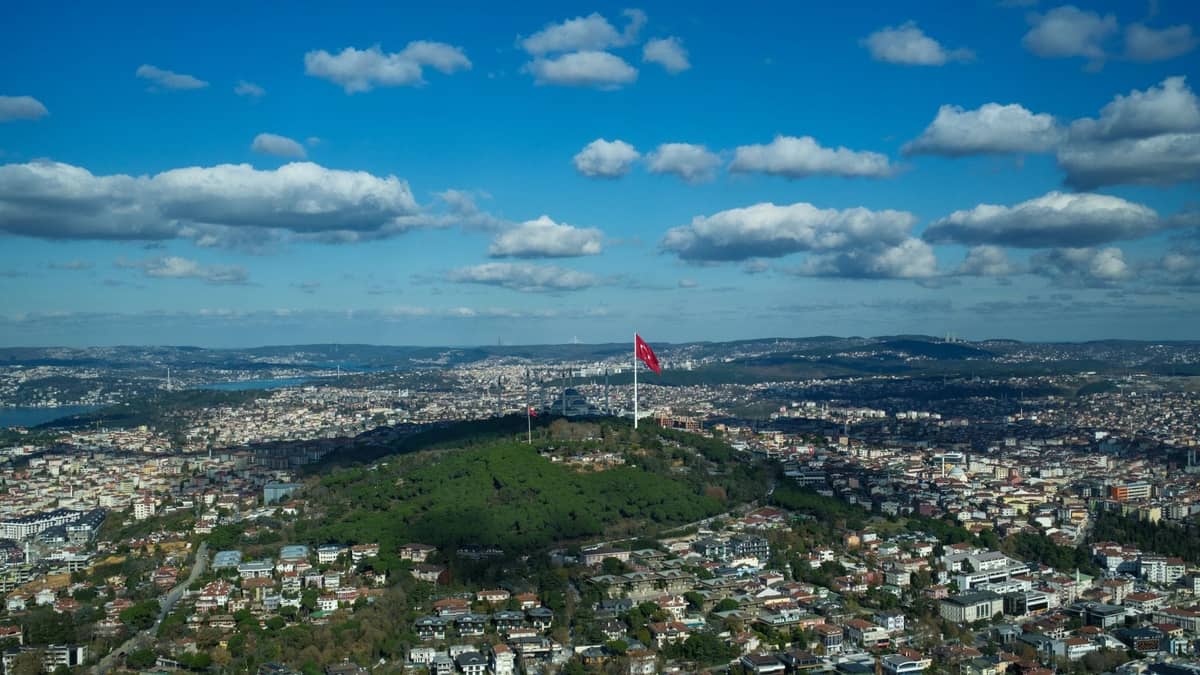
From Üsküdar, it's a straightforward uphill walk or short taxi ride to Çamlıca Hill, the highest point on the Asian side. On a clear day, the panoramic views take in the entire Bosphorus, the Golden Horn, and the Sea of Marmara. The large Çamlıca Mosque, completed in 2019, dominates the hilltop — it's the largest mosque in Turkey by floor area and worth visiting for scale alone, regardless of your interest in religious architecture.
✨ Pro tip
For sunset views from Üsküdar, position yourself at the waterfront north of the main ferry pier, facing northwest. The light hits the minarets of Sultanahmet and the dome of Hagia Sophia directly, making it one of the most photogenic viewpoints in the entire city — and almost no tour groups go there.
Beyond the Main Districts: Kuzguncuk, Çengelköy, and the Princes' Islands
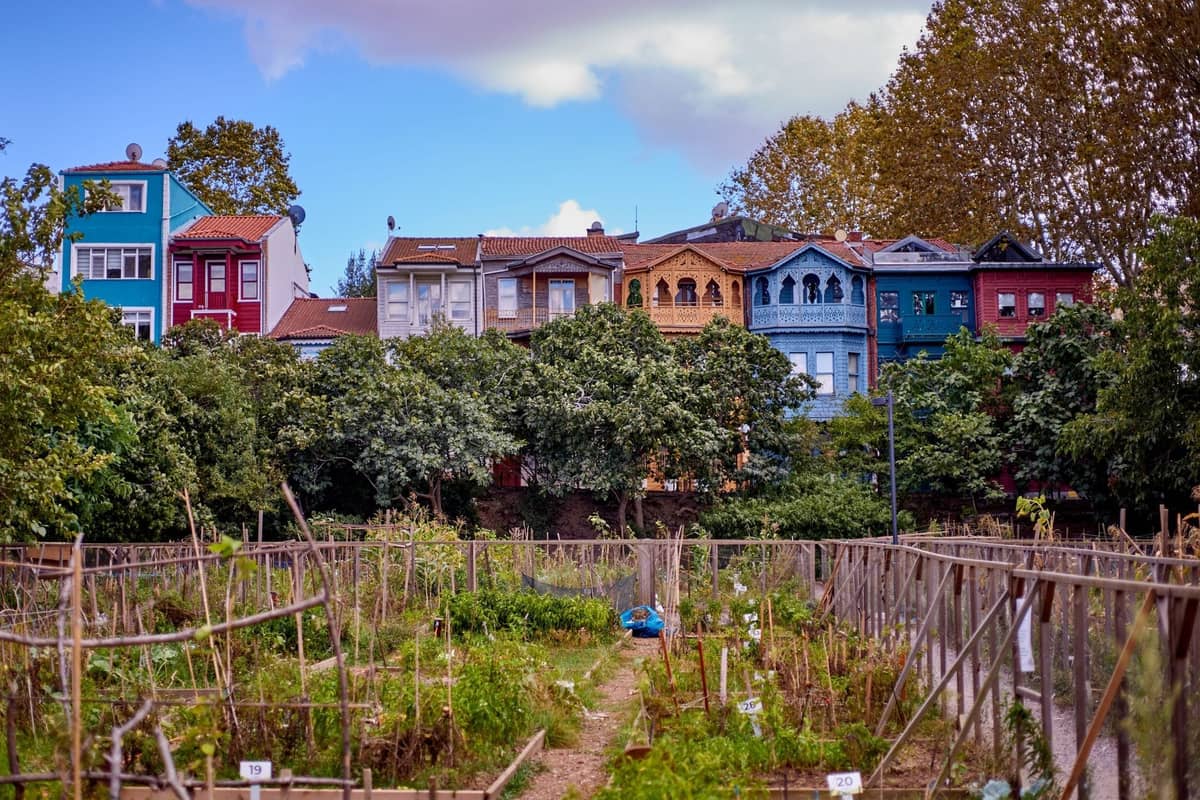
Kuzguncuk is a small neighbourhood between Üsküdar and Beykoz that retains more 19th-century wooden residential architecture than almost anywhere else on the Bosphorus. The main street has a handful of cafés and a Sunday morning market, and the area has a well-documented multi-religious history, with a former synagogue, a Greek Orthodox church, and an Armenian church all within a few blocks. It's compact enough to explore in under two hours.
Further up the Bosphorus toward the Black Sea, the villages of Çengelköy and Anadolu Hisarı offer a slower pace and direct views of the European-side fortress, Rumeli Hisarı. The Anadolu Kavağı village at the mouth of the Bosphorus is accessible by Bosphorus cruise boat and is known primarily for its fish restaurants and a ruined Byzantine/Genoese fortress above the village. It's a full-day excursion from the city centre and better approached as part of a Bosphorus cruise rather than as a standalone trip.
The Princes' Islands (Adalar) are a group of car-free islands in the Sea of Marmara, accessible by ferry from Kadıköy pier. Büyükada is the largest and most visited, with Victorian-era mansions, horse-drawn carriages, and beaches. The ferry crossing takes about 45–75 minutes depending on the service. A day trip to the islands is genuinely worthwhile from April through October; outside those months, most restaurants and rental services close.
- Kuzguncuk: compact, walkable neighbourhood with intact wooden houses and a quiet café scene — best on weekend mornings.
- Çengelköy: traditional Bosphorus village atmosphere, good fish restaurants, and views of Rumeli Hisarı across the water.
- Anadolu Kavağı: the last stop on the long Bosphorus cruise, worth combining with a boat trip rather than travelling there independently.
- Büyükada (Princes' Islands): car-free, relaxed, and different from the city — budget a full day and take the early ferry.
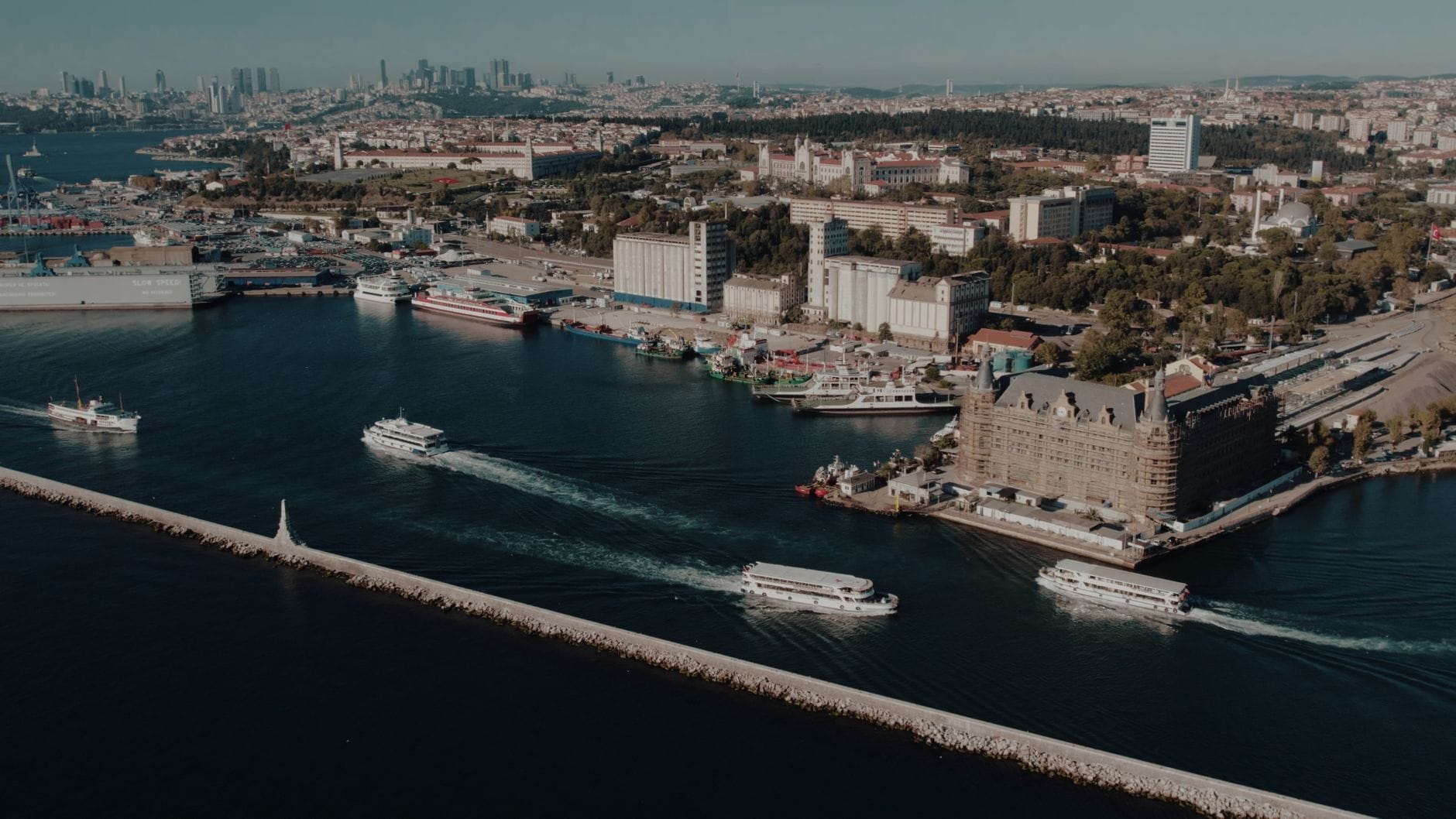
- Haydarpaşa Station: the grand early 20th-century railway terminal on the Kadıköy waterfront, closed to passenger services and undergoing restoration but worth seeing from the outside.
Practical Tips: Timing, Food, and What to Avoid
The Asian side is best explored in spring (April to June) and early autumn (September to October), when temperatures are mild — typically 15–22°C — and walking the market streets or waterfront promenades is comfortable. Summer weekends bring large crowds to Kadıköy in particular, and the ferry queues at Eminönü can stretch significantly on Sunday afternoons when people head back to the European side.
For food, the Asian side punches above its weight. Kadıköy Market is the obvious start for grazing — börek, fresh cheeses, lokum, and roasted nuts from dedicated stalls. The streets around the market have some of Istanbul's better meyhanes (traditional taverna-style restaurants) for a long lunch. If you want a structured introduction to local eating, a proper Istanbul food guide will help you prioritise. For street eating specifically, the ıslak burger stalls near Kadıköy Square are an acquired taste rather than a genuine local institution — skip them and head for the midye dolma (stuffed mussels) vendors near the ferry pier instead.
A word on tourist traps: the Asian side has far fewer than the European side, which is partly what makes it refreshing. That said, some taxi drivers near the Üsküdar ferry pier have been known to quote inflated flat rates rather than using the meter — insist on the meter or use a ride-hailing app like BiTaksi. The Çamlıca hilltop area has some overpriced tea gardens aimed at coach tours; there are better and cheaper options in Kuzguncuk or along the Üsküdar waterfront.
⚠️ What to skip
Modest dress is expected when visiting Üsküdar's mosques: shoulders and knees should be covered for both men and women, and women should bring a headscarf. Lightweight scarves are sold near every mosque entrance if you forget. Remove shoes before entering any mosque interior.
Planning Your Day on the Asian Side
A single well-planned day can cover both Üsküdar and Kadıköy comfortably. The standard approach is to take an early ferry to Üsküdar (by 9:00–9:30 am), spend two to three hours walking the waterfront, visiting the Mihrimah Sultan Mosque, and making the uphill trip to Çamlıca if views are a priority. By midday, take the short ferry or a 10-minute taxi from Üsküdar pier down to Kadıköy. Spend the afternoon in the market, have lunch at one of the meyhanes, and walk out to Moda for a tea. The return ferry from Kadıköy to Eminönü at sunset is a reliable highlight.
If you have two days or more on the Asian side, layer in Kuzguncuk on the second morning before it gets busy, and consider a half-day trip to Büyükada. Bağdat Avenue is worth an evening stroll for anyone interested in how middle-class Istanbul actually lives and shops. For a structured multi-day itinerary across the whole city, the 3-day Istanbul itinerary allocates time across both sides of the Bosphorus sensibly. Solo travellers will find the Asian side particularly comfortable — the Istanbul solo travel guide has specific notes on the area.
FAQ
Is it worth crossing to the Asian side of Istanbul?
Yes, decisively. Kadıköy in particular has some of the city's best food markets, cafés, and neighbourhood atmosphere. Üsküdar offers Ottoman mosque architecture and Bosphorus views without tourist crowds. Together they give a side of Istanbul that the Sultanahmet-Beyoğlu circuit doesn't provide.
How do you get from the European side to Kadıköy or Üsküdar?
City ferries from Eminönü and Kabataş run throughout the day to both Kadıköy and Üsküdar; crossings take 15–25 minutes and require an Istanbulkart or single token. The Marmaray commuter rail crosses under the Bosphorus in about 4 minutes between Sirkeci and Üsküdar and is faster if you're not specifically after the ferry experience.
How much time do you need on Istanbul's Asian side?
A single full day (around 8 hours) is enough to cover Üsküdar's main sights and Kadıköy's market and waterfront. Two days allows you to add Kuzguncuk, Moda more thoroughly, and a half-day trip to the Princes' Islands. Don't try to rush both districts into a half-day — the ferry times and walking distances make it feel very compressed.
What is the best neighbourhood on Istanbul's Asian side?
For food, atmosphere, and things to do, Kadıköy is the standout. For history, architecture, and a quieter experience, Üsküdar. Kuzguncuk is the most pleasant for a slow morning walk. These aren't competing choices — a single day can reasonably include all three.
Is the Asian side of Istanbul safe for tourists?
Yes. The Asian side, including Kadıköy and Üsküdar, is generally considered safe for tourists. Petty theft exists as in any large city, but the areas described in this guide are well-lit, heavily used by locals, and have no particular safety concerns that distinguish them from the European side. Standard urban precautions apply.