3 Days in Istanbul: The Perfect Itinerary
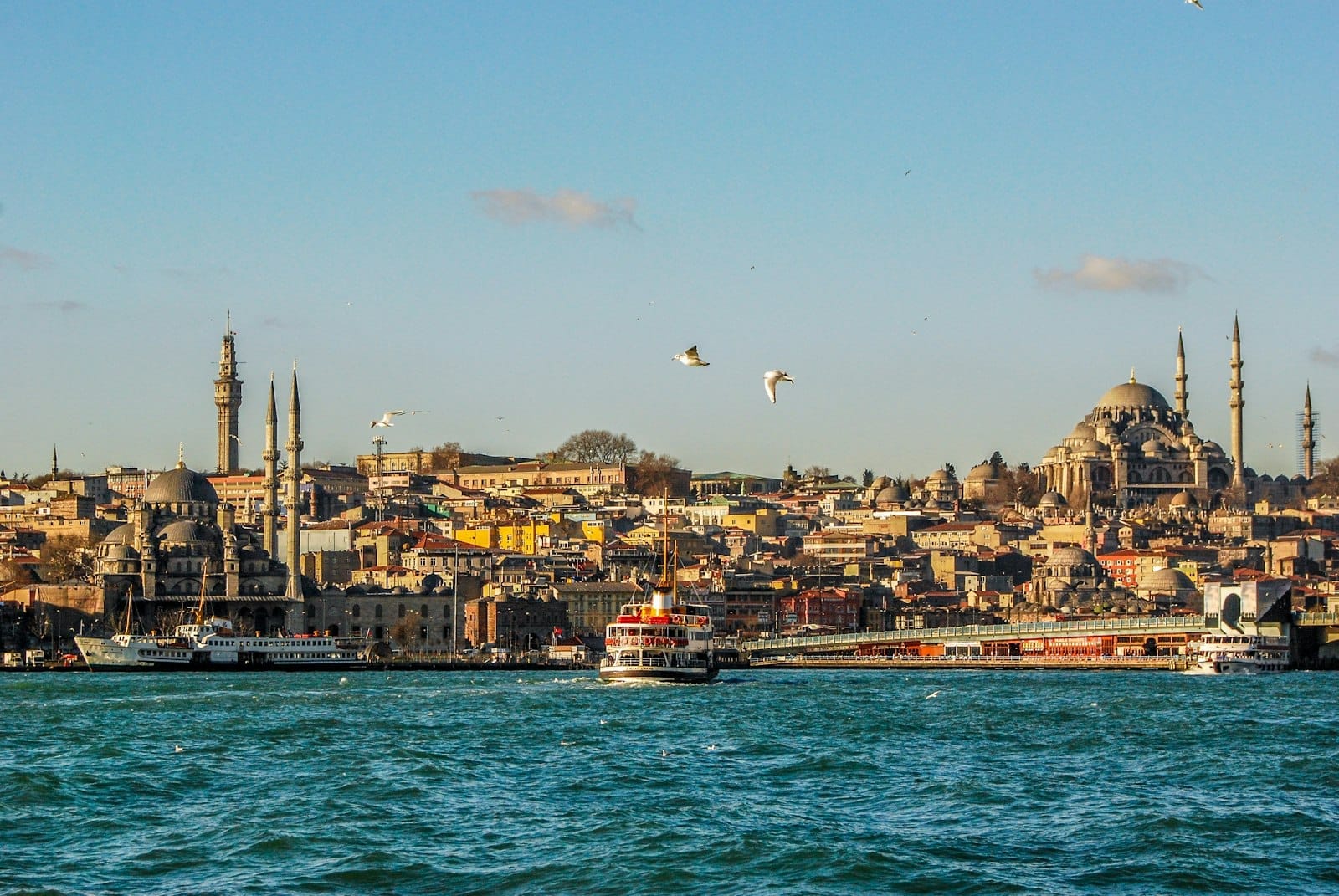
Three days in Istanbul is enough to cover the imperial monuments of Sultanahmet, the 19th-century streets of Beyoğlu and Galata, and a Bosphorus excursion to the Asian side. This itinerary is built around logical geography, practical crowd advice, and practical logistics so you spend your time sightseeing, not backtracking.
Plan and book this trip
Tools from our partner Travelpayouts help you compare flights and hotels. If you book through them, we may earn a commission at no extra cost to you.
Flights
Hotels map
TL;DR
- Day 1 covers the Historic Peninsula: Hagia Sophia, the Blue Mosque, Topkapı Palace, the Basilica Cistern, and the Grand Bazaar — all walkable from Sultanahmet.
- Day 2 crosses the Golden Horn into Beyoğlu and Galata: the Spice Bazaar, Galata Bridge, Galata Tower, and İstiklal Avenue.
- Day 3 heads to the Bosphorus and the Asian side: a ferry to Üsküdar or Kadıköy, with optional stops at Dolmabahçe Palace or a Bosphorus cruise.
- Buy an Istanbulkart on arrival — it covers metro, tram, bus, and most ferries at a fraction of the single-ride cost.
- Three days covers the highlights well, but Istanbul rewards a week. Use this itinerary as a foundation, not a ceiling.
Before You Arrive: Logistics That Save Hours
Istanbul has two international airports. Istanbul Airport (IST) sits on the European side, around 35-40 km northwest of Sultanahmet. The M11 metro line connects it directly to the city network, terminating at Gayrettepe where you transfer to the M2 toward Taksim. Journey time to Gayrettepe is roughly 30-35 minutes, depending on your final destination after the transfer. Havaist airport buses also run to Taksim and other hubs, and are often more comfortable with luggage. Sabiha Gökçen (SAW) is on the Asian side in Pendik, around 45-55 km from the European center. The M4 metro connects SAW to Kadıköy, from where ferries cross to Karaköy and Eminönü in about 20 minutes.
💡 Local tip
Pick up an Istanbulkart at the airport immediately after landing. The card works on the metro, tram T1, buses, and Şehir Hatları ferries. Fares using the card are significantly cheaper than single tickets, and the card is reusable and rechargeable at any yellow kiosk or IETT stop.
Where you stay shapes your logistics considerably. Sultanahmet puts you within walking distance of the Day 1 monuments but is quieter at night and can feel very touristy. Karaköy and Galata offer better restaurant options, easy tram access to Sultanahmet, and a more local atmosphere. Beyoğlu around Taksim is convenient for nightlife and the M2 metro but requires a tram or short ride to reach the historic peninsula. For a full breakdown, see our guide on where to stay in Istanbul.
Visa requirements depend on your nationality. Turkey's e-visa system handles most nationalities online before travel — check the official e-visa portal (evisa.gov.tr) and verify current requirements with the Turkish Ministry of Foreign Affairs before booking. The Turkish lira (TRY) is the currency; card payments are widely accepted in tourist areas, but carry some cash for smaller eateries, street food vendors, and ferry terminals.
Day 1: The Historic Peninsula
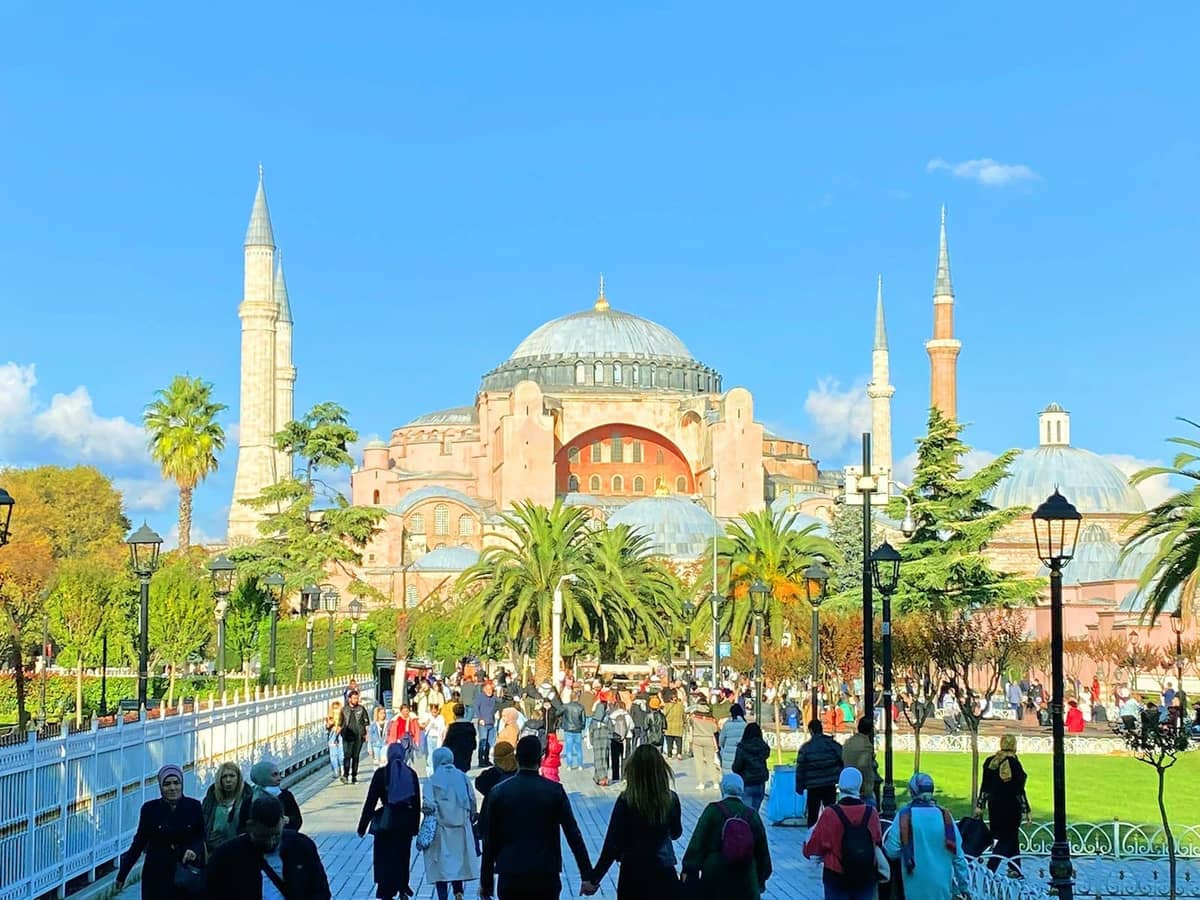
Start at Hagia Sophia as early as possible, ideally by 9:00. Since its reconversion to an active mosque in 2020, entry is free, but the building closes to non-worshippers during the five daily prayer times, which typically last 60-90 minutes each. Arriving early avoids both the prayer closures and the thickest tourist crowds, which peak between 11:00 and 14:00. Inside, the 6th-century Byzantine mosaics still visible in the upper galleries are extraordinary — budget at least 45-60 minutes.
From Hagia Sophia, the Blue Mosque (Sultanahmet Camii) is a 3-minute walk across the square. It is also an active mosque and free to enter, but closed to tourists during prayer times and the midday Friday prayer. Note that modest dress is required: shoulders and knees must be covered, and women should have a headscarf available. Cloth coverings are provided at the entrance if needed. The interior's famous 17th-century Iznik tilework is best appreciated without a crowd, so timing your visit outside prayer windows matters.
After the mosques, spend an hour underground at the Basilica Cistern (Yerebatan Sarnıcı), a 6th-century Byzantine water reservoir just a short walk north of Hagia Sophia. The cistern underwent a major renovation and reopened in 2022, with upgraded lighting and a new walkway layout. It is atmospheric and impressive, though the current ticket price has risen noticeably since the renovation. Check the Istanbul Metropolitan Municipality site (ibb.istanbul) for current pricing before you go.
In the afternoon, dedicate 2-3 hours to Topkapı Palace. The main palace complex and the Harem require separate tickets. The Harem is worth the extra cost — it is the most visually complex part of the site and tells the most layered story of Ottoman court life. Topkapı is large enough that visitors who try to rush it leave disappointed. Focus on the Treasury (imperial jewels, the Topkapı Dagger, the Spoonmaker's Diamond) and the Harem rather than trying to cover every courtyard. General opening hours are roughly 9:00-18:00, but verify at muze.gov.tr as hours shift seasonally.
End Day 1 in the Grand Bazaar. It closes around 19:00 on weekdays and is shut on Sundays. The Grand Bazaar has 4,000 shops spread across 61 covered streets — going in with a shopping list or a specific goal makes the experience far more enjoyable than wandering aimlessly. The bazaar is undeniably touristy in its outer rings, but deeper corridors still have working craftspeople and wholesale traders. For dinner, walk down to the Eminönü waterfront for grilled fish sandwiches (balık ekmek) from the boats moored at the quay — one of the city's most iconic and affordable meals.
⚠️ What to skip
Avoid any 'friendly local' who approaches you near Sultanahmet and suggests a rug shop, tea house, or 'special cultural center.' The carpet shop hustle is one of Istanbul's most practiced tourist traps. Genuine locals do not approach tourists unprompted in this area.
Day 2: Galata, Beyoğlu, and the Golden Horn
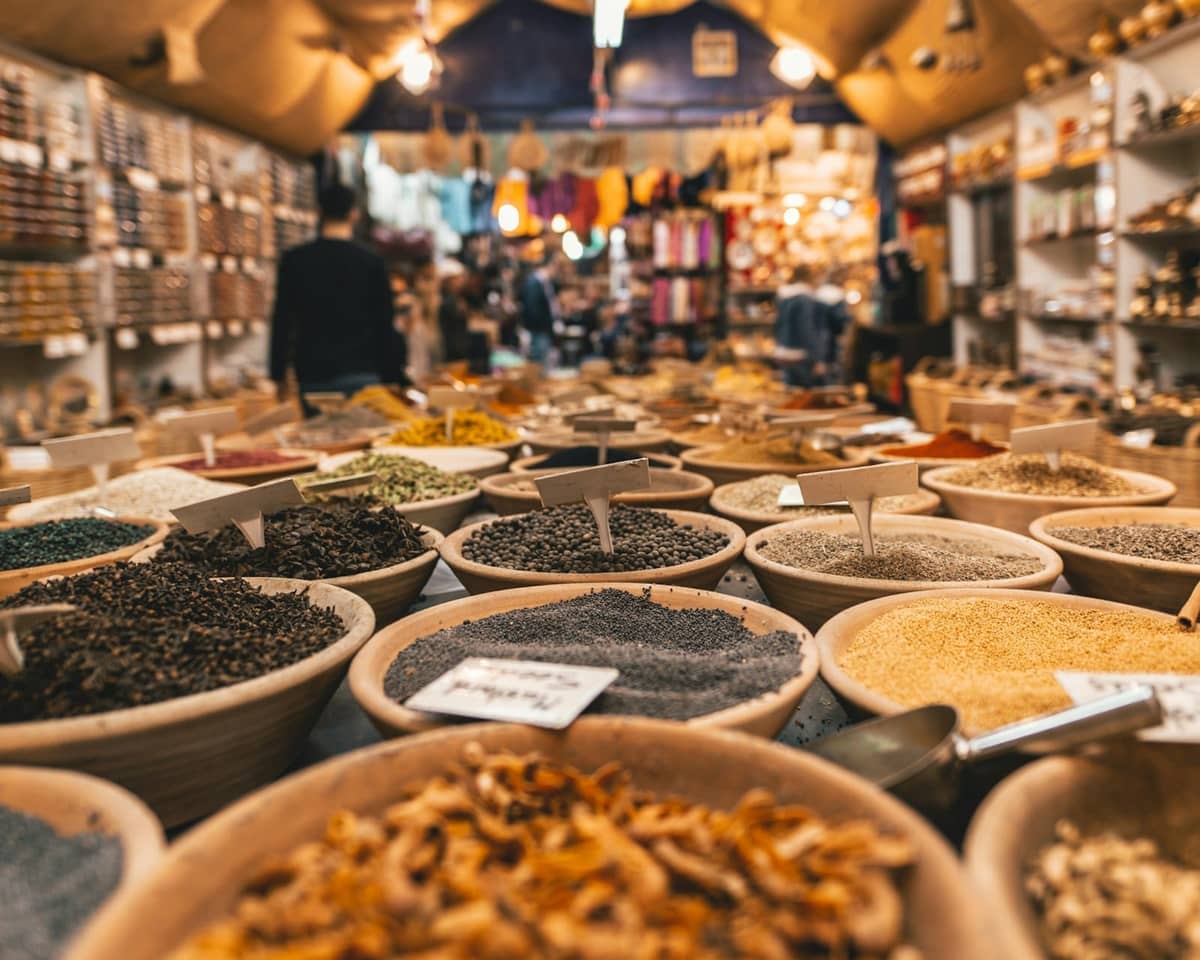
Take the T1 tram from Sultanahmet to Eminönü and begin Day 2 at the Spice Bazaar (Mısır Çarşısı). It is smaller and more manageable than the Grand Bazaar, and its stalls of dried fruits, nuts, lokum, teas, and spices make for good browsing and practical souvenir shopping. It opens around 8:30, so arriving early means fewer crowds and more patient vendors.
Walk across the Galata Bridge toward Karaköy. The bridge's lower deck is lined with lokanta restaurants serving simple, cheap Turkish lunches — it is not a fine-dining destination, but eating here while watching the Bosphorus traffic is an experience in itself. From Karaköy, the Galata Tower is a 10-minute uphill walk. The 14th-century Genoese tower offers the best 360-degree view of the city from any accessible point on the European side. Tickets are sold online and at the site; booking ahead is advisable in peak season (May-September) to avoid queues.
From Galata, walk north up to İstiklal Avenue. This 1.4-km pedestrian street running from Tünel to Taksim Square is lined with 19th-century European-style buildings housing cafes, bookshops, music stores, cinemas, and clothing chains. It is more useful as a thoroughfare and for people-watching than as a shopping destination. The side streets branching off İstiklal — particularly toward Asmalımescit and Cihangir — hold the better restaurants, meyhanes, and independent shops.
- Cukurcuma A steep neighborhood below İstiklal known for antique dealers and second-hand furniture shops. Home to Orhan Pamuk's Museum of Innocence, based on his novel of the same name.
- Asmalımescit A narrow street grid packed with meyhanes (traditional Turkish taverns) serving raki and meze. Best visited on weekday evenings when it is lively but not overwhelming.
- Karaköy and Galataport The waterfront below Galata has transformed into a dining and cultural strip, including Istanbul Modern, the city's leading contemporary art museum, which reopened in a new waterfront building in 2023.
Day 3: The Bosphorus and the Asian Side
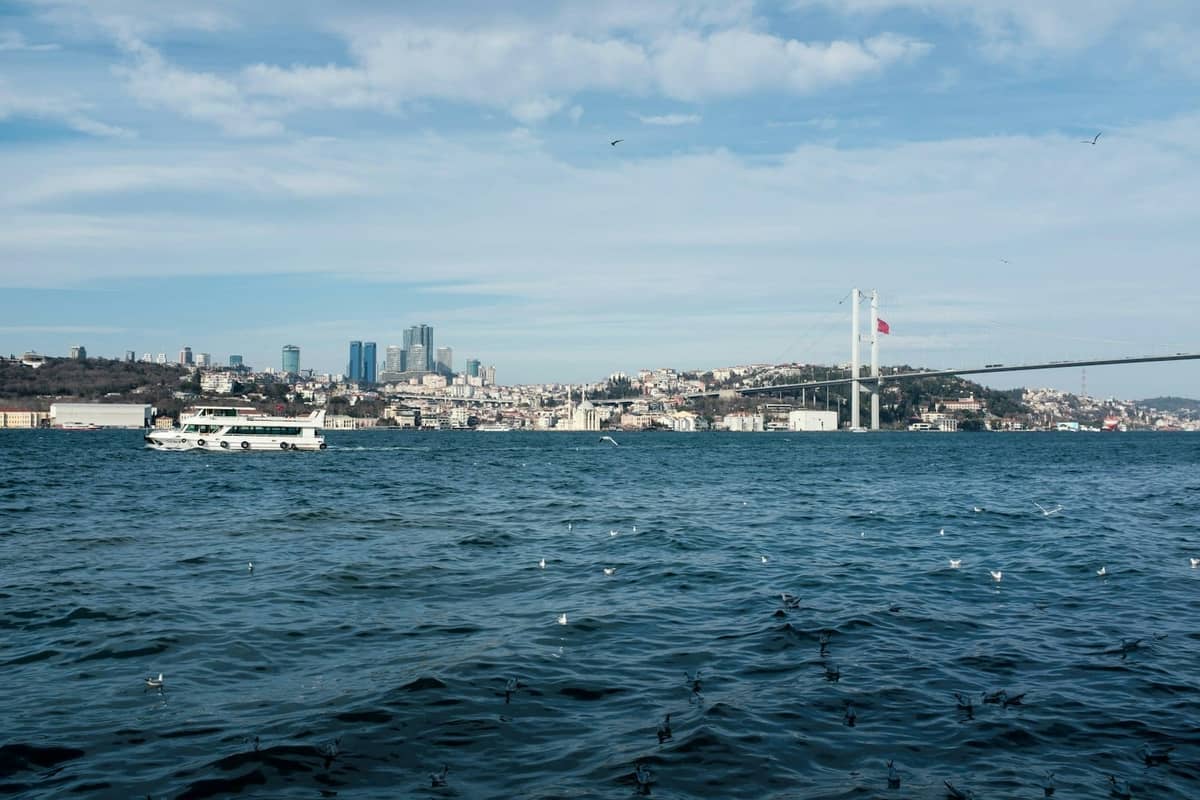
Take the T1 tram to Kabataş and board a Şehir Hatları ferry toward Üsküdar or Kadıköy. The ferry crossing itself is one of the best things you can do in Istanbul: it takes about 15-20 minutes, costs a single Istanbulkart fare, and gives you unobstructed views of the city skyline, the old palaces, and the Bosphorus traffic. If you want a more structured Bosphorus experience, a Bosphorus cruise departing from Eminönü runs 1.5-2 hours and passes under the Bosphorus bridges, past Rumeli Fortress, and toward the Black Sea mouth. The public ferry (Boğaz Turu) is the most affordable option; private tour boats are more numerous but often overpriced for what they deliver.
Kadıköy is the more energetic of the two main Asian-side destinations. Its market streets around Kadıköy Pazar sell produce, spices, cheeses, and street food at prices noticeably lower than the tourist-facing European side. The neighborhood has a strong cafe culture, independent music venues, and a young local population. It does not have major historical monuments, which is precisely its appeal — it is Istanbul as a living city rather than a museum.
Üsküdar is quieter and more historically layered than Kadıköy. The waterfront has clear views of the Maiden's Tower (Kız Kulesi), a small offshore tower currently operating as a restaurant and lighthouse. The Mihrimah Sultan Mosque, designed by the Ottoman architect Sinan, sits at the top of the main square and is far less visited than the mosques of Sultanahmet, yet architecturally comparable. On Day 3, if energy allows, combining a morning in Üsküdar with an afternoon in Kadıköy — connected by a short bus or metro ride — gives a well-rounded picture of the Asian side.
✨ Pro tip
If you have flexibility on timing, position your Bosphorus ferry crossing for late afternoon. The light on the European skyline in the hour before sunset, seen from the Asian shore or from the water, is one of the genuinely spectacular sights in Istanbul. The evening return ferry from Kadıköy or Üsküdar, with the old city lit up across the water, is not a scene you forget.
Practical Considerations: Timing, Menschenmengen, and What to Skip
The best months for this itinerary are April-June and September-October. Temperatures are mild (roughly 15-22°C), rain is manageable, and crowds, while present, are not at summer peak. July and August are hot (highs reaching 28-30°C), and Sultanahmet becomes congested by mid-morning. If you visit in summer, start no later than 8:30 and take a long lunch break indoors. Winter (December-February) is quieter and cheaper, with temperatures around 8-11°C during the day, but expect overcast skies and occasional rain. The city's Byzantine and Ottoman monuments are no less impressive in grey weather, and museum queues are negligible.
- The Grand Bazaar is closed on Sundays. Hagia Sophia and the Blue Mosque close to tourists during prayer times, most significantly at midday Friday. Plan around these closures rather than against them.
- The Istanbul Museum Pass covers Topkapı Palace, the Harem, the Archaeological Museums, and several other sites at a combined rate that saves money if you plan to visit three or more covered attractions. Check current pricing at muze.gov.tr.
- Taxis in Istanbul use meters, but drivers occasionally claim the meter is broken or take longer routes. Use BiTaksi or iTaksi apps to get an in-app meter and receipt, or hail through Uber, which operates via licensed taxis in the city.
- Drinking tap water is not widely recommended for visitors despite meeting national treatment standards. Bottled water is inexpensive and universally available.
- Dress code for mosques: covered shoulders, covered knees, no bare feet. Women should carry a scarf. Coverings are available at mosque entrances but bringing your own is faster.
Three days in Istanbul is enough to see its most significant sites without feeling rushed, provided you stick to a geographically logical order. It is not enough to see everything. The Fener and Balat neighborhoods along the Golden Horn, the Asian Bosphorus villages, the Princes' Islands, and places like the Chora Church and Süleymaniye Mosque all deserve time. If your schedule has any flexibility, consider a one-week Istanbul itinerary to cover the city more fully.
Food and Drink: What to Eat on Each Day
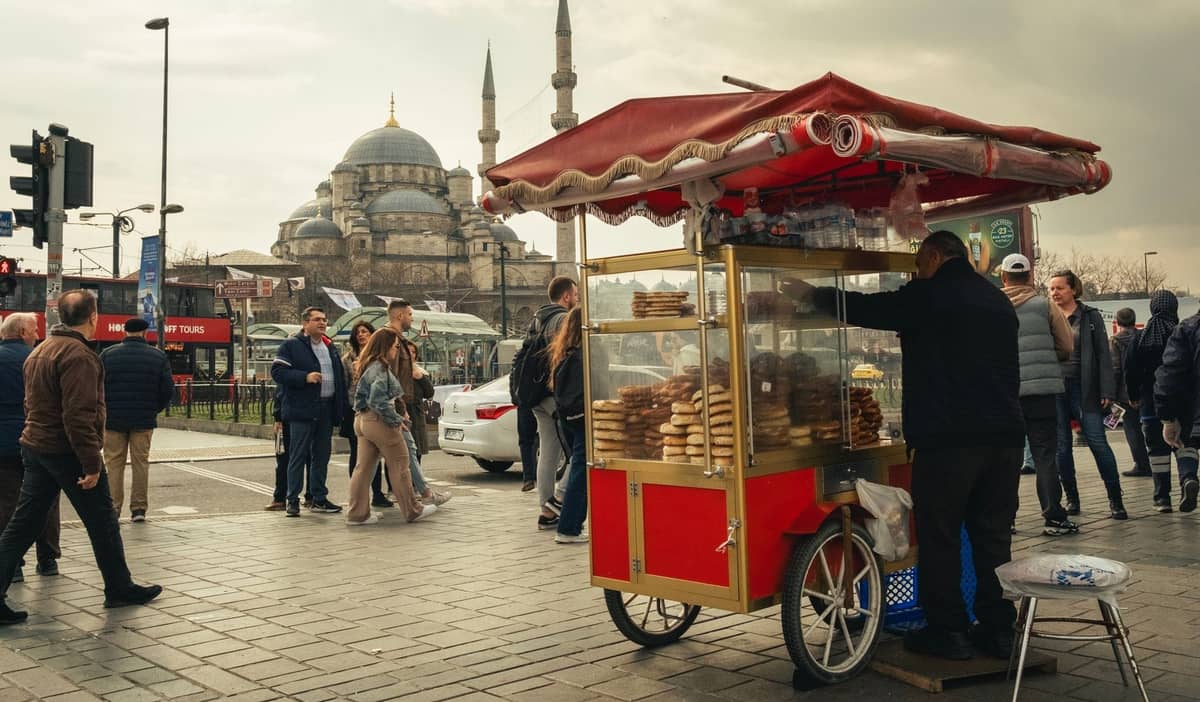
Istanbul's food scene is one of its strongest assets and one of its most underutilized by visitors who eat every meal at hotel restaurants or tourist-facing places in Sultanahmet. For a thorough breakdown, see the Istanbul food guide, but here are practical anchors for each day of this itinerary.
- Day 1 (Sultanahmet) Breakfast at a lokanta near the bazaar district. Lunch from the Eminönü fish sandwich boats or a simple soup at any street-side eatery in the bazaar quarter. Dinner in the Sultanahmet area is convenient but overpriced — walking 10 minutes to Kumkapı or Beyazıt gives better value.
- Day 2 (Beyoğlu/Galata) Morning simit (sesame ring bread) and Turkish tea from any street cart. Lunch at a meyhane on Asmalımescit for cold meze plates. Afternoon tea or coffee at one of the Galata neighborhood cafes. Evening dinner along İstiklal's side streets or in Cihangir.
- Day 3 (Asian Side) Breakfast in Kadıköy's market area — the neighborhood is known for its produce and has excellent börek (savory pastry) shops. Lunch in Kadıköy's covered market streets. Ferry back to the European side for dinner: Karaköy has some of the city's best modern Turkish restaurants within a few minutes' walk of the ferry pier.
FAQ
Is 3 days enough for Istanbul?
Three days is enough to cover the major monuments of Sultanahmet, explore the Galata and Beyoğlu districts, and make a Bosphorus crossing to the Asian side. It is not enough to see everything — Istanbul is a 15-million-person metropolitan area with centuries of layered history. Think of 3 days as covering the essential framework, not the full picture. A week allows for neighborhoods like Fener-Balat, the Princes' Islands, and a more relaxed pace.
What is the best order to visit Istanbul's sights in 3 days?
Day 1: Historic Peninsula (Hagia Sophia, Blue Mosque, Topkapı Palace, Basilica Cistern, Grand Bazaar). Day 2: Eminönü, Galata, and Beyoğlu (Spice Bazaar, Galata Bridge, Galata Tower, İstiklal Avenue). Day 3: Bosphorus and the Asian side (ferry to Üsküdar or Kadıköy). This order is geographically logical — it minimizes backtracking and gradually moves from the densest concentration of monuments toward more neighborhood-based exploration.
Do I need to book Istanbul attractions in advance?
For Topkapı Palace and the Basilica Cistern, advance booking is strongly recommended in peak season (May-September) — queues for walk-up tickets can exceed 90 minutes. Galata Tower also benefits from pre-booking. Hagia Sophia and the Blue Mosque are free and do not require tickets, though they close to tourists during prayer times. The Istanbul Museum Pass can be booked online through muze.gov.tr and saves both money and queuing time if you plan to visit multiple paid sites.
What is the cheapest way to get around Istanbul in 3 days?
An Istanbulkart smart card is the most cost-effective option. It covers the T1 tram (which connects Sultanahmet, Eminönü, and Kabataş), the metro network, İETT buses, and most Şehir Hatları ferries. Single-ride fares with the card are substantially cheaper than buying individual tokens or paper tickets. Top up the card at any yellow kiosk. For distances under 1.5 km, walking is often faster than waiting for transport.
When is the best time to visit Istanbul for a 3-day trip?
April to June and September to October offer the most comfortable conditions: temperatures between 15-22°C, manageable tourist numbers, and reliable weather. July and August are viable but hot (up to 30°C) and very crowded at the main monuments. Winter (December-February) is quiet and budget-friendly, with temperatures around 8-11°C and occasional rain, but the sights are no less impressive and queues are negligible. For detailed seasonal guidance, see the best time to visit Istanbul guide.