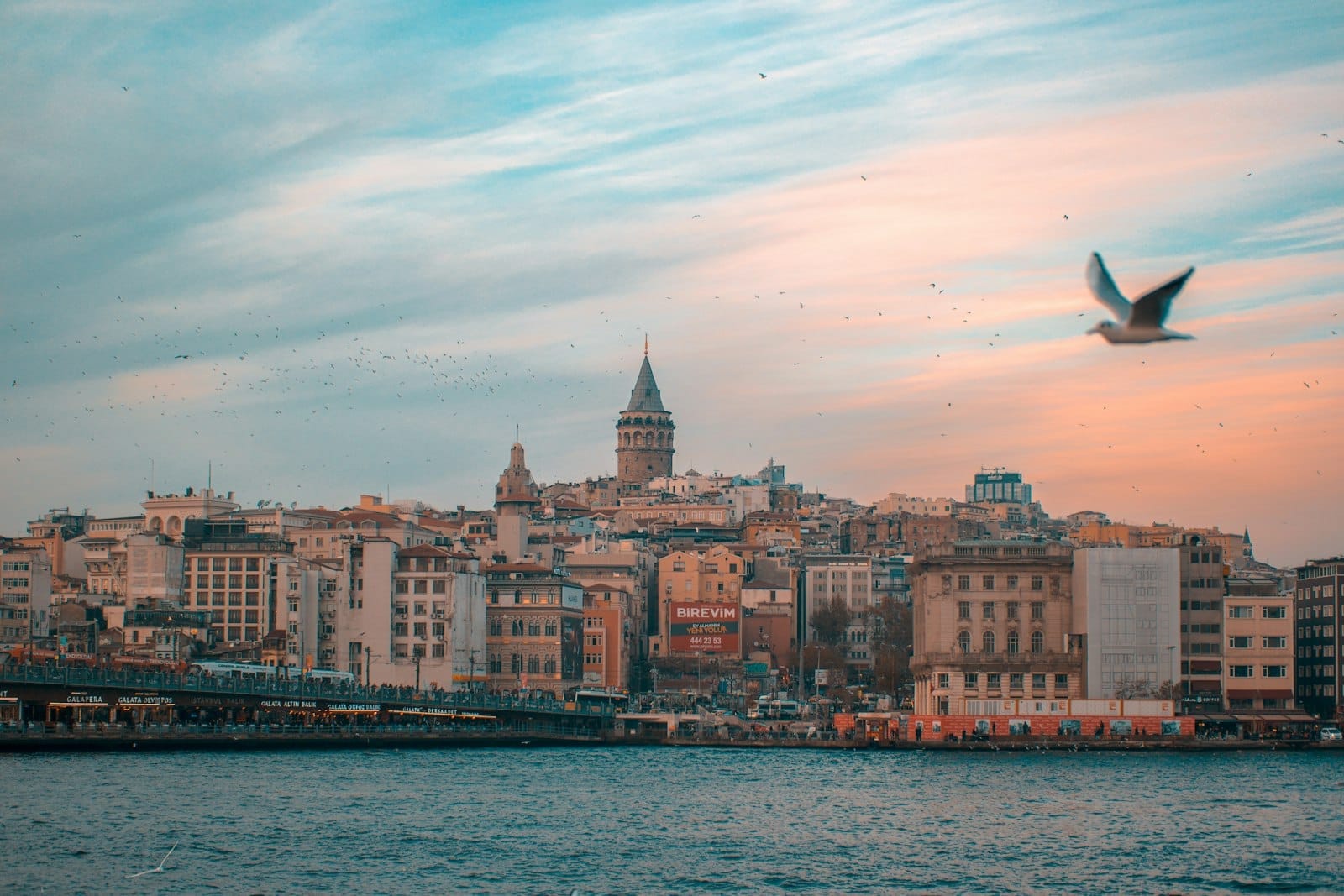
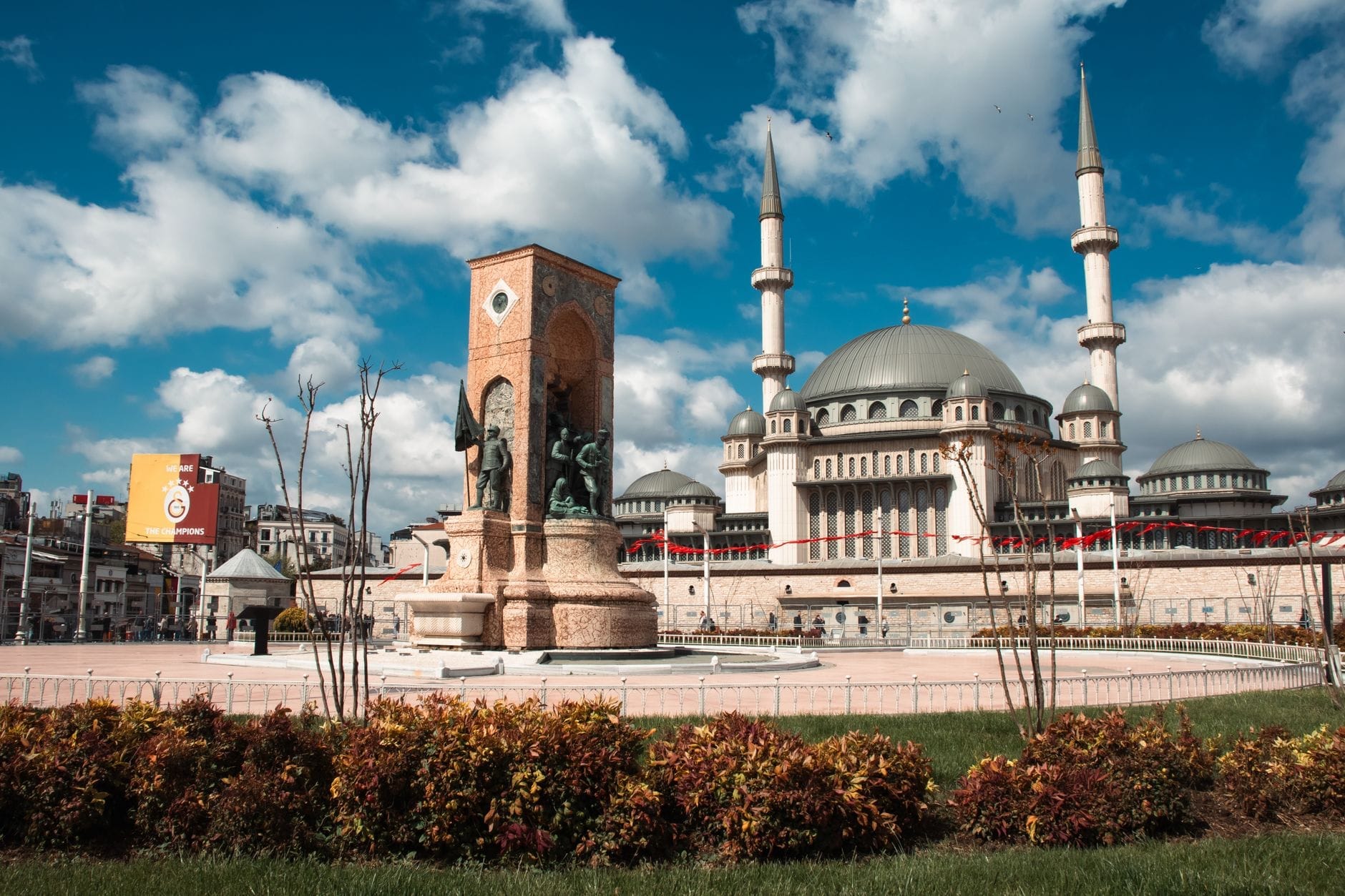
Beyoğlu sits north of the Golden Horn on Istanbul's European side, anchored by the 1.4-kilometer pedestrian spine of İstiklal Avenue and framed by the medieval Galata Tower to the south and Taksim Square to the north. It is the city's most dynamic district for culture, dining, art, and nightlife, layered over a 19th-century Levantine and Ottoman past that still shows in its architecture, its churches, and the rhythms of daily life on its narrower backstreets.
Beyoğlu is where Istanbul stops looking like a history textbook and starts feeling like a living city. Once known as Pera, the district that foreign diplomats, Levantine merchants, and Ottoman modernizers called home, it now draws everyone from art students to late-night revelers, with İstiklal Avenue connecting it all like a spine between two very different worlds: the medieval stone of Galata below and the sweeping concrete plaza of Taksim above.
Orientation: Where Beyoğlu Fits in Istanbul
Beyoğlu is a district of roughly 9 square kilometers on the European side of Istanbul, occupying the hills directly north of the Golden Horn. Its southern edge begins at the Karaköy waterfront and the foot of the Galata quarter, rising steeply through narrow lanes to the plateau where İstiklal Avenue runs its course, ending at Taksim Square. To the west, the district spills into neighborhoods like Kasımpaşa and Dolapdere. To the east, Cihangir and Tophane slope down toward the Bosphorus shore and the ferry terminal at Kabataş.
Three bridges connect Beyoğlu to the historic peninsula (Fatih) across the Golden Horn: the Galata Bridge at Karaköy, the Atatürk Bridge further west, and the Golden Horn Metro Bridge carrying the M2 line. This geographic position makes Beyoğlu the natural transit zone between the old walled city of Sultanahmet and the modern commercial districts of Şişli and Beşiktaş further north. It is not a place you pass through on the way to somewhere else; it is usually the destination itself.
The district's internal geography divides along clear lines. Galata and Karaköy occupy the lower, older section near the water, with stone streets, historic hans (merchant lodgings), and a growing concentration of galleries and specialty cafés. Moving uphill along Galip Dede Caddesi, you reach Tünel Square, which marks the southern end of İstiklal Avenue. From there, İstiklal runs roughly 1.4 kilometers northeast to Taksim, passing through the commercial and social core of the neighborhood. To the west of İstiklal, Tarlabaşı and Kasımpaşa are rougher, more local quarters. To the east, Cihangir is a quieter, residential hillside with good views over the Bosphorus.
ℹ️ Good to know
Beyoğlu is an administrative district, but locals often use neighborhood names (Galata, Cihangir, Tarlabaşı, Karaköy) rather than 'Beyoğlu' to identify where they are. Getting familiar with these sub-quarter names makes navigation much easier.
Character and Atmosphere: How the District Changes Through the Day
Early morning in Beyoğlu is one of Istanbul's best-kept contrasts. While İstiklal Avenue is quiet enough to hear your footsteps echo off the European-style facades, the Karaköy fish market near the Galata Bridge is already loud and wet, vendors calling out the morning's catch over ice-packed crates of hamsi and lüfer. The smell of sesame simit drifts up from cart vendors near Tünel. In Cihangir, local residents walk dogs through streets lined with plane trees and older apartment buildings whose window boxes overflow in spring. This is the hour when Beyoğlu feels like an actual neighborhood rather than a tourist corridor.
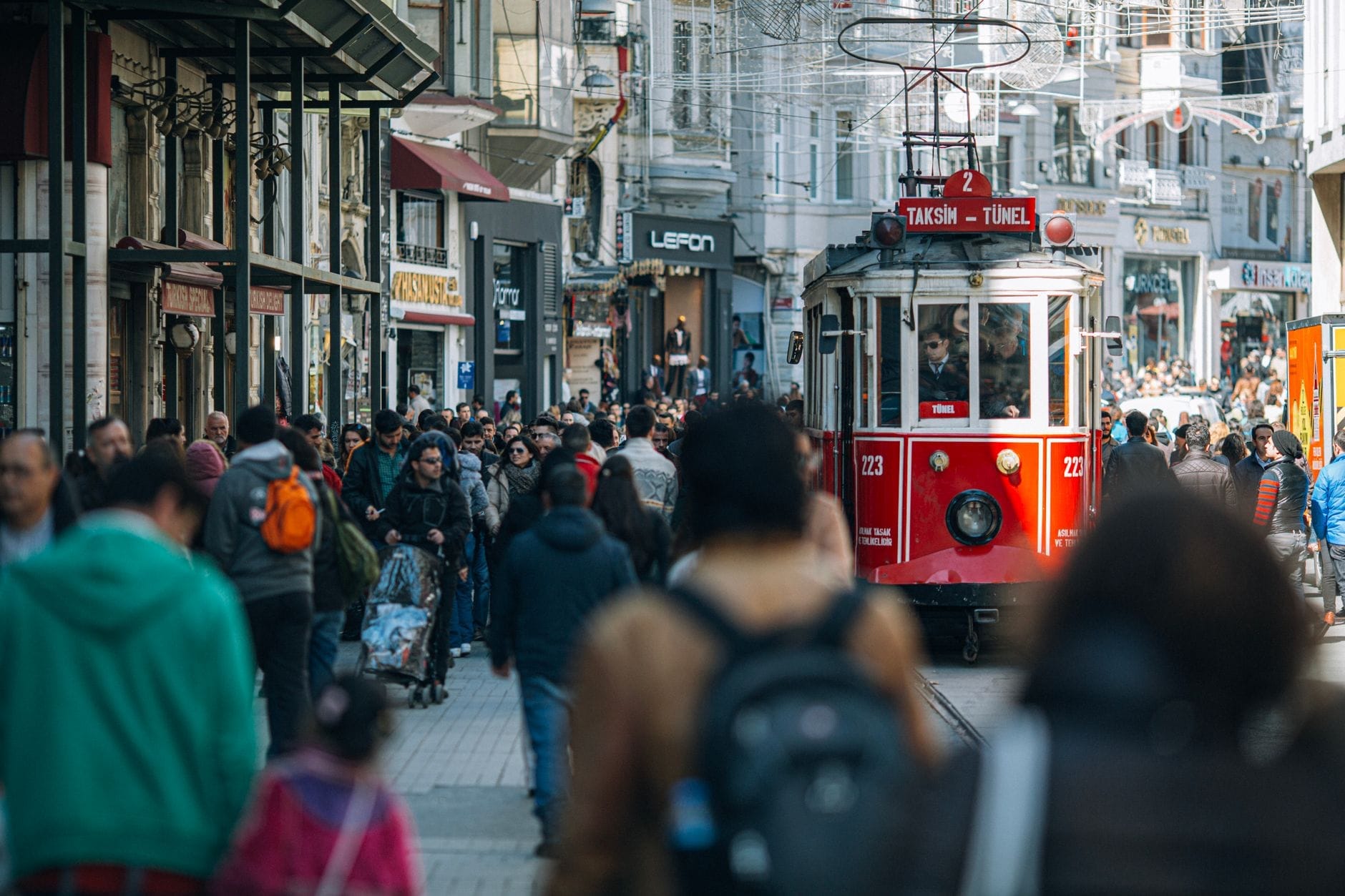
By mid-morning, İstiklal Avenue takes on its familiar daytime character: a slow, dense river of pedestrian traffic moving in both directions, past chain stores and boutiques, restored arcade passages called pasajlar, street musicians, and the occasional red T2 heritage tram threading its way through the crowd. The side streets off İstiklal, particularly those heading east toward Asmalımescit and Nevizade, are where the more interesting layer of the neighborhood lives: independent bookshops, small art galleries, patisseries that have been in the same building for a century, and meyhanes (traditional taverns) setting up their outdoor tables in the early afternoon.
Afternoon light in Galata is worth timing deliberately. The tower casts long shadows across the square below it, and the surrounding lanes of Galata get a warm, angled glow that makes the stone buildings look almost golden. The cafés around Serdar-ı Ekrem Caddesi fill with a mix of art students, architects, and travelers who have peeled away from the İstiklal crowd. This strip was one of the first in Beyoğlu to attract a design-conscious café culture, and it still has more individual character than the avenue above.
After dark, Beyoğlu shifts register significantly. The Nevizade and Balık Pazarı (Fish Market) alley areas near İstiklal fill with meyhane tables spilling onto the cobblestones, raki bottles appearing on shared tables, and the kind of overlapping conversations that go on until well past midnight. Bars range from rooftop venues with Bosphorus views to basement jazz clubs to no-sign-on-the-door spots on the side streets of Asmalımescit. Taksim Square itself is less atmospheric after dark, more transit hub than gathering point, but the streets leading south from it into Beyoğlu proper are where the evening actually happens.
⚠️ What to skip
İstiklal Avenue has been the site of large demonstrations, particularly around Taksim Square, and security presence here is permanent and visible. During periods of political tension, the square and upper İstiklal can be closed to gatherings. Check current advisories if you are visiting during politically sensitive dates.
What to See and Do in Beyoğlu
The Galata Tower is the obvious starting point, and despite the lines, it earns its place. The cylindrical Genoese tower, built in 1348, rises 67 meters above the surrounding streets and provides a 360-degree panorama that is still one of the clearest ways to understand Istanbul's geography: the Golden Horn curving west below you, the minarets of the historic peninsula across the water, the Bosphorus opening to the right, and the density of Beyoğlu's rooftops falling away in all directions. Go early in the morning or buy tickets in advance to avoid the worst waits.
İstiklal Avenue itself is as much an experience as a thoroughfare. Walk the full 1.4 kilometers from Tünel to Taksim at least once, but make a point of ducking into the pasajlar (historic arcade passages) along the way. Cicek Pasajı (Flower Passage) is the most photographed, with its grand iron-and-glass ceiling and meyhane tables, but it has become fairly touristy. The nearby Balık Pazarı fish market alley just off it is more down-to-earth and more local. Further up İstiklal, the French Street (Fransız Sokak) section has ornate building facades restored for effect, which divides opinion among visitors.
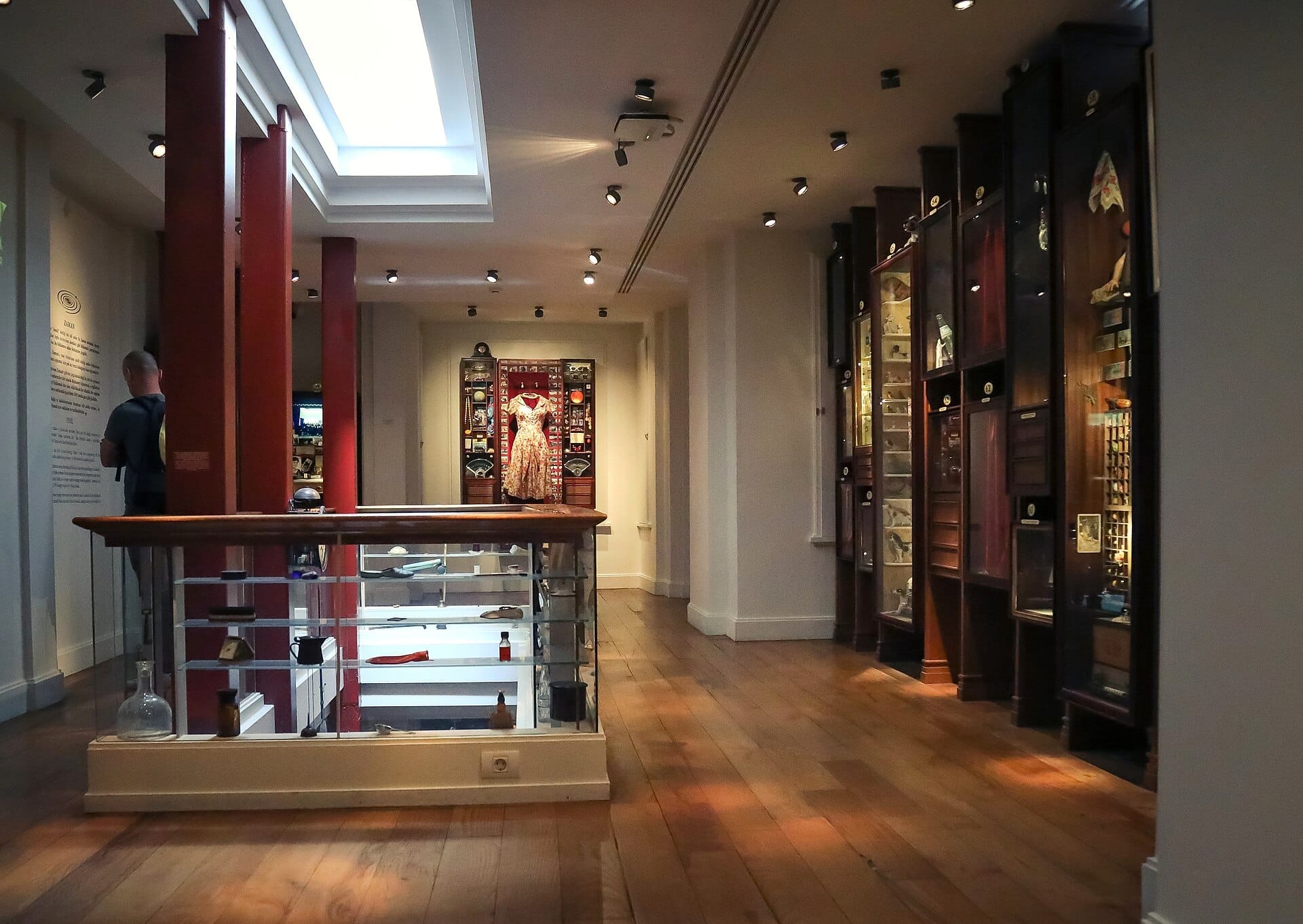
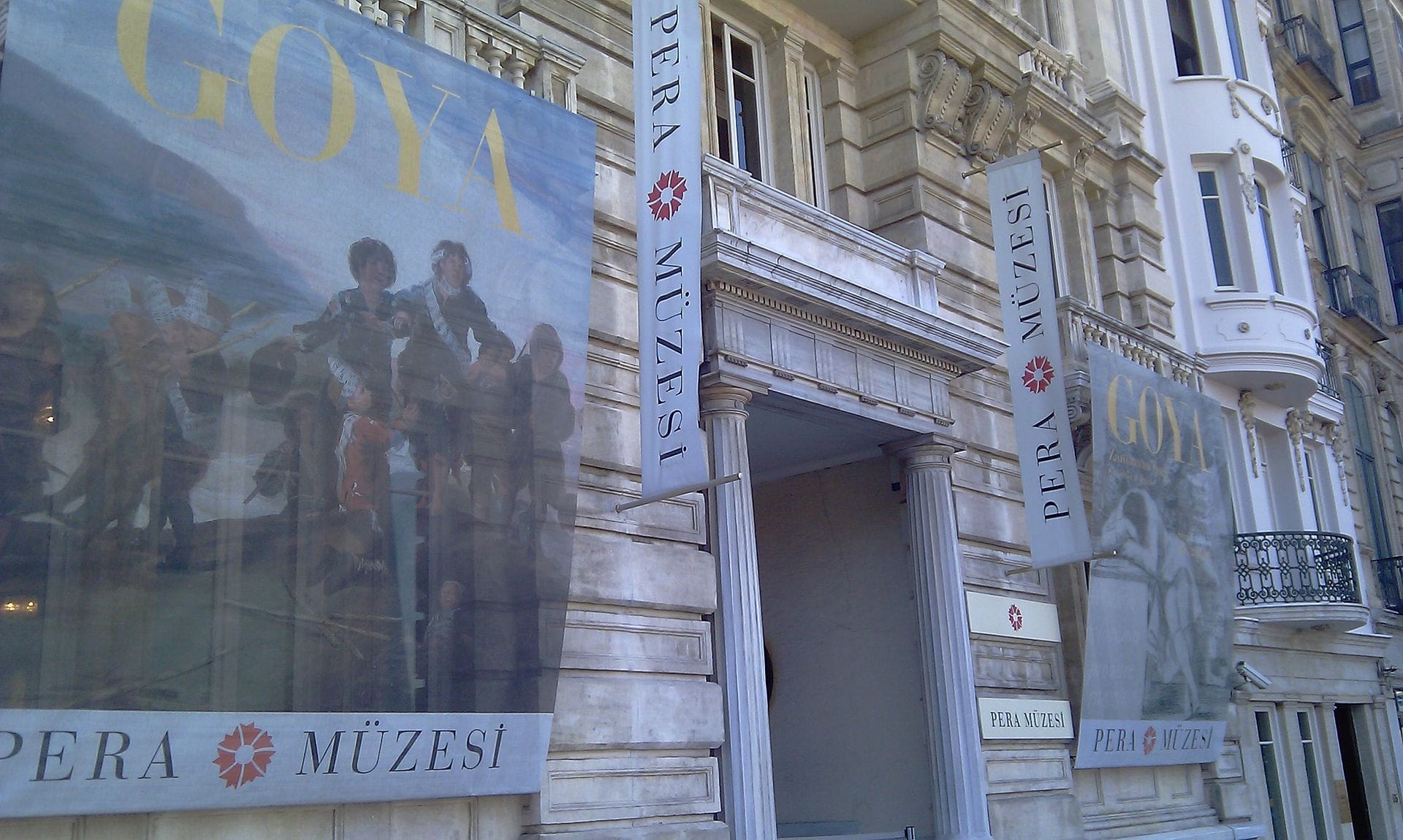
For contemporary art, the area around Karaköy has become one of the more serious destinations in the city. Istanbul Modern, Turkey's flagship contemporary art museum, is now housed in a purpose-built building at Galataport on the Karaköy waterfront. SALT Galata occupies the former Ottoman Bank building and combines exhibitions, a research archive, and a rooftop worth visiting for the view alone. The Pera Museum on Meşrutiyet Caddesi, just off İstiklal, has a permanent collection focused on Orientalist painting and Anatolian weights and measures, alongside rotating international exhibitions.
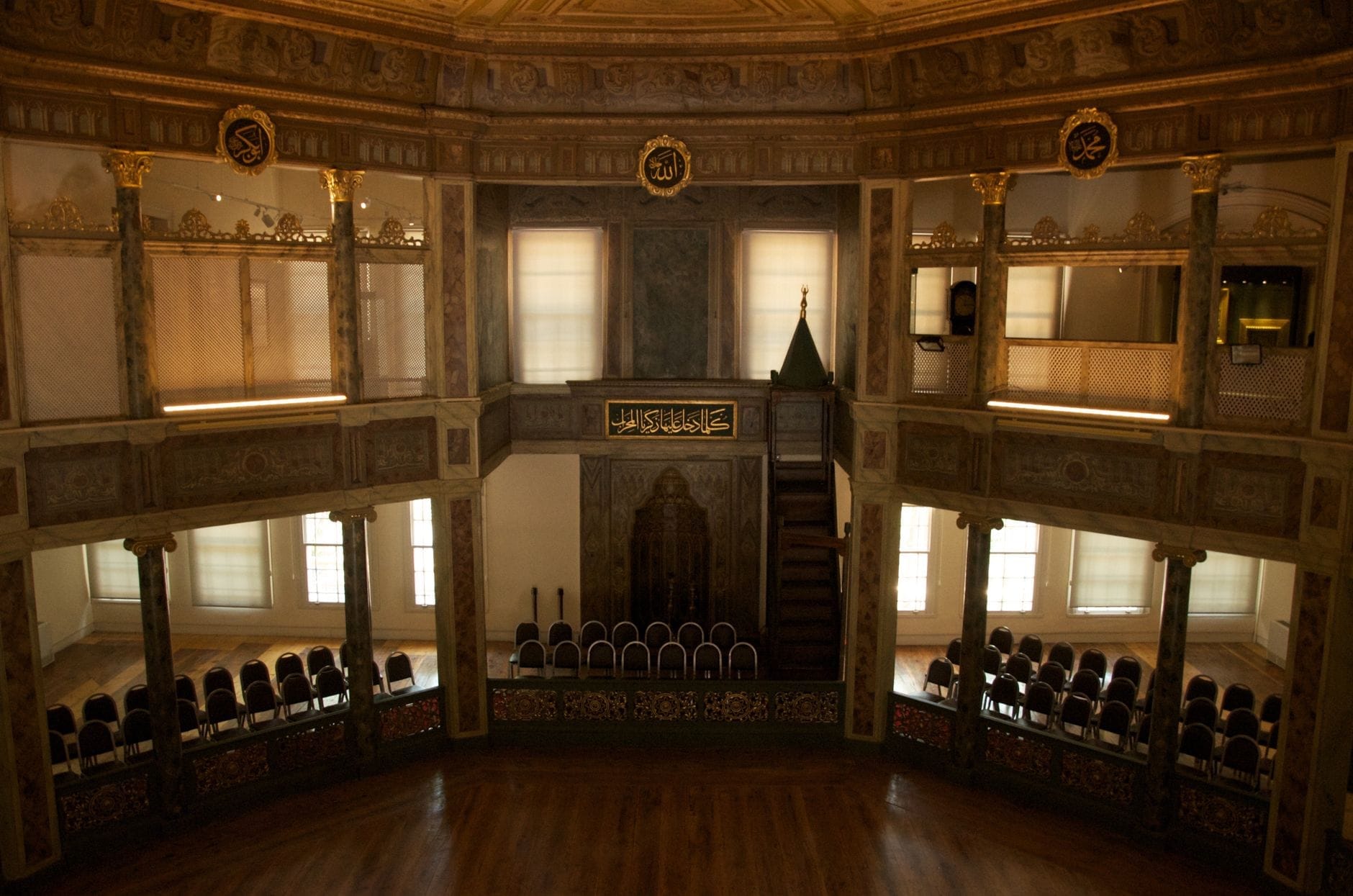
The Galata Mevlevi Museum near Tünel is one of the few places in Istanbul where you can see a traditional Sema ceremony (whirling dervish performance) in a genuine tekke (dervish lodge) setting rather than a tourist venue. Performances are scheduled on specific days and require advance booking. For broader context on this tradition, the Istanbul whirling dervishes guide covers your options across the city.
Galata Tower: medieval Genoese tower with panoramic city views, now operating as a museum
İstiklal Avenue: 1.4 km pedestrian spine with pasajlar, cafés, bookshops, and the heritage tram
Istanbul Modern: Turkey's leading contemporary art museum at Galataport on the Karaköy waterfront
SALT Galata: cultural center and archive in the Ottoman Bank building, with a notable rooftop
Pera Museum: Orientalist painting collection and rotating international exhibitions on Meşrutiyet Caddesi
Galata Mevlevi Museum: dervish lodge with scheduled Sema ceremonies
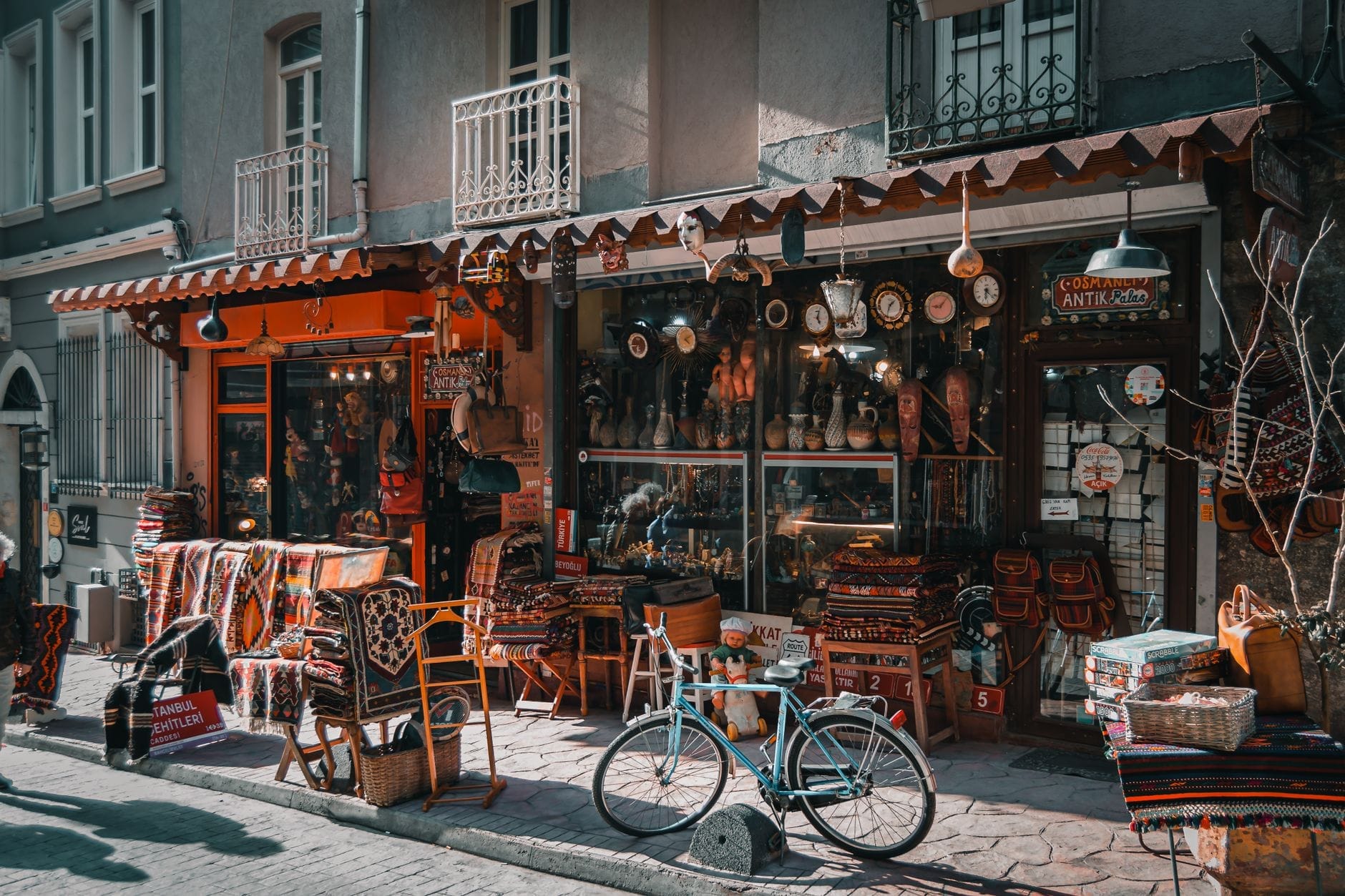
Cihangir: residential hillside quarter with antique dealers, independent bookshops, and Bosphorus views
Tünel: the world's second-oldest underground urban railway, running since 1875
Eating and Drinking: From Balık Ekmek to Rooftop Bars
Beyoğlu has one of the most layered food scenes in Istanbul, covering everything from fish sandwiches eaten standing at the Galata Bridge to serious tasting menus in converted Galata hans. The range is genuine, not curated, and the quality varies sharply between tourist-facing spots on İstiklal and the more neighborhood-oriented places a block or two off the main axis.
For breakfast, Karaköy and Galata have developed a strong café culture over the past decade, with specialty coffee roasters and brunch spots that attract Istanbul's design and arts crowd. For a traditional Turkish breakfast spread (çay, cheeses, olives, eggs, sucuk, simit), the streets around Karaköy offer good options at moderate prices. The Istanbul food guide has more detail on navigating the city's breakfast culture.
The meyhane (traditional tavern) tradition is alive and well in the Nevizade Sokak and Balık Pazarı area, just off İstiklal near the Galatasaray section of the avenue. These are places where meze dishes arrive in waves: cold plates of taramasalata, stuffed grape leaves, fried calamari, and sigara böreği (fried pastry), followed by grilled fish or meat, all washed down with raki. The atmosphere on a weekend evening, with tables pushed together and the street itself becoming a communal dining room, is one of Beyoğlu's most genuine social rituals.
Asmalımescit, a neighborhood within Beyoğlu just west of the upper section of İstiklal, is the restaurant district that rewards exploration. The streets here have a mix of Turkish and international kitchens, wine bars, and cocktail bars in buildings that show their Levantine-era bones. Prices here are generally mid-range to high-end by Istanbul standards, but not unreasonable by European metrics. The Cihangir quarter, a short walk east, has a neighborhood café scene that is quieter and less performance-oriented, popular with residents and long-term visitors.
For nightlife, Beyoğlu ranges from unpretentious raki-and-meze evenings to late-night bars that stay open until the early hours. The streets between Asmalımescit and Sofyalı Sokak have a concentration of wine bars and live-music venues. Rooftop bars with Bosphorus views are spread across the district, concentrated in hotels along the upper slopes. Entry to most bars in Beyoğlu is free, though weekend nights at the more popular venues can draw queues late in the evening.
💡 Local tip
On İstiklal Avenue itself, the restaurants directly on the street tend to be tourist-priced and average in quality. Step one street east or west, and the food and value improve noticeably. The Balık Pazarı alley and the side streets around Galatasaray Square are particularly worth exploring for quick, affordable meals.
Getting There and Around Beyoğlu
Beyoğlu is one of the best-connected districts in Istanbul for public transit, with multiple systems converging on it. The M2 metro line serves the district directly, with Şişhane station sitting in the heart of the Galata quarter and Taksim station at the northern end of İstiklal Avenue. From Taksim, you can reach the Bosphorus waterfront at Kabataş in about 3 minutes on the F1 funicular, where ferries connect to the Asian side and to Beşiktaş.
The Tünel funicular, opened in 1875 and the second-oldest underground urban railway in the world after London's, connects Karaköy on the waterfront to Tünel Square at the foot of İstiklal Avenue. The ride takes about 90 seconds and saves a steep uphill walk. The T2 heritage tram runs the length of İstiklal from Tünel to Taksim, though during peak hours walking is often faster given pedestrian density.
From the historic peninsula, the most direct approach is walking across the Galata Bridge from Eminönü, which takes about 10 minutes to the Karaköy end, then either ascending on foot through Galata or taking the Tünel funicular. Ferry connections from Eminönü and the Golden Horn to Karaköy run regularly. An Istanbulkart (the city's rechargeable transit card, available at metro stations) covers all of these modes at discounted rates and is strongly recommended over single-use tickets. All transit fares are time-sensitive; verify current prices before travel.
Walking is genuinely viable within Beyoğlu if you are comfortable with hills. From Karaköy to Taksim via İstiklal on foot takes around 25 to 30 minutes at a comfortable pace. Taxis and ride-hailing apps (BiTaksi, iTaksi) operate throughout the district, though İstiklal Avenue itself is pedestrianized and vehicles cannot enter. For a broader view of getting around Istanbul, the getting around Istanbul guide covers all transport modes in detail.
Where to Stay in Beyoğlu
Beyoğlu is one of the best neighborhoods in Istanbul for accommodation if your priority is access to nightlife, culture, restaurants, and transit connections. It is not the right choice if you want to be within walking distance of Hagia Sophia and Topkapı Palace; those are across the Golden Horn in Sultanahmet and Fatih, and staying in Beyoğlu means using transit to reach them.
The Galata and Karaköy area is where the district's most distinctive boutique hotels are concentrated, typically in converted Ottoman-era buildings with stone facades and character that chain hotels cannot replicate. These tend to be mid-range to high-end in price. The trade-off is that the streets around Karaköy can be noisy in the evenings, particularly on weekends, and the hills mean that some properties involve a significant walk to reach them with luggage.
Cihangir and the upper Asmalımescit area offer a quieter residential setting while remaining within easy walking distance of İstiklal. Properties here are fewer and often smaller. The streets around Taksim Square have the highest concentration of business hotels and international brands, which is practical for transit access but lacks neighborhood atmosphere. If you are staying in Beyoğlu specifically for the cultural and social scene, aim for somewhere between Galata and the Galatasaray section of İstiklal rather than right at Taksim.
For a full breakdown of where to stay across Istanbul, including comparisons between Beyoğlu, Sultanahmet, and the Asian side, the where to stay in Istanbul guide covers the tradeoffs in detail.
⚠️ What to skip
Street noise is a real issue in parts of Beyoğlu, particularly in the Nevizade and lower İstiklal areas on Friday and Saturday nights. If you are a light sleeper, ask specifically about room orientation and noise levels when booking. Higher floors and interior-facing rooms typically sleep quieter.
Beyoğlu's History: Why the District Looks and Feels the Way It Does
The district's character is inseparable from its history as Pera, which in Greek means 'the other side.' For centuries during the Byzantine and Ottoman periods, the northern shore of the Golden Horn was home to foreign merchants, particularly the Genoese, whose presence is most visibly preserved in the Galata Tower. During the late Ottoman period, Pera became the city's zone of Westernization: home to European embassies, Levantine trading families, the first theaters and cinemas in the Ottoman Empire, early banks, and the grand apartment buildings whose facades still line the streets off İstiklal.
İstiklal Avenue itself was originally called the Grande Rue de Pera, and walking it today, you can still read its cosmopolitan past in the architecture: French neoclassical embassy buildings, art nouveau apartment facades, Greek Orthodox, Armenian, and Catholic churches sitting within meters of each other, and the Dutch Chapel and Swedish Consulate marked by plaques that most people walk past without looking up. This layering of communities is unusual in the city and gives Beyoğlu a pluralist texture that feels different from the more uniformly Islamic identity of the historic peninsula across the water.
The 20th century was harder on the district. The population exchanges and departures of the mid-20th century emptied many of the buildings that Levantine and minority communities had built and occupied. Tarlabaşı, immediately west of İstiklal, became one of Istanbul's most economically marginal quarters, and that tension between the polished commercial face of İstiklal and the rougher streets just behind it is still visible today. Understanding this layered history makes the neighborhood make more sense. The Istanbul Ottoman history guide and the Istanbul Byzantine history guide provide deeper context for what shaped this part of the city.
Quick Verdict: Is Beyoğlu Right for You?
TL;DR
Beyoğlu is Istanbul's most dynamic district for culture, art, restaurants, bars, and nightlife, anchored by İstiklal Avenue and the Galata quarter, and well-connected by metro, funicular, and ferry.
It suits travelers who want to spend evenings in meyhanes, browse contemporary art, explore independent bookshops and cafés, and experience the city's more cosmopolitan, secular social scene.
It is not the right base if your primary goal is sightseeing in Sultanahmet: Hagia Sophia and Topkapı Palace are a bridge-crossing away, and a dedicated stay in Beyoğlu means transit time for every historic peninsula visit.
Street noise, crowds on İstiklal, and the steep geography between Karaköy and Taksim are the main practical drawbacks. Weekend nights in particular are loud and heavily trafficked.
The most rewarding parts of Beyoğlu are not on İstiklal itself but one or two streets off the main avenue: Galata's stone lanes, Cihangir's residential quietude, Asmalımescit's restaurant and bar strip, and the contemporary art concentration around Karaköy.
Three days in Istanbul is enough to cover the imperial monuments of Sultanahmet, the 19th-century streets of Beyoğlu and Galata, and a Bosphorus excursion to the Asian side. This itinerary is built around logical geography, practical crowd advice, and practical logistics so you spend your time sightseeing, not backtracking.
Istanbul's skyline is defined by its mosques, and the city's finest range from world-famous Ottoman imperial complexes to exquisite tiled interiors few tourists ever find. This guide covers the best mosques in Istanbul, with practical advice on when to visit, what to look for, and how to plan your route.
Istanbul's museums span 1,500 years of history, from Byzantine treasures and Ottoman palace complexes to cutting-edge contemporary art. This guide covers the essential collections, the underrated finds, and everything you need to plan your visits efficiently.
Istanbul rewards visitors year-round, but the timing of your trip makes a real difference. This guide breaks down every season by weather, crowd levels, prices, and key events so you can choose the window that fits your priorities.
The Bosphorus strait is the reason Istanbul exists, and a cruise across it is one of the city's most rewarding experiences. This guide covers every type of cruise, from the 340 TL public ferry to private yachts, with clear advice on what's worth your money and what isn't.
Istanbul's location makes it one of the best-placed cities in the world for day trips. Within a few hours you can reach car-free Victorian islands, Black Sea beaches, ancient Bosphorus fishing villages, and forested nature parks — many reachable on public transport for just a few dozen lira.
Istanbul's transport network spans metro lines, trams, Bosphorus ferries, buses, and ride-hailing apps across a city of Istanbul's transport network spans metro lines, trams, Bosphorus ferries, buses, and ride-hailing apps across a city of nearly 15.7 million people.. This guide breaks down every option by cost, convenience, and route, so you can move around Istanbul without confusion or overpaying.
Istanbul is safe for most tourists who take standard urban precautions, but it pays to know what risks actually exist. This guide breaks down crime patterns, common scams, neighborhood safety, transport tips, and what official travel advisories really mean for your trip.
Istanbul Airport (IST) is one of the world's busiest aviation hubs, Istanbul Airport (IST) is one of the world's busiest aviation hubs, handling 84.4 million passengers in 2025 from a single integrated terminal.. This guide covers everything from ground transport and terminal layout to transfer tips and common pitfalls, so you arrive prepared.
Most visitors to Istanbul never cross the Bosphorus. That's a serious mistake. Istanbul's Asian side — anchored by Kadıköy and Üsküdar — holds some of the city's best food markets, waterfront views, historic mosques, and neighbourhood character. This guide covers everything you need to cross over and make the most of it.
Istanbul is not a beach city, but it sits within reach of some surprisingly good coastline. This guide covers the best beaches near Istanbul across the Black Sea, the Princes' Islands, and beyond — with straightforward advice on water quality, currents, crowds, and how to get there.
Modern Istanbul sits directly on top of Constantinople, the Byzantine capital for over a thousand years. This guide covers every major surviving structure, from Hagia Sophia to the Theodosian Walls, with practical details on tickets, opening hours, restoration closures, and the smartest routes to follow.
Istanbul is home to an estimated 125,000 or more street cats, treated not as strays but as community animals cherished by residents and visitors alike. This guide covers the history, cultural roots, famous cats, best neighborhoods to find them, and practical tips for cat lovers visiting the city.
Istanbul food is one of the great culinary traditions of the world, shaped by centuries of Ottoman court cooking, Anatolian regional flavors, and street food culture that runs 24 hours a day. This guide covers every essential dish, the best neighborhoods to eat in, practical pricing, and how to avoid the tourist-trap menus.
Istanbul is one of the world's great romantic cities, where Byzantine history, waterfront sunsets, and Ottoman grandeur combine to create unforgettable experiences for couples. This guide covers the best activities, from Bosphorus cruises and Turkish baths to car-free island escapes and candlelit dinners — with practical advice on timing, pricing, and what to skip.
Istanbul rewards those who look beyond Hagia Sophia and the Grand Bazaar. This guide covers 20 lesser-known attractions across both sides of the Bosphorus, from forgotten Byzantine churches and Ottoman fortresses to colorful waterfront villages and hilltop viewpoints that most visitors never reach.
The Historic Peninsula (Tarihi Yarımada) is the oldest and most monument-dense part of Istanbul, encompassing Sultanahmet, Fatih, Eminönü, Süleymaniye, and more. This guide covers every major sight, practical logistics, crowd management strategies, and the cultural context that makes this area one of the most historically significant urban zones on earth.
Spring is one of the best times to visit Istanbul, but April and May are quite different months. This guide covers weather realities, the Tulip Festival, Bosphorus cruises, crowd patterns, and practical planning tips to help you get the most out of a spring visit.
Winter is Istanbul's most underrated season. Menschenmengen thin out, hotel rates drop, and the city's historic skyline looks cinematic under grey skies or a rare dusting of snow. This guide covers exactly what to expect from the weather, which sights are worth it, and how to make the most of the season.
The meyhane is Istanbul's answer to the long, convivial dinner: shared meze plates, anise-scented rakı sipped slowly across hours, and live fasıl music drifting between tables. This guide covers everything from how a meyhane evening works to the best neighborhoods, what things cost, and the customs that separate a confident diner from a confused tourist.
The official Istanbul Museum Pass is a Ministry of Culture product covering 10+ state-run museums for 5 consecutive days. Before you buy, here's what it actually includes, what it misses, how much it costs, and how to calculate if it's worth it for your trip.
Istanbul's after-dark scene spans multiple continents, dozens of neighborhoods, and every budget. This guide breaks down where to go, when to go, how much to spend, and what nobody warns you about before you arrive.
Istanbul rewards budget travelers more than almost any major European-adjacent city, but only if you know where the real costs hide. This guide breaks down daily spending, transport, food, accommodation, and free sights so you can plan honestly and spend wisely.
Seven days is enough time to move beyond the obvious monuments and get a genuine feel for Istanbul — its neighborhoods, its ferries, its food, and its contradictions. This day-by-day itinerary balances the essential sights with practical logistics, clear budget guidance, and the kind of context that makes the difference between ticking boxes and actually understanding this city.
Istanbul served as the heart of the Ottoman Empire for nearly 500 years, and the city still carries that history in stone, tile, and ceremony. This guide covers the essential sites, the historical context behind them, and the practical details you need to visit them well.
Ramadan transforms Istanbul in ways most guidebooks overlook. This guide covers exactly what changes for visitors, which experiences are exclusive to the month, how to navigate iftar crowds, and what the common misconceptions get wrong.
Istanbul is one of the world's great shopping cities, layering 4,000-shop historic bazaars over modern malls and independent boutique streets. This guide covers every major shopping district, what to actually buy, realistic price ranges, and the practical details most guides leave out.
Istanbul rewards mga solo traveler with extraordinary variety: Byzantine monuments, ferry crossings, street food markets, and a public transport network that makes independent exploration easy. This guide covers safety realities, transport logistics, neighborhood choices, and the experiences that work best when you're traveling on your own terms.
Istanbul's street food scene is one of the city's great pleasures, and one of its great equalizers. Locals and visitors eat side by side at the same simit carts and fish sandwich stalls. This guide breaks down the essential dishes, the best neighborhoods to find them, realistic prices, and a few frank warnings about what to avoid.
Cappadocia is roughly 730 km from Istanbul, and getting there involves more planning than most travelers expect. This guide covers every transport option — flights, overnight buses, and the rail myth — with clear breakdowns of time, cost, and what to arrange before you arrive.
Every April, Istanbul plants 20 to 30 million tulips across its parks and public squares for the İstanbul Lale Festivali. This guide covers the best viewing spots, peak bloom timing, how to get there, and what most visitors get wrong about this free, city-wide event.
Istanbul rewards those who look up and out. Whether you want sweeping Bosphorus panoramas, minarets at golden hour, or a cocktail above the Golden Horn, this guide covers the city's finest viewpoints and elevated spots.
Istanbul rewards walkers like few cities on earth. Whether you follow a guided tour through Sultanahmet's ancient monuments or strike out alone along the Bosphorus shore, these are the routes, landmarks, and neighbourhoods that make the best walks in Istanbul unforgettable.
Istanbul's climate surprises most first-time visitors. Winters are cold and wet, summers are warm but rarely scorching, and the best windows for sightseeing are narrower than you'd expect. This guide breaks down every month so you can pack right, plan better, and avoid the most common weather-related mistakes.
The Sema is one of the world's oldest living spiritual rituals, and Istanbul has several places to witness it. This guide breaks down every major venue, current prices, seasonal schedules, and the etiquette you need to know before you go.
Istanbul is far more family-friendly than its reputation as a history-heavy destination suggests. This guide covers the best kid-approved attractions, practical logistics, seasonal advice, and frank assessments of what works — and what doesn't — when visiting Istanbul with children.
Istanbul rewards upscale travelers with a rare combination: imperial architecture, world-class hotels on the Bosphorus, serious fine dining, and private experiences that go far beyond the standard tourist circuit. This guide covers where to stay, what to book, and how to move through the city like an insider.
Istanbul is one of the world's most layered cities, where Byzantine churches sit beside Ottoman mosques, and Asian fishing villages are a ferry ride from European nightlife. This guide cuts through the noise with specific attractions, current prices, neighborhood breakdowns, and the practical warnings that most travel sites skip.
Istanbul's hammams are among the most atmospheric in the world, operating in buildings that have steamed visitors since the Ottoman era. This guide covers what actually happens inside, which hamams are worth the price, what things cost, and how to make the most of the experience without getting overcharged.
Istanbul is a city of distinct neighborhoods, and where you stay shapes everything from your morning commute to your dinner options. This guide breaks down the best areas for first-timers, budget travelers, couples, and anyone who wants more than just a central location.