Things to Do in Istanbul: The Definitive Guide
Istanbul is one of the world's most layered cities, where Byzantine churches sit beside Ottoman mosques, and Asian fishing villages are a ferry ride from European nightlife. This guide cuts through the noise with specific attractions, current prices, neighborhood breakdowns, and the practical warnings that most travel sites skip.
Plan and book this trip
Tools from our partner Travelpayouts help you compare flights and hotels. If you book through them, we may earn a commission at no extra cost to you.
Flights
Hotels map
TL;DR
- Istanbul's top historic sites — Hagia Sophia, Topkapi Palace, Basilica Cistern — now charge significant foreign-visitor fees (often 25–60 EUR each), so budget accordingly and consider the Istanbul Museum Pass for state museums.
- The city splits across two continents: the historic peninsula (Sultanahmet, Fatih) and Beyoğlu hold most major monuments, while the Asian side offers a more local experience. Read our Istanbul Asian side guide for Kadıköy and beyond.
- April–June and September–October are the strongest months for sightseeing — mild temperatures, manageable crowds, and major festivals including the Tulip Festival in April and the Jazz Festival in July.
- Get an Istanbulkart on arrival: it covers metro, tram, bus, and most ferries with a single tap, and cuts your per-ride cost significantly versus paying cash. See our complete guide to getting around Istanbul for route-by-route advice.
- The Museum Pass (around 105 EUR for 5 days) covers 13 state museums but excludes the Basilica Cistern, Dolmabahçe Palace, and most city-run sites — check what's included before buying.
The Historic Peninsula: Where Istanbul's Empires Left Their Mark
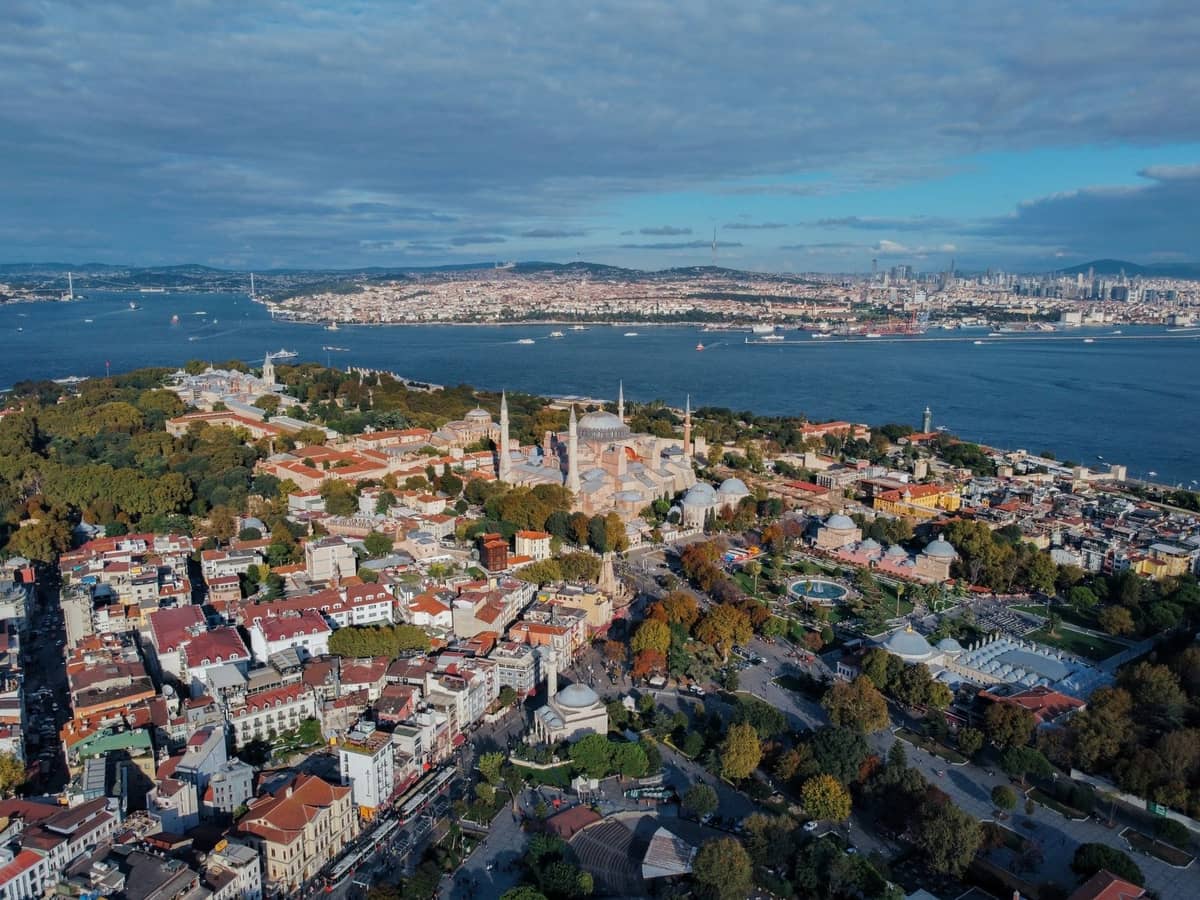
The area around Sultanahmet is the geographic and historical core of Istanbul, sitting on a triangular peninsula between the Golden Horn and the Sea of Marmara. This is where the Roman, Byzantine, and Ottoman empires each built their defining monuments, often on top of each other. The density of world-class sites here is unmatched anywhere in Europe or the Middle East.
Hagia Sophia is the obvious starting point. Built as a cathedral in 537 AD, converted to a mosque after 1453, repurposed as a museum in 1934, and reconverted to a mosque in 2020, it has lived more history than most countries. The main hall prayer area is free for worshippers during non-prayer times, but tourist visiting access — including the upper gallery with mosaics and the elevated view down onto the nave — costs 25 EUR for foreign visitors and requires a QR-code ticket. Women must cover their hair and shoulders; clothing wraps are available at the entrance. Arrive before 9:00 AM to avoid the worst of the tour-group crush.
Topkapi Palace sprawls across the tip of the peninsula and served as the administrative heart of the Ottoman Empire for nearly four centuries. The combined ticket covering the palace and the Harem costs around 1,500 TL for foreign visitors (prices are adjusted frequently, so verify before you go). The Harem section requires a separate timed entry and is worth it — the tile work and the spatial complexity of the imperial quarters is extraordinary. The Istanbul Museum Pass is valid here and can make the math work if you're hitting multiple state museums in one trip.
The Basilica Cistern sits just 150 meters from Hagia Sophia but feels like a different world: a 6th-century underground reservoir supported by 336 columns, dimly lit and perpetually cool. Day tickets run around 1,500 TL; evening visits may cost more and come with atmospheric lighting effects. Note that the Museum Pass does not cover it. It's compact — you'll be done in 45 minutes — but worth the entry.
⚠️ What to skip
Don't assume mosque entry is always free in Istanbul. Hagia Sophia charges for gallery access. The Blue Mosque (Sultan Ahmed Mosque) remains free but has restricted visitor hours around daily prayers — check the schedule on the day you visit. Other working mosques like Süleymaniye and Rüstem Paşa are free and less crowded.
Beyond the blockbusters, the historic peninsula rewards slower exploration. The Süleymaniye Mosque offers comparable architectural grandeur to the Blue Mosque with a fraction of the visitor volume. The Rüstem Paşa Mosque near the Spice Bazaar is small but covered in some of the finest Iznik tilework in the city — most visitors walk right past it. For context on how these monuments fit into the longer sweep of history, our Istanbul Ottoman history guide and Byzantine history guide go deep on both periods.
Bazaars, Markets, and Shopping: What's Worth Your Time
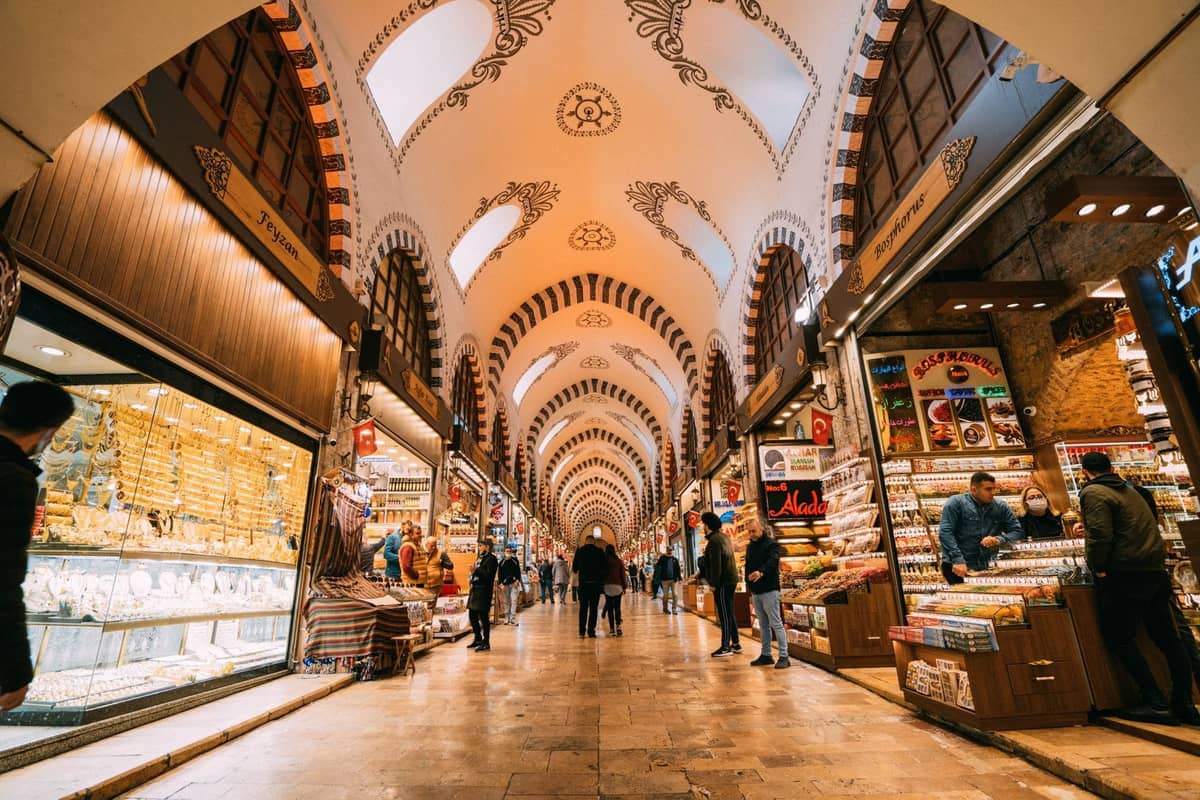
The Grand Bazaar is one of the world's oldest and largest covered markets, with around 4,000 shops across 60 streets. Entry is free. It opens Monday to Saturday from roughly 09:00 to 19:00 and is closed on Sundays and public holidays. The practical reality: the inner sections closest to the main gates are heavily tourist-oriented, with aggressive pricing on ceramics, textiles, and leather. The further you walk from the central domed hall, the more you find shops serving local buyers — better prices, less theater.
The Spice Bazaar (Mısır Çarşısı) near Eminönü dates to the 17th century and originally served as a trading hub for goods arriving via the Egyptian trade route, which is why it's also called the Egyptian Bazaar. Around 85 stalls sell spices, dried fruits, teas, lokum, and textiles. Entry is free. It's smaller and more navigable than the Grand Bazaar, but the same pricing dynamic applies: stalls near the main entrances charge tourist rates. Buy saffron, sumac, and dried mulberries here — the quality is generally good and the selection is wide.
💡 Local tip
For properly local shopping, skip the bazaars and head to Kadıköy Market on the Asian side or the streets of Fatih district on a weekend morning. Prices are lower, the atmosphere is authentic, and nobody will follow you into the shop to negotiate.
Neighborhoods Worth Exploring Beyond the Tourist Trail
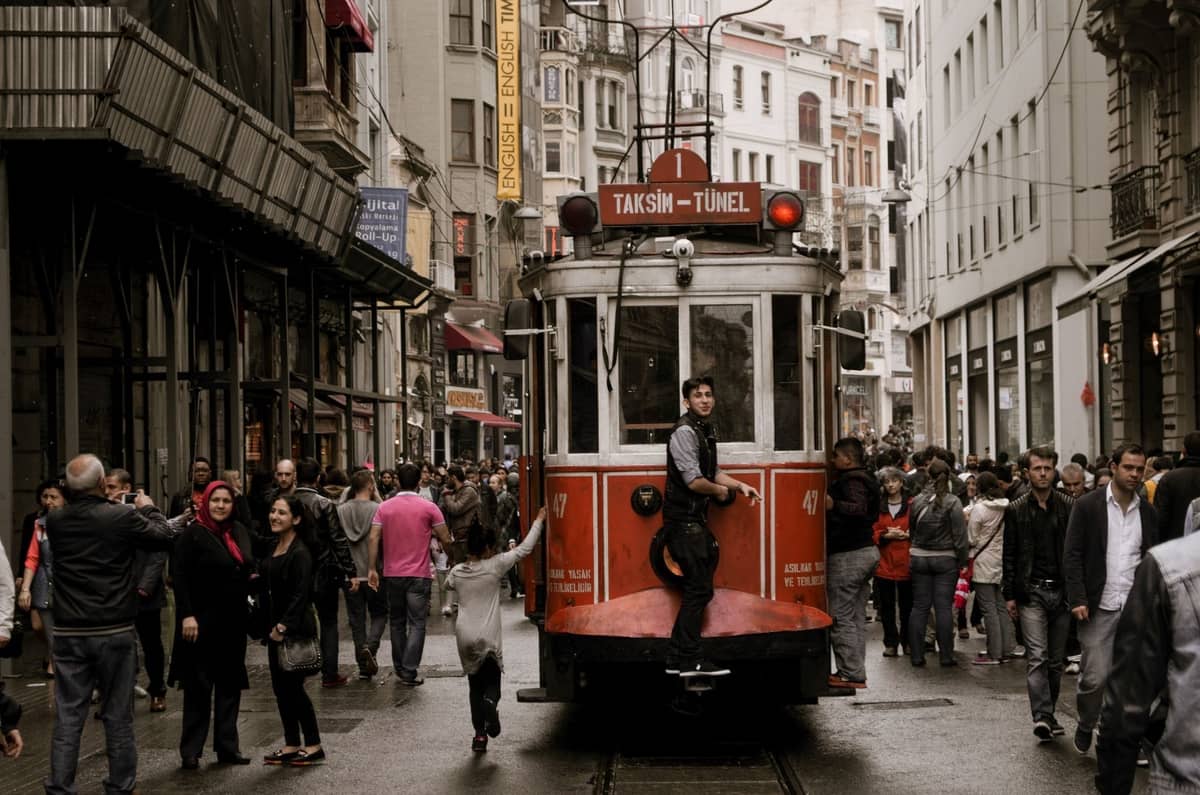
Beyoğlu is the 19th-century heart of modern Istanbul, centered on İstiklal Avenue — a 1.4-kilometer pedestrian street running from Taksim Square down to the Galata neighborhood. The street itself is loud and commercial, but the side streets contain excellent meyhanes (traditional taverns), independent bookshops, and art galleries. The Pera Museum, housed in a former 19th-century hotel, holds a significant collection of Orientalist paintings and rotating contemporary exhibitions.
Karaköy and Galata sit at the base of the hill below İstiklal and have undergone significant transformation over the past decade. The area around the Galata Tower now combines historic fabric with specialty coffee shops, design stores, and gallery spaces including SALT Galata. The Galata Tower itself charges around 20 EUR for the panoramic view from the top — it's a legitimate viewpoint, but there are comparable views for much less from Çamlıca Hill on the Asian side or the Pierre Loti Hill in Eyüp.
On the Asian side, Kadıköy is the neighborhood most worth building time around. The covered market district is dense with cheese shops, fishmongers, bakeries, and tea houses that cater almost entirely to locals. The waterfront runs south toward Moda, a quieter residential area with good cafes and a relaxed pace. A ferry from Eminönü or Karaköy takes about 20 minutes and costs around 30 TL with an Istanbulkart — one of the best-value experiences in the city.
The neighborhoods of Fener and Balat along the Golden Horn are worth half a day. These former Greek and Jewish quarters retain colorful 19th-century townhouses, the Ecumenical Patriarchate of Constantinople (still functioning), and a growing number of small restaurants and antique shops. The area photographs well and draws weekend crowds, but weekday mornings are quiet and the light is excellent for the colored facades.
The Bosphorus: Cruises, Ferries, and Waterfront Experiences
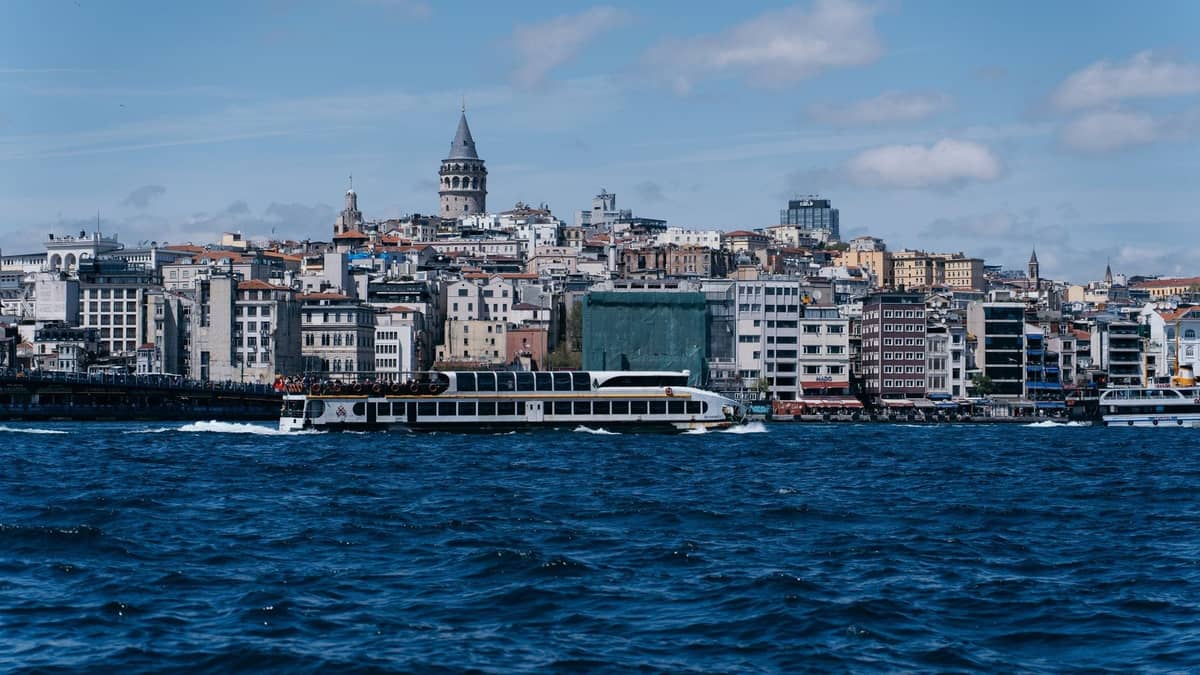
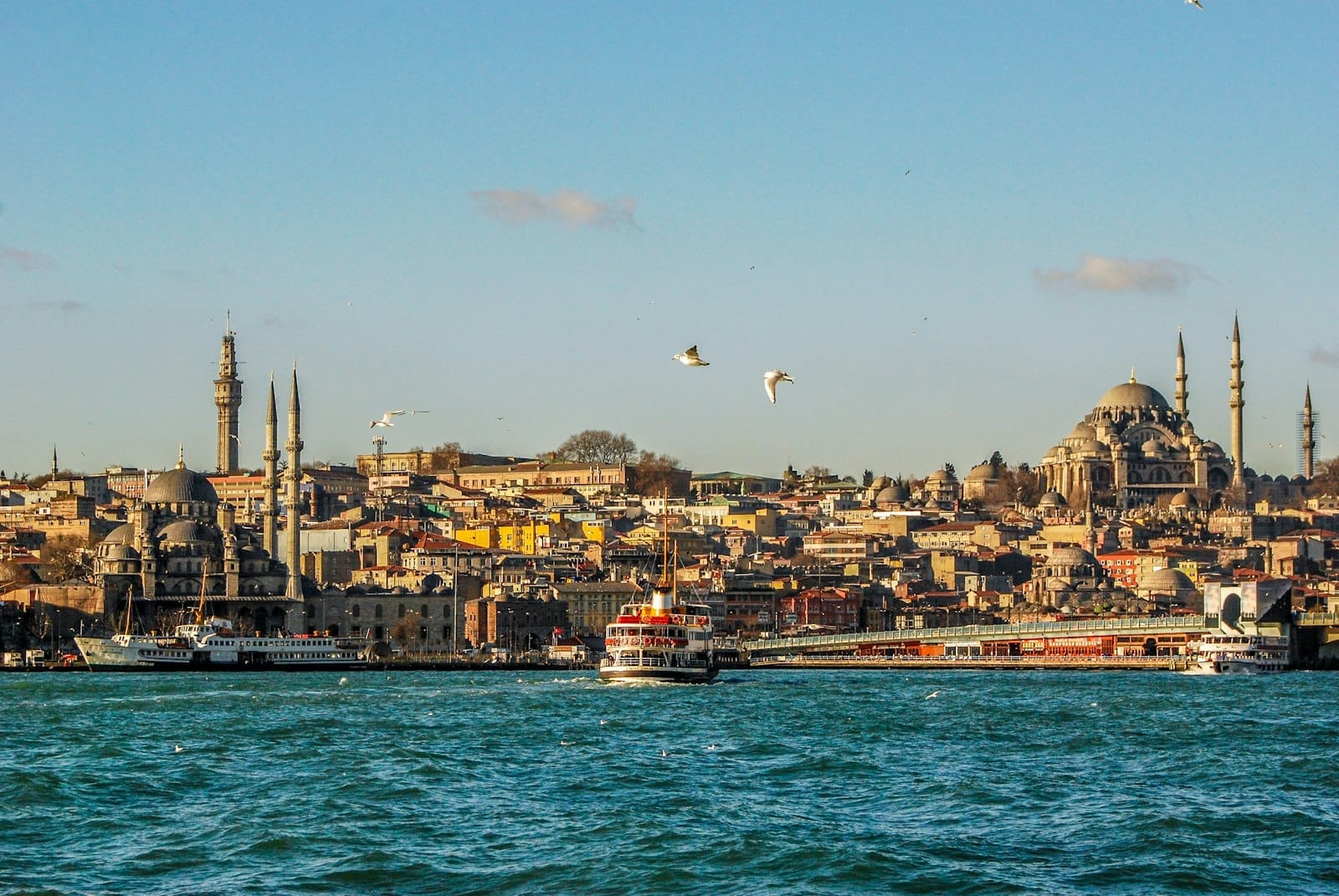
The Bosphorus Strait, 31 kilometers long and connecting the Black Sea to the Sea of Marmara, is genuinely central to the Istanbul experience. The city's geography only makes sense when you're on the water, looking back at the minarets and the layered hills of both continents. There are several ways to get out on it, at very different price points.
- City ferries (Şehir Hatları) The public ferry network runs scheduled routes across the Bosphorus and up both shores. A crossing from Eminönü to Kadıköy or Üsküdar costs around 42 TL. The longer Bosphorus route (Eminönü to Anadolu Kavağı) takes about 90 minutes each way and passes palaces, fortresses, and Bosphorus villages — this is the budget Bosphorus cruise, and it's excellent.
- Private Bosphorus cruises Sunset and dinner cruises typically run 60–80 USD per person, often including a meal and sometimes live music. Quality varies significantly by operator. Book through established platforms rather than accepting offers from touts near Eminönü.
- Princes' Islands ferry Ferries from Kabataş reach the Princes' Islands (Adalar) in 60–90 minutes. Büyükada is the largest and most visited island — no motor vehicles allowed, so the island is explored by bicycle or horse-drawn carriage. A strong day trip option from April through October.
For a structured introduction to the waterway, our Bosphorus cruise guide breaks down every route option, the best departure points, and which tour operators are worth the premium. If you're planning a longer stay, the Bosphorus villages guide covers places like Arnavutköy, Bebek, and Kanlıca in detail.
Istanbul at Night: What's Actually Worth Doing After Dark
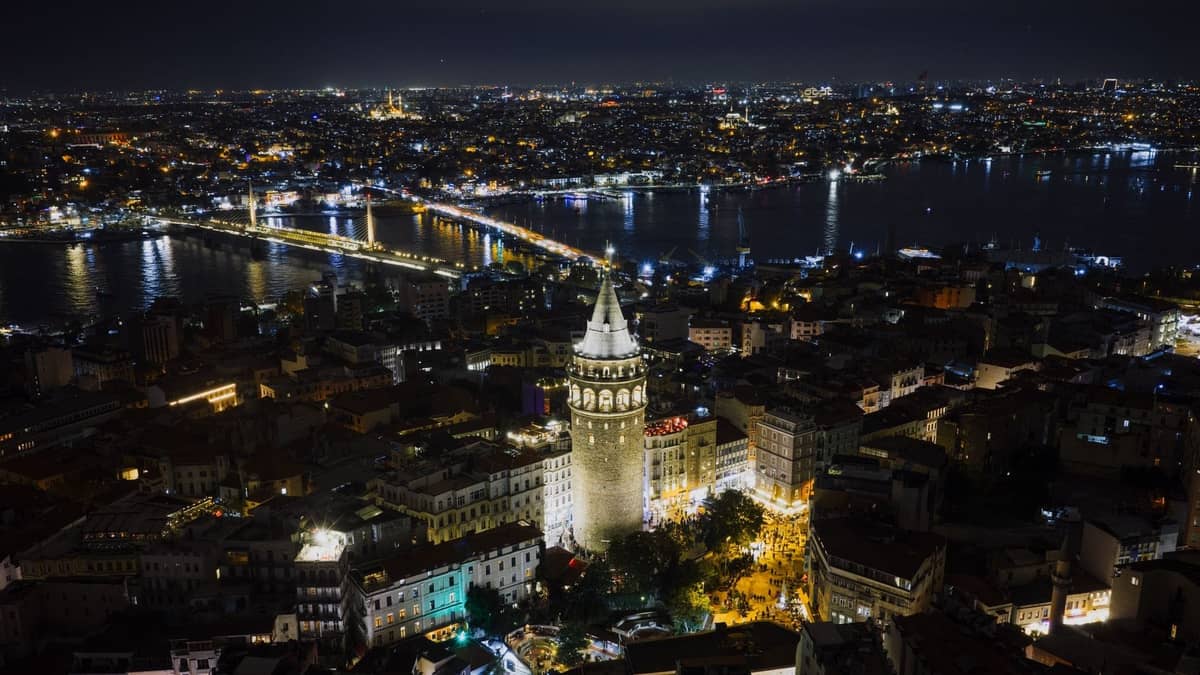
Things to do in Istanbul at night split into two very different worlds. The European side — particularly Beyoğlu, Karaköy, and Beşiktaş — runs late, with meyhanes serving raki and meze until midnight, rooftop bars with Bosphorus views, and live music venues across multiple genres. The Asian side, especially Kadıköy's bar district around Kadife Sokak, has a younger, more local atmosphere and generally lower prices.
The Turkish bath experience fits well into an evening. Historic hamams like Çemberlitaş and Cağaloğlu in Sultanahmet stay open late and offer the full traditional treatment: steam room, marble platform scrub, and foam massage. Budget 40–70 EUR depending on the package and the hamam's tier. Our guide to Turkish baths in Istanbul covers which hamams are authentic, which are tourist-facing, and what to expect if it's your first time.
For something more culturally specific, a Whirling Dervish ceremony (Sema) is performed at several venues across the city, including the Galata Mevlevi Museum in Beyoğlu. Tickets are limited and should be booked in advance. The ceremony is a genuine Sufi ritual, not a performance invented for tourists — treat it accordingly. Our Whirling Dervishes guide has current venue and schedule details.
✨ Pro tip
Meyhane dining — the traditional Turkish tavern format of shared cold meze, then grilled fish or meat, washed down with raki — is one of Istanbul's defining food experiences and almost completely invisible to visitors who stick to Sultanahmet restaurants. Head to Beyoğlu's side streets, Çiçek Pasajı, or the Asmalımescit area for the real version, and plan for a long, slow evening. Our Istanbul meyhane and raki guide explains the etiquette and the menu in detail.
Practical Planning: Tickets, Timing, and Budget Realities
Istanbul's major attractions have moved to dynamic, euro-denominated pricing aimed squarely at international visitors. This is not a cheap city to sightsee in anymore. A visitor who wants to cover Hagia Sophia galleries, Topkapi Palace with the Harem, the Basilica Cistern, and the Galata Tower in two days will spend around 80–100 EUR in entry fees alone, before food or transport.
- Hagia Sophia gallery access: around 25 EUR
- Topkapi Palace + Harem combined ticket: around 2,750 TL (verify current rate)
- Basilica Cistern: around 1,500 TL (verify current daytime/evening policies)
- Galata Tower: around 20 EUR
- Istanbul Museum Pass (5-day): around 105 EUR — covers 13 state museums including Topkapi, excludes Basilica Cistern and many popular sites
- Public ferry crossing (Istanbulkart rate): around 30 TL
- Bosphorus dinner cruise: typically 50–90 USD/EUR
ℹ️ Good to know
All attraction prices in Istanbul are subject to frequent revision. Prices listed here reflect reported 2026 rates but should be verified directly with the attraction or a current local source before you travel. The Istanbul Insider website maintains an updated breakdown of entrance fees for major tourist sites.
Timing matters as much as budget. The best months to visit Istanbul for outdoor sightseeing are April through June and September through October, when temperatures sit between 15–25°C and rainfall is lower than the winter months. July and August bring peak heat (highs around 28–30°C) and maximum tourist density. Winter (December through February) is the quietest period, with lows around 3–5°C, frequent cloud cover, and occasional rain — but also the fewest crowds and noticeably lower accommodation prices. Our best time to visit Istanbul guide covers seasonal tradeoffs in detail, including the April Tulip Festival and Ramadan timing considerations.
If this is your first trip and you have three days, our 3-day Istanbul itinerary sequences the major sights efficiently, accounting for neighborhood geography so you're not crossing the city back and forth. For a full week, the one-week Istanbul itinerary builds in day trips, Asian-side exploration, and slower neighborhood time.
FAQ
What are the best things to do in Istanbul for first-time visitors?
First-timers should prioritize the Historic Peninsula: Hagia Sophia (arrive early, book gallery tickets in advance), Topkapi Palace with the Harem, the Basilica Cistern, and Süleymaniye Mosque. Add a Bosphorus ferry ride from Eminönü to Kadıköy or the longer route to Anadolu Kavağı, and at least one evening in Beyoğlu around İstiklal Avenue. Budget at least 3 full days for this foundation.
What are the best things to do in Istanbul at night?
Evening options include meyhane dining with raki and meze in Beyoğlu, a traditional hamam visit (Çemberlitaş or Cağaloğlu stay open late), a Whirling Dervish Sema ceremony at the Galata Mevlevi Museum, rooftop bar drinks with Bosphorus views, and live music venues in Karaköy. Kadıköy on the Asian side has a good bar district around Kadife Sokak with a more local crowd.
What unique things to do in Istanbul are worth seeking out?
Beyond the standard monuments: the Rüstem Paşa Mosque for extraordinary Iznik tilework without the crowds, a weekend morning in Fener-Balat for the colored townhouses and local atmosphere, a ferry to Büyükada (Princes' Islands) to explore an island with no motor vehicles, Pierre Loti Hill in Eyüp for panoramic Golden Horn views, and Kadıköy Market for an immersive local food experience.
What are the best things to do in Kadıköy, Istanbul?
Kadıköy rewards wandering: start at the covered market district for cheese, olives, and fresh bread, then walk toward Moda waterfront for coffee and sea views. Barlar Sokak (Bar Street) and the surrounding area is the center of the Asian-side nightlife scene. The ferry ride over from Eminönü or Karaköy is itself part of the experience — around 20 minutes on a Şehir Hatları city ferry.
Is the Istanbul Museum Pass worth buying?
It depends on your itinerary. The 5-day pass costs around 105 EUR and covers 13 state museums including Topkapi Palace (a significant saving on the combined ticket). However, it does not cover the Basilica Cistern, Dolmabahçe Palace, or most city-run museums. If you plan to visit 4 or more state museums, the math usually works in your favor. Check the current list of included sites before purchasing, as the lineup changes.