Byzantine Istanbul: A Complete Guide to Constantinople's Remains
Modern Istanbul sits directly on top of Constantinople, the Byzantine capital for over a thousand years. This guide covers every major surviving structure, from Hagia Sophia to the Theodosian Walls, with practical details on tickets, opening hours, restoration closures, and the smartest routes to follow.
Plan and book this trip
Tools from our partner Travelpayouts help you compare flights and hotels. If you book through them, we may earn a commission at no extra cost to you.
Flights
Hotels map
TL;DR
- Istanbul is Constantinople: the city served as the Byzantine capital from 324 to 1453, and dozens of major structures survive today.
- The main Byzantine sites cluster in Sultanahmet and the Historic Peninsula, with key outliers at Edirnekapı (Chora Church, Theodosian Walls) worth a dedicated half-day.
- Hagia Sophia is free to enter but closes for all five daily prayers. Arrive right at opening (09:00) to avoid the worst crowds and queue times.
- The Istanbul Museum Pass covers Hagia Irene, the Archaeology Museums, the Mosaic Museum, and Topkapı Palace — good value if you plan to visit multiple sites in five days.
- Restoration closures are ongoing across multiple sites at any given time. Check individual attraction pages before visiting, especially for Chora Church and the Palace of the Porphyrogenitus.
Constantinople and Istanbul: The Same City, Continuous History
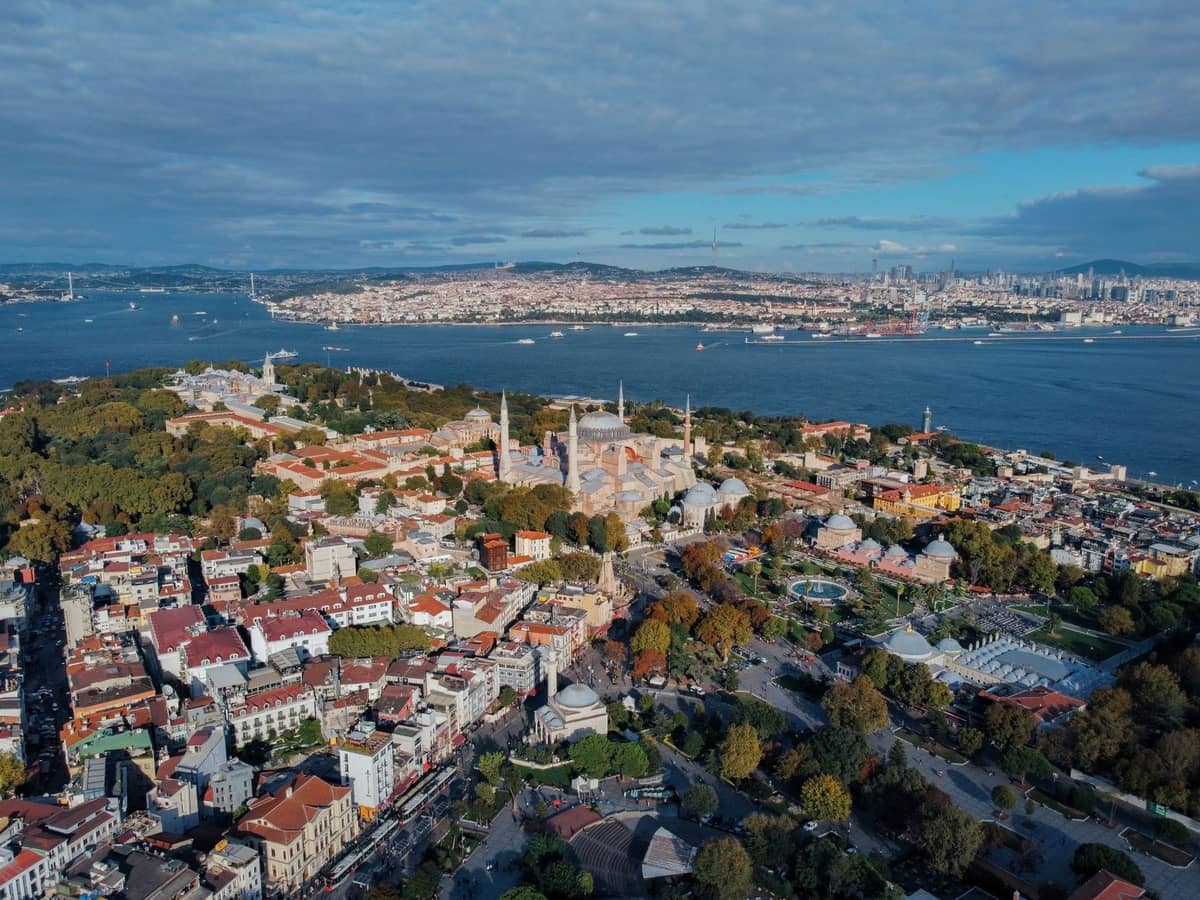
One of the most persistent misconceptions in travel is that Byzantine Constantinople and modern Istanbul are somehow separate places. They are not. When Emperor Constantine I refounded the ancient Greek city of Byzantium as Nova Roma in 324 CE, he was building on a peninsula that remains the historic core of today's Istanbul. The city served as the Byzantine (Eastern Roman) capital until May 29, 1453, The city served as the Byzantine (Eastern Roman) capital until May 29, 1453, when Sultan Mehmed II entered through the breached city defenses.. That is 1,129 years of continuous Byzantine rule over a single city, and the physical evidence is everywhere.
The idea that 'little remains' of Byzantine Constantinople is also wrong. What survives is extraordinary by any standard: the largest surviving Byzantine church in the world, an intact 6th-century cistern beneath the streets, 22 kilometers of land walls still standing, dozens of underground cisterns, two major palaces, an aqueduct cutting across the city skyline, and some of the finest surviving Byzantine mosaics anywhere. Exploring it all seriously requires at least two full days. For context on fitting Byzantine sites into a broader itinerary, the 3-day Istanbul itinerary is a useful starting point.
The Essential Byzantine Sites: What to See and What to Expect
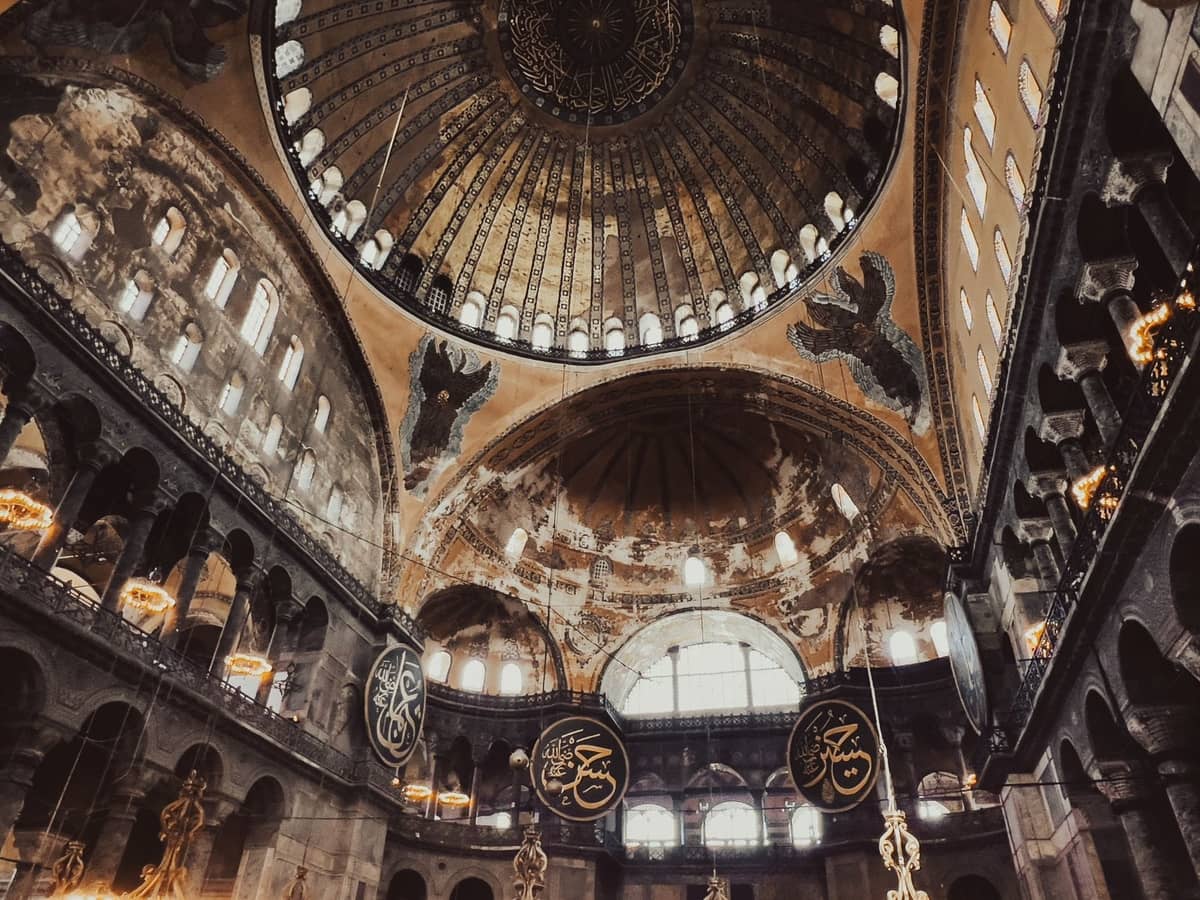
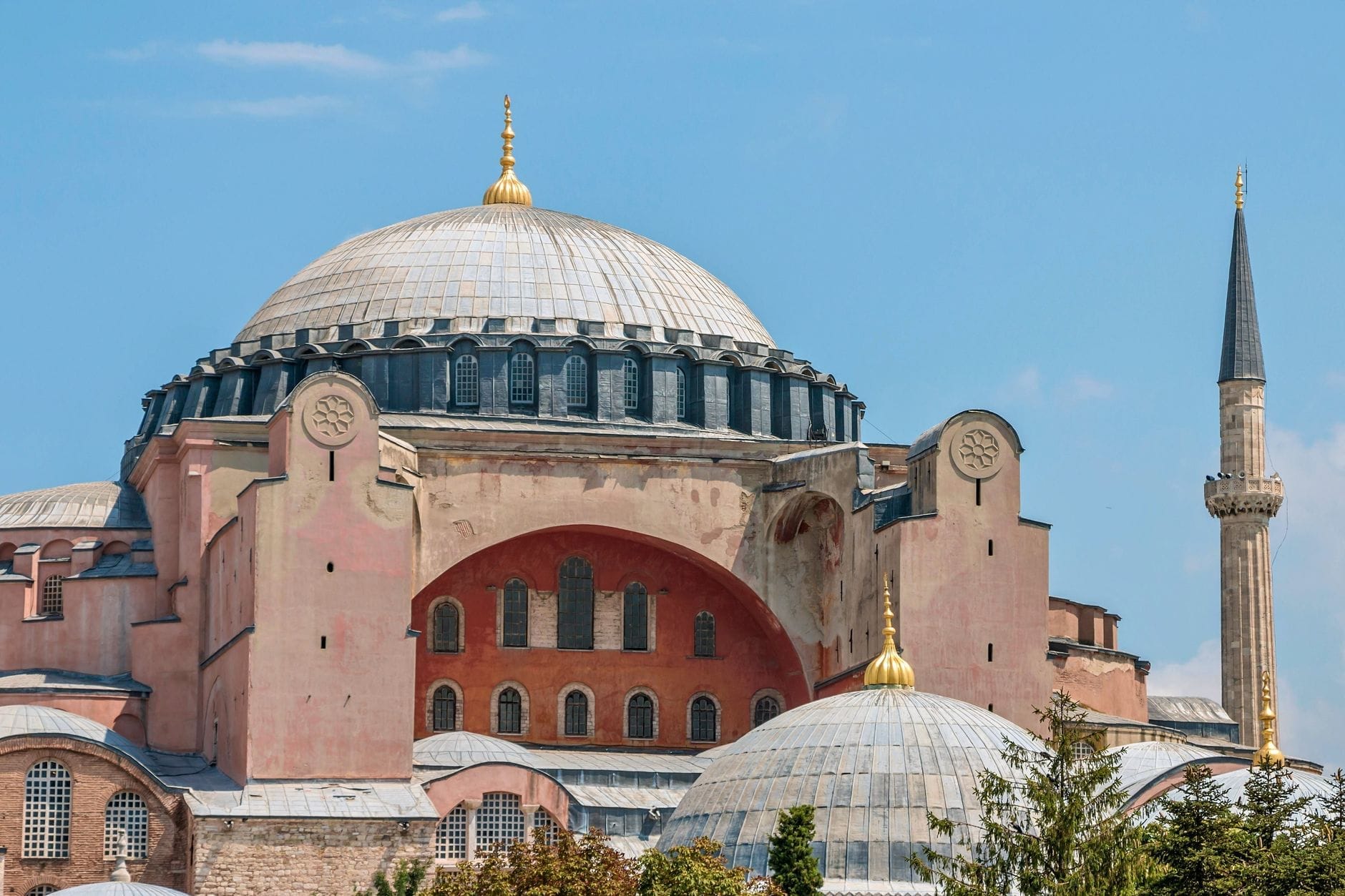
The single most important Byzantine structure in Istanbul is Hagia Sophia (Ayasofya). Completed in 537 CE under Emperor Justinian I, it remained the largest cathedral in the world for nearly a thousand years. Today it operates as a mosque, which means entry is free but access is suspended during the five daily prayers. The practical implication: arrive at 09:00 when it opens, and you will have relatively manageable crowds for about 90 minutes before the first significant surge arrives. Go mid-morning or after lunch, and you may wait 30-45 minutes at peak season. Dress modestly, and women will need a headscarf at the entrance.
Just inside the outer walls of Topkapı Palace stands Hagia Irene, Just inside the outer walls of Topkapı Palace stands Hagia Irene, a 6th-century church that predates Hagia Sophia and is one of the oldest Christian churches still standing. Unlike Hagia Sophia, it was never converted to a mosque after 1453, which makes its interior unusually austere and atmospheric. Access is included with Topkapı Palace admission or with the Istanbul Museum Pass. The Basilica Cistern (Yerebatan Sarnıcı), a few hundred meters away, is the most visited of Istanbul's 200-plus Byzantine cisterns. It was built in the 6th century, holds 336 columns across a vaulted space the size of a large cathedral, and has been heavily restored and theatrically lit. Ticket prices have risen sharply in recent years and it tends to be packed. Go at opening or late afternoon. and is one of the oldest Christian churches still standing. Unlike Hagia Sophia, it was never converted to a mosque after 1453, which makes its interior unusually austere and atmospheric. Access is included with Topkapı Palace admission or with the Istanbul Museum Pass. The Basilica Cistern (Yerebatan Sarnıcı), a few hundred meters away, is the most visited of Istanbul's 200-plus Byzantine cisterns. It was built in the 6th century, holds 336 columns across a vaulted space the size of a large cathedral, and has been heavily restored and theatrically lit. Ticket prices have risen sharply in recent years (around 2,250 TL for foreign visitors as of 2026) and it tends to be packed. Go at opening or late afternoon.
💡 Local tip
For a quieter cistern experience at no premium, visit Binbirdirek Cistern near the Hippodrome For a quieter cistern experience at no premium, visit Binbirdirek Cistern near the Hippodrome. It holds 224 columns and sees a fraction of the Basilica Cistern's crowds. The space is less dramatically lit but more authentically atmospheric.. It holds 224 columns and sees a fraction of the Basilica Cistern's crowds. The space is less dramatically lit but more authentically atmospheric.
The Chora Church (Kariye Camii) is the site that serious Byzantine art history travelers prioritize above all others. Its 14th-century mosaics and frescoes represent the last great flowering of Byzantine art before the Ottoman conquest. The church was restored as a mosque in 2020 after decades as a museum, and access arrangements have changed since then. The Kariye Camii (Chora Church) is the site that serious Byzantine art history travelers prioritize above all others. Its 14th-century mosaics and frescoes represent the last great flowering of Byzantine art before the Ottoman conquest. The church was restored as a mosque in 2020 after decades as a museum, and access arrangements have changed since then. Check current access conditions before making it a firm plan. It is located in the Edirnekapı neighborhood, roughly 5 kilometers from Sultanahmet along the land walls. Check current access conditions before making it a firm plan. It is located in the Edirnekapı neighborhood, roughly 5 kilometers from Sultanahmet along the land walls.
In the same neighborhood, the Palace of the Porphyrogenitus (Tekfur Sarayı) is the best-preserved secular Byzantine palace in the city. It dates to the late 13th or early 14th century and now functions as a small museum. The building's three-story facade, with its distinctive striped brick-and-stone courses, gives a genuine sense of Byzantine palatial architecture that no other surviving structure in Istanbul can match. Pair it with a walk along the Theodosian Walls for an Edirnekapı half-day that most visitors skip entirely.
Infrastructure That Built an Empire: Walls, Aqueducts, and Cisterns
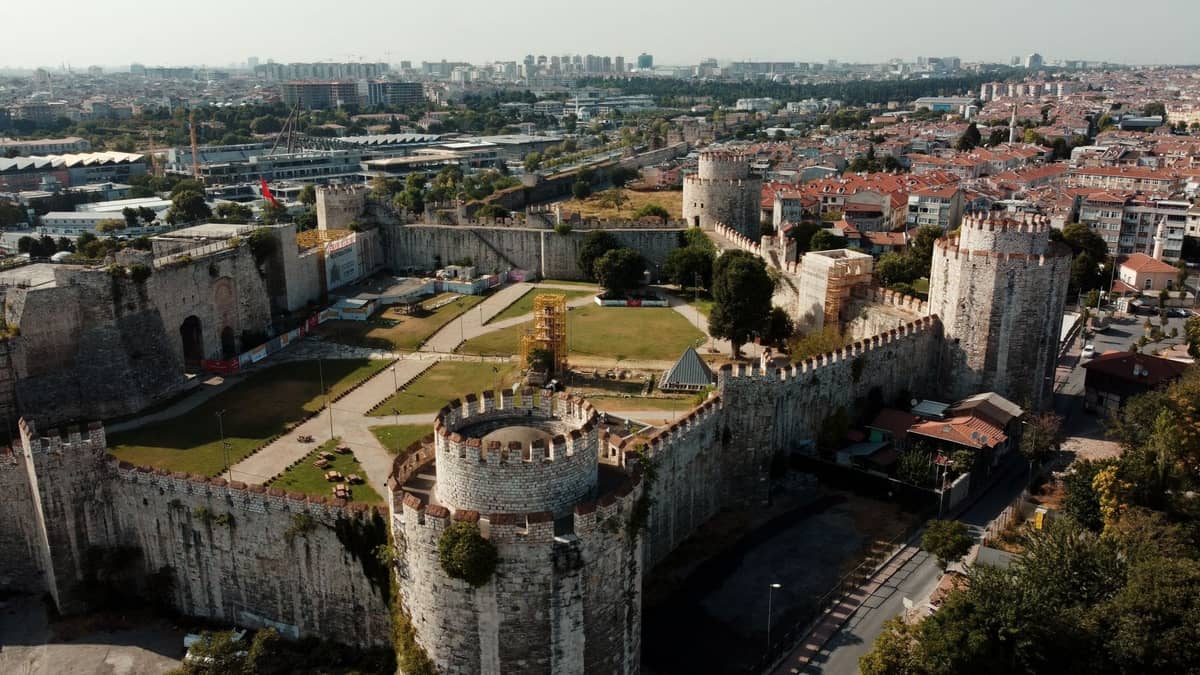
The Theodosian Land Walls are among the most significant surviving examples of ancient military engineering in the world. The Theodosian Land Walls are among the most significant surviving examples of ancient military engineering in the world. Built in the early 5th century, the triple-wall system stretched roughly 6.5 kilometers from the Sea of Marmara to the Golden Horn. Large sections remain standing today, and you can walk along them for considerable distances near Yedikule in the south or at Edirnekapı in the north. The Golden Gate at the southern end incorporates the original triumphal arch through which Byzantine emperors entered the city. Most visitors to Istanbul never make it out this far, which makes it one of the more rewarding long walks in the city., the triple-wall system stretched roughly 6.5 kilometers from the Sea of Marmara to the Golden Horn. Large sections remain standing today, and you can walk along them for considerable distances near Yedikule in the south or at Edirnekapı in the north. The Yedikule Fortress at the southern end incorporates the original Golden Gate, the triumphal arch through which Byzantine emperors entered the city. Most visitors to Istanbul never make it out this far, which makes it one of the more rewarding long walks in the city.
The Valens Aqueduct (Bozdoğan Kemeri) is immediately visible from the main road between Fatih and Aksaray. Completed around 373 CE under Emperor Valens, it was the final segment of a water supply network The Valens Aqueduct (Bozdoğan Kemeri) is immediately visible from the main road between Fatih and Aksaray. Completed around 373 CE under Emperor Valens, it was the final segment of a water supply network stretching far into Thrace. The aqueduct still spans roughly 920 meters across the valley between the city's fourth and third hills, reaching a maximum height of about 29 meters. It supplied water to the city's cisterns for over a thousand years, through the Byzantine and well into the Ottoman period. You can walk beneath it or photograph it from Atatürk Bulvarı; there is no admission fee.. The aqueduct still spans roughly 920 meters across the valley between the city's fourth and third hills, reaching a maximum height of about 29 meters. It supplied water to the city's cisterns for over a thousand years, through the Byzantine and well into the Ottoman period. You can walk beneath it or photograph it from Atatürk Bulvarı; there is no admission fee.
- Hagia Sophia Free entry, closed during prayers. Arrive at 09:00. Located in Sultanahmet.
- Hagia Irene Included with Topkapı Palace ticket or Museum Pass. 4th-century, never converted to a mosque.
- Basilica Cistern Around 2,250 TL (foreign visitor ticket, 2026). Heavily restored, busy. Open 09:00–18:30.
- Binbirdirek Cistern Quieter alternative near the Hippodrome. Open 09:00–17:00 daily.
- Chora Church (Kariye Camii) Best Byzantine mosaics in Istanbul. Now a mosque; verify current access before visiting. Edirnekapı neighborhood.
- Palace of the Porphyrogenitus (Tekfur Sarayı) Best-preserved secular Byzantine palace. Museum with small admission fee. Edirnekapı.
- Theodosian Land Walls Free to walk along. Best sections near Yedikule and Edirnekapı. Allow 2–3 hours for a serious walk.
- Valens Aqueduct Free, always accessible. A short detour from the main tourist circuit along Atatürk Bulvarı.
The Hippodrome, Mosaics, and Archaeological Discoveries
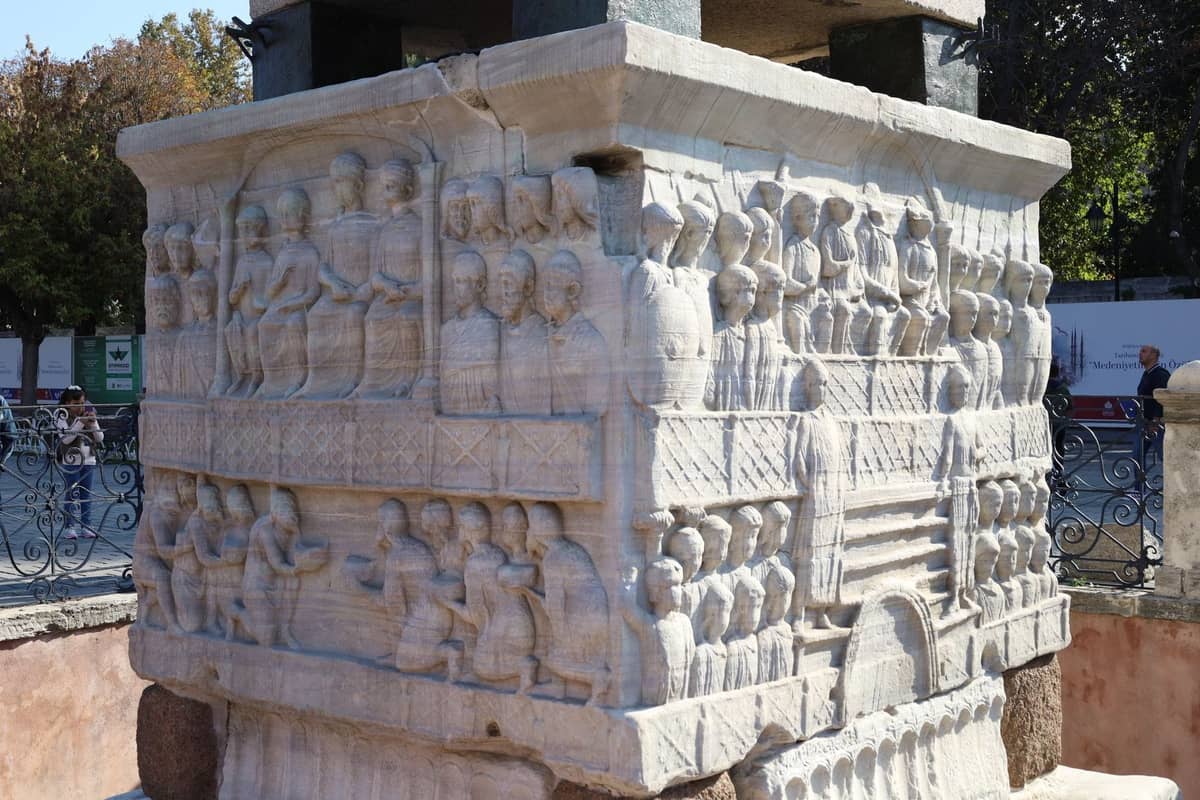
The Hippodrome of Constantinople was the civic heart of the Byzantine city for over a thousand years, The Hippodrome was the civic heart of the Byzantine city for over a thousand years. Today it survives as the elongated open square called Sultanahmet Meydanı, with three original monuments still standing in the middle: the Egyptian Obelisk of Thutmose III (erected here in 390 CE), the Serpentine Column (originally from Delphi), and the Column of Constantine. The surrounding area is free to visit at all hours. The scale of what once stood here is only fully apparent when you realize the entire square follows the original track layout. Today it survives as the elongated open square called Sultanahmet Meydanı, with three original monuments still standing in the middle: the Egyptian Obelisk of Thutmose III (erected here in 390 CE), the Serpentine Column (originally from Delphi, cast in 479 BCE), and the Column of Constantine. The surrounding area is free to visit at all hours. The scale of what once stood here is only fully apparent when you realize the entire square follows the original track layout.
Beneath the Blue Mosque (Sultan Ahmed Mosque), the Great Palace Mosaic Museum preserves an extraordinary in-situ Byzantine mosaic floor from the 5th or 6th century, covering several hundred square meters. It depicts hunting scenes, mythological figures, and animals in exceptional detail. This museum is covered by the Istanbul Museum Pass and is genuinely undervisited compared to the Basilica Cistern. The Istanbul Archaeology Museums also hold significant Byzantine collections, including inscriptions, architectural fragments, and portable objects, alongside their famous ancient Near Eastern and classical holdings.
ℹ️ Good to know
The Museum of Turkish and Islamic Arts, housed in the former palace of Ibrahim Pasha on the Hippodrome, includes Byzantine-era objects alongside its main Ottoman collection. It is also covered by the Istanbul Museum Pass and rarely overcrowded.
Tickets, Passes, and Guided Tours: What's Worth the Cost
The Istanbul Museum Pass is a 5-day pass that provides entry to Topkapı Palace, Hagia Irene, the Istanbul Archaeology Museums, the Great Palace Mosaic Museum, the Museum of Turkish and Islamic Arts, Yedikule Fortress, and several other sites. The Museum Pass is a 5-day pass that provides entry to Topkapı Palace, Hagia Irene, the Istanbul Archaeology Museums, the Great Palace Mosaic Museum, the Museum of Turkish and Islamic Arts, Yedikule Fortress, and several other sites. Verify the current price and exact site list on the official Ministry of Culture portal before buying. If you plan to visit Topkapı Palace plus two or three other Museum Pass sites within five days, it is almost certainly better value than individual tickets. Verify the current price and exact site list on the official Ministry of Culture portal before buying. If you plan to visit Topkapı Palace plus two or three other Museum Pass sites within five days, it is almost certainly better value than individual tickets.
Guided Byzantine tours range from small-group walks to private full-day programs. Specialist guide Serif Yenen offers a private Byzantine Istanbul walking tour lasting 5 to 6 hours, starting from Sultanahmet, with prices in the range of $280–320 per person (minimum two participants, children under 6 free). This is a premium offering aimed at travelers who want deep historical context rather than surface-level sightseeing. Full-day private Byzantine tours covering outlying sites like Chora Church and Tekfur Sarayı are also available through operators on Viator and similar platforms, with prices and inclusions varying significantly by operator.
⚠️ What to skip
Restoration closures are the single biggest practical risk when planning a Byzantine-focused trip. At any given time, at least one major site is likely partially or fully closed. Chora Church, Tekfur Sarayı, and sections of the Theodosian Walls have all had intermittent access issues in recent years. Check the official Turkish Ministry of Culture site or contact your accommodation a few days before visiting each site.
Planning Your Byzantine Istanbul Route: Logistics and Timing
Most Byzantine sites divide naturally into two geographic clusters. The first cluster, in and around Sultanahmet, covers Hagia Sophia, Hagia Irene, the Hippodrome, the Basilica Cistern, the Great Palace Mosaic Museum, and the Archaeology Museums. This is a full day of serious sightseeing, and it works well on foot since all sites are within 10-15 minutes' walk of each other. The Historic Peninsula guide covers the broader neighborhood context. The second cluster is the Edirnekapı corridor along the land walls, which includes Chora Church, Tekfur Sarayı, and the best-preserved wall sections. Getting here from Sultanahmet takes about 20-25 minutes by taxi or a longer tram-and-walk combination.
Timing matters significantly. Peak tourist season runs roughly from late April through early October. During this period, Hagia Sophia and the Basilica Cistern can be brutally crowded between 10:00 and 16:00. The Valens Aqueduct, Theodosian Walls, and Tekfur Sarayı are busy by comparison at almost any hour, making them good choices for mid-day when Sultanahmet is at its worst. Spring (April to June) and autumn (September to October) offer the best combination of comfortable temperatures and manageable crowds. For a broader view of seasonal considerations, the best time to visit Istanbul guide covers the tradeoffs in detail.
- Book Topkapı Palace tickets online in advance during peak season. Same-day tickets sell out or involve long queues.
- Hagia Sophia is free but closes during daily prayer times. Check current prayer times on the day you visit — they shift with sunrise and sunset. Check current prayer times on the day you visit — they shift with sunrise and sunset.
- The T1 tram line from Sultanahmet toward Topkapı is a practical public transport option for reaching the land walls.
- Wear comfortable shoes. A serious Byzantine walking day will cover 8–12 kilometers, much of it on uneven stone.
- Photography is permitted in most Byzantine sites, but tripods and selfie sticks are frequently prohibited inside mosques.
- The Museum Pass does not include the Basilica Cistern, which is managed separately. Budget for this ticket independently.
FAQ
Is Hagia Sophia free to visit?
Yes, entry to Hagia Sophia is free for all visitors. However, the mosque closes to tourists during the five daily prayer times, Yes, entry to Hagia Sophia is free for all visitors. However, the mosque closes to tourists during the five daily prayer times, including Friday midday prayers, which have an extended closure window. Check current prayer schedules on the day you visit, as they shift throughout the year. Arrive at 09:00 for the fewest crowds. Check current prayer schedules on the day you visit, as they shift throughout the year. Arrive at 09:00 for the fewest crowds.
What happened to Constantinople's Byzantine buildings after 1453?
After the Ottoman conquest in 1453, many Byzantine churches were converted to mosques rather than demolished, which is why so many structures survive. Hagia Sophia was converted immediately; After the Ottoman conquest in 1453, many Byzantine churches were converted to mosques rather than demolished, which is why so many structures survive. Hagia Sophia was converted immediately; Chora Church followed much later. Other structures like the Valens Aqueduct and many cisterns remained in active use by the Ottomans, which also contributed to their preservation. Secular palaces and residential buildings fared less well and are mostly lost or fragmentary. Other structures like the Valens Aqueduct and many cisterns remained in active use by the Ottomans, which also contributed to their preservation. Secular palaces and residential buildings fared less well and are mostly lost or fragmentary.
Is the Istanbul Museum Pass worth it for Byzantine sites?
If you plan to visit Topkapı Palace plus Hagia Irene, the Archaeology Museums, and the Great Palace Mosaic Museum within five days, the pass almost certainly pays for itself. It does not, however, include the Basilica Cistern, which is the one major Byzantine site with its own separate ticketing. Verify the current pass price and exact site coverage on the Turkish Ministry of Culture website before purchasing, as both have changed frequently.
How long does it take to see the main Byzantine sites in Istanbul?
Doing the Sultanahmet cluster (Hagia Sophia, Basilica Cistern, Hippodrome, Great Palace Mosaic Museum, Hagia Irene inside Topkapı) properly takes a full day. Doing the Sultanahmet cluster (Hagia Sophia, Basilica Cistern, Hippodrome, Great Palace Mosaic Museum, Hagia Irene inside Topkapı) properly takes a full day. The Edirnekapı cluster (Chora Church, Tekfur Sarayı, Theodosian Walls section) takes a dedicated half-day. Two full days is a realistic minimum for anyone with a genuine interest in Byzantine history. Budget more time if you plan to visit the Archaeology Museums seriously. Two full days is a realistic minimum for anyone with a genuine interest in Byzantine history. Budget more time if you plan to visit the Archaeology Museums seriously.
Are any Byzantine sites currently under restoration and closed?
Almost certainly yes, though which sites varies. Chora Church (Kariye Camii) has had complicated access arrangements since its reconsecration as a mosque in 2020. Tekfur Sarayı and sections of the Theodosian Walls have seen ongoing restoration work. Always check current status through the Turkish Ministry of Culture website or by contacting your accommodation in Istanbul a few days before your planned visit.