Istanbul's Historic Peninsula: A Complete Visitor Guide
The Historic Peninsula (Tarihi Yarımada) is the oldest and most monument-dense part of Istanbul, encompassing Sultanahmet, Fatih, Eminönü, Süleymaniye, and more. This guide covers every major sight, practical logistics, crowd management strategies, and the cultural context that makes this area one of the most historically significant urban zones on earth.
Plan and book this trip
Tools from our partner Travelpayouts help you compare flights and hotels. If you book through them, we may earn a commission at no extra cost to you.
Flights
Hotels map
TL;DR
- The Historic Peninsula is far larger than Sultanahmet alone — it spans Fatih, Eminönü, Beyazıt, Süleymaniye, Sirkeci, Kumkapı, and Tahtakale.
- Top sights include Hagia Sophia, Topkapı Palace, the Grand Bazaar, and Süleymaniye Mosque — all within walking distance of each other.
- The T1 tram line is your best friend here: it connects Eminönü to Sultanahmet and Beyazıt in minutes.
- Visit major sites before 9 AM or after 4 PM to avoid the worst crowds, especially July through August.
- The Museum Pass Istanbul covers most paid attractions on the peninsula and pays for itself after two or three entries.
What Is the Historic Peninsula — and Why Does It Matter
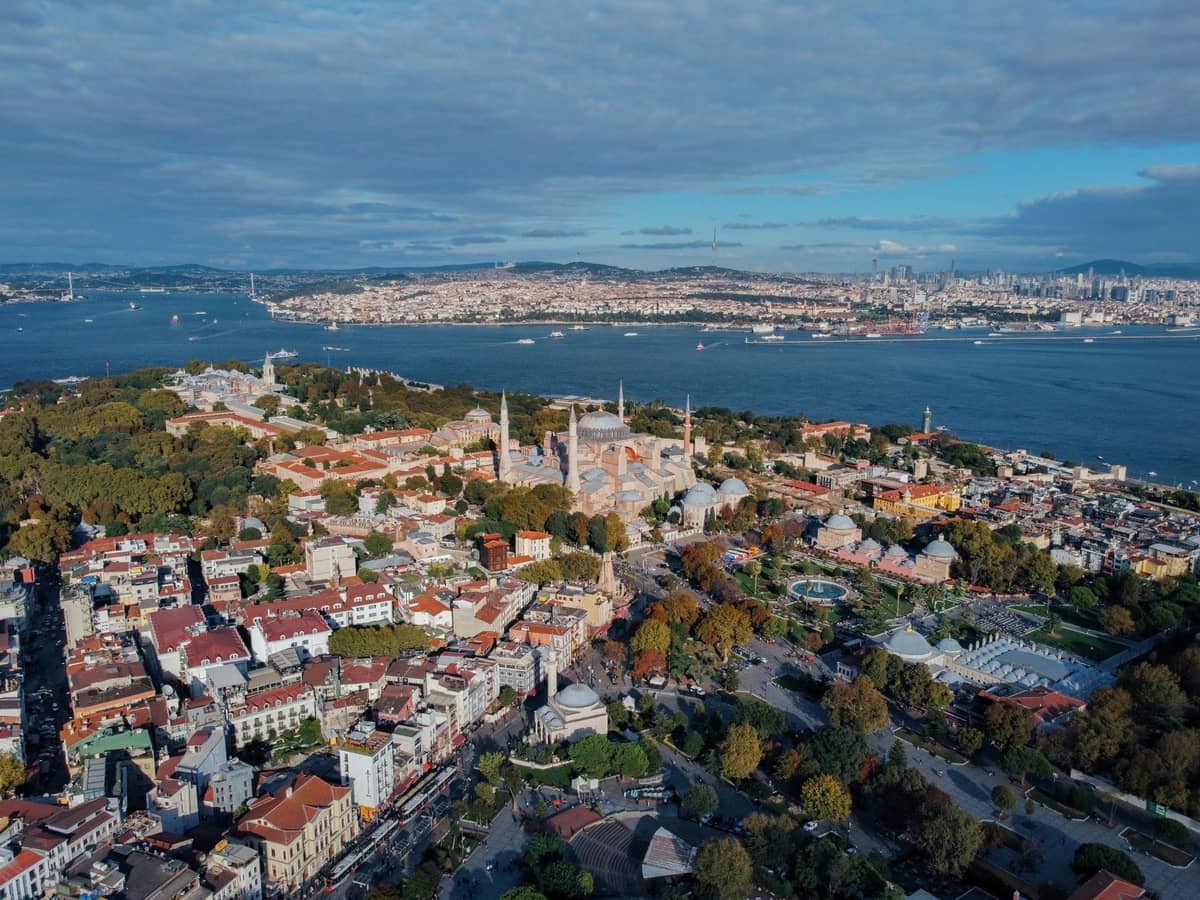
Istanbul's Historic Peninsula, known in Turkish as Tarihi Yarımada or Suriçi (meaning 'within the walls'), is the triangular landmass bounded by the Sea of Marmara to the south, the Golden Horn to the north, and the Bosphorus to the east. Its western edge is defined by the Theodosian Walls, the 5th-century land fortifications that once protected Constantinople from invaders. Everything inside those walls is, essentially, where Istanbul's story begins.
This area served as the capital of three successive empires: the Eastern Roman (Byzantine), the Latin, and the Ottoman. Over roughly 16 centuries of continuous imperial occupation, each civilization layered its monuments, religious sites, and urban fabric onto the same hills. The result is a concentration of world-class heritage that very few cities on earth can match. Four distinct zones within the peninsula are part of the UNESCO 'Historic Areas of Istanbul' World Heritage listing, including the Sultanahmet Archaeological Park, the Süleymaniye quarter, and the Theodosian Walls themselves.
ℹ️ Good to know
The Historic Peninsula corresponds broadly to the Fatih district (ilçe) of Istanbul Province. Sultanahmet is just one neighborhood within it. When locals refer to 'Suriçi', they mean the entire walled city — an area of roughly 15 square kilometers with dozens of significant monuments.
The Major Sights: What to Prioritize and What to Skip
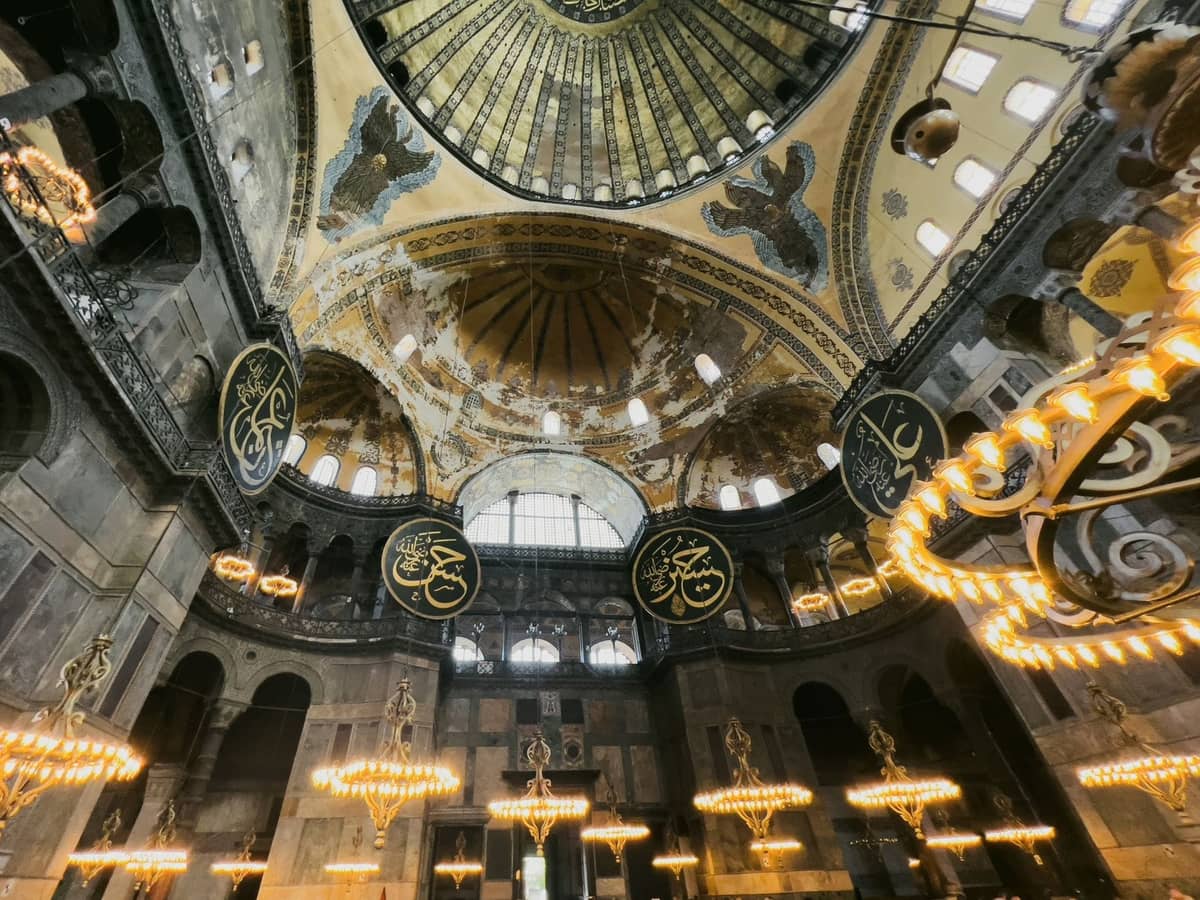
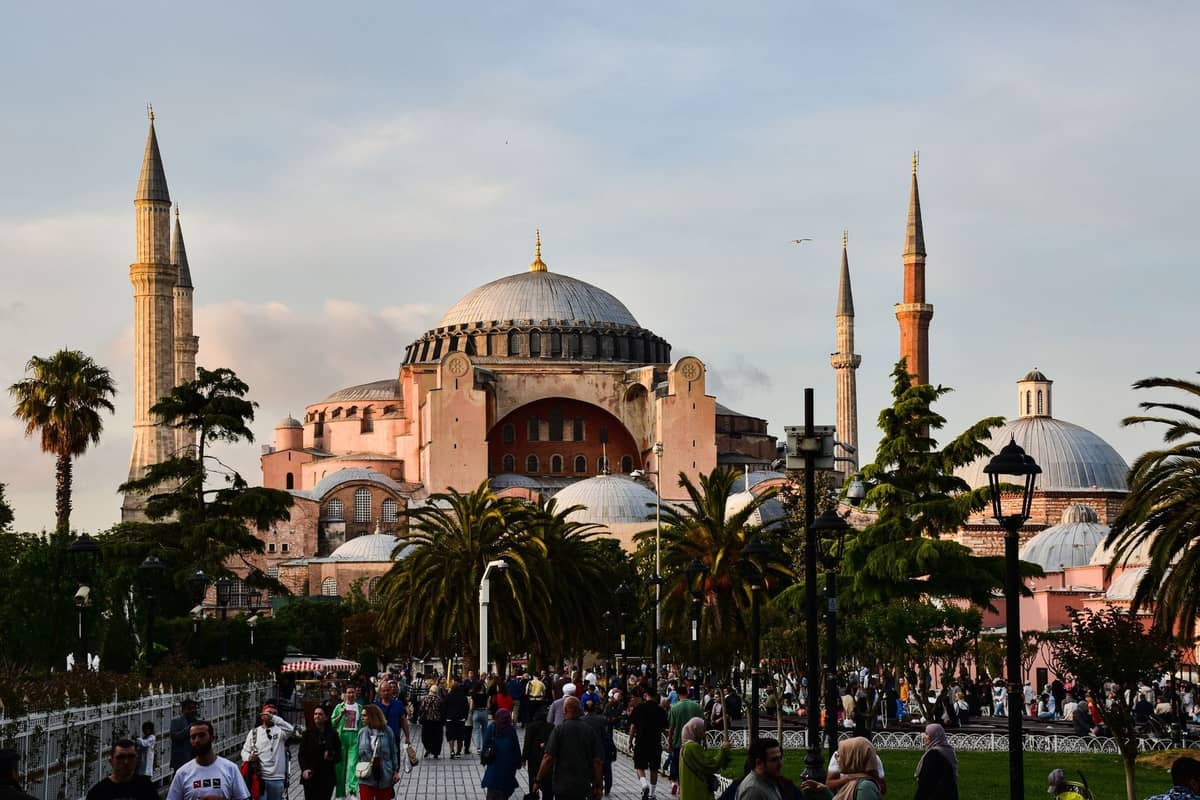
The density of monuments on the peninsula can be overwhelming. The Sultanahmet strip — barely one kilometer between the Blue Mosque and Topkapı Palace — contains enough to fill two full days. Hagia SophiaHagia Sophia is the centerpiece: a 6th-century Byzantine cathedral converted to an Ottoman mosque and now operating again as a mosque, with visitor access managed as a paid museum area during set visiting hours alongside free access for worshippers to the prayer hall.
- Hagia Sophia (Ayasofya) The defining monument of the peninsula. Arrive before 9 AM to avoid tour groups. Currently a functioning mosque — free entry, but prayer times restrict tourist access for 90 minutes, five times daily.
- Topkapı Palace The administrative and ceremonial heart of the Ottoman Empire for four centuries. Budget at least 3 hours; the Harem section requires a separate ticket. Book online in advance during summer.
- Basilica Cistern (Yerebatan Sarnıcı) A 6th-century underground water reservoir holding 336 marble columns. Cool, atmospheric, and genuinely impressive. Worth it even with the entrance fee — a rare escape from summer heat.
- Süleymaniye Mosque Arguably the finest Ottoman mosque in Istanbul, with a commanding hilltop position and far fewer tourists than the Blue Mosque. The courtyard view over the Golden Horn alone is worth the walk.
- Grand Bazaar (Kapalıçarşı) One of the world's oldest covered markets, with over 4,000 shops across 61 covered streets. Best visited on weekday mornings. Avoid the central aisles for shopping — prices are higher and pressure tactics more aggressive.
- Spice Bazaar (Mısır Çarşısı) Smaller and more atmospheric than the Grand Bazaar for food shopping. The surrounding streets of Eminönü are excellent for street food and watching the city go about its day.
Beyond the Sultanahmet core, the peninsula holds monuments that most visitors miss entirely. The Chora Church (Kariye Mosque) near the Theodosian Walls contains some of the finest Byzantine mosaics in existence. The Zeyrek Mosque, formerly the Pantokrator Monastery complex, is a largely overlooked 12th-century Byzantine church in the Fatih backstreets. The Valens Aqueduct strides across Atatürk Boulevard in plain sight but rarely gets more than a passing glance from tourists focused on Sultanahmet. These sites reward visitors who are willing to walk 20-30 minutes beyond the main cluster.
⚠️ What to skip
The Blue Mosque (Sultan Ahmet Camii) is a functioning mosque first and a tourist attraction second. It is closed to visitors during all five daily prayer times and occasionally closed for longer periods for restoration or special religious events. Check current opening status before making it your first stop of the day — many visitors arrive to find it shut and have no backup plan.
Getting to and Around the Historic Peninsula
The peninsula sits on Istanbul's European side. From Istanbul Airport (IST), the M11 metro line connects to the city network at Kagithane and Gayrettepe, from which you can transfer by metro and tram to reach the T1 line and Sultanahmet or connect via Marmaray commuter rail. Expect 60-90 minutes depending on connections and traffic. From Sabiha Gökçen Airport (SAW) on the Asian side, the journey is longer: take the M4 metro to Kadıköy, then a ferry across to Eminönü, or use a transfer bus. Budget at least 90 minutes.
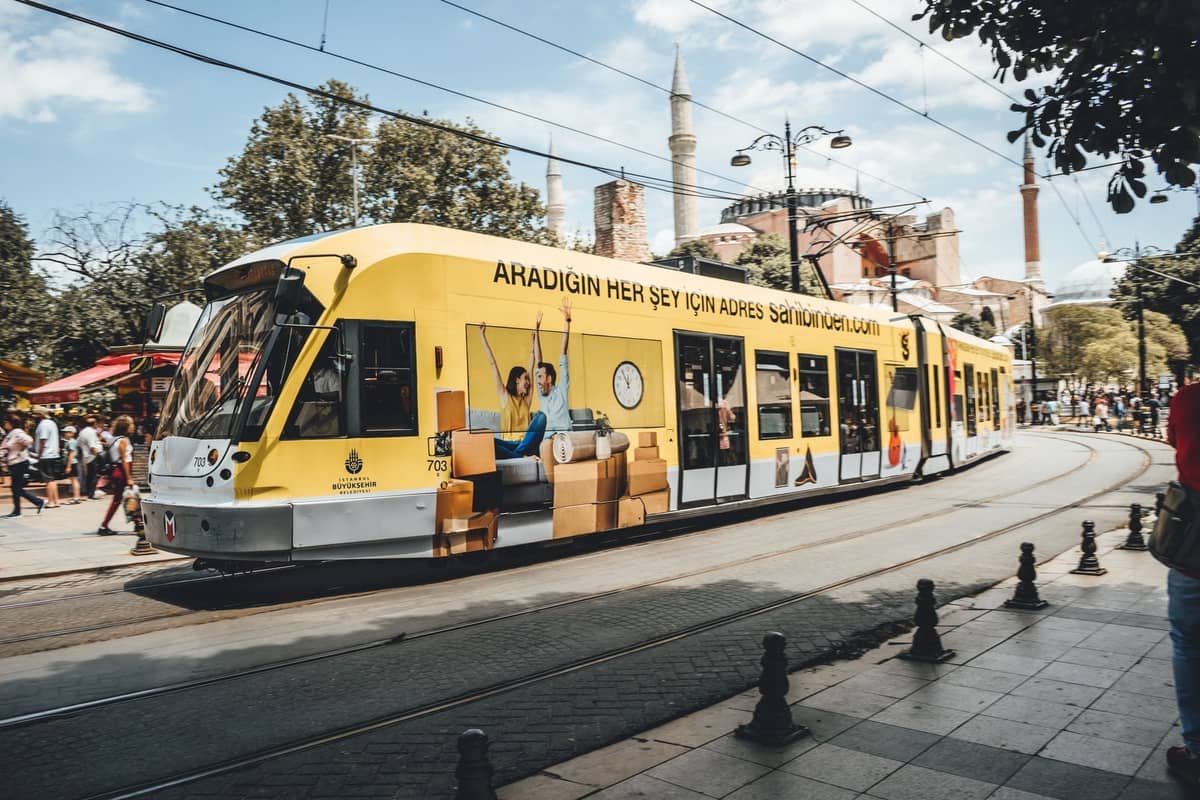
Within the peninsula, the T1 tram is the essential tool. It runs from Bağcılar in the west through Zeytinburnu and Aksaray, then Beyazıt (for the Grand Bazaar), Çemberlitaş and Sultanahmet (for Hagia Sophia, Blue Mosque, Topkapı), and Sirkeci/Eminönü (for the Spice Bazaar and ferries). Pay with an Istanbulkart, the contactless transit card available at kiosks throughout the city. Single-use tokens cost significantly more. For the Spice Bazaar and the Eminönü waterfront, the tram drops you right at the door.
Walking is practical for the Sultanahmet core. Hagia Sophia, Topkapı Palace, the Blue Mosque, the Hippodrome, the Basilica Cistern, and the Museum of Turkish and Islamic Arts are all within a 10-minute walk of each other. The Grand Bazaar is 15 minutes on foot uphill from Sultanahmet, or one tram stop to Beyazıt. Flat shoes with good grip matter — the cobbled streets are uneven and can be slippery after rain.
💡 Local tip
The peninsula's hills mean significant elevation changes. The route from Eminönü up to Süleymaniye Mosque involves a steep 15-minute climb. If you're combining Süleymaniye with the Grand Bazaar, walk uphill to Süleymaniye first, then coast downhill to Beyazıt and the bazaar. Your knees will thank you.
Tickets, Costs, and the Museum Pass
Ticket prices on the peninsula change frequently, and some sites have raised prices significantly in recent years. Always verify current costs at the official Ministry of Culture portal (muze.gov.tr) or the site's own ticketing page before visiting. The Museum Pass Istanbul covers Topkapı Palace, the Topkapı Harem, the Basilica Cistern, the Istanbul Archaeology Museums, the Museum of Turkish and Islamic Arts, and several other sites. If you plan to visit three or more of these, the pass almost always saves money and, crucially, lets you skip the ticket queues.
- Hagia Sophia: worshippers enter free for prayers; non-Muslim visitors to the designated visiting areas must hold a valid ticket during official visiting hours, and dress code is strictly enforced
- Blue Mosque: free entry as a mosque; timed entry system may be in place during peak season — check ahead
- Topkapı Palace: paid entry; Harem section is an additional charge; book online to avoid queues
- Basilica Cistern: paid entry; one of the better-value sites given its consistent wow factor
- Grand Bazaar and Spice Bazaar: free to enter; costs only arise from what you buy
- Süleymaniye Mosque: free entry as a mosque; closed to visitors during prayer times
- Istanbul Archaeology Museums complex: paid entry; covered by Museum Pass Istanbul, which is valid here
When to Visit: Menschenmengen, Weather, and Seasonal Realities
The Historic Peninsula is the single most visited area in Turkey, and crowd management is a genuine consideration. July and August bring the heaviest tourist traffic, with queues at Topkapı and the Basilica Cistern sometimes stretching 45-60 minutes. Summer temperatures on the peninsula regularly reach 28-32°C, and the paved squares around Sultanahmet offer almost no shade. Heat and crowds combined make mid-July the most uncomfortable time to visit.
April through June and September through October are the most comfortable months for the peninsula. Temperatures sit between 15-25°C, rain is moderate rather than constant, and the crowds thin enough that you can actually pause in front of Hagia Sophia without being jostled. Spring also coincides with Istanbul's tulip season, when Gülhane Park at the edge of Topkapı Palace grounds becomes beautiful. For a fuller picture of seasonal trade-offs across the city, the best time to visit Istanbul guide breaks down each month in detail.
Winter (December through February) is the most overlooked option. Temperatures drop to 5-10°C and rain is likely, but the major indoor sites are uncrowded, hotels are cheaper, and there's something uniquely atmospheric about Hagia Sophia or Topkapı Palace in low grey light with almost no other tourists present. Pack a waterproof layer and comfortable walking shoes, and the peninsula in winter is a distinctly different experience.
Eating, Drinking, and Not Getting Ripped Off
Sultanahmet has a deserved reputation for overpriced, mediocre tourist restaurants. The streets immediately surrounding Hagia Sophia and the Blue Mosque are lined with establishments that charge two to three times normal Istanbul prices for food that wouldn't pass muster in any other neighborhood. The solution is simple: walk two or three streets away from the main sights. The Fatih district stretching westward from Sultanahmet has dozens of local lokantas (traditional Turkish canteens) where a full lunch costs a fraction of the tourist-strip prices.
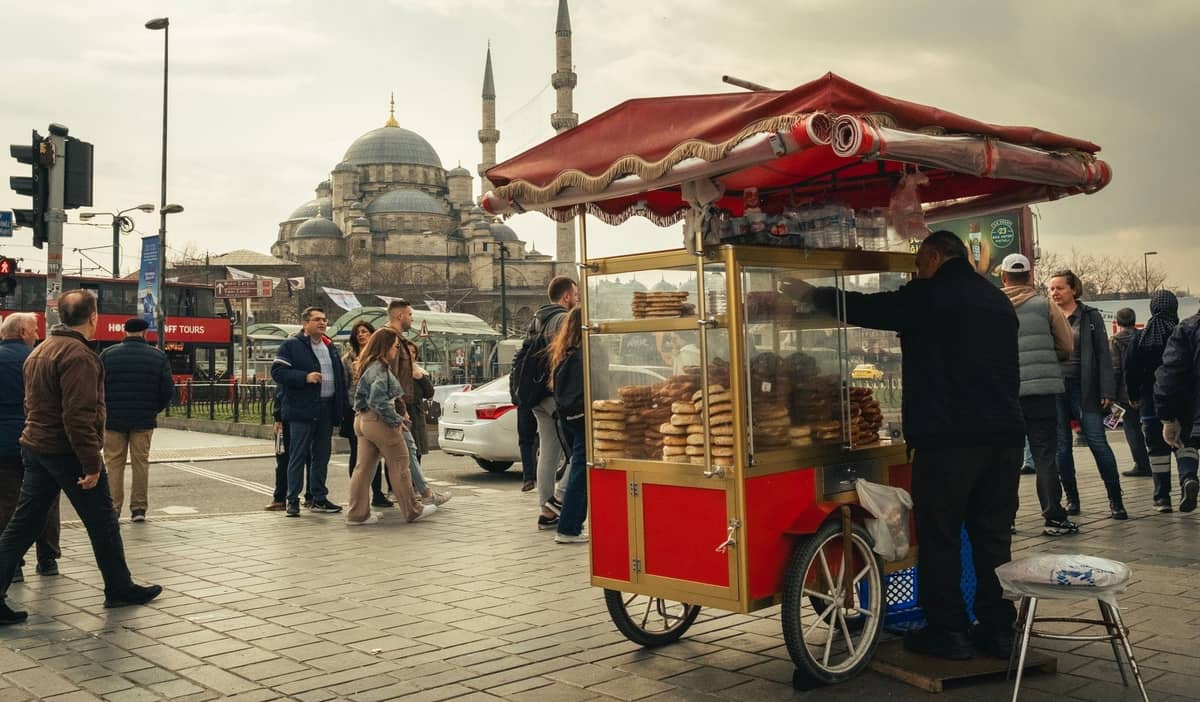
For street food, Eminönü is excellent. The balık-ekmek (grilled fish sandwich) boats moored at the Galata Bridge waterfront are a genuine Istanbul institution, not a tourist gimmick — locals eat here too. The streets around the Spice Bazaar are good for dried fruits, nuts, lokum, and simit (sesame bread rings). The Istanbul street food guide covers the best options across the city, but the peninsula's Eminönü section is a highlight.
✨ Pro tip
The Süleymaniye neighborhood around the mosque complex has several excellent traditional Turkish restaurants and tea gardens with rooftop or terrace views over the Golden Horn. These spots are 15 minutes on foot from Sultanahmet and almost completely absent from tourist itineraries. The quality-to-price ratio is among the best on the entire peninsula.
Beyond Sultanahmet: The Rest of the Peninsula
Most visitors to the Historic Peninsula spend their entire time within 500 meters of Hagia Sophia and never see the neighborhoods that give the area its actual texture. The Fener and Balat neighborhoods, technically just outside the peninsula's administrative core but hugging the Golden Horn shore, are where the Greek Orthodox Ecumenical Patriarchate is located alongside Ottoman-era synagogues, Armenian churches, and one of the city's most photogenic rows of painted houses. These areas reward slow walking and have become increasingly popular with locals on weekends.
The western section of the peninsula around the Theodosian Walls holds sites that require more effort but deliver real historical impact. The Yedikule Fortress at the southern end of the land walls is largely unvisited and evocative. The Chora Church (currently operating as Kariye Mosque following 2020 reconversion) near the walls contains 14th-century Byzantine mosaics and frescoes considered among the finest surviving examples of late Byzantine art. Getting there from Sultanahmet takes about 30 minutes by tram and foot, and the contrast with the crowded core is striking.
For visitors with more than two days, the peninsula is also a base for exploring the broader city. Eminönü's ferry docks put you 15 minutes by water from Karakoy and Galata on the north shore of the Golden Horn, and the Bosphorus cruise departs from the same waterfront. The peninsula is central — it's surrounded by water and connected to everything.
FAQ
How many days do you need to see the Historic Peninsula properly?
Two full days covers the Sultanahmet core (Hagia Sophia, Topkapı Palace, Blue Mosque, Basilica Cistern, Hippodrome, Museum of Turkish and Islamic Arts) plus a half-day for the Grand Bazaar and Süleymaniye. Add a third day if you want to explore Fatih backstreets, the Chora Church, the Theodosian Walls, or Fener and Balat. Three days is the realistic minimum for doing the area justice without rushing.
Is the Museum Pass Istanbul worth buying for the Historic Peninsula?
Yes, if you plan to visit at least three paid sites. The pass covers Topkapı Palace, the Harem, the Basilica Cistern, the Istanbul Archaeology Museums, and several other attractions. Beyond the cost savings, the queue-skip benefit at Topkapı in summer alone justifies the price. Purchase it at any participating museum or through the official Ministry of Culture channels.
What is the best way to get from Sultanahmet to the Grand Bazaar?
On foot in about 15 minutes, walking uphill through the Beyazıt direction, or one stop on the T1 tram to Beyazıt-Kapalıçarşı. Walking is recommended if you're in reasonable shape — it takes you through the Beyazıt Mosque courtyard and gives a better sense of the neighborhood. The tram is fine if you're tired or pressed for time.
Can you visit mosques on the Historic Peninsula as a tourist?
Yes — Hagia Sophia, the Blue Mosque, Süleymaniye, Fatih Mosque, and most others welcome non-Muslim visitors outside prayer times. You must remove shoes, dress modestly (shoulders and knees covered; women cover hair), and behave quietly. Prayer times shift daily and close mosques to tourists for roughly 30-90 minutes each time. Check current prayer schedules the morning of your visit. The Blue Mosque may also have timed entry restrictions during peak season.
Is the Historic Peninsula safe for tourists?
The peninsula is generally safe for tourists, including mga solo traveler. The main practical risks are petty theft in crowded areas like the Grand Bazaar and overcharging by some restaurants and taxi drivers in the Sultanahmet tourist zone. Use licensed taxis with meters or app-based services like BiTaksi. For a broader assessment of safety across Istanbul, the dedicated safety guide covers precautions in detail.