Istanbul Street Food Guide: What to Eat, Where to Find It, and What to Skip
Istanbul's street food scene is one of the city's great pleasures, and one of its great equalizers. Locals and visitors eat side by side at the same simit carts and fish sandwich stalls. This guide breaks down the essential dishes, the best neighborhoods to find them, realistic prices, and a few frank warnings about what to avoid.
Plan and book this trip
Tools from our partner Travelpayouts help you compare flights and hotels. If you book through them, we may earn a commission at no extra cost to you.
Flights
Hotels map
TL;DR
- Simit, balık ekmek, döner, midye dolma, kokoreç, and kumpir are the core street foods every visitor should try.
- Eminönü, Karaköy, Ortaköy, and Kadıköy are the top districts for street eating, each with a distinct character.
- Prices are low by European standards: simit from around 20 TL, most snacks between 100–250 TL. See our Istanbul on a budget guide for broader cost context.
- Çiğ köfte sold on the street is not raw meat — that version has been banned. The street version is a spiced bulgur snack.
- Cash is still king at many stalls, though this varies. Always carry small bills.
Why Istanbul's Street Food Culture Is Worth Taking Seriously
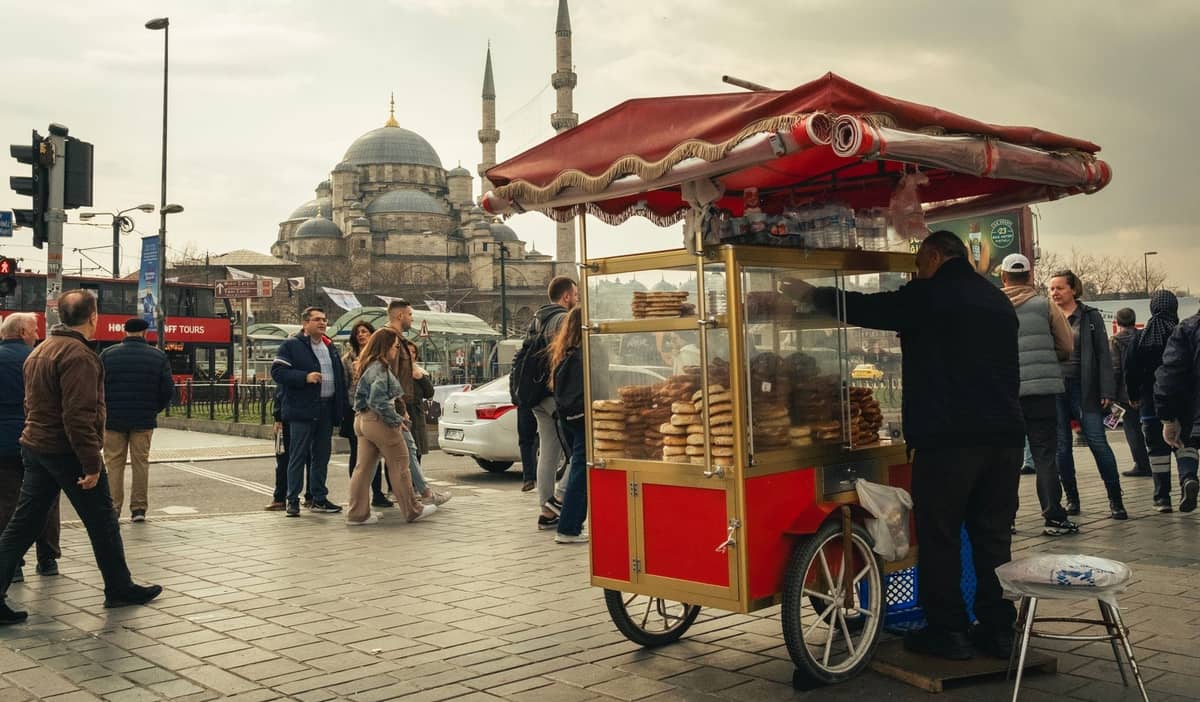
Istanbul street food is not a tourist novelty. It is how a significant portion of the city's nearly 16 million residents eat every day. Office workers grab a simit for breakfast at 7am. Students line up at midye dolma carts after class. Ferry commuters eat balık ekmek on the Galata Bridge waterfront. This is functional, affordable, deeply rooted daily food, not a performance staged for visitors.
That said, the city's geography shapes the eating. Istanbul straddles Europe and Asia across the Bosphorus, and the two sides have different flavors and rhythms. The European side, particularly around Eminönü and the Golden Horn, is where you find the highest concentration of classic vendors. The Asian side, anchored by Kadıköy, has a younger, more local energy with fewer tourist markups. Knowing which side to go to for which food makes a real difference.
💡 Local tip
Street food pricing varies significantly between tourist-facing stalls and neighborhood vendors selling the same item. A kokoreç sandwich near the Sultanahmet tourist zone will cost noticeably more than the same sandwich a 10-minute walk away. When in doubt, follow where locals are eating.
The Essential Istanbul Street Foods, Explained
Not every dish sold on Istanbul's streets is worth your time or stomach space. Here are the ones that genuinely matter, with practical assessments of each.
- Simit The city's most iconic food: a circular bread ring coated in sesame seeds, sold from red carts and trays across every neighborhood. Prices start around 20 TL. Eat it plain, or buy it alongside a tea and a wedge of white cheese. Do not buy it from a café where it is branded as artisan — you are paying for ambiance, not quality.
- Balık Ekmek (Mackerel Sandwich) Grilled or fried mackerel in a half-loaf of bread, with lettuce, onion, and a squeeze of lemon. The boats moored at the Eminönü waterfront are the most famous source, but the price at the floating boat restaurants has crept upward. Expect around 250 TL. The experience is worth it at least once, especially eaten standing by the water.
- Midye Dolma (Stuffed Mussels) Mussels stuffed with spiced rice, pine nuts, and currants, served cold from vendors carrying trays. You squeeze lemon over each shell as you eat. Sold by the piece, so you pay as you go. Freshness matters here: only buy from vendors whose trays are moving quickly. Avoid mussels that have been sitting in the heat for extended periods.
- Döner Rotisserie-cooked lamb, beef, or chicken, served in bread or as a plate. Quality varies enormously by vendor. The best döner has a good char from the outer layer of the rotating spit and is sliced to order, not pre-sliced and reheated. Tantuni is a related option, a spicy beef wrap originating from southern Turkey now found across Istanbul, typically 150–250 TL.
- Kokoreç Seasoned lamb intestines wrapped around a skewer, cooked over charcoal, and chopped onto bread with tomato and spices. A polarizing dish: the smell alone will tell you if you are the target audience. Half a sandwich runs around 250 TL. Genuinely excellent when fresh and well-made.
- Kumpir A baked potato stuffed with butter, cheese, and a wide selection of toppings including corn, olives, sausage, coleslaw, and pickles. The Ortaköy district is the center of kumpir culture, with a row of competing stalls along the waterfront. Filling, customizable, and good value.
- Chickpea Rice (Pilav Üstü Tavuk) Saffron-tinted rice with chickpeas and roasted chicken, sold from mobile carts with a glass case keeping the food warm. A proper hot meal for 100–200 TL. More common in working-class and residential neighborhoods than in tourist zones.
- Çiğ Köfte Heavily spiced bulgur and tomato paste balls, often wrapped in lettuce or flatbread with pomegranate sauce. The street version contains no meat — the raw meat version has been legally prohibited in commercial settings. Popular with vegetarians. Found at chain stalls like Öncü Çiğ Köfte across the city.
⚠️ What to skip
Midye dolma is best avoided in summer heat unless you can verify the vendor's turnover is high. Mussels are filter feeders and can carry bacteria if not kept at the right temperature. Stick to busy stalls where trays are being restocked constantly, and pass if anything looks or smells off.
Best Neighborhoods for Street Food, District by District
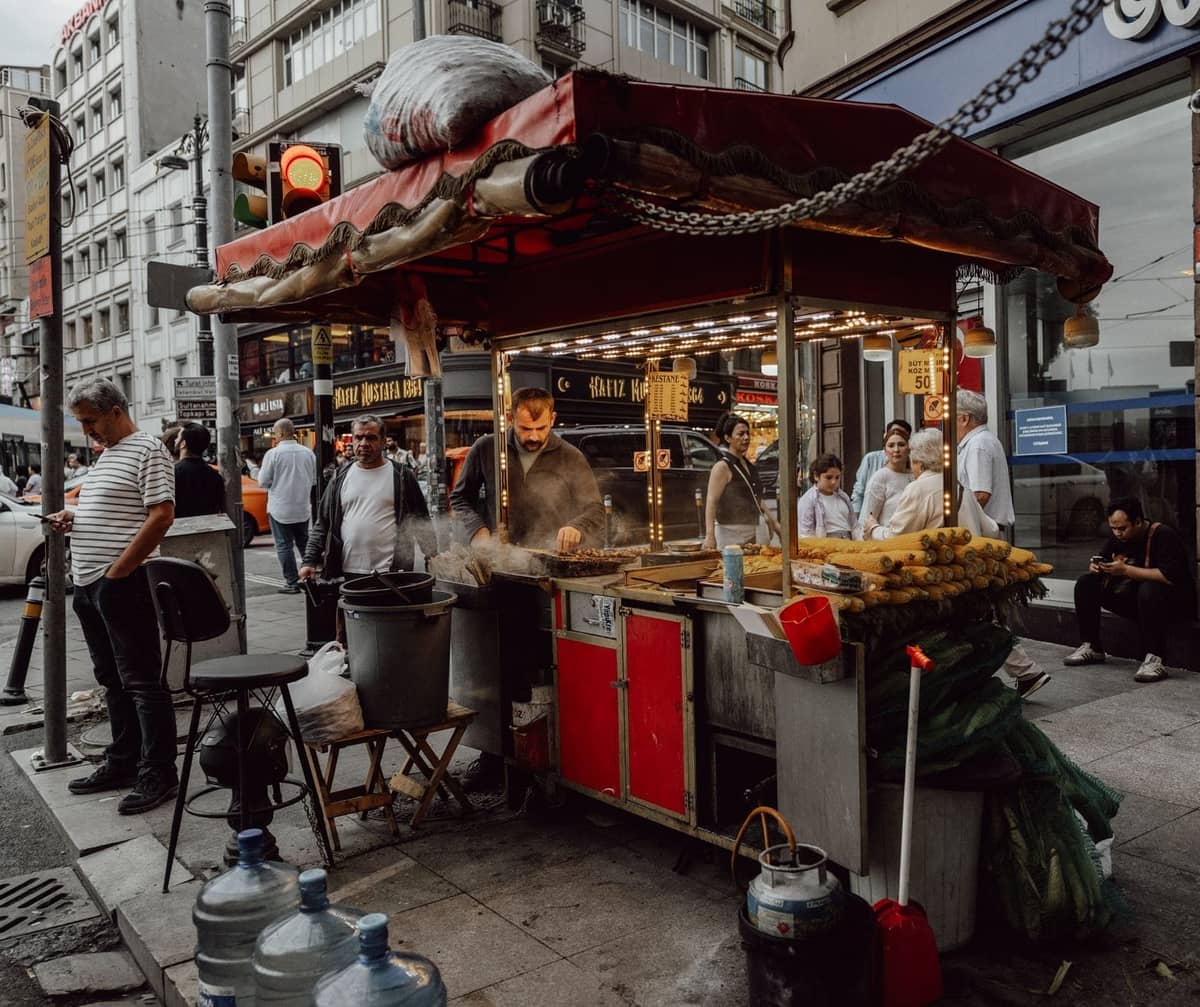
Istanbul is too large to cover without a geographic frame. The following districts offer the best combination of quality, variety, and authentic atmosphere for street eating.
Eminönü is the logical starting point. The waterfront area at the base of the Galata Bridge is where balık ekmek boats are moored, where simit sellers shout over ferry horns, and where the Spice Bazaar draws vendors of dried fruit, nuts, and lokum. The area gets very crowded on weekends, particularly in the afternoon. For the least hectic experience, go on a weekday morning.
Karaköy, a short walk north from the bridge, is where the street food scene intersects with a more contemporary café culture. The neighborhood around Karaköy and Galata has excellent midye dolma vendors and kokoreç stalls on the backstreets. It is also where you find some of the city's best börek bakeries for a more substantial morning snack.
Ortaköy is worth a separate trip for kumpir alone. The small square along the Bosphorus waterfront has a concentrated strip of potato vendors that has become a city institution. The mosque backdrop and water views make it one of the more photogenic spots in Istanbul. Come in the late afternoon for the best light and manageable crowds. On summer weekends it is extremely packed by early evening.
Kadıköy on the Asian side is the best all-around street food neighborhood for those who want to eat like a local without the tourist premium. The market streets around Kadıköy Market have kokoreç stalls, fresh juice vendors, fish sandwiches, and pastry shops in a tight grid. The energy is more neighborhood-oriented and the prices are generally lower than equivalent stalls on the European side. Taking the ferry from Eminönü or Karaköy to Kadıköy is itself a worthwhile experience.
What Things Actually Cost: A Realistic Price Guide
Istanbul street food is affordable by international standards, but prices have risen significantly in recent years due to inflation. The figures below reflect reported 2026 price ranges; always expect some variation between vendors and districts.
- Simit: around 20 TL at cart prices (may be higher at cafes or tourist-area vendors)
- Chickpea rice: 100–200 TL depending on portion and toppings
- Çiğ köfte wrap: 80–150 TL at chain stalls
- Döner or tantuni wrap: 150–250 TL
- Balık ekmek (mackerel sandwich): around 250 TL at the Eminönü boat vendors
- Kokoreç half sandwich: around 250 TL
- Midye dolma: priced per piece, typically 10–20 TL each
- Kumpir (baked potato): 150–300 TL depending on toppings
- Fresh pomegranate juice: 60–120 TL per cup
✨ Pro tip
Turkish lira prices fluctuate due to ongoing inflation. Before your trip, check the current TRY exchange rate and use these price points as relative benchmarks rather than absolute figures. As a rough guide, most street snacks should cost the equivalent of 1–5 USD at current exchange rates.
Joining a Guided Istanbul Food Tour: When It Makes Sense
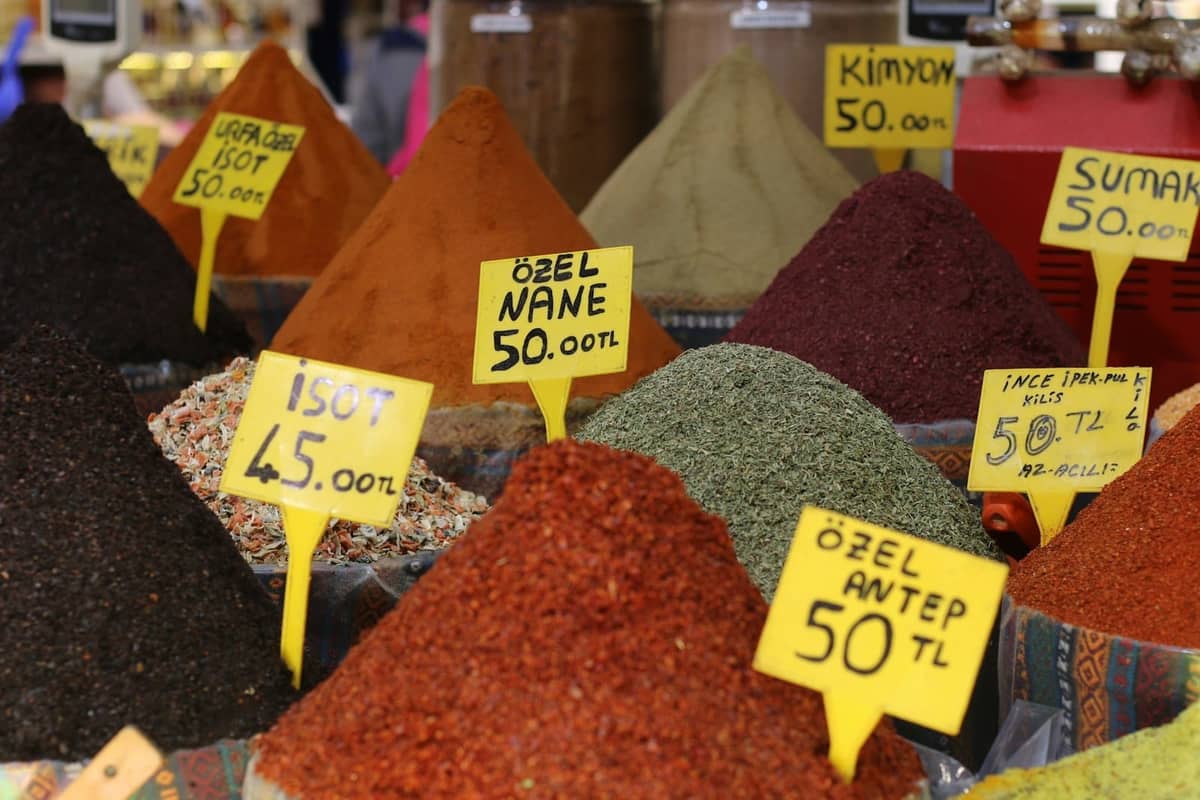
If you only have one or two days in the city, a structured Istanbul food tour can be worth the investment. Knowing exactly where to go, what to order, and how to navigate between Eminönü, Karaköy, and Beyoğlu takes local knowledge that takes time to build. Operators like Culinary Backstreets specialize in deeper food experiences and smaller group sizes. For a broader look at how food fits into the city's culture, the Istanbul food guide covers restaurants, markets, and meyhane culture alongside street food.
Food tours are not necessary for experienced independent travelers. If you are comfortable navigating public transport, reading a map, and pointing at what you want, you can find everything on this list without a guide. The main advantage of a tour is context: a good guide will explain what you are eating, where the recipe comes from, and why that particular stall is worth choosing over its neighbor. That context is enriching if you care about food history.
Practical Tips for Eating Well on Istanbul's Streets
Getting around between food neighborhoods is straightforward with Istanbul's public transport system. The T1 tram connects Sultanahmet and Eminönü; the T1 tram and connecting funicular/metro lines link Karaköy toward Taksim; ferries run regularly to Kadıköy. An Istanbulkart loaded with credit covers all of these. For a full overview of how to move around the city, see the guide to getting around Istanbul.
- Carry small bills and coins. Many street vendors do not carry change for large notes and card readers are not universal.
- Eat where the locals are eating. A vendor surrounded by suited office workers at lunchtime is a reliable quality signal.
- Avoid vendors directly outside major tourist attractions like Hagia Sophia or Topkapı Palace. The price difference for identical food can be substantial.
- The best time for most street food is mid-morning to early afternoon, when everything is fresh and turnover is highest.
- Wash your hands before eating midye dolma or anything else you handle directly. Public sinks or hand sanitizer are practical necessities.
- Tap water in Istanbul is treated, but most locals and visitors prefer bottled water for drinking. Street food is generally safe; just apply common sense about freshness.
If you want to expand beyond street food into sit-down local meals, the meyhane and rakı guide covers the city's essential dining tradition. And if you are planning a broader itinerary, the 3 days in Istanbul itinerary builds in time for food stops at each major area.
FAQ
What is the most famous street food in Istanbul?
Simit is arguably the most iconic: a sesame-encrusted bread ring sold from red carts across every neighborhood at very low prices. Balık ekmek (grilled mackerel sandwich) served near the Galata Bridge is equally associated with the city and a more substantial meal.
Is Istanbul street food safe to eat?
Generally yes, with common-sense precautions. Choose vendors with high turnover, especially for mussels (midye dolma) in warm weather. Cooked foods like döner, kokoreç, and balık ekmek are cooked to order and present little risk. Avoid vendors where food has been sitting out for extended periods in heat.
How much does street food cost in Istanbul?
Most snacks range from around 20 TL for a simit to 250 TL for a mackerel sandwich or kokoreç half portion. Kumpir with toppings runs 150–300 TL. Given ongoing inflation, convert these to your home currency using a current exchange rate rather than relying on fixed USD equivalents.
Where is the best area for street food in Istanbul?
Eminönü is the most concentrated area for classic vendors. Kadıköy on the Asian side has a more local atmosphere with lower tourist markups. Ortaköy is essential for kumpir. Karaköy has excellent midye dolma and kokoreç on its backstreets.
Is an Istanbul food tour worth it?
It depends on your travel style. If you have limited time and want the historical and cultural context explained while you eat, a guided food tour adds real value. Independent travelers comfortable with navigating public transport can find all the same food without a guide, but may miss the stories behind it.