Istanbul on a Budget: How to Travel Smart in Turkey's Largest City
Istanbul rewards budget travelers more than almost any major European-adjacent city, but only if you know where the real costs hide. This guide breaks down daily spending, transport, food, accommodation, and free sights so you can plan honestly and spend wisely.
Plan and book this trip
Tools from our partner Travelpayouts help you compare flights and hotels. If you book through them, we may earn a commission at no extra cost to you.
Flights
Hotels map
TL;DR
- A realistic daily budget for Istanbul runs around $40-60 USD in low season and $60-90 USD in summer, depending on accommodation type and sightseeing choices.
- The Istanbulkart transit card is non-negotiable: it covers metro, tram, bus, and most ferries at a significant discount over single tickets.
- Many of Istanbul's best experiences cost nothing: mosques, bazaars, parks, and the Bosphorus ferry ride on a public Şehir Hatları boat.
- Shoulder season (April-June and September-October) gives you the best combination of low prices and good weather.
- Major attractions like Topkapi Palace and the Basilica Cistern charge significant entry fees that can dominate a tight budget if you're not selective.
What Istanbul Actually Costs: Setting Realistic Expectations
Istanbul on a budget is achievable, but the city is not as uniformly cheap as it was five years ago. The Turkish lira has depreciated significantly against the dollar and euro in recent years, which initially made Istanbul a bargain for foreign visitors. However, locals have seen prices adjust upward to compensate, and tourist-facing businesses in Sultanahmet especially now charge rates closer to southern European cities than to the rock-bottom prices of a decade ago.
A genuine shoestring traveler staying in a dorm hostel, eating at lokantas and from street vendors, using public transport, and focusing on free sights can realistically spend around $35-45 USD per day. A more comfortable budget traveler with a private room in a mid-range guesthouse, occasional sit-down meals, and paid entry to a few major attractions should budget $60-80 USD per day. Summer adds roughly 20-30% to accommodation costs. The biggest variable is always sightseeing: a single day hitting Topkapi Palace, the Basilica Cistern, and a Bosphorus cruise can easily absorb $50-60 in entry and tour fees alone.
- Hostel dorm bed Around $10-20 USD per night in low season; $18-30 USD in summer
- Budget private room (guesthouse) Around $35-60 USD per night, varying significantly by location and season
- Lokanta lunch (two courses) Around $3-6 USD, often including bread and a drink
- Street food (simit, börek, döner) $0.50-3 USD per item
- Single Istanbulkart transit ride Around $0.50-0.80 USD equivalent (verify current fares, as they change frequently)
- Topkapi Palace entry Around $15-25 USD equivalent; the Harem section is extra
- Bosphorus public ferry (Şehir Hatları) Under $1 USD one way with Istanbulkart
⚠️ What to skip
Prices at restaurants and attractions in Sultanahmet are often significantly higher than the same category of place in Beyoğlu, Kadıköy, or Fatih backstreets. If a menu has no prices displayed or the waiter recites prices verbally without writing them down, ask for a written menu before ordering.
Getting Around Istanbul Without Burning Your Budget
The single smartest financial decision for any budget traveler in Istanbul is buying an Istanbulkart on arrival. This reloadable contactless card works on the metro (all lines), trams, İETT buses, the Marmaray tunnel rail under the Bosphorus, and most Şehir Hatları ferries. Rides purchased with the card cost considerably less than buying single-use tokens or paper tickets, and transfers within a set time window are discounted further. Pick one up at airport vending machines or at any major transit station, load it with cash, and you're set.
Taxis are a trap for the unprepared. Istanbul taxis (yellow cabs) use meters, but tourists are sometimes taken on longer routes or charged for a 'night rate' when the day rate applies. App-based alternatives like BiTaksi and iTaksi show the registered meter reading in real time, which reduces overcharging significantly. Uber operates in Istanbul through licensed taxi partnerships. None of these are cheap compared to the Istanbulkart for regular transit. Use them for late nights, heavy luggage, or point-to-point trips that public transport handles awkwardly.
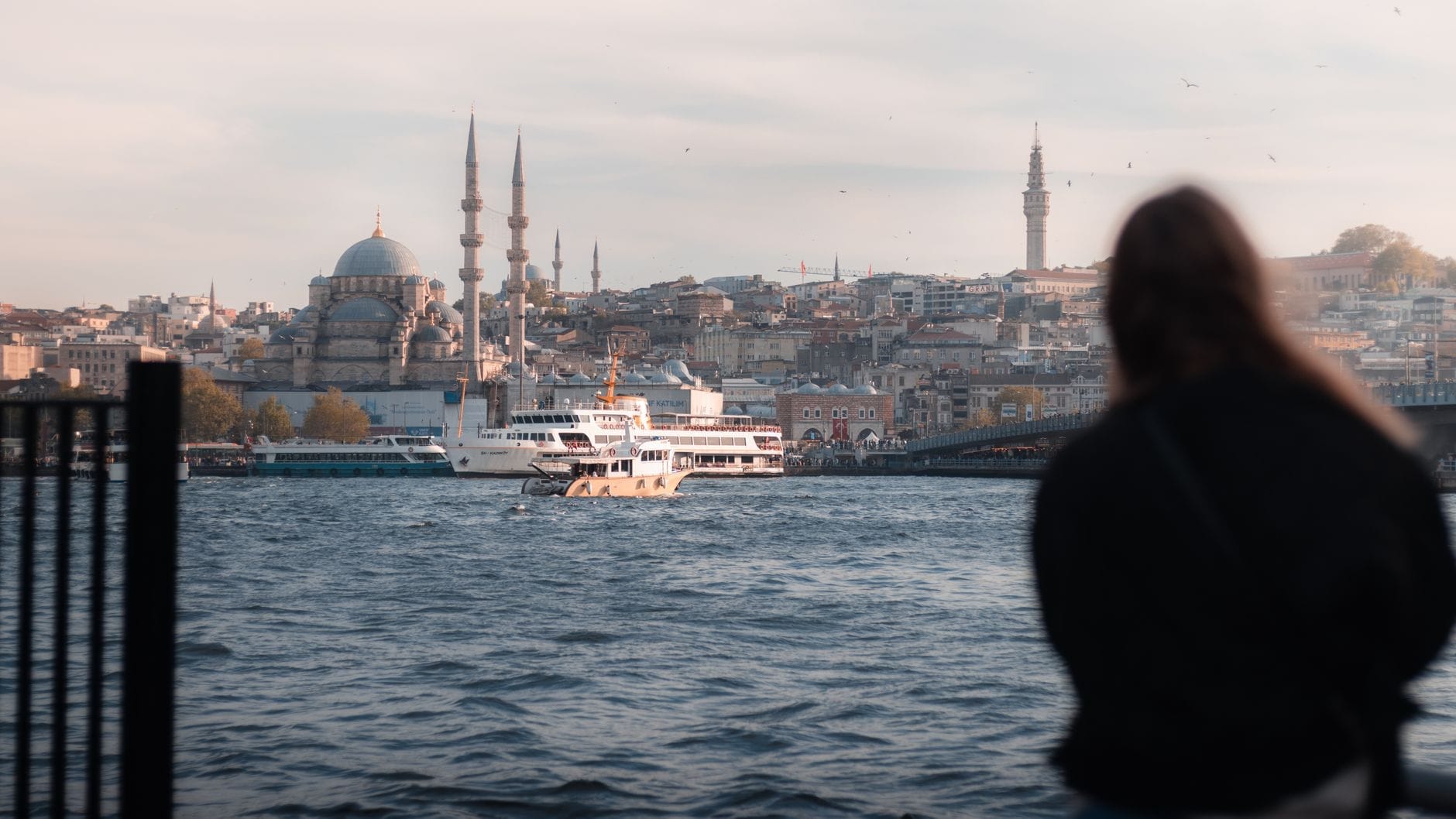
The public ferry network across the Bosphorus is both practical and free of the tourist markup that packaged cruise boats carry. A standard Şehir Hatları commuter ferry from Eminönü or Karaköy to Üsküdar or Kadıköy takes around 20-25 minutes and costs around a dollar to a dollar and a half with the Istanbulkart. You get open-air Bosphorus views, tea from the onboard canteen for a few lira, and zero tourist fanfare. It is the best value 'attraction' in the city.
💡 Local tip
From Istanbul Airport (IST), the M11 metro line connects directly to the city's main metro network without requiring a taxi. It takes roughly 30-40 minutes to reach central stations like Gayrettepe, from where you can transfer onward. The Havaist airport bus is another option and stops at multiple city-center points. Both are dramatically cheaper than a taxi and perfectly manageable with a normal bag.
Where to Eat Well for Very Little
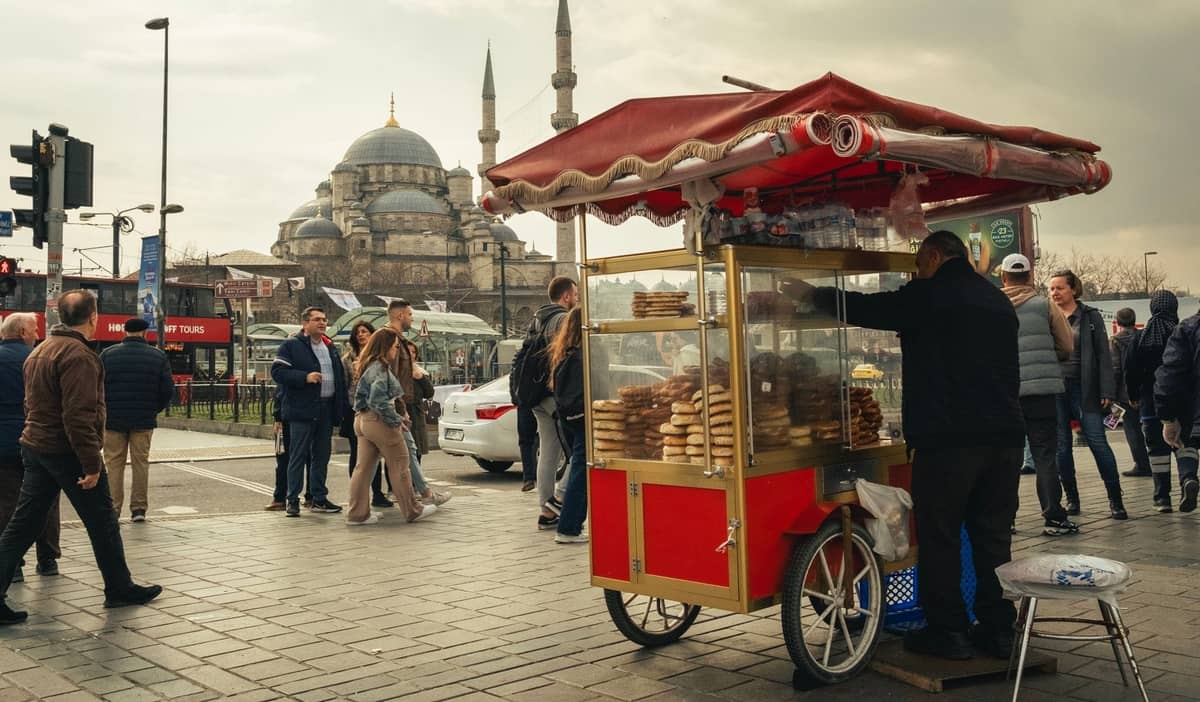
Istanbul's food scene is one of the strongest arguments for budget travel here. The city's street food culture is genuine and deeply ingrained, not a tourist performance. Simit (sesame bread rings sold from carts across the city) costs around 5-10 TRY and is a legitimate breakfast if you pair it with a glass of çay from a nearby tea house. Börek, the layered pastry filled with cheese, spinach, or minced meat, is sold by weight in dedicated börekçi shops and makes a filling, cheap lunch.
Lokantas are the budget traveler's best friend. These are no-frills Turkish canteen restaurants, usually with a steam table of hot dishes displayed at the counter, where you point and they serve. Prices are fixed, portions are generous, and a full two-course meal with a drink often comes to under $5 USD. Lokantas are everywhere in working neighborhoods like Fatih, Karaköy, and Kadıköy, but scarce and poor value in Sultanahmet's tourist core. Walking two or three streets back from the main sightseeing drag drops prices considerably.
- Simit: sesame-crusted bread ring, sold from street carts; best eaten fresh, ideally with white cheese (beyaz peynir) from a nearby market
- Börek: flaky pastry with various fillings; look for dedicated börekçi shops, not tourist restaurants
- Kokoreç: spiced offal wrapped in intestines and grilled on a spit; polarizing but cheap and deeply local, sold near Galata Bridge and Kadıköy market
- Midye dolma: mussels stuffed with spiced rice, sold by street vendors near the Bosphorus; eat only from busy, high-turnover stalls
- Döner kebab: ubiquitous but quality varies enormously; a good value lunch option at around $2-4 USD for a portion
- Menemen: Turkish-style scrambled eggs with tomatoes and peppers; a filling breakfast at any local kahvaltı spot for around $3-5 USD
The Kadıköy market on the Asian side is one of the best places in Istanbul to eat cheaply and well. The covered market and surrounding streets have fishmongers, produce stalls, pastry shops, and small restaurants where locals actually eat. Prices are noticeably lower than the European side's tourist-facing areas, and the quality is consistently high. Factor in a Bosphorus ferry crossing to get there, which adds to the experience rather than just the budget.
Free and Low-Cost Sightseeing: What to Skip, What to Prioritize
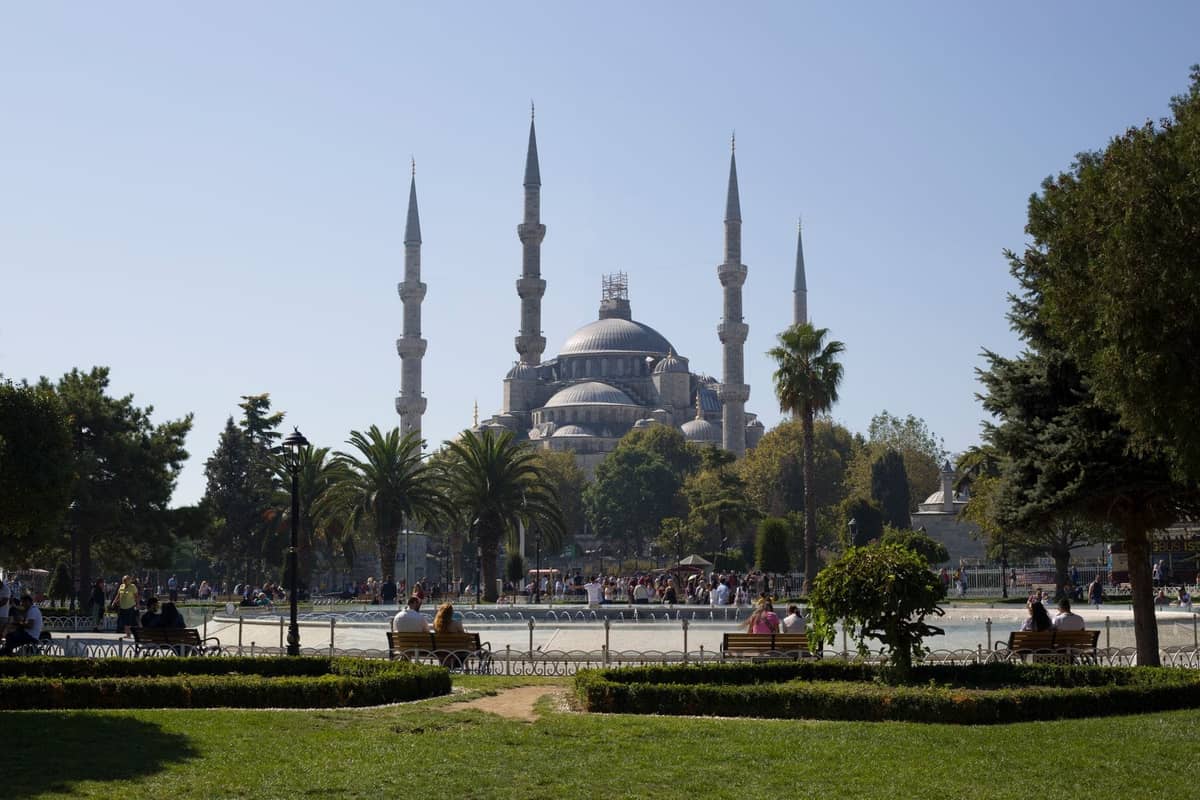
Istanbul has more free sightseeing than most cities its size. The city's mosques are free to enter outside prayer times, and several of them rank among the finest Ottoman architecture in existence. Dressing appropriately (shoulders and knees covered; women bring a headscarf) is required, and shoes must be removed before entering. There are no tickets and no queues at the level you face at major paid attractions.
The Süleymaniye Mosque is arguably more impressive than the Blue Mosque in its proportions and hilltop setting, yet far less crowded. The Blue Mosque (Sultan Ahmed Mosque) is free but currently undergoing partial restoration and is often packed with visitors. The Rüstem Pasha Mosque near the Spice Bazaar is a smaller Sinan design covered in extraordinary Iznik tiles; almost no queue, no charge, few crowds.
The Grand Bazaar and Spice Bazaar are free to enter and worth visiting for the architecture and atmosphere alone, though buying anything inside the Grand Bazaar at face value is not recommended without comparing prices at nearby shops first. Walk through, look at the vaulted ceilings, then buy lokum or spices from the neighborhood stalls just outside the bazaar at lower prices.
✨ Pro tip
The Istanbul Museum Pass covers Topkapi Palace, the Hagia Sophia (museum sections), Istanbul Archaeology Museums, and several other major sites at a combined price that undercuts buying tickets individually if you plan to visit three or more included sites. Check the current pass price and included attractions before buying, as the lineup changes. It does not cover Hagia Sophia mosque entry, which is free.
Hagia Sophia itself is free to enter as a functioning mosque. You will need to remove shoes, dress modestly, and be prepared for significant crowds, especially on weekends and in summer. Parks including Gülhane Park and the gardens around the Emirgan Park on the Bosphorus are free and offer good city views and green space. Walking the Theodosian Walls on the western edge of the historic peninsula costs nothing and is one of the most historically significant walks in Europe.
Accommodation: Where to Stay Without Overspending
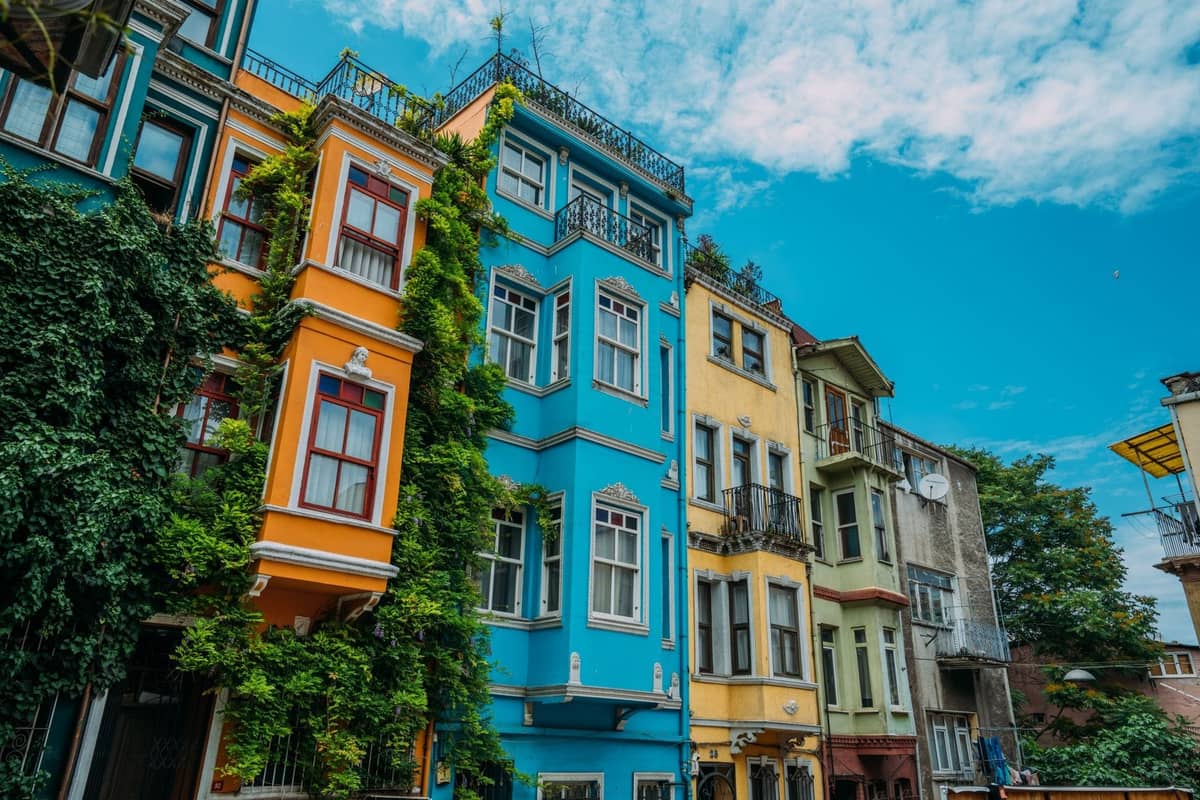
Sultanahmet is convenient for the main historic sights but is rarely the cheapest place to sleep, and the area quiets down significantly after dark with limited local restaurant options. Karaköy and Galata offer better value mid-range guesthouses and are walking distance from both Sultanahmet (via tram) and Beyoğlu. For hostel travelers, Beyoğlu has a concentration of well-reviewed budget options along and around İstiklal Avenue.
The Asian side, especially Kadıköy, is significantly cheaper for accommodation than the historic peninsula and offers a more local experience. The tradeoff is an extra 20-25 minutes via ferry or metro to reach the main European-side attractions, which matters less once you factor in that the ferry crossing is itself pleasurable and cheap. Travelers spending a week or more in Istanbul may find the Asian side's lower prices worth the commute.
Booking in low season (November through March) consistently yields the best rates. Prices spike in July and August, particularly around local and international holidays. Ramadan, which moves through the calendar, can affect restaurant hours and the atmosphere in conservative neighborhoods, which is worth knowing but rarely affects budget significantly. Many hostels and small guesthouses will negotiate on price for stays of four nights or more if you book directly rather than through a platform.
Seasonal Strategy: When to Go to Spend Less
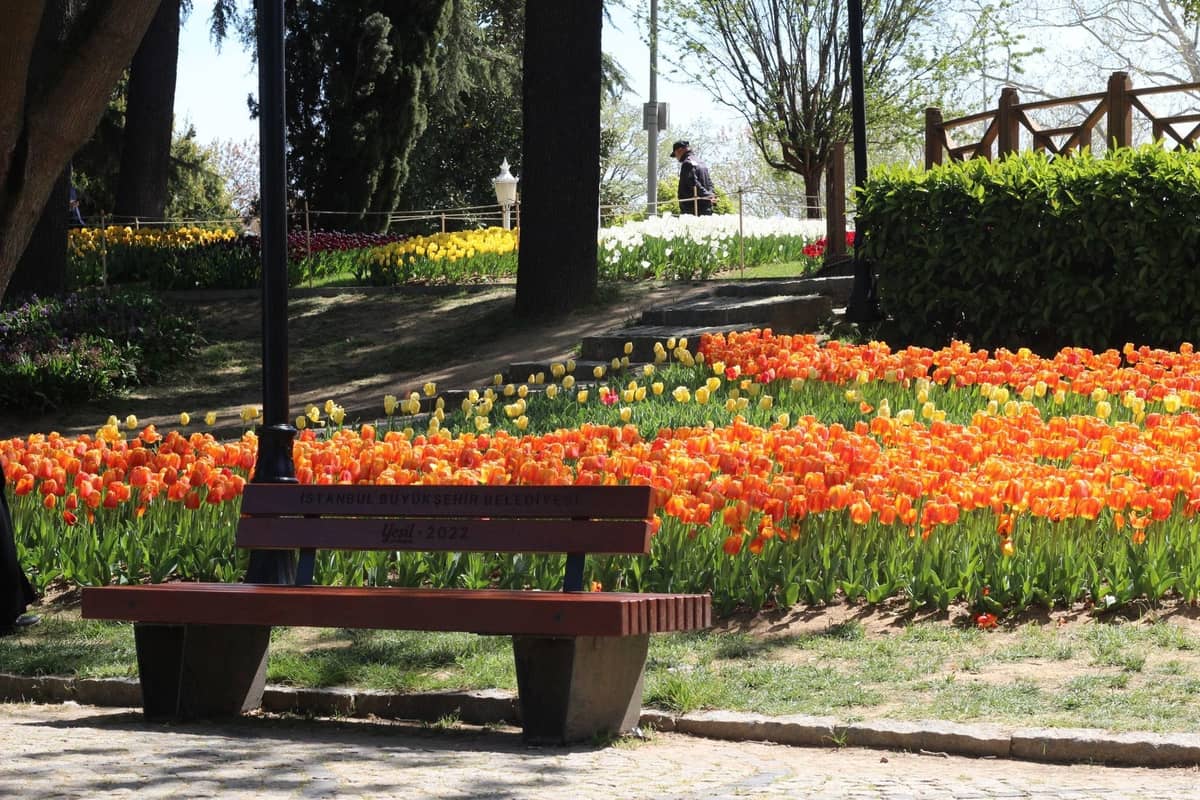
The optimal budget window is April-early June or September-October. These shoulder periods offer comfortable temperatures (12-22°C in spring, 16-25°C in autumn), lower accommodation rates than peak summer, and shorter queues at major attractions. Spring in Istanbul particularly rewards early visitors: the tulip festival in April fills city parks with color at zero cost, and the city feels energized without the summer tourist peak.
Winter (December-February) is the cheapest period for accommodation, sometimes dramatically so. The city stays open and functional, winter in Istanbul has its own appeal with fewer crowds and more authentic street-level life, but rain is frequent and some outdoor activities are less enjoyable. If your priority is sightseeing indoors (museums, mosques, bazaars) and you're comfortable with grey weather, winter offers genuine savings. Summer is the worst time to visit on a budget: peak accommodation prices, heat of 28-30°C, and the longest queues at every major attraction.
ℹ️ Good to know
Turkey's currency fluctuates. Paying in Turkish lira (TRY) is almost always better than paying in USD or EUR when given the option, especially at exchange booths that offer poor conversion rates. Withdraw lira from ATMs using a low-fee travel card rather than using hotel exchange desks or airport booths, which apply heavy margins.
FAQ
Is Istanbul cheap for tourists in 2026?
Istanbul is cheaper than most Western European cities but not as uniformly cheap as it was before 2021-2022. Foreign visitors benefit from the Turkish lira's devaluation against major currencies, but local prices have adjusted upward. A realistic daily budget is $40-60 USD for careful travelers; $70-90 USD for more comfort. Sultanahmet restaurants and tourist-facing services charge near-European prices, while local neighborhoods remain genuinely affordable.
What is the Istanbulkart and do I need one?
The Istanbulkart is a reloadable contactless smart card for Istanbul's public transport, including the metro, trams, buses, Marmaray rail, and most Şehir Hatları ferries. It costs a small deposit to purchase and is available at airport vending machines and major transit stations. Rides paid with the card are cheaper than single-use tickets, and the card also provides discounted transfers. Any visitor spending more than a day or two in Istanbul should get one immediately.
What are the cheapest ways to eat in Istanbul?
Lokantas (Turkish canteen restaurants with steam-table hot dishes) offer the best combination of price, quality, and volume. Street food including simit, börek, and midye dolma (stuffed mussels) costs under $2 for a filling snack. Avoid restaurants with photo menus and touts standing outside in Sultanahmet; instead, walk a few streets into Fatih, Karaköy backstreets, or cross to Kadıköy for the same food at 30-50% lower prices.
Which Istanbul attractions are free?
Hagia Sophia is free as a functioning mosque (dress code required). All major mosques including Süleymaniye, Blue Mosque, and Rüstem Pasha Mosque are free outside prayer times. The Grand Bazaar and Spice Bazaar are free to enter. Gülhane Park, Emirgan Park, and the Theodosian Walls cost nothing. The public Şehir Hatları Bosphorus ferry is not free but costs around $1-1.50 with an Istanbulkart and is the best-value 'attraction' in the city.
Is it safe to travel solo on a budget in Istanbul?
Istanbul is generally safe for solo budget travelers, including solo women. The main risks are petty scams rather than serious crime: overcharging in taxis, inflated restaurant bills in tourist areas, and the classic carpet shop 'friendly local' approach. Using app-based taxis, eating where locals eat, and staying in well-reviewed hostels in Beyoğlu or Karaköy significantly reduces exposure to tourist-targeted scams. The transit system is safe, well-lit, and busy until late.