Istanbul in Winter: The Complete December, January & February Guide
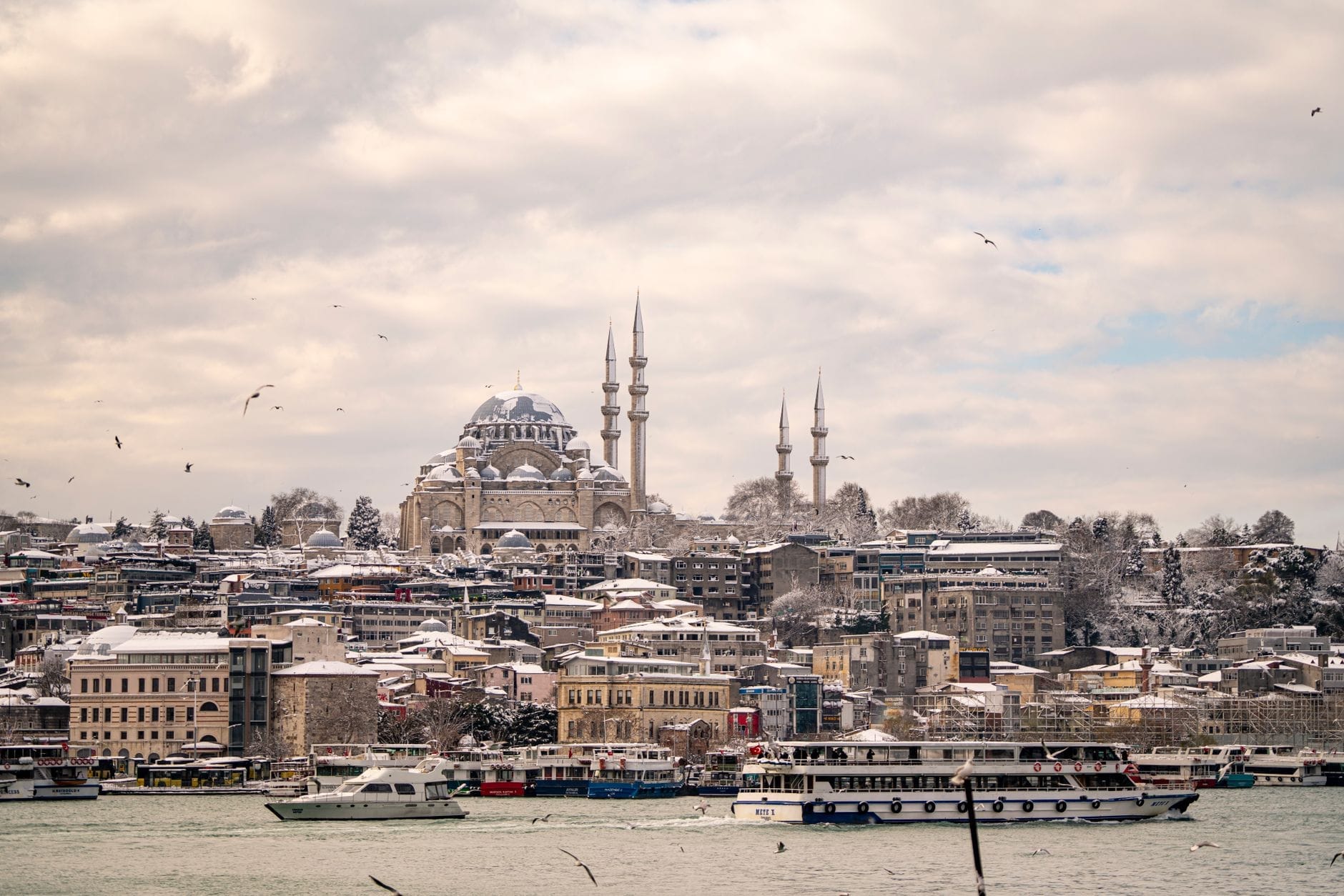
Winter is Istanbul's most underrated season. Menschenmengen thin out, hotel rates drop, and the city's historic skyline looks cinematic under grey skies or a rare dusting of snow. This guide covers exactly what to expect from the weather, which sights are worth it, and how to make the most of the season.
Plan and book this trip
Tools from our partner Travelpayouts help you compare flights and hotels. If you book through them, we may earn a commission at no extra cost to you.
Flights
Hotels map
TL;DR
- Temperatures run roughly 3–11°C (37–52°F) across December through February, with wind and rain making it feel colder than the numbers suggest.
- All major attractions stay open, including Hagia Sophia, Topkapı Palace, the Grand Bazaar, and the Blue Mosque, typically with shorter queues.
- Hotel prices drop significantly compared to summer peak, and you can combine indoor highlights like Topkapı Palace with hammam visits and museum days without feeling rushed.
- Pack layers, a waterproof outer layer, and good walking shoes. Snow is possible, especially in January, but rarely disrupts travel for more than a day.
- Bosphorus cruises can be affected by winter fog and rough seas. Book flexible options and have an indoor backup plan.
What the Weather Actually Feels Like
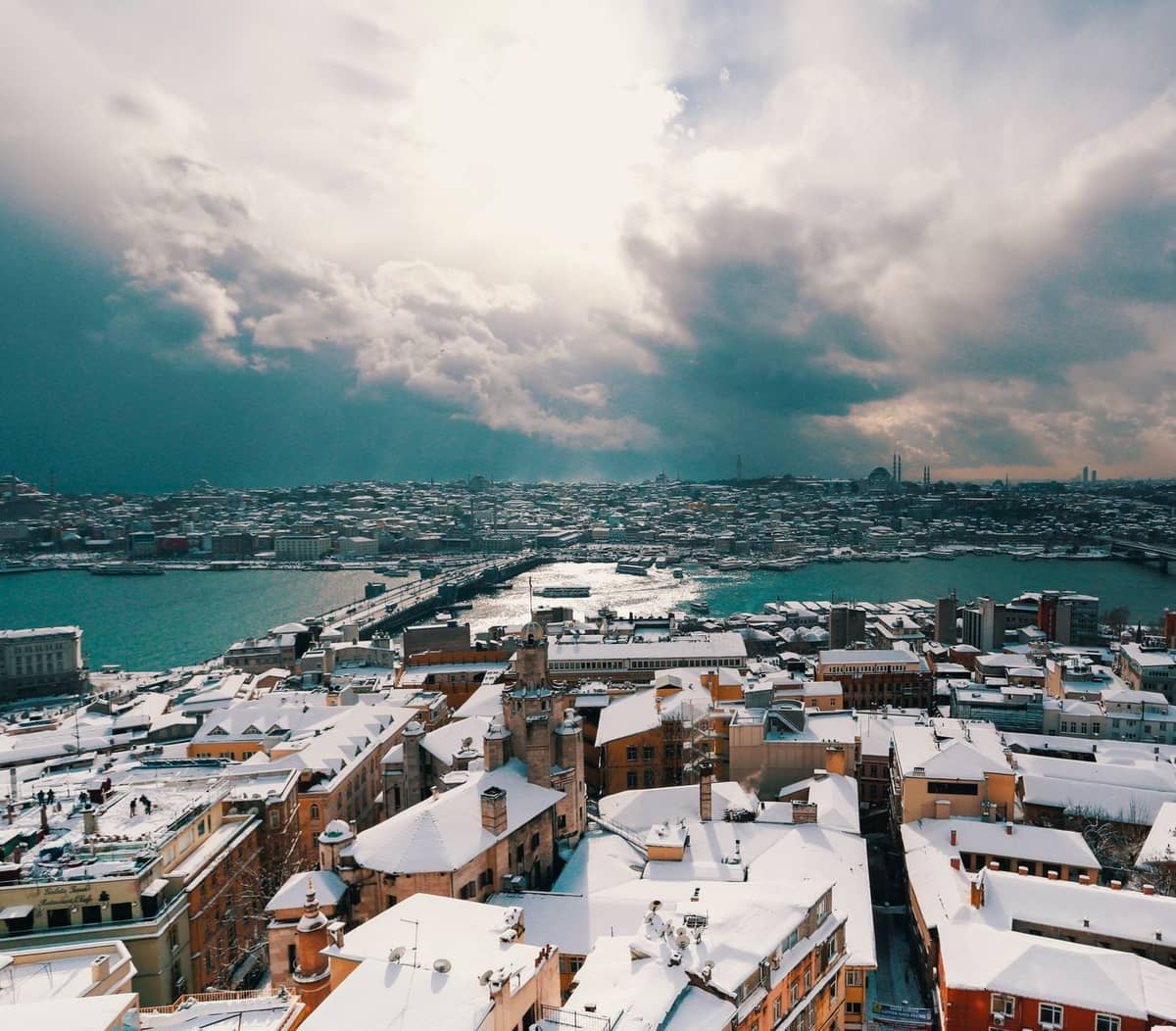
Istanbul in winter is not the brutal cold you might expect from a city at 41°N. Average daytime highs in December sit around 8–11°C (46–52°F), dropping to around 7–9°C (45–48°F) in January, then recovering slightly to around 8–10°C (46–50°F) in February. Nights can dip to 0°C or just below, occasionally hitting -4°C in the coldest January spells. What makes it feel sharper is the wind off the Bosphorus and the Sea of Marmara, plus regular rain that can turn the cobblestones of Sultanahmet slippery and unpleasant.
December and January are among the wettest months of the year, each bringing roughly 16–18 rainy days. This is not a season of gentle showers; expect prolonged grey drizzle with occasional heavier downpours. Sunset arrives around 17:00, so effective outdoor sightseeing time is limited. Snow falls on a handful of days per year on average, typically concentrated in late January and February. When it does snow in the city center it rarely settles for long, but it creates a genuinely memorable atmosphere around the mosques and the Bosphorus waterfront.
💡 Local tip
Pack a compact waterproof jacket rather than just an umbrella. Istanbul's hills and the wind from the strait make umbrellas impractical. Waterproof ankle boots with grip are far more useful than sneakers on wet cobblestones.
Menschenmengen, Costs, and Why Winter Makes Sense for Some Travelers
The most immediate practical benefit of visiting in winter is the drop in both crowds and prices. Summer in Istanbul, particularly July and August, sees queues at Hagia Sophia stretching 45 minutes or more. In January, you can walk straight in during off-peak morning hours. The same applies to the Basilica Cistern and the Topkapı Harem. The experience of these spaces without crowds of tour groups changes the atmosphere entirely.
Hotel rates in December and January are among the lowest of the year, particularly in Sultanahmet and Beyoğlu. Properties that charge 200 USD per night in August frequently drop to 80–120 USD in mid-January. The exception is the Christmas and New Year period (roughly December 23 to January 3), when rates spike significantly and the city draws visitors for festive events. If budget is your priority, the sweet spot is mid-January through mid-February.
- Best value window Mid-January to mid-February. Lowest hotel rates, fewest tourists, quietest museums.
- Avoid if budget-sensitive December 23 to January 2. Rates climb sharply and availability tightens around New Year.
- Good compromise Early December, before Christmas crowds build. Weather is similar but the city has festive decoration without peak pricing.
Which Attractions Are Worth It in Winter
The good news is that Istanbul's most important sights are almost entirely indoors or sheltered, which suits the season well. Topkapı Palace operates year-round; as of 2026, a combined ticket covering all sections including the Harem was priced around €55–60, though ticket prices in Turkey have been increasing steadily, so verify current rates before visiting. Queues in winter are minimal compared to summer, and the palace's inner courtyards, while exposed, are far more comfortable without July heat.
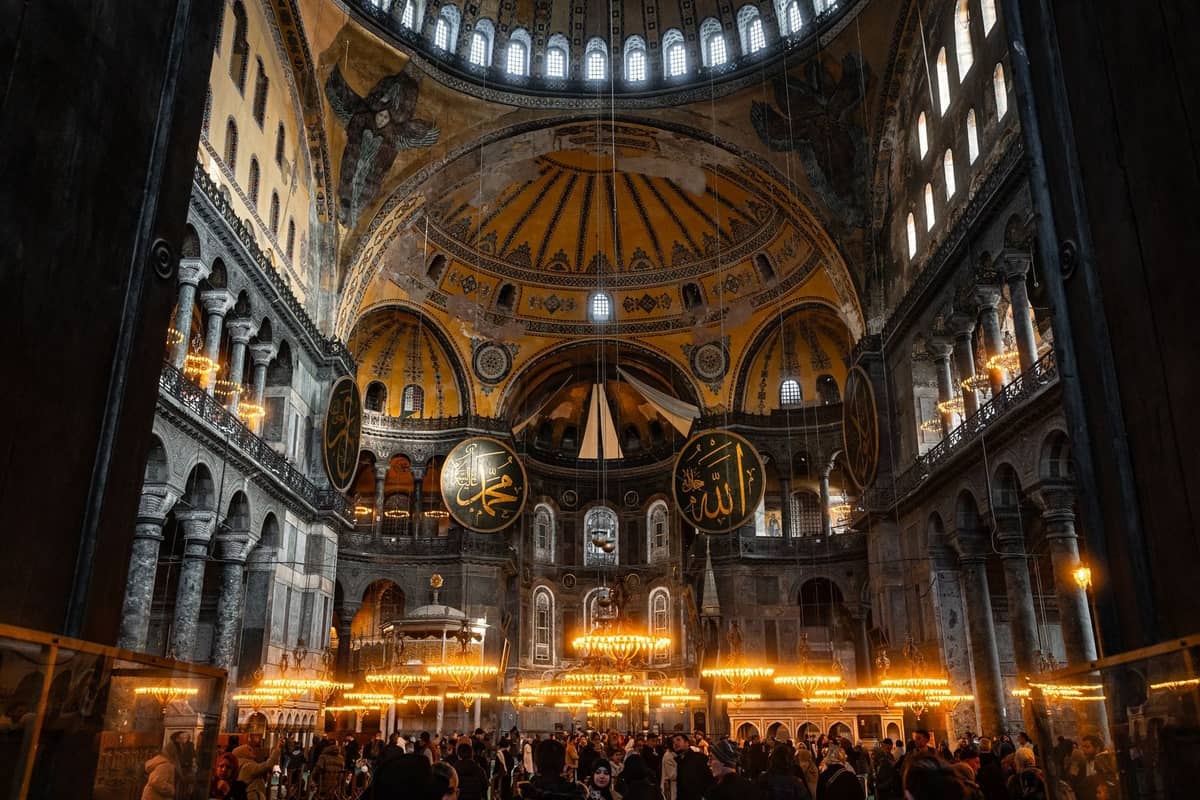
Hagia Sophia introduced an entrance fee for tourist visiting areas (around €30 as of 2026; confirm current pricing). It remains a working mosque, so visiting hours are restricted during prayer times. Winter crowds are dramatically lighter than summer, and the filtered grey light through the windows gives the interior a different, more contemplative quality. Combine it with Little Hagia Sophia nearby, which sees almost no tourist traffic in any season.
For museum days, the Istanbul Archaeology Museums and Istanbul Modern are excellent choices. The latter is especially good on a rainy afternoon, with a waterfront café and a strong collection of 20th-century Turkish art. Check the Istanbul Museum Pass to see if it saves money across the sites you plan to visit.
- Hagia Sophia: open year-round, reduced crowds, verify prayer time restrictions before planning your visit
- Topkapı Palace and Harem: excellent in winter, short queues, bring a layer for the outer courtyards
- Grand Bazaar: open Monday to Saturday (closed Sundays and some public holidays), popular for winter shopping and browsing out of the rain
- Spice Bazaar (Mısır Çarşısı): warm, aromatic, and far less chaotic than in summer
- Basilica Cistern: underground and atmospheric in any season, no weather issues
- Turkish baths (hammams): especially enjoyable in cold weather; popular spots include Çemberlitaş and Süleymaniye hammams
- Galata Tower: views are often dramatic with winter cloud formations, though fog can limit visibility
⚠️ What to skip
Bosphorus cruise schedules are subject to disruption in winter due to fog, rough seas, and high winds. The strait can get genuine whitecaps in January. Book cruises with flexible cancellation policies and have an indoor alternative ready. Short daytime ferries to Üsküdar or Kadıköy are more reliable than longer cruise circuits.
Getting Around Istanbul in Winter
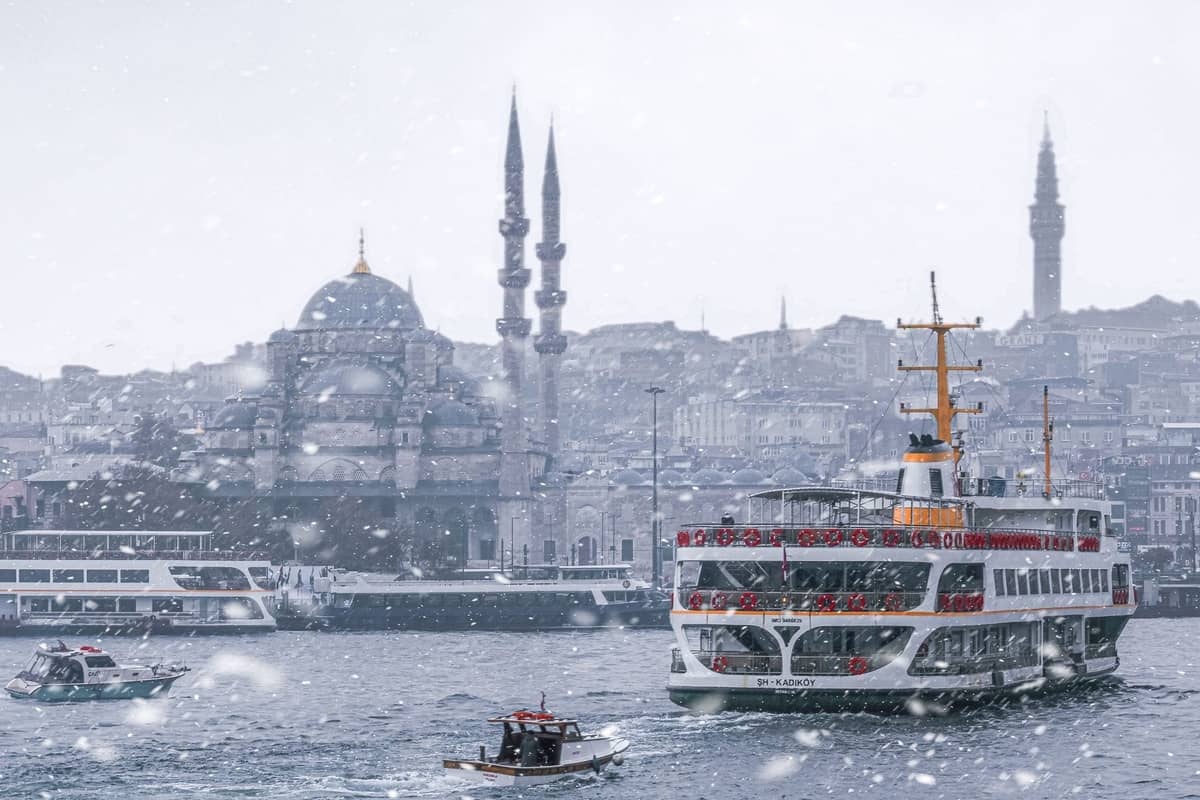
Istanbul's public transport system runs throughout winter with no meaningful reduction in service. The metro, trams, city ferries, and buses all operate normally. Get an Istanbulkart from any major metro station or transport hub on arrival; it covers metro, tram, bus, and most city ferry lines at a lower per-trip cost than single tickets. For a full breakdown of routes and options, the guide to getting around Istanbul covers the network in detail.
The T1 tram line connects Sultanahmet, Eminönü, Karaköy, and Kabataş, covering most of the historic peninsula sights in one route. The historic red tram on İstiklal Avenue runs between Taksim and Tünel and is a practical and characterful way to travel the main pedestrian street. Taxis are metered; use BiTaksi or iTaksi apps to avoid overcharging. Uber operates in coordination with licensed taxis in Istanbul, which gives you another option with upfront pricing.
If you're arriving at Istanbul Airport (IST), the M11 metro line connects to the city network, or you can take Havaist airport buses to Taksim and other central stops. From Sabiha Gökçen (SAW) on the Asian side, the M4 metro connects to Kadıköy (SAW itself is linked to the line by shuttle buses).
Where to Focus Your Time: Neighborhood by Neighborhood
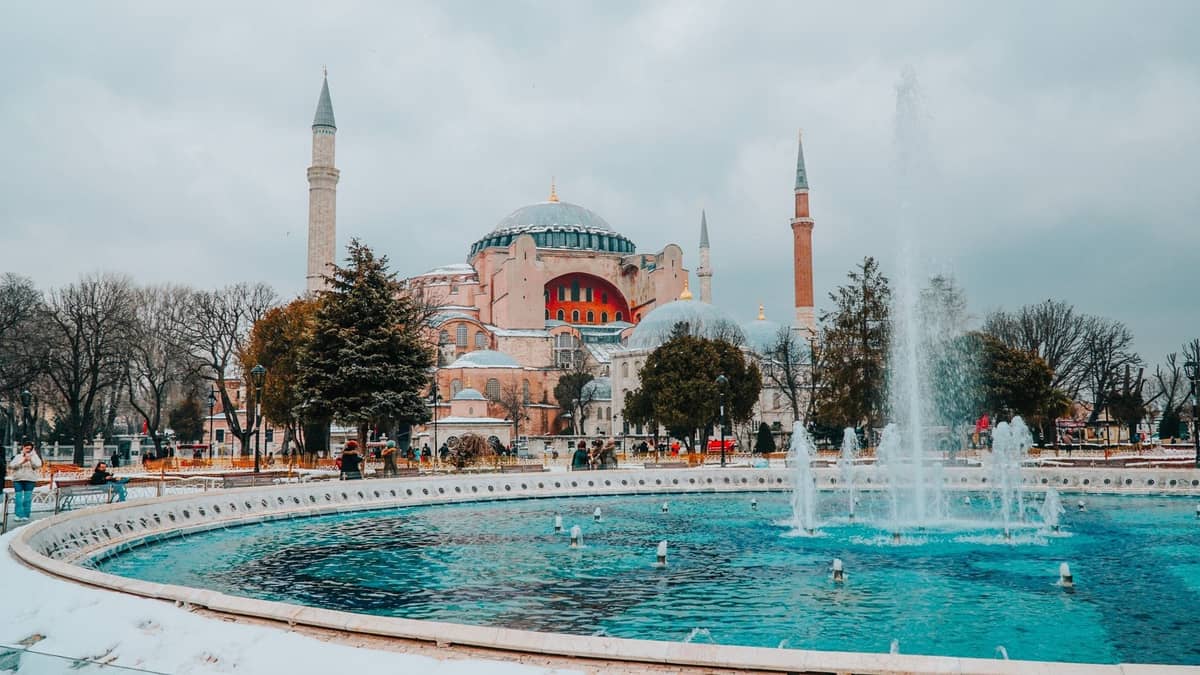
In winter, the Sultanahmet area is the logical base. The concentration of major sites within walking distance means you're not exposed to weather for long between attractions. The Blue Mosque, Hagia Sophia, Topkapı, the Cistern, and the Hippodrome are all within a 15-minute walk of each other. The neighborhood has a good range of hotels and is well served by the T1 tram.
Beyoğlu on the north side of the Golden Horn is worth a day regardless of season. İstiklal Avenue has hundreds of cafés and restaurants that become appealing refuges on cold rainy days. The area around Karaköy and Galata has a dense concentration of good coffee shops, bookstores, and galleries. The Pera Museum and Galata Mevlevi Museum are both compact and rewarding on a winter afternoon.
For a half-day contrast, take the Marmaray rail or a city ferry across to the Asian side. Kadıköy has a lively market, excellent local restaurants, and a different pace from the tourist-heavy European side. In winter the ferry crossing itself, with views of the Bosphorus, minarets, and (occasionally) snow-capped hills, can be the highlight of the day.
Food, Drink, and Staying Warm
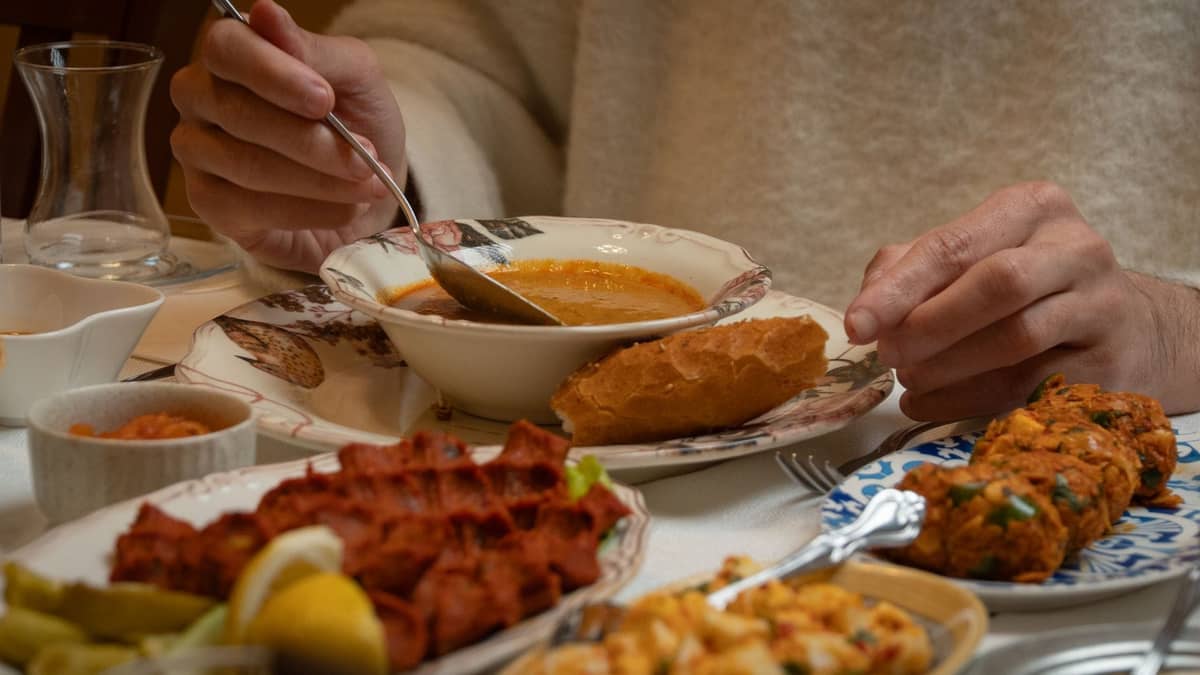
Winter in Istanbul is excellent for eating. The city's food scene operates year-round with no seasonal slowdown, and cold weather makes the heavier dishes appealing. Seek out lentil soup (mercimek çorbası) at any local lokanta, slow-cooked lamb dishes (kuzu tandır), and the winter staple of boza, a fermented grain drink sold by street vendors. For a full picture of what to eat and where, the Istanbul food guide has specific neighborhood recommendations.
Tea (çay) culture becomes practically survival-level in winter. Every neighborhood has çay bahçesi (tea gardens) and small cafés where a glass of Turkish tea costs next to nothing and provides both warmth and a reason to sit down and watch the street. Turkish coffee is another option; it's stronger and slower than tea, more of a ritual than a quick fix. Both are available everywhere from the Grand Bazaar to Kadıköy's market streets.
✨ Pro tip
A hammam visit is particularly good value in winter. The Çemberlitaş Hamamı near the Grand Bazaar and the Süleymaniye Hamamı near the mosque of the same name are both historic and well-run. Budget around 35–70 USD for a basic scrub-and-foam session depending on the establishment and extras. Book ahead for the more popular spots, as they fill up even in winter.
Practical Checklist for a Winter Visit
- Clothing: waterproof outer layer, thermal base layer for January evenings, waterproof boots with grip for cobblestones
- Electronics: keep phone batteries warm; cold weather drains lithium batteries faster than most people expect
- Booking: pre-book Topkapı Palace and Hagia Sophia tickets online to skip any remaining queues
- Mosque visits: cover shoulders and legs, women should bring a headscarf; remove shoes at the entrance
- Electricity: Turkey uses 230V with Type C and F plugs (standard European); US visitors need a voltage converter for older devices
- Tap water: treated and technically safe, but most visitors and locals drink bottled or filtered water
- Emergency number: 112 for ambulance, fire, and police across Turkey
- Tipping: 10% is standard in restaurants; round up taxi fares
FAQ
Is Istanbul worth visiting in winter?
Yes, for the right traveler. If you prioritize shorter queues, lower hotel rates, and serious museum and food experiences over beach weather or rooftop bars, winter delivers. The major sights all operate year-round and are significantly less crowded from mid-January through February. The tradeoff is limited daylight (sunset around 17:00), frequent rain, and wind that can make outdoor time uncomfortable.
Does it snow in Istanbul in winter?
It does snow most years, typically in January and occasionally in February. Istanbul averages around 7 snow days per year, though snowfall in the city center rarely settles for more than a day or two. The surrounding hills get more consistent snow. When it does snow, the city looks extraordinary around the mosques and the Bosphorus waterfront, but some transport can be disrupted temporarily.
What should I pack for Istanbul in winter?
The most important items are a waterproof outer jacket and waterproof boots with grip. The cobblestone streets of Sultanahmet become slippery when wet. Bring thermal base layers for January evenings. A compact umbrella is useful but winds off the Bosphorus make large umbrellas impractical. Layers are key since you'll be moving between cold outdoor spaces and warm, heated interiors constantly.
Are major attractions open in winter in Istanbul?
Yes. Hagia Sophia, Topkapı Palace, the Grand Bazaar, the Spice Bazaar, the Basilica Cistern, and all major museums operate in winter. The Blue Mosque is a working mosque open to visitors outside prayer times year-round. Some outdoor sights like Miniaturk are less appealing in poor weather, but the vast majority of Istanbul's top attractions are indoors or sheltered. Ticket prices and opening hours change periodically, so verify current details before visiting.
How cold does Istanbul get in January and February?
January is the coldest month, with average daytime highs around 7–9°C (45–48°F) and nights that can drop to 2–4°C (36–39°F), occasionally reaching around -4°C (25°F) in cold spells. February warms slightly to 6–10°C (43–50°F) during the day. The wind-chill factor from the Bosphorus and Sea of Marmara makes these temperatures feel several degrees colder, especially near the waterfront. It is cooler than most of Western Europe's Atlantic coast cities in winter, but significantly milder than Central or Eastern Europe.