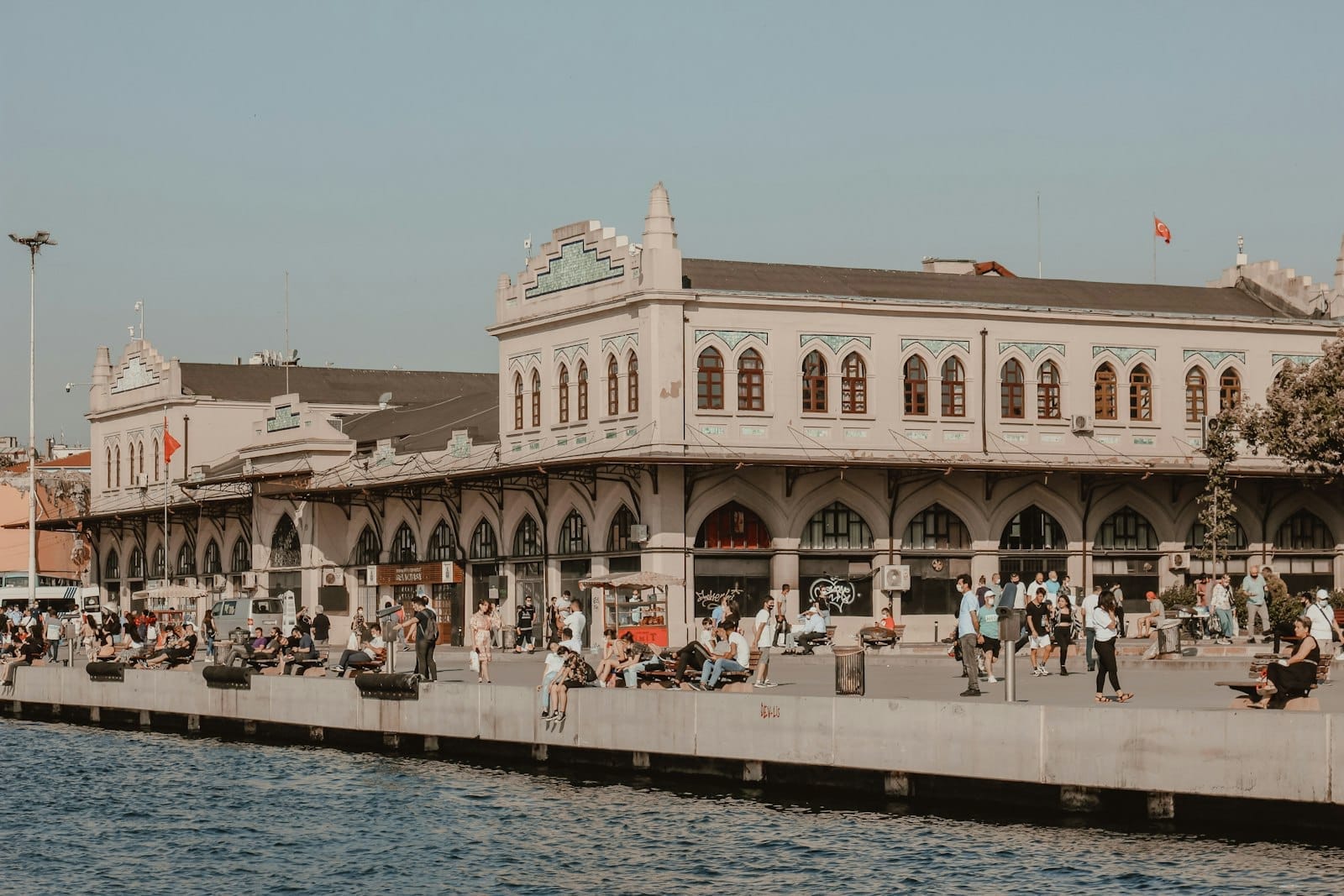
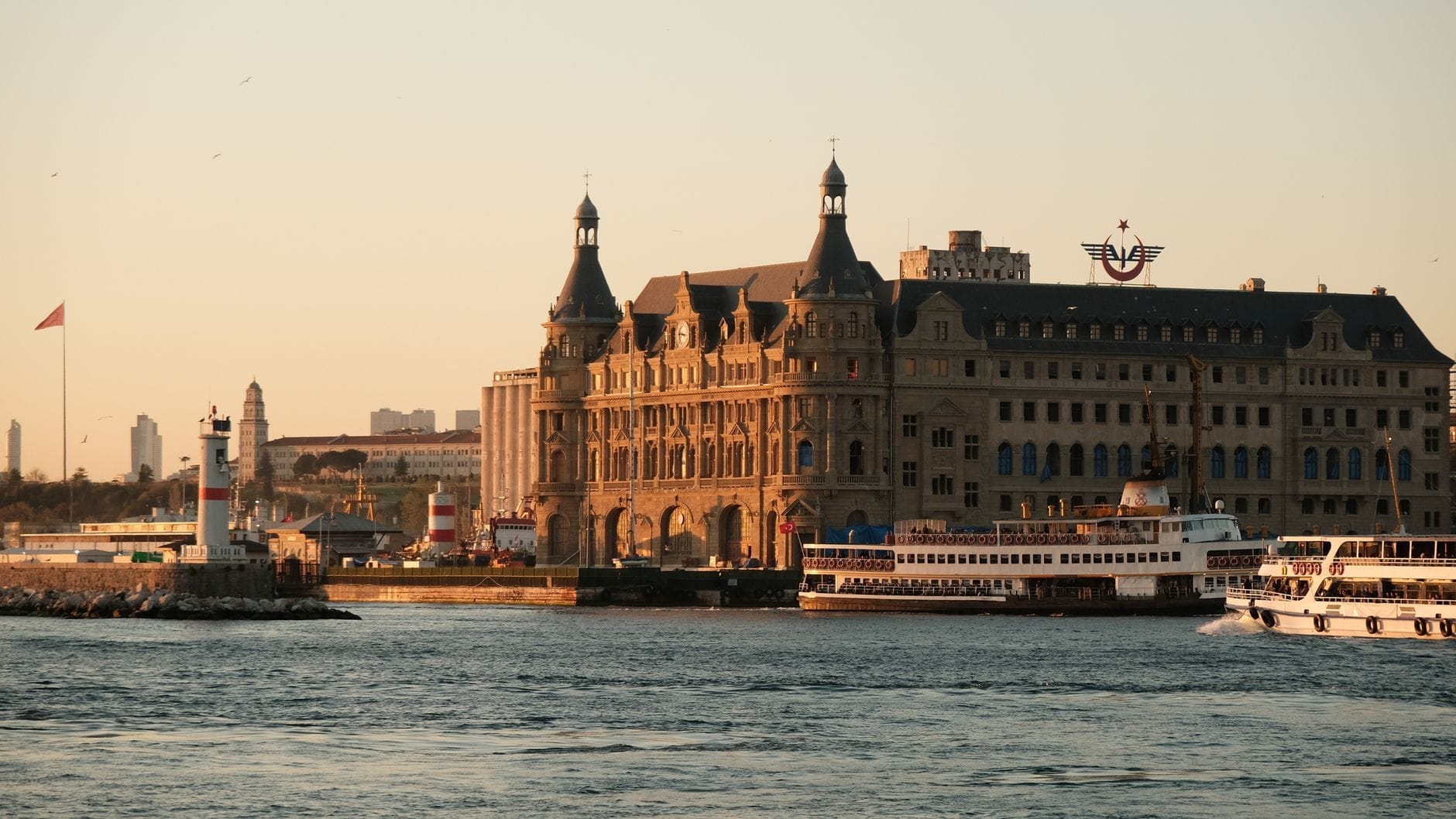
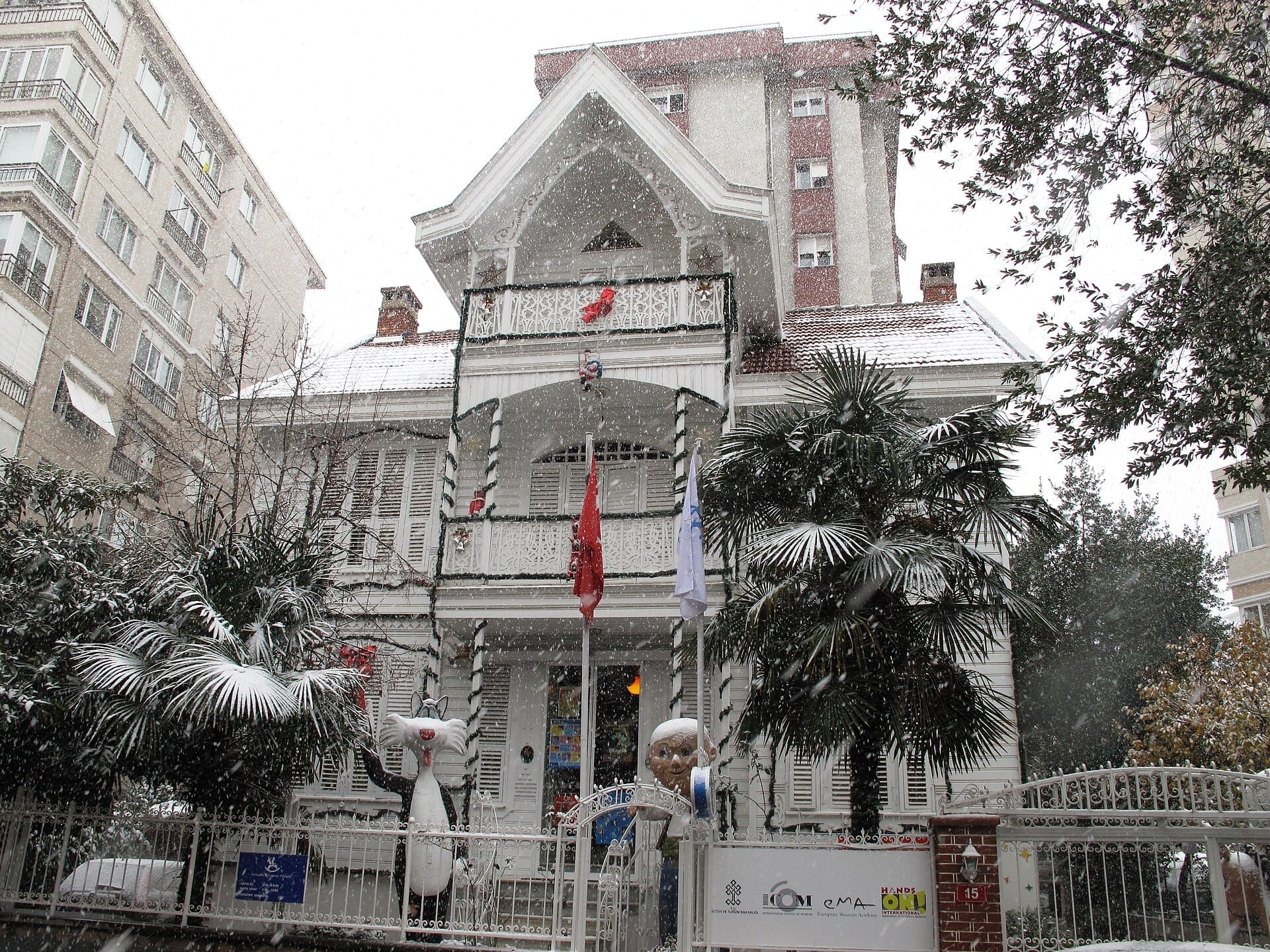
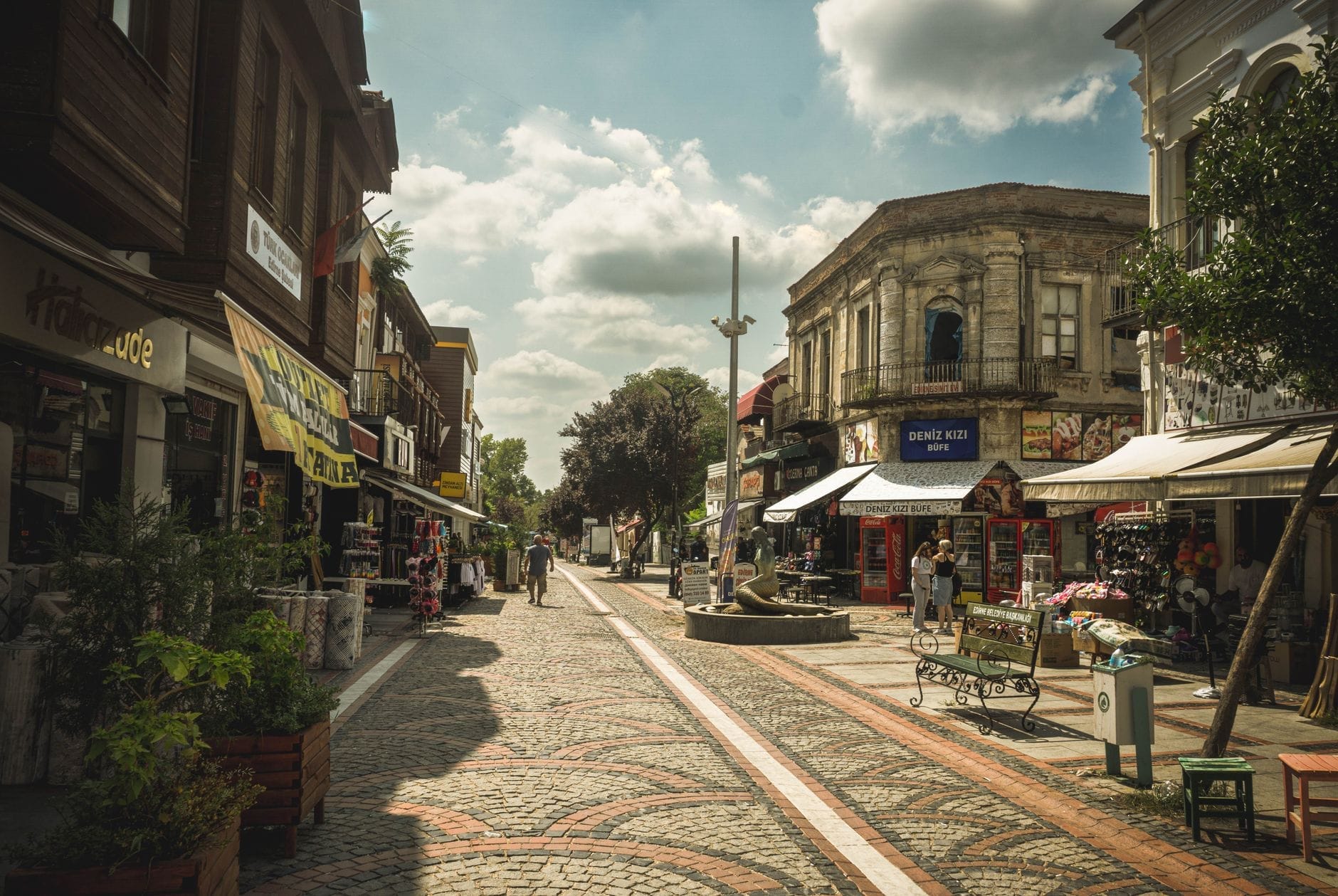
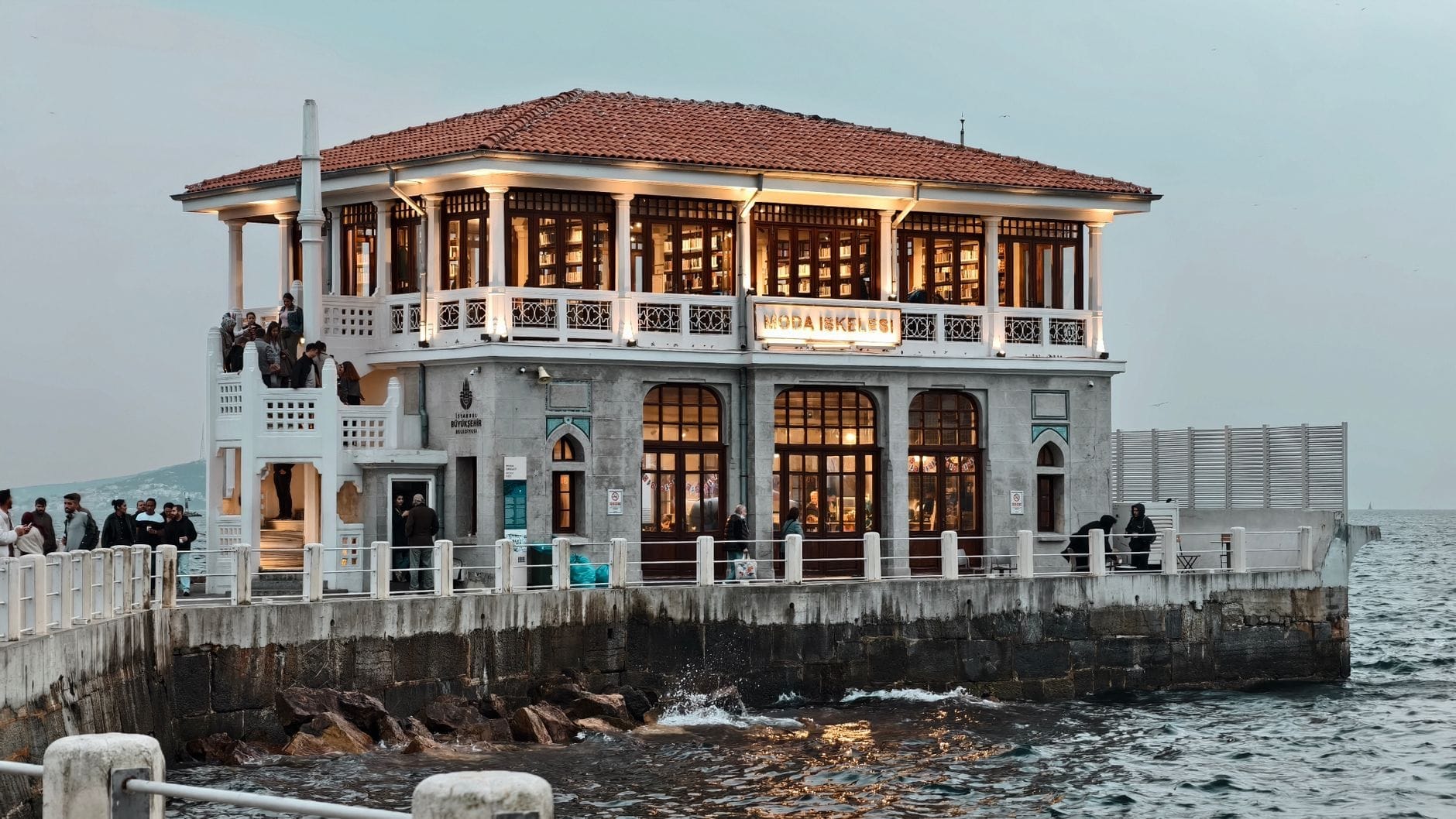
Kadıköy sits on the Asian shore of Istanbul, directly across the Bosphorus from the historic peninsula. It is the city's most self-sufficient neighborhood on the eastern bank: a commercial and cultural center with a fish market, bookshops, bars, and one of Istanbul's best street food scenes, all connected to the European side by a short ferry ride.
Kadıköy is the Asian side of Istanbul at its most confident. Where Üsküdar leans historical and devout, Kadıköy leans secular, young, and unapologetically local, with a market district that rewards slow wandering and a waterfront that makes the ferry crossing feel like arriving somewhere worth arriving.
Orientation
Kadıköy occupies the northern shore of the Sea of Marmara on Istanbul's Asian side, roughly 3 kilometers south of Üsküdar and directly across the Bosphorus from Eminönü and Karaköy. The district covers about 25 square kilometers and holds a population of roughly 468,000, making it one of the denser residential zones on the Asian bank. Its center of gravity for visitors is the area immediately inland from the ferry docks: the çarşı, or market district, which extends through a tightly packed grid of streets between the waterfront and Moda to the south.
The district is bounded by Üsküdar to the northwest, Ataşehir to the northeast, and Maltepe to the southeast. Within that administrative footprint, the character shifts considerably as you move away from the ferry docks. The çarşı and Moda neighborhoods closest to the waterfront are the most visited and the most lively. Further south, Fenerbahçe and Kalamış offer seafront parks and marinas. Further still, Göztepe, Erenköy, Caddebostan, and Bostancı are solidly upper-middle-class residential suburbs, quieter and less interesting for most visitors. Bağdat Caddesi, the famous shopping avenue, cuts through these southern neighborhoods in a long diagonal line parallel to the Marmara coast.
Kadıköy's relationship to the rest of Istanbul is best understood through the ferry. Crossing from Eminönü or Karaköy takes around 20 minutes and delivers you directly to the heart of the district. This connection makes Kadıköy easy to combine with a day on the European side. It also means Kadıköy functions as a gateway to other Asian-side destinations: from here you can reach Üsküdar by metro or bus, and the M4 metro line connects the neighborhood southeast all the way to Sabiha Gökçen Airport.
Character & Atmosphere
The first thing most visitors notice about Kadıköy is that it does not feel like a tourist neighborhood. There are no carpet shops angling for your attention, no restaurant touts, no canned Ottoman architecture staged for photographs. The streets around the ferry docks are genuinely functional: fruit stalls, fishmongers, bakeries selling simit and poğaça, hardware shops wedged between wine bars and second-hand bookstores. It is a neighborhood that exists primarily for the people who live in it, and that quality is exactly what draws visitors looking for a less scripted version of Istanbul.
The rhythms of the day are easy to read from street level. In the morning, the market district is at its most purposeful. By 8am, the fish market off Güneşlibahçe Sokak is operating at full intensity: whole sea bream and bluefish laid out on ice, vendors in rubber aprons calling prices, the sharp salt smell mixing with roasting coffee from nearby cafés. Older residents carry string bags through the produce stalls on Yoğurtçu Park's periphery, a routine that has not changed much in decades. Midday brings office workers and students from the area's universities to the meyhanes and lokantalar for lunch. The afternoon light, particularly in late summer and early autumn, falls golden across the ferry docks and the Marmara, and the tea gardens facing the water fill with people doing very little in a very satisfying way.
After dark, Kadıköy becomes one of Istanbul's more reliable nightlife destinations. The streets around Kadife Sokak, known locally as Barlar Sokağı (Bar Street), concentrate a dense run of live music venues, craft beer bars, and meyhanes that stay open late and attract a mixed crowd of students, young professionals, and a growing number of visitors who have correctly worked out that this strip offers something more authentic than the tourist-facing bars around Taksim. The noise carries, the streets stay crowded past midnight on weekends, and the atmosphere is relaxed without being rowdy.
ℹ️ Good to know
Kadıköy is historically built on the ancient city of Chalcedon (Kalkedon in Turkish), founded by Greek colonists around the 7th century BC. The city predates Constantinople and was described by the Oracle of Delphi as a 'city of the blind' for the founders' failure to see the far superior site across the strait that would eventually become Byzantium.
What to See & Do
Kadıköy does not have a single landmark that anchors visitor itineraries the way Hagia Sophia does in Sultanahmet. Its appeal is cumulative and experiential rather than monumental. The main activity is walking the çarşı: the market district's narrow streets reward unhurried exploration, particularly around the fish market, the herb and spice stalls, and the covered passages selling everything from antique silverware to vinyl records. The area bounded roughly by Muvakkithane Caddesi, Söğütlüçeşme Caddesi, and the waterfront contains most of what makes Kadıköy distinctive, and it is compact enough to cover on foot in a morning.
Moda is the neighborhood directly south of the çarşı, and it has a character of its own: quieter streets lined with early 20th-century apartment buildings, independent cafés, a small art cinema, and a waterfront park at Moda Burnu where locals gather at sunset. The Moda waterfront is one of those local pleasures that most visitors miss entirely, which makes it worth the 15-minute walk from the ferry docks.
Yoğurtçu Park sits in the middle of the market district and functions as Kadıköy's informal living room. On any given afternoon it holds chess players, students with laptops, elderly men reading newspapers, and cats in implausible numbers. Speaking of cats, Kadıköy has a reputation as one of Istanbul's most cat-friendly neighborhoods. If you want to understand the city's particular relationship with its street cats, this is one of the best places to observe it. Our Istanbul cats guide explains the cultural context.
Kadıköy Fish Market (Balık Pazarı): the covered market streets off Güneşlibahçe Sokak, best visited in the morning
Moda Burnu waterfront park: sunset views across the Marmara, popular with locals on weekend afternoons
Yoğurtçu Park: the neighborhood's central green space and social hub
Kadife Sokak (Barlar Sokağı): the main bar and live music street, active from evening onward
Bağdat Caddesi: Istanbul's most famous shopping avenue, running through the southern neighborhoods
Kadıköy ferry pier and waterfront: the social focal point of the district, especially around departure and arrival times
Kadıköy is also a reasonable base for reaching other Asian-side attractions. The Kadıköy market area connects naturally to a day that might include a ferry across to the Maiden's Tower (visible from the waterfront and reachable by a short water taxi from Üsküdar), or a longer trip to the Princes' Islands, with Büyükada ferries departing from the nearby Bostancı pier.
Eating & Drinking
Kadıköy has one of Istanbul's most serious food scenes, and it operates across every price point. The market district is the place to start: balık ekmek (grilled fish sandwiches) served from stalls near the docks, kokoreç carts on the side streets, and the small lokantalar tucked into the covered passages that serve rotating daily menus of stewed vegetables and braised meats for lunch at prices that will seem almost implausibly low. For a broader overview of what to eat across Istanbul, the Istanbul food guide covers regional specialties in depth.
The fish market area and the streets around it concentrate the best mid-range restaurants. Meyhanes, the traditional Turkish taverns serving meze and raki alongside grilled fish and meat, are the social institution of Kadıköy evenings. They vary considerably in quality and atmosphere: the ones on the busier pedestrian streets around the market tend toward the louder and more crowded end; the ones on side streets, particularly toward Moda, are quieter and better for conversation. Raki, the anise-flavored spirit that is the meyhane's defining drink, is typically ordered by the bottle rather than by the glass, and meals can run two to three hours without anyone hurrying you along.
The café scene in Kadıköy and Moda is strong, with a cluster of independent specialty coffee shops that appeared over the last decade and show no sign of thinning out. Moda's streets have a higher concentration of the quieter, more design-conscious options; the çarşı's cafés lean busier and more eclectic. For the meyhane and raki culture specifically, our Istanbul meyhane and raki guide covers what to order and how the ritual works.
💡 Local tip
The best time to visit the fish market is between 8am and 11am on a weekday. Weekends bring significantly more people and slightly higher prices. If you want to eat what you buy, several small restaurants near the market will cook fresh fish for a modest preparation fee.
Kadıköy's street food scene deserves its own mention. Beyond the fish sandwiches and kokoreç, the market area has excellent börek shops, fresh-squeezed pomegranate and orange juice stalls, roasted chestnut vendors in autumn and winter, and multiple places selling çiğ köfte (spiced bulgur rolls) for almost nothing. The Istanbul street food guide has a full rundown of what to look for.
Getting There & Around
The ferry is the most pleasant way to reach Kadıköy from the European side, and most visitors find it the most practical as well. Şehir Hatları ferries depart from Eminönü and Karaköy throughout the day and evening, with a crossing time of approximately 20 minutes. The fare is paid with an Istanbulkart, Istanbul's contactless transit card, which is worth obtaining at any metro station on arrival. The ferry pier at Kadıköy deposits you directly at the edge of the market district, requiring no additional transit.
The M4 metro line runs from Kadıköy station, located a short walk from the ferry pier, southeast through the Asian side toward Sabiha Gökçen Airport, passing major hubs such as Kartal along the way. At Ayrılık Çeşmesi station, one stop from Kadıköy, the M4 connects to the Marmaray commuter rail line, which runs under the Bosphorus and connects to Sirkeci on the European side. This makes the Marmaray a useful alternative to the ferry when the weather is rough or when you are arriving with luggage.
ℹ️ Good to know
Sabiha Gökçen Airport (SAW) is connected to Kadıköy by the M4 metro line. If you are flying into SAW, Kadıköy is a logical first stop and keeps you on the Asian side without the need to cross the Bosphorus immediately on arrival.
Within the neighborhood, almost everything of interest to visitors is walkable. The çarşı, the fish market, Yoğurtçu Park, Kadife Sokak, and the Moda waterfront are all within 20 minutes on foot from the ferry pier. Bağdat Caddesi and the more southerly neighborhoods require a bus, metro, or taxi if you do not want to walk. The streets around the market district are narrow, frequently crowded, and not well-suited to cars, which is an advantage for pedestrians.
Where to Stay
Kadıköy is not the obvious first choice for accommodation if your primary interest is the historic sites of the European side. Sultanahmet, Karaköy, and Beyoğlu all put the city's major monuments within easier walking or tram distance. But Kadıköy is a sensible base for travelers who want a more residential, less tourist-oriented experience of Istanbul, or for those who are primarily focused on the Asian side. For a full comparison of neighborhoods and accommodation types, the where to stay in Istanbul guide covers the trade-offs in detail.
The accommodation stock in Kadıköy tends toward mid-range boutique hotels and apartment rentals rather than the large international chains that dominate parts of the European side. The area immediately around the çarşı and the ferry docks has the best concentration of options and keeps you closest to the neighborhood's energy. Moda is quieter and slightly more residential, which suits travelers who prefer to sleep without the background noise of Kadife Sokak on a Friday night.
⚠️ What to skip
The streets around Kadife Sokak (Barlar Sokağı) are notably noisy on weekend nights. If you are a light sleeper or have an early departure, book accommodation a few streets away from the bar district or ask specifically for a quiet room facing a courtyard or interior.
Kadıköy sits at the midpoint of Istanbul's Asian side, which makes it a reasonable base if you plan to explore both the Asian neighborhoods and cross regularly to the European side by ferry. Travelers combining Kadıköy with day trips to Üsküdar or a Bosphorus excursion will find the ferry pier a natural starting point for both. For visitors using Sabiha Gökçen Airport, the M4 metro connection also removes one logistical complication from the beginning and end of a trip.
Practical Notes
Kadıköy is generally considered one of Istanbul's more relaxed and safe neighborhoods for visitors. Petty theft is the standard urban precaution, particularly in crowded market areas, but the district does not carry any elevated risk classification in major travel advisories. For a broader overview of safety across Istanbul's neighborhoods, the Istanbul safety guide provides practical context.
The neighborhood is predominantly secular in character and dress norms in the çarşı and Moda are similar to any large European city. There are no major mosque complexes in the immediate market area that would require visitors to adjust their dress. English is spoken in most cafés, restaurants, and hotels, though the further you move from the çarşı into residential streets, the more useful a few words of Turkish become.
Kadıköy is at its best in spring and early autumn, when the temperatures are comfortable for walking and the outdoor tea gardens and waterfront spaces fill with people. Summer heat can be intense in July and August, though the Marmara breezes moderate the temperature near the waterfront. For timing your broader Istanbul visit around weather and seasonal events, the best time to visit Istanbul guide has month-by-month detail.
TL;DR
Kadıköy is Istanbul's most complete Asian-side neighborhood: a full market district, a strong food and nightlife scene, and a residential character that makes it feel refreshingly unlaundered as a travel experience.
The ferry connection from Eminönü and Karaköy makes it easy to combine with the European side; the M4 metro link makes it convenient for travelers arriving via Sabiha Gökçen Airport.
Best for travelers who want to experience Istanbul beyond the historic monuments: the çarşı market, meyhane evenings, and the Moda waterfront reward time spent slowly.
Not ideal as a base if Hagia Sophia and Topkapı Palace are your primary focus; the 20-minute ferry crossing adds a logistical layer that compounds over multiple days.
Noise on weekend nights around Kadife Sokak is real; accommodation choice within the neighborhood matters more than it might in quieter districts.
Three days in Istanbul is enough to cover the imperial monuments of Sultanahmet, the 19th-century streets of Beyoğlu and Galata, and a Bosphorus excursion to the Asian side. This itinerary is built around logical geography, practical crowd advice, and practical logistics so you spend your time sightseeing, not backtracking.
Istanbul's skyline is defined by its mosques, and the city's finest range from world-famous Ottoman imperial complexes to exquisite tiled interiors few tourists ever find. This guide covers the best mosques in Istanbul, with practical advice on when to visit, what to look for, and how to plan your route.
Istanbul's museums span 1,500 years of history, from Byzantine treasures and Ottoman palace complexes to cutting-edge contemporary art. This guide covers the essential collections, the underrated finds, and everything you need to plan your visits efficiently.
Istanbul rewards visitors year-round, but the timing of your trip makes a real difference. This guide breaks down every season by weather, crowd levels, prices, and key events so you can choose the window that fits your priorities.
The Bosphorus strait is the reason Istanbul exists, and a cruise across it is one of the city's most rewarding experiences. This guide covers every type of cruise, from the 340 TL public ferry to private yachts, with clear advice on what's worth your money and what isn't.
Istanbul's location makes it one of the best-placed cities in the world for day trips. Within a few hours you can reach car-free Victorian islands, Black Sea beaches, ancient Bosphorus fishing villages, and forested nature parks — many reachable on public transport for just a few dozen lira.
Istanbul's transport network spans metro lines, trams, Bosphorus ferries, buses, and ride-hailing apps across a city of Istanbul's transport network spans metro lines, trams, Bosphorus ferries, buses, and ride-hailing apps across a city of nearly 15.7 million people.. This guide breaks down every option by cost, convenience, and route, so you can move around Istanbul without confusion or overpaying.
Istanbul is safe for most tourists who take standard urban precautions, but it pays to know what risks actually exist. This guide breaks down crime patterns, common scams, neighborhood safety, transport tips, and what official travel advisories really mean for your trip.
Istanbul Airport (IST) is one of the world's busiest aviation hubs, Istanbul Airport (IST) is one of the world's busiest aviation hubs, handling 84.4 million passengers in 2025 from a single integrated terminal.. This guide covers everything from ground transport and terminal layout to transfer tips and common pitfalls, so you arrive prepared.
Most visitors to Istanbul never cross the Bosphorus. That's a serious mistake. Istanbul's Asian side — anchored by Kadıköy and Üsküdar — holds some of the city's best food markets, waterfront views, historic mosques, and neighbourhood character. This guide covers everything you need to cross over and make the most of it.
Istanbul is not a beach city, but it sits within reach of some surprisingly good coastline. This guide covers the best beaches near Istanbul across the Black Sea, the Princes' Islands, and beyond — with straightforward advice on water quality, currents, crowds, and how to get there.
Modern Istanbul sits directly on top of Constantinople, the Byzantine capital for over a thousand years. This guide covers every major surviving structure, from Hagia Sophia to the Theodosian Walls, with practical details on tickets, opening hours, restoration closures, and the smartest routes to follow.
Istanbul is home to an estimated 125,000 or more street cats, treated not as strays but as community animals cherished by residents and visitors alike. This guide covers the history, cultural roots, famous cats, best neighborhoods to find them, and practical tips for cat lovers visiting the city.
Istanbul food is one of the great culinary traditions of the world, shaped by centuries of Ottoman court cooking, Anatolian regional flavors, and street food culture that runs 24 hours a day. This guide covers every essential dish, the best neighborhoods to eat in, practical pricing, and how to avoid the tourist-trap menus.
Istanbul is one of the world's great romantic cities, where Byzantine history, waterfront sunsets, and Ottoman grandeur combine to create unforgettable experiences for couples. This guide covers the best activities, from Bosphorus cruises and Turkish baths to car-free island escapes and candlelit dinners — with practical advice on timing, pricing, and what to skip.
Istanbul rewards those who look beyond Hagia Sophia and the Grand Bazaar. This guide covers 20 lesser-known attractions across both sides of the Bosphorus, from forgotten Byzantine churches and Ottoman fortresses to colorful waterfront villages and hilltop viewpoints that most visitors never reach.
The Historic Peninsula (Tarihi Yarımada) is the oldest and most monument-dense part of Istanbul, encompassing Sultanahmet, Fatih, Eminönü, Süleymaniye, and more. This guide covers every major sight, practical logistics, crowd management strategies, and the cultural context that makes this area one of the most historically significant urban zones on earth.
Spring is one of the best times to visit Istanbul, but April and May are quite different months. This guide covers weather realities, the Tulip Festival, Bosphorus cruises, crowd patterns, and practical planning tips to help you get the most out of a spring visit.
Winter is Istanbul's most underrated season. Menschenmengen thin out, hotel rates drop, and the city's historic skyline looks cinematic under grey skies or a rare dusting of snow. This guide covers exactly what to expect from the weather, which sights are worth it, and how to make the most of the season.
The meyhane is Istanbul's answer to the long, convivial dinner: shared meze plates, anise-scented rakı sipped slowly across hours, and live fasıl music drifting between tables. This guide covers everything from how a meyhane evening works to the best neighborhoods, what things cost, and the customs that separate a confident diner from a confused tourist.
The official Istanbul Museum Pass is a Ministry of Culture product covering 10+ state-run museums for 5 consecutive days. Before you buy, here's what it actually includes, what it misses, how much it costs, and how to calculate if it's worth it for your trip.
Istanbul's after-dark scene spans multiple continents, dozens of neighborhoods, and every budget. This guide breaks down where to go, when to go, how much to spend, and what nobody warns you about before you arrive.
Istanbul rewards budget travelers more than almost any major European-adjacent city, but only if you know where the real costs hide. This guide breaks down daily spending, transport, food, accommodation, and free sights so you can plan honestly and spend wisely.
Seven days is enough time to move beyond the obvious monuments and get a genuine feel for Istanbul — its neighborhoods, its ferries, its food, and its contradictions. This day-by-day itinerary balances the essential sights with practical logistics, clear budget guidance, and the kind of context that makes the difference between ticking boxes and actually understanding this city.
Istanbul served as the heart of the Ottoman Empire for nearly 500 years, and the city still carries that history in stone, tile, and ceremony. This guide covers the essential sites, the historical context behind them, and the practical details you need to visit them well.
Ramadan transforms Istanbul in ways most guidebooks overlook. This guide covers exactly what changes for visitors, which experiences are exclusive to the month, how to navigate iftar crowds, and what the common misconceptions get wrong.
Istanbul is one of the world's great shopping cities, layering 4,000-shop historic bazaars over modern malls and independent boutique streets. This guide covers every major shopping district, what to actually buy, realistic price ranges, and the practical details most guides leave out.
Istanbul rewards mga solo traveler with extraordinary variety: Byzantine monuments, ferry crossings, street food markets, and a public transport network that makes independent exploration easy. This guide covers safety realities, transport logistics, neighborhood choices, and the experiences that work best when you're traveling on your own terms.
Istanbul's street food scene is one of the city's great pleasures, and one of its great equalizers. Locals and visitors eat side by side at the same simit carts and fish sandwich stalls. This guide breaks down the essential dishes, the best neighborhoods to find them, realistic prices, and a few frank warnings about what to avoid.
Cappadocia is roughly 730 km from Istanbul, and getting there involves more planning than most travelers expect. This guide covers every transport option — flights, overnight buses, and the rail myth — with clear breakdowns of time, cost, and what to arrange before you arrive.
Every April, Istanbul plants 20 to 30 million tulips across its parks and public squares for the İstanbul Lale Festivali. This guide covers the best viewing spots, peak bloom timing, how to get there, and what most visitors get wrong about this free, city-wide event.
Istanbul rewards those who look up and out. Whether you want sweeping Bosphorus panoramas, minarets at golden hour, or a cocktail above the Golden Horn, this guide covers the city's finest viewpoints and elevated spots.
Istanbul rewards walkers like few cities on earth. Whether you follow a guided tour through Sultanahmet's ancient monuments or strike out alone along the Bosphorus shore, these are the routes, landmarks, and neighbourhoods that make the best walks in Istanbul unforgettable.
Istanbul's climate surprises most first-time visitors. Winters are cold and wet, summers are warm but rarely scorching, and the best windows for sightseeing are narrower than you'd expect. This guide breaks down every month so you can pack right, plan better, and avoid the most common weather-related mistakes.
The Sema is one of the world's oldest living spiritual rituals, and Istanbul has several places to witness it. This guide breaks down every major venue, current prices, seasonal schedules, and the etiquette you need to know before you go.
Istanbul is far more family-friendly than its reputation as a history-heavy destination suggests. This guide covers the best kid-approved attractions, practical logistics, seasonal advice, and frank assessments of what works — and what doesn't — when visiting Istanbul with children.
Istanbul rewards upscale travelers with a rare combination: imperial architecture, world-class hotels on the Bosphorus, serious fine dining, and private experiences that go far beyond the standard tourist circuit. This guide covers where to stay, what to book, and how to move through the city like an insider.
Istanbul is one of the world's most layered cities, where Byzantine churches sit beside Ottoman mosques, and Asian fishing villages are a ferry ride from European nightlife. This guide cuts through the noise with specific attractions, current prices, neighborhood breakdowns, and the practical warnings that most travel sites skip.
Istanbul's hammams are among the most atmospheric in the world, operating in buildings that have steamed visitors since the Ottoman era. This guide covers what actually happens inside, which hamams are worth the price, what things cost, and how to make the most of the experience without getting overcharged.
Istanbul is a city of distinct neighborhoods, and where you stay shapes everything from your morning commute to your dinner options. This guide breaks down the best areas for first-timers, budget travelers, couples, and anyone who wants more than just a central location.