Istanbul Toy Museum: A Serious Collection in a Quiet Kadıköy Mansion
Housed in a historic multi-storey wooden mansion in Göztepe, the Istanbul Toy Museum displays around 4,000 toys. Founded by poet Sunay Akın and opened on 23 April 2005, it offers a thoughtful, uncrowded alternative to the city's major museums.
Quick Facts
- Location
- Dr. Zeki Zeren Sokağı No: 17, Göztepe, Kadıköy, Istanbul
- Getting There
- Göztepe (Marmaray), then approx. 10–12 min walk
- Time Needed
- 1 to 2 hours
- Cost
- Approx. 420 TL (verify at museum; subject to change)
- Best for
- Families with children, design lovers, nostalgic adults, off-the-beaten-track seekers
- Official website
- istanbuloyuncakmuzesi.com/pages/en
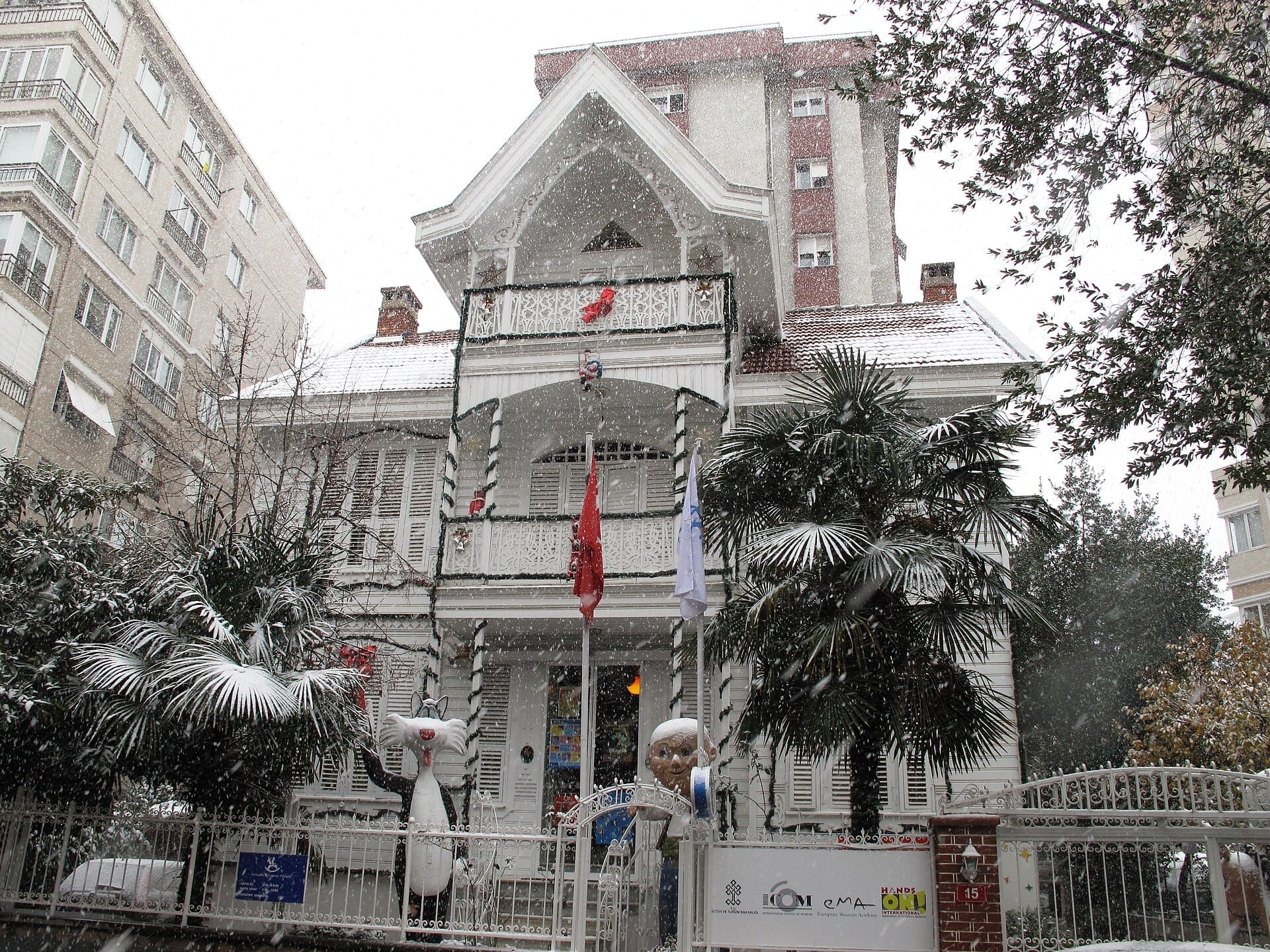
What the Istanbul Toy Museum Actually Is
The Istanbul Toy Museum (İstanbul Oyuncak Müzesi) is a private museum founded by Turkish poet and author Sunay Akın, opened on 23 April 2005, a date that doubles as Turkey's National Sovereignty and Children's Day. That choice of date was not accidental. The museum sits inside a restored wooden mansion in the Göztepe neighborhood of Kadıköy, on the city's Asian side, and displays approximately 4,000 toys.
The collection spans roughly three centuries, from 18th-century European carved figures to mid-20th-century tin cars and celluloid dolls. These are not plastic replicas or reproductions. Many pieces were acquired from European flea markets, estate sales, and private collectors over decades. The result is a museum that reads less like a children's attraction and more like a curated study of material culture and childhood across time.
ℹ️ Good to know
The museum is closed on Mondays. Tuesday to Friday hours are 10:00–18:00; Saturday and Sunday 10:00–18:30. Always confirm on the official website before visiting, as hours can change around public holidays.
The Building and the Approach
Getting to the museum is itself a gentle introduction to a quieter, residential slice of Istanbul that most visitors never reach. The walk from Göztepe Marmaray station takes around 10 to 12 minutes through streets lined with plane trees and modest apartment buildings. The neighborhood has none of the noise or density of Sultanahmet or Kadıköy's main market streets. You hear birds, the occasional passing bus, and the low hum of a residential area going about its day.
The museum building itself is a traditional late-Ottoman wooden mansion, painted in warm tones with ornamental window frames. It stands out immediately against the more modern structures around it. The garden at the entrance has a few playful sculptures and display pieces, which function as a soft preview of what waits inside. On weekday mornings, the garden is almost always quiet. On weekend afternoons, small family groups tend to gather near the entrance.
The Göztepe area sits comfortably within the broader Kadıköy district, which is worth exploring before or after the museum. The local café culture and food scene here are authentic and unhurried compared to the tourist-facing venues on the European side.
Tickets & tours
Hand-picked options from our booking partner. Prices are indicative; availability and final rates are confirmed when you complete your booking.
Istanbul and Bosphorus cruise on private boat - half day afternoon tour
From 40 €Instant confirmationFree cancellationThe tour of Golden Horn and Miniaturk Park tour in Istanbul
From 50 €Free cancellationIstanbul dinner cruise with Turkish night show
From 35 €Instant confirmationFree cancellationDolmabahce Palace and Two Continents tour
From 50 €Instant confirmationFree cancellation
Moving Through Four Floors of Childhood History
The museum's collection is spread across four floors of the mansion. Each room is organized thematically or by era, with toys grouped inside glass cases or displayed on open shelves. The lighting is warm and deliberate, giving rooms a slightly theatrical quality. The wooden floorboards creak softly underfoot, which fits the material on display more than polished gallery floors ever could.
The older sections of the collection, covering 18th and 19th-century European toys, are the most arresting. Porcelain-faced dolls with glass eyes, clockwork automata, hand-painted tin soldiers, and elaborate Victorian doll houses occupy these rooms. The craftsmanship reflects both the wealth of the families that originally owned them and the artisanal industries that made them, primarily in Germany, France, and England, before mass production changed the industry entirely.
As you move through the floors, the materials shift: tin and cast iron give way to bakelite and celluloid, then eventually to the die-cast metal cars and plastic figures of the post-war decades. The progression is natural and informative without being rigidly academic. Labeling is present in both Turkish and English, though not every item carries a detailed description.
💡 Local tip
Take your time on the upper floors, which tend to be less crowded than the ground level. Some of the most unusual pieces, including early mechanical toys and rare tin lithograph items, are displayed on the top floor.
Accessibility and Practical Realities
The historic building structure means the museum is spread across multiple floors connected by stairs. There is no confirmed information about elevator or step-free access. Visitors with mobility impairments or those traveling with large prams should contact the museum directly before visiting to understand what is accessible. The narrow staircases of a 19th-century wooden mansion were not designed with modern accessibility standards in mind.
The entrance fee is approximately 420 Turkish lira, though this figure should be verified directly at the museum, as prices have been subject to change in line with Turkey's broader economic environment. The Istanbul Museum Pass does not cover this private museum, so budget separately.
If you are combining a visit with other Istanbul museums, it is worth checking the Istanbul Museum Pass guide to plan your itinerary, since state museums covered by the pass tend to cluster on the European side.
When to Visit and How Menschenmengen Behave
This museum does not attract the volume of visitors that places like Topkapı Palace or the Basilica Cistern see. On weekday mornings, particularly Tuesday through Thursday, the rooms are often nearly empty, which allows a unhurried experience. Weekend afternoons, especially Saturdays, bring more families with young children, and the ground floor rooms can feel noticeably more active, though never overcrowded by Istanbul standards.
The museum experience is not significantly affected by weather, since it is entirely indoors. However, the walk from Göztepe station is exposed, so a light umbrella or rain jacket is sensible during Istanbul's wetter months from November through February. Spring and autumn visits align well with comfortable walking conditions in the neighborhood.
If you are visiting Istanbul in spring, the Kadıköy area is particularly pleasant. See the Istanbul in spring guide for timing tips and what else is worth combining with an Asian-side day.
Who This Museum is Actually For
Adults with an interest in design history, material culture, or European decorative arts from the 18th and 19th centuries will find this museum genuinely rewarding. The collection offers real depth for anyone curious about how childhood and play have been constructed across different societies and time periods.
Families with children between roughly 5 and 12 years old are well suited to this visit. Young children respond strongly to the visual variety and scale of older toys, particularly the mechanical pieces and elaborate doll houses. The museum is not interactive in the hands-on sense, so very young children may lose interest after one floor.
Visitors who want a break from monumental historical sightseeing will appreciate the scale and pace here. It takes one to two hours at a relaxed pace, and it slots naturally into a broader Kadıköy afternoon that might include the market, the waterfront, or the neighborhood's café scene.
Travelers who are only in Istanbul for a day or two and are primarily focused on major Byzantine or Ottoman monuments should probably save this for a return visit. The museum is rewarding but not in the same category of historical significance as Hagia Sophia or Topkapı Palace. It suits a longer itinerary where the Asian side gets proper attention.
If you are building a full-day Asian-side itinerary, the Istanbul Asian side guide covers the Kadıköy neighborhood alongside Üsküdar and the Bosphorus waterfront.
Photography and Quiet Pleasures
The interior of the mansion is photogenic in a subtle way. The combination of warm display lighting, aged wooden frames, and glass-case reflections creates interesting compositional challenges. A phone camera handles the ambient light reasonably well in most rooms, though a few of the deeper cases may require patience to avoid glare.
The garden and exterior of the building photograph well in morning light when shadows from the surrounding trees fall softly across the facade. If you arrive when the museum opens at 10:00, you will often have the entrance area entirely to yourself.
💡 Local tip
For the best light inside the museum, visit on a bright morning. The upper floor rooms receive more natural light from upper-storey windows, making them easier to photograph without flash.
Insider Tips
- Visit on a Tuesday or Wednesday morning for the emptiest rooms. Weekend afternoons are the most visited, particularly when Istanbul schools are on holiday.
- The neighborhood around the museum in Göztepe has several small traditional tea houses and bakeries. Build in time to walk the surrounding streets before or after your visit.
- The museum was founded by Sunay Akın, one of Turkey's most widely read poets. If you read Turkish, his personal notes and curatorial choices visible throughout the museum take on added depth knowing the collection is a poet's lifework.
- The Istanbul Museum Pass does not include this museum. Pay separately at the entrance and confirm the current price, since admission costs have changed over time.
- If you are traveling with children who are interested in a specific toy type, check the museum's website or contact them ahead of time. Staff are generally happy to help visitors find particular sections of the collection.
Who Is Istanbul Toy Museum For?
- Families with children aged 5 and above looking for a calm, visually rich indoor experience
- Adults interested in design history, decorative arts, and material culture from the 18th century onward
- Travelers spending a full day on Istanbul's Asian side who want a thoughtful counterpoint to outdoor sightseeing
- Anyone seeking a quiet museum visit with no crowds and space to look carefully
- Photographers interested in interiors, atmospheric lighting, and period objects
Nearby Attractions
Other things to see while in Kadıköy:
- Haydarpaşa Train Station
Haydarpaşa Railway Station is a 1908 German neo-baroque masterpiece standing at the point where the Bosphorus meets the Sea of Marmara. Currently undergoing extensive restoration with reopening expected in late 2026 or early 2027, it remains one of the most architecturally striking buildings in Istanbul, as well as a pilgrimage site for anyone interested in the city's Ottoman and early-Republic history.
- Kadıköy Market District
Kadıköy Çarşısı is a sprawling, walkable market district on Istanbul's Asian shore, packed with fishmongers, spice vendors, greengrocers, patisseries, and meyhanes. Free to explore, reached by ferry in minutes from the European side, and far less crowded than the Grand Bazaar.
- Moda Waterfront
Moda Waterfront (Moda Sahili) is a free public promenade on Istanbul's Asian shore, winding past the restored 1917 Moda Pier, rocky coves, and tea gardens overlooking the Sea of Marmara. Unlike the historic peninsula's monument-heavy tourism, this is where local Istanbulites actually spend their mornings and evenings.