Luxury Istanbul: The Ultimate Upscale Travel Guide
Istanbul rewards upscale travelers with a rare combination: imperial architecture, world-class hotels on the Bosphorus, serious fine dining, and private experiences that go far beyond the standard tourist circuit. This guide covers where to stay, what to book, and how to move through the city like an insider.
Plan and book this trip
Tools from our partner Travelpayouts help you compare flights and hotels. If you book through them, we may earn a commission at no extra cost to you.
Flights
Hotels map
TL;DR
- Palace hotels like Çırağan Palace Kempinski and Four Seasons Bosphorus start around €595 per night in shoulder season and deliver genuine waterfront drama.
- Nişantaşı is Istanbul's true luxury shopping district — not Sultanahmet. Pair it with Beyoğlu's upscale dining scene for a complete picture.
- Private Bosphorus yacht charters start at roughly €249 per hour — a significant step up from the mass-market cruise boats, and worth it.
- Spring (April–June) and autumn (September–October) are the best seasons for luxury travel: mild weather, full hotel availability, and comfortable Bosphorus cruising conditions.
- Private drivers and chauffeured transfers are the norm in high-end Istanbul itineraries — the city's traffic makes ad-hoc taxis impractical for tight schedules.
Why Istanbul Works as a Luxury Destination
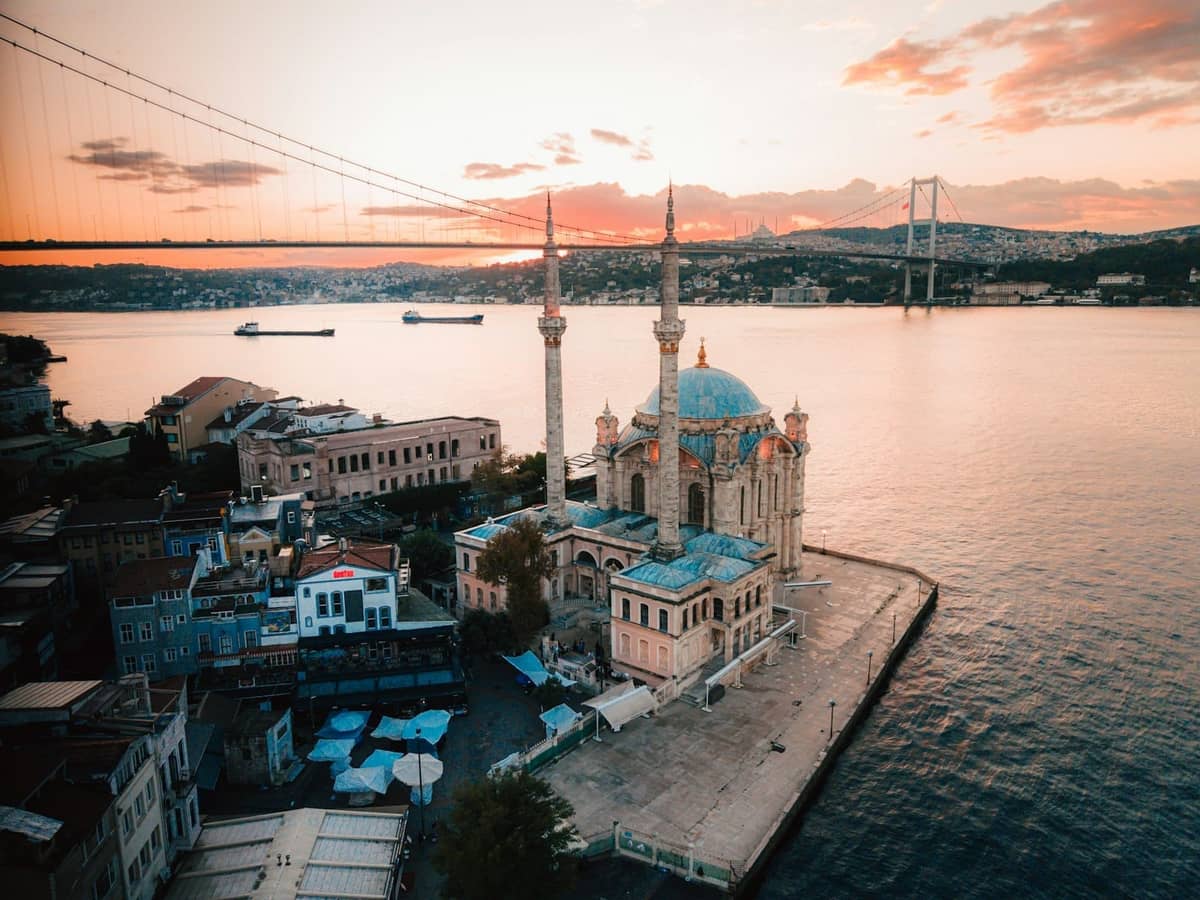
Istanbul occupies an unusual position in the luxury travel market. It offers imperial-scale architecture, a waterway that doubles as a scenic backdrop for some of the world's most dramatically situated hotels, and a culinary scene that has matured considerably over the past decade. At the same time, the Turkish lira's long-term weakness against the euro and dollar means that five-star experiences here often cost noticeably less than equivalent properties in Paris, Dubai, or Hong Kong. That combination is difficult to replicate anywhere else.
The city served as the capital of three successive empires — Roman, Byzantine, and Ottoman — and that layered history gives luxury tourism here genuine substance. A private guided tour of Topkapı Palace with an expert historian is a fundamentally different experience from the same tour in a European capital with no comparable depth. The Hagia Sophia, the Basilica Cistern, and the palace complexes along the Bosphorus all benefit enormously from having an informed guide to decode what you're seeing.
ℹ️ Good to know
Istanbul is Turkey's largest city with about 16 million residents, but the luxury traveler's Istanbul is a much smaller geography: the Bosphorus shoreline between Beşiktaş and Ortaköy, the Sultanahmet peninsula, Nişantaşı, and Karaköy. You can cover this circuit comfortably without ever engaging with the city's more chaotic outer districts.
Where to Stay: The Best Luxury Hotels in Istanbul
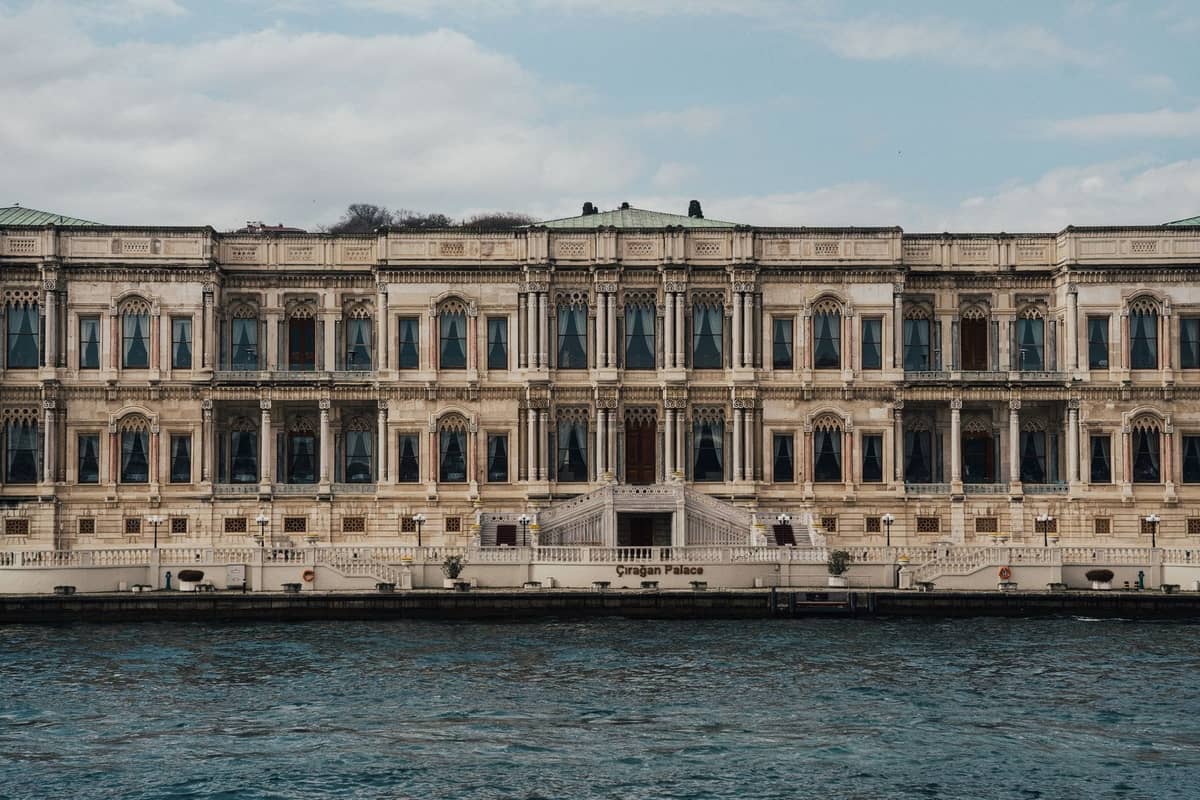
Istanbul's top tier of hotels divides into two categories: the Bosphorus palace properties, which deliver unmatched waterfront settings and converted imperial architecture; and the Sultanahmet boutique hotels, which place you within walking distance of the historic monuments. The choice depends on what you're optimizing for. Views and atmosphere favor the Bosphorus. Convenience for sightseeing favors Sultanahmet.
- Çırağan Palace Kempinski A converted 19th-century Ottoman palace on the European Bosphorus shore. The palace wing suites are among the most architecturally significant hotel rooms in the city. Outdoor infinity pool directly overlooking the strait. Rates vary significantly by season; book well in advance for the palace wing.
- Four Seasons Istanbul at the Bosphorus Set in a former Ottoman mansion in Beşiktaş, with a strong spa offering and waterfront terrace dining. Rooms from around €295 per night in low-to-shoulder season. The Bosphorus property is distinct from the Four Seasons at Sultanahmet — both are excellent, with different characters.
- Mandarin Oriental Bosphorus More contemporary in aesthetic than Çırağan, with a well-regarded spa and private beach. Favored by travelers who want high-design interiors alongside the Bosphorus setting.
- Swissôtel The Bosphorus Positioned in Beşiktaş with panoramic city and water views. The larger room inventory means it's sometimes more available during peak periods than the smaller palace properties.
- Four Seasons Istanbul at Sultanahmet Housed in a converted 19th-century prison, steps from the Blue Mosque and Hagia Sophia. Smaller and more intimate than the Bosphorus property. The best choice if you want to walk to the major monuments without organizing transport.
⚠️ What to skip
Several mid-range hotels in Sultanahmet market themselves aggressively as 'luxury boutique' properties with rooftop Bosphorus views. In reality, many offer limited services and small rooms. If you're paying luxury prices, stick to the internationally recognized brands or vet independent properties carefully through verified reviews. The label 'five-star' is applied inconsistently in Turkey's hotel classification system.
Private Experiences Worth the Premium
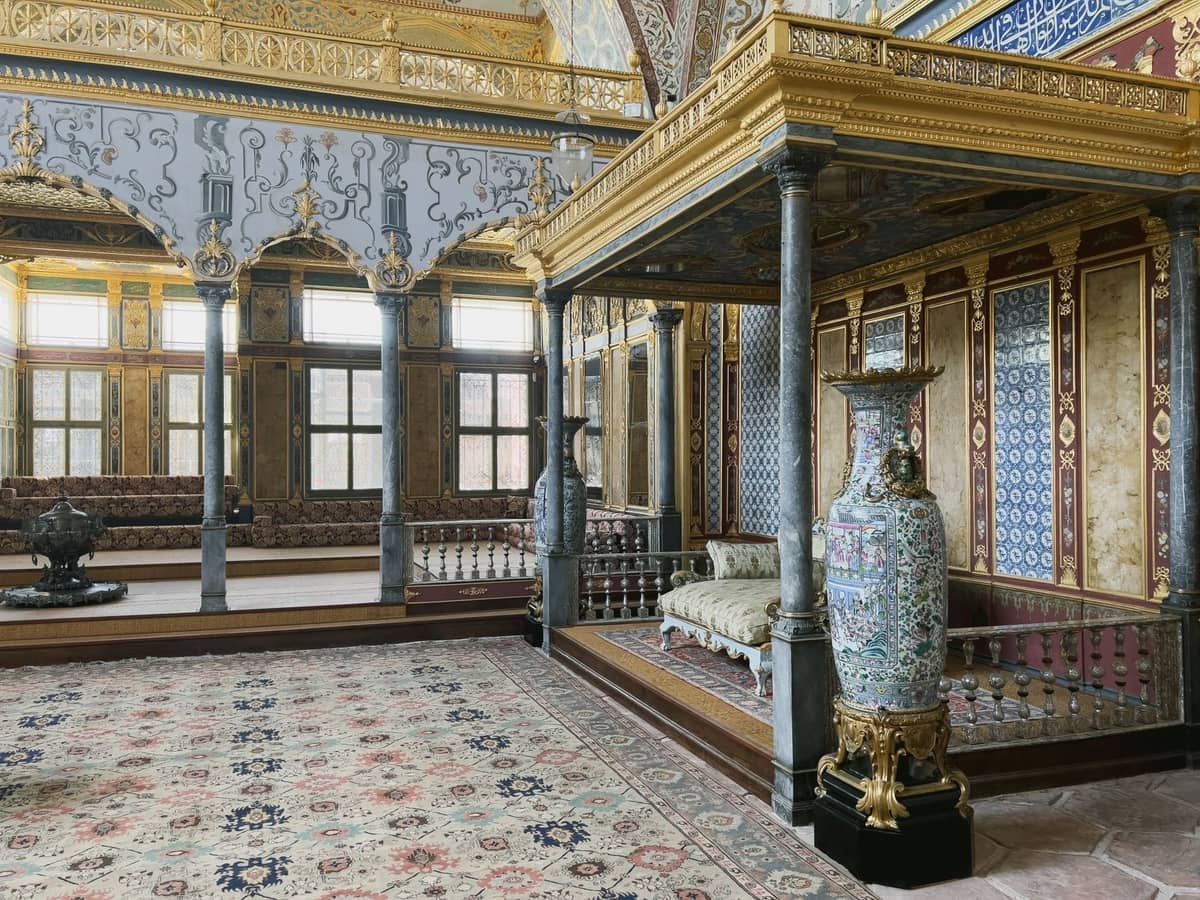
The gap between a standard tour and a private experience in Istanbul is wider than in most cities, because the depth of history here rewards genuine expertise. A shared group tour of Topkapı Palace covers the basics; a private tour with a specialist who can speak to the political dynamics of the Ottoman harem, the provenance of specific artifacts, and the architectural evolution of the complex across three centuries is an entirely different proposition. Budget roughly €215 per person for a full-day private tour with a dedicated driver, based on two guests traveling together.
Bosphorus yacht charters are the defining luxury experience that Istanbul offers that no other European city can match. Private charters typically start at around €249 per hour with a minimum of two hours, accommodating up to twelve passengers. Routes can be customized: northward toward the Rumeli Fortress and the Black Sea entrance, or southward past Dolmabahçe Palace and into the Sea of Marmara. Sunset departures from mid-May through September are particularly spectacular, and several operators offer onboard catering with Turkish mezze and wine.
- Fast-track entry tickets for Topkapı Palace and the Basilica Cistern are available through licensed tour operators and reduce wait times significantly in peak season (April–June, September).
- Private Turkish bath (hamam) sessions at historic bathhouses such as Çemberlitaş Hamamı or Ayasofya Hürrem Sultan Hamamı can be reserved for exclusive use with advance booking.
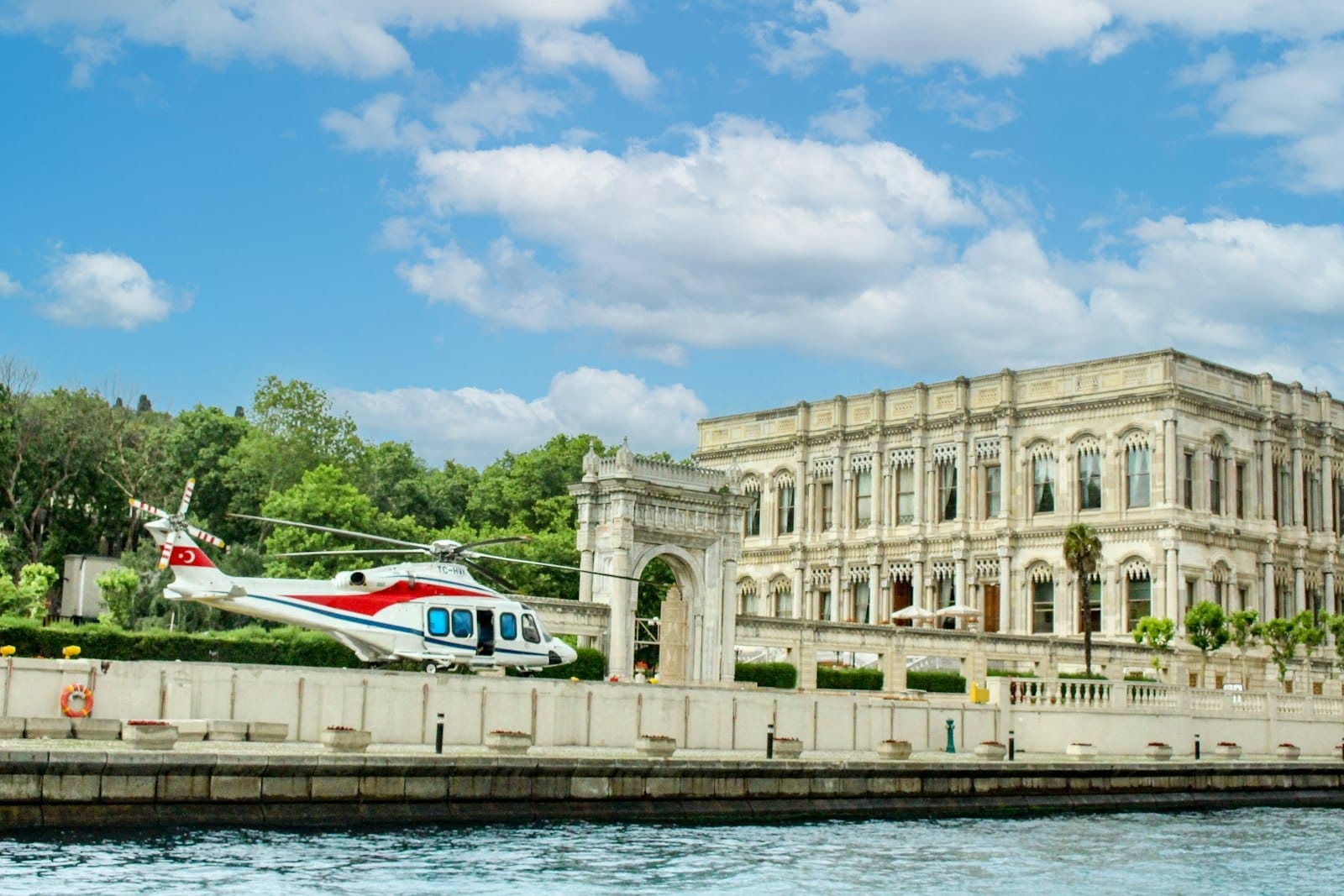
- Helicopter transfers between Istanbul Airport and the city center exist as an option for ultra-premium travelers — verify current availability with specialized operators, as schedules vary.
- Curated cooking classes in private settings, focusing on Ottoman cuisine techniques and meze preparation, are offered by several high-end hospitality operators in the city.
- Private whirling dervish ceremony viewings in intimate settings go well beyond the standard public performances — worth seeking out through specialized cultural tour operators.
Upscale Dining and Neighborhoods
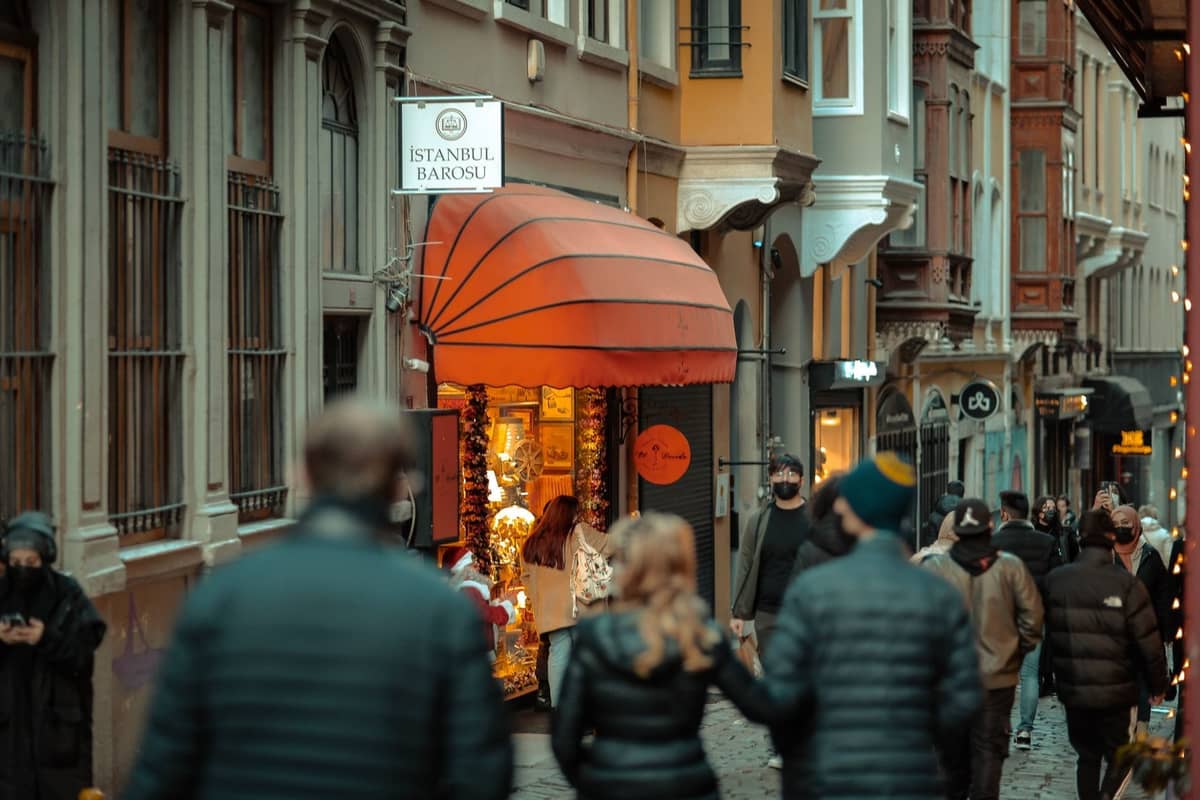
Istanbul's serious dining scene is concentrated in a few specific areas. Nişantaşı is the closest equivalent to a luxury arrondissement: tree-lined streets with Turkish designer boutiques, international fashion brands, and a cluster of refined restaurants that attract a cosmopolitan local clientele. This is where you'll find Istanbul's well-traveled upper-middle class eating and shopping, rather than in the tourist-heavy streets around Sultanahmet.
For fine dining with atmosphere, the Bosphorus-front restaurants in Beşiktaş and Ortaköy deliver both quality food and serious views. Several of Istanbul's most acclaimed restaurants — specializing in modern Turkish cuisine with contemporary plating — operate in this corridor. Reservations are essential at the top tables, particularly on weekend evenings from April through October. Karaköy has also emerged as a credible dining and gallery district, with a more understated, design-conscious energy than the louder parts of Beyoğlu.
✨ Pro tip
For a local luxury evening, book a table at one of the traditional meyhane restaurants in Beyoğlu for a long raki-and-meze dinner. These aren't tourist operations — they're where Istanbul's professional class marks important occasions. The experience is unhurried, convivial, and far more representative of high-end local culture than a hotel dinner. Prices are moderate by Western standards even at the best tables.
Istanbul's food culture rewards slow exploration. The Istanbul food scene spans everything from neighborhood kebab specialists to multi-course tasting menus drawing on Ottoman culinary archives. For upscale travelers, the most memorable meals are often not at the most expensive restaurants, but at well-chosen mid-tier spots where the cooking is straightforward and the ingredients are treated seriously.
Getting Around as a Luxury Traveler
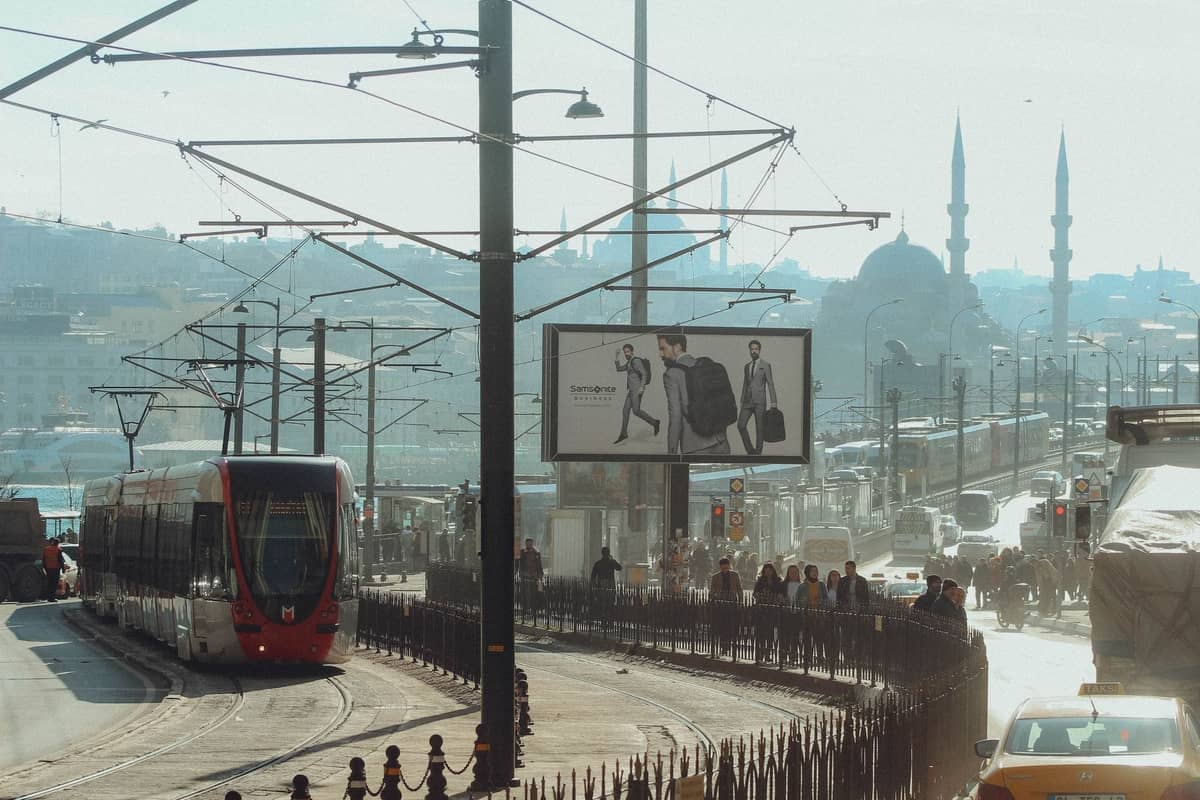
Istanbul's public transport system is genuinely good: the metro network covers both the European and Asian sides, the T1 tram runs directly through Sultanahmet and across the Galata Bridge, and the Marmaray commuter rail connects the two continents under the Bosphorus. The Istanbulkart smart card works across most of these systems and costs very little per journey. For travelers on a mixed itinerary, it's worth having one loaded for spontaneous use.
That said, luxury itineraries almost universally involve a private driver or chauffeured vehicle, for practical reasons. Istanbul's traffic, particularly around the historic peninsula and the Bosphorus shore road, can be severe during morning and evening peak hours. A driver who knows the city's alternative routes, can wait while you're inside an attraction, and can coordinate with restaurant reservations is worth the cost. Premium transfers from Istanbul Airport (IST) via BMW 5-series or similar executive vehicles run around €95 each way. For full details on airport options, see the Istanbul Airport transport guide.
The Bosphorus ferries operated by Şehir Hatları are one of Istanbul's great pleasures and are available to everyone regardless of budget. For a luxury itinerary, the scheduled ferry from Eminönü or Karaköy across to Üsküdar or down to the Princes' Islands provides some of the best waterway views in the city at minimal cost. Upgrading to a private yacht charter for a full evening or day excursion is a different proposition, but the public ferries are not something to skip on principle.
Practical Essentials for Upscale Visitors
Turkey uses the Turkish lira (TRY), and most luxury hotels, upscale restaurants, and tour operators will quote prices in euros or dollars given the lira's volatility. High-end establishments accept major international credit cards without issue. For cash, ATMs are widely available. Tipping is customary: around 10% in restaurants is standard in the better Istanbul establishments, though at hotel restaurants the bill may already include a service charge — check before adding.
Istanbul operates on Turkey Time (UTC+3) year-round, with no daylight saving adjustments. The best months for a luxury visit align with general travel advice: April through June and September through October offer mild temperatures (12–21°C in spring, 16–25°C in autumn), manageable crowds compared to August, and the most comfortable conditions for outdoor Bosphorus dining and boat excursions. July and August are hot (up to 29°C), very crowded, and push hotel rates to their annual peak. Winter visits (December–February) offer significantly lower hotel rates and dramatic, atmospheric city photography, but outdoor terrace dining is largely off the table.
- Electricity: 230V, 50Hz with Type C and F plugs (Europlug/Schuko). Most luxury hotels provide universal adapters on request.
- Visa: Many nationalities can obtain a Turkish e-visa online before travel. Check the official e-visa portal (evisa.gov.tr) for current requirements — rules change periodically.
- Emergency number: 112 covers ambulance, police, and fire across Turkey.
- Language: Turkish is the official language, but English is widely spoken in luxury hotel and restaurant settings. In more local neighborhoods, basic Turkish phrases are appreciated.
- Dress: Istanbul is a cosmopolitan city and dress norms in upscale areas are relaxed. Mosque visits require covered shoulders, legs, and head coverings for women — most sites provide wraps at the entrance.
- Tap water: Treated to national standards, but bottled water is widely recommended for visitors and universally available.
💡 Local tip
Book your Istanbul Museum Pass before arrival if you plan to visit multiple major sites. It covers Topkapı Palace, the Archaeology Museums, and several other key attractions, and allows skip-the-ticket-line entry at participating venues. For luxury travelers, pairing the pass with a private guide who can be hired separately gives you the best of both: cost-efficient entry and expert interpretation. See the full breakdown in the Istanbul Museum Pass guide.
FAQ
What is the best luxury hotel in Istanbul with Bosphorus views?
Çırağan Palace Kempinski is the most architecturally dramatic option, occupying an actual Ottoman palace on the European Bosphorus shore. For a more contemporary experience with comparable views, the Mandarin Oriental Bosphorus and Four Seasons Istanbul at the Bosphorus are both excellent. All three deliver genuine waterfront access, not just distant views from upper floors.
Is Istanbul an expensive destination for luxury travel?
Relative to comparable five-star experiences in Paris, Dubai, or Tokyo, Istanbul is significantly more affordable. The long-term weakness of the Turkish lira against major currencies means that even top-tier hotels, private tours, and fine dining represent strong value. A premium private day tour can cost around €115 per person; a Bosphorus yacht charter around €249 per hour. Hotel rates at the flagship properties start around €295 per night in shoulder season.
What are the best private experiences to book in Istanbul?
The highest-value private experiences are: a private Bosphorus yacht charter (customizable route, catering available); a private full-day guided tour covering Topkapı Palace, Hagia Sophia, and the Basilica Cistern with a specialist historian; an exclusive hamam session at a historic bathhouse; and a private whirling dervish ceremony in an intimate setting. All can be arranged through licensed specialist operators or reputable experience platforms.
When should I visit Istanbul for the best luxury experience?
April to June and September to October are the optimal windows. Temperatures are comfortable for outdoor activities (12–25°C), Bosphorus terrace dining is at its best, and the major hotels are fully operational without the peak-August crowd pressure. Winter (December–February) offers lower hotel rates and atmospheric, less-crowded heritage sites, but limits outdoor experiences considerably.
Which Istanbul neighborhoods are best for upscale travelers?
The Bosphorus corridor from Beşiktaş to Ortaköy covers the major palace hotels and best waterfront dining. Nişantaşı is the destination for luxury shopping and polished local restaurants. Karaköy is the best base for gallery-hopping and design-focused dining. Sultanahmet remains essential for heritage sightseeing and offers excellent boutique hotel options, though it's more tourist-oriented than the other districts.