Üsküdar is Istanbul's most historically layered district on the Asian side, sitting directly across the Bosphorus from the old city. With Ottoman mosques designed by Sinan, sweeping views from Çamlıca Hill, and a ferry terminal that connects it to Europe in about ten minutes, it offers a quieter, more residential counterpart to the tourist-heavy European shore.
Üsküdar occupies the first stretch of Asia as you cross the Bosphorus from Istanbul's European core, and it has been a significant urban settlement since antiquity, when the Greeks called it Chrysopolis. Today it is one of the city's most densely populated districts, shaped by centuries of Ottoman architecture, large cemeteries, and a waterfront that frames the most iconic view of Istanbul's skyline from the opposite side.
Orientation
Üsküdar sits where the Bosphorus meets the Sea of Marmara, directly facing the European side. The district's core is anchored at its ferry terminal and central square, where the Mihrimah Sultan Mosque rises immediately beside the water. From that square, the land slopes sharply upward toward the Bulgurlu Hills, and most of the neighborhood's residential streets climb that hillside in tiers. The administrative district of Üsküdar is large, extending south along the Bosphorus shore toward Beylerbeyi, and inland to include Çamlıca Hill.
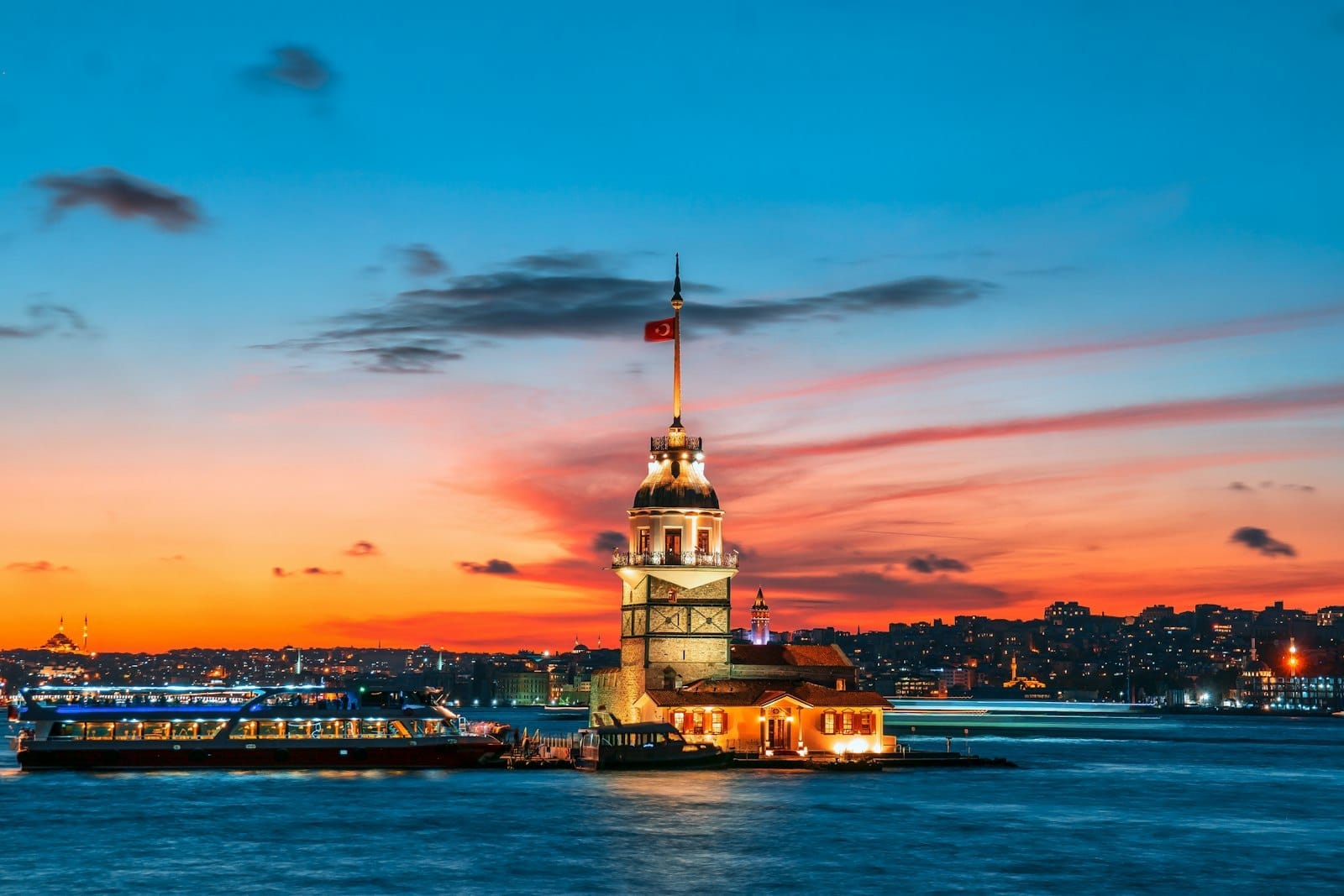
The waterfront promenade runs north and south from the main square, giving Üsküdar a linear quality along the shore. Walking north from the ferry terminal, the road passes teahouses and fish restaurants before reaching the Beylerbeyi neighborhood. Walking south, the path curves toward the smaller Salacak shoreline, where the Maiden's Tower sits just offshore on its tiny islet. The interior streets behind the waterfront are a different world: narrow, residential, and steep, with corner bakeries and neighborhood mosques that see far more locals than visitors.
As a district, Üsküdar borders Kadıköy to the south and Beykoz to the north. It is geographically distinct from Kadıköy, which has a more commercial and nightlife-oriented character. Understanding this distinction helps visitors choose the right base: Üsküdar is quieter, more conservative in atmosphere, and weighted toward historic sites rather than restaurants and bars.
Character & Atmosphere
The pace in Üsküdar is noticeably slower than the European side. Early mornings at the ferry terminal are genuinely working-class Istanbul: commuters in dark coats pulling rolling bags, tea vendors pouring tulip glasses from massive urns, the low horn of a ferry departing for Beşiktaş. The smell of simit — the sesame-encrusted bread rings sold from carts everywhere — mixes with diesel and sea salt. By 8am the square is moving fast, and then it gradually exhales as the commuter rush passes.
By mid-morning, the neighborhood settles into a different rhythm. The waterfront fills with retirees on benches, mothers walking children, and the occasional tour group photographing the Maiden's Tower from the shore. The light in Üsküdar is one of its quiet advantages: facing west across the Bosphorus, the district gets the afternoon sun head-on, and the view of the European skyline — minarets of Sultanahmet, the hills of Beyoğlu, the Galata Tower above Karaköy — turns golden from around 4pm until dusk.
Üsküdar is predominantly conservative and pious by Istanbul standards. The density of active mosques is high even by this city's measure, and you will hear the call to prayer from multiple directions simultaneously five times a day. The cafés up the hillside tend toward Turkish tea and coffee rather than craft cocktails. This is not a neighborhood for nightlife; after 10pm, the streets quiet down significantly outside of a few restaurants near the waterfront. That said, there is nothing unwelcoming about the atmosphere. The neighborhood simply operates on its own terms.
ℹ️ Good to know
Üsküdar is one of Istanbul's most religiously observant districts. Dress modestly if you plan to visit the mosques, and note that several major mosques here are active places of worship with large congregations, not just tourist sites.
What to See & Do
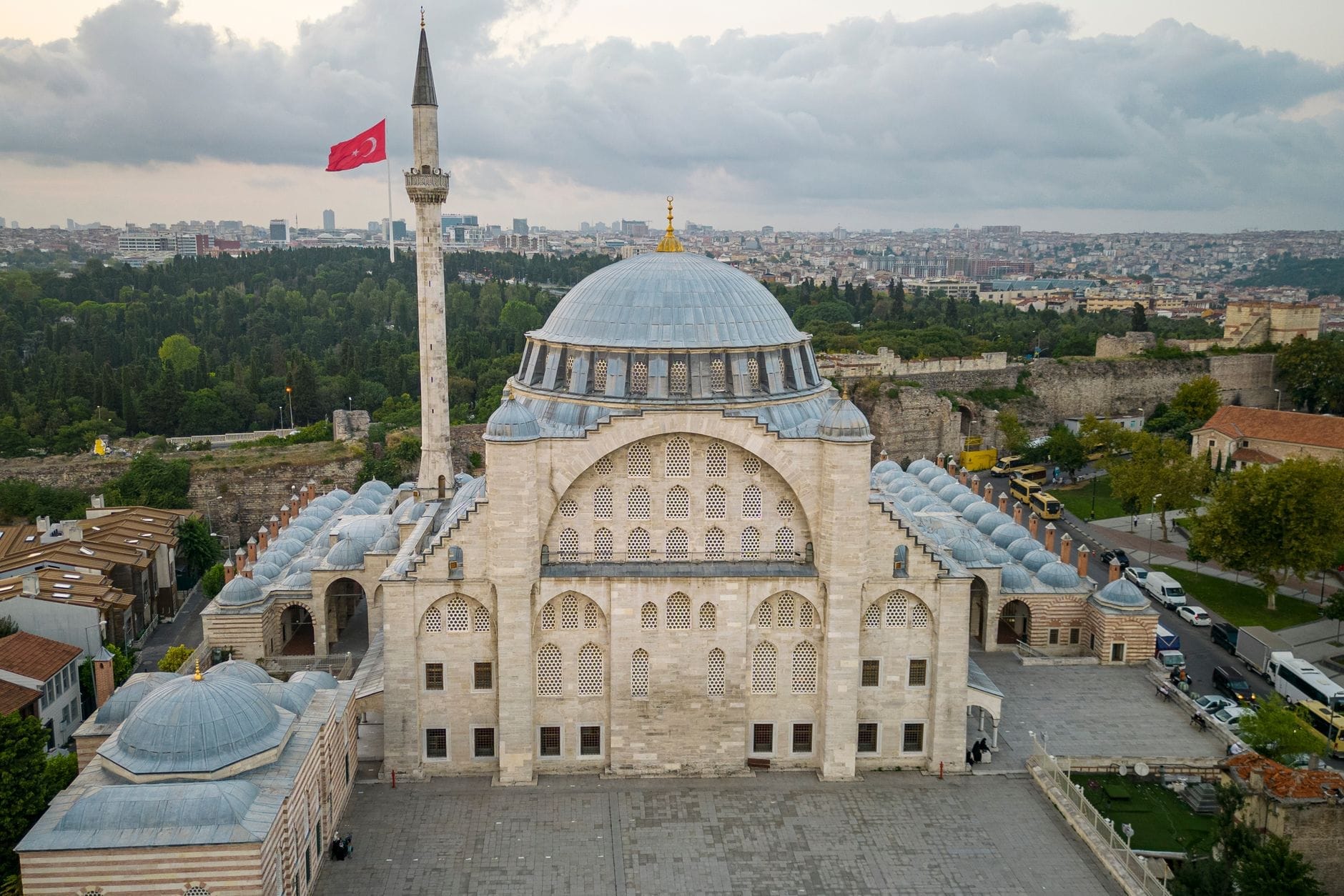
The Mihrimah Sultan Mosque is the first thing most visitors notice when stepping off the ferry. Designed by the master Ottoman architect Mimar Sinan and completed in 1548, it was commissioned by Süleyman the Magnificent's daughter Mihrimah. The mosque sits so close to the waterfront that it appears to rise directly from the Bosphorus, and its pencil minarets are visible from far across the water. The interior is airy and bright, with galleries on three sides. It is less visited than Sinan's more famous works in Sultanahmet, which means you can often appreciate it in peace.
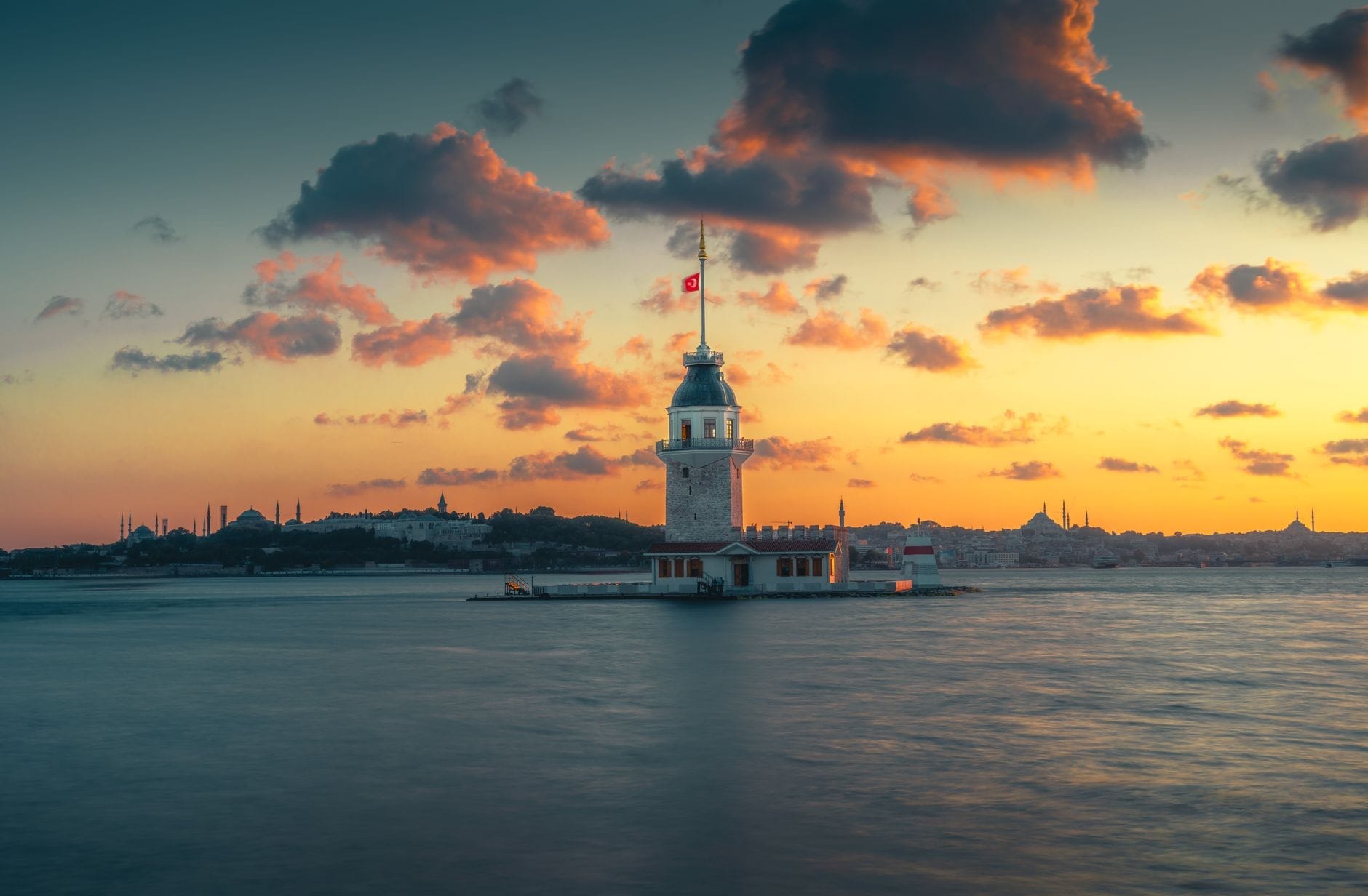
The Maiden's Tower stands on a small rock islet roughly 200 meters offshore from the Salacak waterfront, south of the main square. The tower has appeared in Turkish legend and poetry for centuries, and the views from its upper levels take in both the Asian and European shorelines simultaneously. A small boat service runs from the shore to the tower. While it has been restored and is commercially operated, the exterior view from the Salacak promenade at sunset is striking and costs nothing.
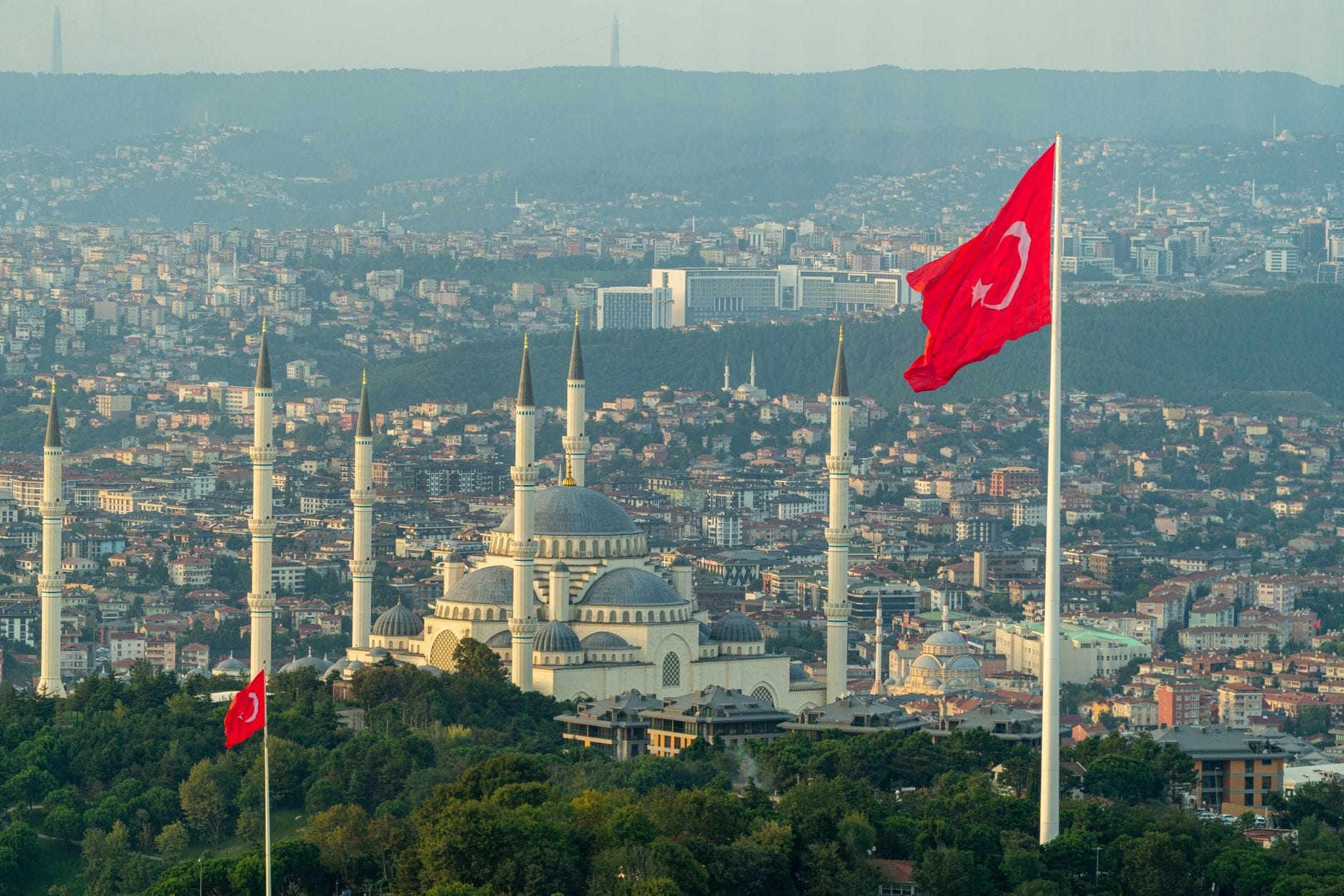
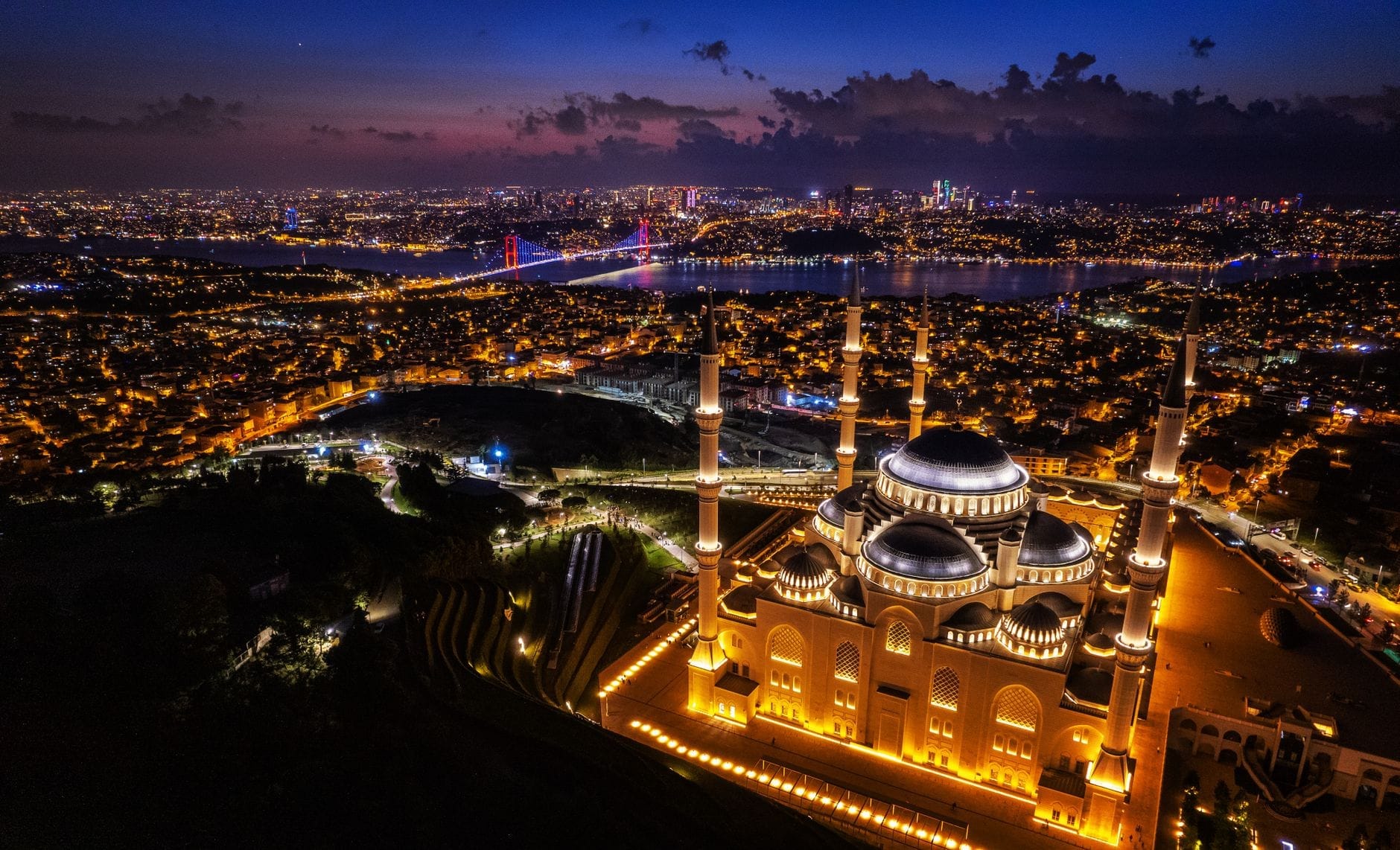
Çamlıca Hill is the highest point on the Asian side, and on a clear day the panoramic view from the top takes in both the Bosphorus bridges, the Prince's Islands in the Sea of Marmara, and the full Istanbul skyline. The hill is divided into two peaks: the smaller, older park on Küçük Çamlıca, and the larger Büyük Çamlıca, which now hosts the enormous Çamlıca Mosque, the largest mosque in Turkey, completed in 2019. The mosque can hold over 60,000 worshippers and its minarets are visible from across the city. Whether you find it impressive or overwhelming depends entirely on your expectations.
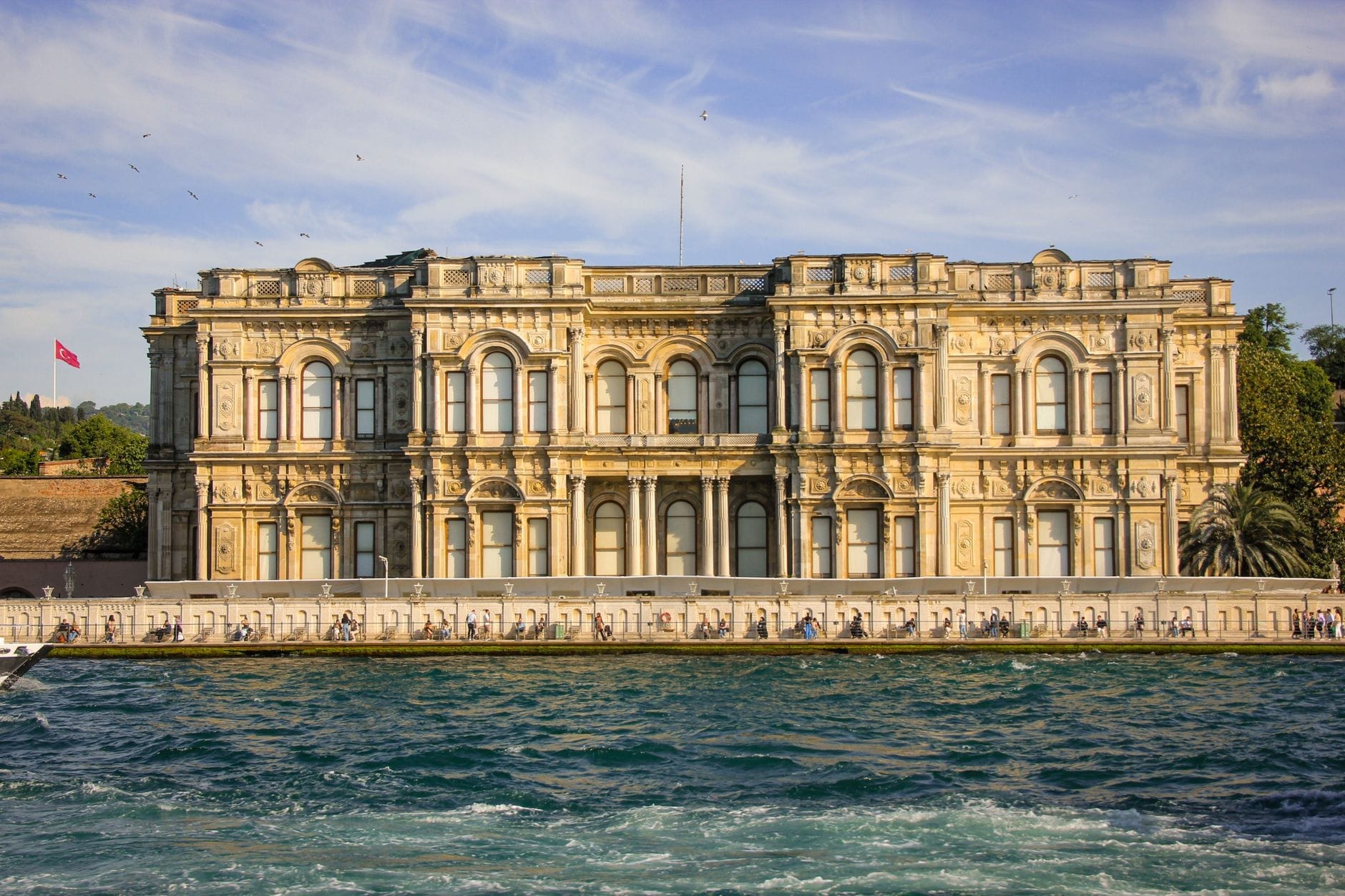
Further south along the Bosphorus shore, within the administrative boundaries of Üsküdar, lies Beylerbeyi Palace. Built in the mid-19th century as a summer residence for Ottoman sultans, it is smaller and arguably more elegant than Dolmabahçe across the water. The interior is intact with original furnishings, and the gardens step down in terraces to the Bosphorus. It receives far fewer visitors than its European-side equivalent, making it one of the more rewarding palace visits in Istanbul.
Mihrimah Sultan (İskele) Mosque: Sinan's waterfront masterpiece from 1548
Maiden's Tower (Kız Kulesi): historic islet tower with Bosphorus views
Çamlıca Hill: the city's best panoramic viewpoint on the Asian side
Beylerbeyi Palace: intimate 19th-century Ottoman palace on the southern shore
Şakirin Mosque: a notable contemporary mosque with striking modern interior design
Waterfront promenade at Salacak: the best free vantage point for photographing the Maiden's Tower
💡 Local tip
For the best view of Istanbul's European skyline, position yourself along the Üsküdar waterfront between 4pm and sunset. The Sultanahmet mosques, Galata Tower, and Topkapı Palace hill are all framed together from this angle in a way that no viewpoint on the European side can replicate.
Eating & Drinking
Üsküdar is not a restaurant destination in the way that Kadıköy or Beyoğlu are. The food scene here is overwhelmingly local: neighborhood kebab houses, börek shops, pide restaurants, and the kind of fish restaurants that have been operating in the same spot for decades. Prices are lower across the board than the tourist-facing European side, which makes eating well here relatively affordable.
The area around the ferry terminal and the central square has the highest concentration of food options. Fish restaurants line parts of the waterfront, and several offer straightforward grilled fish and mezes with Bosphorus views at reasonable prices. For street food, the square itself and the streets immediately behind it have simit vendors, kokoreç stands, and döner options throughout the day. The local market streets running uphill from the waterfront are where you find bakeries, pastry shops selling kadayıf and baklava by the tray, and small grocery stores where you can assemble a proper picnic.
Teahouses are central to daily life in Üsküdar in a way that is less true of the hipper European-side neighborhoods. Many of them open onto the water or have garden seating uphill with views. Turkish tea (çay) and Turkish coffee are the primary offerings; the café culture of flat whites and avocado toast has arrived in modified form but is not dominant here. Alcohol is available in some restaurants but the neighborhood has far fewer bars than Kadıköy or Beyoğlu. If a lively drinking scene matters to your trip, this is not the right base.
💡 Local tip
The market street running inland from the ferry square is worth exploring for fresh produce, cheese, and Turkish pastries. It is most active in the morning and winds down by early afternoon.
Getting There & Around
Üsküdar has excellent transit connections, which is one of the main reasons it functions as both a residential district and a transit hub. Three major transport modes converge at the central square: city ferries (vapur), the Marmaray commuter rail line, and the M5 metro. Most visitors arrive by ferry, which is both the most practical and the most atmospheric approach.
Ferries from Beşiktaş on the European side take roughly 10 minutes and depart frequently throughout the day, operated by Şehir Hatları. Ferries also connect Üsküdar to Eminönü, which is the most useful route for visitors coming from Sultanahmet and the Historic Peninsula. The ferry terminal sits immediately in front of the Mihrimah Sultan Mosque, so arrival by boat puts you directly at the neighborhood's most important landmark.
The Marmaray line runs under the Bosphorus and connects Üsküdar station with Sirkeci on the European side in about four minutes, and continues west through the European rail network. This is the fastest option between Üsküdar and the historic peninsula. The M5 metro line (Üsküdar to Çekmeköy) connects the district to Kadıköy via transfer at Ayrılıkçeşmesi. For getting to and from the airport on the Asian side, other transit options are needed. All three services use the Istanbulkart, the standard contactless transit card.
Within the neighborhood, walking is the best option along the waterfront and for the immediate area around the central square. The streets climbing the hillside are steep but passable. Dolmuş minibuses run frequent routes from the main square up toward Çamlıca and further inland. Taxis are readily available near the ferry terminal. For Beylerbeyi Palace, the easiest approach is a short taxi or bus ride south along the Bosphorus shore road.
Where to Stay
Üsküdar is not a primary hotel district and accommodation options are limited compared to the European side. Most visitors to Istanbul who want to be based on the Asian side choose Kadıköy, which has more hotels, restaurants, and nightlife. That said, Üsküdar does have a small number of hotels and boutique guesthouses, predominantly near the waterfront and central square. Staying here puts you close to the ferry terminal with quick connections to both sides of the city.
The right traveler for an Üsküdar base is someone who wants an authentic, non-touristy urban experience, is comfortable navigating by metro and ferry, and is more interested in historic mosques and local market streets than rooftop bars and restaurant strips. Those prioritizing access to Sultanahmet, Beyoğlu, or Taksim will find the European side more convenient, despite Üsküdar's strong transit links. For a full overview of where different neighborhoods sit in the accommodation hierarchy, the where to stay in Istanbul guide covers the trade-offs in detail.
History & Context
Üsküdar's history predates Istanbul itself. The ancient Greeks established a colony here called Chrysopolis, meaning 'city of gold', on the Asian shore. The name Üsküdar derives from the Byzantine 'Scutari', which is also why the district appears as Scutari in most pre-20th century European accounts. Florence Nightingale ran the British military hospital here during the Crimean War, and the large cemetery near the Büyük Mezarlık contains the graves of approximately 8,000 British soldiers from that conflict.
During the Ottoman period, Üsküdar functioned as the gateway to Asia: the starting point of the Silk Road and the departure point for the Hajj caravan from Istanbul. Ottoman sultans built mosques here as statements of imperial piety, which is why Sinan's Mihrimah Sultan Mosque sits so prominently at the waterfront. The neighborhood's skyline of white minarets against wooded hills is essentially an Ottoman urban landscape preserved into the present. For visitors interested in this period of the city's history, the Ottoman Istanbul guide provides broader context for what Üsküdar represents within that imperial geography.
The district also connects to Istanbul's Byzantine past, which stretched across both shores of the Bosphorus. The Byzantine history of Istanbul helps explain why Chrysopolis on the Asian side was always treated as a strategic counterpart to Constantinople, and why control of the crossing point here was so militarily and commercially significant for more than a millennium.
⚠️ What to skip
Üsküdar is not the right choice for travelers primarily focused on nightlife, a wide bar and restaurant scene, or easy walking access to major European-side attractions. The ferry and Marmaray connections are fast, but if you plan to be out late on the European side regularly, staying in Karaköy, Beyoğlu, or Sultanahmet will save considerable effort.
Practical Tips
Üsküdar fits naturally into a broader Asian-side day that also includes Kadıköy. The two districts are about 3 kilometers apart along the shoreline and connected by bus. Many travelers who explore Istanbul's Asian side combine the historic and mosque-heavy atmosphere of Üsküdar in the morning with the food markets and café culture of Kadıköy in the afternoon. The sequence works well because Üsküdar's main sites are morning-appropriate and Kadıköy's market is at its best before noon.
If you are including Beylerbeyi Palace in your visit, allocate at least half a day for the southern end of the district. Combining it with a Bosphorus cruise makes geographic sense, since cruise routes pass directly in front of the palace. For visiting the mosques, Friday midday prayers draw large congregations and access for non-worshippers may be restricted during prayer times, so either arrive well before the call to prayer or wait until after it concludes.
TL;DR
Üsküdar is the most historically significant district on Istanbul's Asian shore, with Ottoman mosques, Bosphorus views, and a working waterfront that feels entirely removed from the tourist circuit across the water.
Best suited to travelers who want an authentic, residential Istanbul experience and are comfortable using ferries, Marmaray, and the M5 metro to reach European-side attractions.
Key draws: Mihrimah Sultan Mosque, the Maiden's Tower from Salacak shore, Çamlıca Hill panoramas, and Beylerbeyi Palace on the southern waterfront.
Not the right base if nightlife, a wide bar scene, or walking distance to Sultanahmet are priorities. The ferry connection is fast, but late nights on the European side mean late returns.
Best visited as a half-day or full-day excursion from a European-side base, or combined with Kadıköy for a full Asian-side day. Morning light and the afternoon Bosphorus view are both worth planning around.
Three days in Istanbul is enough to cover the imperial monuments of Sultanahmet, the 19th-century streets of Beyoğlu and Galata, and a Bosphorus excursion to the Asian side. This itinerary is built around logical geography, practical crowd advice, and practical logistics so you spend your time sightseeing, not backtracking.
Istanbul's skyline is defined by its mosques, and the city's finest range from world-famous Ottoman imperial complexes to exquisite tiled interiors few tourists ever find. This guide covers the best mosques in Istanbul, with practical advice on when to visit, what to look for, and how to plan your route.
Istanbul's museums span 1,500 years of history, from Byzantine treasures and Ottoman palace complexes to cutting-edge contemporary art. This guide covers the essential collections, the underrated finds, and everything you need to plan your visits efficiently.
Istanbul rewards visitors year-round, but the timing of your trip makes a real difference. This guide breaks down every season by weather, crowd levels, prices, and key events so you can choose the window that fits your priorities.
The Bosphorus strait is the reason Istanbul exists, and a cruise across it is one of the city's most rewarding experiences. This guide covers every type of cruise, from the 340 TL public ferry to private yachts, with clear advice on what's worth your money and what isn't.
Istanbul's location makes it one of the best-placed cities in the world for day trips. Within a few hours you can reach car-free Victorian islands, Black Sea beaches, ancient Bosphorus fishing villages, and forested nature parks — many reachable on public transport for just a few dozen lira.
Istanbul's transport network spans metro lines, trams, Bosphorus ferries, buses, and ride-hailing apps across a city of Istanbul's transport network spans metro lines, trams, Bosphorus ferries, buses, and ride-hailing apps across a city of nearly 15.7 million people.. This guide breaks down every option by cost, convenience, and route, so you can move around Istanbul without confusion or overpaying.
Istanbul is safe for most tourists who take standard urban precautions, but it pays to know what risks actually exist. This guide breaks down crime patterns, common scams, neighborhood safety, transport tips, and what official travel advisories really mean for your trip.
Istanbul Airport (IST) is one of the world's busiest aviation hubs, Istanbul Airport (IST) is one of the world's busiest aviation hubs, handling 84.4 million passengers in 2025 from a single integrated terminal.. This guide covers everything from ground transport and terminal layout to transfer tips and common pitfalls, so you arrive prepared.
Most visitors to Istanbul never cross the Bosphorus. That's a serious mistake. Istanbul's Asian side — anchored by Kadıköy and Üsküdar — holds some of the city's best food markets, waterfront views, historic mosques, and neighbourhood character. This guide covers everything you need to cross over and make the most of it.
Istanbul is not a beach city, but it sits within reach of some surprisingly good coastline. This guide covers the best beaches near Istanbul across the Black Sea, the Princes' Islands, and beyond — with straightforward advice on water quality, currents, crowds, and how to get there.
Modern Istanbul sits directly on top of Constantinople, the Byzantine capital for over a thousand years. This guide covers every major surviving structure, from Hagia Sophia to the Theodosian Walls, with practical details on tickets, opening hours, restoration closures, and the smartest routes to follow.
Istanbul is home to an estimated 125,000 or more street cats, treated not as strays but as community animals cherished by residents and visitors alike. This guide covers the history, cultural roots, famous cats, best neighborhoods to find them, and practical tips for cat lovers visiting the city.
Istanbul food is one of the great culinary traditions of the world, shaped by centuries of Ottoman court cooking, Anatolian regional flavors, and street food culture that runs 24 hours a day. This guide covers every essential dish, the best neighborhoods to eat in, practical pricing, and how to avoid the tourist-trap menus.
Istanbul is one of the world's great romantic cities, where Byzantine history, waterfront sunsets, and Ottoman grandeur combine to create unforgettable experiences for couples. This guide covers the best activities, from Bosphorus cruises and Turkish baths to car-free island escapes and candlelit dinners — with practical advice on timing, pricing, and what to skip.
Istanbul rewards those who look beyond Hagia Sophia and the Grand Bazaar. This guide covers 20 lesser-known attractions across both sides of the Bosphorus, from forgotten Byzantine churches and Ottoman fortresses to colorful waterfront villages and hilltop viewpoints that most visitors never reach.
The Historic Peninsula (Tarihi Yarımada) is the oldest and most monument-dense part of Istanbul, encompassing Sultanahmet, Fatih, Eminönü, Süleymaniye, and more. This guide covers every major sight, practical logistics, crowd management strategies, and the cultural context that makes this area one of the most historically significant urban zones on earth.
Spring is one of the best times to visit Istanbul, but April and May are quite different months. This guide covers weather realities, the Tulip Festival, Bosphorus cruises, crowd patterns, and practical planning tips to help you get the most out of a spring visit.
Winter is Istanbul's most underrated season. Menschenmengen thin out, hotel rates drop, and the city's historic skyline looks cinematic under grey skies or a rare dusting of snow. This guide covers exactly what to expect from the weather, which sights are worth it, and how to make the most of the season.
The meyhane is Istanbul's answer to the long, convivial dinner: shared meze plates, anise-scented rakı sipped slowly across hours, and live fasıl music drifting between tables. This guide covers everything from how a meyhane evening works to the best neighborhoods, what things cost, and the customs that separate a confident diner from a confused tourist.
The official Istanbul Museum Pass is a Ministry of Culture product covering 10+ state-run museums for 5 consecutive days. Before you buy, here's what it actually includes, what it misses, how much it costs, and how to calculate if it's worth it for your trip.
Istanbul's after-dark scene spans multiple continents, dozens of neighborhoods, and every budget. This guide breaks down where to go, when to go, how much to spend, and what nobody warns you about before you arrive.
Istanbul rewards budget travelers more than almost any major European-adjacent city, but only if you know where the real costs hide. This guide breaks down daily spending, transport, food, accommodation, and free sights so you can plan honestly and spend wisely.
Seven days is enough time to move beyond the obvious monuments and get a genuine feel for Istanbul — its neighborhoods, its ferries, its food, and its contradictions. This day-by-day itinerary balances the essential sights with practical logistics, clear budget guidance, and the kind of context that makes the difference between ticking boxes and actually understanding this city.
Istanbul served as the heart of the Ottoman Empire for nearly 500 years, and the city still carries that history in stone, tile, and ceremony. This guide covers the essential sites, the historical context behind them, and the practical details you need to visit them well.
Ramadan transforms Istanbul in ways most guidebooks overlook. This guide covers exactly what changes for visitors, which experiences are exclusive to the month, how to navigate iftar crowds, and what the common misconceptions get wrong.
Istanbul is one of the world's great shopping cities, layering 4,000-shop historic bazaars over modern malls and independent boutique streets. This guide covers every major shopping district, what to actually buy, realistic price ranges, and the practical details most guides leave out.
Istanbul rewards mga solo traveler with extraordinary variety: Byzantine monuments, ferry crossings, street food markets, and a public transport network that makes independent exploration easy. This guide covers safety realities, transport logistics, neighborhood choices, and the experiences that work best when you're traveling on your own terms.
Istanbul's street food scene is one of the city's great pleasures, and one of its great equalizers. Locals and visitors eat side by side at the same simit carts and fish sandwich stalls. This guide breaks down the essential dishes, the best neighborhoods to find them, realistic prices, and a few frank warnings about what to avoid.
Cappadocia is roughly 730 km from Istanbul, and getting there involves more planning than most travelers expect. This guide covers every transport option — flights, overnight buses, and the rail myth — with clear breakdowns of time, cost, and what to arrange before you arrive.
Every April, Istanbul plants 20 to 30 million tulips across its parks and public squares for the İstanbul Lale Festivali. This guide covers the best viewing spots, peak bloom timing, how to get there, and what most visitors get wrong about this free, city-wide event.
Istanbul rewards those who look up and out. Whether you want sweeping Bosphorus panoramas, minarets at golden hour, or a cocktail above the Golden Horn, this guide covers the city's finest viewpoints and elevated spots.
Istanbul rewards walkers like few cities on earth. Whether you follow a guided tour through Sultanahmet's ancient monuments or strike out alone along the Bosphorus shore, these are the routes, landmarks, and neighbourhoods that make the best walks in Istanbul unforgettable.
Istanbul's climate surprises most first-time visitors. Winters are cold and wet, summers are warm but rarely scorching, and the best windows for sightseeing are narrower than you'd expect. This guide breaks down every month so you can pack right, plan better, and avoid the most common weather-related mistakes.
The Sema is one of the world's oldest living spiritual rituals, and Istanbul has several places to witness it. This guide breaks down every major venue, current prices, seasonal schedules, and the etiquette you need to know before you go.
Istanbul is far more family-friendly than its reputation as a history-heavy destination suggests. This guide covers the best kid-approved attractions, practical logistics, seasonal advice, and frank assessments of what works — and what doesn't — when visiting Istanbul with children.
Istanbul rewards upscale travelers with a rare combination: imperial architecture, world-class hotels on the Bosphorus, serious fine dining, and private experiences that go far beyond the standard tourist circuit. This guide covers where to stay, what to book, and how to move through the city like an insider.
Istanbul is one of the world's most layered cities, where Byzantine churches sit beside Ottoman mosques, and Asian fishing villages are a ferry ride from European nightlife. This guide cuts through the noise with specific attractions, current prices, neighborhood breakdowns, and the practical warnings that most travel sites skip.
Istanbul's hammams are among the most atmospheric in the world, operating in buildings that have steamed visitors since the Ottoman era. This guide covers what actually happens inside, which hamams are worth the price, what things cost, and how to make the most of the experience without getting overcharged.
Istanbul is a city of distinct neighborhoods, and where you stay shapes everything from your morning commute to your dinner options. This guide breaks down the best areas for first-timers, budget travelers, couples, and anyone who wants more than just a central location.